 Equip-Link
Equip-Link
Equip-Link
In today's rapidly evolving digital landscape, data center optical transceivers have become essential components. They ensure high-speed data transmission and robust connectivity. According to a recent market report by ResearchAndMarkets, the global optical transceiver market is projected to reach $8 billion by 2025, driven by increasing data demand. Industry expert Dr. John Simmons states, “Selecting the right data center optical transceiver can dramatically improve system performance.”
Moreover, the evolving needs of cloud computing and big data analytics demand an upgrade in optical transceivers. Data centers require reliable and efficient solutions to handle increasing workloads. The recent surge in remote work has only added to this necessity, as organizations must adapt to dynamic usage patterns. However, not all products in the market meet these stringent needs. There is often confusion regarding the specification and compatibility of various models, creating potential pitfalls.
As the industry grows, businesses face the challenge of choosing the optimal optical transceiver. Factors such as cost, efficiency, and scalability play pivotal roles in decision-making. Navigating these choices can be daunting, emphasizing the need for expert guidance. Ultimately, investing wisely in data center optical transceivers can significantly shape the future of connectivity and operational efficiency.
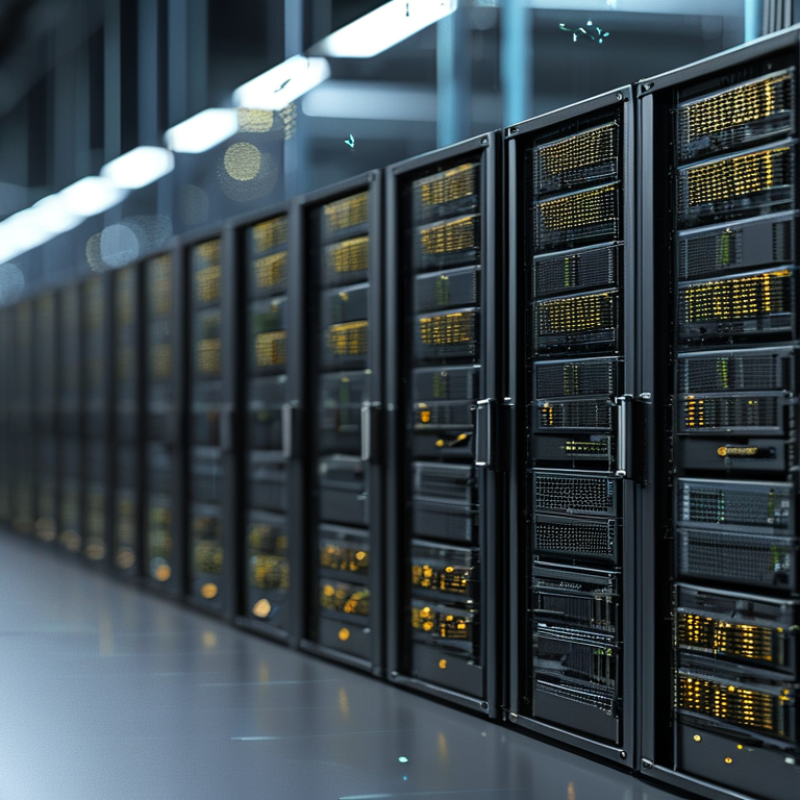
Optical transceivers are critical components in data centers. They connect routers, switches, and other network devices. These units convert electrical signals into optical signals and vice versa. This process enhances data transmission over long distances. In today’s high-speed environment, the need for efficient communication is paramount.
The selection of optical transceivers impacts the overall performance of a data center. Factors such as bandwidth, reach, and compatibility must be considered. Each data center has unique demands. Some may require ultra-fast connections for video streaming while others focus on reliable data backup options. Balancing speed with reliability is a challenge.
Quality is crucial. Not all transceivers are created equal. Testing and validation of performance specifications are essential. Fluctuations in quality can lead to network downtime or slow speeds. It’s vital to reach out to experienced professionals who can offer guidance. They can share insights on optimizing performance and reducing costs. Making informed decisions can elevate the functionality of your data center.
: Consider speed, distance, and compatibility with existing networks. Compatibility issues can limit performance.
Look at total ownership costs, including maintenance and energy consumption, not just the initial purchase price.
Lower-priced options often compromise performance and can lead to higher failure rates and operational costs.
Evaluate warranties and support services. Better support often indicates higher quality and reliability.
Multi-rate transceivers and AI integration are gaining traction. These innovations help optimize performance and predict failures.
Energy-efficient designs can significantly lower operational costs. However, balancing speed and power consumption remains challenging.
Document your specific requirements and research the benefits and limitations of different models before deciding.
The balance between speed, power consumption, and cost-effectiveness is delicate. Ongoing research is critical for effective solutions.
Not every data center may see the same benefits from AI. Consideration is necessary before implementation.
Proper selection improves efficiency, while poor choices can lead to system failures and higher operational costs.
The article "Best Data Center Optical Transceivers to Consider for Purchase?" explores the essential role of data center optical transceivers in modern data infrastructure. It begins with an overview of what optical transceivers are and their significance in ensuring high-speed communication within data centers. Key features to evaluate before purchasing, such as compatibility, speed, and range, are highlighted to guide buyers in making informed decisions.
Additionally, the article reviews popular brands and models available in the market, providing a comprehensive foundation for comparing options. Cost considerations play a crucial part, emphasizing the importance of budget while factoring in longevity and performance. Finally, the article examines future trends in data center optical transceiver technology, indicating the ongoing evolution and advancements that will shape networking solutions in data centers for years to come.
