Equip-Link
Equip-Link
Equip-Link
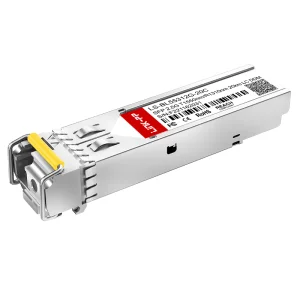
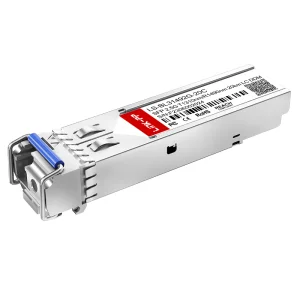
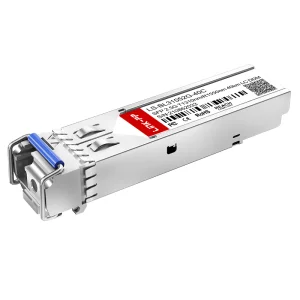
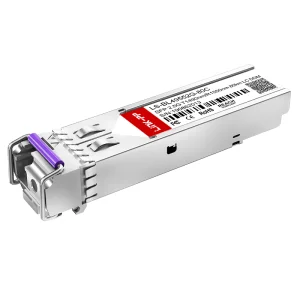
High-performance bidirectional and dual-fiber transceivers engineered to support speeds from 2.5 Gbps up to 6 Gbps over distances of 300m to 80km.
An authoritative analysis of optical transmission mid-band rates bridging Gigabit networks with high-capacity 10G/25G architectures.
In the rapidly evolving landscape of optical telecommunications, the demand for bandwidth capacity is no longer binary. Networks are transitioning away from traditional gigabit (1.25Gbps) lines, yet deploying full-scale 10Gbps or 25Gbps configurations across all nodes is often cost-prohibitive or physically unnecessary. The 2.5G to 6G SFP (Small Form-factor Pluggable) bandwidth tier serves as a critical bridge. This spectrum of optical transceivers is widely adopted in telecommunications fronthaul (CPRI Option 3 to 5), next-generation Broadband Access Networks (such as GPON/XG-PON co-existence configurations), enterprise Wi-Fi 6/7 backhaul links, and metropolitan network expansion.
Globally, the industrial sectors are demanding highly tailored bandwidth configurations. In North America and Europe, operators leverage 2.5G and 5G optical connections to optimize utility grids and urban surveillance networks, preventing high-bandwidth congestion while minimizing fiber lease expenses. In Asia-Pacific and South America, rapid deployments of smart manufacturing facilities and 5G small cells rely on 2.5G~6G SFP modules to deliver the exact performance profile required for low-latency Edge computing and machine-to-machine communications.
By maintaining high optical performance under strict compliance (SFF-8472 and SFF-8431), 2.5G~6G SFP modules allow network operators to maximize their return on investment (ROI). Utilizing advanced technologies like **BiDi (Bidirectional) transmission**, network architectures can operate duplex data pathways on a single strand of fiber, effectively doubling network capacity without laying new physical infrastructure.
As corporate offices and campuses transition to Wi-Fi 6, 6E, and Wi-Fi 7, standard 1Gbps copper networks create severe bottlenecks. 2.5G and 5G SFP modules allow immediate scaling of switch uplinks without requiring expensive upgrades to Category 6A or 7 copper cabling systems.
Base Station architectures require high-frequency optical interconnects between the Remote Radio Unit (RRU) and Building Baseband Unit (BBU). Options such as CPRI-3 (2.458 Gbps), CPRI-4 (3.072 Gbps), and CPRI-5 (4.915 Gbps) run optimally on specialized 2.5G~6G transceivers.
BiDi transceivers use Wavelength Division Multiplexing (WDM) to pair different wavelengths (like 1310nm-TX/1550nm-RX and vice-versa). This technology maximizes physical fiber plant investments by consolidating sending and receiving channels into a single optical strand.
Understanding the engineering milestones, wavelength distributions, and structural evolution of SFP form factors.
Lower rate or shorter distance modules utilize Fabry-Perot (FP) lasers for cost efficiency. For longer ranges (10km up to 80km) or multi-rate configurations, Distributed Feedback (DFB) lasers and Electro-absorption Modulated Lasers (EML) are utilized to suppress dispersion and maintain clean signal integrity.
Digital Diagnostics Monitoring (DDM), in accordance with SFF-8472, is standard across the Equip-Link line. DDM allows real-time telemetry of optical output power, receiver input power, laser bias current, module temperature, and supply voltage.
Deployments are transitioning from standard duplex fiber architectures to Bidirectional (BiDi) simplex LC systems and coarse-wavelength division multiplexing (CWDM). This optimizes existing fiber backplanes for enterprise network expansions.
Edge datacenters processing localized IoT or high-frequency automated trading actions require intermediate fiber links. Using 2.5G and 5G duplex modules, networks achieve sub-millisecond latencies without drawing excess power or generating excessive thermal load compared to 10G/40G transceivers.
Industrial cellular tower installations require robust, wide-temperature range (industrial grade: -40°C to 85°C) transceivers to connect remote radio heads to centralized baseband controllers. Modules at 3G and 6G bandwidth ratings deliver consistent throughput through extreme seasonal fluctuations.
Smart city installations deployment of hundreds of ultra-high-definition (4K/8K) cameras across expansive geographic regions. High capacity 2.5G BiDi modules (up to 40km or 80km) are deployed to handle multiple HD video feeds simultaneously on single fiber lines without jitter.
Founded in 2017, Equip-Link Intelligent Equipment (Shenzhen) Co., Ltd. is a global force in reliable optical transceiver manufacturing.
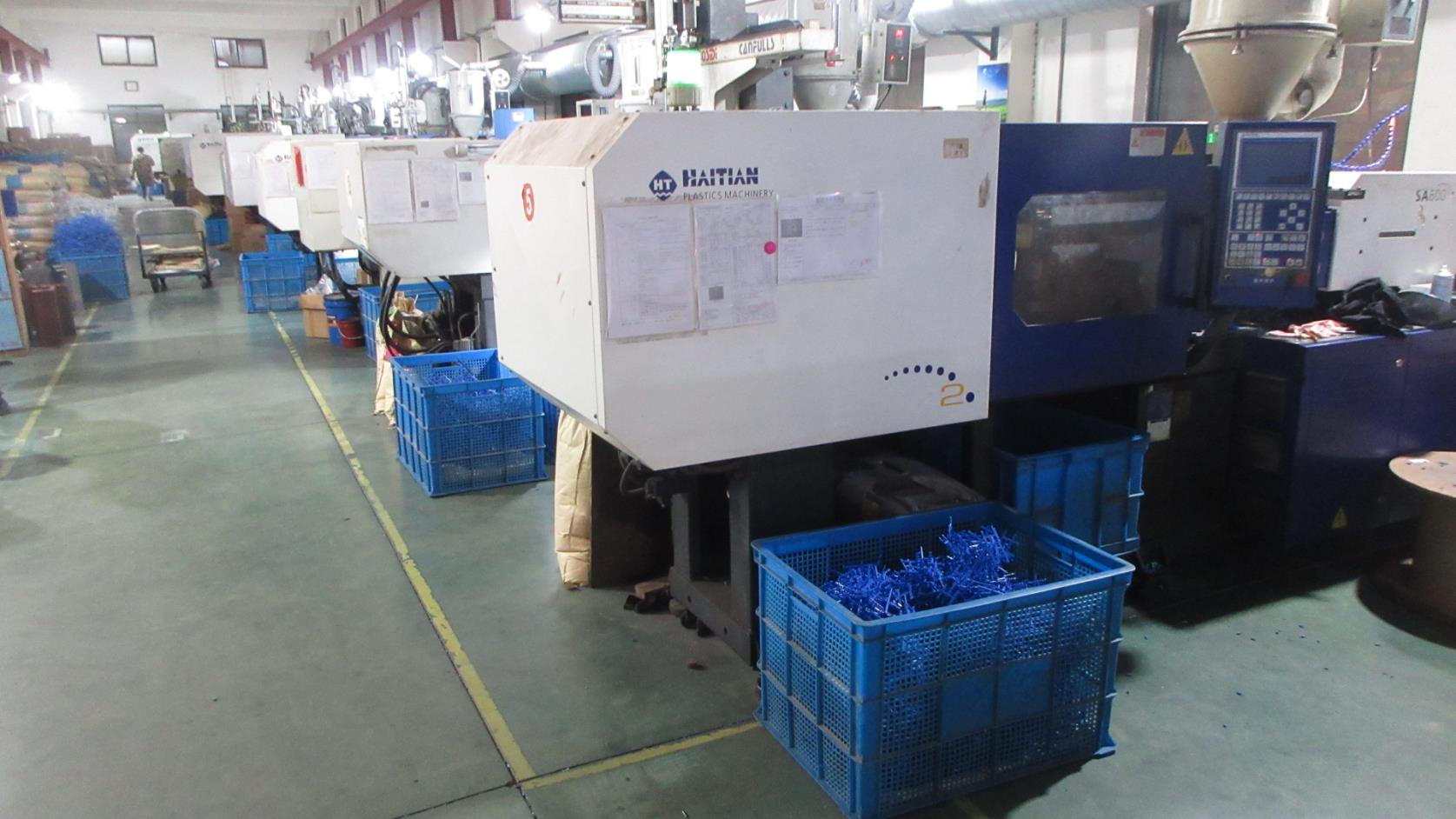
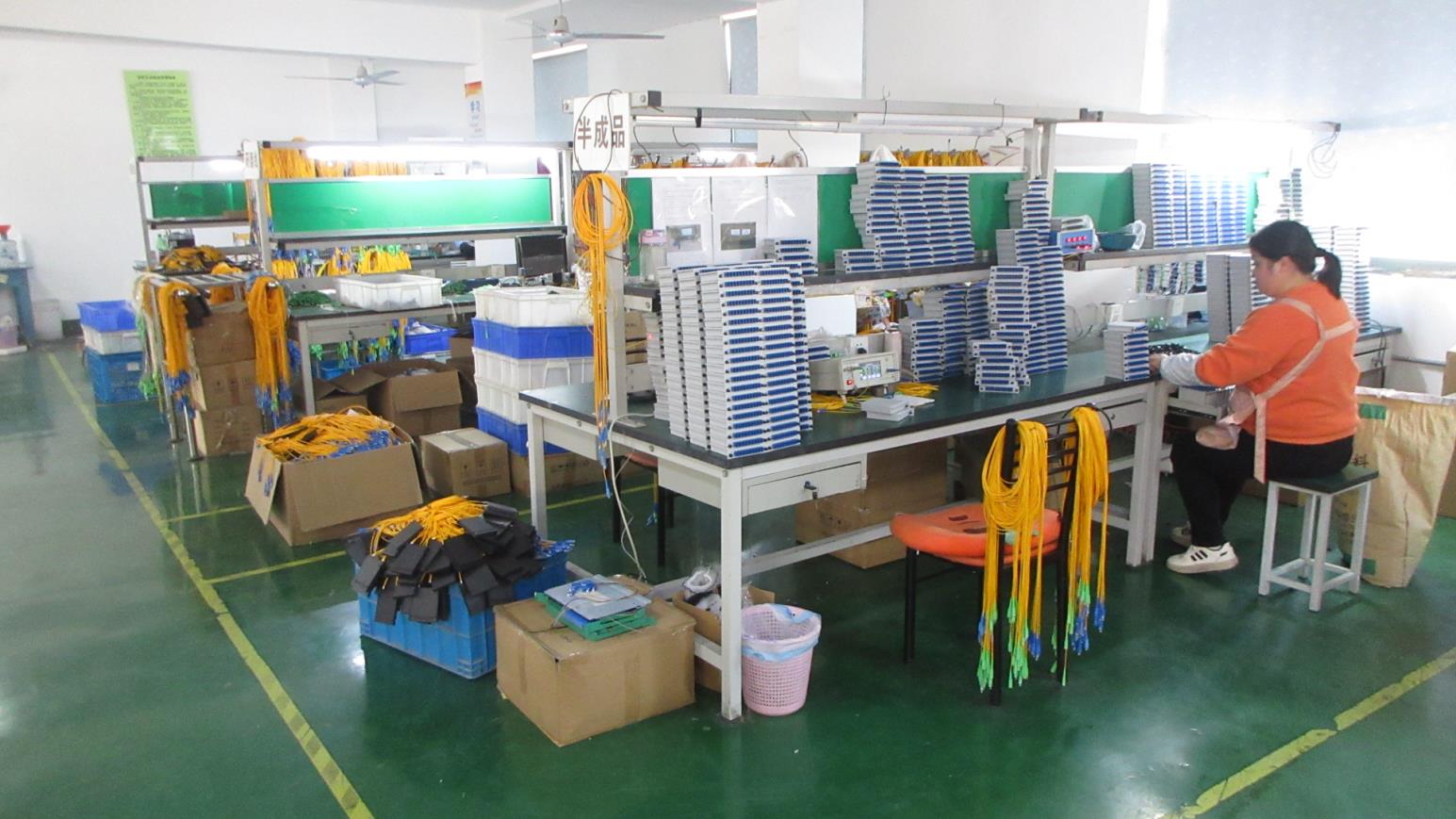
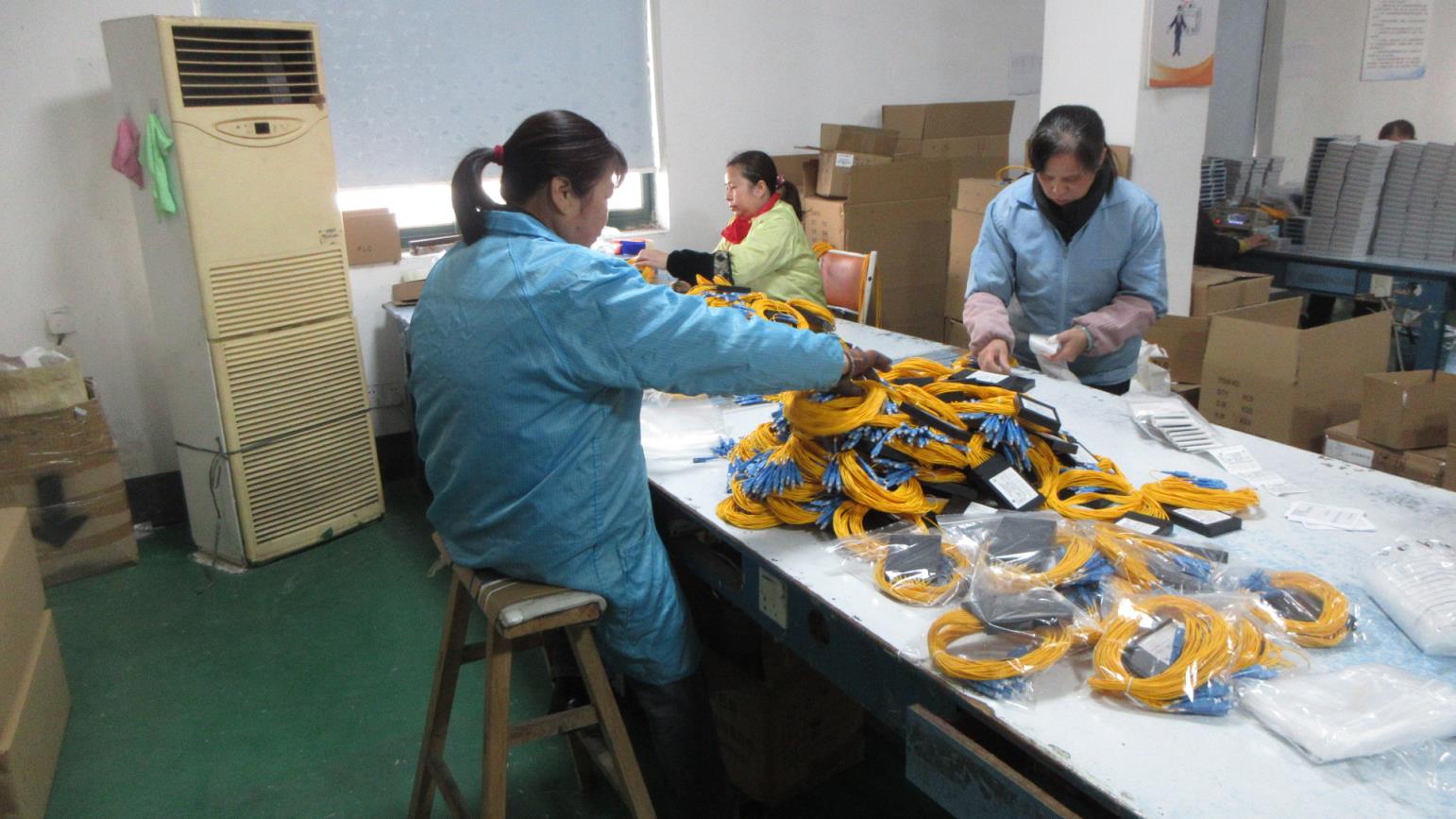
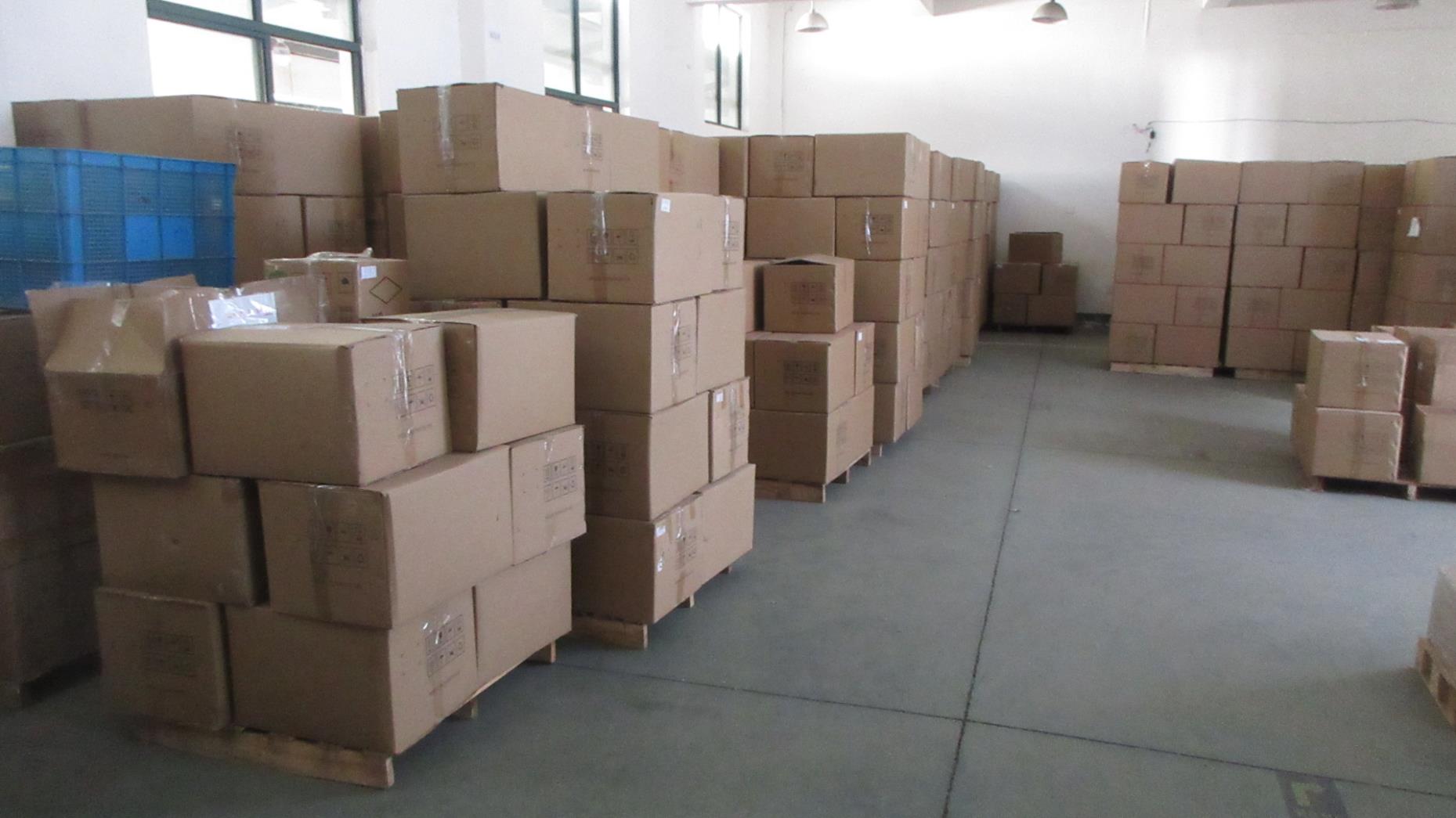
Equip-Link Intelligent Equipment (Shenzhen) Co., Ltd. operates a specialized manufacturing footprint encompassing 380 square meters of state-of-the-art cleanroom facilities. With 9 years of export experience, we cater to a sophisticated international clientele including tier-1 telecom operators, system integrators, cloud service providers, and global distributors across North America, Europe, Southeast Asia, the Middle East, and South America.
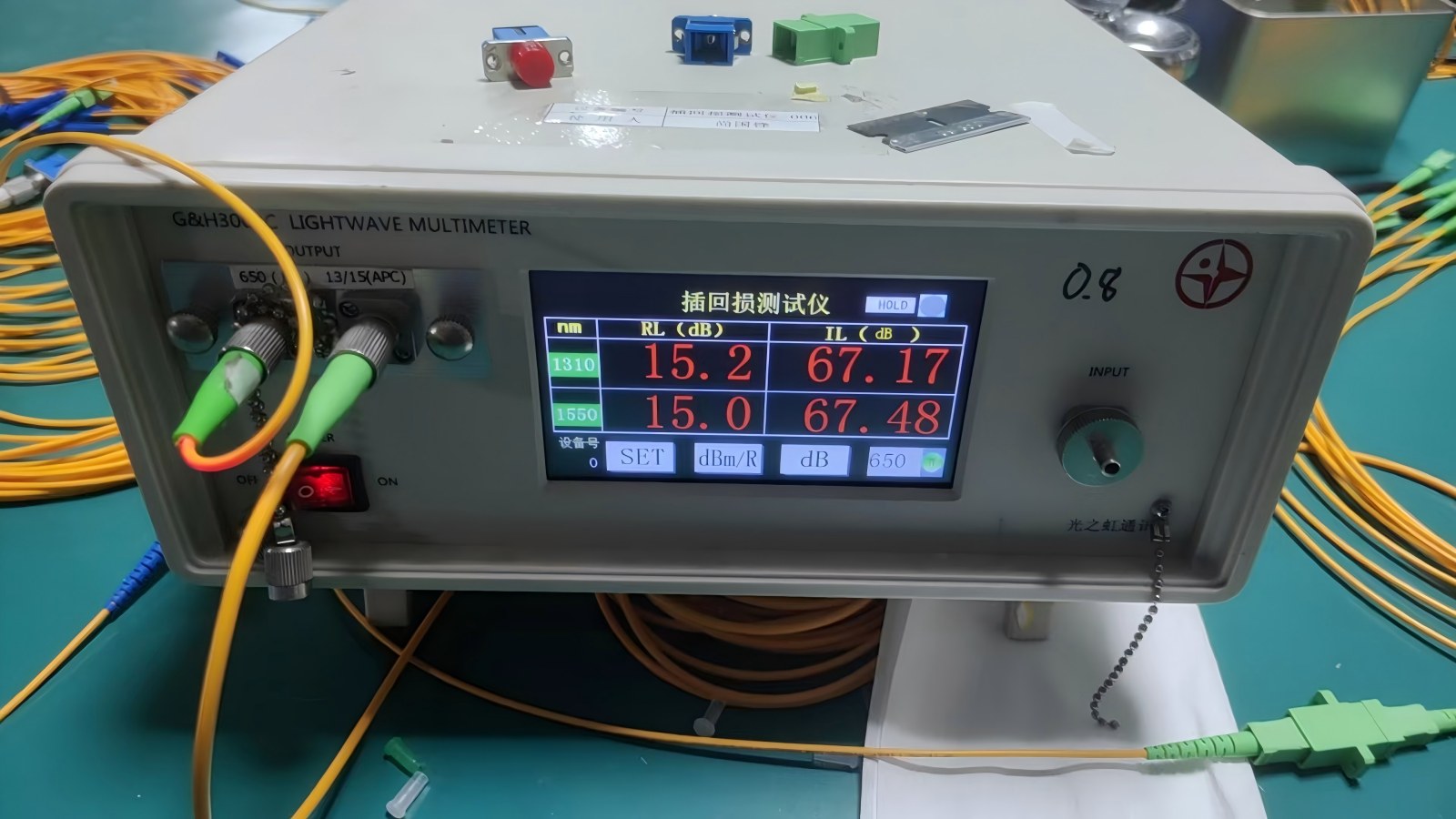
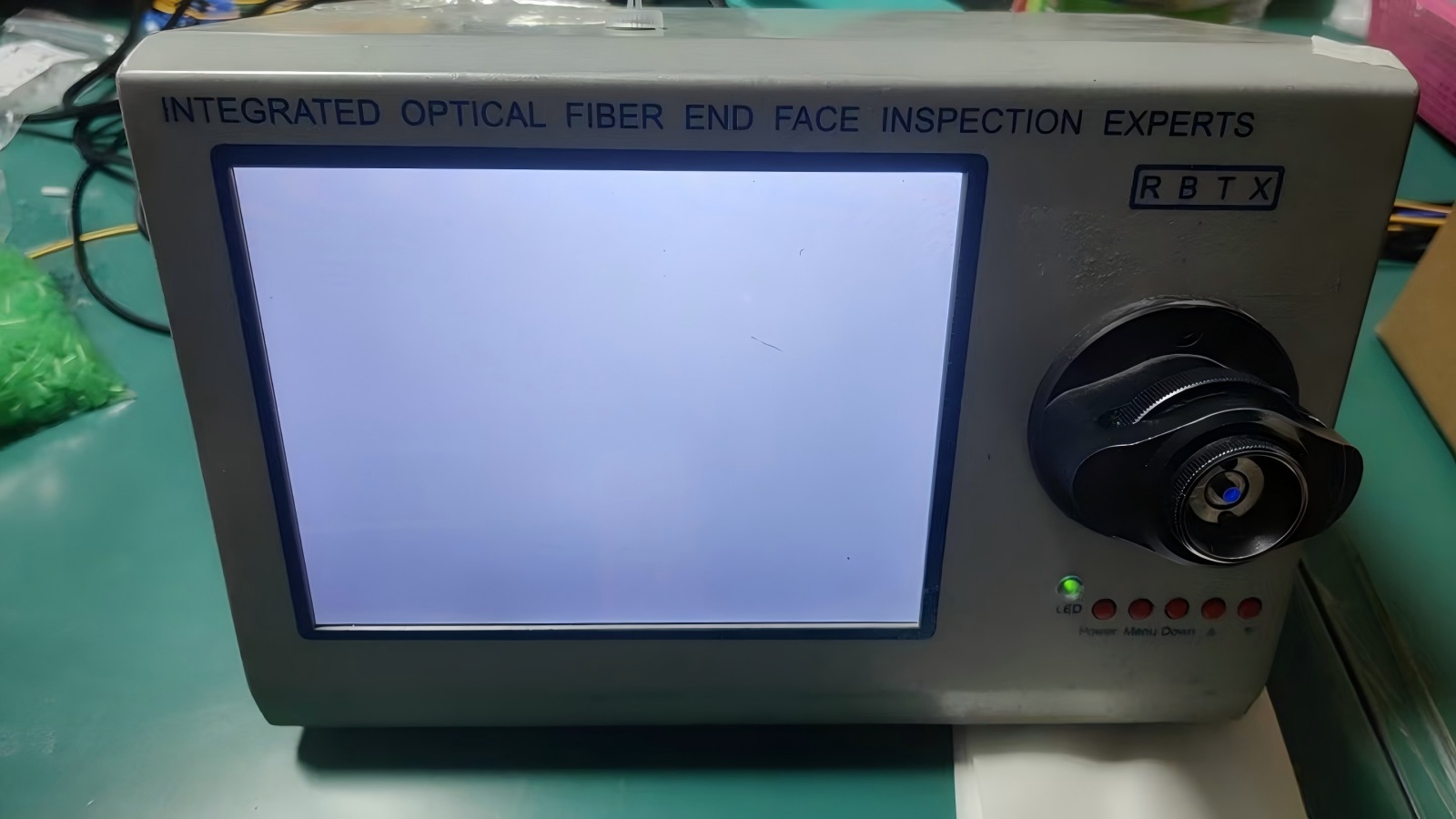
To maintain strict E-E-A-T (Experience, Expertise, Authoritativeness, Trustworthiness) criteria, we employ a dedicated quality assurance team consisting of 36 experienced quality inspectors. Every single transceiver is run through rigorous hardware verification protocols, including incoming material inspection, in-process quality control, and final product testing. Over the past year, our active commitment to innovation saw the release of 126 new products, reinforcing our ability to custom-build solutions through comprehensive OEM/ODM manufacturing, customized firmware programming, private labeling, and compatibility coding for all major switch architectures.
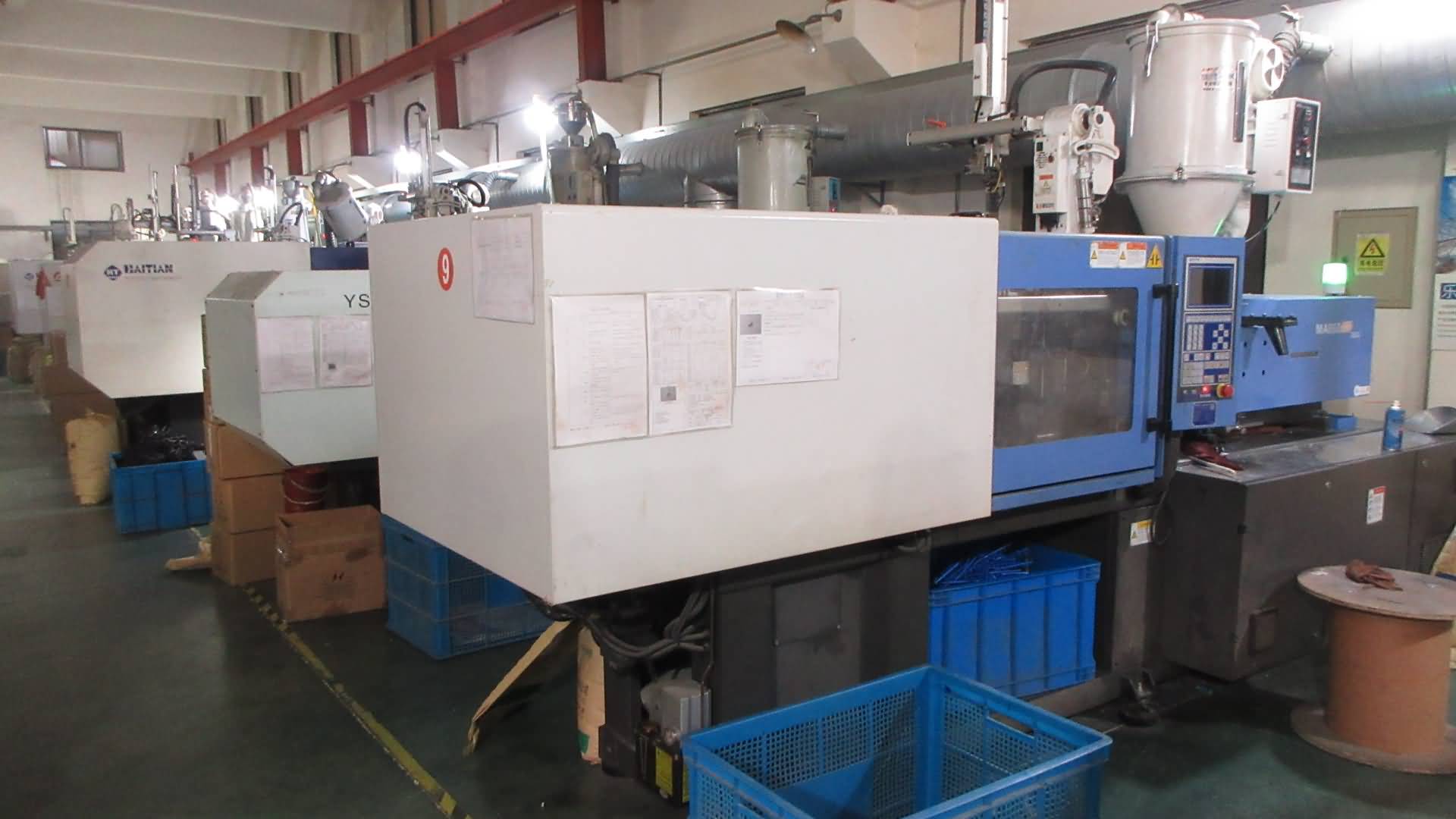
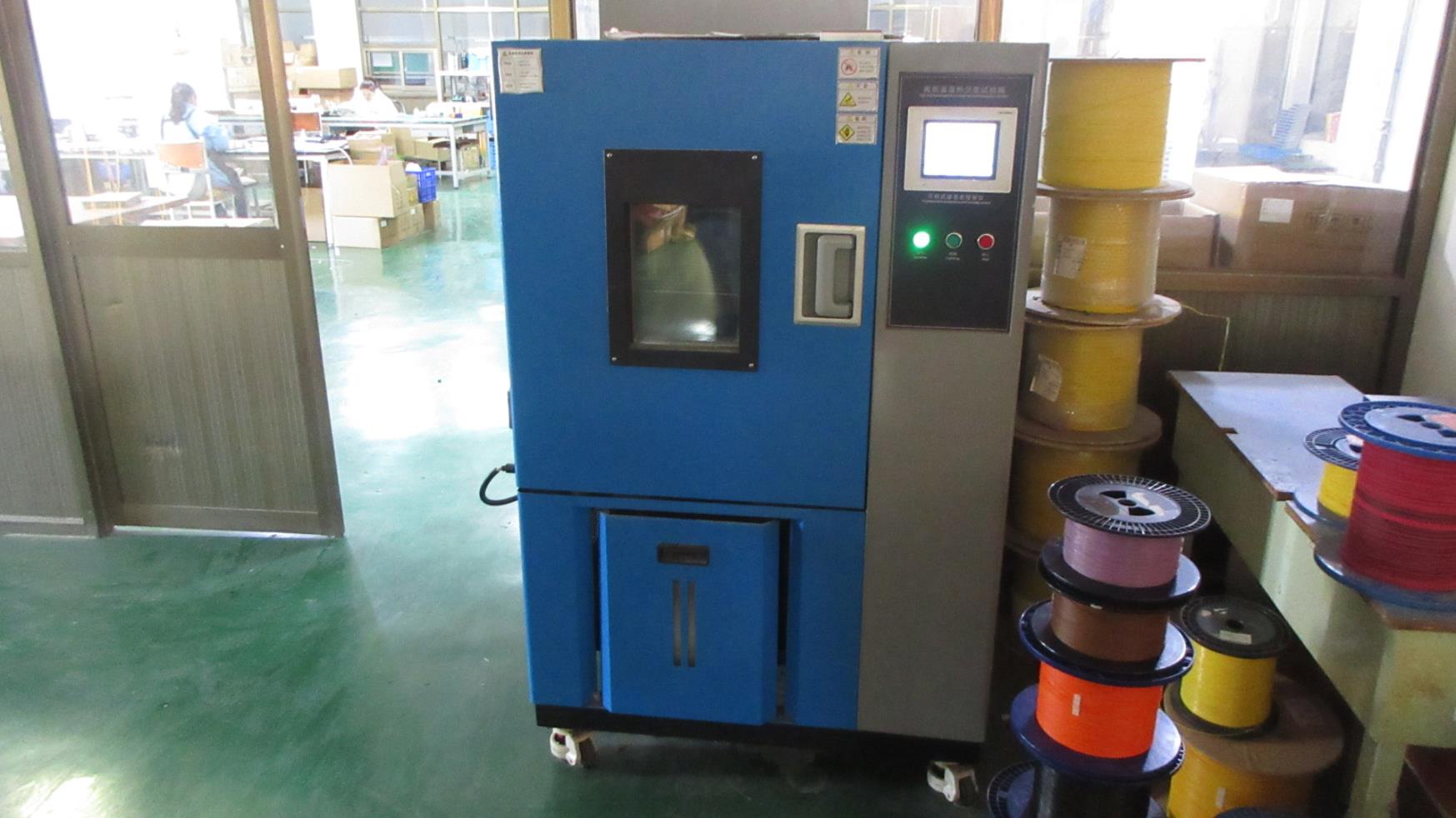
Every stage of production—from raw material verification to advanced environmental stress testing—is conducted under cleanroom standards.

How our 2.5G~6G SFP line fits into comprehensive global networking topologies.
Deploying optical networks requires coexistence between GPON (2.5G downstream/1.25G upstream) and newer XG-PON or XGS-PON systems. Our dual-rate and single-mode 2.5G SFP transceivers serve as the cost-effective link on OLT line cards to optimize network scaling without premature component retirement.
Power transmission stations demand highly reliable networks to prevent outages. 2.5G to 6G SFP modules deployed in industrial switches provide deterministic latency profiles and wide temperature ranges, supporting protection relay and automated SCADA systems over long fiber runs up to 80km.
Modern campuses require high-density Wi-Fi infrastructure. Using our 2.5G and 5G multi-rate transceivers, network engineers build resilient optical ring architectures linking distributed department switches to core data layers, maintaining line-rate speeds with zero packet loss.
Technical answers directly from our engineering team regarding compliance, physical specifications, and operational parameters.
Using a 2.5G SFP module provides two significant advantages in target networks: power consumption and cost. 10G SFP+ modules require higher power budgets and generate more heat. If your switch ports or end devices are configured for 2.5Gbps (common in Wi-Fi 6 APs and CPRI systems), installing a native 2.5G module ensures lower thermal generation, extends device lifespans, and significantly lowers component acquisition costs.
BiDi SFP modules utilize Wavelength Division Multiplexing (WDM) diplexers to combine transmission (Tx) and reception (Rx) channels onto different wavelengths on the same physical glass fiber. For example, a 1310nm-TX/1550nm-RX module is paired with a matching 1550nm-TX/1310nm-RX module on the other end. This allows full-duplex communication over a simplex fiber link, halving installation and leasing costs.
Yes. All of our premium optical transceivers are equipped with Digital Diagnostics Monitoring (DDM), also referred to as DOM (Digital Optical Monitoring). This allows real-time access to operational parameters like internal temperature, supply voltage, laser bias current, transmitted optical power, and received optical power. DDM enables proactive network diagnostics and preventive maintenance.
In most cases, yes, provided the host switch supports multi-rate configurations (speed auto-negotiation or manual port speed configuration). You will need to manually set the port speed of the SFP+ slot to 2500 Mbps (2.5G) in the switch operating system (e.g., Cisco IOS, Arista EOS) to establish a clean physical link.
Commercial-grade transceivers operate within a standard temperature envelope of 0°C to 70°C (32°F to 158°F). Industrial-grade transceivers (marked with -40°C to 85°C) are ruggedized with specialized laser diodes and PCB components to withstand extreme operating temperatures in outdoor cell towers, manufacturing plants, or non-climate-controlled utility rooms.
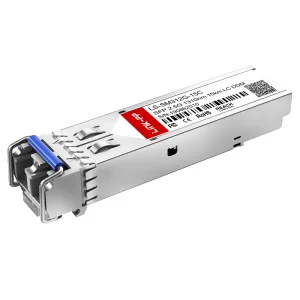
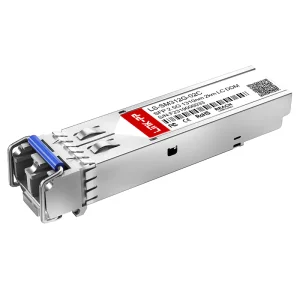
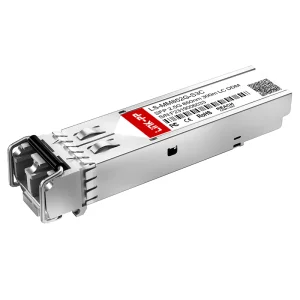
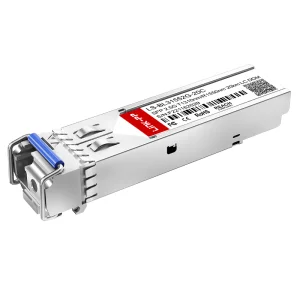
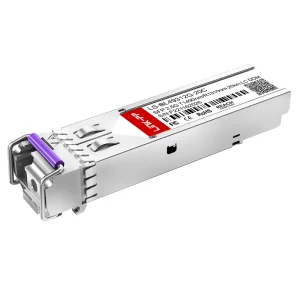
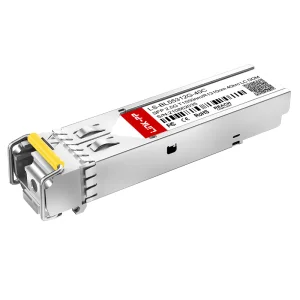
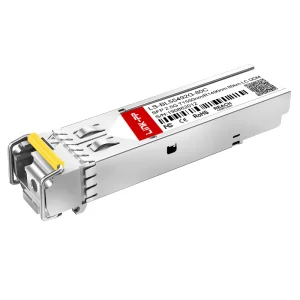
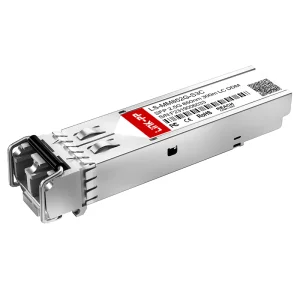
Select the ideal configuration for your physical plant, featuring various wavelengths, link distances, and fiber types.