Equip-Link
Equip-Link
Equip-Link
In the era of Generative AI (GenAI), Large Language Models (LLM), and ubiquitous cloud computing, the demand for bandwidth within the data center has reached an unprecedented tipping point. The transition from legacy 10G/40G architectures to 100G, 200G, and 400G is no longer a luxury but a fundamental necessity for operational scalability. Globally, the optical transceiver market is projected to witness a CAGR of over 15%, driven largely by hyperscale operators like AWS, Google, and Meta, who are rapidly deploying 400G and 800G fabrics to mitigate data bottlenecks.
Industrial applications have also evolved. Beyond traditional telcos, sectors such as High-Frequency Trading (HFT), remote healthcare, and autonomous driving infrastructure require low-latency, high-reliability modules that can withstand rigorous environments while maintaining signal integrity across varied distances.
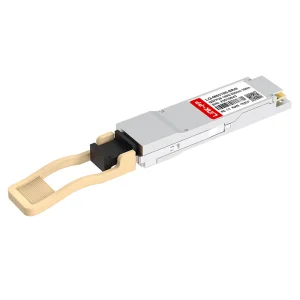
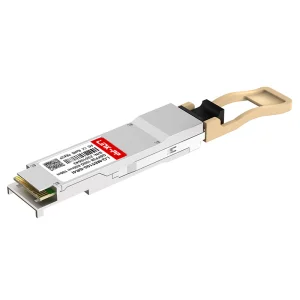
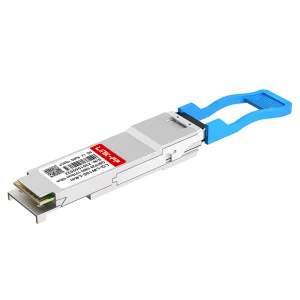
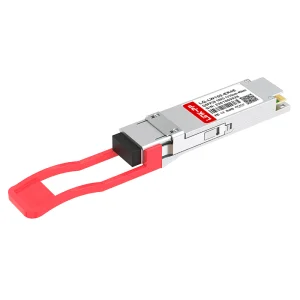
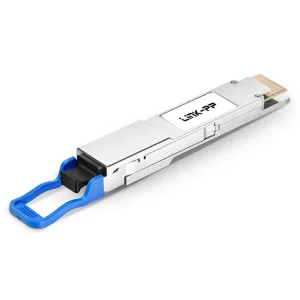
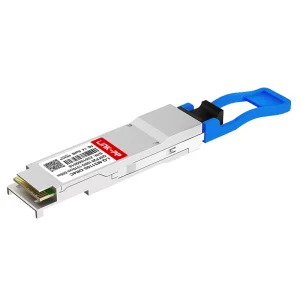
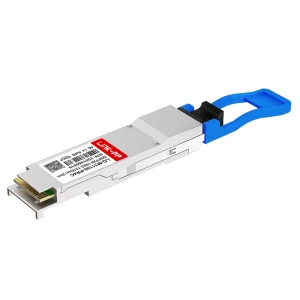
The 100G QSFP28 remains the workhorse of enterprise and mid-tier data centers, offering a mature ecosystem with optimized cost-per-bit and power efficiency.
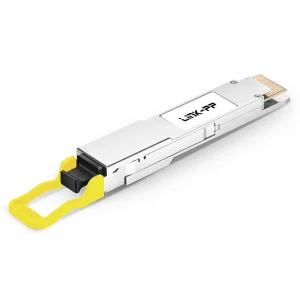
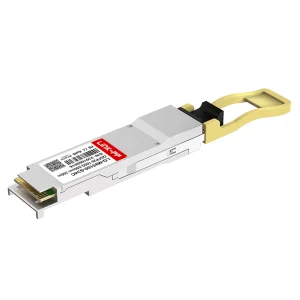
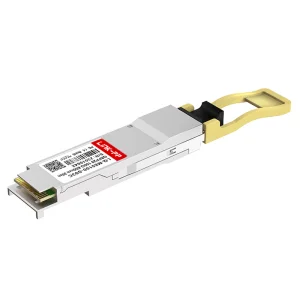
Utilizing PAM4 modulation, 400G modules provide 8 lanes of 50G, effectively doubling the density of previous generations to support AI cluster requirements.
New localized application scenarios demand 100G/200G modules at the edge to process data closer to the source, reducing backhaul congestion.
China has established itself as the global epicenter for optical transceiver manufacturing, particularly in the Shenzhen tech hub. The advantages go beyond simple labor costs; it is about Supply Chain Vertical Integration. A factory like Equip-Link benefits from immediate proximity to laser diode suppliers, PCB fabricators, and specialized testing labs.
Efficiency and Agility: Chinese suppliers can move from prototype to mass production significantly faster than Western counterparts. This "Shenzhen Speed" is crucial when a data center needs to scale by 10,000 nodes within a single quarter.
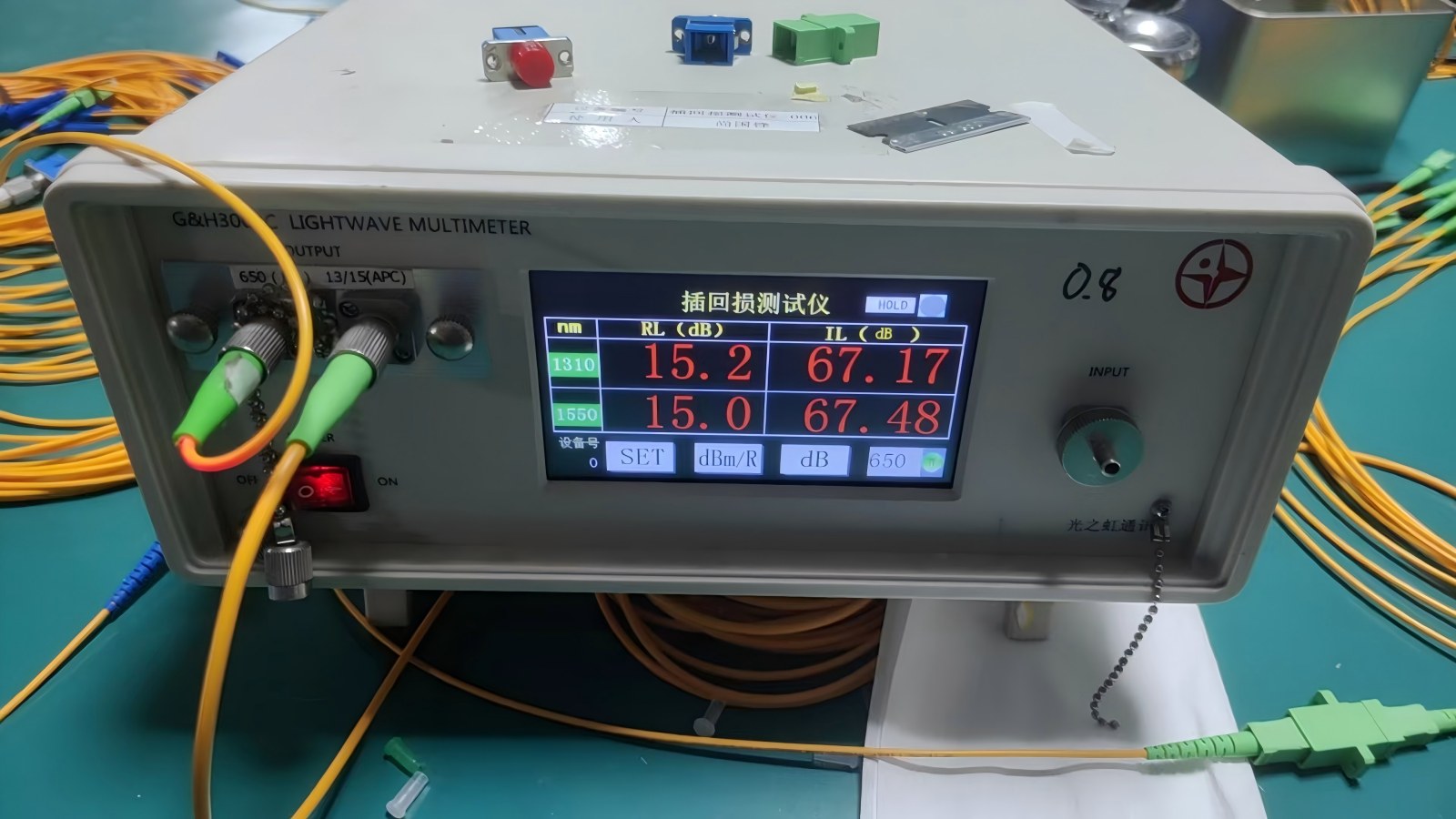
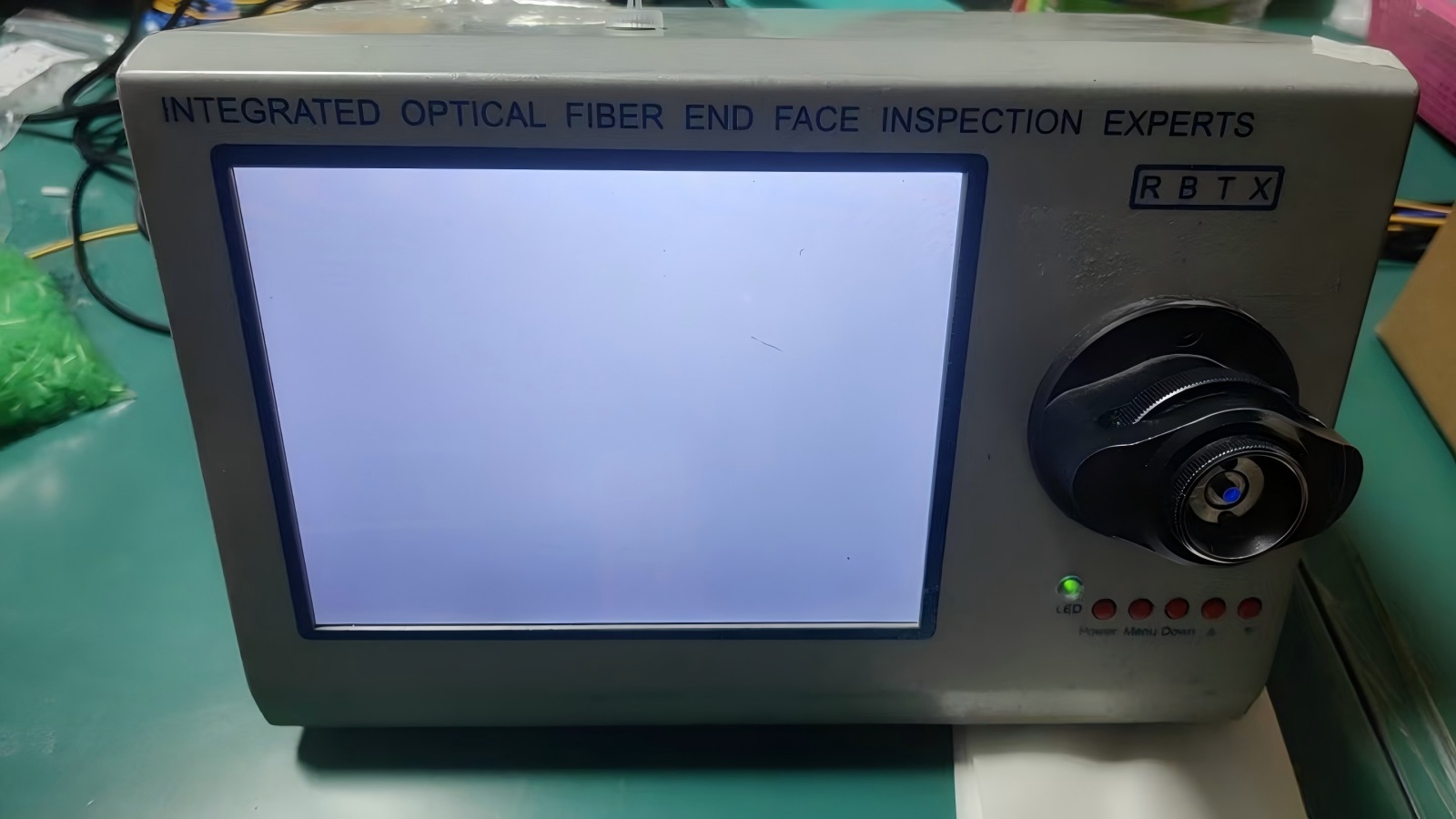
Advanced Testing Standards: Modern Chinese factories utilize automated Optical Performance Analyzers and Bit Error Rate (BER) testers to ensure that every 400G DR4 or 100G LR4 module meets or exceeds IEEE 802.3 standards.
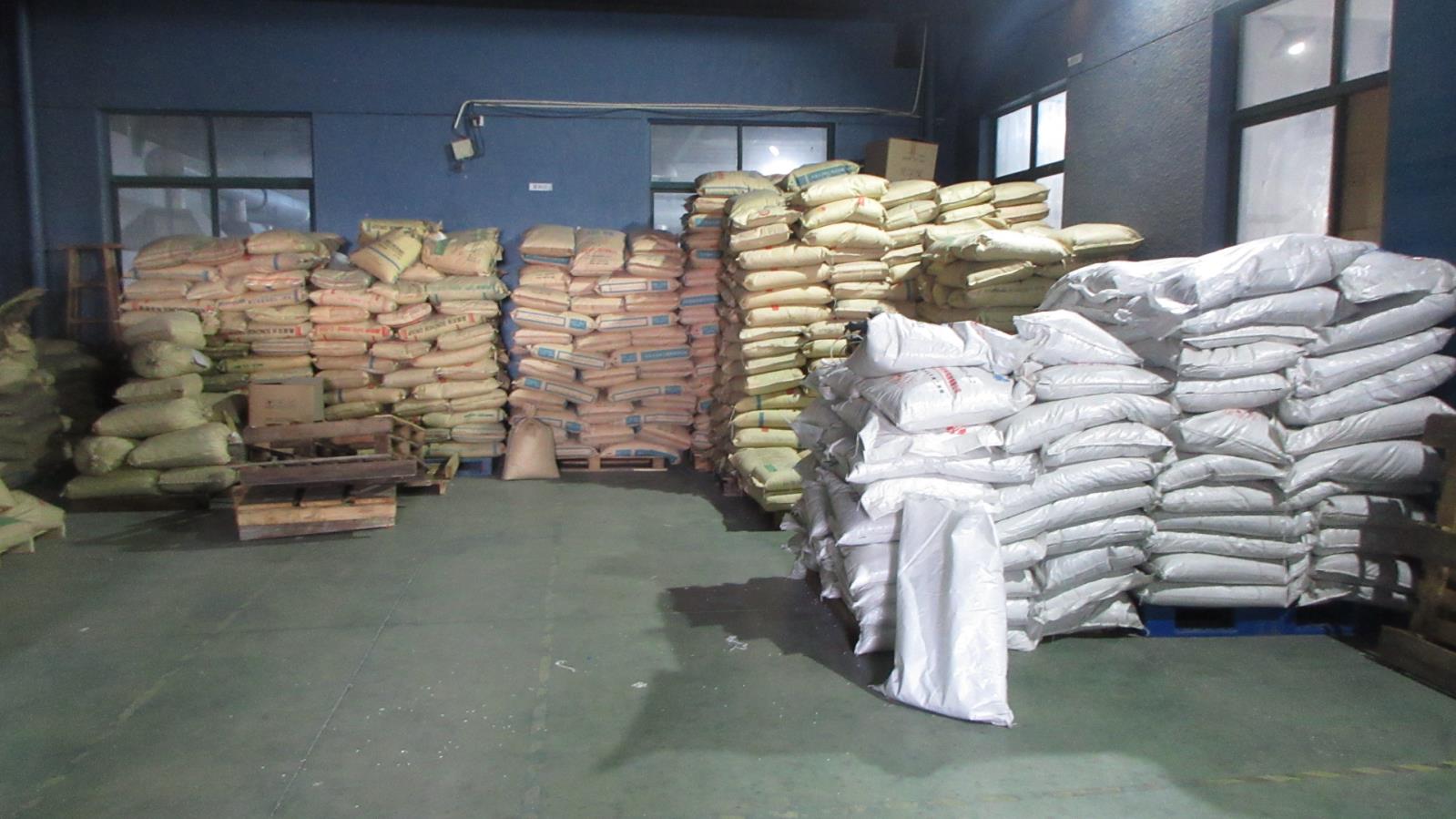
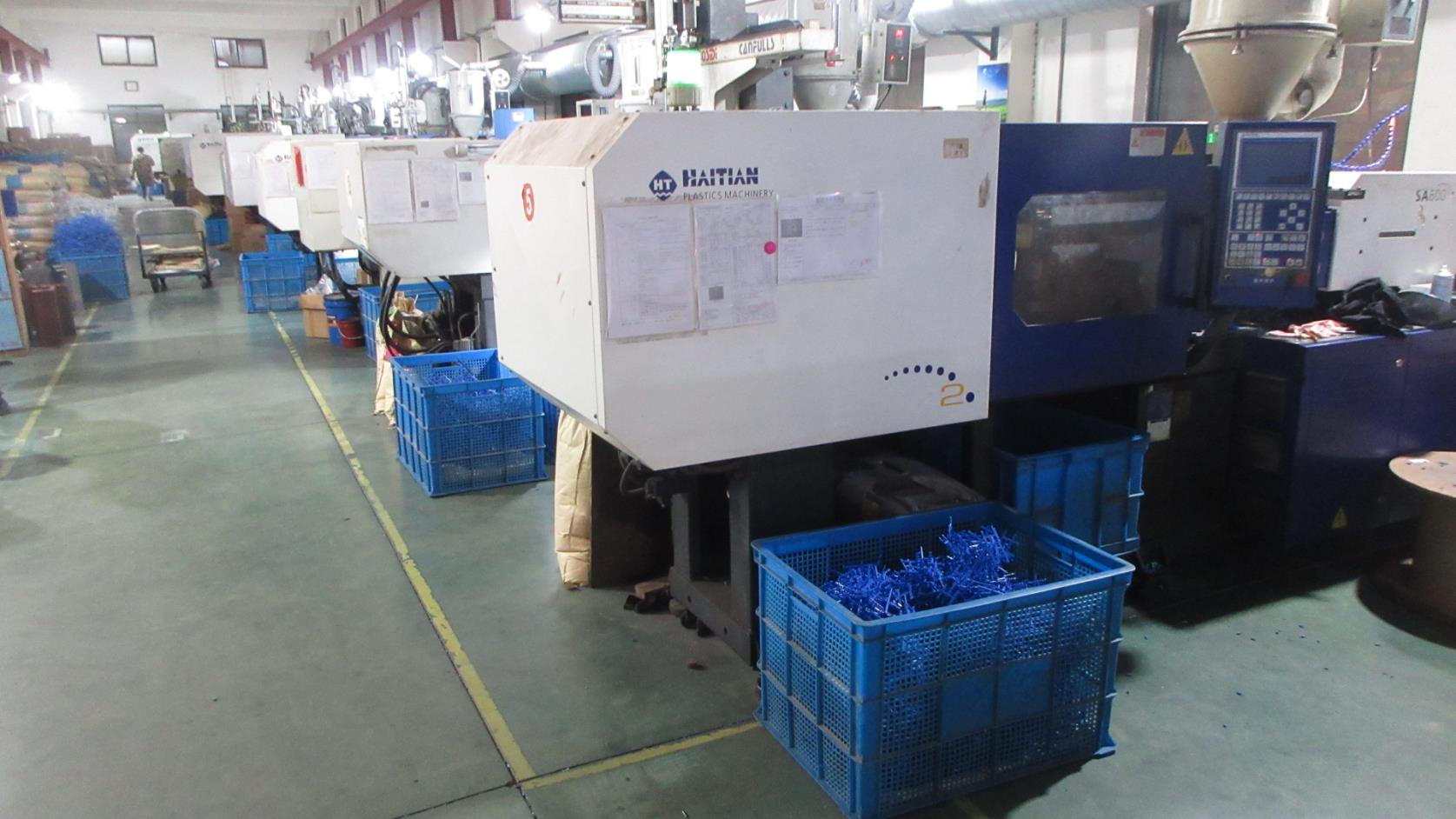
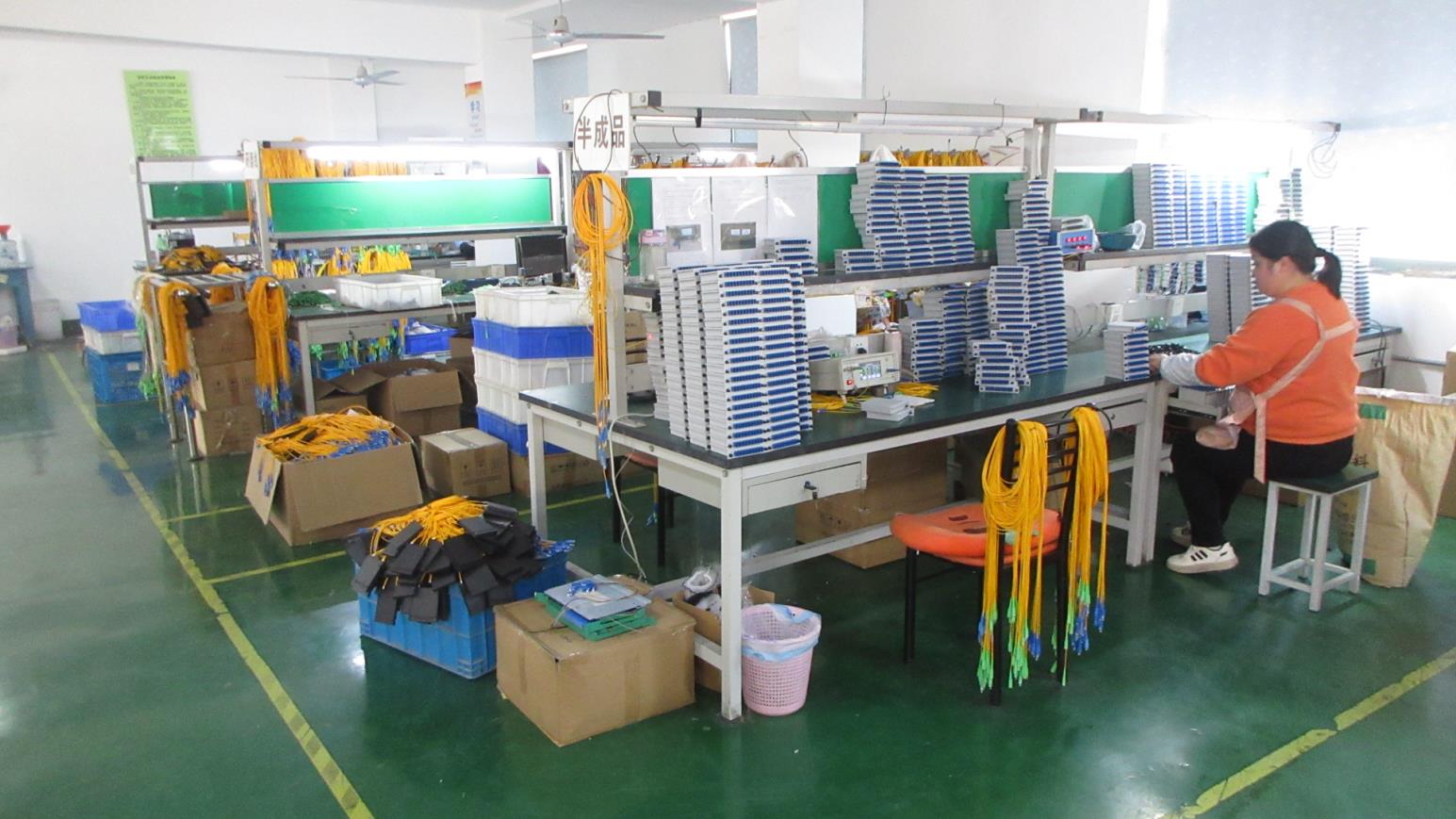
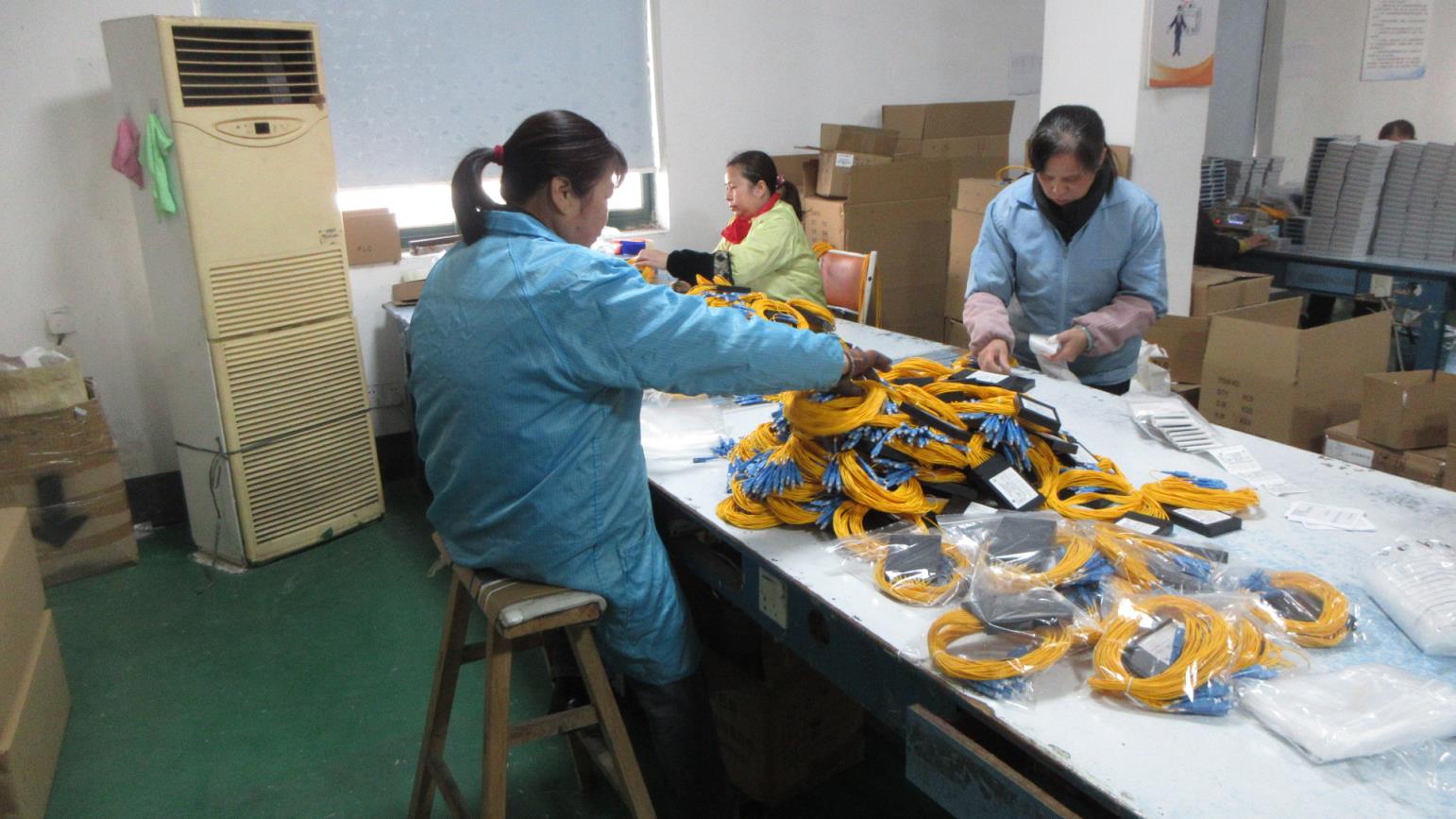
Founded in 2017, Equip-Link Intelligent Equipment (Shenzhen) Co., Ltd. is a leading manufacturer and supplier of high-performance optical transceivers and fiber optic communication solutions. We specialize in the design, development, production, and global distribution of optical modules for data centers, telecommunications networks, enterprise networking, cloud computing, and AI infrastructure applications.
With 9 years of export experience and 14 years of industry expertise, our team understands the evolving demands of global communication networks. Our R&D department is staffed by 68 professional engineers dedicated to developing next-generation technologies. In the past year alone, we successfully launched 126 new products, expanding our portfolio to include cutting-edge 400G and 800G solutions.
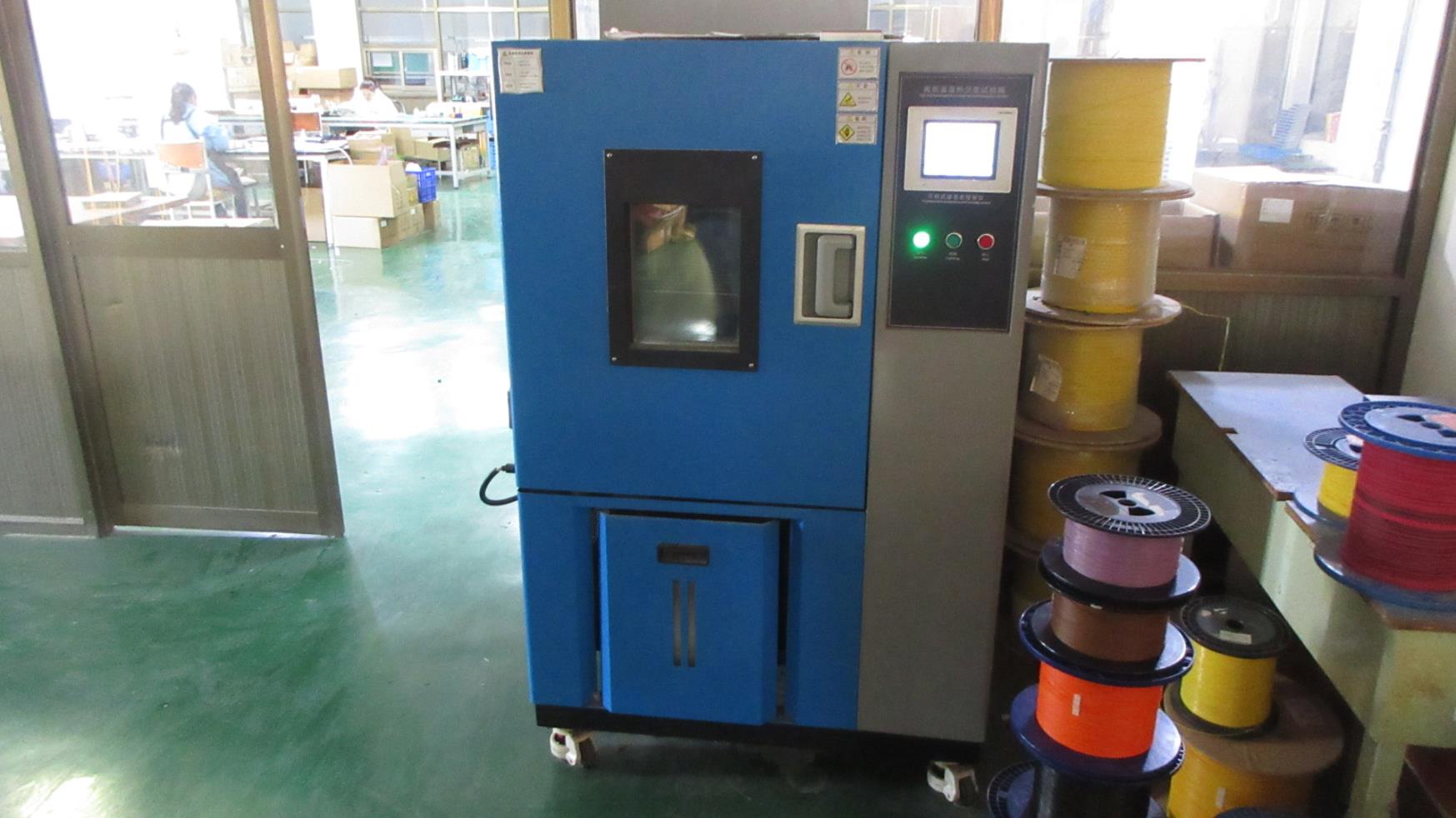
Supported by 36 experienced inspectors and advanced testing equipment like High-Low Temp Damp Heat Chambers.
Long-term partnerships in over 50 countries with an annual revenue exceeding USD 18 million.
Flexible OEM/ODM services including private labeling, firmware programming, and compatibility coding.
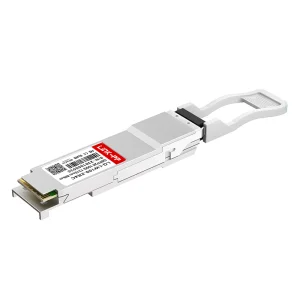
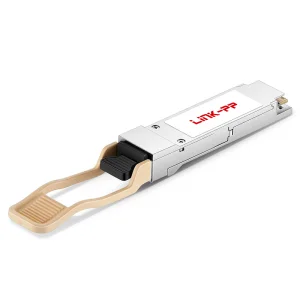
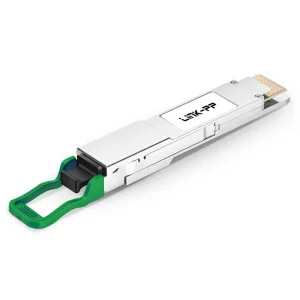
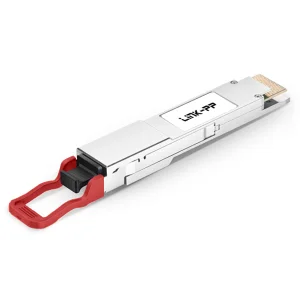
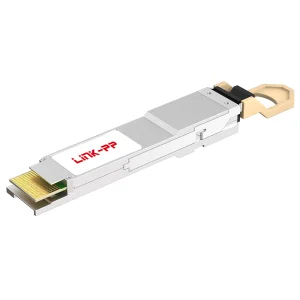
QSFP28 is primarily used for 100G applications and has a 4-channel electrical interface. QSFP-DD (Double Density) is used for 400G and 800G, featuring an 8-lane electrical interface while maintaining backward compatibility with QSFP28 ports.
We maintain an extensive library of switch environments (Cisco, Juniper, Arista, Dell, etc.). Each module is programmed with custom firmware and tested on the target hardware to ensure 100% recognition and performance.
PAM4 (Pulse Amplitude Modulation 4-level) allows twice the amount of data to be transmitted in the same bandwidth compared to traditional NRZ, making 400G throughput possible over existing fiber infrastructure.
Yes, we offer "I-Temp" modules capable of operating from -40°C to +85°C, designed for outdoor 5G base stations and harsh industrial networking environments.