Equip-Link
Equip-Link
Equip-Link
Premium mechanical, optical, and copper solutions verified for high-speed transmission and compliance.
Analyzing the critical role of physical metal structures in gigabit-plus high-speed communications.
In high-density telecommunication systems and hyperscale data centers, SFP cages (Small Form-factor Pluggable Cages) serve as the essential physical and electrical interface between transceiver modules and system printed circuit boards (PCBs). Beyond mechanical structural alignment, the primary mission of an SFP cage is to mitigate electromagnetic interference (EMI) and radio frequency interference (RFI).
As transmission data rates advance from 10 Gbps (SFP+) to 25 Gbps (SFP28), 56 Gbps (SFP56), and eventually 112 Gbps or 224 Gbps per channel, the wavelength of electrical signals becomes extremely short. Consequently, even microscopic gaps in metal shielding can act as slot antennas, radiating noise that degrades signal integrity across adjacent lanes. Premium SFP cage factories prioritize the integration of highly resilient beryllium copper (BeCu) or stainless steel EMI spring fingers, ensuring uniform contact resistance around the entire perimeter of the cage bezel opening.
Decoding the quality metrics, supply chain requirements, and technical criteria demanded by Tier-1 OEM/ODM clients.
Press-fit compliant pins (such as eye-of-the-needle configurations) must maintain coplanarity tolerances under 0.10mm. Proper PCB insertion alignment is mandatory to avoid track damages during automatic robotic pick-and-place assembly.
Next-gen transceivers draw up to 5W to 15W per port. Quality SFP cages must feature optimized thermal structures, including integrated heatsinks (with pin fin or clip designs) and cutout windows that allow direct airflow paths across the module body.
Interoperability is paramount. Standardized physical and mechanical interfaces dictated by standard SFF MSA documents (e.g., SFF-8432 for SFP+ Cages, SFF-8661 for QSFP Cages) ensure multi-vendor optical module compatibility without mechanical binding.
Founded in 2017 in Shenzhen, driving global network innovations with robust infrastructure.
Founded in 2017, Equip-Link Intelligent Equipment (Shenzhen) Co., Ltd. is a leading manufacturer and supplier of high-performance optical transceivers and fiber optic communication solutions. We specialize in the design, development, production, and global distribution of optical modules for data centers, telecommunications networks, enterprise networking, cloud computing, and AI infrastructure applications.
Our modern manufacturing facility covers an area of 380 square meters and is equipped with advanced production and testing equipment to ensure consistent quality and reliable performance. With an annual export revenue exceeding USD 18 million, Equip-Link has established long-term partnerships with customers in more than 50 countries and regions worldwide.
With 9 years of export experience and 14 years of industry expertise, our team understands the evolving demands of global communication networks and delivers products that meet international standards for performance, compatibility, and reliability.
Quality is at the core of everything we do. We implement a comprehensive quality management system supported by incoming material inspection, in-process quality control, and final product testing. Every product undergoes rigorous testing using advanced optical and network performance analyzers before shipment. Our dedicated quality assurance team consists of 36 experienced inspectors who ensure that every product meets customer requirements and industry specifications.
As a company with a strong manufacturer and exporter background, we primarily serve customers across North America, Europe, Southeast Asia, the Middle East, and South America. Our extensive supply chain network includes more than 1,280 qualified partners, enabling us to maintain stable production capacity and efficient delivery schedules.
Our major customer groups include telecommunication operators, data center providers, network equipment distributors, system integrators, cloud service providers, and OEM/ODM brands. To support diverse market needs, Equip-Link offers flexible customization services, including private labeling, custom firmware programming, compatibility coding, packaging customization, and OEM/ODM manufacturing.
Innovation drives our growth. Our R&D department is staffed by 68 professional engineers dedicated to developing next-generation optical communication technologies. In the past year alone, we successfully launched 126 new products, further expanding our portfolio of high-speed optical transceivers, including 10G, 25G, 40G, 100G, 200G, 400G, and 800G solutions.
Step-by-step visual look into Equip-Link's manufacturing excellence and assembly precision.

Rigorous incoming inspection of high-grade copper alloys, precision stamping sheets, and raw plastic materials before production clearance.
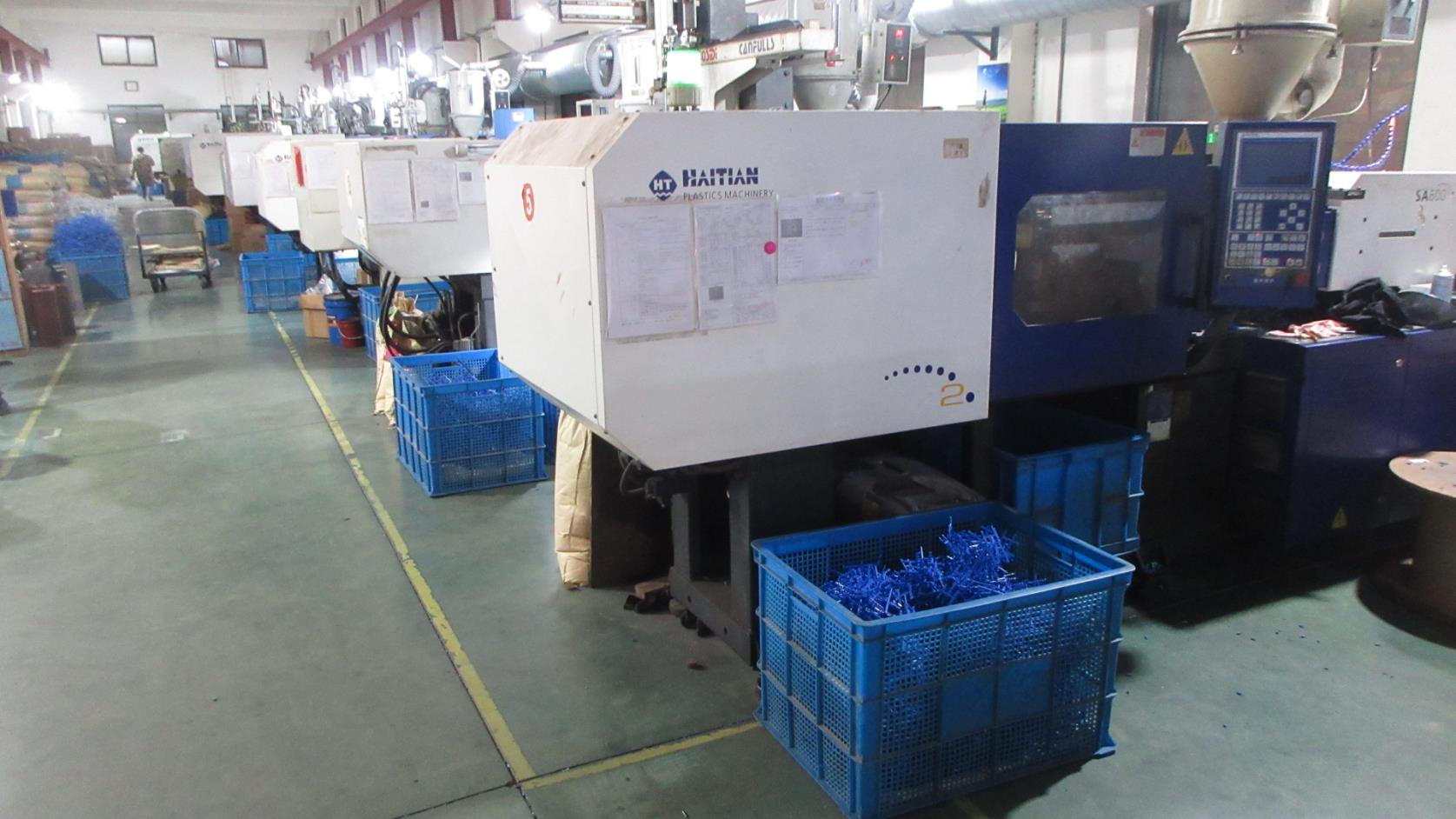
High-precision injection machines design complex polymer chassis parts with perfect mechanical tolerances and thermal resilience.
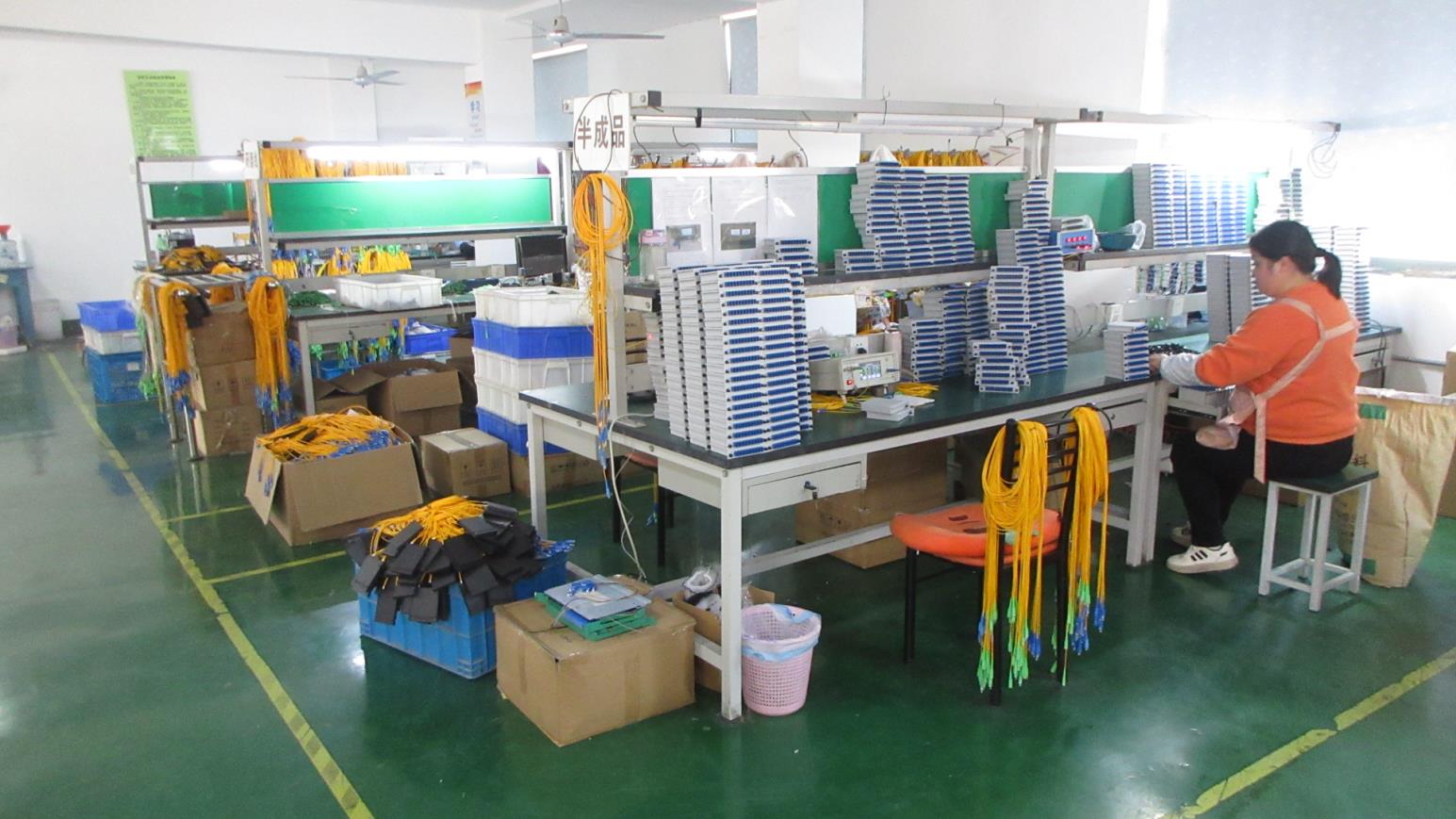
Integration of metal shielding covers, internal contact housings, and light pipes, matching target electrical parameters.
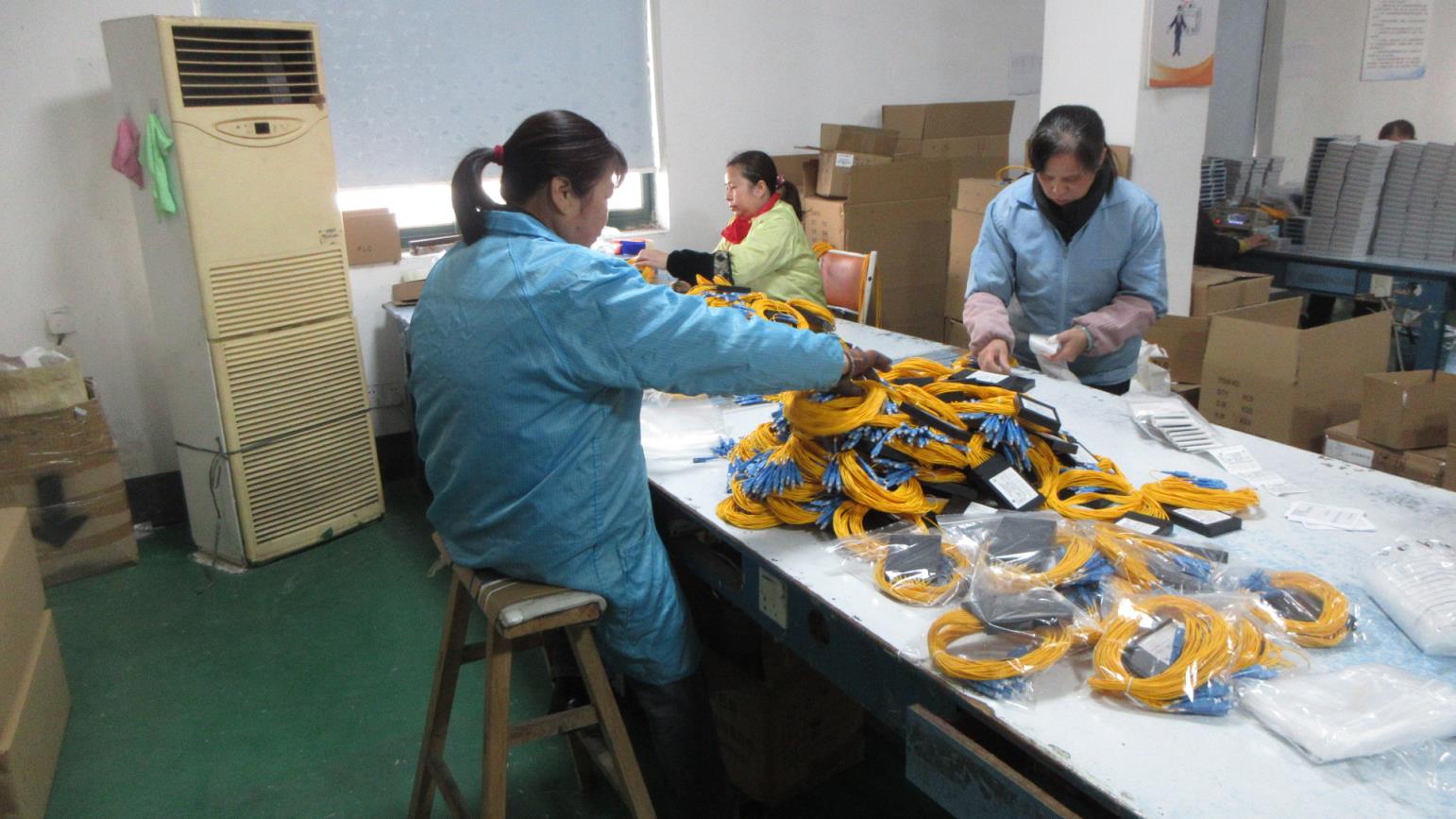
Anti-static, impact-resistant packaging ensures safe transit to global network operators, distributors, and cloud service providers.
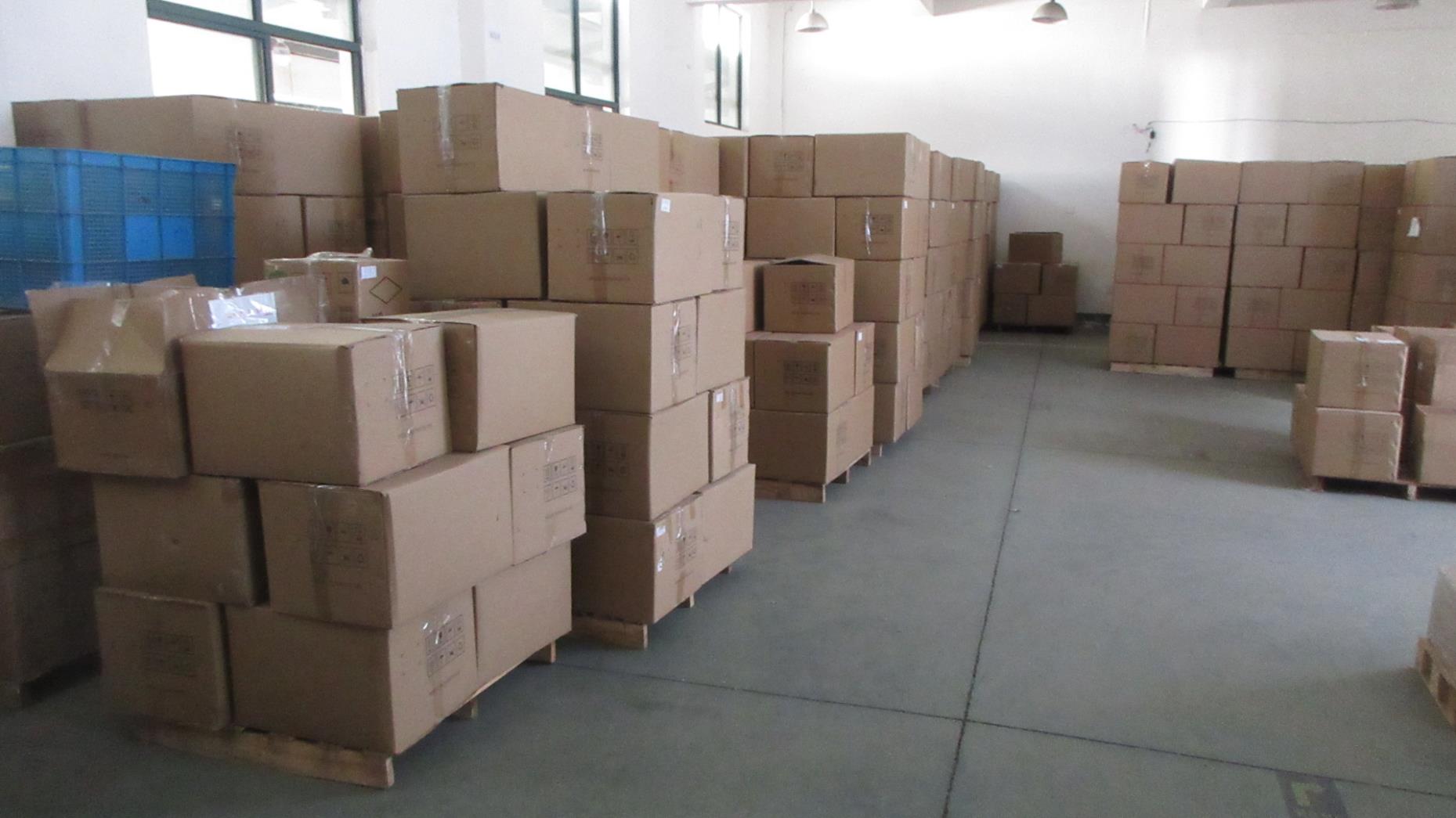
Structured inventory control management. Accelerating global shipments for OEM partners and distributors.
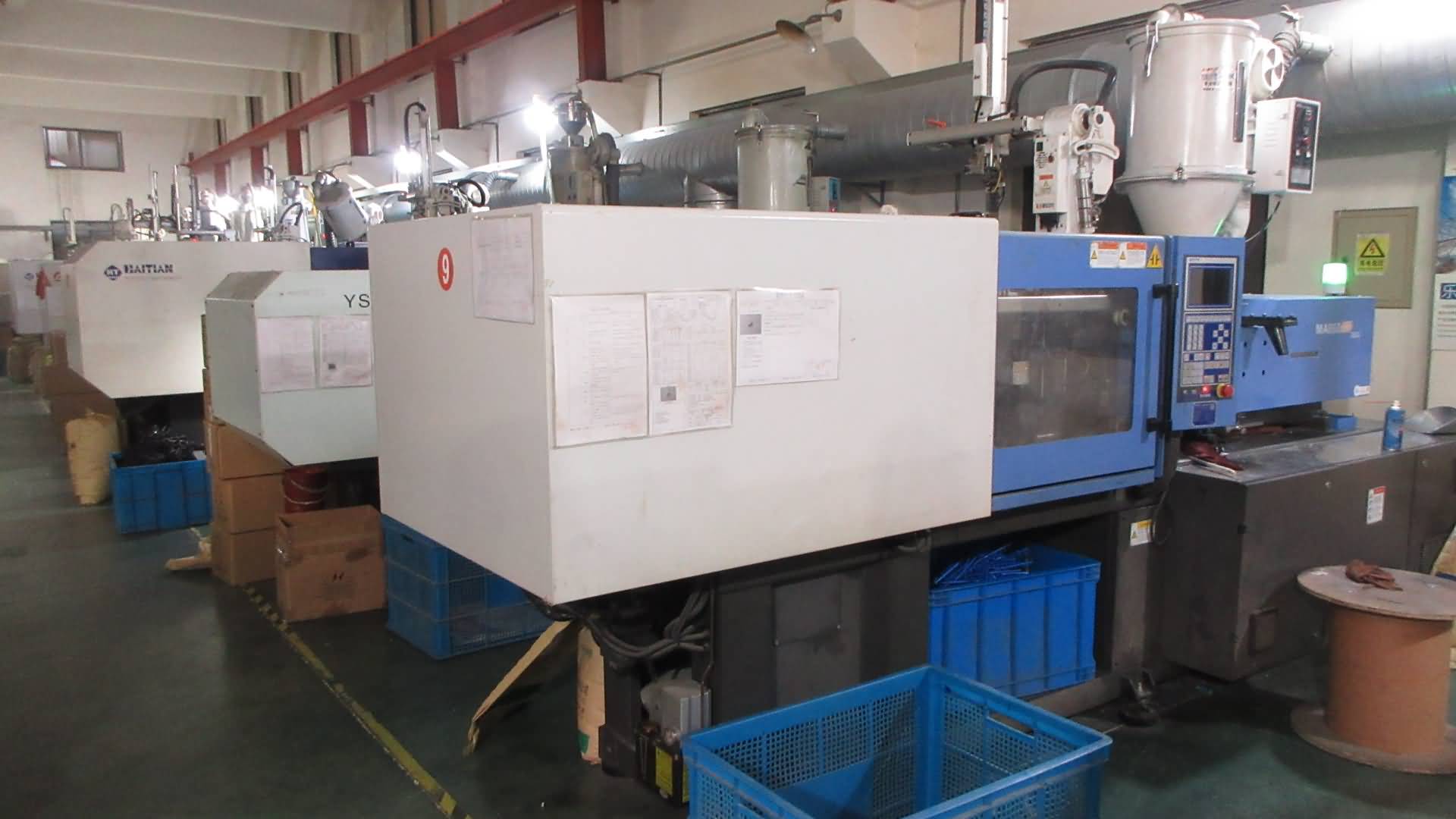
Continuous maintenance and parameter tuning of molding assets to eliminate structural burrs or structural faults.
Our dedicated labs verify thermal resilience, structural integrity, and optoelectronic alignment.
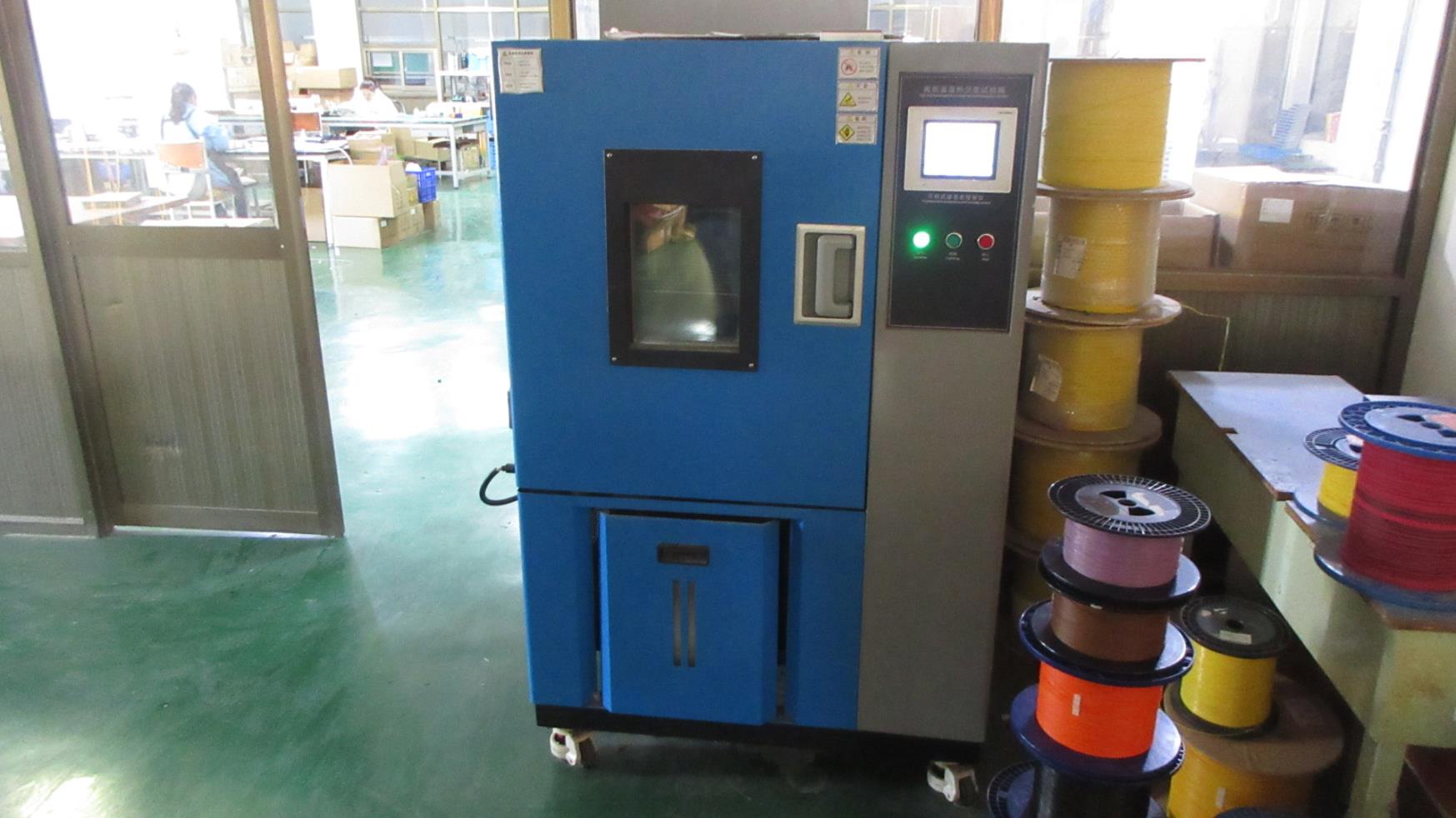
Exposing SFP Cages and transceivers to extreme thermal swing conditions (-40°C to +85°C) to verify structural and material stability.
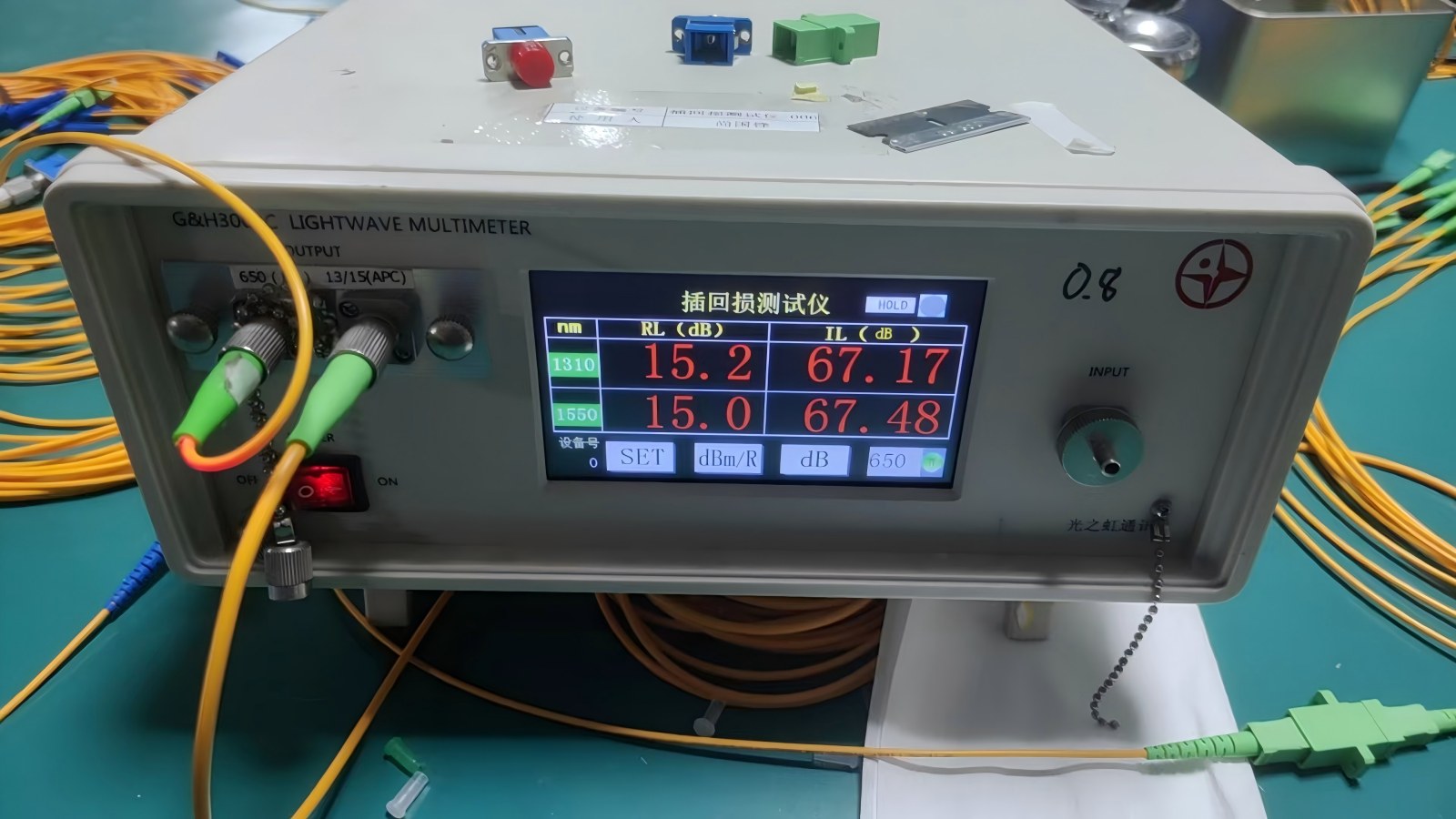
Assessing optical performance, coupling efficiency, and connector signal losses to guarantee optimal network performance.
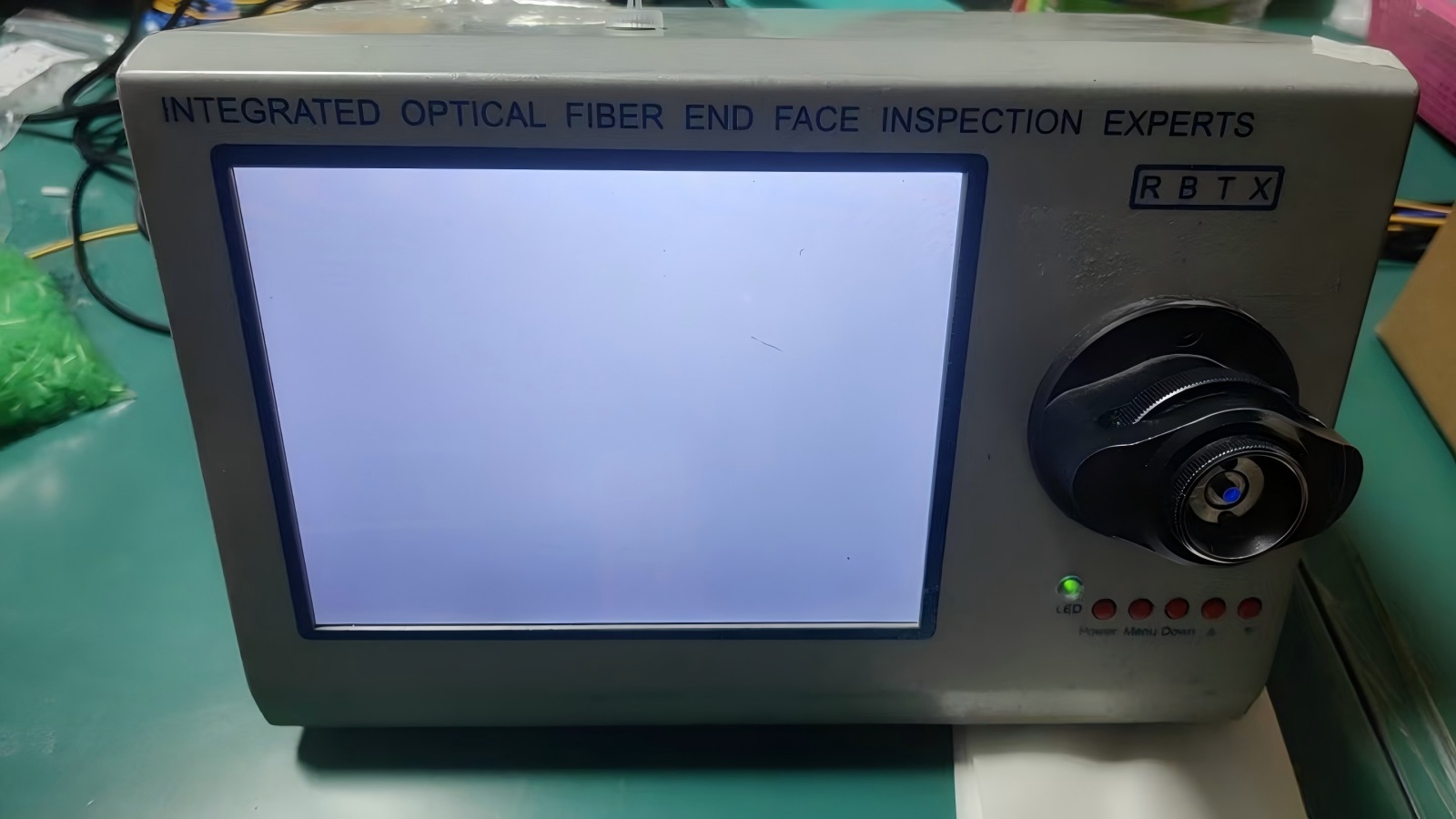
Microscopic evaluation of connector interfaces to identify and eliminate contaminants, scratches, or mechanical defects.
How the South China electronics supply chain maximizes cost-performance ratios and accelerates time-to-market.
For international enterprise buyers, procuring SFP cages and optical interfaces directly from Shenzhen, China, provides unmatched competitive benefits. The regional concentration of raw material processors, high-precision stamping toolmakers, electroplating specialists, and automated assembly equipment suppliers forms a highly responsive network.
This localized synergy allows SFP cage factories in China to reduce raw material lead times to mere days, whereas isolated factories elsewhere may struggle with weeks of supply delays. High-volume raw material sourcing of premium alloys (like phosphor bronze and stainless steel) lowers bulk product costs, passing structural savings to purchasers.
Time-to-market is a critical metric for hardware engineers. With state-of-the-art mold design, Chinese factories can deliver custom CAD tooling models, construct mockups via rapid CNC machining, and execute test runs in under 15-20 days. Whether you require a single port SFP cage with custom light pipe layouts or multi-port stacked cages (2x4 or 2x8) with embedded EMI gaskets, the ecosystem guarantees speedy prototype deployment.
Ensuring cross-border compliance, certification documentation, and regional technical engineering support.
Our products are engineered to comply with strict international regulatory bodies and industry safety standards, including:
To bridge geographical differences, Equip-Link offers dedicated Field Application Engineering (FAE) support. Our technical staff provides layout recommendation blueprints, custom CAD design files, 3D mechanical models, and signal integrity simulations (such as S-parameter measurements and eye diagram analyses).
By establishing localized warehousing pipelines and collaborating with regional distribution networks across North America, Europe, and Asia-Pacific, we offer custom buffer stock setups and streamlined cross-border shipping logistics to lower your total cost of ownership (TCO).
How the AI boom and higher transmission speeds are changing physical port design requirements.
To reduce trace lengths and signal attenuation, hardware designs are shifting toward Co-Packaged Optics. As optical engines move closer to the ASIC processor, SFP and QSFP configurations are evolving to adapt to onboard and internal board-to-board connector designs, necessitating specialized structural cooling interfaces.
At 112 Gbps and 224 Gbps per channel (utilizing PAM4 modulation), skin-effect losses and crosstalk increase dramatically. Hardware designers must specify next-generation cage systems that utilize optimized contact pins, ensuring clean high-speed signal propagation from module transceivers directly into high-frequency PCB substrates.
In high-power AI computer clusters, traditional forced air cooling systems are giving way to immersion liquid cooling and cold-plate mechanisms. Standard SFP/QSFP cages must be redesigned to ensure seals prevent fluid pooling while maintaining continuous electrical connectivity.
Answering common mechanical, electrical, and commercial inquiries from network engineers and procurement professionals.
Press-fit compliant pins (such as eye-of-the-needle pins) establish a gas-tight electrical and mechanical connection when pressed into plated-through holes on PCBs without using solder. This eliminates thermal stress from wave soldering and simplifies motherboard rework. Solder-tail pins, on the other hand, require wave soldering or hand-soldering and are typically chosen for cost-sensitive or legacy hardware configurations.
EMI is minimized by placing metal spring fingers, grounding tabs, or conductive elastomeric gaskets around the cage perimeter where it mounts to the bezel. These grounding structures close the physical gap between the transceiver module housing and the metal chassis faceplate, creating a continuous Faraday cage to contain high-frequency electromagnetic fields.
SFP cages are physical metal containers, meaning they conform to specific mechanical standards. Mechanically, standard SFP, SFP+, and SFP28 transceivers share similar outer dimensions, allowing them to fit into the same cage housings (such as an SFF-8432 compliant enclosure). However, the internal card edge connector and high-speed electrical traces must support the respective frequencies (e.g., SFP28 traces must handle 25 Gbps) to ensure signal compatibility.
A belly-to-belly configuration refers to mounting two SFP cages on opposite sides of the same PCB (directly mirrored). This design allows for higher port densities per board area. In this setup, thermal layout management and short PCB trace routing must be designed carefully to prevent heat buildup and signal crosstalk.
Customization options include changes to the length and layout of light pipes (for LED port status indicators), heat sink configurations (pin fin, fin layout, or custom height), and mounting variations (press-fit compliant pins, solder pins, or hybrid configurations). Additionally, custom grounding spring alignments can be engineered to match unique chassis panel thicknesses.
Explore our complete range of high-density connectors and fiber optical transceivers for enterprise networks.