Equip-Link Equip-Link

Why Choose the Right Optical Transceiver for Your Business?

Time:2026-06-16 Author:Sienna
0%

In today’s digital landscape, choosing the right optical transceiver is crucial for business success. With fast data transfer needs, companies must understand the value of optical transceivers. Industry expert Dr. Emily Chen, a renowned optical networking specialist, states, "The right optical transceiver can make or break your network's performance." Her insight highlights the importance of selecting a product that meets specific business demands.

Optical transceivers play a pivotal role in communication. They convert electrical signals into optical signals and vice versa. This process is integral for high-speed data transmission. Many businesses overlook the specifications, leading to underperformance. Selecting an optical transceiver without considering compatibility can lead to costly network issues. Reliability is vital; unreliable transceivers can disrupt service.

Investing in high-quality optical transceivers can seem daunting. Companies often struggle with myriad options on the market. However, understanding your network's requirements is key. Each business is unique, and so are its needs. Ensuring the right match can enhance efficiency and sustainability. Optical transceivers deserve thoughtful consideration and informed selection.
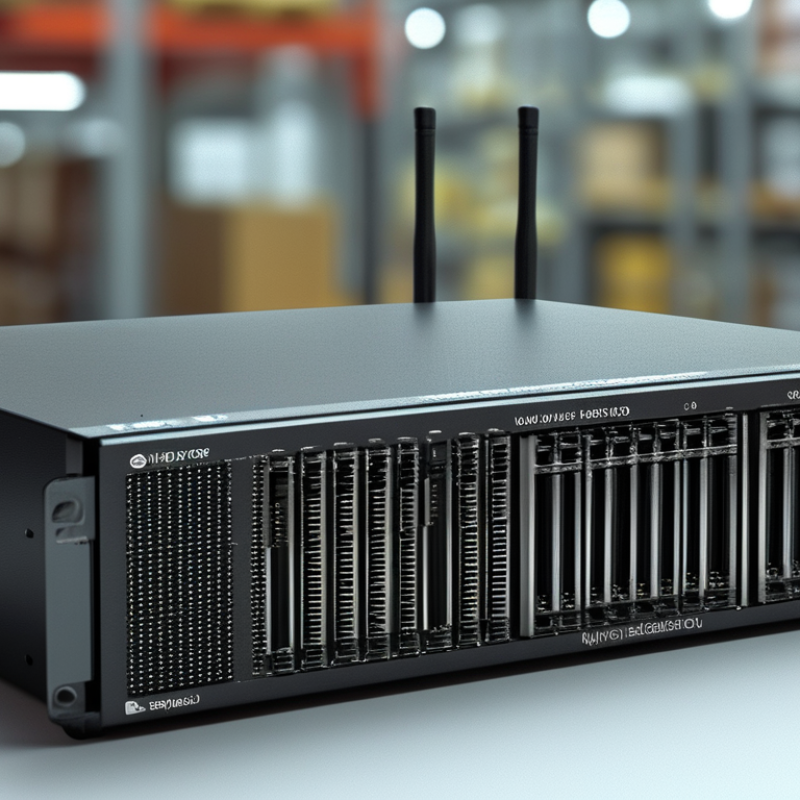
Why Choose the Right Optical Transceiver for Your Business?

Understanding Optical Transceivers and Their Importance

Optical transceivers are essential components in modern networking. They enable data transmission over fiber optic cables. According to a recent industry report by ResearchAndMarkets, the optical transceiver market is projected to grow at a CAGR of 12.3% from 2023 to 2028. This growth is driven by the increasing demand for high-speed internet and data centers. Businesses must choose the right optical transceiver to stay competitive.

Understanding the types of optical transceivers available is critical. They vary in speed, distance, and application. For instance, SFP+ transceivers support speeds up to 10 Gbps, while QSFP+ can handle up to 40 Gbps. These capabilities are crucial for data-intensive applications like cloud computing and big data analytics. Yet, not every company has the expertise to evaluate them properly. A poorly chosen transceiver can lead to network bottlenecks and increased latency.

Furthermore, the reliability of optical transceivers affects overall network performance. A study from Dell'Oro Group indicates that 30% of network failures are linked to hardware issues. Businesses should consider transceivers with comprehensive testing and certifications. While many options are available, understanding their specifics helps minimize risk. This awareness is vital as companies navigate an increasingly complex digital landscape.

Key Factors to Consider When Choosing Optical Transceivers

When selecting optical transceivers for your business, several key factors come into play. Compatibility is crucial; your transceiver must integrate seamlessly with existing hardware. Consider the type of network you are building. Different applications require various specifications. For instance, high-density data centers need specific high-speed solutions. Choose a transceiver that matches your network architecture to ensure efficiency.

Another factor to consider is distance. Transceivers have varying ranges depending on the technology. Knowing how far data must travel is vital. You might need a long-range transceiver to connect buildings. On the other hand, short-range options can suffice for local connections. Pay attention to these details; failure to do so could lead to wasted resources.

Quality also should not be overlooked. Look for transceivers with good reliability ratings. This could save costs on replacements and downtime. Moreover, check the vendor’s reputation. Trustworthy sources usually provide detailed specifications and support. However, every project has unique needs. Sometimes, the best choice may not align perfectly with initial expectations. Flexibility in approach can yield better long-term results.

Optical Transceiver Types and Their Performance

The Impact of Optical Transceiver Choice on Business Performance

The choice of an optical transceiver can dramatically influence business performance. A survey by the International Data Corporation revealed that companies using high-quality optical components report a 20% increase in data transfer speeds. This improvement allows for faster decision-making and enhances overall productivity. In industries that rely on real-time data, such as finance and healthcare, speed is essential for maintaining a competitive edge.

Additionally, the cost implications of optical transceivers must not be overlooked. A report from Gartner indicated that businesses could save up to 30% in operational costs by selecting the right transceiver. However, many organizations fail to consider the long-term benefits of investing in quality. Cost-cutting can lead to frequent replacements and downtime. Inadequate selections often mean compatibility issues and reduced performance, which are detrimental to growth.

There is also an undeniable risk of underestimating the technology's evolution. As network demands shift, companies may find their outdated transceivers inadequate. Industry experts stress the importance of future-proofing technology investments. By aligning optical transceiver choices with anticipated network advancements, companies can mitigate risks. Adopting a proactive approach is critical for sustained growth and operational efficiency.

How Different Types of Optical Transceivers Meet Specific Needs

Optical transceivers are crucial for transmit and receive data effectively in a business network. Each type serves specific needs, adapting to varied organizational challenges. Understanding these differences ensures better performance and reliability.

For short-range communication, multimode optical transceivers excel. They operate within limited distances, making them ideal for data centers. However, they struggle with long-distance connectivity. Conversely, single-mode transceivers provide superior performance over longer distances. They utilize a single light path, reducing signal loss. Businesses facing geographical challenges should assess their requirements carefully.

The right optical transceiver enhances network efficiency. However, choosing the wrong type may lead to increased latency or compatibility issues. It's essential to reflect on the specific needs of your infrastructure. Evaluating current and future demands will guide this decision, ultimately impacting overall performance.

Future Trends in Optical Transceivers and Their Implications for Businesses

The landscape of optical transceivers is evolving rapidly. Businesses need to stay ahead of these changes. High-speed connectivity is now essential for effective communication. New technologies, like 400G transceivers, are becoming the norm. Such advancements are pushing businesses to adapt.

The rise of cloud computing and data centers shapes the future of optical transceivers. Companies must consider how these factors influence their network infrastructure. With remote work becoming permanent, demand for reliable, high-speed connections is increasing. However, transitioning to newer technologies can be challenging. It requires planning and investment.

Moreover, energy efficiency is gaining importance in this sector. Businesses are realizing the impact of power consumption on operational costs. They must balance performance with sustainability. Some organizations struggle to find the right solution amidst a plethora of options. It's vital for businesses to regularly assess their needs to choose suitable transceivers. The future will demand more flexibility and innovation in selection.

Why Choose the Right Optical Transceiver for Your Business? - Future Trends in Optical Transceivers and Their Implications for Businesses

Attribute Description Benefits Future Trends
Data Rate Speed at which data is transmitted Higher data rates improve performance and efficiency Moving towards 800 Gbps and beyond
Form Factor Physical design and size of the transceiver Compatibility with existing systems and networks Adoption of compact designs like SFP-DD
Wavelength Color of light used for transmission Affects distance and performance over fiber Increased variety of wavelengths for diverse applications
Reach Maximum distance over which the signal can travel Longer reach reduces the need for additional hardware Enhanced long-distance communication technologies
Power Consumption Amount of power used by the transceiver Lower consumption contributes to energy savings Focus on energy-efficient designs and technology

FAQS

: What are optical transceivers?

: Optical transceivers are components that enable data transmission over fiber optic cables. They are crucial for modern networking.

Why is the optical transceiver market growing?

The market is growing due to rising demand for high-speed internet and data centers. This trend is significant for businesses.

What types of optical transceivers exist?

There are various types. SFP+ supports up to 10 Gbps, while QSFP+ handles up to 40 Gbps. Each serves different needs.

How can a wrong transceiver choice affect a network?

A poorly chosen transceiver may cause network bottlenecks and increased latency. Evaluating options is essential for optimal performance.

Why should businesses consider reliability in optical transceivers?

Reliability is crucial since 30% of network failures link to hardware issues. Choosing well-tested transceivers minimizes risks.

What trends are emerging in optical transceivers?

Trends include high-speed connectivity and energy efficiency. Companies must adapt to these changes for better network performance.

How does cloud computing impact optical transceiver choices?

Cloud computing increases demand for reliable, high-speed connections. This affects how businesses design their network infrastructure.

What challenges do businesses face with new optical technologies?

Transitioning to newer technologies requires careful planning and investment. Many may struggle with choosing the right solutions.

What is the importance of energy efficiency in optical transceivers?

Energy efficiency impacts operational costs. Balancing performance and sustainability is crucial for many organizations today.

How often should businesses assess their optical transceiver needs?

Regular assessments are vital to select suitable transceivers. Needs may change as technology evolves and demands shift.

Conclusion

Optical transceivers play a crucial role in modern communication systems, facilitating high-speed data transmission over fiber optic networks. Choosing the right optical transceiver is essential for businesses, as it directly impacts operational efficiency and network performance. Key factors to consider include compatibility with existing infrastructure, data rate requirements, distance limitations, and the specific application needs.

As technology advances, optical transceivers are evolving to meet diverse demands, with different types designed for various use cases. Businesses must stay informed about future trends in optical transceiver technology to ensure they adopt solutions that enhance performance and scalability. Making an informed choice can lead to significant improvements in productivity and overall success in a competitive market.

Sienna

Sienna

Sienna is a skilled marketing professional with a deep expertise in our company’s core products and services. With a passion for innovation and detail, she plays a pivotal role in crafting insightful blog posts that not only highlight the unique features of our offerings but also provide valuable......