Equip-Link
Equip-Link
Equip-Link
Examine our top-tier optical components, engineered to comply with MSA global standards and fully optimized for enterprise local networks and data center spine-leaf interconnects.
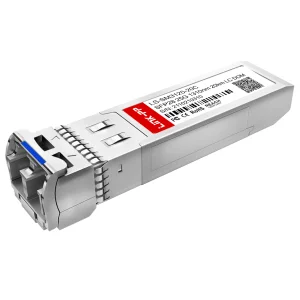
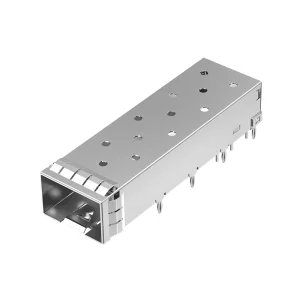
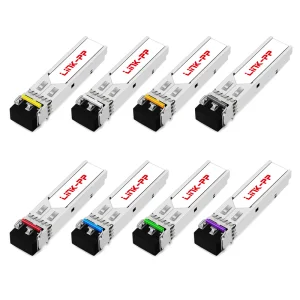
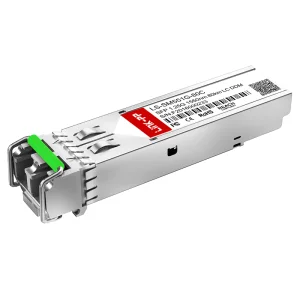
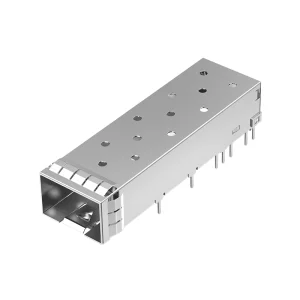
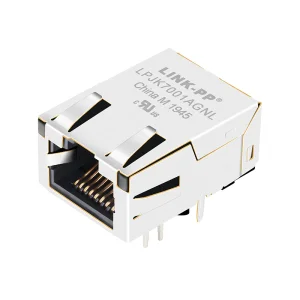
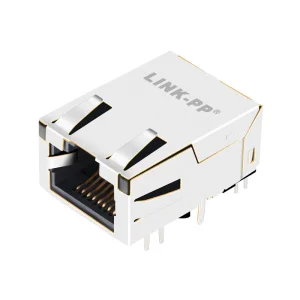
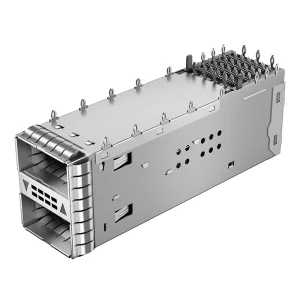
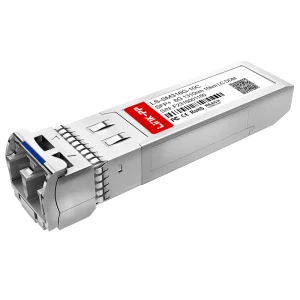
Multi Mode fiber optic systems remain the backbone of short-reach enterprise networks, local area storage networks (SANs), and hyper-scale data centers. The architecture of Multi Mode SFP (Small Form-factor Pluggable) modules leverages short-wavelength lasers, typically operating at 850nm, in conjunction with Vertical-Cavity Surface-Emitting Laser (VCSEL) technologies. This design contrast allows for highly cost-effective, high-bandwidth communication links compared to single-mode alternatives.
Over the past decade, Multi Mode fiber structures have progressed from OM1 and OM2 configurations to modern, laser-optimized OM3, OM4, and OM5 wideband multi-mode fibers (WBMMF). OM3 and OM4 fibers support high-speed serial transmissions using wavelength division multiplexing or parallel optics (such as SR4 variants). With the deployment of OM5, systems can utilize Shortwavelength Division Multiplexing (SWDM), splitting optical bands from 850nm to 953nm, thereby quadrupling the capacity over a single pair of multi-mode fibers without escalating infrastructural complexity.
“Industry trends indicate that while Single Mode fiber continues to dominate long-haul telecom routing, Multi Mode SFP modules coupled with OM4/OM5 fiber frameworks represent over 70% of internal data center interconnects up to 100 meters, optimizing both installation expense and energy allocation.”
This shift is driven primarily by the overall economics of the optical engine. Because VCSEL lasers emit a circular beam that aligns naturally with the larger core diameter of multi-mode fibers (50 microns), the alignment tolerances in production are significantly wider. This allows manufacturers to achieve higher assembly yields and significantly lower module costs, making multi-mode SFP engines the preferred choice for enterprise and high-density environments.
Modern network architects and procurement executives focus heavily on optimizing Total Cost of Ownership (TCO). In high-density deployments, the cost of optical transceivers exceeds the cost of the passive cabling system itself. Thus, choosing between Single Mode (SMF) and Multi Mode (MMF) is primarily a balance of performance distance and budget.
While SMF transceivers require precise, highly aligned edge-emitting lasers (DFB or DBR types) that drive up transceiver unit cost, MMF transceivers utilize simpler VCSEL arrays. At 10G, 25G, and even 100G (using multi-lane arrangements), MMF SFP modules offer significant savings. The table below outlines standard performance metrics across multi-mode fiber tiers:
| Fiber Type | Core Diameter (μm) | Min. Overfilled Bandwidth (850nm) | Max. Transmission Distance (10G SR) | Max. Transmission Distance (25G SR) |
|---|---|---|---|---|
| OM1 (Legacy) | 62.5 | 200 MHz·km | 33 meters | Not Recommended |
| OM2 (Legacy) | 50.0 | 500 MHz·km | 82 meters | Not Recommended |
| OM3 (Laser-Optimized) | 50.0 | 2000 MHz·km | 300 meters | 70 meters |
| OM4 (High-Bandwidth) | 50.0 | 4700 MHz·km | 400 meters | 100 meters |
| OM5 (Wideband) | 50.0 | 4700 MHz·km (supported for SWDM) | 440 meters | 150 meters |
When deploying thousands of interconnect lines within a modern rack-level data center (typically under 100 meters), sourcing multi-mode modules can reduce hardware procurement budgets by up to 30% to 50% compared to a complete single-mode layout. Additionally, multi-mode transceivers consume less power per port, lowering ongoing cooling and electricity costs.
Our operational data highlights our commitment to product performance, reliability, and robust scaling capabilities.
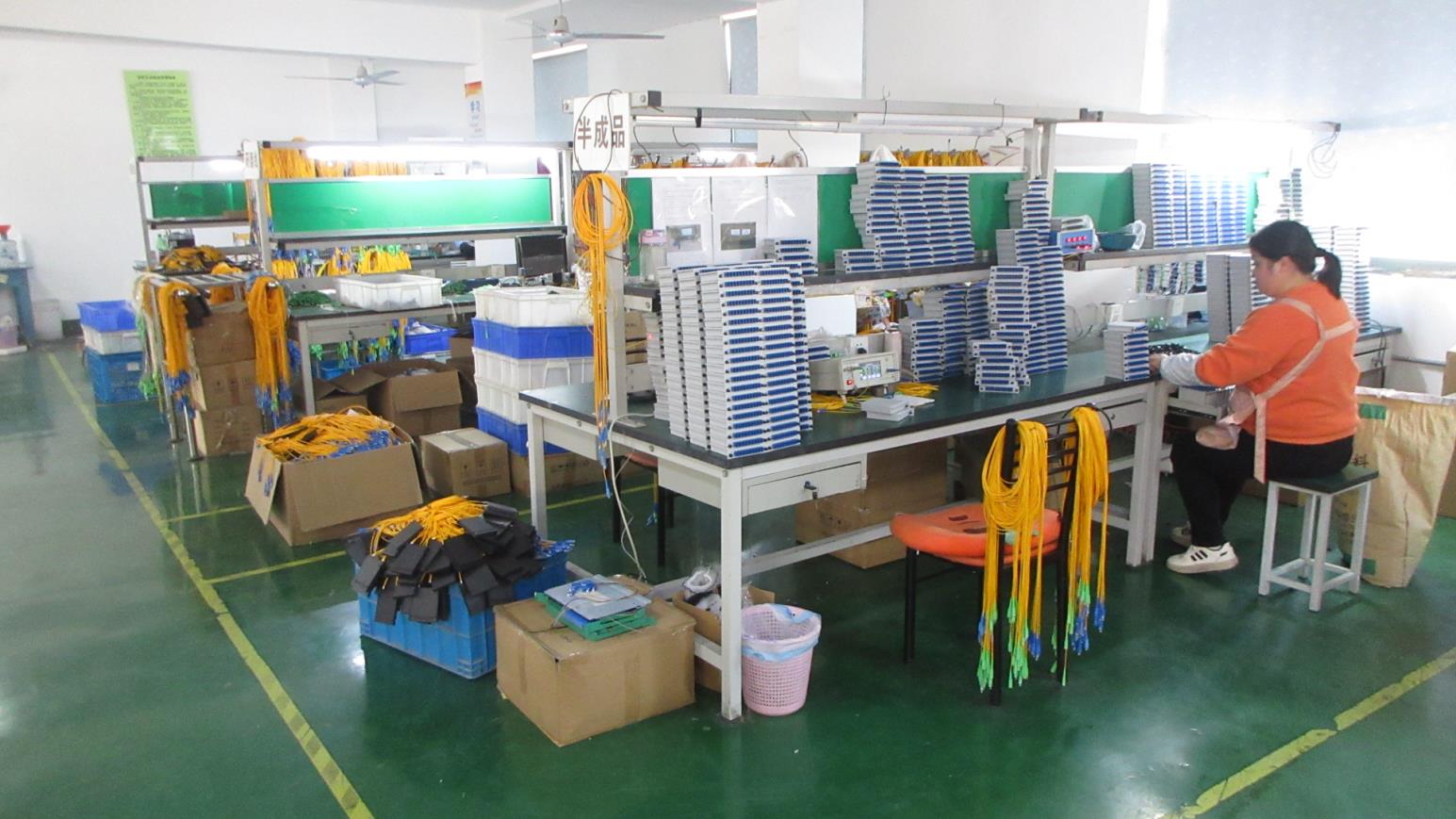
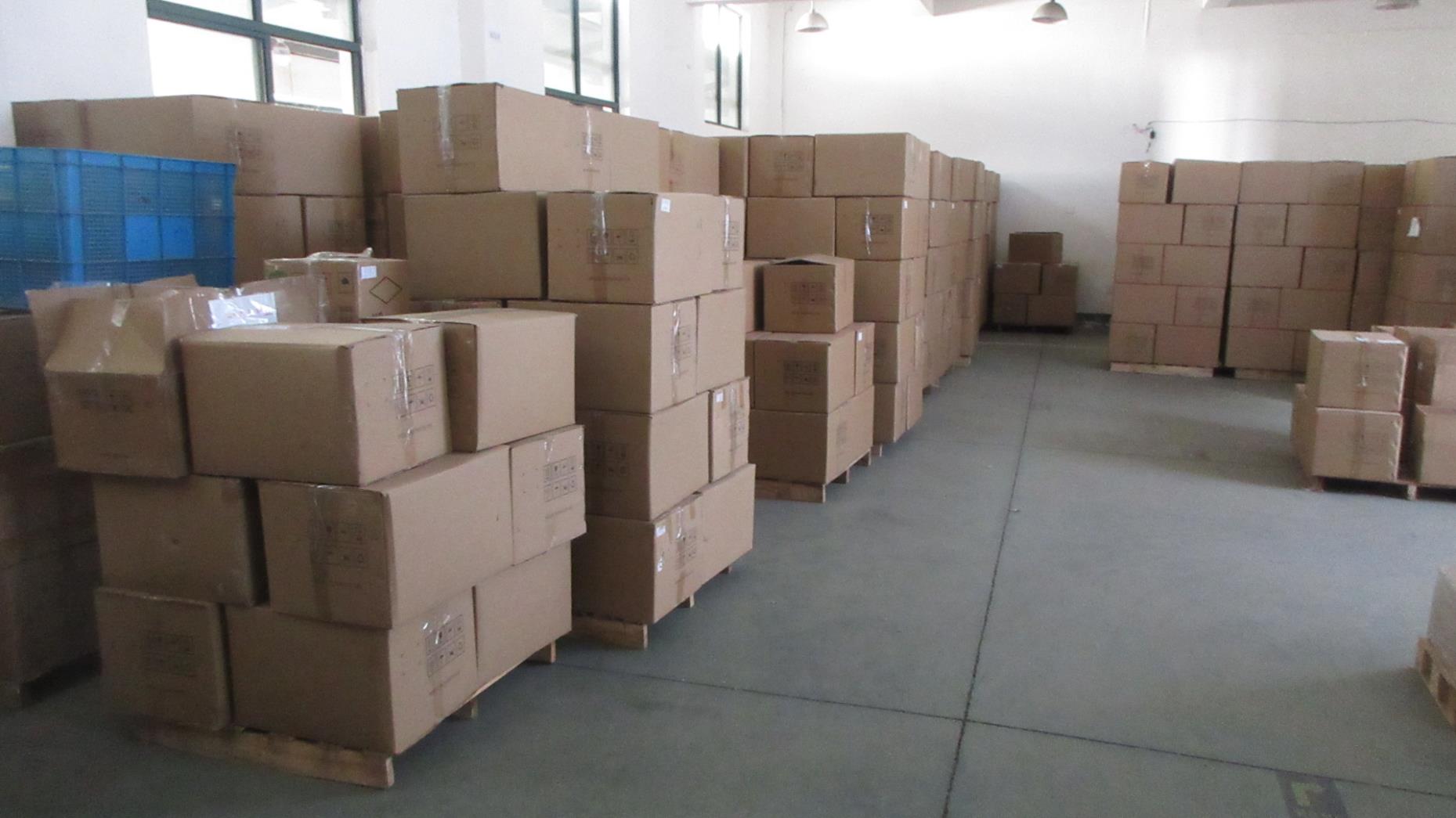
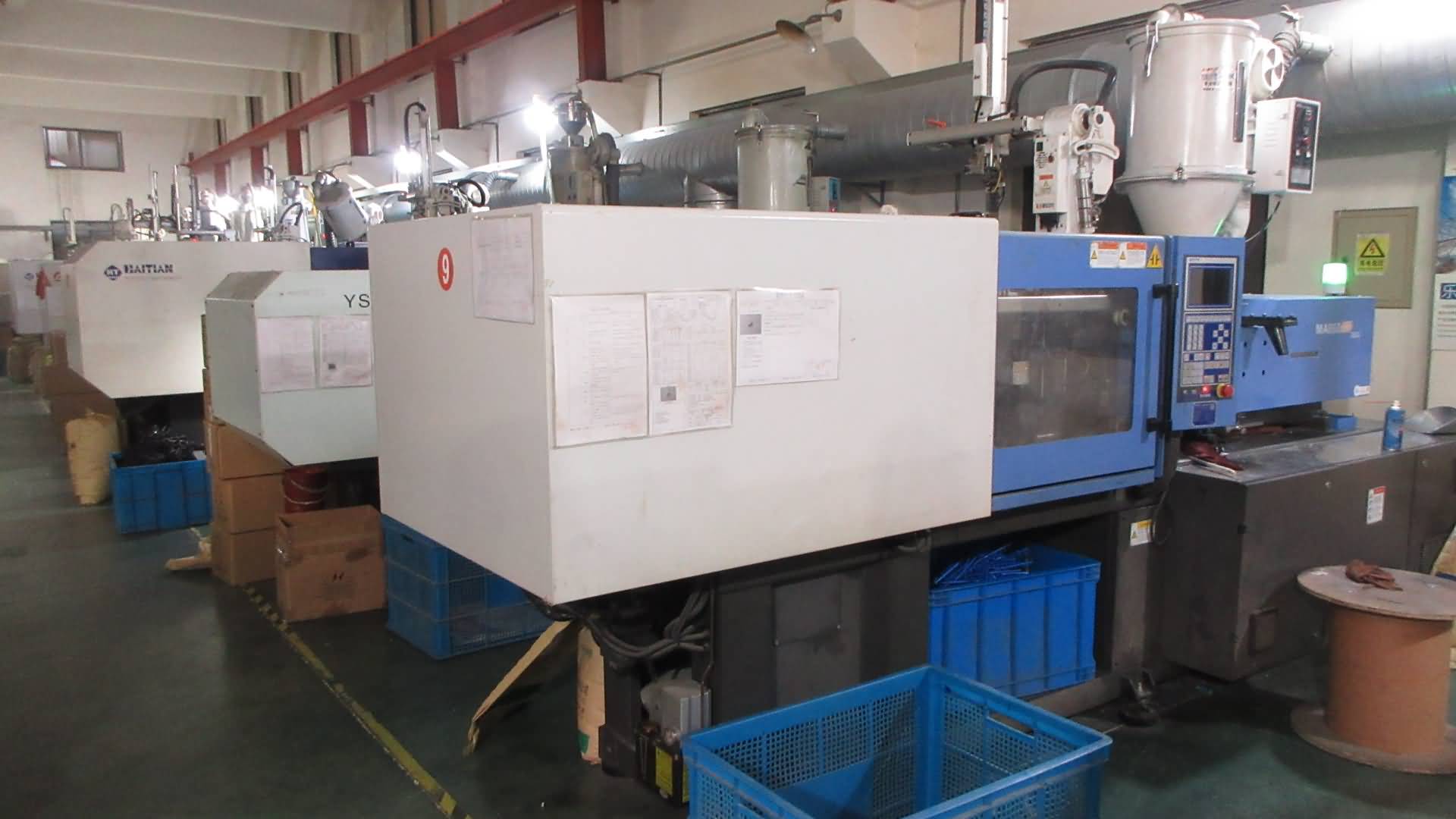
Equip-Link Intelligent Equipment (Shenzhen) Co., Ltd. operates at the core of the world's most dense electronics cluster in Shenzhen. Our facility integrates automated manufacturing processes, custom firmware flashing setups, and highly localized raw material loops to ensure reliable lead times and robust supply chain resilience.
Our production system integrates testing software directly with our components, ensuring compatibility across major OEM platforms. By maintaining close ties with key IC manufacturers, optics foundries, and raw material suppliers, we insulate global projects from component shortages.
With 14 years of industry expertise and 9 years of export experience, we serve customers in over 50 countries. Our team handles local customization requests, OEM/ODM arrangements, compatibility coding, and compliance certification (CE, FCC, RoHS, TÜV) with high precision.
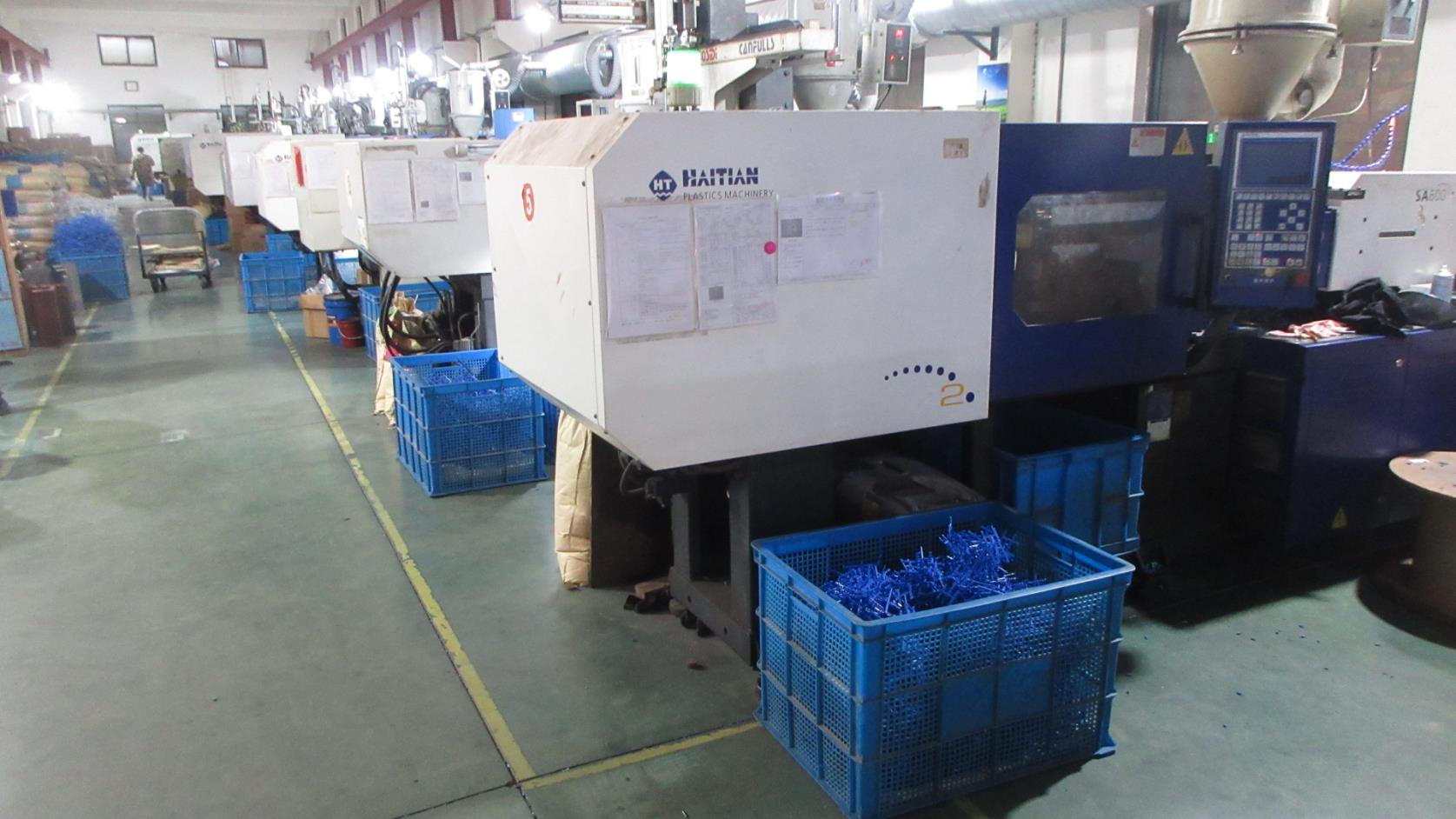
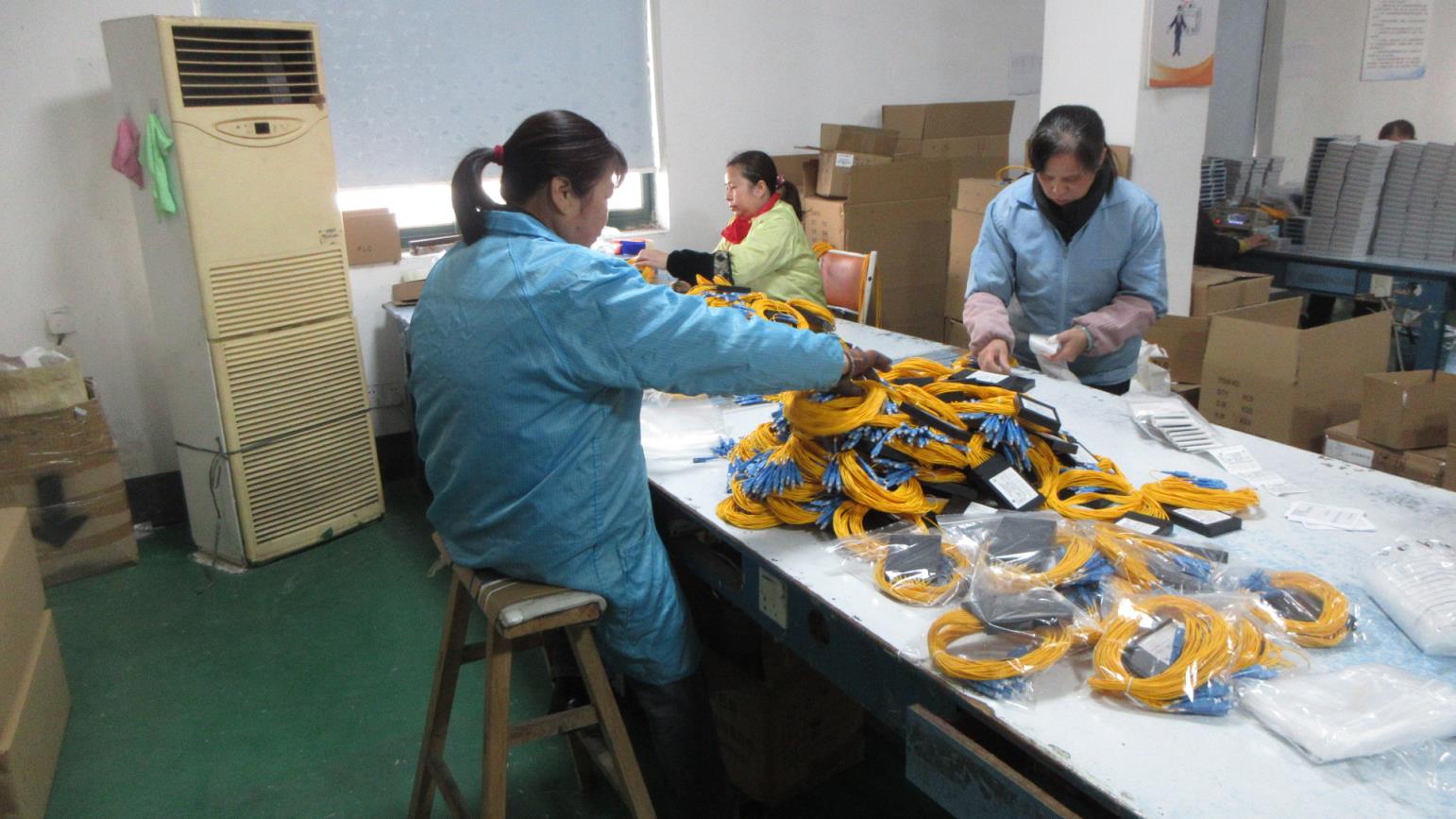
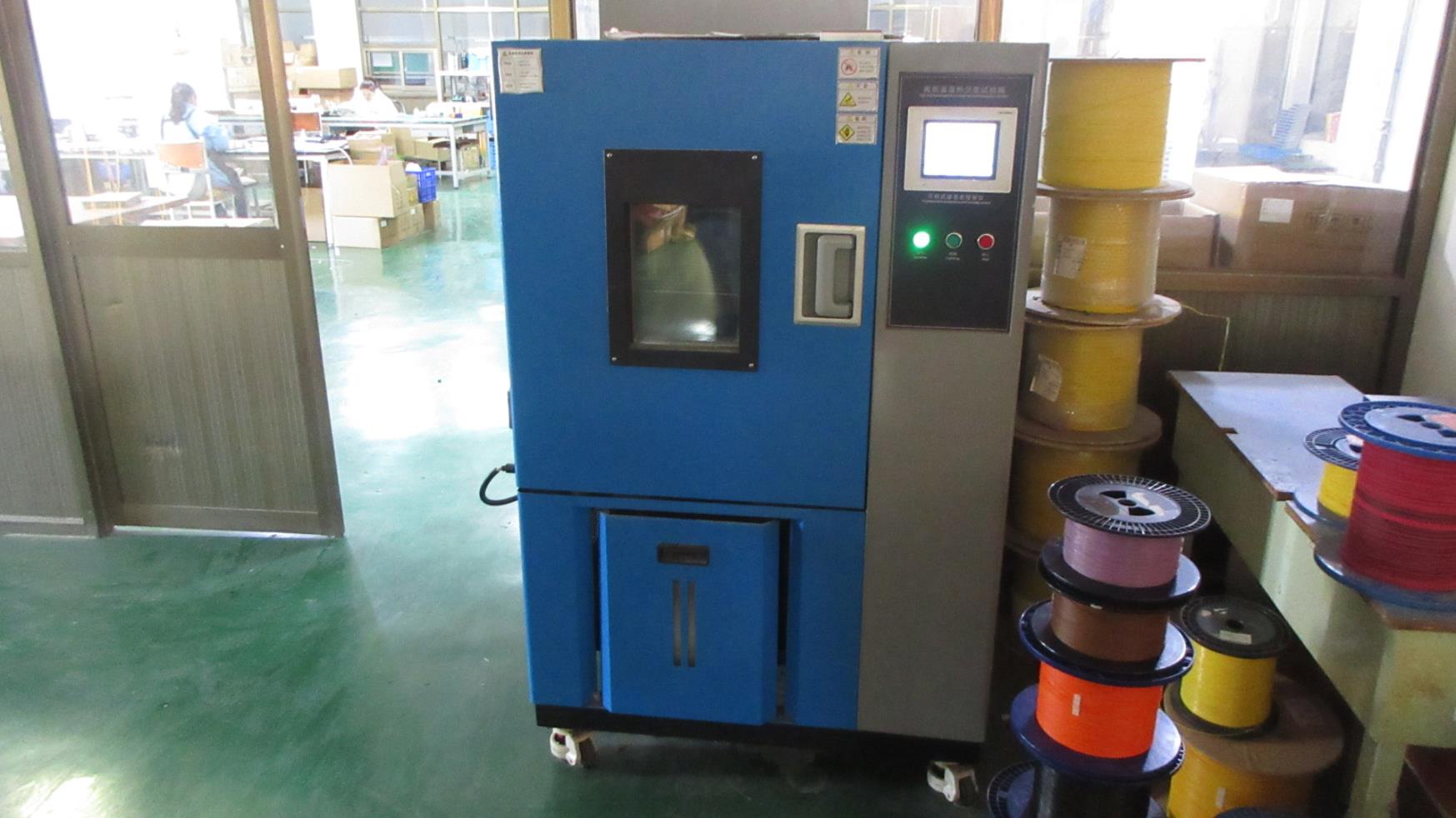
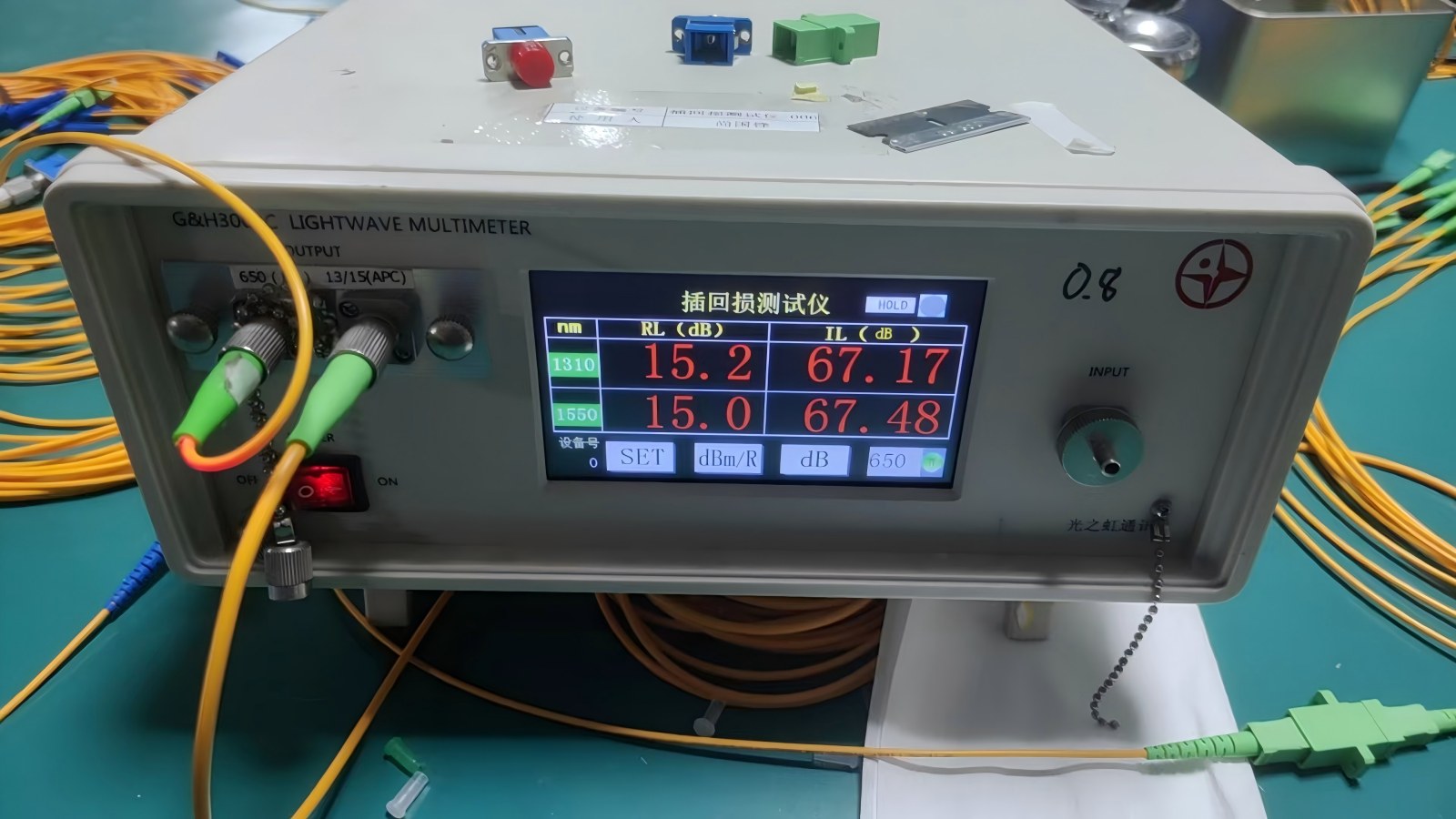
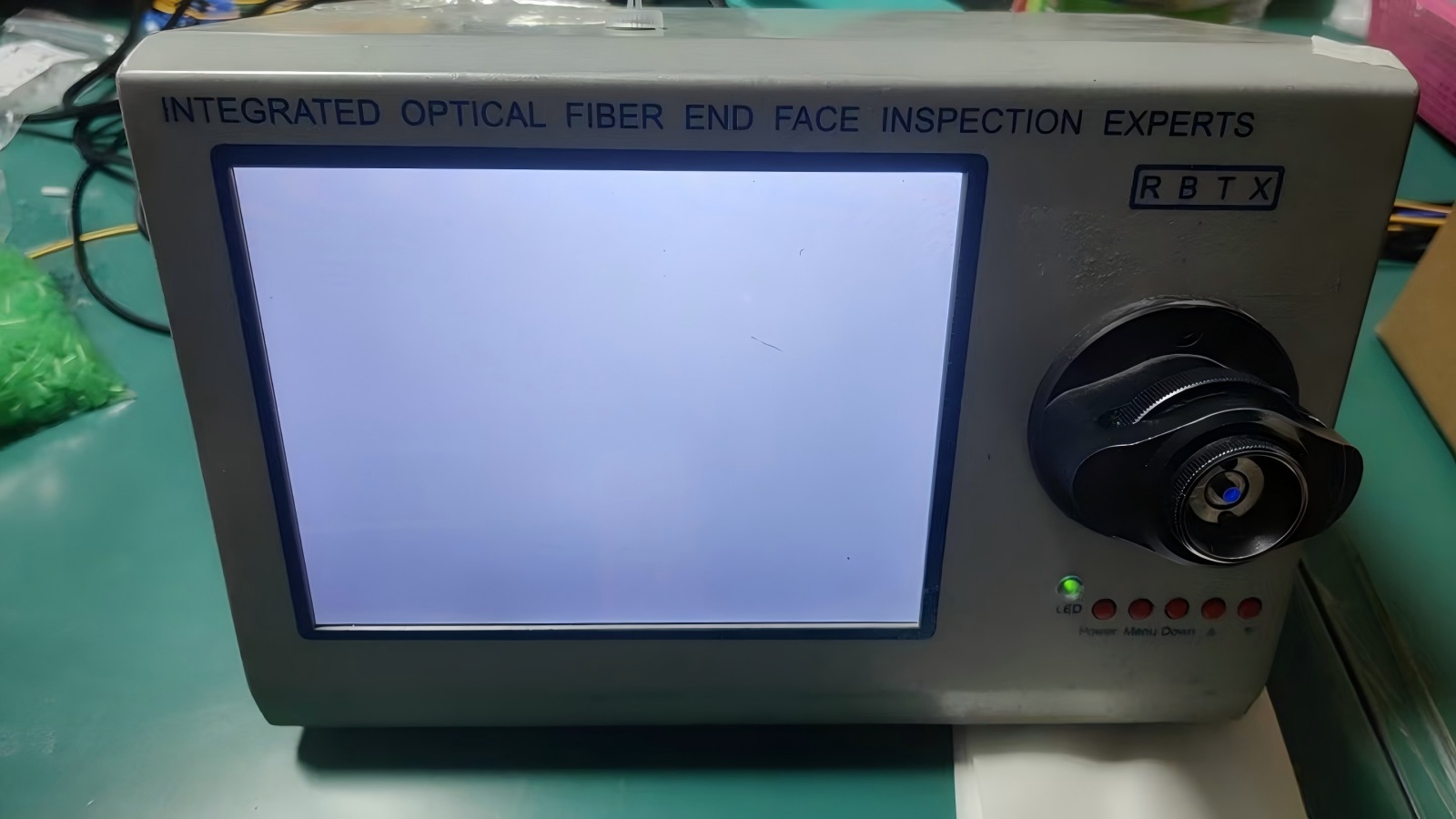
We maintain absolute control over every stage of production. From raw materials sourcing to high-frequency stress testing, our 36-inspector QA team ensures consistent performance.

Selecting the correct multi-mode transceiver requires analyzing several critical parameters to ensure network integrity:
Digital Diagnostics Monitoring (DDM / DOM): DDM capability allows network administrators to monitor real-time parameters of the SFP module. Key metrics include optical output power, optical input power (receive levels), temperature, laser bias current, and transceiver supply voltage. Implementing DOM diagnostic paths helps anticipate component degradation and prevent unplanned network downtime.
Center Wavelength: Multi-mode SFP engines primarily utilize the 850nm band. However, to maximize the capacity of existing fiber infrastructure, modern SWDM modules use four separate wavelengths (850nm, 880nm, 910nm, and 940nm) over a single OM5 fiber pair, enabling cost-effective scaling to higher speeds.
Form Factor Compatibility: Our modules adhere to strict Multi-Source Agreements (MSAs). This guarantees mechanical, electrical, and firmware compatibility with host systems from Cisco, Arista, Juniper, HP, Dell, and other major vendors.
Multi-mode optical transceivers are optimized for short-range deployments, which are highly typical in modern enterprise, cloud, and industrial networks:
Data Center Interconnects (Spine-Leaf): High-density leaf-to-spine connections within the same room or rack use 10G SFP+ SR, 25G SFP28 SR, and 100G QSFP28 SR4 modules. These short distances align well with OM4 fiber systems, providing an optimal balance of throughput and cost.
Enterprise LAN Backbones: Large campus networks rely on multi-mode fiber backbones to link distribution cabinets in different departments. These routes run up to 300-400 meters, making 10G/25G multi-mode modules the standard for campus networking.
Industrial Automation: Factories utilizing EMI-sensitive machinery use fiber optics instead of copper lines to prevent electromagnetic interference. Multi-mode fiber runs, protected by rugged SFP cages, ensure reliable, noise-free communication across the production floor.
Detailed answers to common technical, design, and procurement questions regarding multi-mode fiber transceivers.
Browse our remaining high-density interconnect portfolio, built to withstand challenging electrical and environmental conditions.