Equip-Link
Equip-Link
Equip-Link
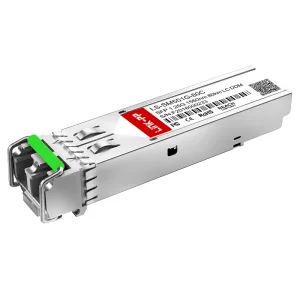
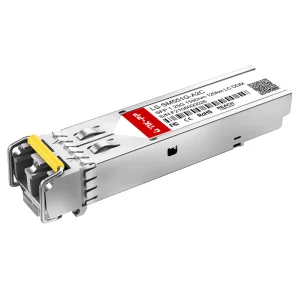
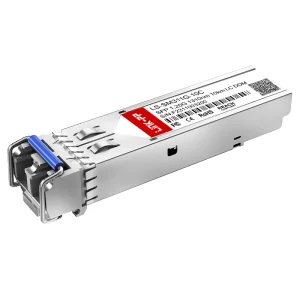
High-performance 1.25G SFP modules engineered with superior TX/RX sensitivity, designed to meet the rigorous physical and thermal demands of South Africa's localized telecommunication infrastructures.
South Africa’s fiber-to-the-home (FTTH) and metro Ethernet landscapes are expanding at an unprecedented rate. Led by major infrastructure operators like Telkom SA (Openserve), Vumatel, Frogfoot, MetroFibre, and major telecom carriers such as MTN and Vodacom, the country is rapidly phasing out legacy copper networks in favor of high-reliability GPON, Active Ethernet, and dedicated fiber-optic backhauls.
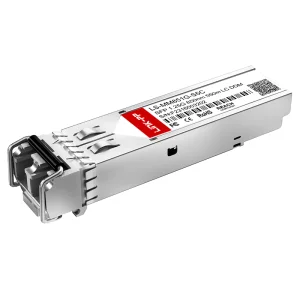
At the core of these structural deployments lies the ubiquitous 1.25G SFP (Small Form-Factor Pluggable) optical transceiver. Often utilized in Gigabit Ethernet switches, edge routers, and fiber media converters, these modules provide the reliable baseline connectivity that interfaces between central exchanges (headends) and suburban distribution points.
South Africa's persistent electrical grid instabilities (load shedding) demand that optical hardware withstand frequent power cycles and voltage fluctuations. Inferior transceivers experience laser failure or memory loss when suddenly powered off and on. Our 1.25G SFP transceivers incorporate custom power surge protections and premium internal components to withstand these fluctuations, maintaining link integrity when inverter backup systems kick in.

Bridging the gap between strict technical specifications and cost-competitive hardware acquisition through advanced Shenzhen manufacturing capabilities.

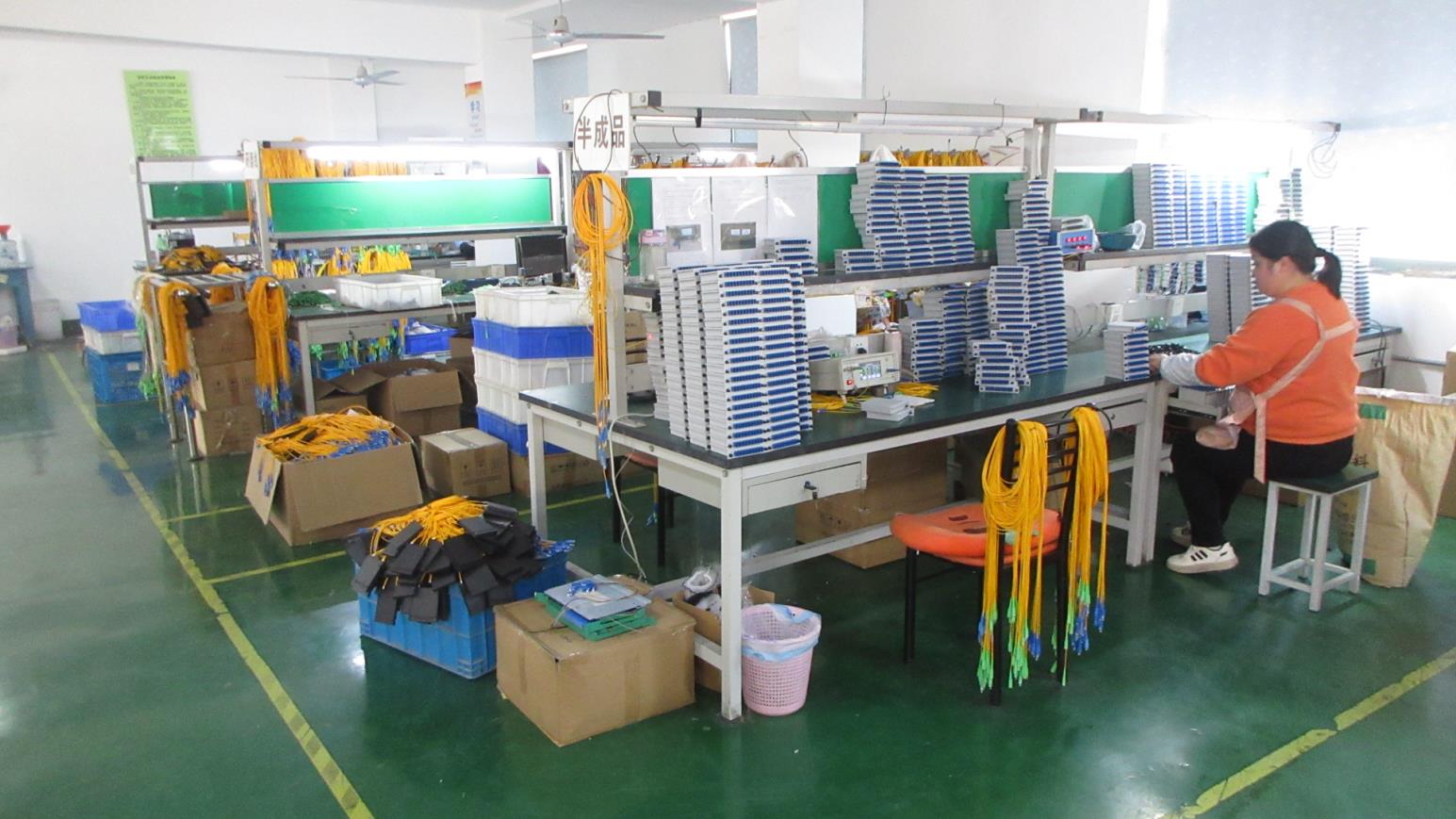
Founded in 2017, Equip-Link Intelligent Equipment (Shenzhen) Co., Ltd. is a premier manufacturer and exporter specializing in optical communication systems. Located in the tech capital of Shenzhen, China, our advanced facility spans 380 square meters and is optimized exclusively for precision optical device alignment, assembly, and testing.
With 14 years of industry expertise and 9 years of export experience, we cater directly to global telecommunication agencies and wholesale distributors. We generate an annual export revenue exceeding USD 18 million, shipping high-performance transceivers to more than 50 countries, including South Africa, the wider Sub-Saharan region, Europe, and the Middle East.
Our core advantage lies in our R&D department consisting of 68 professional engineers who continuously design next-generation transceivers (ranging from 1.25G to high-speed 400G/800G lines). In the past year alone, we successfully launched 126 new products, securing our position at the vanguard of connectivity innovation.
Our 1.25G SFPs are coded to guarantee 100% compatibility with global network brands active in South Africa, including Cisco, Mikrotik, Ubiquiti, Huawei, Juniper, HP, and Allied Telesis.
Designed to withstand ambient operating temperatures from -40°C to 85°C (Industrial Grade) to prevent performance degradation in hot climatic zones like the Limpopo and Karoo regions.
Digital Optical Monitoring (DOM) integration allows South African network engineers to monitor real-time parameters such as optical output power, receiver input power, temperature, and laser bias current remotely.
Years Industry Experience
QA Testing Specialists
Qualified Supply Chain Partners
Annual Export Value
Providing highly specialized optical network solutions optimized for local commercial, industrial, and infrastructural demands.
WISPs (Wireless Internet Service Providers) in the Western Cape, Free State, and KwaZulu-Natal rely heavily on Gigabit links to connect tower-top radios (e.g., Ubiquiti AirFiber or Mikrotik NetMetal) with base station switches. Our 1.25G Single Mode Duplex SFP (10km/20km) provides reliable, lightning-isolated backhaul links down the tower masts, shielding sensitive ground equipment.
South Africa’s gold, platinum, and coal mining operations (such as in Rustenburg or the Witwatersrand basin) rely on robust underground fiber networks. Heavy industrial machinery and high electromagnetic interference (EMI) make copper links unusable. Our industrial-grade SFP transceivers withstand underground vibration, moisture, and dust, providing stable fiber backbone rings for SCADA systems and IP surveillance.
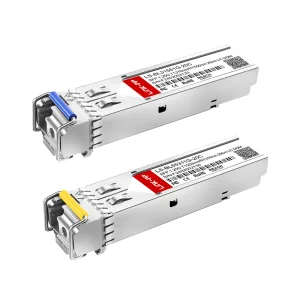
In metropolitan areas like Sandton, Cape Town CBD, and Durban Central, ISPs deploy high-density fiber rings. BiDi (Bidirectional) 1.25G SFPs are vital for saving fiber resources by sending and receiving optical data over a single fiber strand (WDM). Employing 1310nm-TX/1550nm-RX Simplex LC SFPs allows operators to double their capacity without digging new trenches.
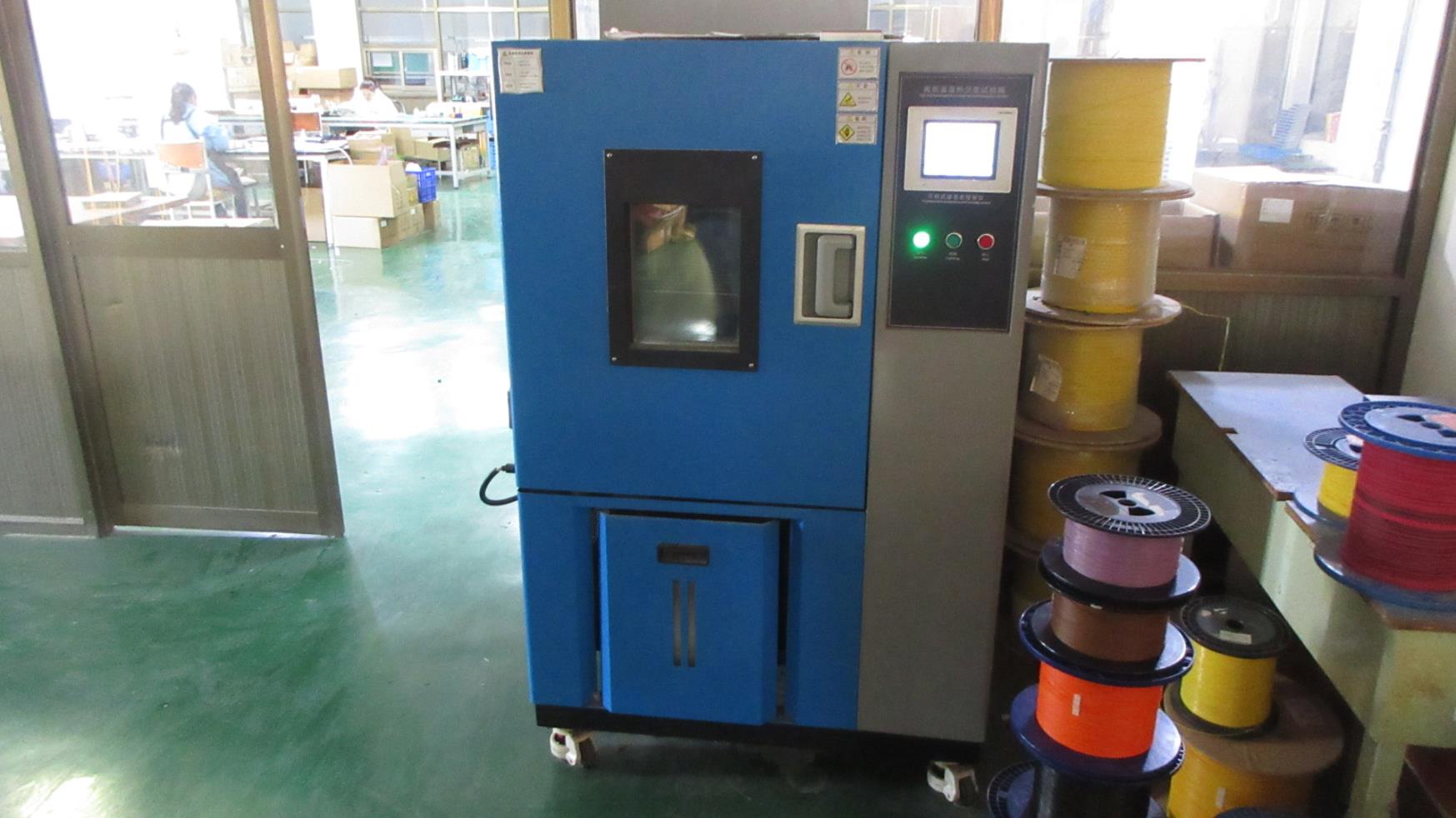
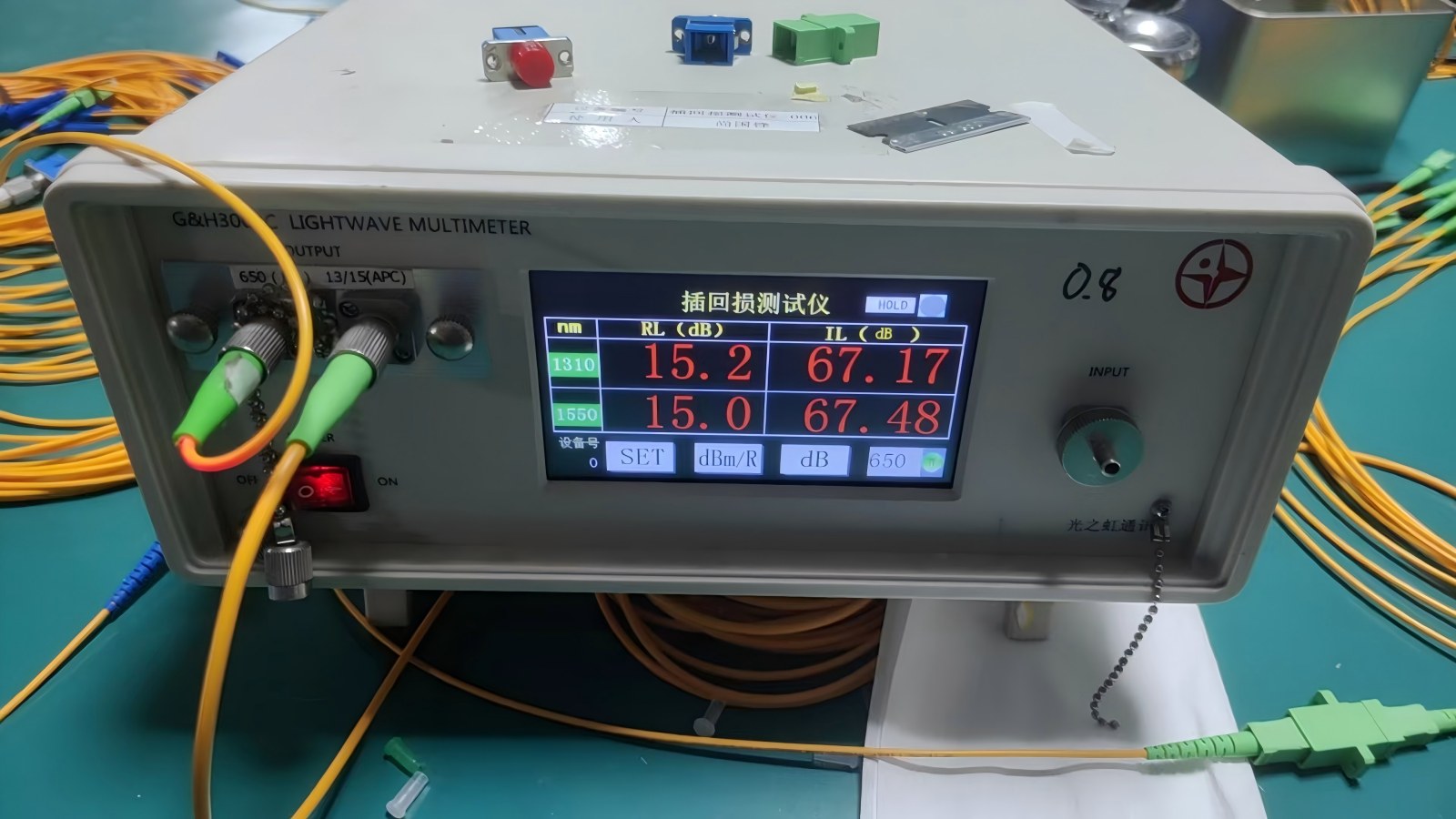
No shortcuts in network reliability: a glance into our Shenzhen factory testing laboratories and certified QA processes.
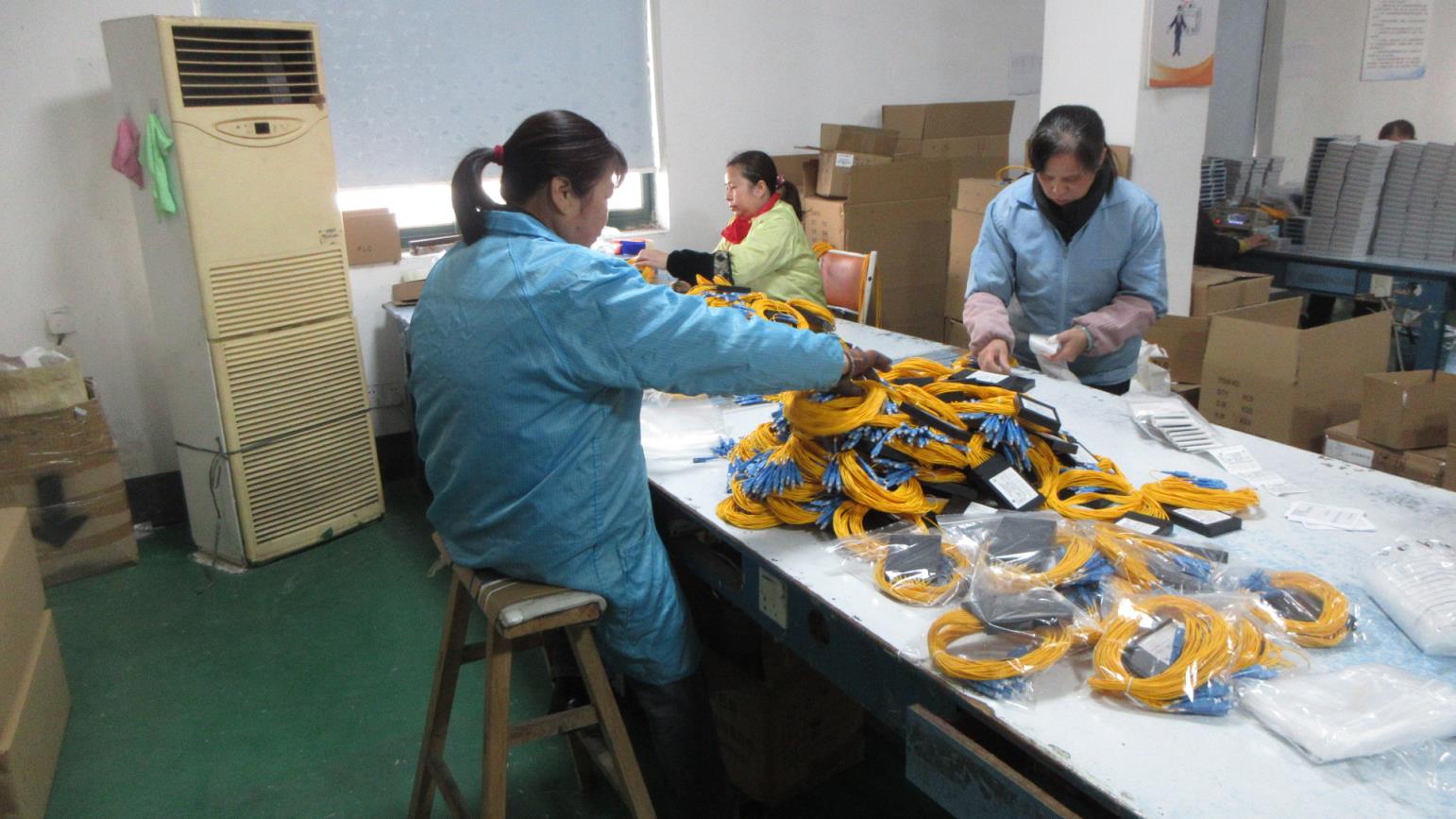
At Equip-Link, we employ 36 experienced inspection specialists who monitor our raw material intake, inline production, and final outbound shipments. Every 1.25G SFP transacting through our line undergoes rigorous verification, ensuring they meet the high specifications needed by South African operators who cannot afford rural link outages.
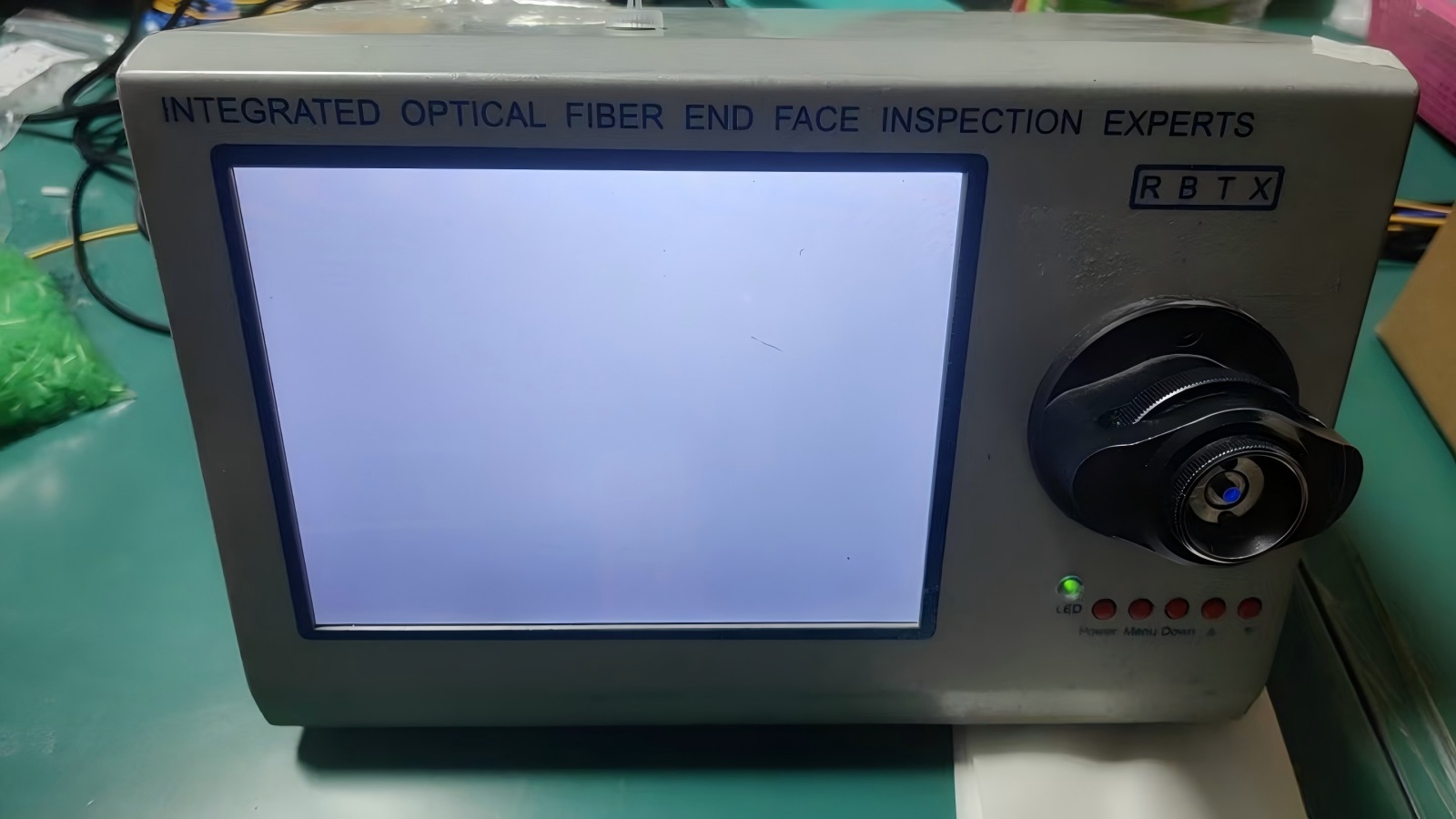
Our testing procedure utilizes high-speed eye diagram analyzers, bit error rate testers (BERT), and multi-port optical switch simulators. Furthermore, our environmental stress testing chamber simulates extreme hot, dry, humid, and freezing environments, ensuring the transceivers retain stable wavelength parameters over years of service.
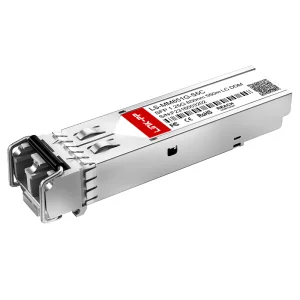
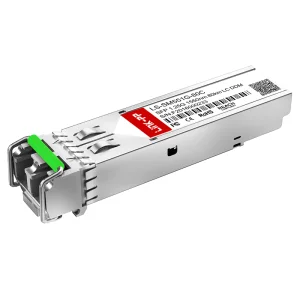
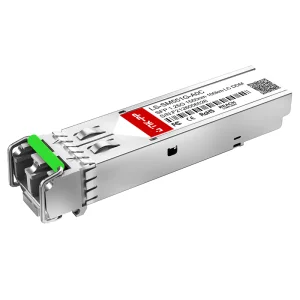
From short-range multi-mode fiber transceivers (MMF) up to ultra-long-haul 160km single-mode fiber links (SMF) for regional networks.
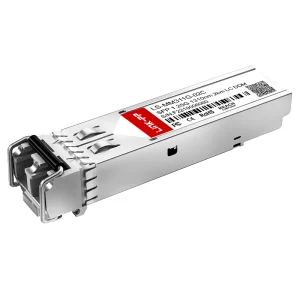
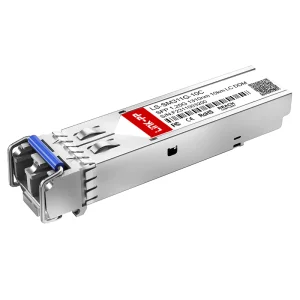
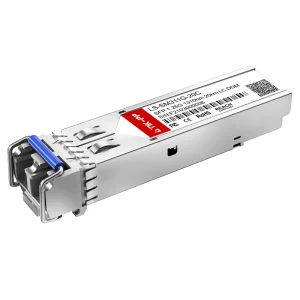
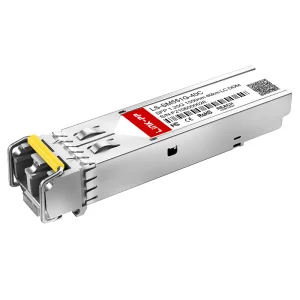
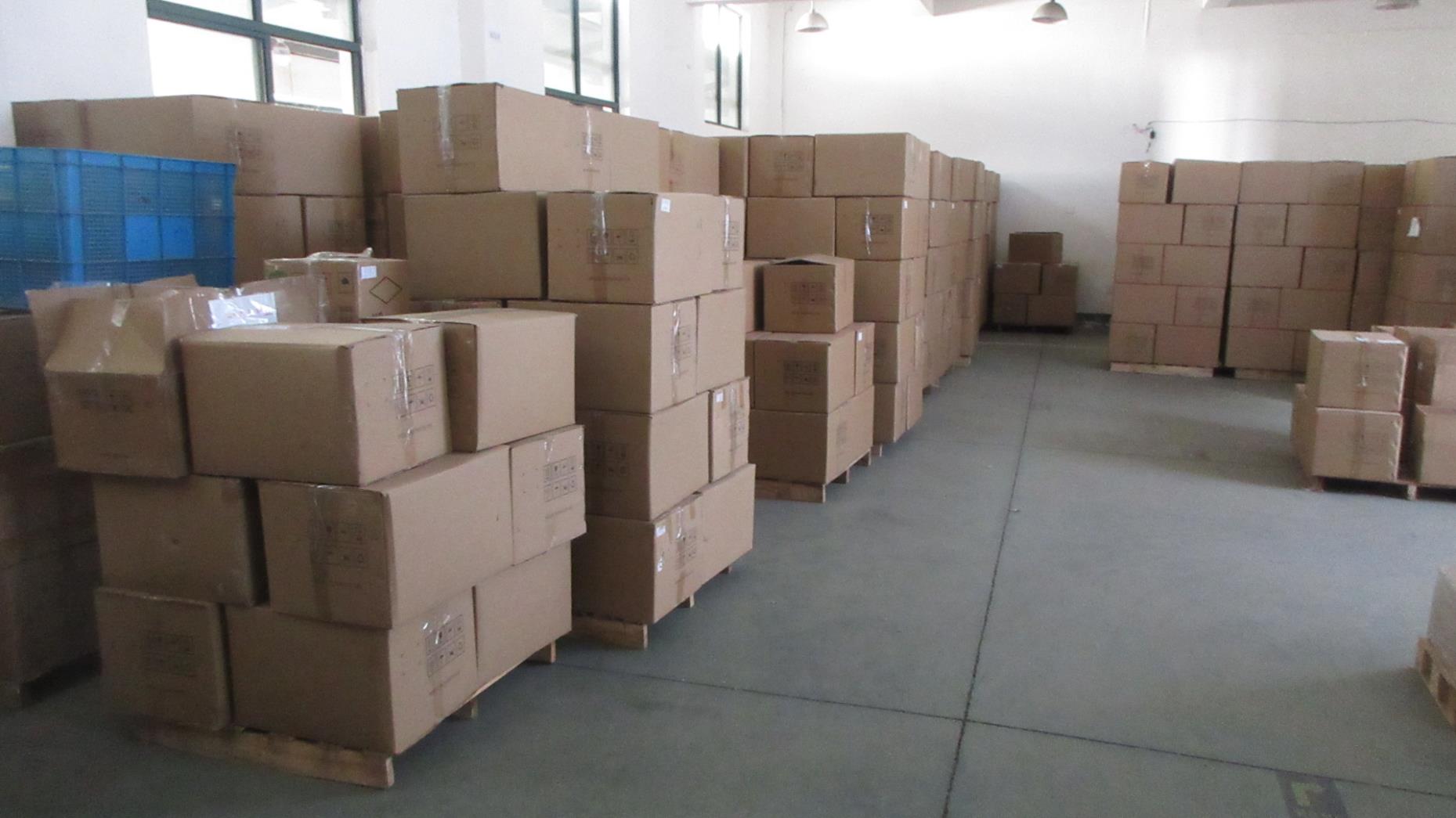
Fast transit, certified customs documentation, and seamless integration with SA customs clearance procedures.
Procuring networking components from overseas requires reliability in transport and logistics. Equip-Link provides customized distribution models for South African clients. Whether you are shipping to key economic hubs like Johannesburg, Cape Town, Port Elizabeth, or Durban, we ensure fast and secure transit.
We offer shipping options via DHL, FedEx, UPS, air freight, and sea cargo. Our logistics coordinators handle all compliance documentation, including international certificates of origin, customs declaration documents, and HS Codes (85177090 or 85176200), ensuring zero delays at the South African Revenue Service (SARS) customs check points.
Important information regarding 1.25G SFP transceivers, compatibility, and ordering protocols.
Every network device vendor uses a unique EEPROM signature to verify if the inserted SFP is genuine. At Equip-Link, we maintain an updated database of compatibility algorithms. Using specialized hardware EEPROM encoders, we program each SFP module to simulate the vendor's signature, guaranteeing compatibility with brands like Cisco, Ubiquiti, Mikrotik, Huawei, and HP.
Commercial-grade transceivers operate within a range of 0°C to 70°C. Industrial-grade transceivers are built with hardened optoelectronic components that perform continuously in temperatures ranging from -40°C to 85°C. For South African deployments, especially in uncooled outdoor enclosures, base stations, or mining operations, we recommend industrial-grade modules to prevent signal drift and premature failures.
A standard Duplex SFP uses two optical fibers—one for transmitting (TX) and one for receiving (RX). A BiDi (Bidirectional) SFP uses Wavelength Division Multiplexing (WDM) to transmit and receive data on different wavelengths (e.g., 1310nm TX and 1550nm RX) over a single fiber strand. This reduces fiber consumption by half, saving cost in lease fees and infrastructure installation.
Our quality control structure covers three main phases: IQC (Incoming Quality Control) for laser and photodiode raw materials, IPQC (In-Process Quality Control) for component soldering and alignment, and OQC (Outgoing Quality Control). Before shipment, every module undergoes transceiver diagnostic tests, eye diagram evaluation, BER analysis, and switch simulation testing.
For standard models kept in stock, orders ship from Shenzhen within 2-4 business days. For bulk orders or custom configurations (including private labeling), production typically takes 7-10 business days. Shipping via express services (such as DHL or FedEx) takes approximately 5-7 business days to major South African airports, with customs clearance handled by our global logistics partners.
Digital Optical Monitoring (DOM) or Digital Diagnostic Monitoring (DDM) is a standard protocol that provides real-time access to operational parameters of the fiber link. Network administrators can remotely monitor temperature, optical power output, receiver power level, and supply voltage. This helps locate fiber faults or degradation without having to deploy field technicians to remote locations.