Equip-Link Equip-Link

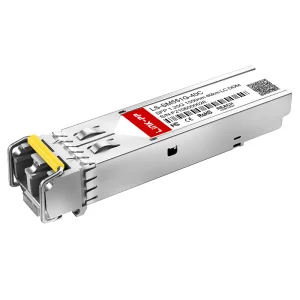
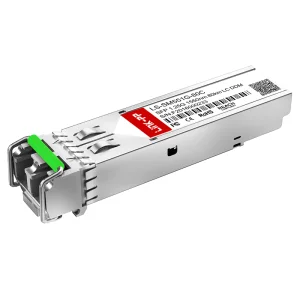
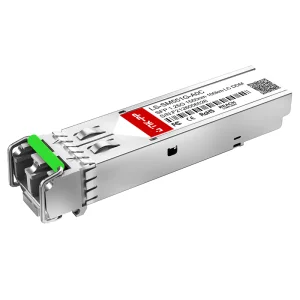
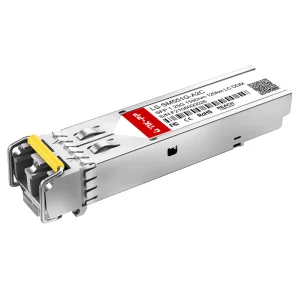
1.25G SFP Module Suppliers & Exporter serving the Kuwait Market

High-Performance Optical Transceivers Engineering Robust Connectivity for Kuwait's Enterprise Networks, Smart Infrastructure, and Oil & Gas Facilities

Send Inquiry Now

1. Kuwait Digital Ecosystem & Industrial Networking Trends

As Kuwait accelerates towards its ambitious "Kuwait Vision 2035" (New Kuwait), the nation's digital infrastructure is undergoing a massive transformation. Modernizing governmental services, upgrading the financial services sector in Kuwait City, and integrating advanced automation systems across the oil, gas, and petrochemical sectors require robust, scalable, and resilient fiber optic backbones. Key telecommunications providers, including Zain, Ooredoo, and STC Kuwait, are expanding their fiber-to-the-x (FTTx) footprint and densifying cellular backhauls to support 5G expansion and industrial IoT connectivity.

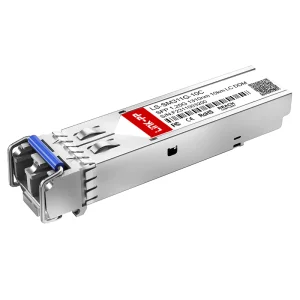
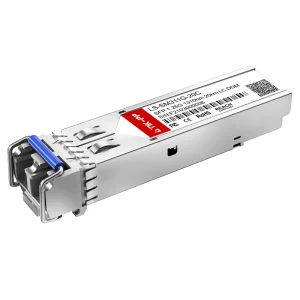
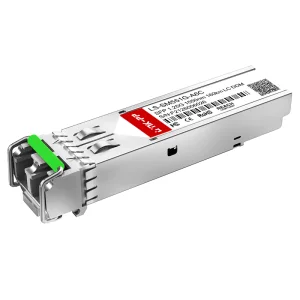
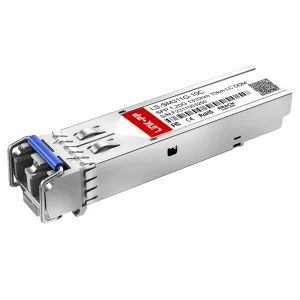
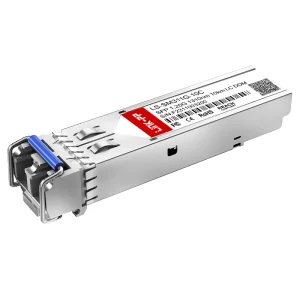
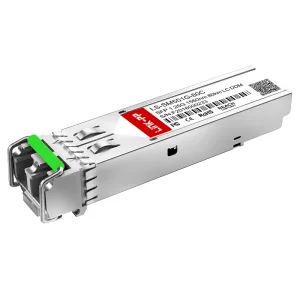
In this rapidly digitizing landscape, the 1.25G SFP (Small Form-factor Pluggable) optical transceiver remains a foundational pillar for Gigabit Ethernet and Fibre Channel deployments. These modules serve as the vital link between physical fiber networks and critical network equipment—such as core switches, routers, firewalls, and media converters. For network architects and procurement specialists in Kuwait, securing reliable, high-grade SFP transceiver modules that can withstand local operating challenges is key to minimizing unscheduled network downtime and maximizing system lifecycle value.

2. Technical Overview: Standardizing 1.25G SFP Technology

Optical transceivers are highly standardized devices designed to ensure vendor interoperability through strict compliance with industry frameworks. The 1.25G SFP module adheres to the SFP Multi-Source Agreement (MSA) and the IEEE 802.3z Gigabit Ethernet standard. This standardized design permits hot-pluggable insertion into any MSA-compliant port, offering network operators flexibility and lowering total cost of ownership (TCO) compared to proprietary components.

Key Standards in the 1.25G Portfolio:
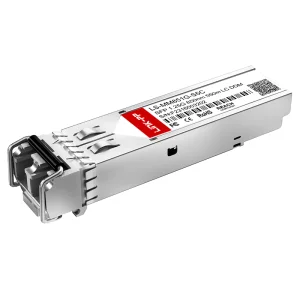
  • 1000BASE-SX: Optimized for Multi-mode Fiber (MMF) over 850nm wavelengths, delivering reach up to 550m. Perfect for intra-building networks and localized server rooms.
  • 1000BASE-LX/LH: Designed for Single-mode Fiber (SMF) using 1310nm wavelengths, guaranteeing robust links up to 10km or 20km. This is the standard choice for inter-building links and metro networks.
  • 1000BASE-EX / ZX: Engineered for extended spans of 40km up to 80km using 1550nm wavelengths on SMF, mitigating link budget challenges without relying on active repeaters.
  • 1000BASE-EZX: Designed for extreme-long-haul applications, spanning 100km to 120km, and even 160km using highly sensitive receivers and optimized laser drivers.
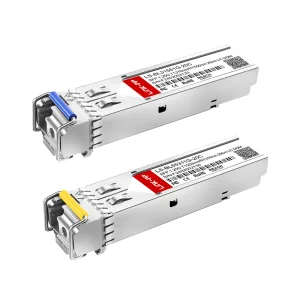
  • BiDi (Bidirectional) SFP: Utilizes Wavelength Division Multiplexing (WDM) to transmit and receive signals over a single strand of fiber (e.g., 1310nm-TX/1550nm-RX and vice-versa). This technology effectively doubles the capacity of existing fiber infrastructure.

3. Global Optical Transceiver Market and China's Manufacturing Advantage

The global optical transceiver market is undergoing steady expansion, driven by data-intensive enterprise networks, industrial IoT, and telecom upgrades. While higher speeds like 100G, 400G, and 800G dominate new data center designs, the 1.25G SFP modules remain highly relevant due to their widespread use in access networks, utility grids, and industrial control systems.

For international procurement teams, partnering with direct manufacturers in China's high-tech manufacturing hubs (such as Shenzhen) offers significant strategic advantages:

  • Unmatched Cost-to-Performance Ratio: By utilizing massive local supply chains, optimized silicon integration, and automated assembly techniques, Chinese manufacturers provide optical modules at a fraction of the cost of Western OEM brands, without sacrificing quality.
  • Highly Customized Firmware & Compatibility: China's top exporters maintain advanced engineering databases. This enables them to custom-code transceivers for compatibility with major networking brands, such as Cisco, Juniper, HP, Huawei, Aruba, and Mikrotik.
  • Rapid Scalability: Modern factories feature high-throughput SMT lines, automated optical alignment machines, and parallel testing chambers, enabling them to scale production quickly to meet large-volume orders.
  • Rigorous Testing Protocols: Export-grade products undergo rigorous quality control, including environmental cycling and real-device traffic testing, ensuring compliance with international regulations (CE, FCC, RoHS, and REACH).

4. Crucial Localized Application Scenarios in Kuwait

Kuwait's environmental and industrial landscape places unique demands on optical networking components. Standard consumer-grade optics can fail prematurely under local conditions. Below are the primary environments where specialized 1.25G SFPs are deployed:

Oil & Gas SCADA and Pipeline Monitoring

Kuwait's economy is centered around major upstream and downstream petroleum sites managed by entities like KOC (Kuwait Oil Company) and KNPC. Remote oil rigs, processing installations, and distribution pipelines span vast desert landscapes. 1.25G SFPs are integrated into industrial switches to transmit real-time telemetry, pressure data, and surveillance video feeds to central operations centers. In these setups, industrial-grade transceivers certified for extended temperatures (-40°C to +85°C) are critical to withstand seasonal desert heat.

Desalination, Power Plants & Smart Utilities

Critical utility infrastructure—including power generation and water desalination complexes along the Arabian Gulf—relies heavily on optical fiber rings for control networks. These plants feature high electromagnetic interference (EMI) and corrosive, high-salinity air. Optical transceivers provide complete galvanic isolation, neutralizing ground loop hazards and EMI-induced packet loss.

Enterprise Networks, Smart City Infrastructure & Security

Kuwait City's modern office complexes and municipal surveillance networks utilize high-density fiber arrays. Deploying 1.25G SFP modules with Digital Optical Monitoring (DOM) enables network engineers to monitor parameters like TX/RX optical power, temperature, and supply voltage in real-time. This capability supports proactive maintenance and helps identify fiber degradation before link failures occur.

About Equip-Link

Your Reliable Partner in Global Optical Communications Infrastructure

Founded in 2017, Equip-Link Intelligent Equipment (Shenzhen) Co., Ltd. is a leading manufacturer and supplier of high-performance optical transceivers and fiber optic communication solutions. We specialize in the design, development, production, and global distribution of optical modules for data centers, telecommunications networks, enterprise networking, cloud computing, and AI infrastructure applications.

Our manufacturing facility is equipped with advanced production and testing machinery to ensure consistent quality and reliable performance. With an annual export revenue exceeding USD 18 million, Equip-Link has established long-term partnerships with customers in more than 50 countries and regions worldwide, serving as a key supplier to the Middle East, with a strong focus on the Kuwaiti enterprise and industrial sectors.

14+
Years of Industry Expertise
9+
Years of Export Experience
68+
Professional R&D Engineers
1,280+
Qualified Partners in Supply Chain

Quality is at the core of everything we do. We implement a comprehensive quality management system supported by incoming material inspection, in-process quality control, and final product testing. Every product undergoes rigorous testing using advanced optical and network performance analyzers before shipment. Our dedicated quality assurance team consists of 36 experienced inspectors who ensure that every product meets customer requirements and industry specifications.

Advanced Manufacturing & Quality Control Facilities

Precision engineering and rigorous testing procedures that guarantee telecom-grade reliability

Raw Material Inspection
Raw Material Inspection & Storage
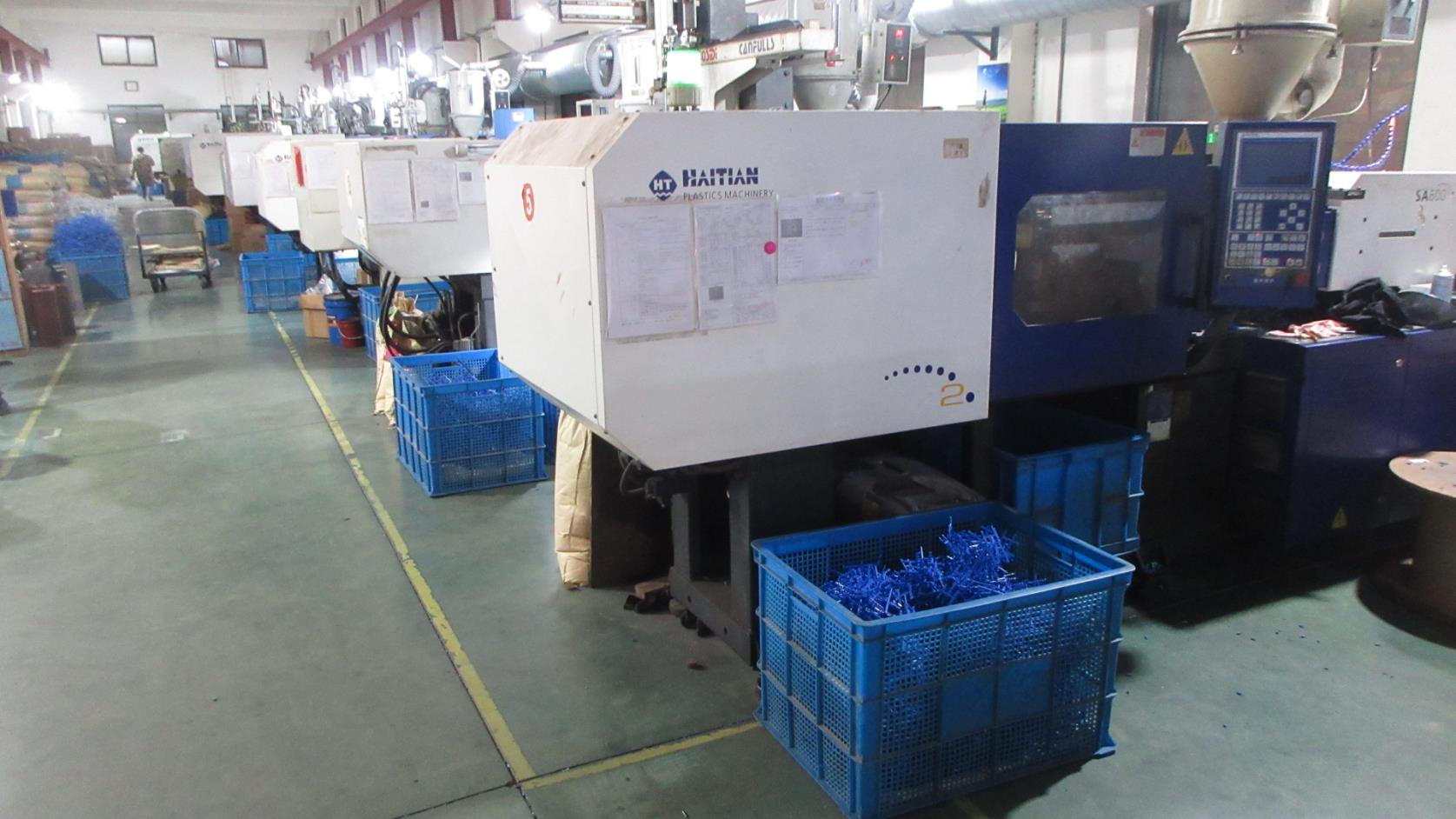
Injection Molding
Precision Injection Molding Process
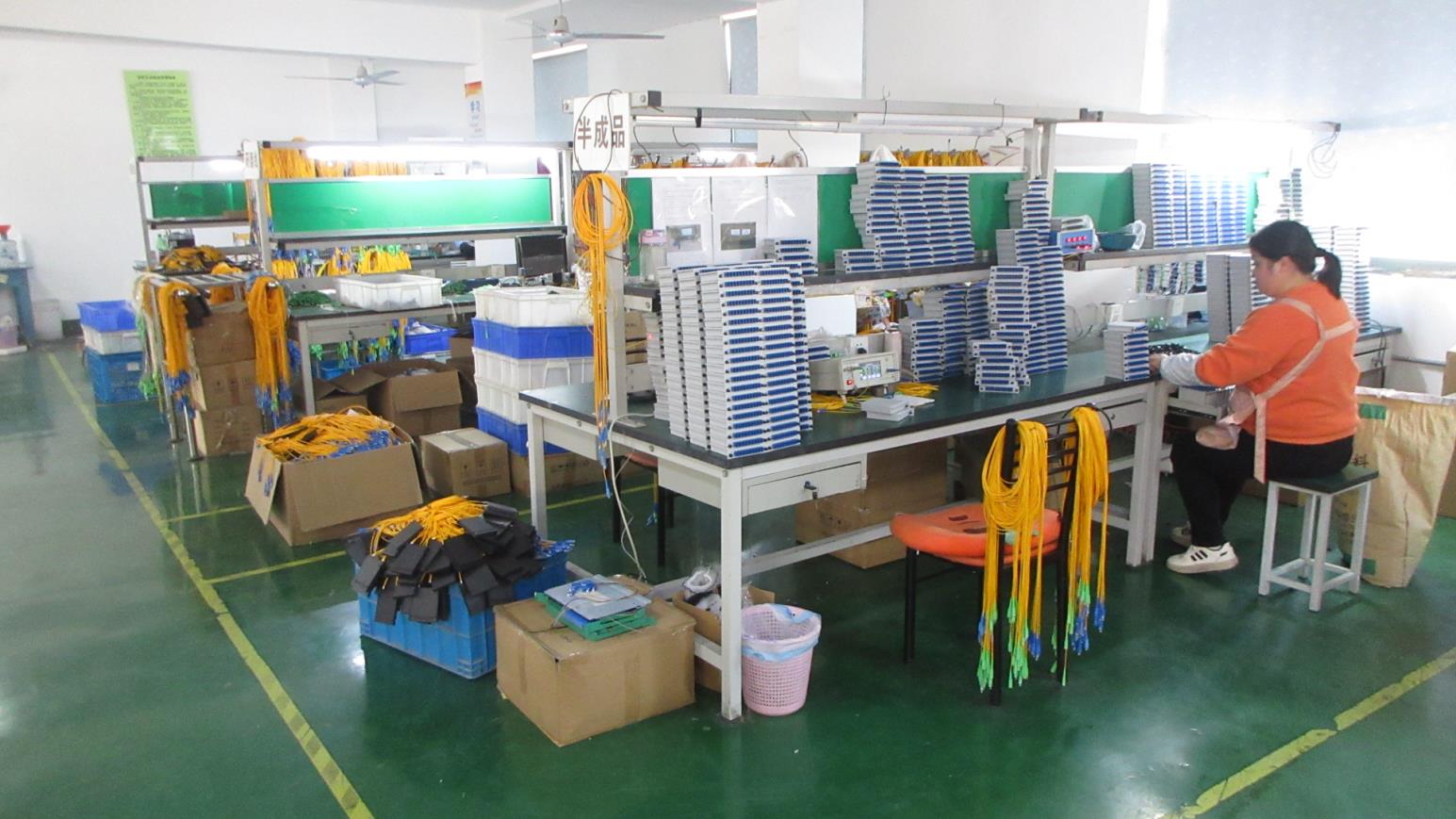
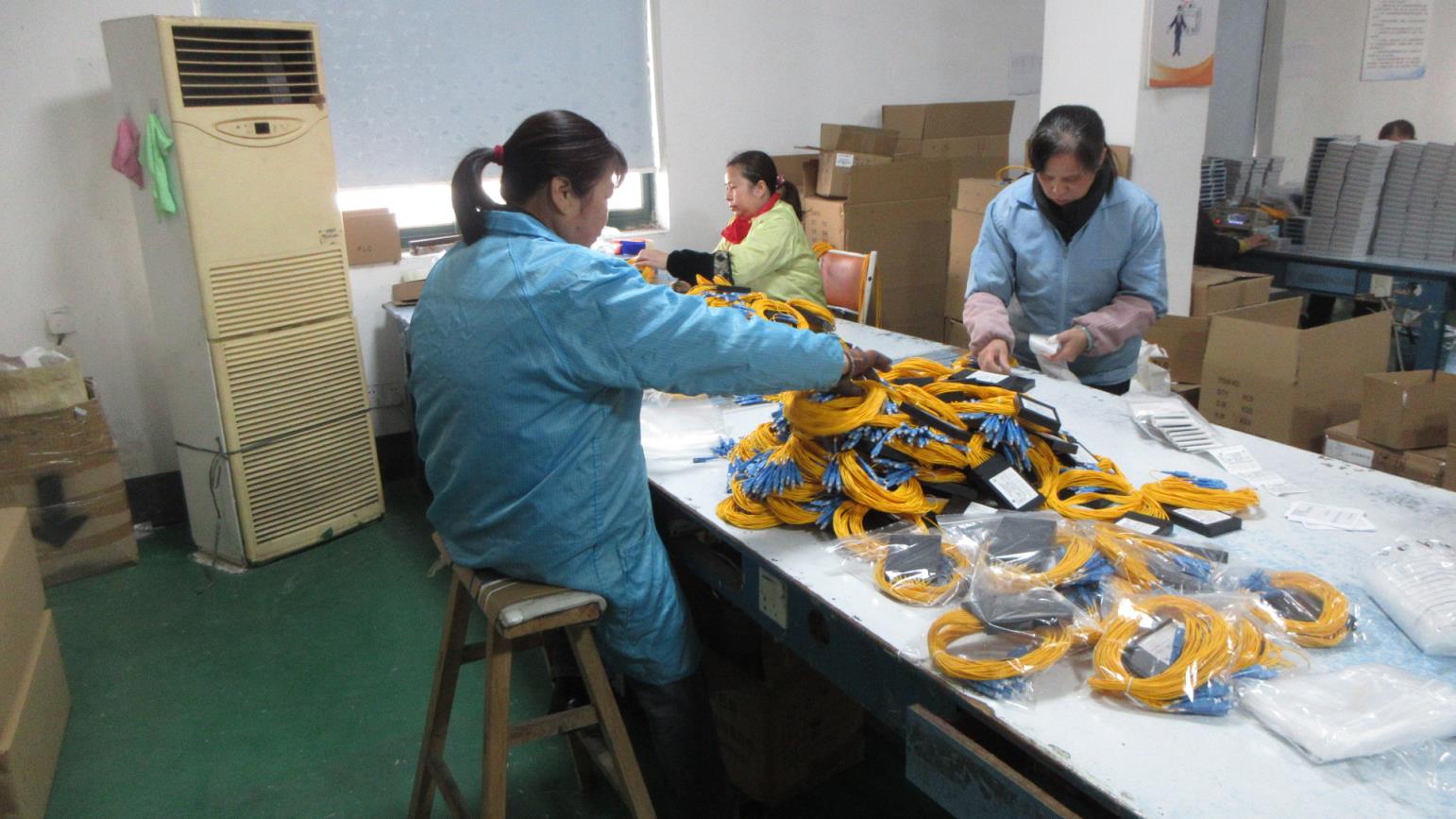
Assembly Line
Advanced Optoelectronic Assembly
Packing Facility
Anti-Static Packaging & Dispatch
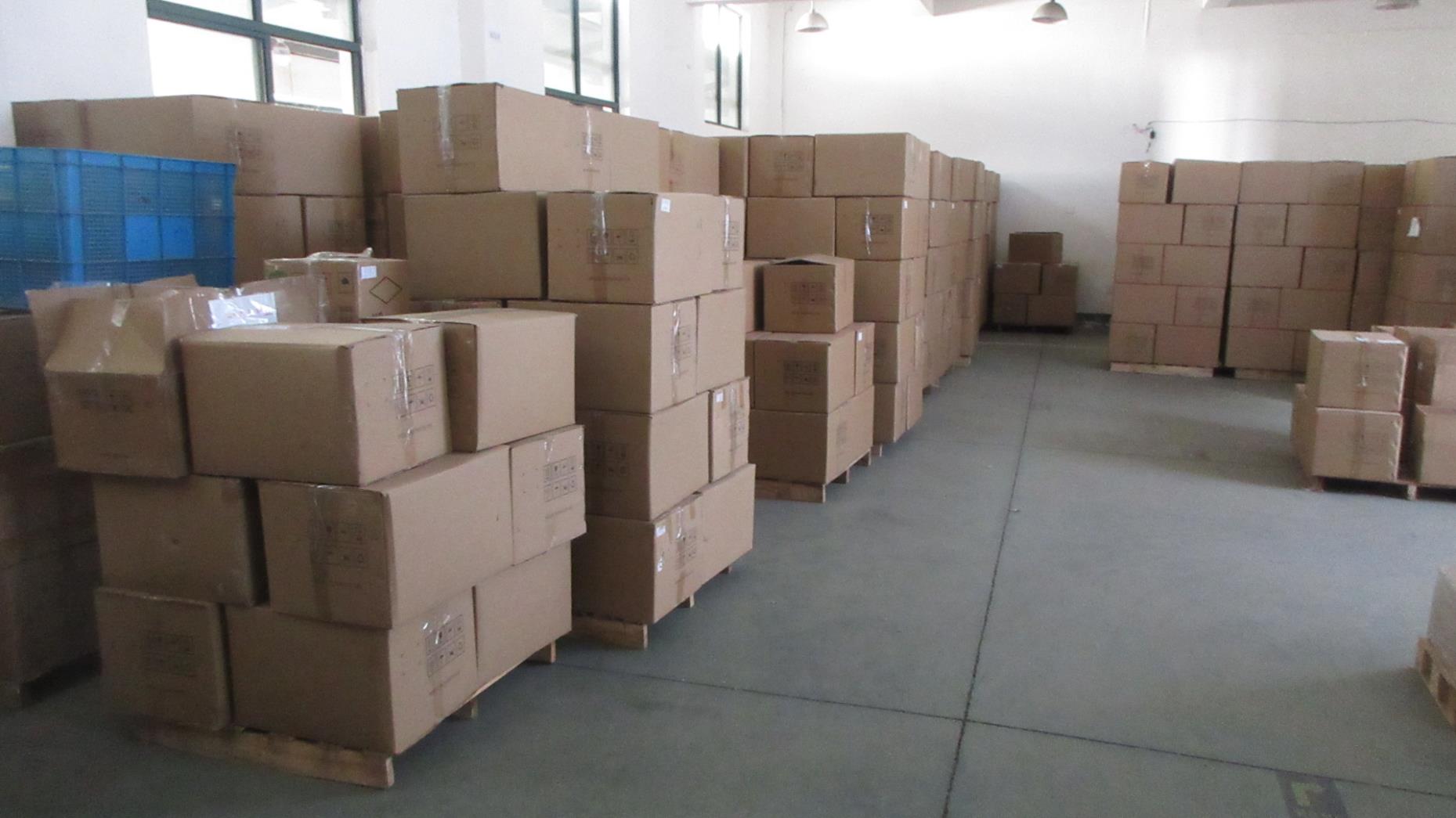
Warehouse
Global Inventory & Logistics Warehouse
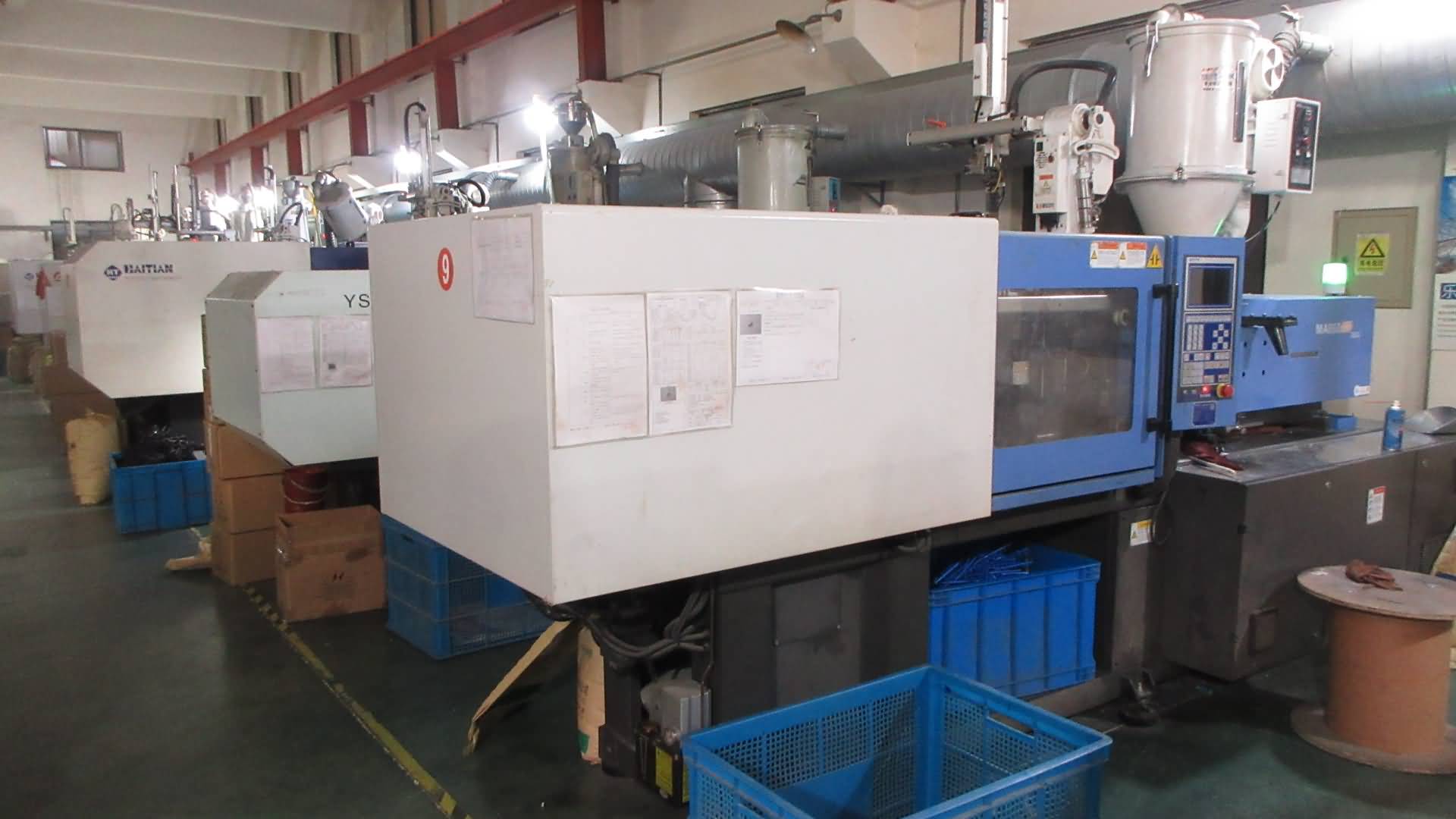
Injection Machine
Automated Injection Molding Machine
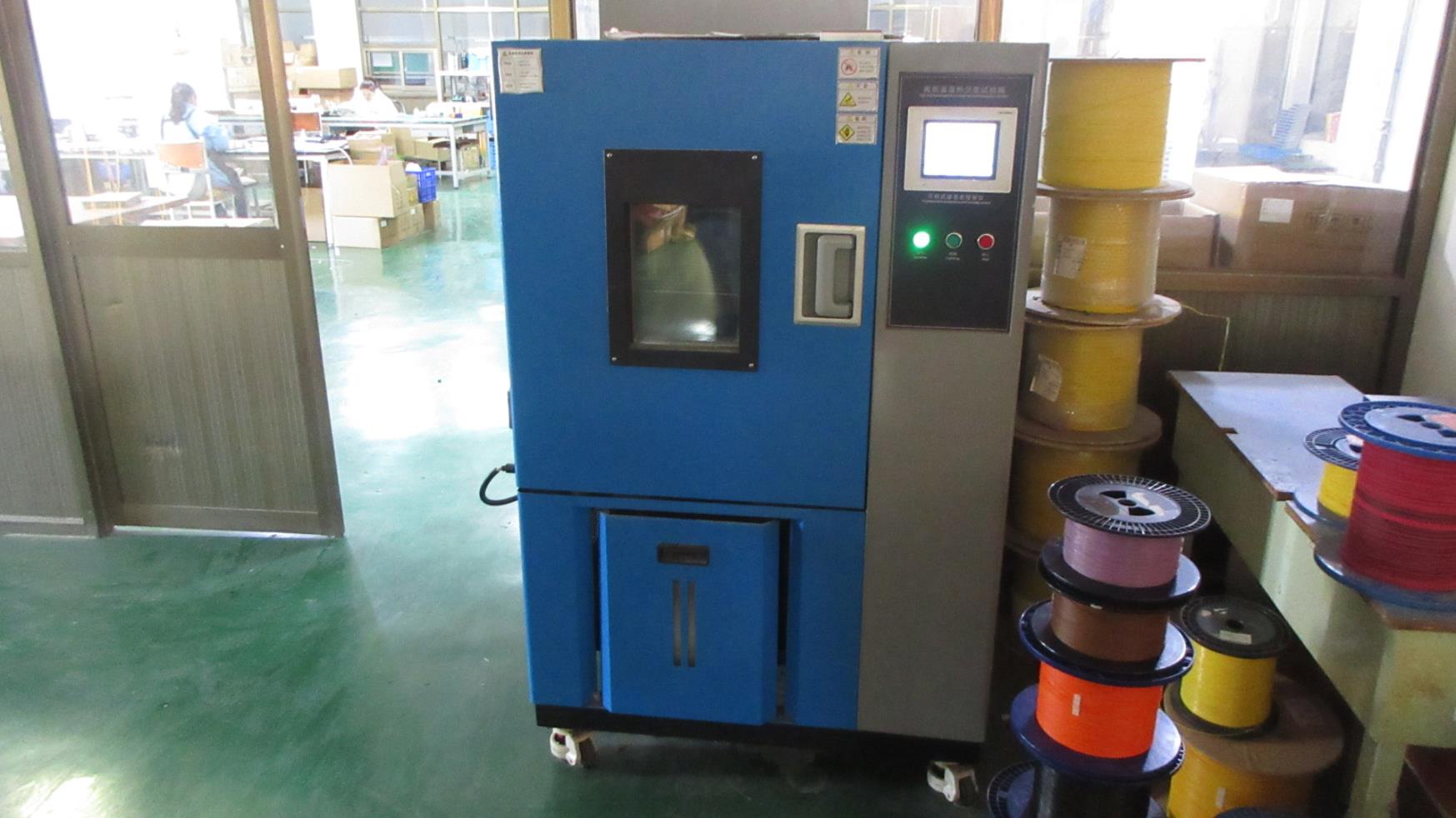
High And Low Temperature Test Chamber
High/Low Temp Damp Heat Test Chamber
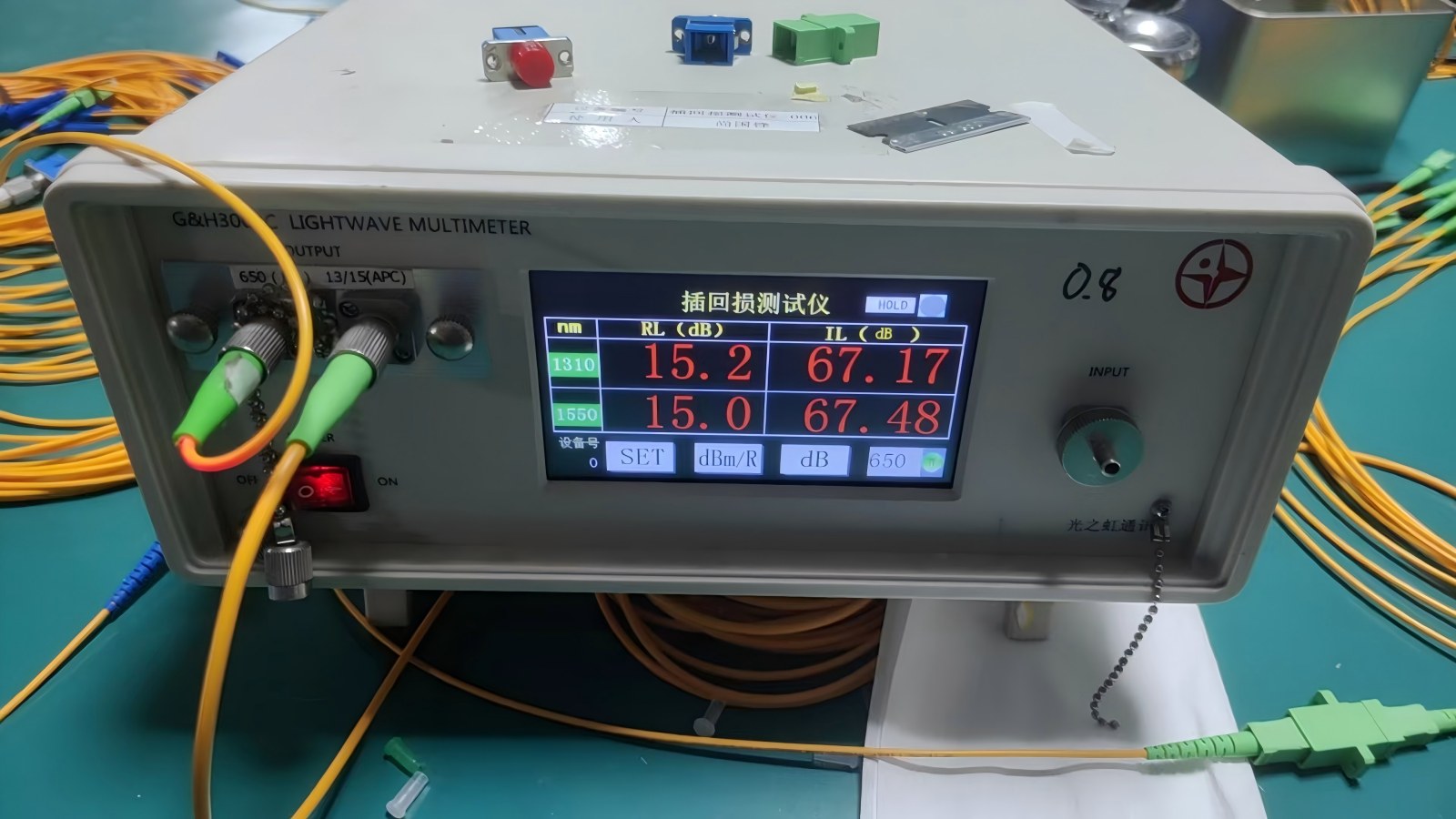
Optical Insertion Loss Tester
High-Precision Optical Insertion Loss Tester
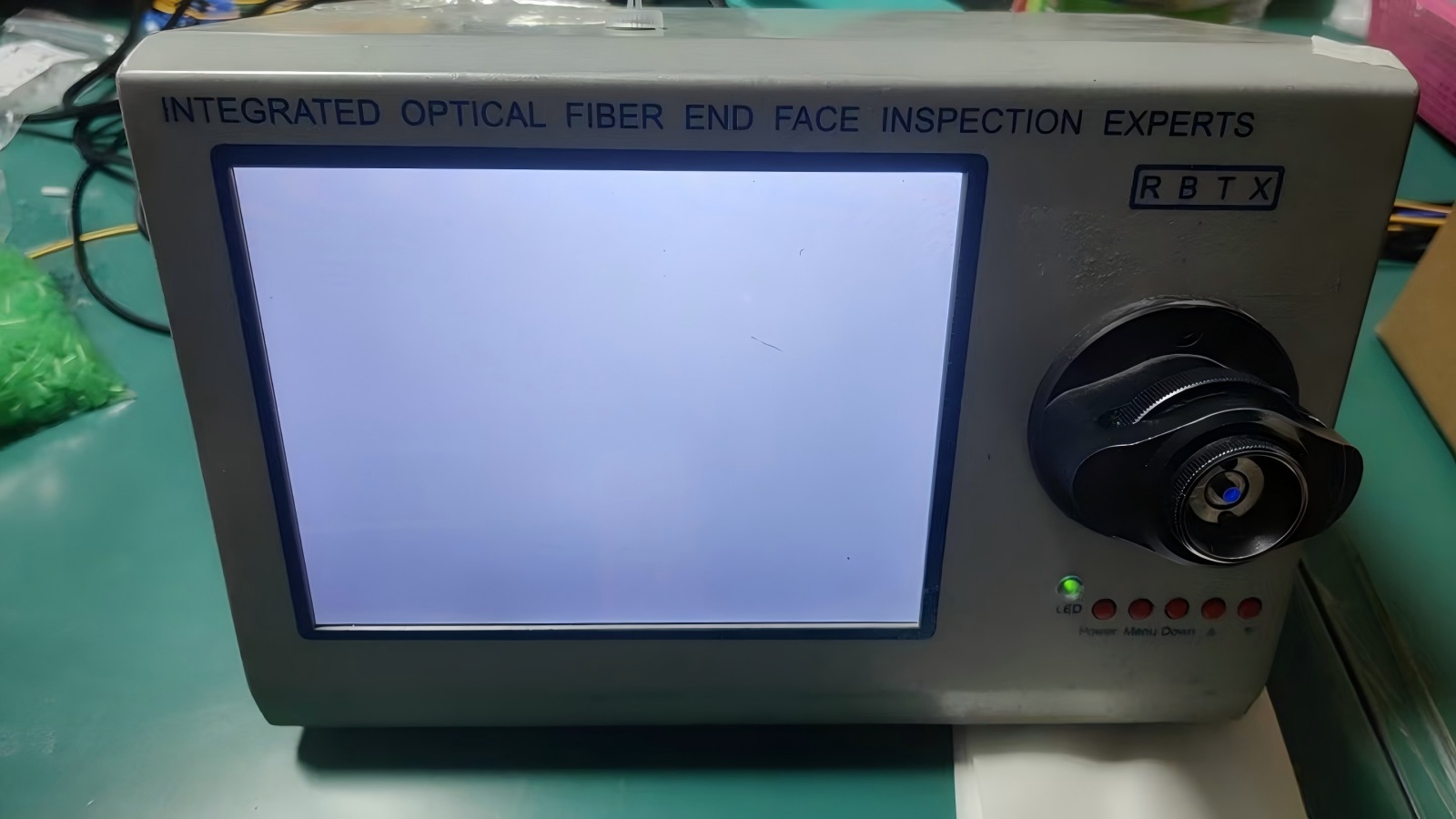
Optical Fiber End Face Inspection
Optical Fiber End Face Inspection Station

5. Global Procurement Requirements for Middle East System Integrators

Enterprise buyers and system integrators in Kuwait and the GCC region must evaluate key technical parameters when selecting a supplier:

  • Vendor Compatibility Assurance: Ensure the supplier can write custom EEPROM coding for specific host systems, including Cisco, Juniper, HP, Aruba, and Edgecore. This helps prevent hardware errors and installation delays.
  • Environmental Performance (Standard vs. Industrial): For outdoor or desert environments, specify industrial-grade transceivers rated for -40°C to 85°C. For climate-controlled indoor data centers, commercial-grade modules (0°C to 70°C) are typically sufficient and cost-effective.
  • Fiber Type Matching (SMF vs. MMF): Confirm the optical source. MMF modules typically use 850nm lasers for short runs, while SMF modules use 1310nm or 1550nm lasers to span long distances (10km to 120km).
  • Compliance Certifications: Only procure modules that comply with international safety standards, including CE, FCC, RoHS, and MSA parameters, to ensure system-wide safety and reliability.

Technical FAQ & Procurement Q&A

Crucial information for optical network designers and telecommunication engineers

1. What is the difference between Commercial and Industrial temperature range SFP modules?

Commercial SFP modules are rated for operating temperatures from 0°C to 70°C (32°F to 158°F), making them suitable for indoor data centers and temperature-controlled office environments. Industrial SFP modules are designed for harsher conditions, operating from -40°C to +85°C (-40°F to 185°F). For outdoor roadside cabinets, oilfield telemetry, and desert installations in Kuwait, industrial-grade modules are essential to prevent premature thermal breakdown.

2. Can a 1.25G SFP module operate in a 10G SFP+ port?

Yes, in most cases, but compatibility depends on the host switch. Many modern 10G SFP+ ports can auto-negotiate down to 1.25G speeds when a 1.25G SFP is inserted. However, some switches require manual configuration to lock the port speed to 1G. Always check your switch's technical documentation to verify backward compatibility.

3. What is DOM (Digital Optical Monitoring) and why is it important?

DOM (also known as DDM or Digital Diagnostics Monitoring) is a real-time diagnostic interface built into modern SFP modules. It allows network administrators to monitor key parameters, including optical output power, optical input power (receive level), internal temperature, laser bias current, and transceiver supply voltage. This capability is critical for remote maintenance in Kuwait's expansive industrial zones.

4. How do Bidirectional (BiDi) SFPs lower fiber installation costs?

Standard transceivers require two strands of fiber—one for transmitting (TX) and one for receiving (RX). BiDi SFPs use Wavelength Division Multiplexing (WDM) to transmit and receive signals at different wavelengths (e.g., 1310nm and 1550nm) over a single strand of fiber. This approach doubles the capacity of existing fiber infrastructure, avoiding the high cost of laying new optical cables.

5. Does Equip-Link code modules to match third-party systems like Cisco or HP?

Yes. Equip-Link provides a comprehensive compatibility coding service. By writing specific vendor identification data into the SFP’s EEPROM, we ensure our transceivers function seamlessly in equipment from Cisco, HP, Juniper, Huawei, Aruba, Mikrotik, and other major manufacturers without triggering "unsupported transceiver" system alerts.

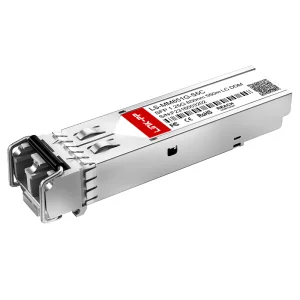
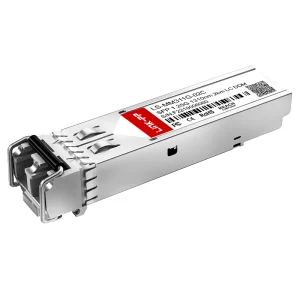
Complete 1.25G SFP Range

Explore our complete range of optical transceivers, including options for extended reach, WDM, and specialized configurations
Establish a Reliable Fiber Optic Link Today

Contact Equip-Link's engineering and sales teams to request a quote, request sample modules for compatibility testing, or discuss specialized product designs for the Kuwaiti and Middle Eastern markets.

Send Inquiry Now