Equip-Link
Equip-Link
Equip-Link
Optimized for rapid deployment in high-density data centers across the Greater Tokyo Area, including Chiyoda-ku, Shinjuku, and the Inzai cluster. These components deliver industry-leading signal integrity at densities up to SFP28 rates.
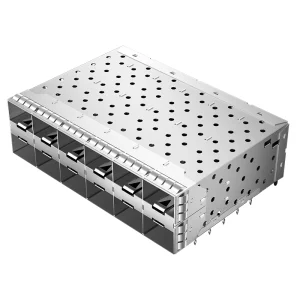
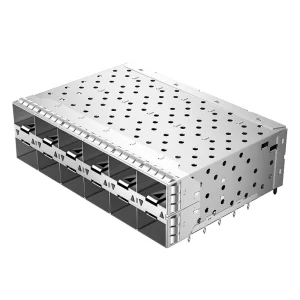
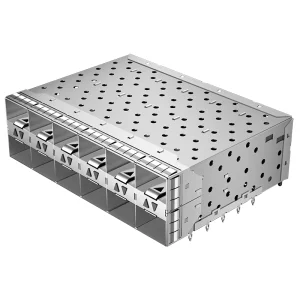
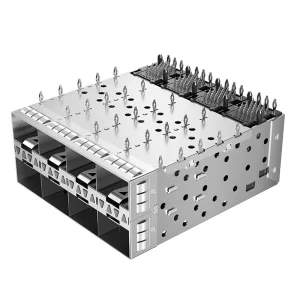
Tokyo is recognized globally as one of the primary hyper-scale data center regions in the Asia-Pacific. Centered around massive fiber optic arterial hubs in Otemachi and extended to specialized hubs in Mitaka, Toyosu, and the Chiba Inzai cluster, Tokyo's data ecosystems operate under unique spatial, energy, and environmental constraints. With commercial real estate valuations in downtown Tokyo among the highest in the world, data center operators and enterprise network engineers face extreme pressure to maximize output per square meter.
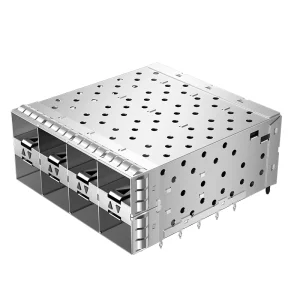
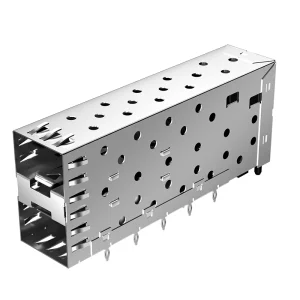
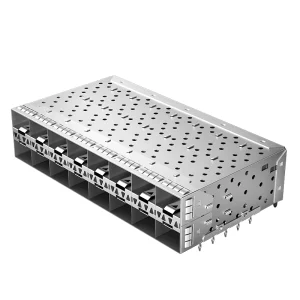
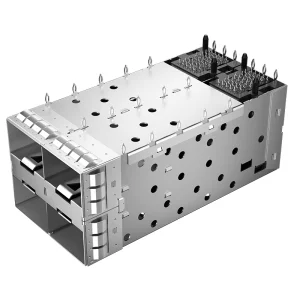
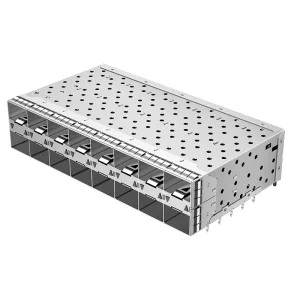
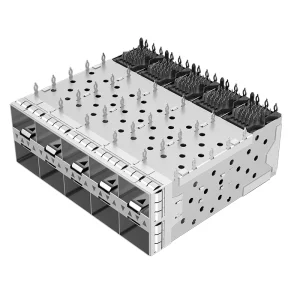
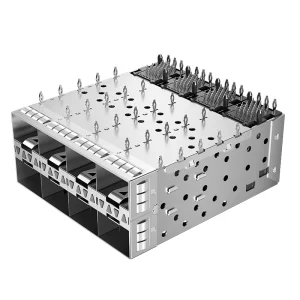
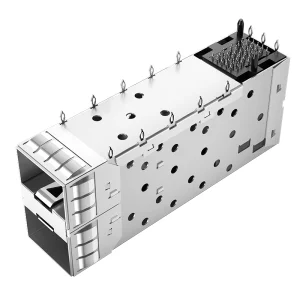
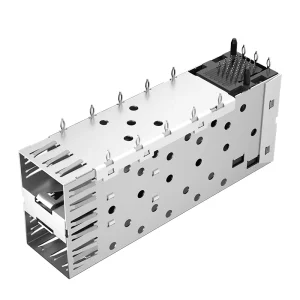
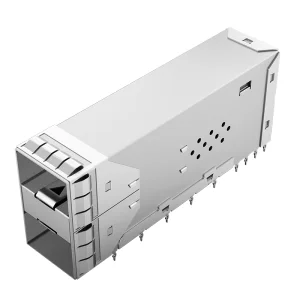
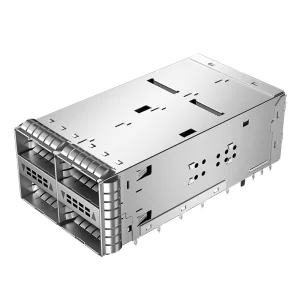
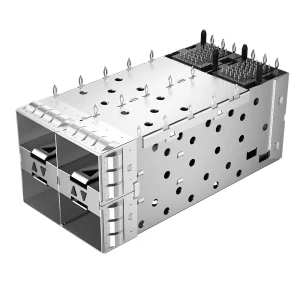
This density pressure translates directly to hardware engineering choices at the printed circuit board (PCB) level. Traditional single-row ganged SFP or QSFP layouts are no longer sufficient to support the bandwidth densities required by modern high-frequency trading (HFT) platforms in Nihonbashi or massive artificial intelligence (AI) inference engines deployed in Shinjuku. The integration of 2xN stacked port configurations—including 2x1, 2x2, 2x4, 2x6, and 2x8 SFP+ / SFP28 / zSFP+ arrangements—allows hardware designers to double the density of optical modules per line card. By doubling vertical capacity, stacked port cages allow up to 48 ports in a single 1U network switch chassis, ensuring optimal port allocation without exceeding standard chassis dimensions.
"In high-speed data transmission systems, spatial efficiency cannot compromise signal integrity. Stacked port cages solve the density puzzle but present extreme challenges in thermal management and electromagnetic compliance. Developing solutions tailored to Tokyo's demanding operating environments requires deep understanding of system-level physics."
Beyond pure spatial savings, Tokyo’s telecommunication systems are pivoting toward 5G Advanced and edge cloud computing architectures. Remote radio heads, edge switching gear, and street-level micro-datacenters require robust, shock-resistant, and high-temperature resilient components. Stacked press-fit interfaces (specifically Press-Fit/Compliant Pin connections) deliver the mechanical stability needed for high-vibration railway environments and seismic zones typical of the Kanto Plain, making them the mechanical foundation of modern infrastructure designs across Japan.
The global market for high-speed I/O connectors is expanding rapidly, driven by the expansion of hyperscale cloud infrastructures, artificial intelligence clusters, and the standardization of high-speed protocols. SFP+ (10 Gbps), SFP28 (25 to 28 Gbps), zSFP+ (compliant with up to 28 Gbps NRZ/56 Gbps PAM4), and QSFP28 configurations form the hardware backbone of these systems. As data rates scale upward, the requirements set by standardization committees—such as the Small Form Factor Committee (SFF) and the Multi-Source Agreements (MSAs)—become increasingly rigid.
Globally, the supply chain for stacked connectors has shifted from expensive proprietary solutions toward compatible, standard-based manufacturing models. By adhering to standardized dimensions (e.g., standard height limits and press-fit pin pitches), top-tier factories like **Equip-Link** can offer drop-in replacements for major industry parts (such as TE Connectivity, Molex, Amphenol, and Pulse Electronics). This compatibility minimizes single-source supply chain risks for Tier-1 equipment manufacturers in Japan and globally, driving down development times and material costs.
Transitioning from lower-speed systems to high-speed (25G+) configurations involves major electrical engineering hurdles. In a 2xN stacked layout, two rows of transceivers sit directly on top of each other. The upper port has a longer electrical trace length to the PCB than the lower port. This geometric difference creates differential skew and asymmetric impedance profiles.
| Feature / Metric | Standard SFP+ | Advanced zSFP+ |
|---|---|---|
| Data Rate (per channel) | 10 Gbps (NRZ) | 28 Gbps (NRZ) / 56G (PAM4) |
| Pin Compliant Style | Solder / Solderless | Press-Fit Compliant Pin |
| EMI Suppression | Standard Gasket | 360° Spring Fingers / Gaskets |
| Trace Length Skew | Standard Compensation | Internal Phased Matching |
Founded in 2017, Equip-Link Intelligent Equipment (Shenzhen) Co., Ltd. operates a high-precision manufacturing facility. With 14 years of industry expertise and 9 years of export experience, we deliver standard and customized connectivity components worldwide.
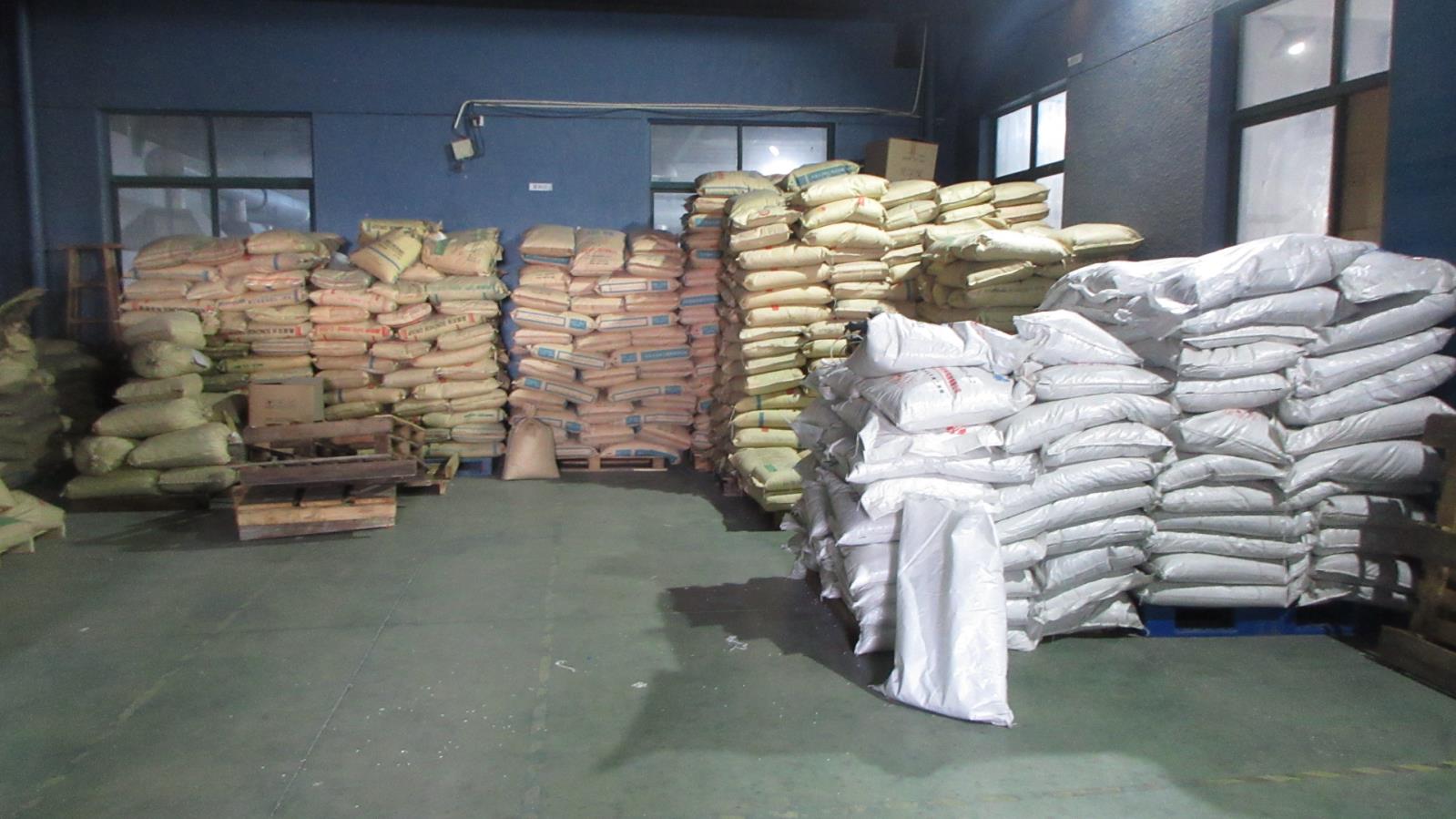
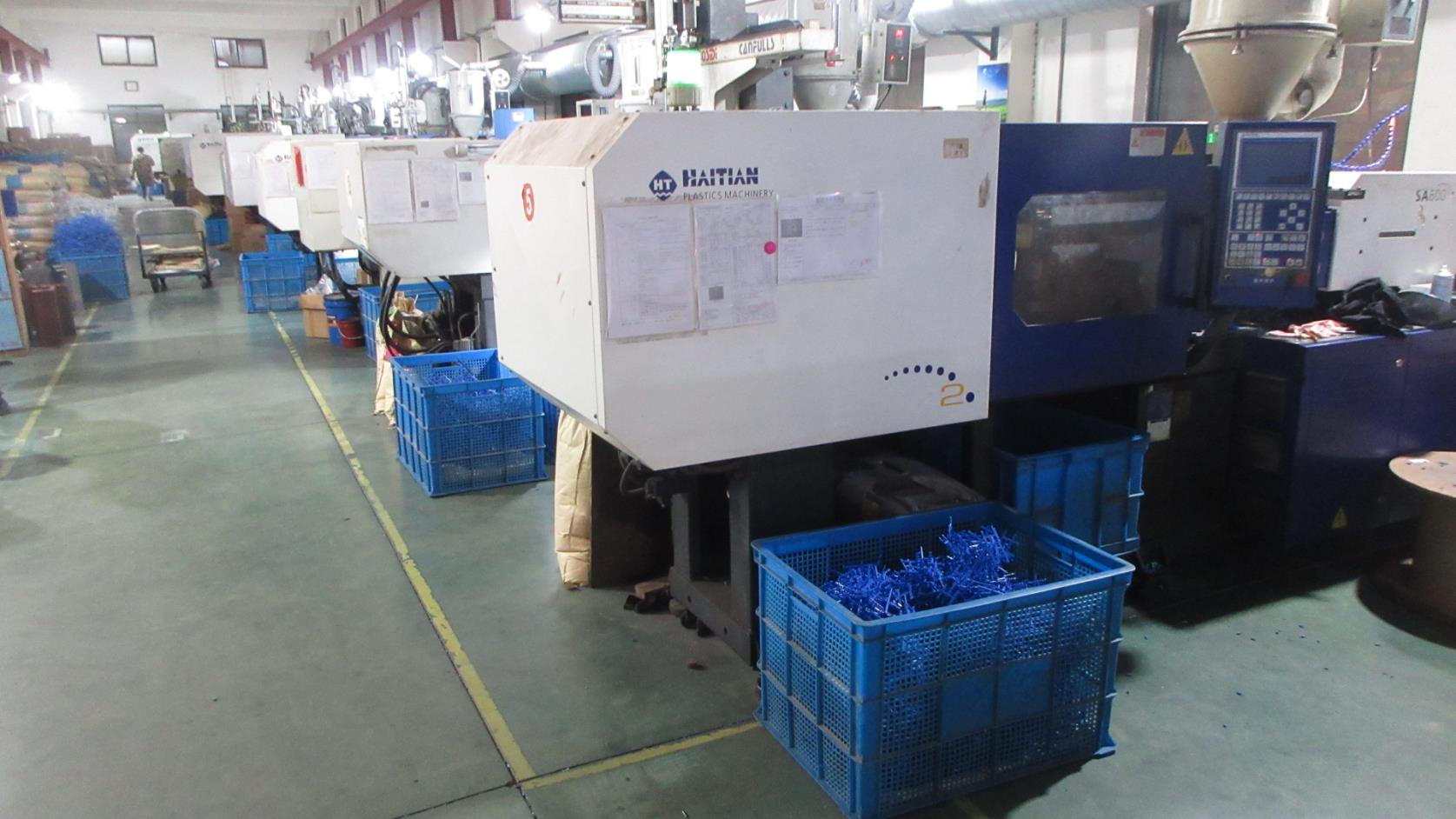
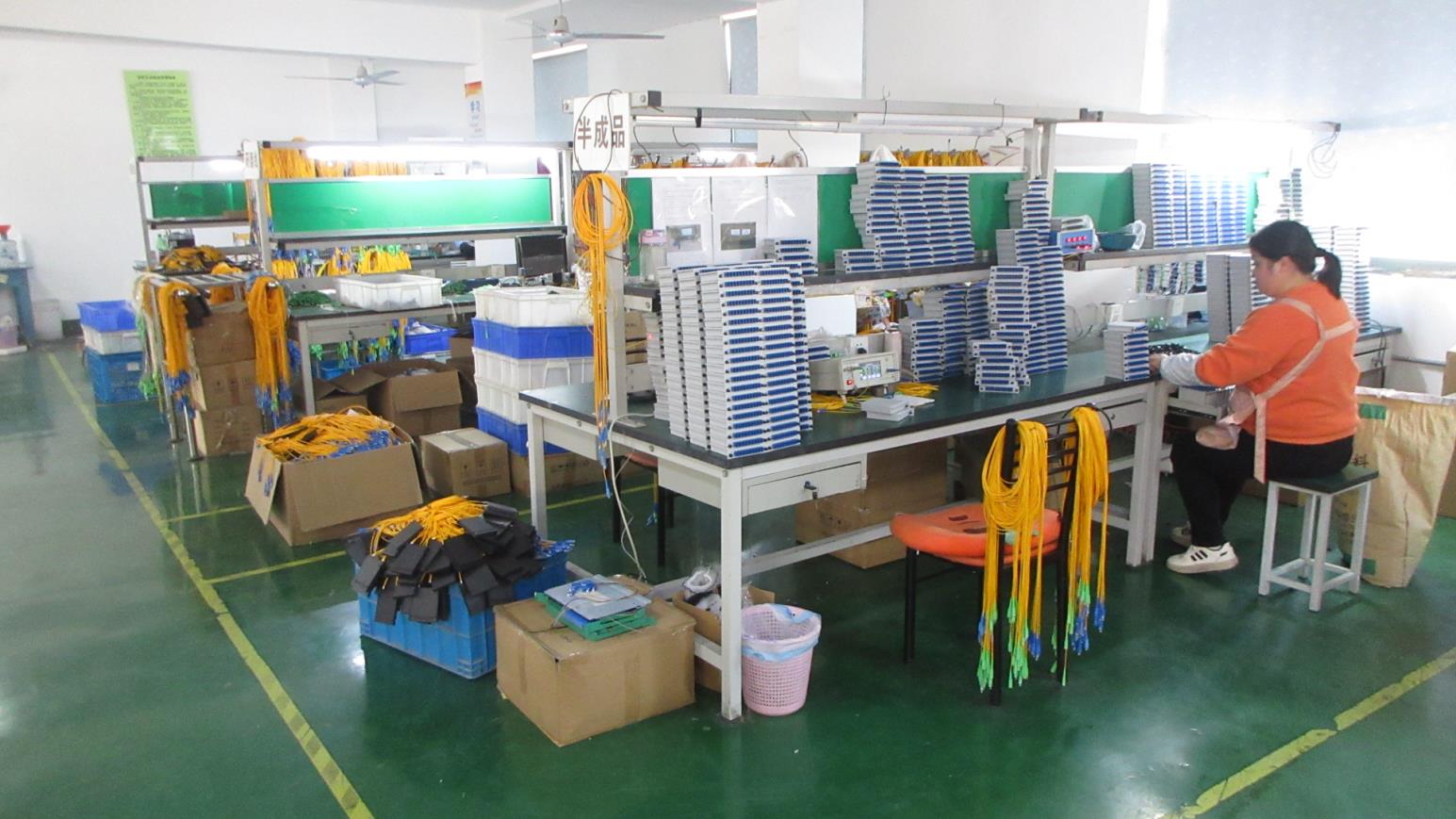
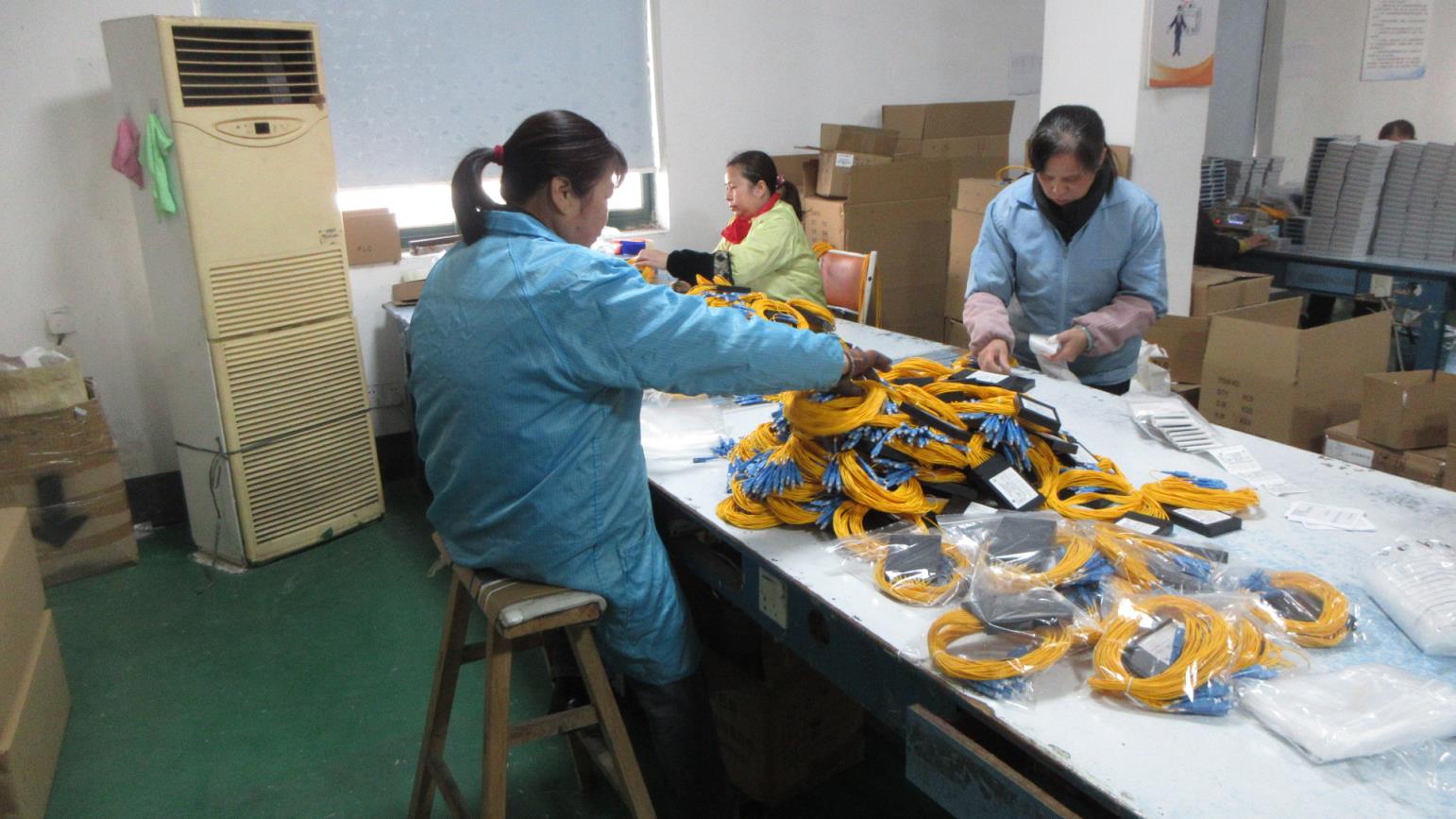
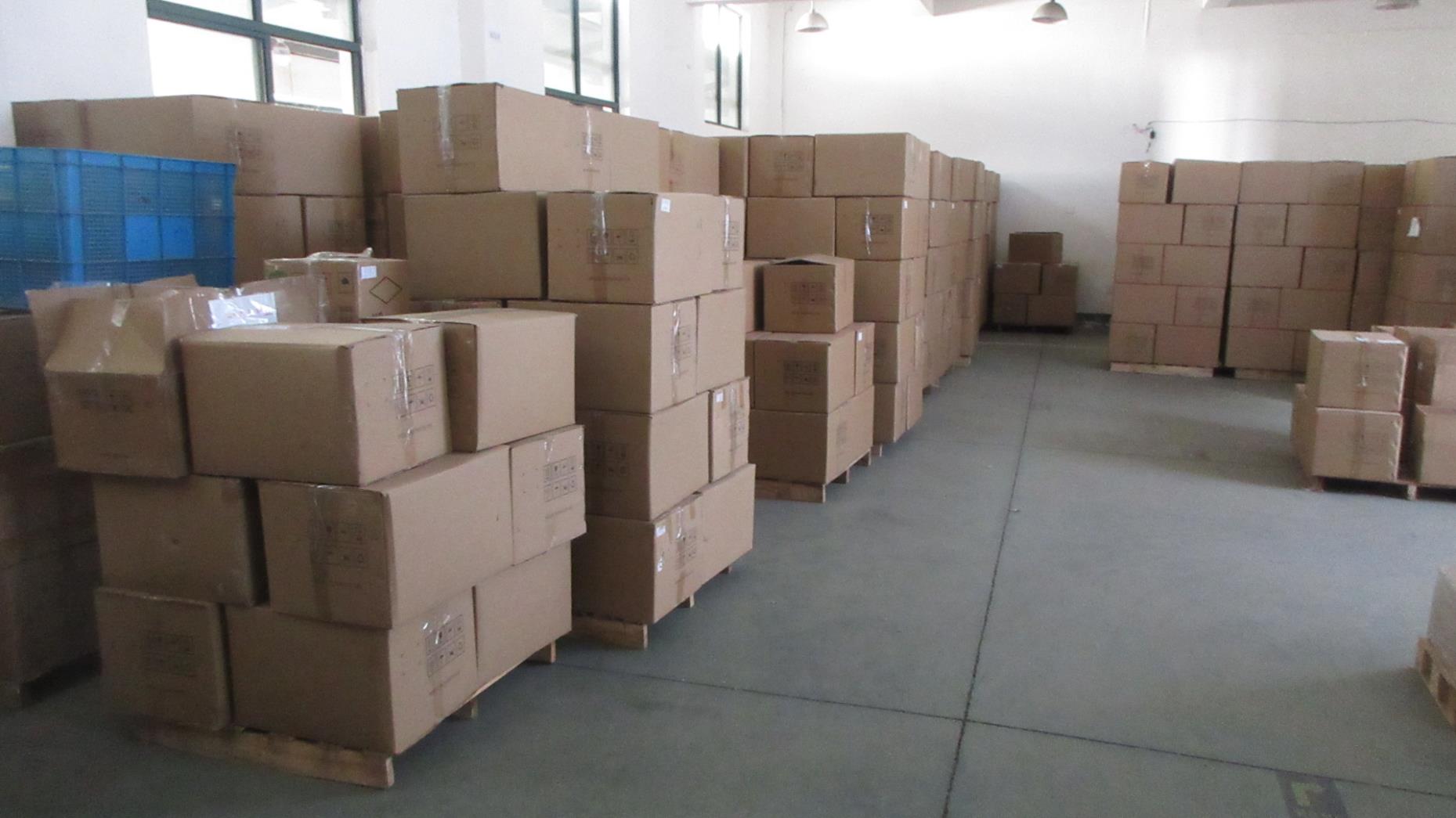
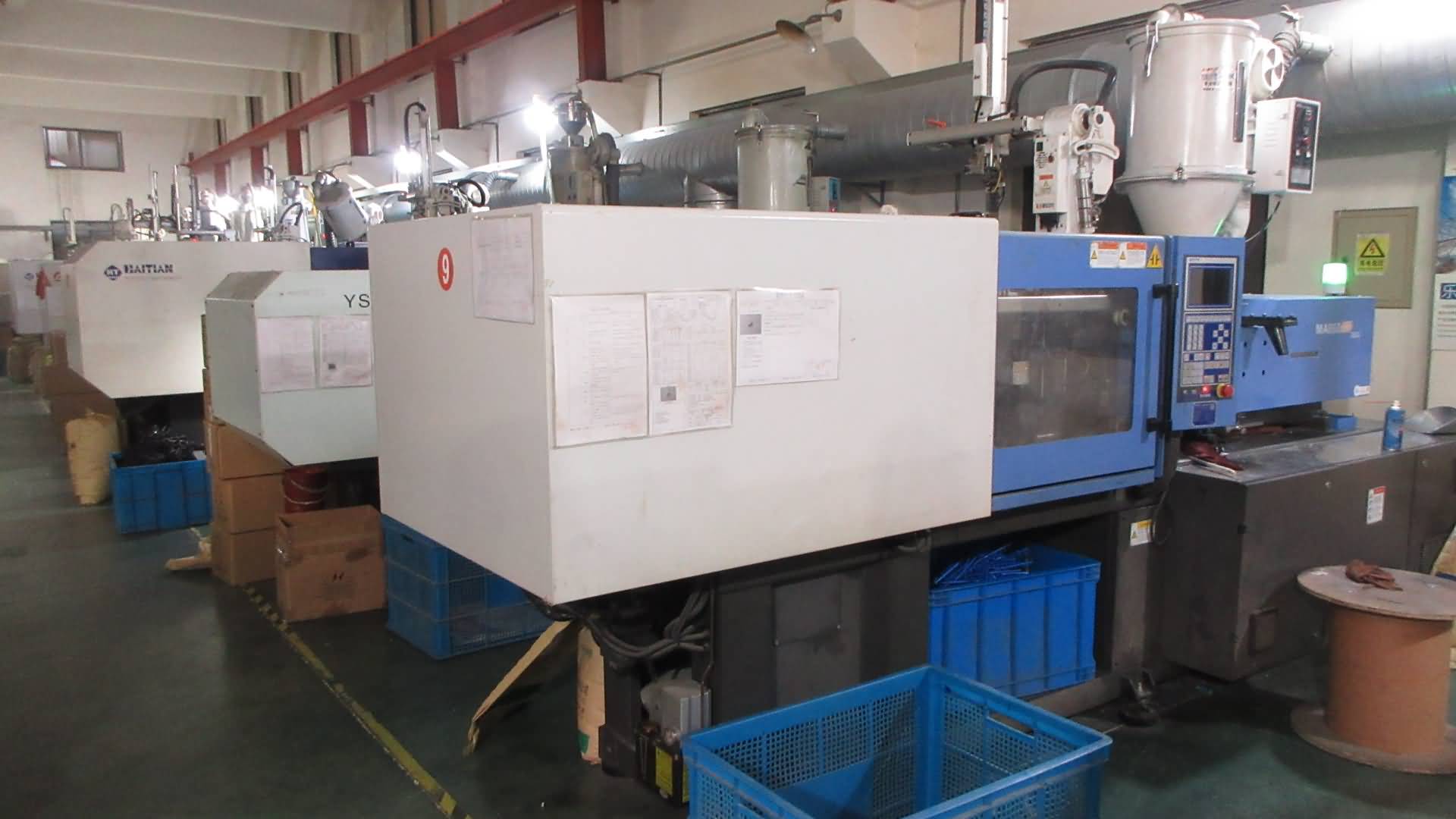
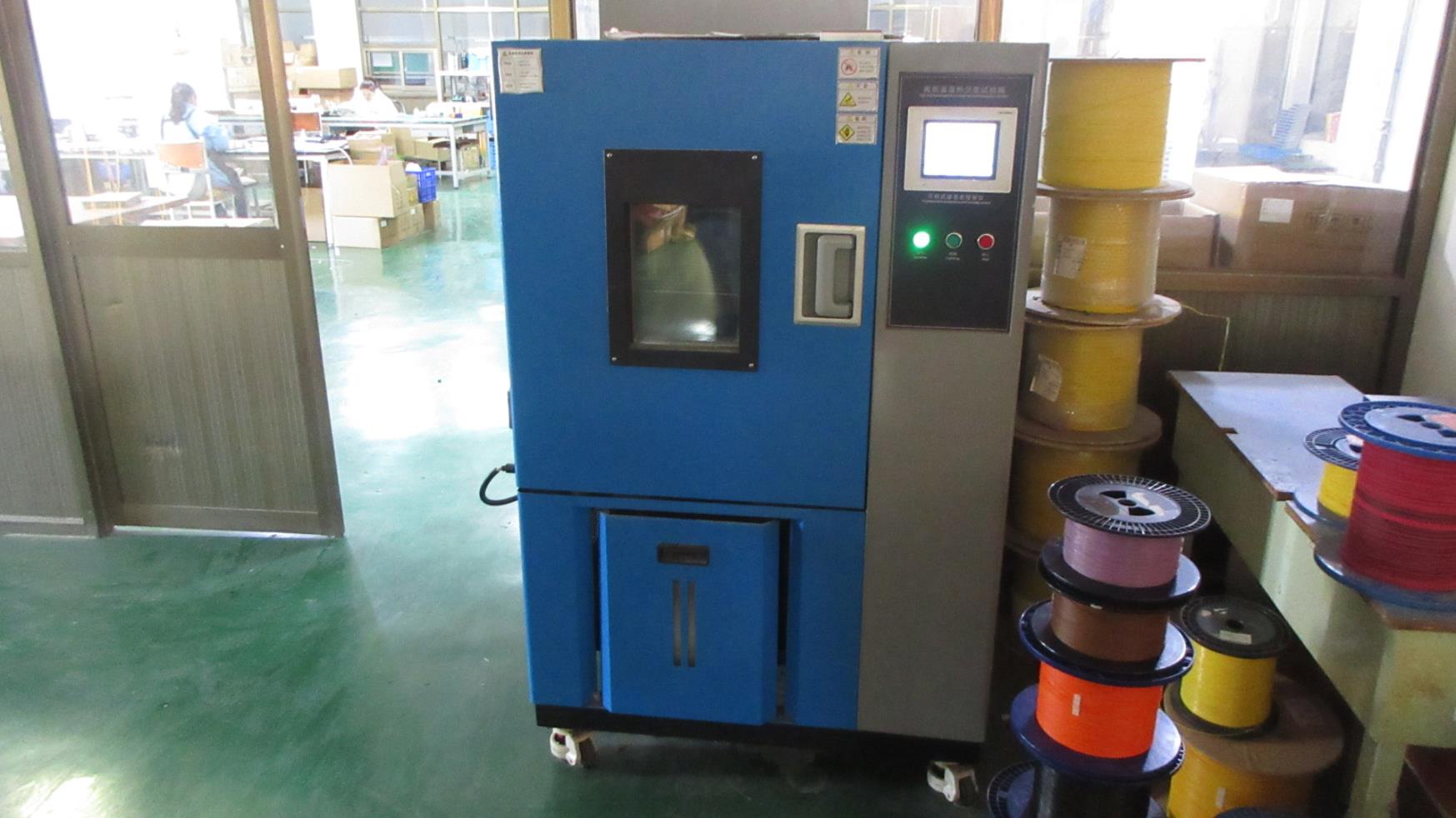
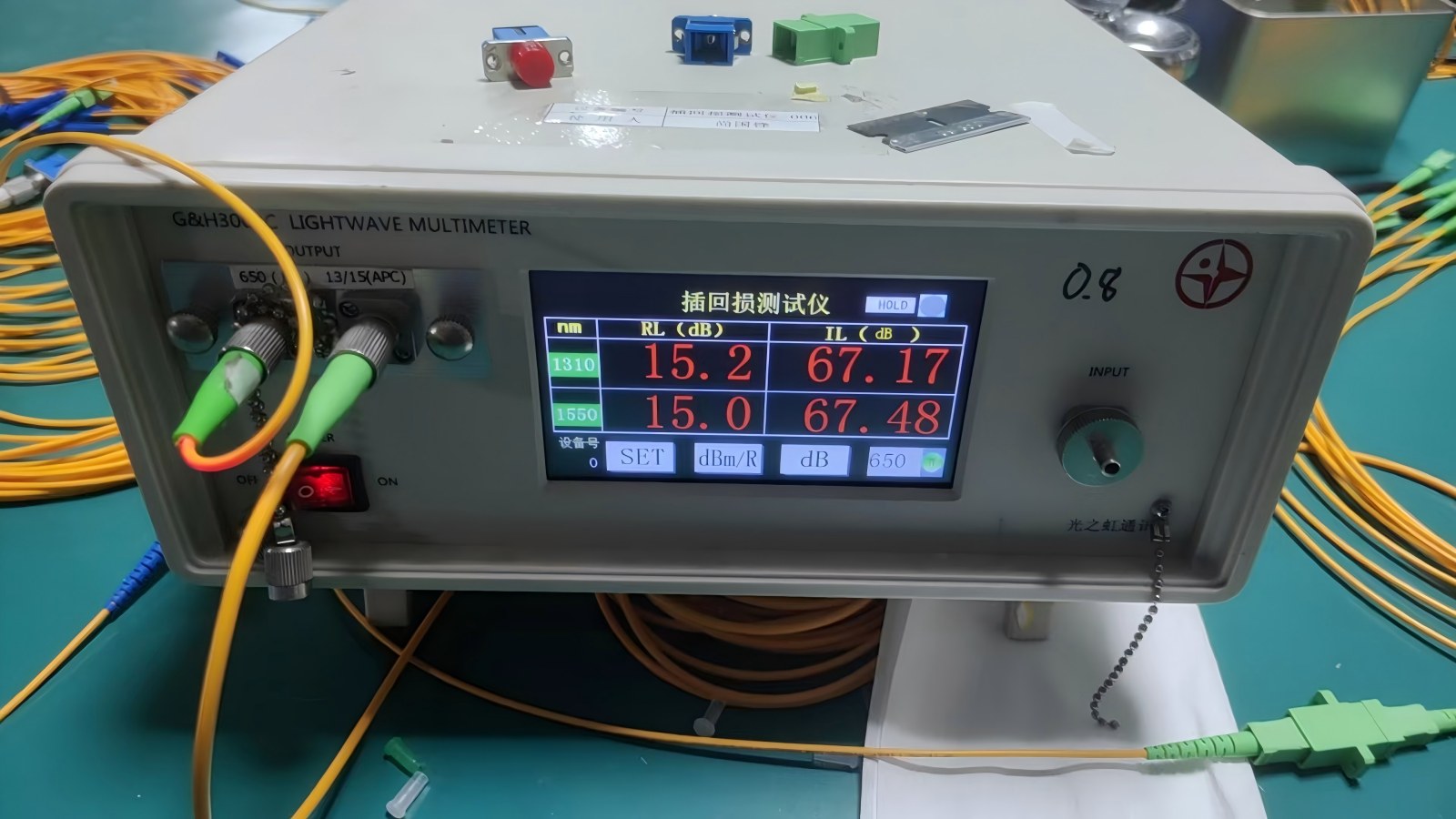
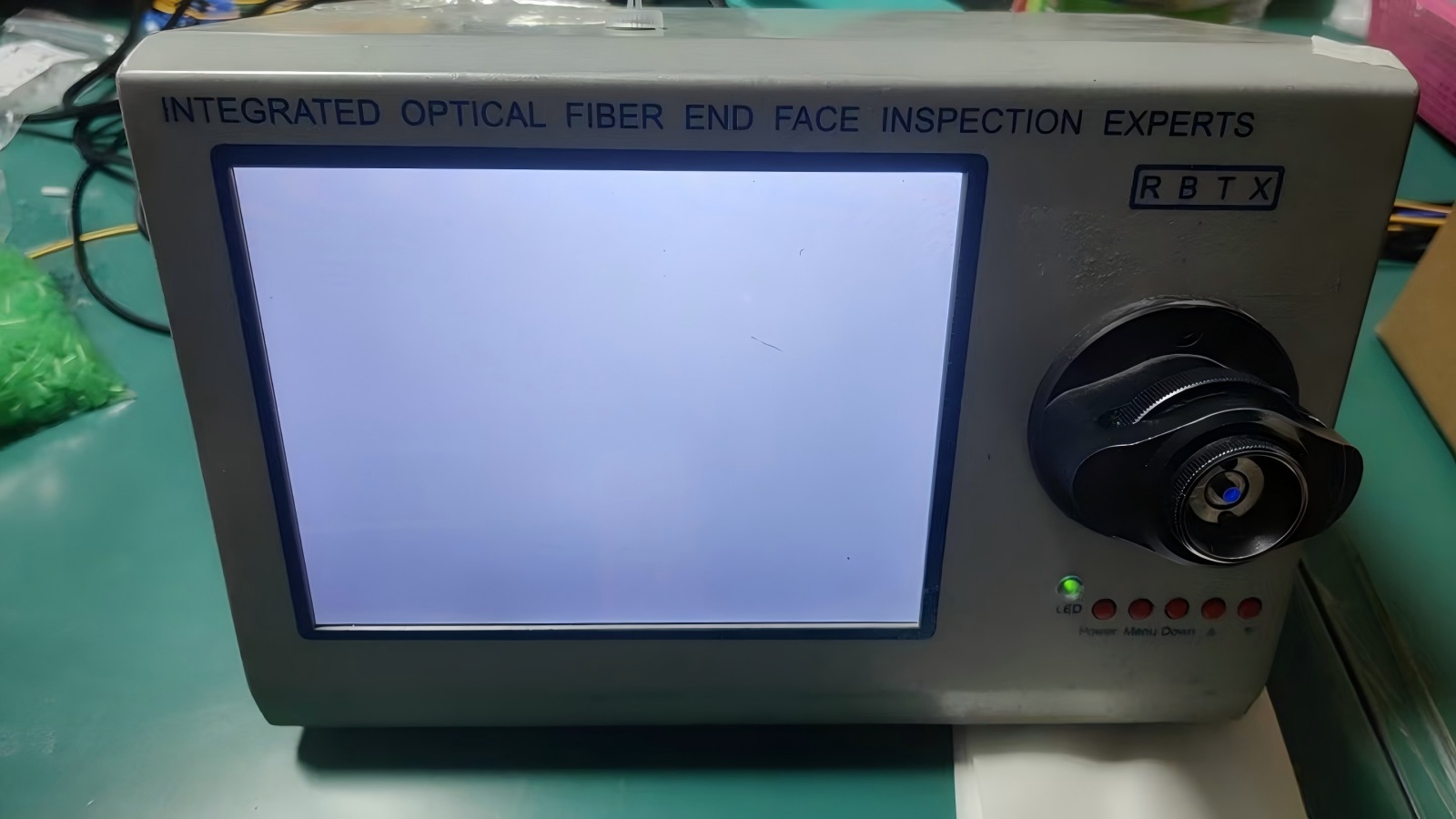
To serve the demanding Japanese market, we enforce a strict quality control workflow. Every production run undergoes structural integrity testing, dimensional verification using high-magnification optical scanners, and environmental testing. Our High and Low Temperature Damp Heat Alternating Test Chamber verifies that connectors withstand severe operating environments without experiencing physical micro-cracks or material degradation. Additionally, our testing protocol uses precision Optical Insertion Loss Testers to guarantee minimal insertion loss across all fiber interfaces, providing reliable long-term performance.
Hardware design requirements vary across industries. Equip-Link provides tailored interconnect configurations engineered for specific vertical applications within the Tokyo metropolitan market:
Within Tokyo’s financial core, nanoseconds dictate profitability. Financial network architects must minimize latency at every hardware layer. Solderless, press-fit SFP28 stacked cages provide extremely clean contact boundaries, reducing reflection coefficients and signal degradation. By combining internal shielding with integrated light pipes for real-time status diagnostics, systems remain highly reliable, minimizing latency variance in high-frequency trading nodes.
AI model training clusters require massive, non-blocking network fabrics. Switched fabrics require ultra-dense line cards to link GPU clusters through optical links. Utilising 2x6 and 2x8 stacked cages allows network interface cards and switch chassis to maximize high-density throughput, while maintaining a standard 1U/2U form factor and optimizing chassis airflow.
With major Japanese telecommunication providers deploying 5G and O-RAN compliant network infrastructures, edge routers are increasingly placed in non-climate-controlled environments. Equip-Link’s press-fit assemblies provide stable mechanical connections that resist thermal expansion and contraction, guaranteeing system uptime in outdoor cabinets and distributed edge offices.
Use the following table to identify the mechanical and pin layout specifications required for your system integration:
| Port Configuration | Total Pin Count | Recommended Data Speeds | EMI Suppression Architecture | Direct Cross-Compatibility |
|---|---|---|---|---|
| 2x1 Stacked Cage | 40P (Pins) | Up to 28 Gbps per port | EMI Outer Springs & Gasket | TE Replacement / Pulse Equivalent |
| 2x2 Stacked Cage | 80P (Pins) | Up to 28 Gbps per port | Outer/Inner Shielding Gasket | TE, Molex, Amphenol Compatible |
| 2x4 Stacked Cage | 160P (Pins) | Up to 28 Gbps per port | 360° Shielding + Light Pipe Integration | TE & Pulse Compatible Drop-in |
| 2x6 Stacked Cage | 240P (Pins) | Up to 28 Gbps per port | Multi-point EMI Elastomeric Strip | TE Compatible / OEM Customizable |
| 2x8 Stacked Cage | 320P (Pins) | Up to 28 Gbps per port | Fully Enclosed EMI Cage Assembly | TE Replacement / Custom Design |
Answers to critical engineering and logistical questions regarding 2xN stacked systems.
Modern compatible cages from premium suppliers like Equip-Link match the mechanical and electrical specifications of original components, ensuring pin-for-pin footprint matches and trace length limits. This ensures identical trace impedance (typically targeted at 100 ohms differential), keeping insertion and return losses within original system specifications.
Press-fit (elastic pin) technology provides high gas-tight, solderless mechanical connections. The "eye of the needle" pin design compresses slightly during insertion to apply constant radial force against the plated through-hole (PTH) barrel. This mechanical tension resists thermal cycling and vibrational shifts, maintaining low contact resistance in earthquake-prone regions.
EMI spring fingers offer robust durability and survive hundreds of card insertions. Conductive elastomeric gaskets provide better sealing at ultra-high frequencies (28 GHz to 56 GHz) by minimizing high-frequency leakage through small gaps. Equip-Link provides customized options for both shielding configurations, tailoring products to customer chassis designs and emission targets.
Equip-Link employs a dedicated team of engineers and specialized diagnostic equipment to test all optical modules and connector interface physical layers. This ensures our components match the mechanical clearances and electrical specifications of major switch configurations, including Cisco, Arista, Juniper, and Edgecore models.
Explore our complete range of high-performance stacked SFP, SFP+, zSFP+, and zQSFP+ cages. Select a module configuration to download 3D CAD models and technical data sheets.