Equip-Link
Equip-Link
Equip-Link
High-reliability components engineered for absolute signal integrity, MSA compliance, and seamless cross-platform hardware compatibility.
Decoding the complexity of modern transceiver engineering and critical procurement variables for global telecom operators and enterprise networks.
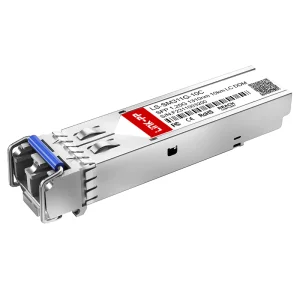
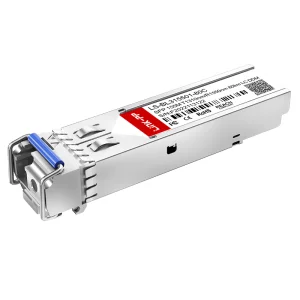
Modern networks are rarely built on a single hardware ecosystem. High-quality SFP modules must contain custom-programmed EEPROM microcode capable of emulating original vendor signatures (such as Cisco, Juniper, HPE, Aruba, and Arista) without compromising diagnostic functionality or triggering system-level warnings.
Optical performance is defined by optical attenuation, dispersion limits, and laser aging factors. From Short-Range (SR) multi-mode VCSEL configurations to Long-Reach (LR/EX/ZX) single-mode EML and DFB laser transceivers, manufacturers must guarantee minimal insertion loss and absolute spectral stability.
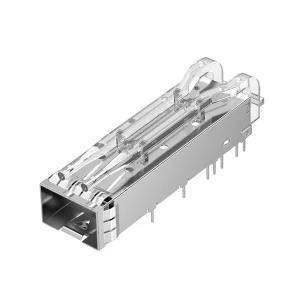
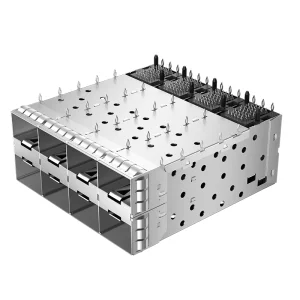
As networks transition from SFP to SFP+, SFP28, QSFP28, and up to OSFP/QSFP-DD form factors, heat density increases exponentially. Advanced cage engineering, thermal pad interface materials, and optimized mechanical shells are required to guarantee consistent performance up to 85°C.
A Premier Pioneer in High-Performance Optical Interconnects, Data Link Systems, and Customized Firmware Engineering.
Established in 2017, Equip-Link Intelligent Equipment (Shenzhen) Co., Ltd. stands at the forefront of the global optical telecommunications industry. We specialize in the R&D, advanced manufacturing, and global export of optical modules designed for the core infrastructures of telecommunication carriers, enterprise clouds, and next-generation AI data storage networks.
Our operation is anchored in Shenzhen, the silicon valley of global hardware manufacturing. We combine 14 years of industry-leading technical expertise with 9 years of direct export experience. This allows us to offer unmatched supply agility, custom compatibility matching, and a highly secure supply chain framework for clients in over 50 countries across North America, Europe, the Middle East, and Southeast Asia.
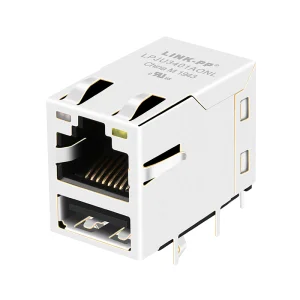
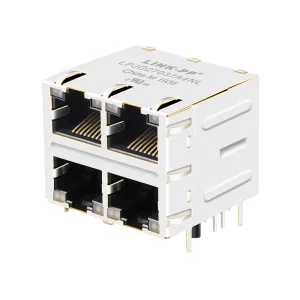
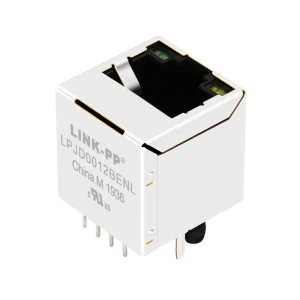
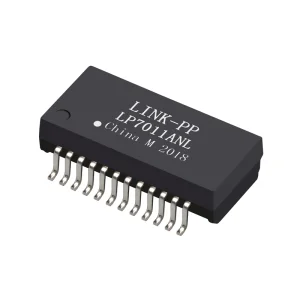
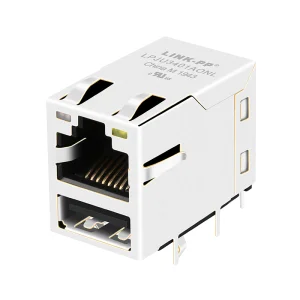
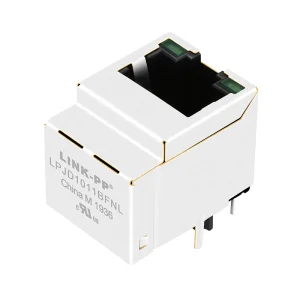
Our internal R&D department is powered by 68 professional engineers who continuously push the limits of optoelectronic integration. Over the past year alone, our research division successfully designed and introduced 126 new products, including high-frequency magnetic interfaces, EMI-shielded cage structures, and ultra-high-speed SFP/QSFP modules ranging up to 800G capabilities.
We work in close cooperation with a vast downstream network of more than 1,280 qualified supply chain partners, enabling us to remain stable in terms of component acquisition (such as premium InGaAs photodiode chips and high-grade optical sub-assemblies) even under tight market constraints.
Every step of our process—from incoming raw material validation to final packaging—is monitored to guarantee the highest level of build quality.

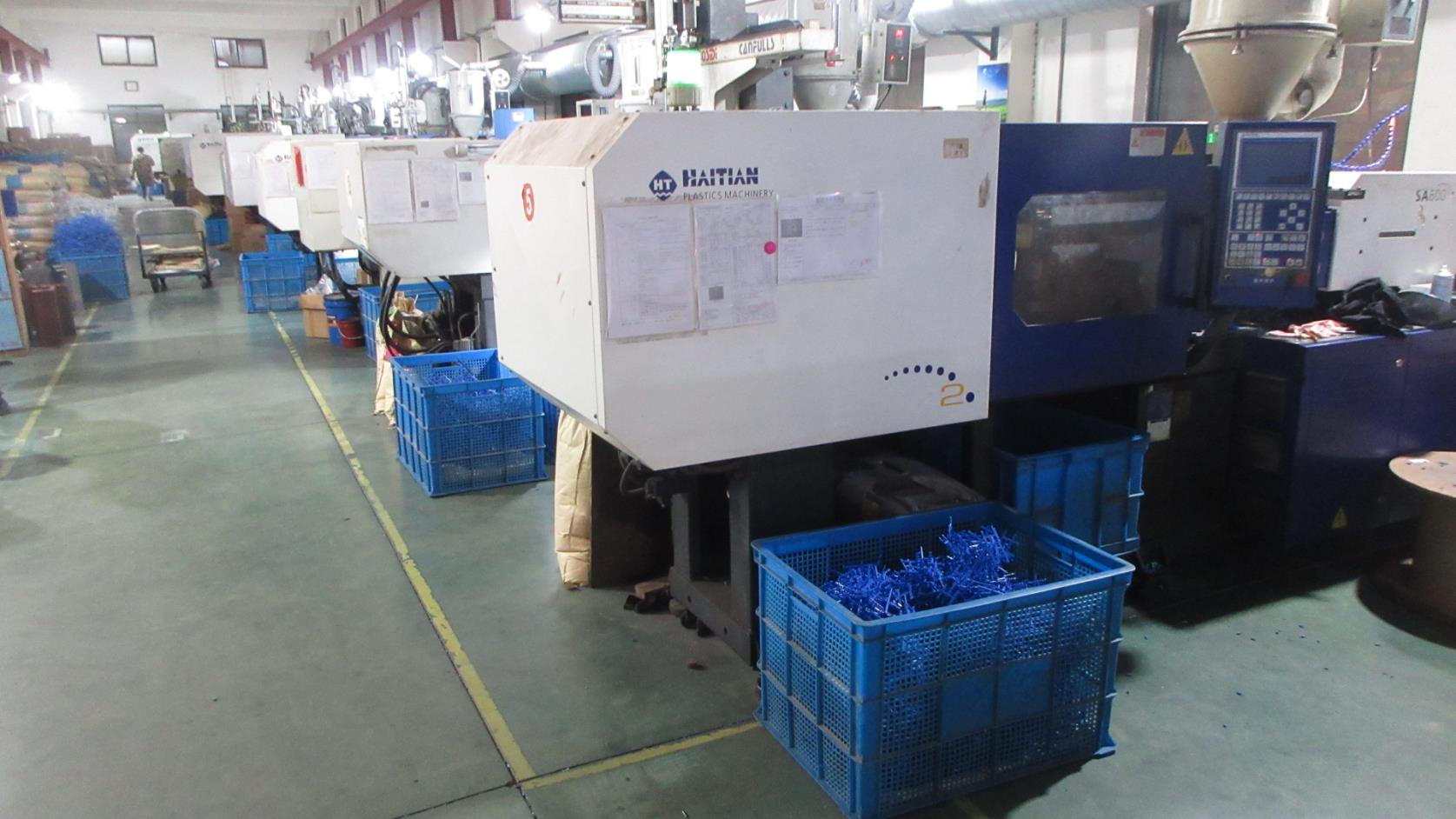
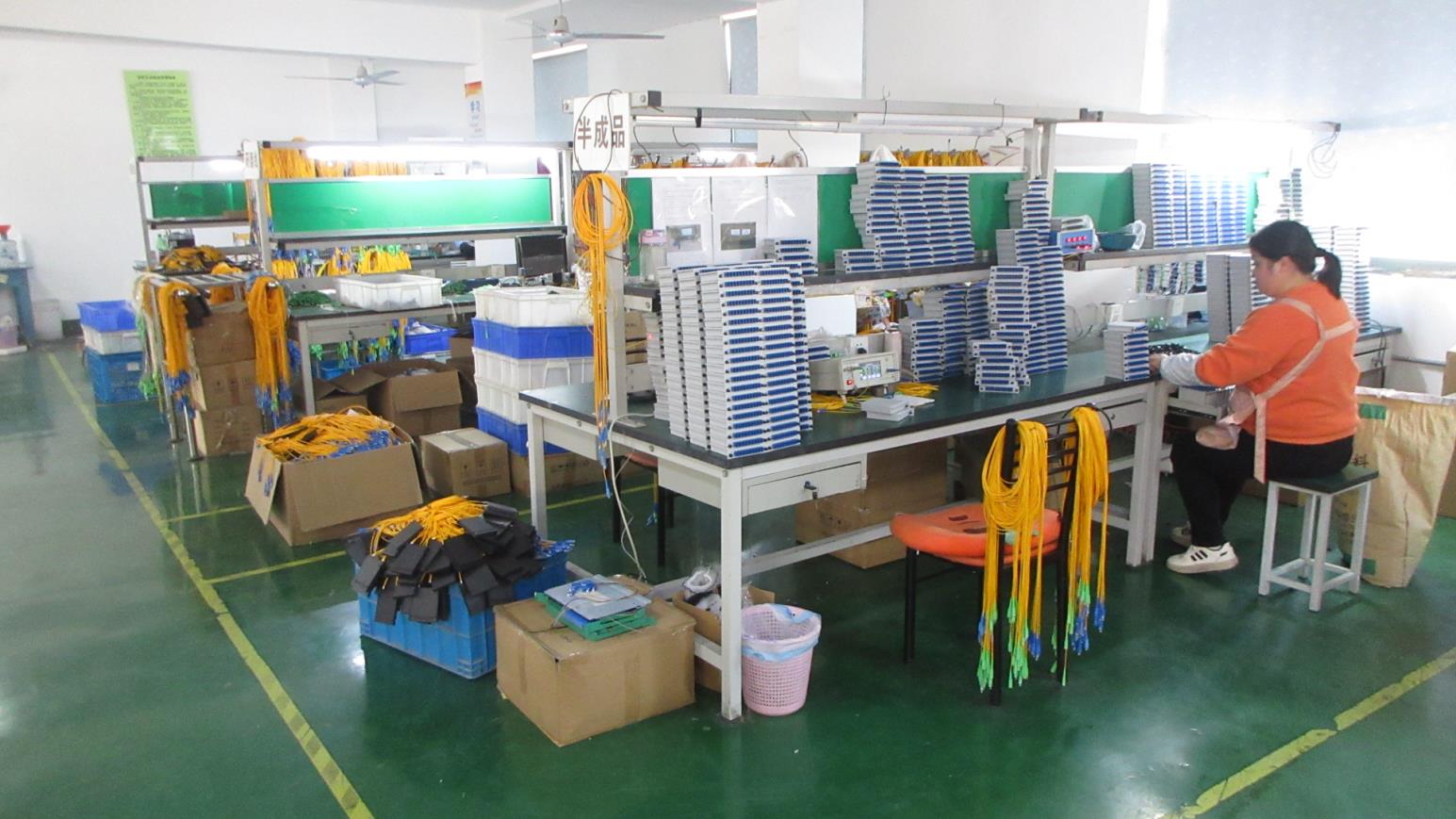
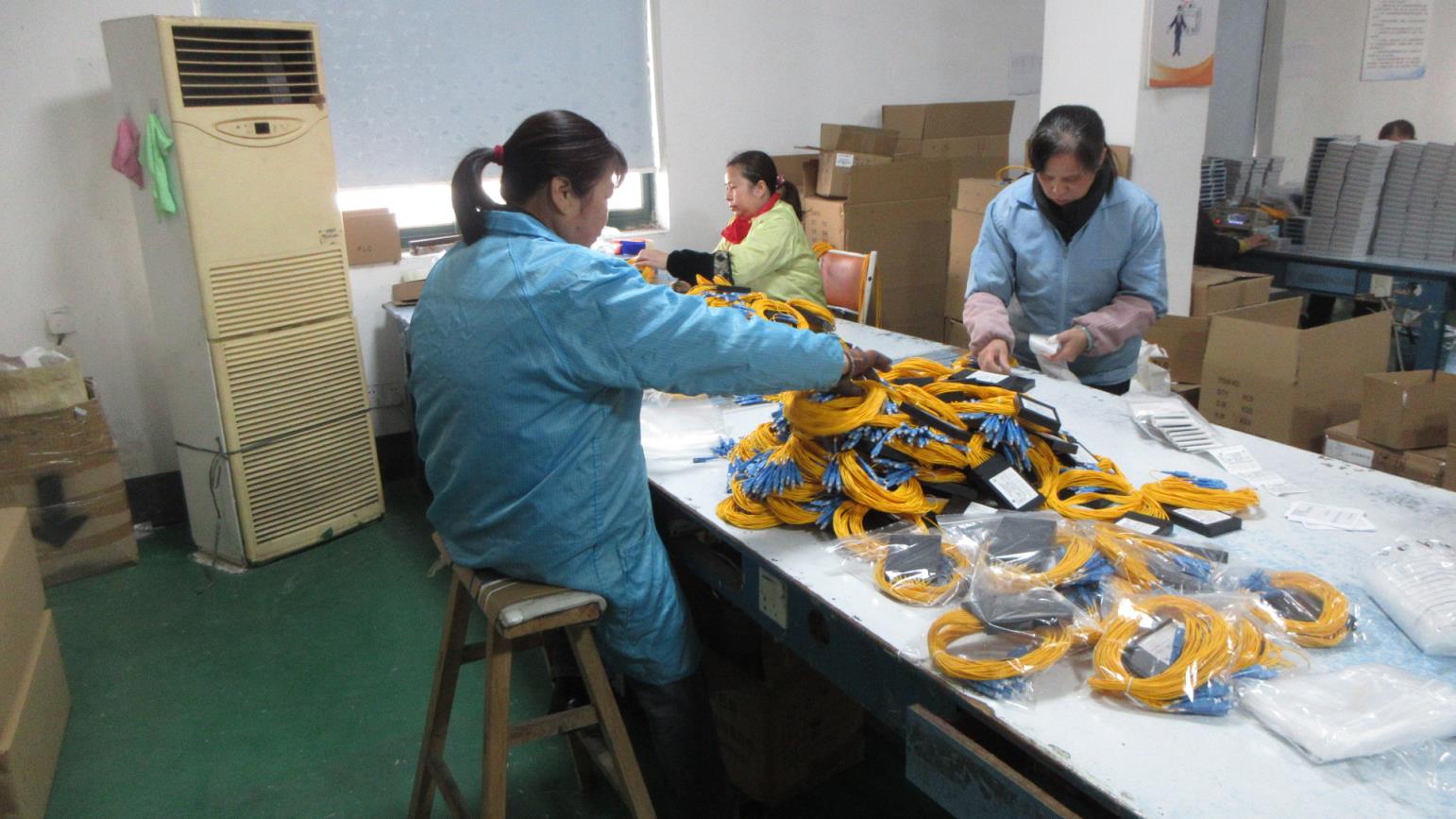
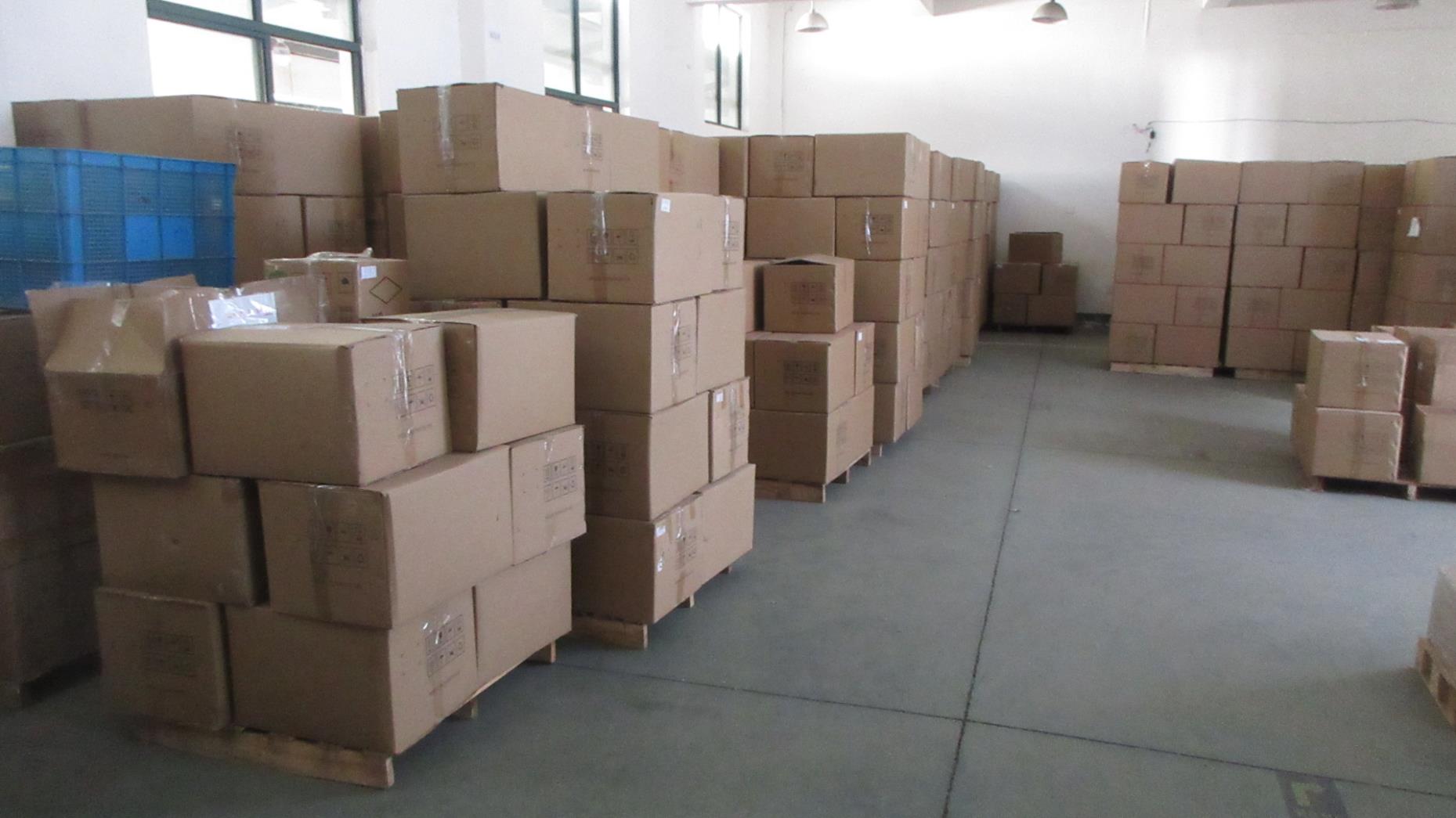
Analyzing the industrial advantages, structural cost reductions, and engineering agility of the world's primary hardware manufacturing capital.
Shenzhen hosts the most concentrated optoelectronic supply chain globally. Raw semiconductors, sub-components, micro-controllers, circuit boards, and precision metal cages are sourced within a 20-mile radius, dramatically reducing development cycles and raw material costs.
Leveraging high production volumes and advanced automation, China SFP manufacturers offer lower per-unit costs without compromising technical specifications. This allows global telecommunications companies to reduce operational capital expenses by up to 40% compared to local sourcing channels.
Our close integration between R&D engineers and the assembly line allows for rapid adjustments in EEPROM configuration. If a customer requires compatibility with a rare or legacy switch, our technical team can write and upload custom firmware within hours, providing unparalleled responsiveness.
We deploy advanced optoelectronic validation systems. Every single unit undergoes a strict test cycle managed by our team of 36 QA inspectors.
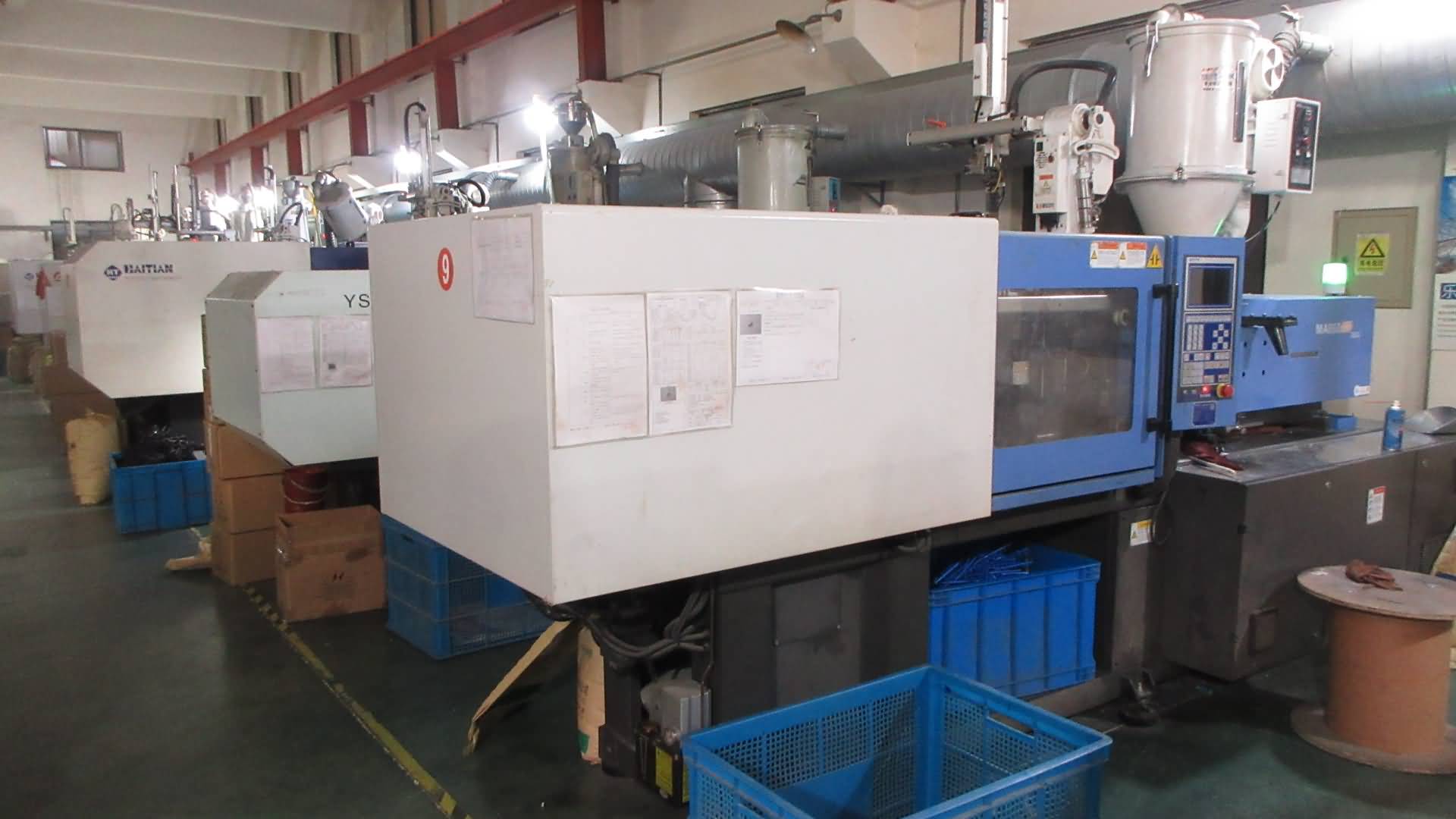
Ensuring ultra-precise dimensions for all structural components, plastic guides, and module latching mechanisms.
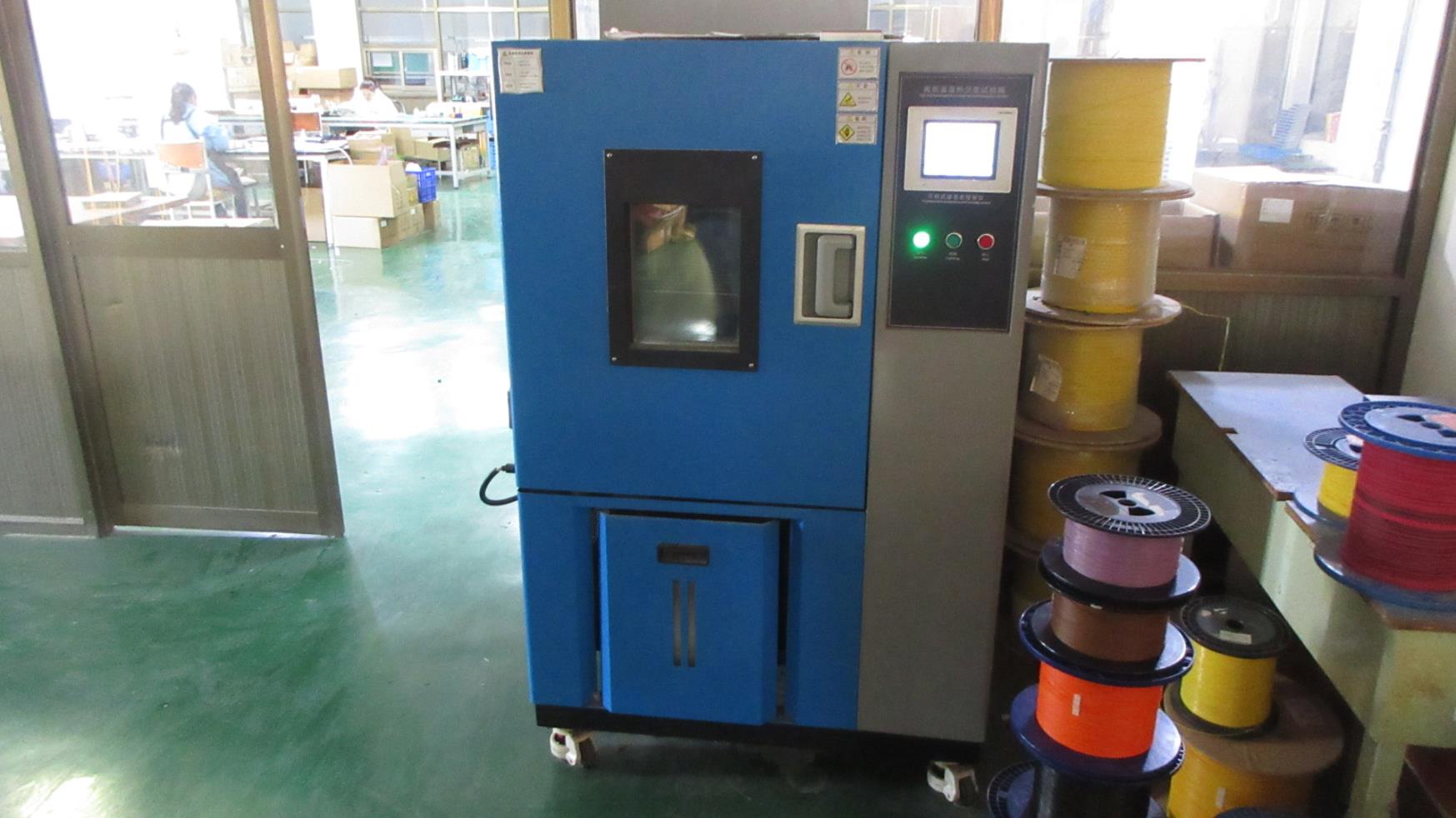
Subjecting modules to temperature variations from -40°C to +85°C to guarantee long-term stability in extreme climates.
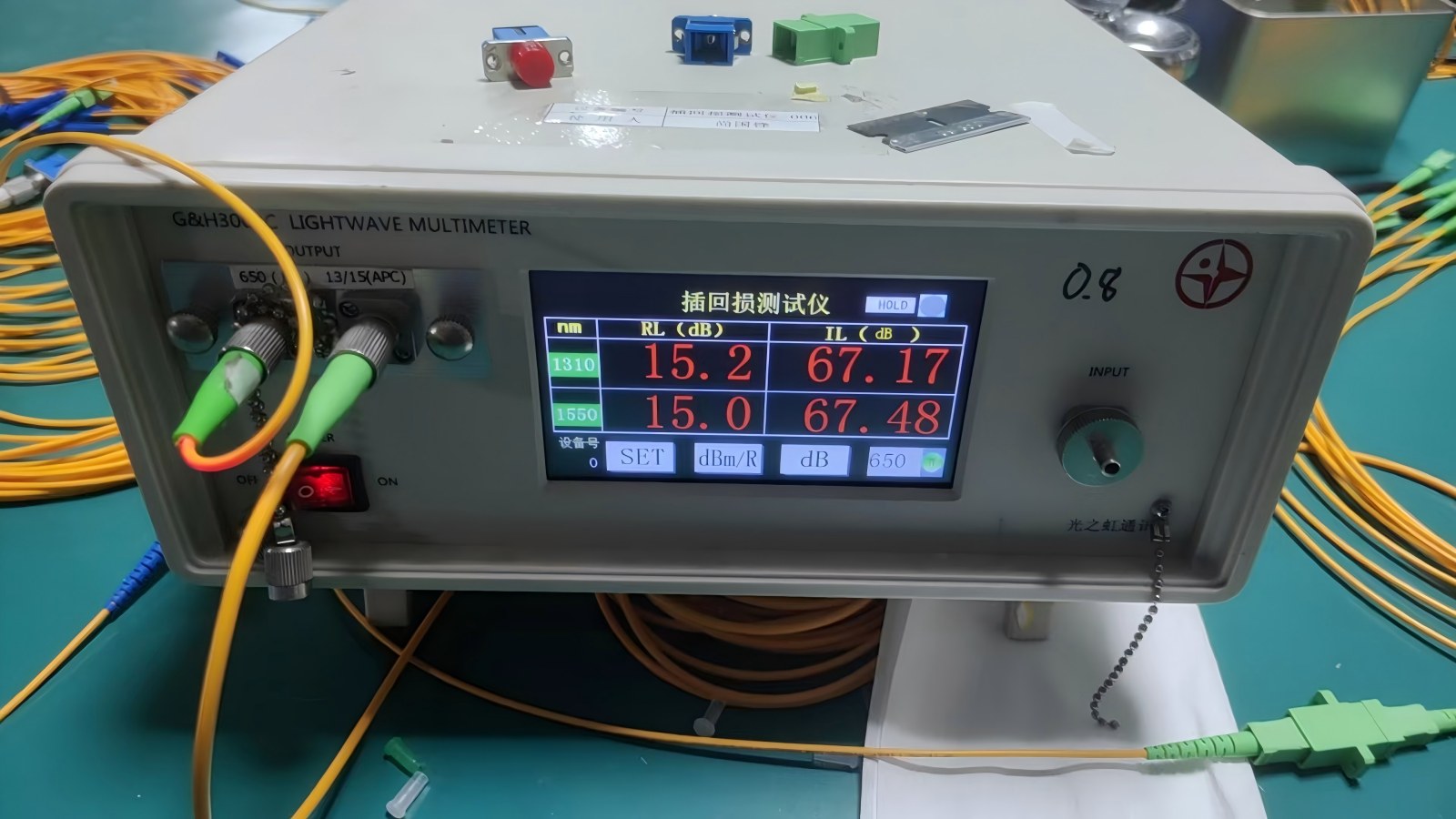
Measuring absolute attenuation levels across fiber connections to maintain excellent signal transmission characteristics.
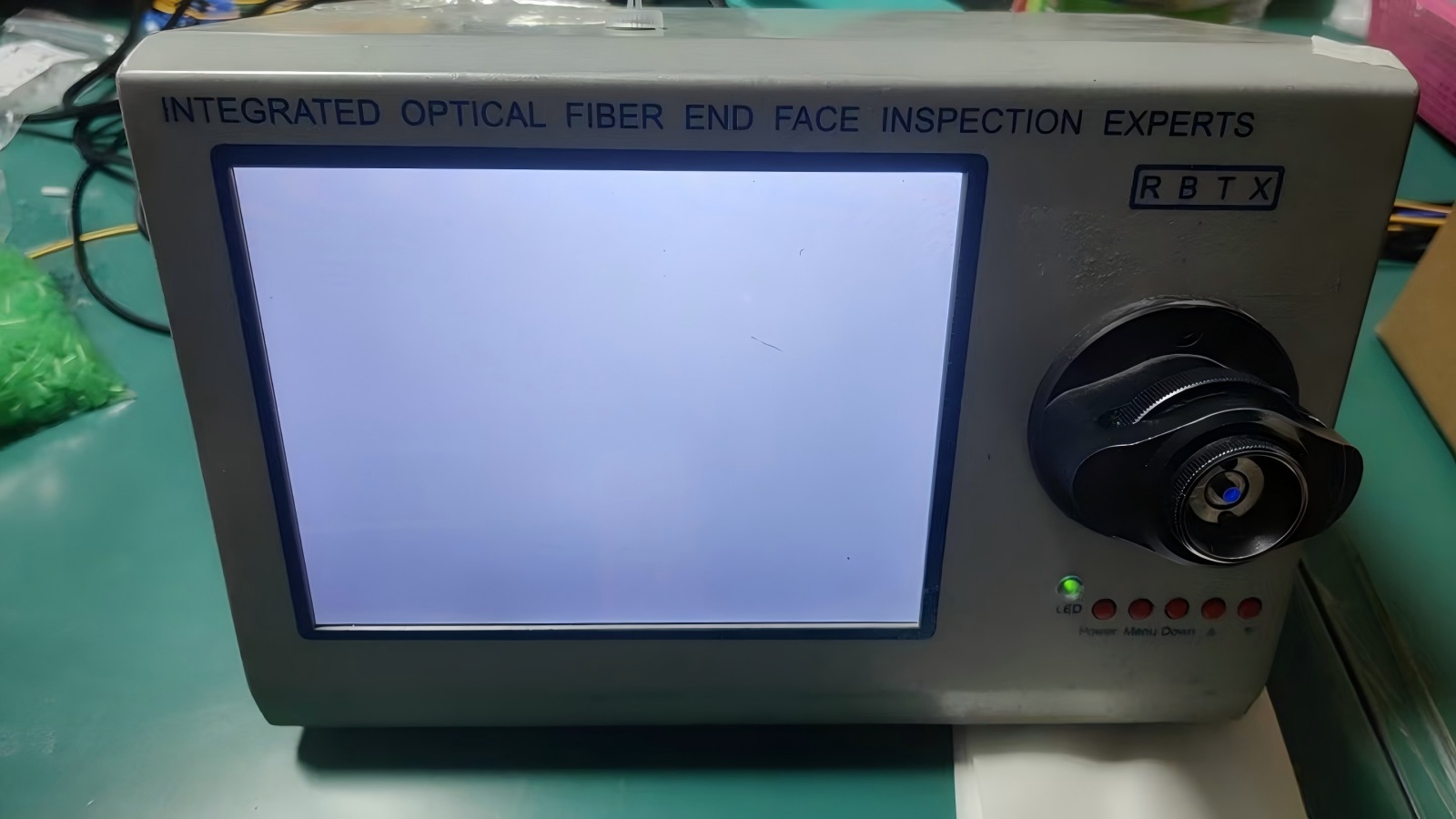
Verifying the clean profile of the optical ferrule, eliminating microscopic dust, scratches, or imperfections.
Bridging the gap between domestic Chinese manufacturing and localized deployment requirements for global network architectures.
Global operators must comply with strict national imports, safety, and environmental protection guidelines. All Equip-Link products are certified to carry international labels verifying safety standards, and we strictly comply with RoHS and REACH regulations, eliminating environmental and hazardous material concerns.
We solve the traditional time-zone communication bottleneck by providing direct 24/7 technical channels. Our network engineers can assist with troubleshooting, custom coding requirements, compatibility validations, and mechanical SFP cage integration via secure remote networks.
Our business relies on long-term client trust. We back our products with comprehensive multi-year replacement warranties. If a compatibility error or optoelectronic failure occurs, our global logistics partners facilitate rapid RMA replacements to prevent downtime.
Investigating the technical changes in high-speed optical data links, from coherent optics to Co-Packaged designs.
As transmission demands cross the 400G and 800G thresholds, conventional multi-mode and discrete single-mode lasers hit physical limitations regarding thermal control, bandwidth density, and optical attenuation. Silicon Photonics technology integrates multiple optical functions onto a single silicon chip, improving reliability and reducing production complexity.
Equip-Link is investing in the development of next-generation silicon-on-insulator (SOI) wafers. This technology enables the direct embedding of optical modulators and detectors into specialized processing units, facilitating the transition to higher data densities with minimal power loss.
To reduce power consumption, industry research is moving towards Co-Packaged Optics (CPO). This architecture places the optical engine directly on the same substrate as the network switch ASIC, eliminating long and lossy copper PCB tracks.
While CPO gains market share, standard pluggable form factors like SFP-DD, QSFP-DD, and OSFP continue to dominate due to their hot-swappable convenience. Equip-Link remains dedicated to optimizing power efficiency, engineering transceivers that use up to 30% less power than typical industry baselines, reducing thermal loads in modern data centers.
Get answers to common technical, manufacturing, and compatibility questions from our engineering experts.
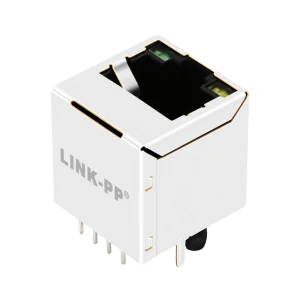
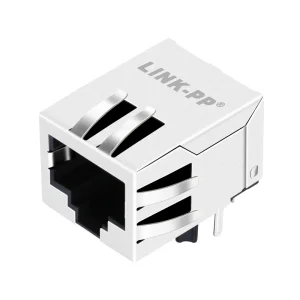
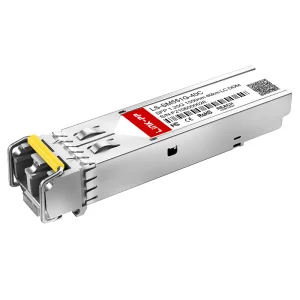
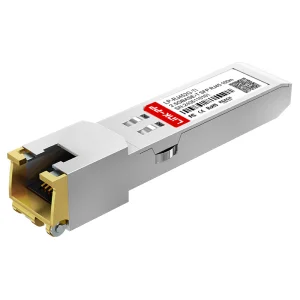
Explore our high-speed optical links, industrial transceivers, and compatible connector interfaces designed to maintain network integrity.