Equip-Link
Equip-Link
Equip-Link
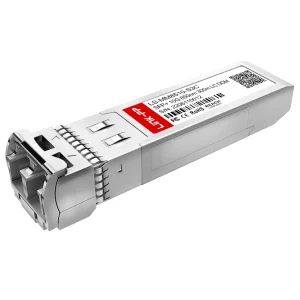
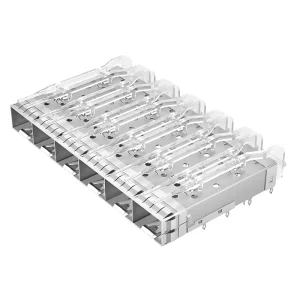
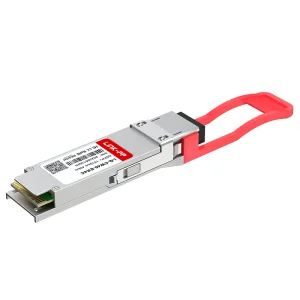
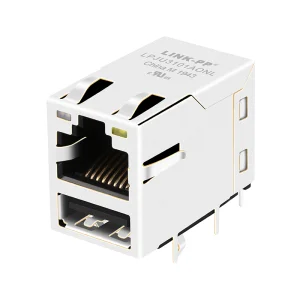
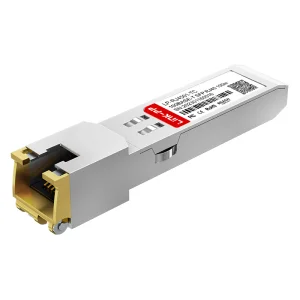
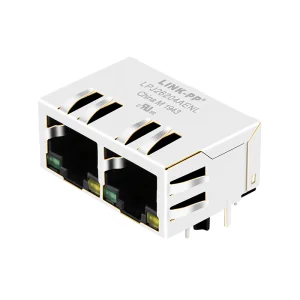
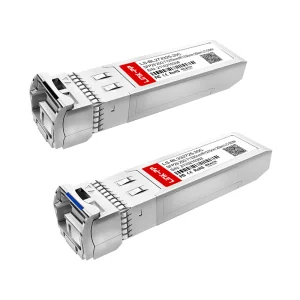
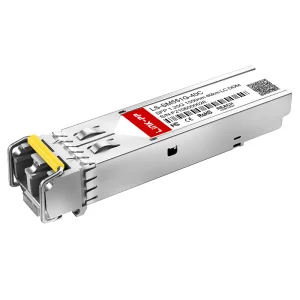
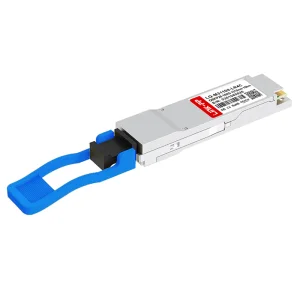
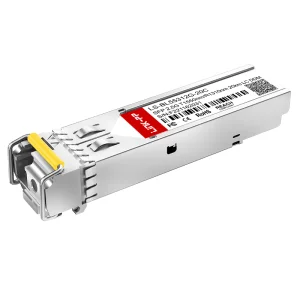
Integrating primary high-capacity transceivers and physical network interfaces for structured network deployments.
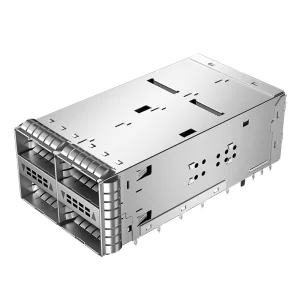
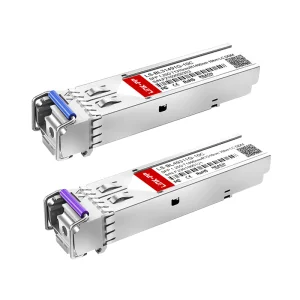
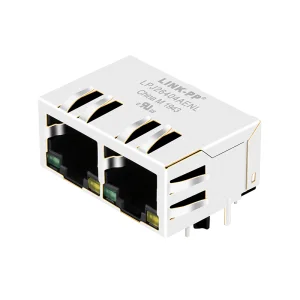
In high-speed local area networks (LANs), data centers, and modern enterprise environments, structured cabling serves as the physical backbone supporting critical IT communication assets. Within this landscape, the RJ45 faceplate (also referred to as a wall outlet faceplate, network plate, or Ethernet wall plate) is a crucial but often under-evaluated physical layer component. Far from being a mere aesthetic cover, the faceplate functions as the front-end interface connecting terminal equipment—such as desktop machines, IP phones, wireless access points, security cameras, and industrial automation control systems—to the permanent horizontal cabling path.
A poorly chosen or low-quality faceplate or modular insert can compromise physical network security, diminish cable structural longevity, increase insertion losses, and result in visual disharmony in complex architectural designs. As a result, global procurement managers, infrastructure designers, and network engineers seek out high-specification RJ45 faceplates that comply with stringent dimensional, material, and electrical performance standards.
Industrial-grade faceplates utilize high-impact ABS, Polycarbonate, or metallic alloys to endure frequent insertions and severe impacts.
Ensuring compliance with ANSI/TIA-568-C.2, ISO/IEC 11801, and UL94-V0 certifications prevents fire hazards and structural degradation.
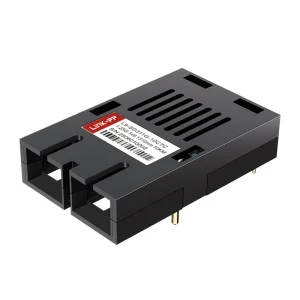
Modular architectures support hot-swappable keystone jacks, allowing mixed configurations of RJ45, fiber-optic LC, HDMI, and USB.
From a global market perspective, the RJ45 faceplate sector is closely linked to investments in commercial real estate, data center construction, and national broadband infrastructure projects (FTTx). The global structured cabling market is segmented by regional design standards, which directly influence the physical form factor of faceplates:
Industrial installations present challenges such as dust accumulation, electrical noise, mechanical stress, and chemical exposure. To address these issues, China-based manufacturers are scaling up production of ruggedized IP67-rated RJ45 faceplates. These units feature waterproof bayonet gaskets, silicone seals, and integrated protective covers, providing reliable protection for network connections in demanding locations like warehouses, pharmaceutical facilities, and food-processing plants.
To ensure high transmission speeds and long-term durability in structured cabling projects, manufacturers prioritize quality materials and precise mechanical design. The selection of materials and components is guided by three main technical requirements:
Cheap plastic components degrade quickly, discolor under UV exposure, and present potential fire safety hazards. Quality faceplates are manufactured from premium polycarbonate (PC) or impact-resistant ABS-PC blends. They are certified to meet the UL94-V0 vertical burn test standard, meaning they self-extinguish within 10 seconds of flame contact and do not drop molten material. This property is crucial in high-density office environments and data center hot-aisles where safety compliance is non-negotiable.
Airborne particulates and contaminants can compromise high-speed Ethernet links by depositing dust on the gold-plated pins of RJ45 keystone jacks. This accumulation degrades performance and increases packet loss. Quality faceplates incorporate spring-loaded dust shutters. These shutters open only when a patch cord plug is inserted and seal shut when disconnected, protecting unused ports from environmental dust and debris.
Maintaining the proper bend radius of Cat6, Cat6A, and Cat8 horizontal cabling inside shallow wall boxes is critical to prevent return loss and near-end crosstalk (NEXT). Angled RJ45 faceplates exit the cable plug at a downward 45-degree angle. This orientation reduces pressure on the modular plug, prevents cable pinching, and allows the patch cord to exit cleanly parallel to the wall surface, preventing strain in tight workspaces.
Founded in 2017, Equip-Link Intelligent Equipment (Shenzhen) Co., Ltd. is a leading manufacturer and supplier of high-performance optical transceivers and fiber optic communication solutions. While our core enterprise reputation is built on high-speed active optical interfaces—from 10G SFP+ to 400G/800G QSFP-DD modules—we recognize that network optimization requires a reliable physical layer. Active optical systems rely on high-integrity copper and fiber structured cabling infrastructure to maintain reliable connection speeds.
Our modern manufacturing facility covers an area of 380 square meters and is equipped with advanced production and testing equipment to ensure consistent quality and reliable performance. With an annual export revenue exceeding USD 18 million, Equip-Link has established long-term partnerships with customers in more than 50 countries and regions worldwide.
With 9 years of export experience and 14 years of industry expertise, our team understands the evolving demands of global communication networks and delivers products that meet international standards for performance, compatibility, and reliability.
Quality is at the core of everything we do. We implement a comprehensive quality management system supported by incoming material inspection, in-process quality control, and final product testing. Every product undergoes rigorous testing using advanced optical and network performance analyzers before shipment. Our dedicated quality assurance team consists of 36 experienced inspectors who ensure that every product meets customer requirements and industry specifications.
As a company with a strong manufacturer and exporter background, we primarily serve customers across North America, Europe, Southeast Asia, the Middle East, and South America. Our extensive supply chain network includes more than 1,280 qualified partners, enabling us to maintain stable production capacity and efficient delivery schedules.
Our major customer groups include telecommunication operators, data center providers, network equipment distributors, system integrators, cloud service providers, and OEM/ODM brands. To support diverse market needs, Equip-Link offers flexible customization services, including private labeling, custom firmware programming, compatibility coding, packaging customization, and OEM/ODM manufacturing.
Innovation drives our growth. Our R&D department is staffed by 68 professional engineers dedicated to developing next-generation optical communication technologies. In the past year alone, we successfully launched 126 new products, further expanding our portfolio of high-speed optical transceivers, including 10G, 25G, 40G, 100G, 200G, 400G, and 800G solutions.
Exacting manufacturing stages, from raw polymer selection to testing and final quality certification.

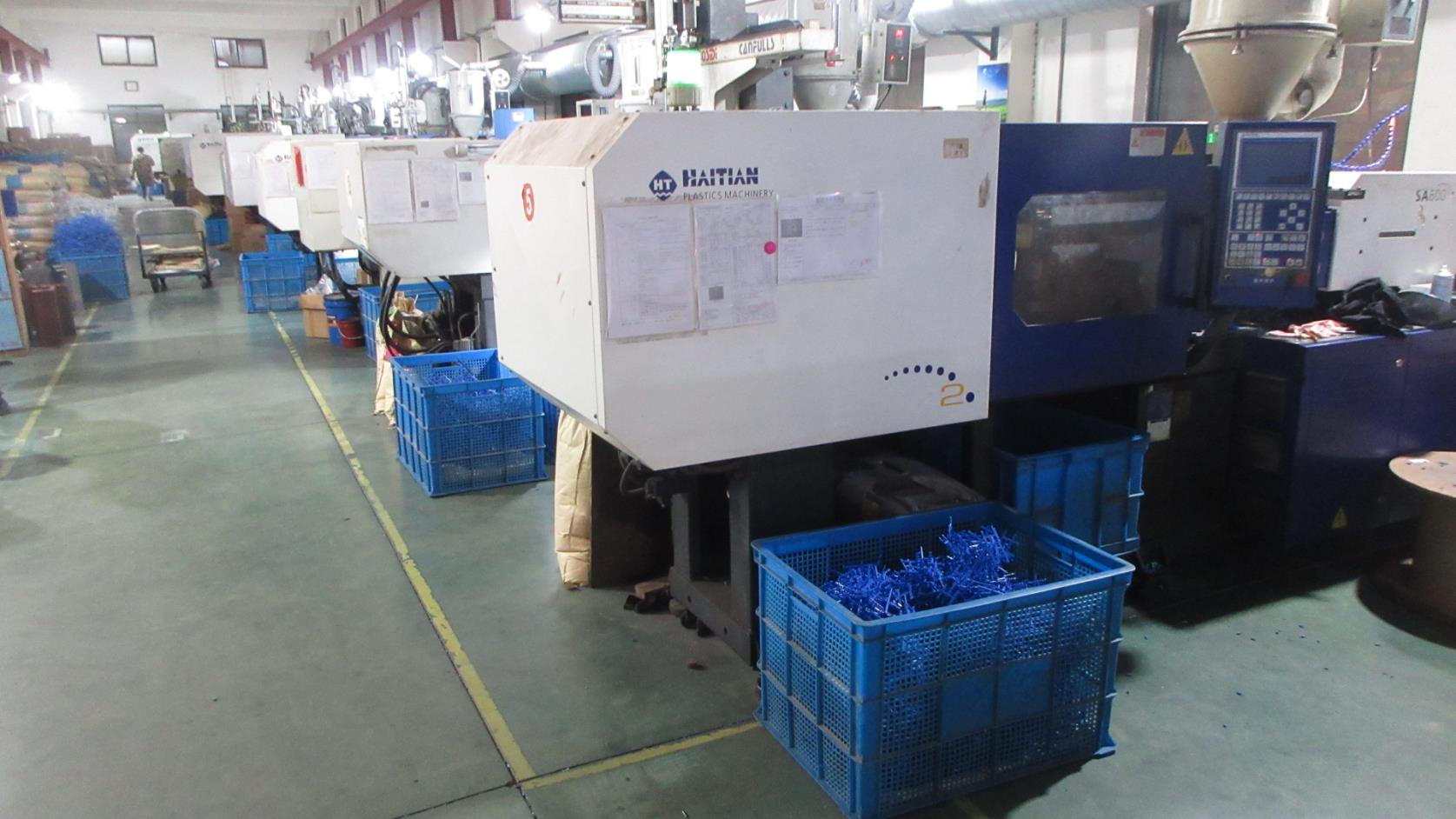
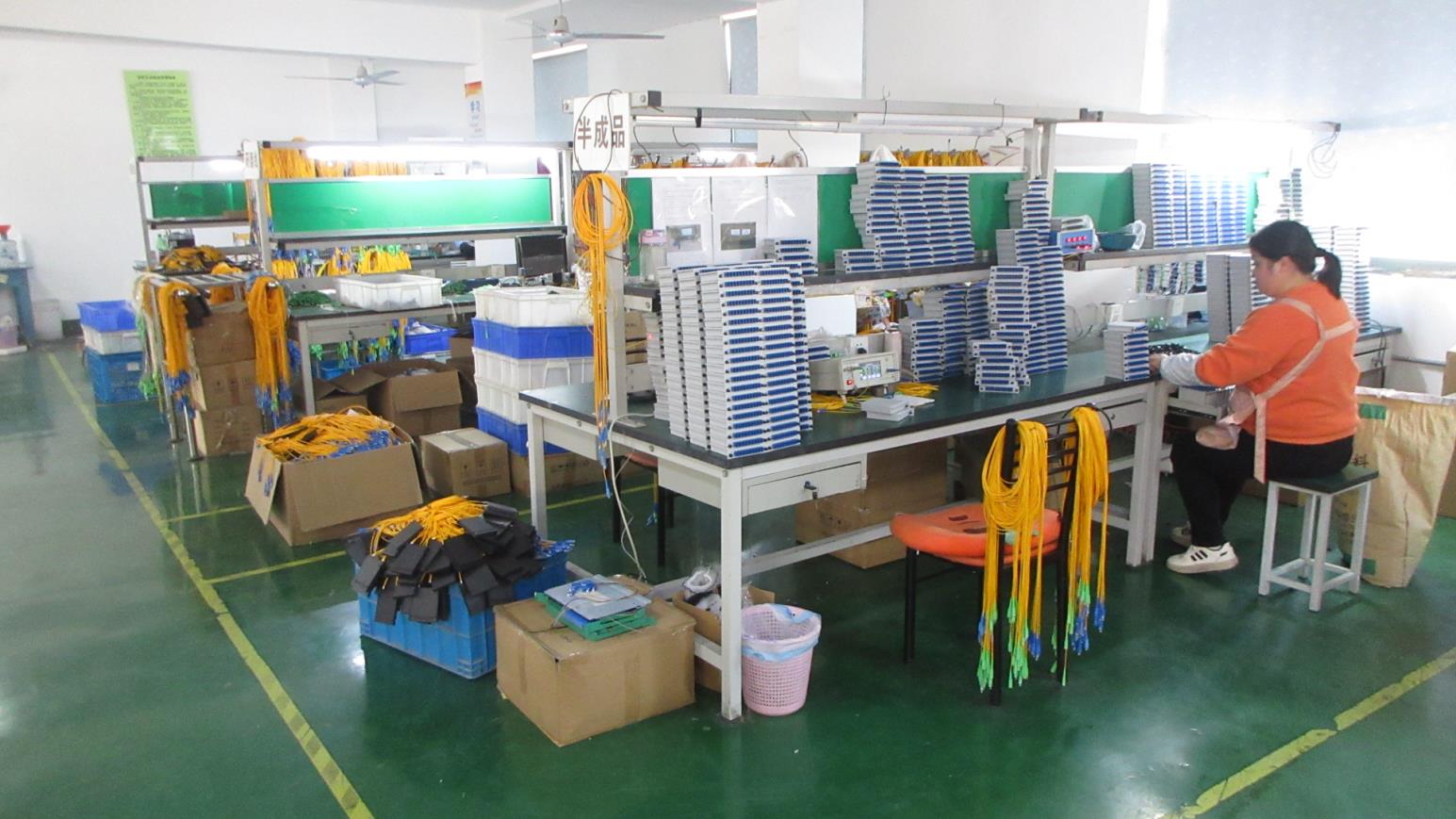
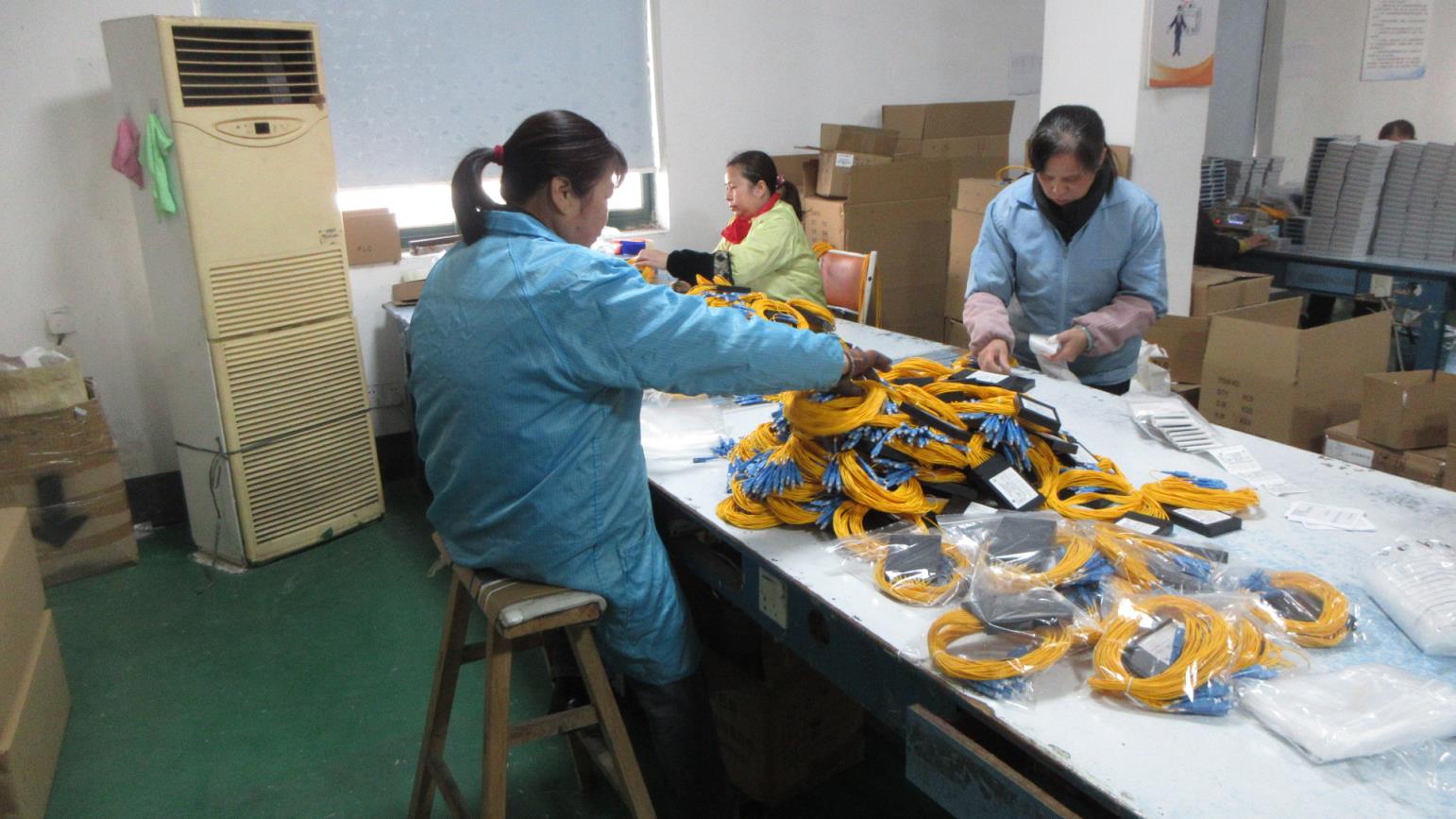
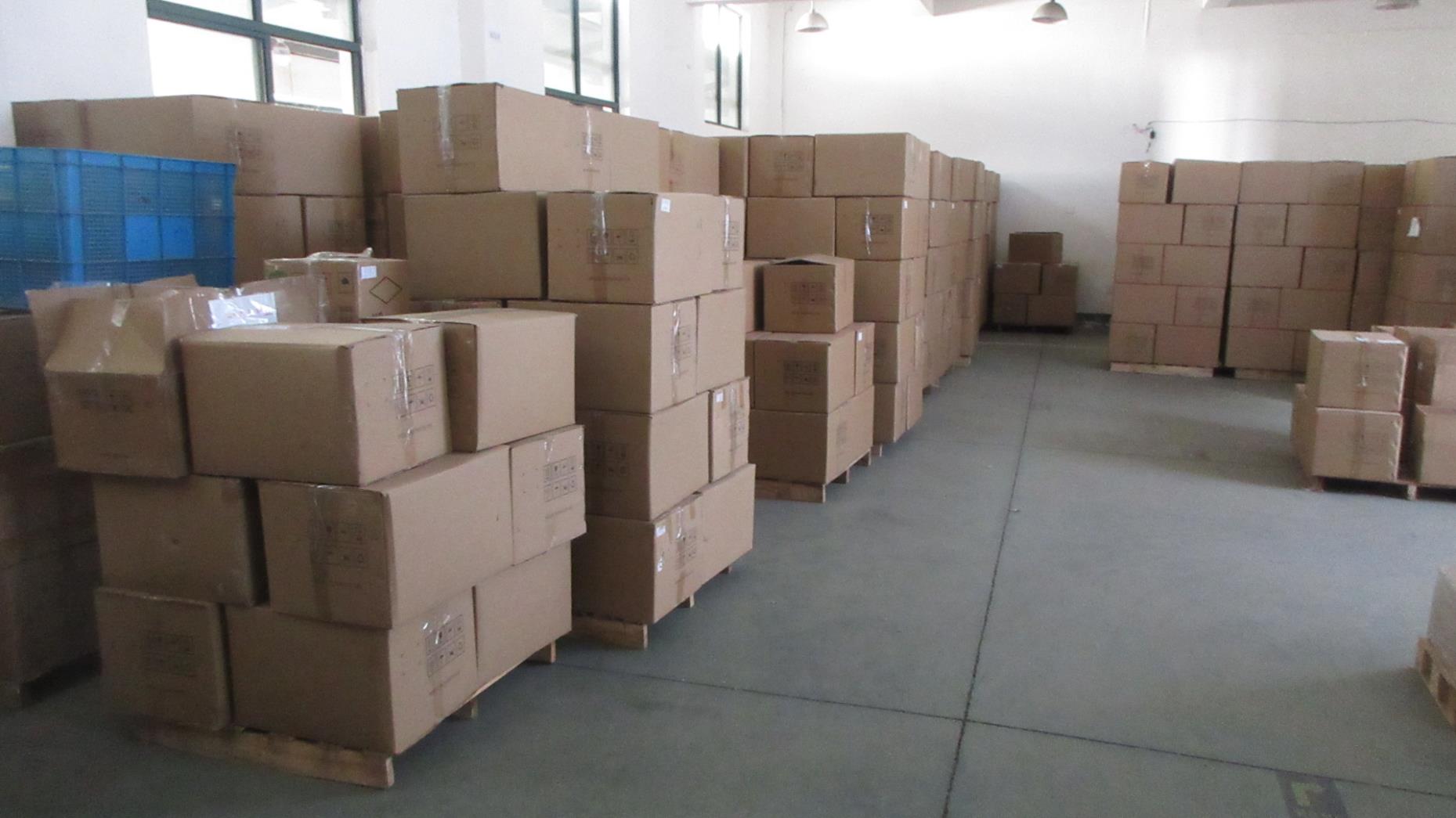
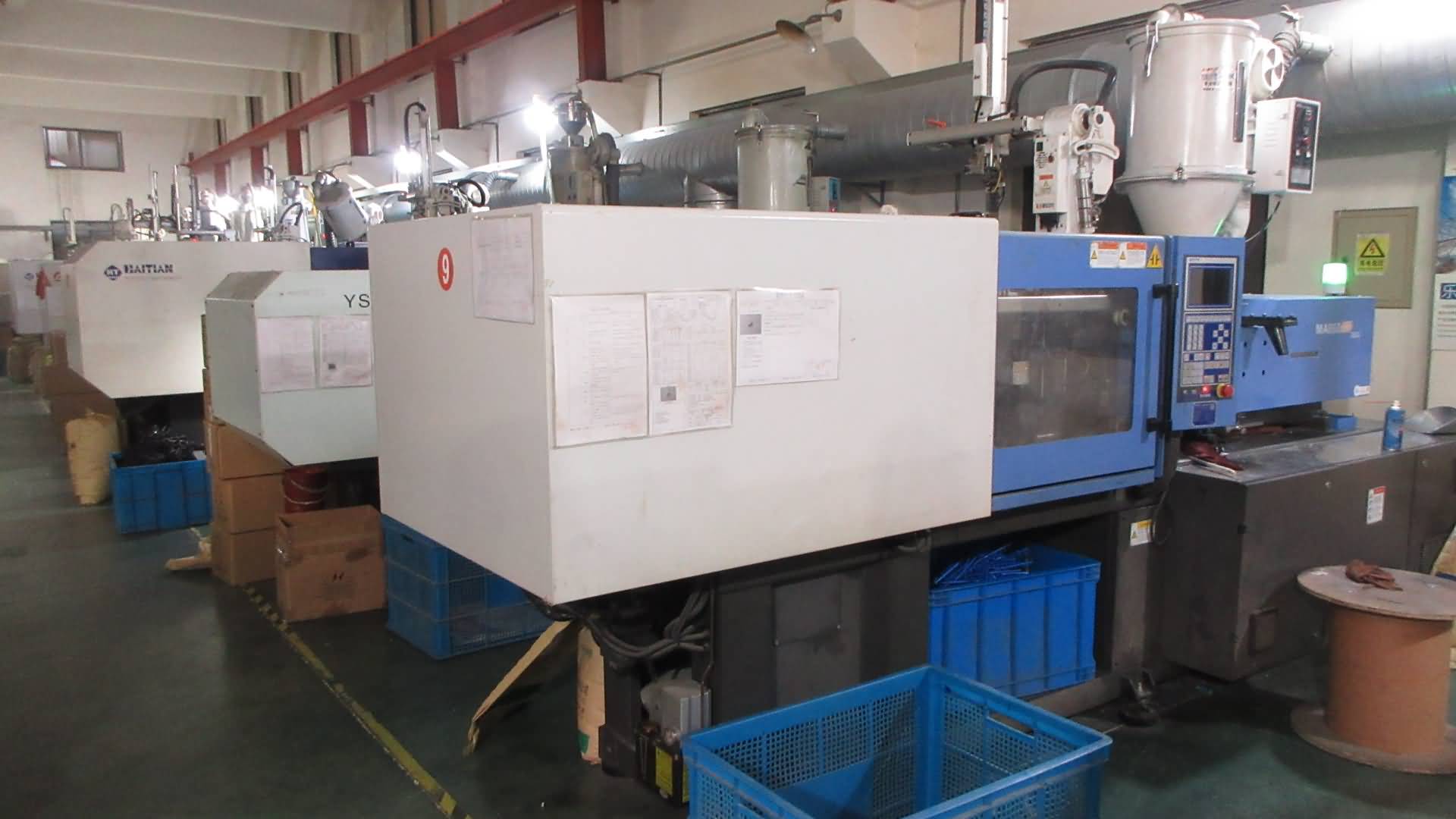
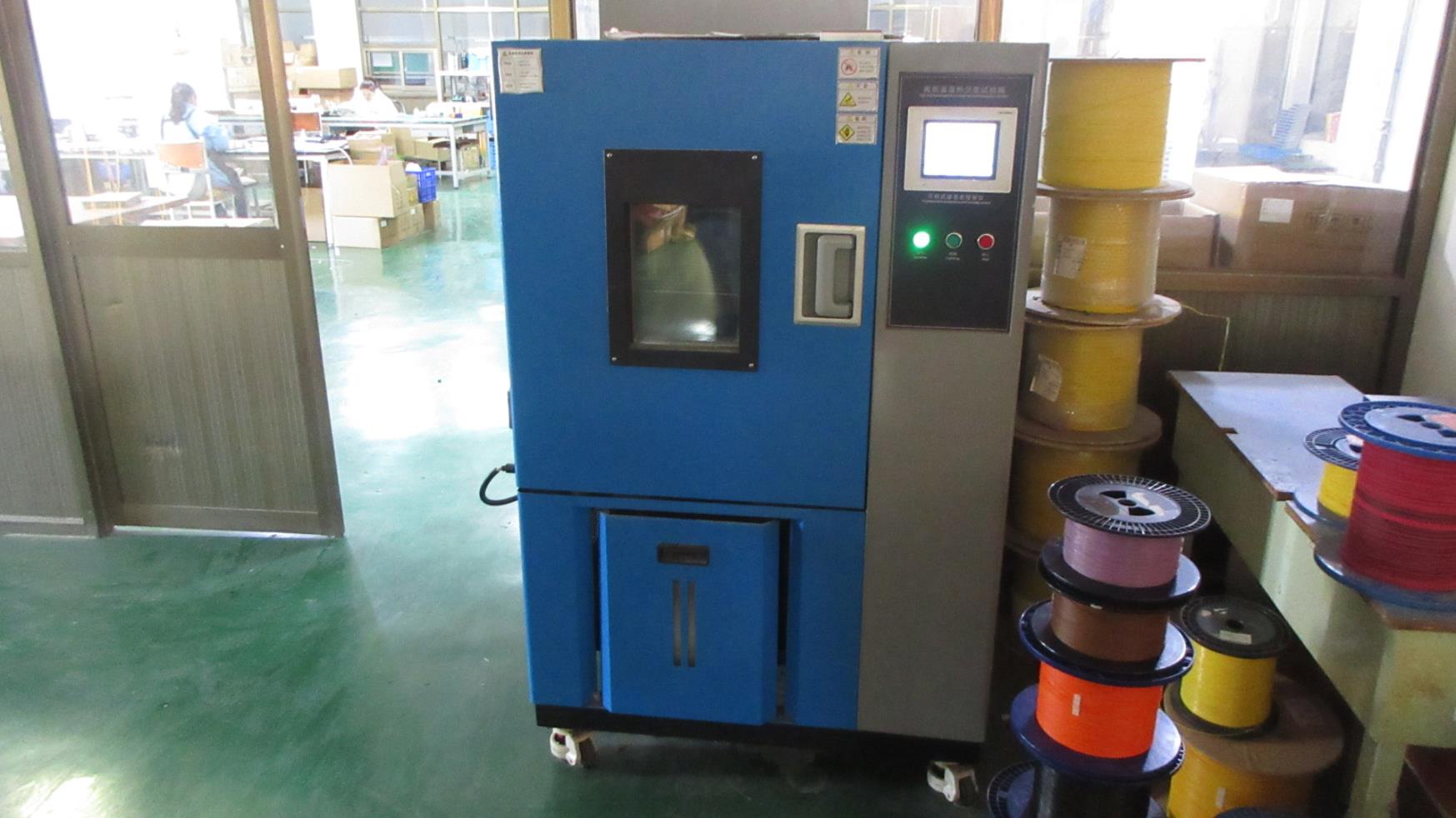
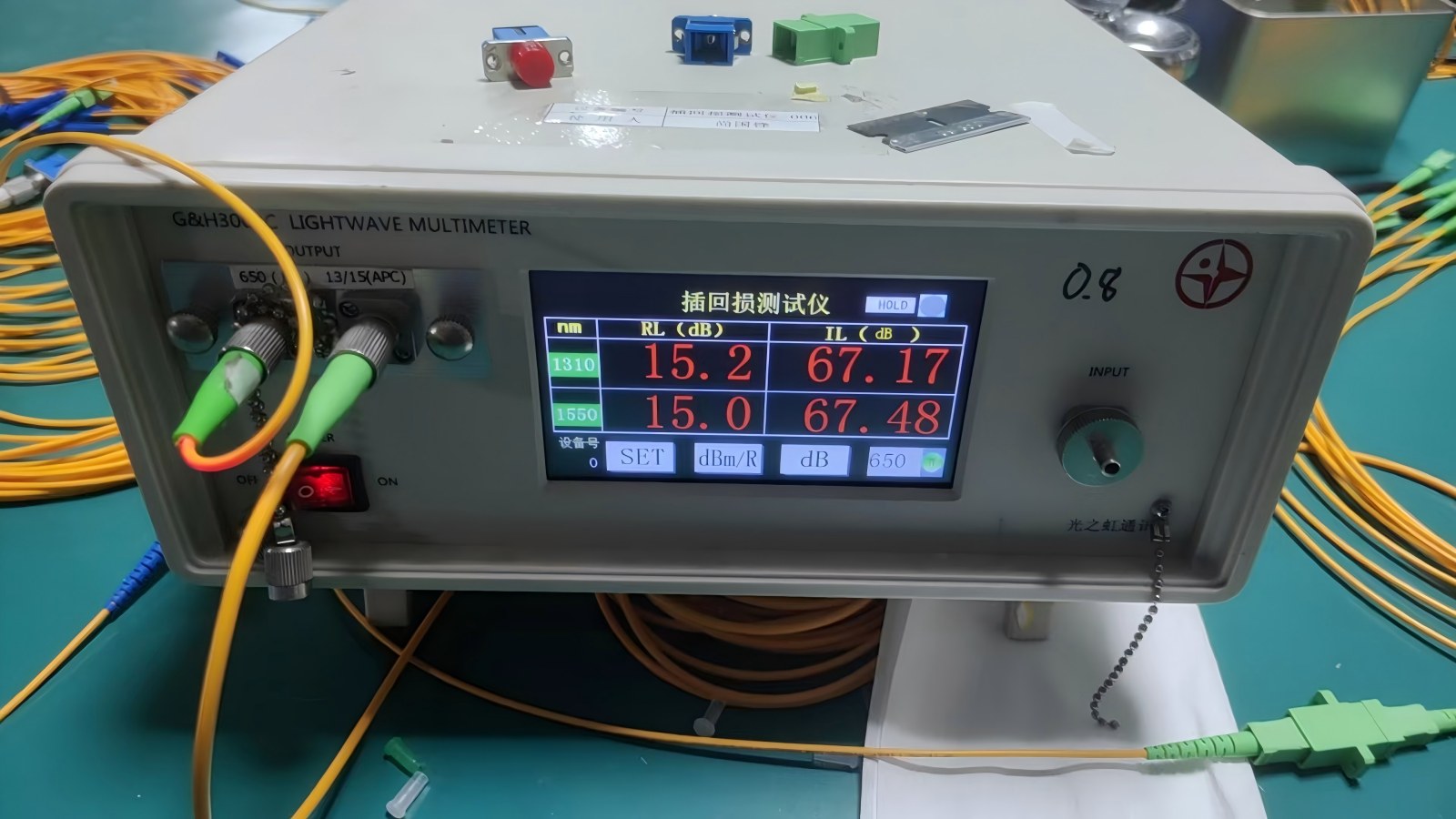
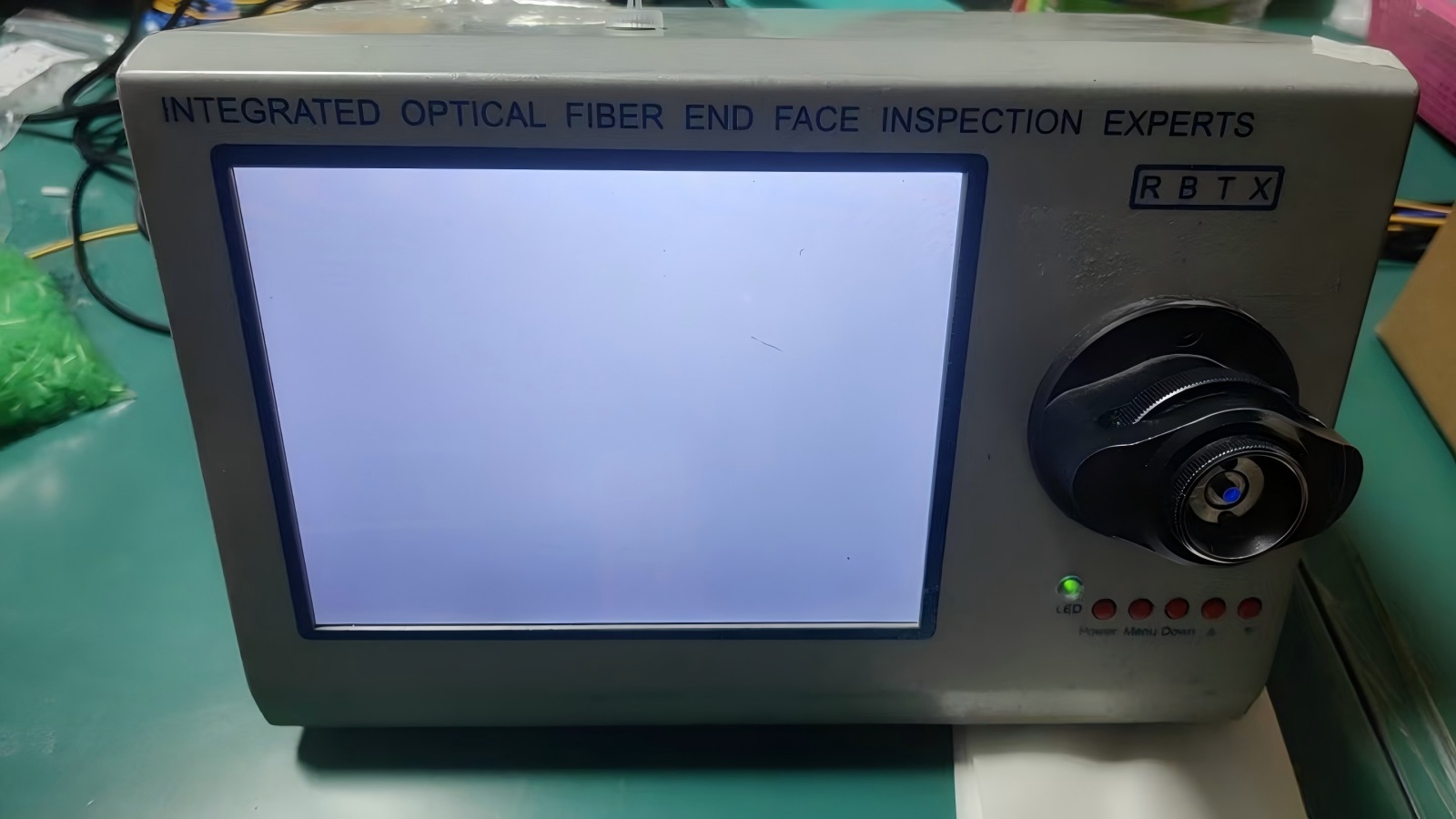
Our portfolio of structured connectivity solutions is engineered for specific requirements across three main industry applications:
Modern corporate offices require adaptable connectivity. Using our modular RJ45 faceplates, system integrators can deploy mixed networks combining copper LAN connections (for desktop hardware), fiber-to-the-desk (FTTD) modules (for high-bandwidth media production), and HDMI/Audio-Video interfaces in a single wall outlet. Designed to fit standard cable trunking, these faceplates simplify installation and maintenance.
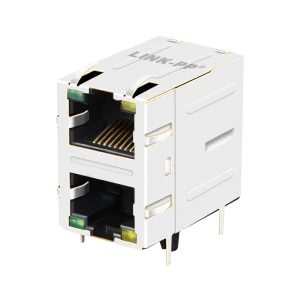
Within data center containment bays and equipment racks, space optimization is critical. We provide high-density, multi-port angled faceplates and patch panels that reduce cabinet space requirements while keeping fiber bend radius profiles within industry standards. This setup supports high-speed copper interconnects and active transceivers, keeping operations clean and reliable.
Standard indoor plastic faceplates will degrade if exposed to grease, vibrations, or humidity. Equip-Link provides ruggedized, IP67-rated chemical-resistant faceplates. These units feature mechanical locking mechanisms that protect copper connections and active SFP transceivers, preventing signal loss and downtime in demanding industrial environments.
Expert answers to common queries regarding RJ45 faceplate sourcing, performance, and configurations.
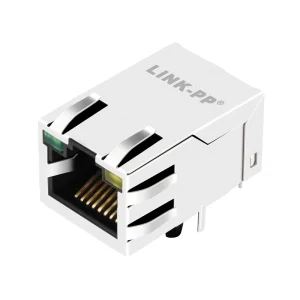
High-integrity connectivity components designed for seamless integration into enterprise structured networks.