Equip-Link Equip-Link

China Best Wired Network Connector Factories & Factory

Premium High-Speed Interconnects, Structured Cabling Components, and Enterprise Optical Modules Engineered for Next-Generation Cloud, Telecom, & AI Infrastructure.

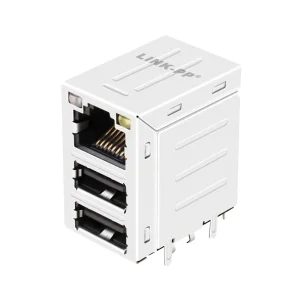
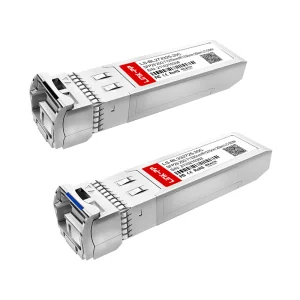
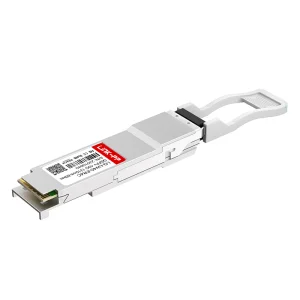
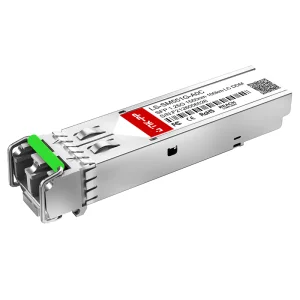
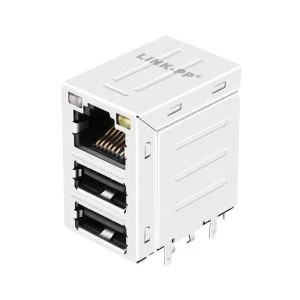
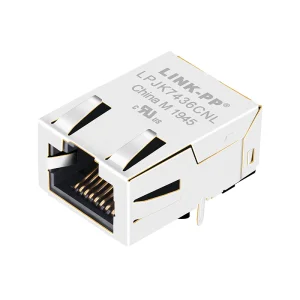
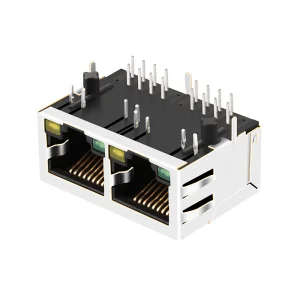
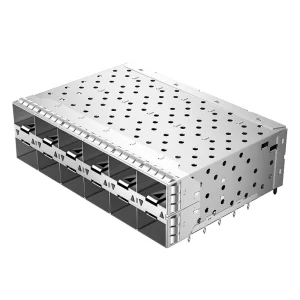
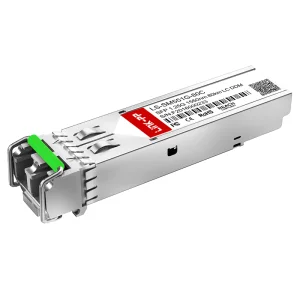
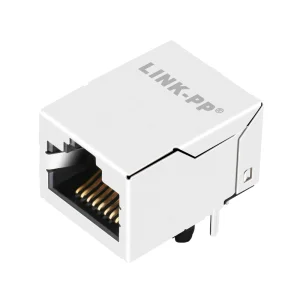
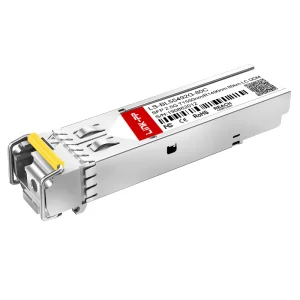
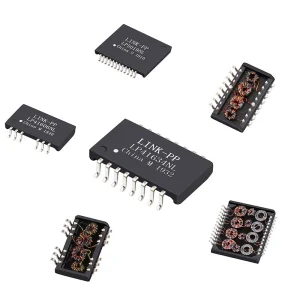
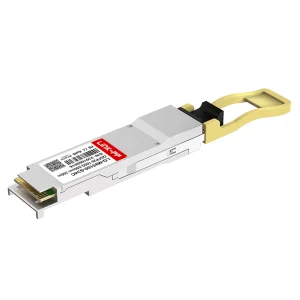
Featured Wired Network Connectors & High-Speed Optical Modules

Fully-compliant interfaces certified for mission-critical enterprise environments.

The Global Industrial Landscape of Wired Network Connectors

In the contemporary digital landscape, wired network connectors serve as the silent backbone of global internet traffic, industrial automation, and enterprise virtualization. Across the spectrum of cloud computing, telecommunications backhauls, and high-performance computing (HPC) nodes, the physical layer connectivity remains the absolute guarantor of transmission reliability. From traditional copper-based registered jacks (specifically RJ45 modules incorporating electromagnetic filter components) to high-frequency cage assemblies designed for pluggable SFP, SFP28, and QSFP modules, these hardware interfaces dictate overall throughput capacity, insertion loss parameters, and electromagnetic compatibility (EMC).

As transmission standards evolve from Gigabit Ethernet toward 25G, 100G, and even 800G interfaces, the physical design of connectors must mitigate signal degradation caused by high-frequency attenuation, return loss, and crosstalk. Enterprise procurement decision-makers look beyond mere compatibility, focusing instead on long-term performance curves, mechanical mating lifecycle stability, and thermal dissipation footprints. Consequently, locating the best Chinese network connector factory with high engineering and manufacturing capabilities has become a vital strategic objective for global OEMs, telecom system integrators, and data center operators.

14+
Years Industry Expertise
68
R&D Engineers
36
Quality Inspectors
$18M+
Annual Export Revenue

Why Shenzhen is the Global Epicenter of Connector Manufacturing

Shenzhen, China, has evolved from a basic electronics manufacturing center into a highly integrated, sophisticated industrial cluster for high-frequency telecommunications engineering. The regional infrastructure provides Chinese connector factories with unmatched competitive advantages. Key elements include:

  • Unrivaled Supply Chain Density: From high-precision mold engineering and liquid crystal polymer (LCP) material formulation to specialized copper-alloy stamping and gold electroplating facilities, all critical raw materials and components are sourced within a two-hour logistics radius.
  • Scale-Driven Operational Efficiency: Highly automated high-speed stamping presses and multi-cavity injection machines yield millions of components per cycle, keeping per-unit costs low while maintaining tight tolerances.
  • Rapid Engineering Prototyping: Local factories transition custom network connector mockups from CAD designs to physical functional prototypes in days, significantly shortening the development lifecycle compared to Western competitors.

Signal Integrity & Quality Engineering

In high-speed data networking, a connector is not just a passive physical interface—it is a critical transmission line. Improper impedance matching at the terminal interface generates signal reflections, causing severe return loss. Leading factories use 3D electromagnetic field solvers (like ANSYS HFSS) during the design phase to optimize the internal geometric configurations of SFP cages and magnetic RJ45 modules. This engineering rigor guarantees signal integrity at higher bit rates.

Production Flow: Step-by-Step Manufacturing at Equip-Link

Achieving consistently low tolerances and zero-defect quality requires a highly structured, automated manufacturing flow. Under the operational control of Equip-Link Intelligent Equipment (Shenzhen) Co., Ltd., every phase is fully mapped to international IPC manufacturing guidelines. Below is the step-by-step assembly process that guarantees the reliability of our wired network interfaces and optical transceivers:
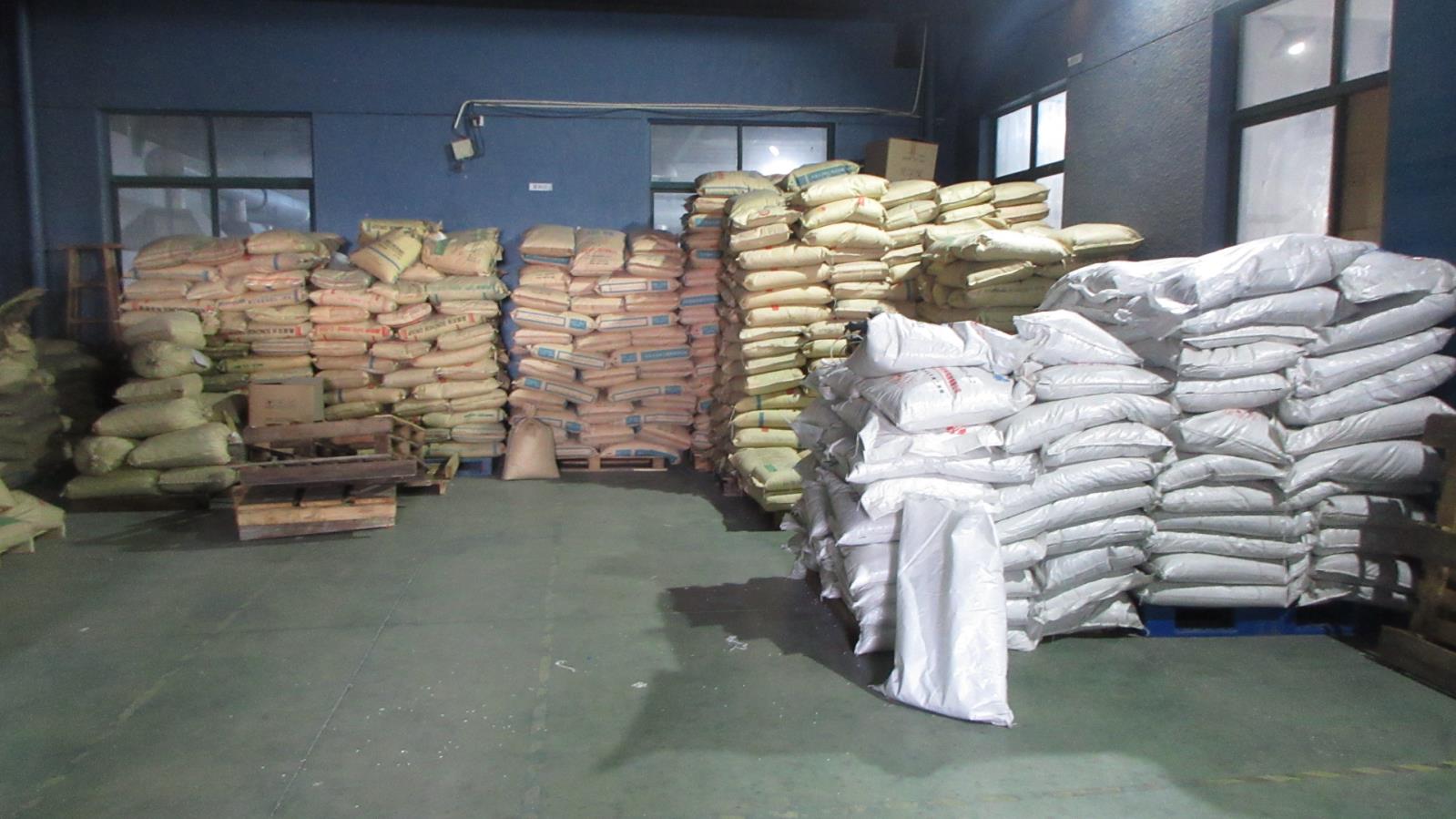
Raw Material Selection
Raw Material
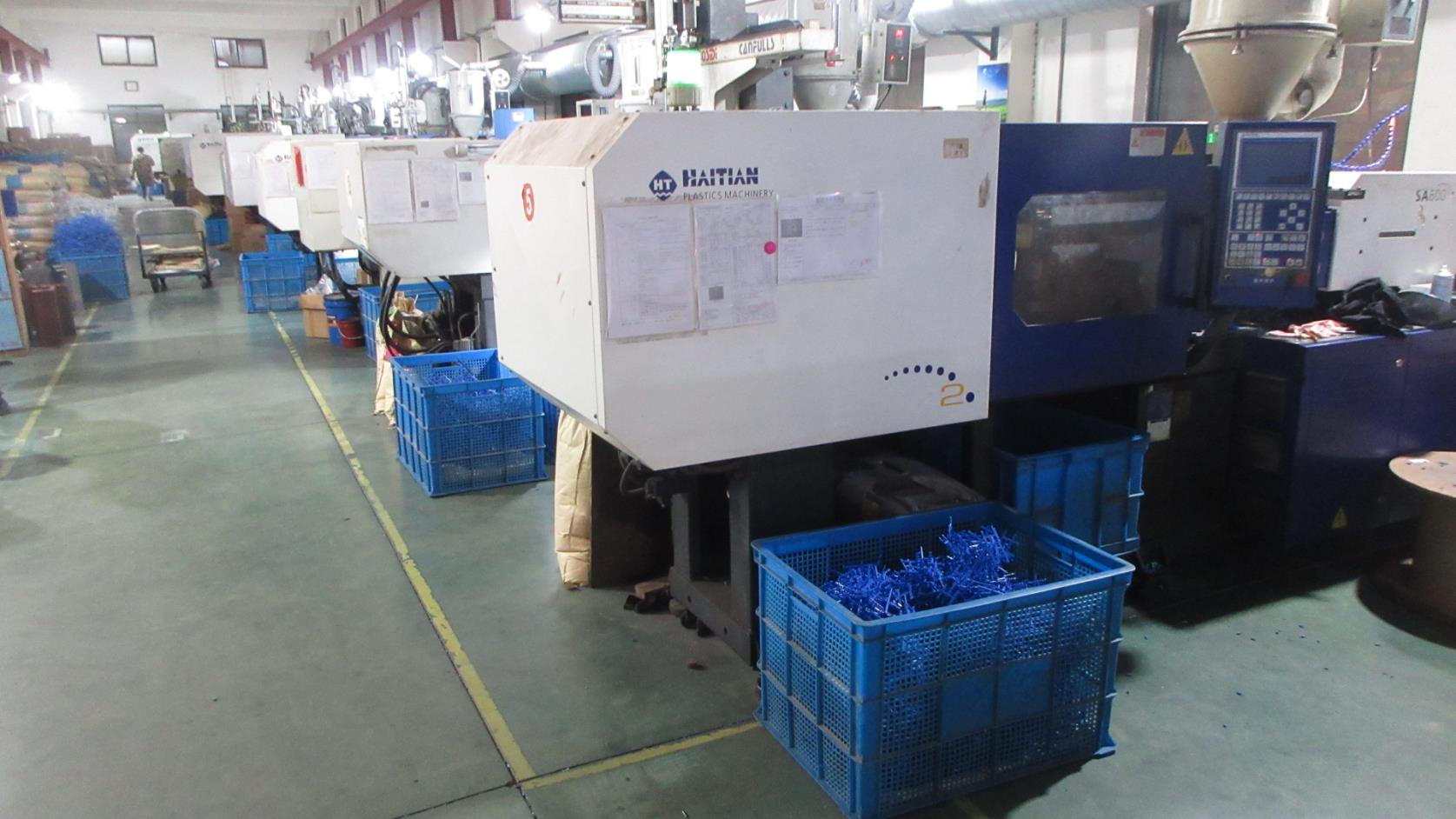
Injection Molding Production
Injection Molding
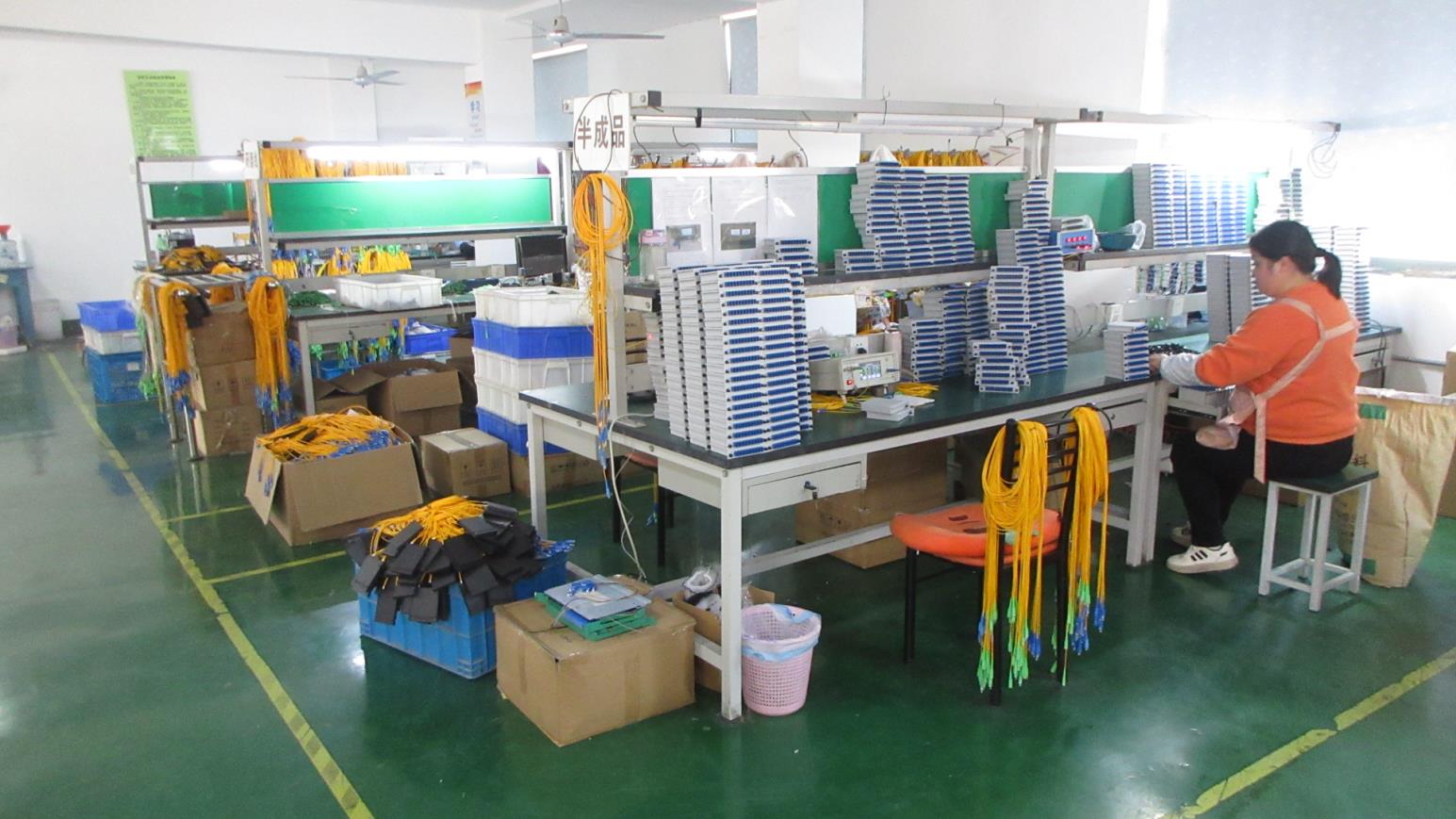
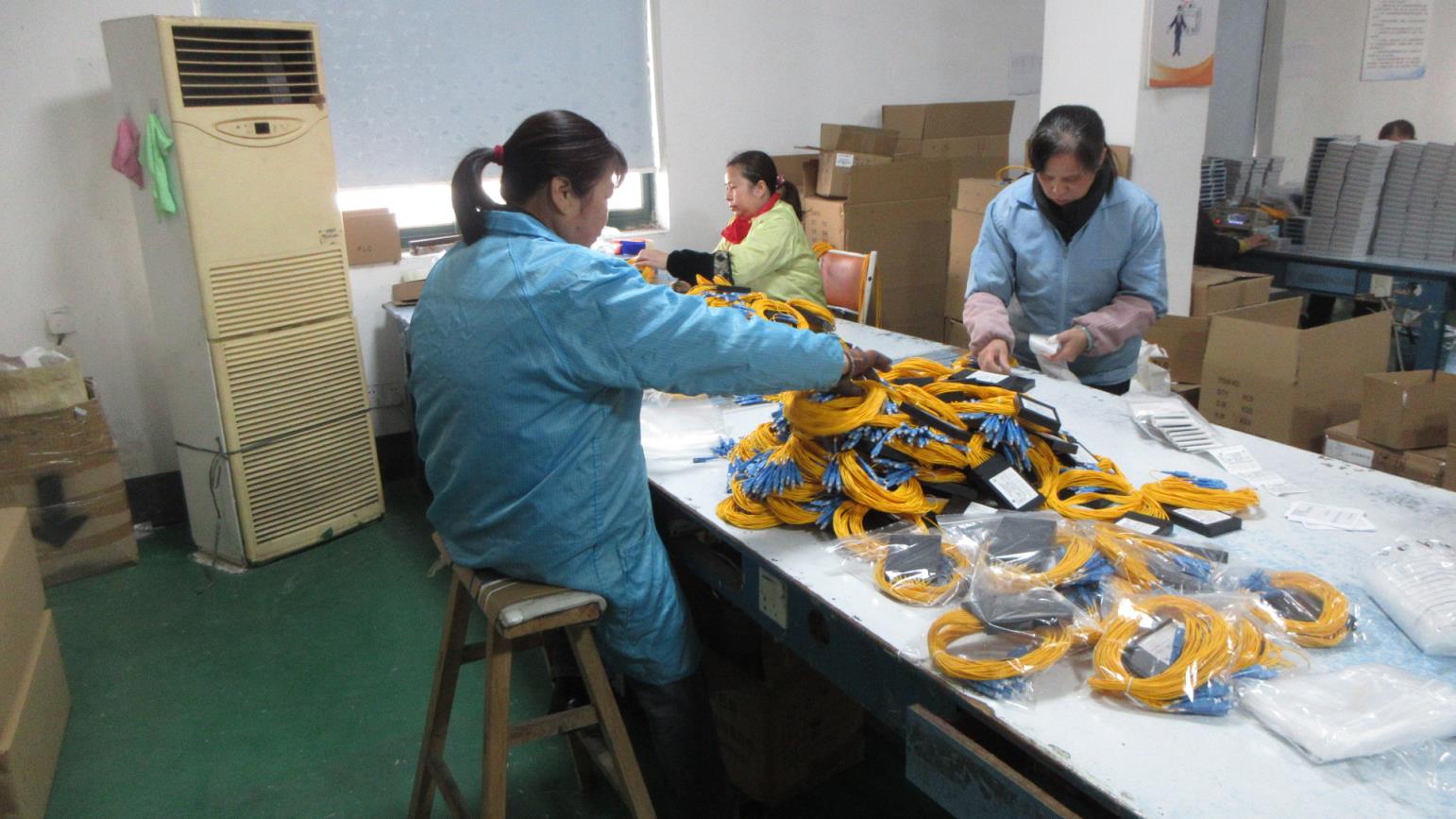
Precision Assembly Line
Assembly
Final Product Packing
Packing
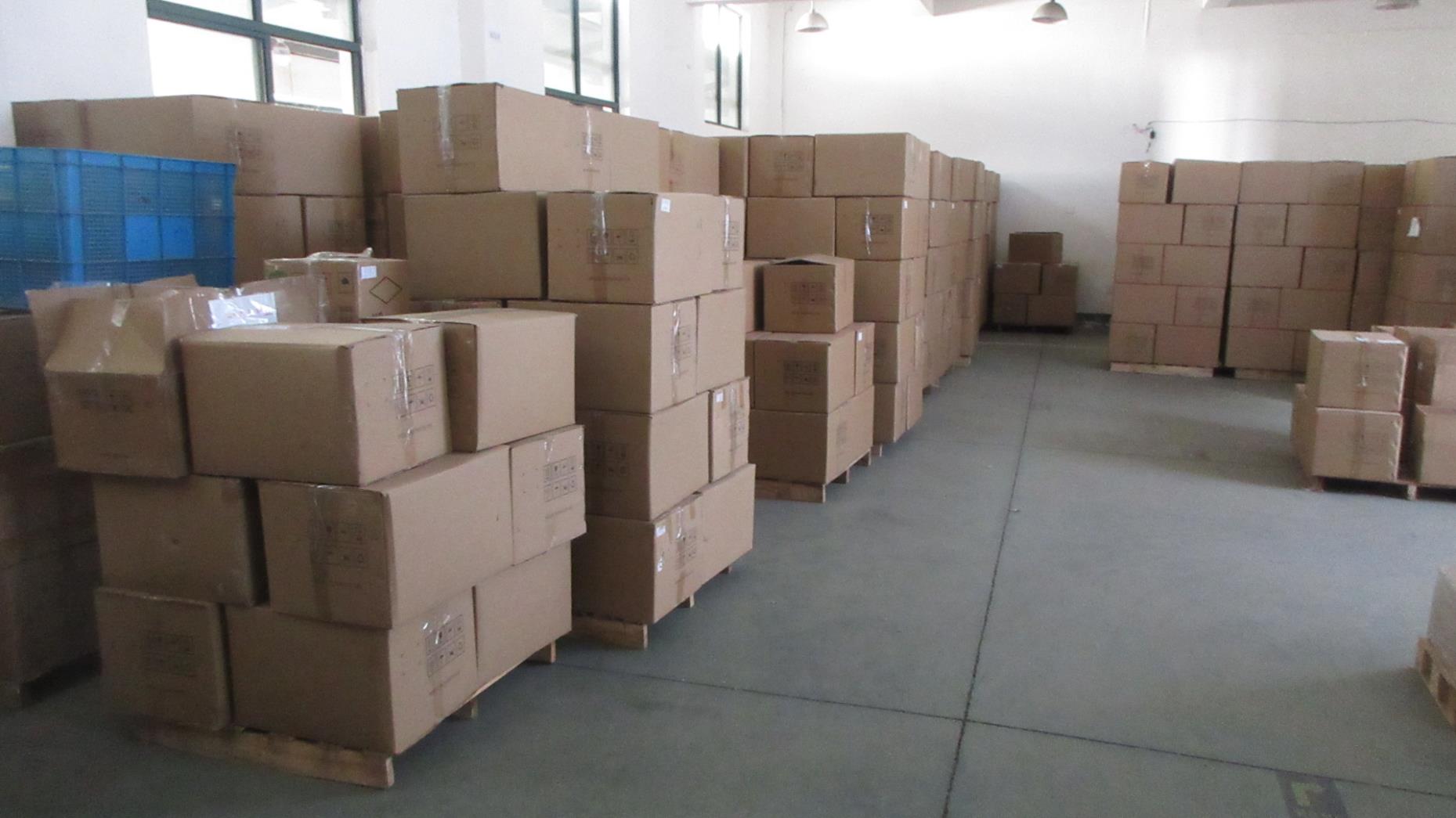
Finished Warehouse Logsitics
Warehouse

At the initial Raw Material phase, we select premium high-frequency liquid crystal polymers (LCP), copper-alloy strips, and highly stable fiber optic components. During Injection Molding, high-precision injection machinery shapes durable connector bodies and modular SFP shells. The Assembly stage uses automated positioning equipment to place tiny terminal contacts and high-frequency magnetics with micron-level accuracy. Finally, products undergo clean-room packaging at the Packing stage before being securely stored in our automated Warehouse, ready for fast global shipping.
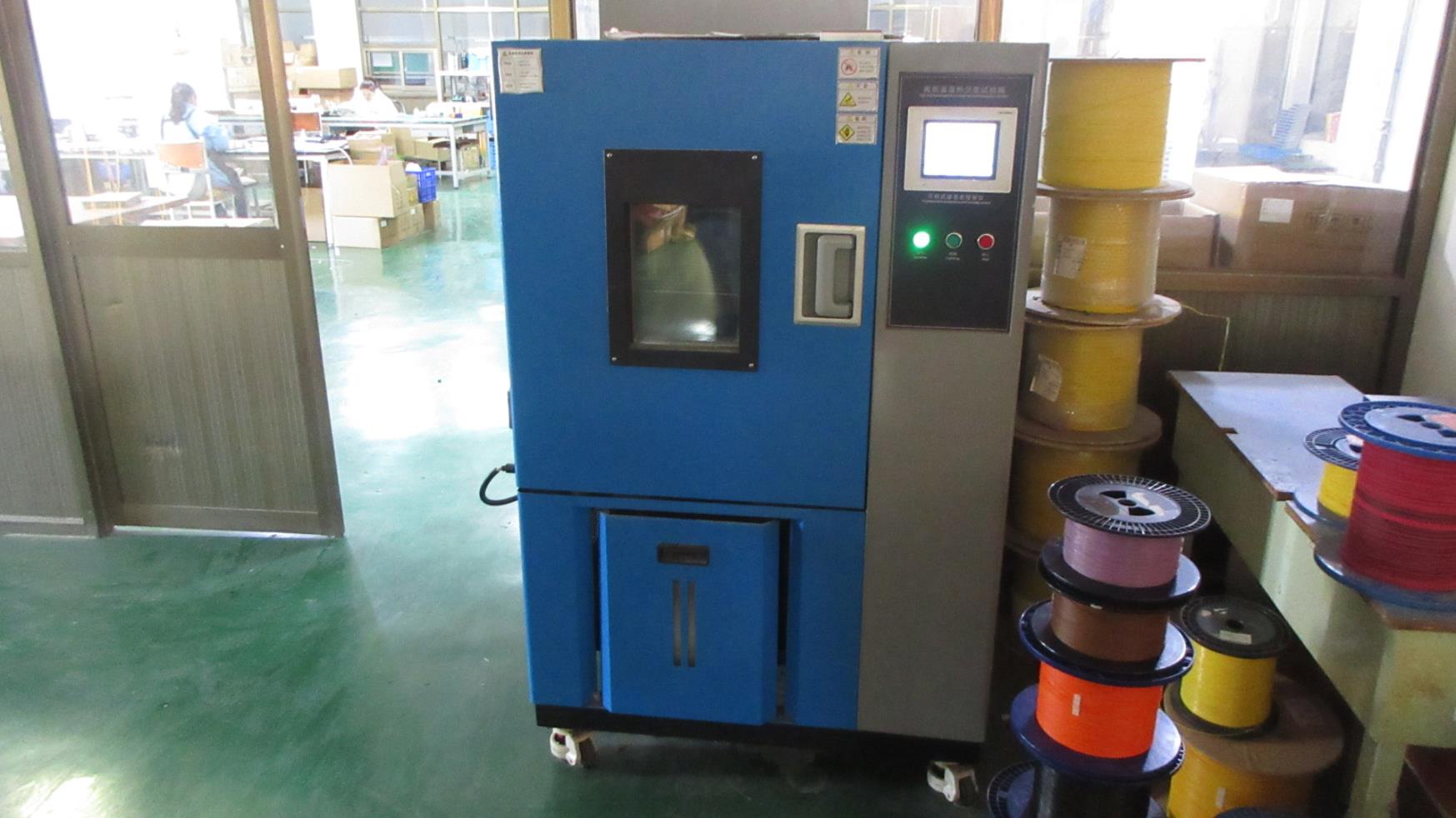
State-of-the-Art QA Testing Equipment & Environmental Simulation

To meet the strict reliability requirements of telecommunication giants and cloud operators, network connectors must withstand challenging environmental conditions and constant data cycles. Cheap manufacturing alternatives often fail prematurely due to thermal degradation, internal crosstalk, or terminal corrosion. Equip-Link addresses these risks by running every product through a series of dedicated performance analyzers and climate simulation chambers.

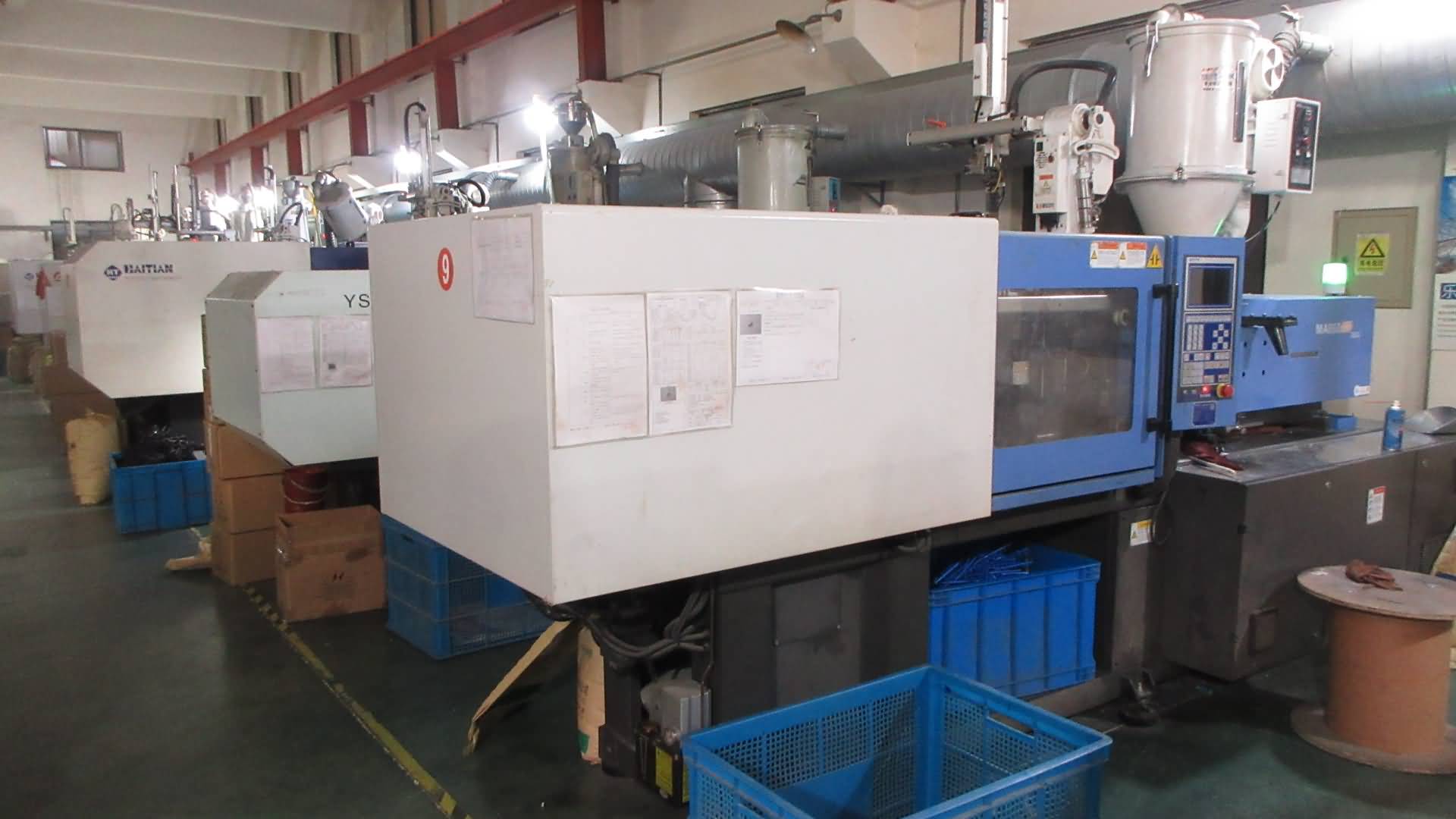
High-Speed Precision Injection Machine
Injection Machine

Uses high-precision multi-cavity molds to ensure consistent dimensions for RJ45 connectors, SFP cages, and multi-port arrays.

High And Low Temperature Damp Heat Alternating Test Chamber
Damp Heat Alternating Test Chamber

Simulates extreme temperature (-40°C to +85°C) and humidity cycles to guarantee mechanical and electrical durability in harsh outdoor environments.

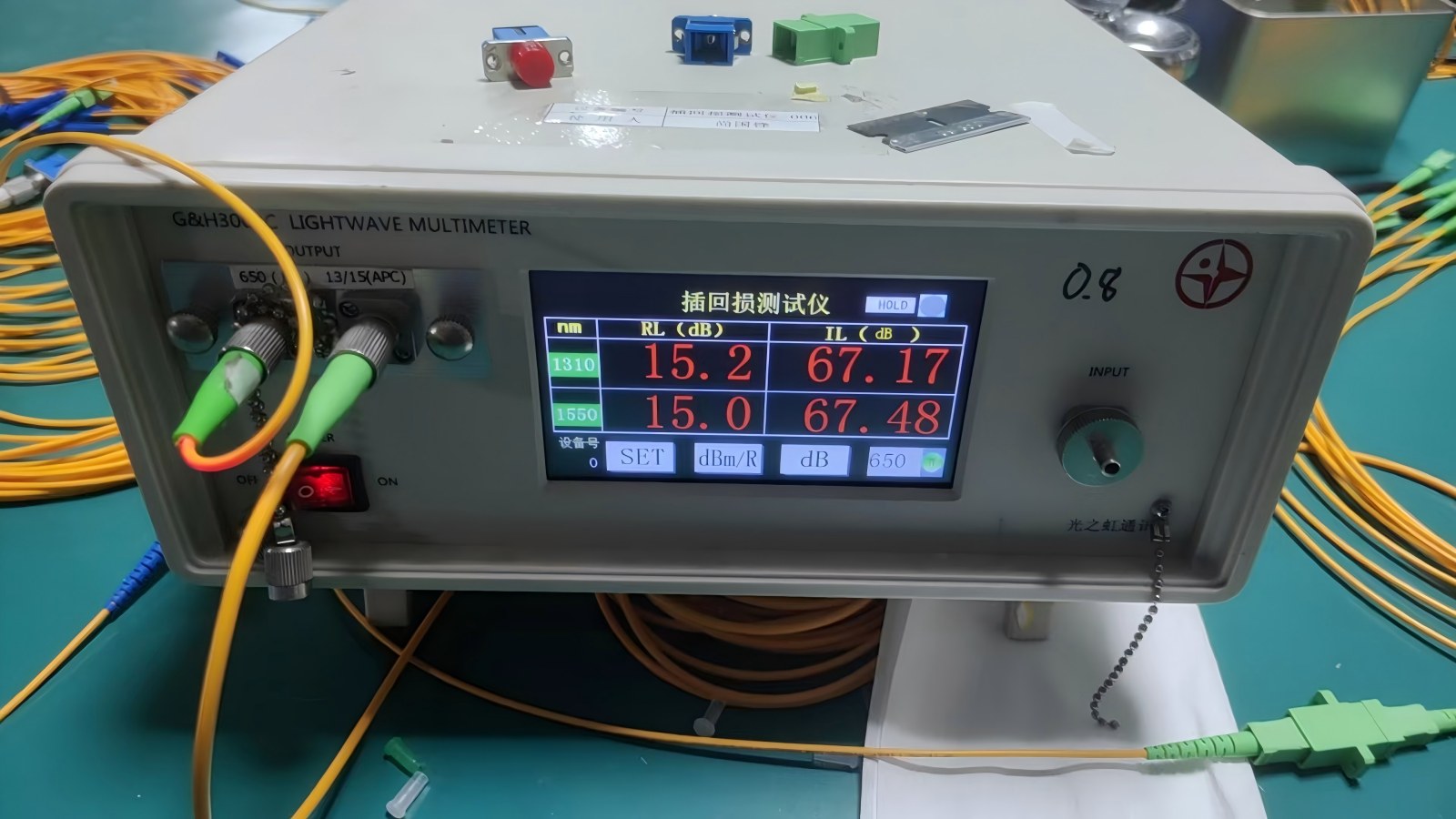
Optical Insertion Loss Tester

Precisely measures insertion and return loss in transceivers and fiber connectors, maintaining signal losses within strict sub-decibel boundaries.

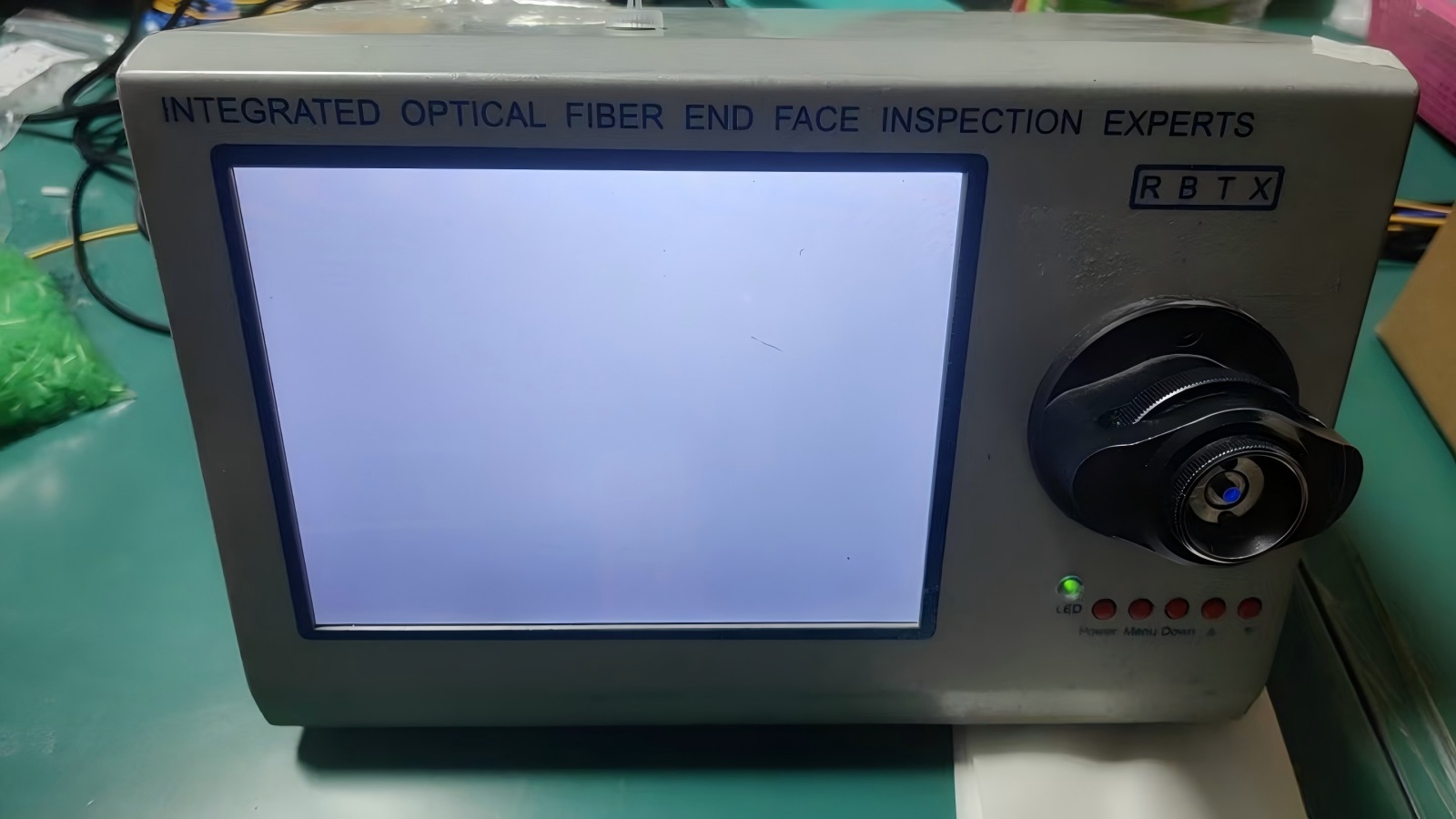
Integrated Optical Fiber End Face Inspection Experts
Optical Fiber End Face Inspection

Ensures the optical mating surfaces are free of scratches, oil, and dust, preventing back reflections and signal degradation.

Using our Damp Heat Alternating Test Chamber and Optical Insertion Loss Tester, we ensure every RJ45 magnetic socket, SFP cage, and optical transceiver conforms to international standards. This rigorous quality process helps Equip-Link maintain a low return rate on high-speed telecom transceivers and network ports shipped globally.

Wired Network Interconnects: Key Technical Applications

Wired network connectors and high-speed cages are designed for specific, targeted networking environments. Understanding these deployment scenarios helps procurement managers choose the right connector type for their systems:

Enterprise Data Centers

Hyperscale cloud architectures rely on SFP28 cages and QSFP+ modules to support high-density leaf-spine networks. Low-profile connectors with integrated light pipes save space and simplify fiber routing.

Industrial Automation & IoT

Harsh factory environments require ruggedized RJ45 modular jacks with integrated magnetics. These connectors shield sensitive systems from electromagnetic interference (EMI) generated by heavy machinery.

Telecom Infrastructure

Telecom backhauls use long-range BiDi SFP28 transceivers (20km to 80km) to transmit high-speed data over a single fiber strand, optimizing outer plant fiber efficiency and reducing deployment costs.

AI Computing Clusters

AI model training and deep learning nodes use high-density 100G QSFP28 modules and press-fit SFP+ cages to achieve the high throughput and low latency required for intensive workloads.

Strategic Global Procurement & Sourcing Guidelines

For international buyers and sourcing agents, choosing the right manufacturer involves assessing more than just the price per unit. When sourcing from China, keep the following performance and design standards in mind:

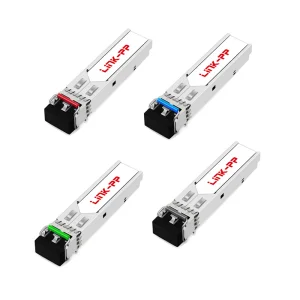
  1. EEPROM Coding & Compatibility: Major networking brands use proprietary encryption on their optical transceivers. The manufacturing partner must offer flexible firmware programming, compatibility coding (supporting platforms like Cisco, Arista, Juniper, and HP), and physical verification to prevent port lockout issues.
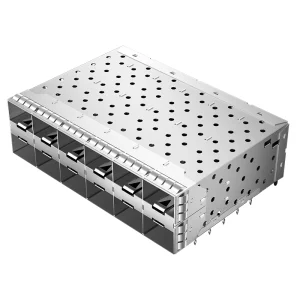
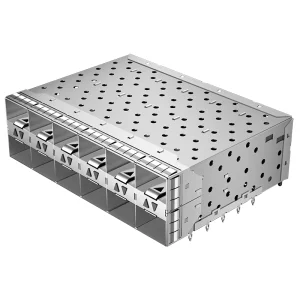
  2. Thermal Dissipation & Design: As connector speeds rise, they generate more heat. Look for multi-port stacked cages (such as 2x6 ports SFP+ cages) designed with ventilation holes and optional integrated heat sinks to prevent thermal degradation.
  3. PoE Compatibility: For copper ports powering peripheral devices (like IP cameras or wireless access points), ensure the integrated magnetics (ICM) are designed to handle PoE, PoE+, or PoE++ current loads without saturating the internal transformer cores.
  4. Compliance Standards: Verify that the manufacturing factory uses RoHS-compliant and lead-free processes to ensure ease of import into Europe and North America.

Strategic Technical Q&A: Wired Network Connectors & transceivers

How do integrated magnetics (ICMs) in RJ45 connectors improve EMI suppression?
Integrated Connector Modules (ICMs) combine the RJ45 physical port with isolation transformers and common-mode chokes in a single shielded housing. Placing the magnetic components directly inside the connector shortens the signal paths, minimizing noise. This design suppresses common-mode electromagnetic interference (EMI) and isolates network devices from power surges or voltage spikes on the Ethernet line.
What are the design differences between standard SFP+ cages and SFP28/ZSFP+ versions?
While SFP+ and SFP28 cages share identical physical outer dimensions, SFP28 interfaces are designed to support higher data speeds (up to 28 Gbps per channel) and require much stricter signal integrity controls. SFP28 cages use high-performance engineering plastics, enhanced EMI shielding springs, and optimized internal routing profiles to minimize crosstalk and insertion loss at high frequencies (up to 14 GHz Nyquist).
Why is the Damp Heat Alternating Test critical for outdoor network equipment?
Outdoor telecommunications cabinets and industrial networking nodes experience rapid changes in temperature and humidity, which can lead to internal condensation. The Damp Heat Alternating Test cycles connectors through high humidity (up to 95% RH) and wide temperature swings (from -40°C to +85°C). This test ensures the materials do not crack, contacts do not corrode, and the signal isolation barrier remains intact over the product lifecycle.
How does optical fiber end-face inspection prevent data packet loss?
Even tiny dust particles or minor scratches on a fiber core's mating surface (often as small as 9 microns for single-mode fiber) can block light signals, causing high return loss and packet transmission errors. By inspecting every fiber end-face under high magnification before final packaging, we ensure clean, defect-free optical transmission paths for reliable high-speed data networks.

Complete High-Speed Interconnect Portfolio

Select from our full line of compatible SFP transceivers, discrete network transformers, and custom SFP cages.