Equip-Link
Equip-Link
Equip-Link
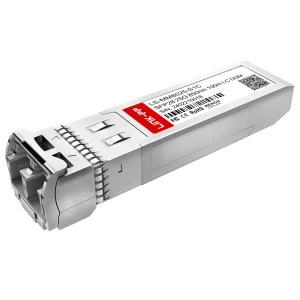
As the digital capital of the Southern Hemisphere, Sydney acts as the primary hub for hyper-scale cloud deployments, enterprise data centers, and trans-Pacific submarine cable terminations across the Australia-Pacific corridor. In recent years, the metropolitan network architecture of New South Wales (NSW) has shifted rapidly from legacy 10G networks to high-density 25G and 32G SFP28 optical infrastructures. This transition is catalyzed by the massive bandwidth requirements of next-generation edge facilities, 5G Open RAN rollouts, and multi-tenant data center environments (such as Equinix, NextDC, and Global Switch).
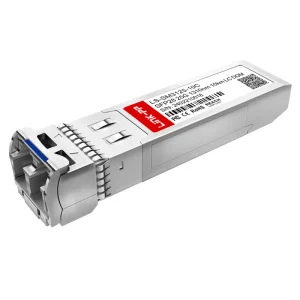
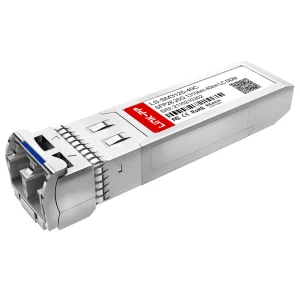
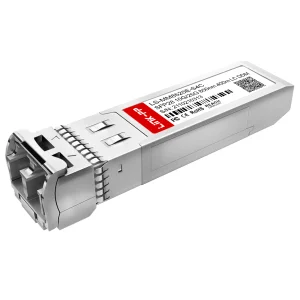
For telecommunication procurement managers, sourcing high-reliability 25G SFP28 Ethernet modules and 32G SFP28 Fibre Channel (FC) optics with localized compatibility encoding is a critical vector for network stability. SFP28 (Small Form-factor Pluggable 28) modules represent the standard form factor for 25Gb/s and 32Gb/s data rates, utilizing a single-channel electrical interface that offers significant power, density, and cost efficiencies compared to older QSFP modules or multiple 10G links.
Founded in 2017, Equip-Link Intelligent Equipment (Shenzhen) Co., Ltd. is a leading manufacturer and supplier of high-performance optical transceivers and fiber optic communication solutions. We specialize in the design, development, production, and global distribution of optical modules for data centers, telecommunications networks, enterprise networking, cloud computing, and AI infrastructure applications.
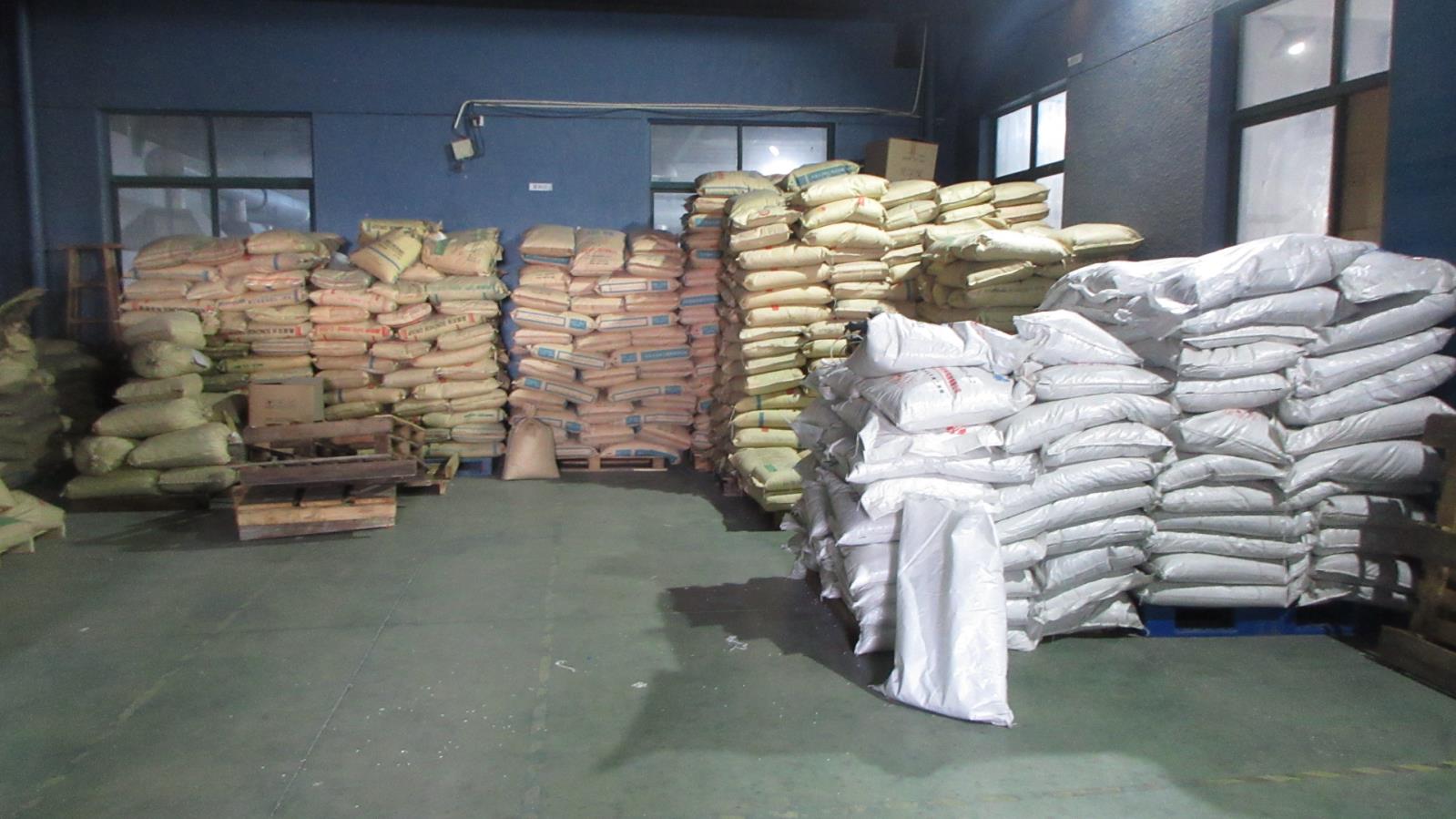
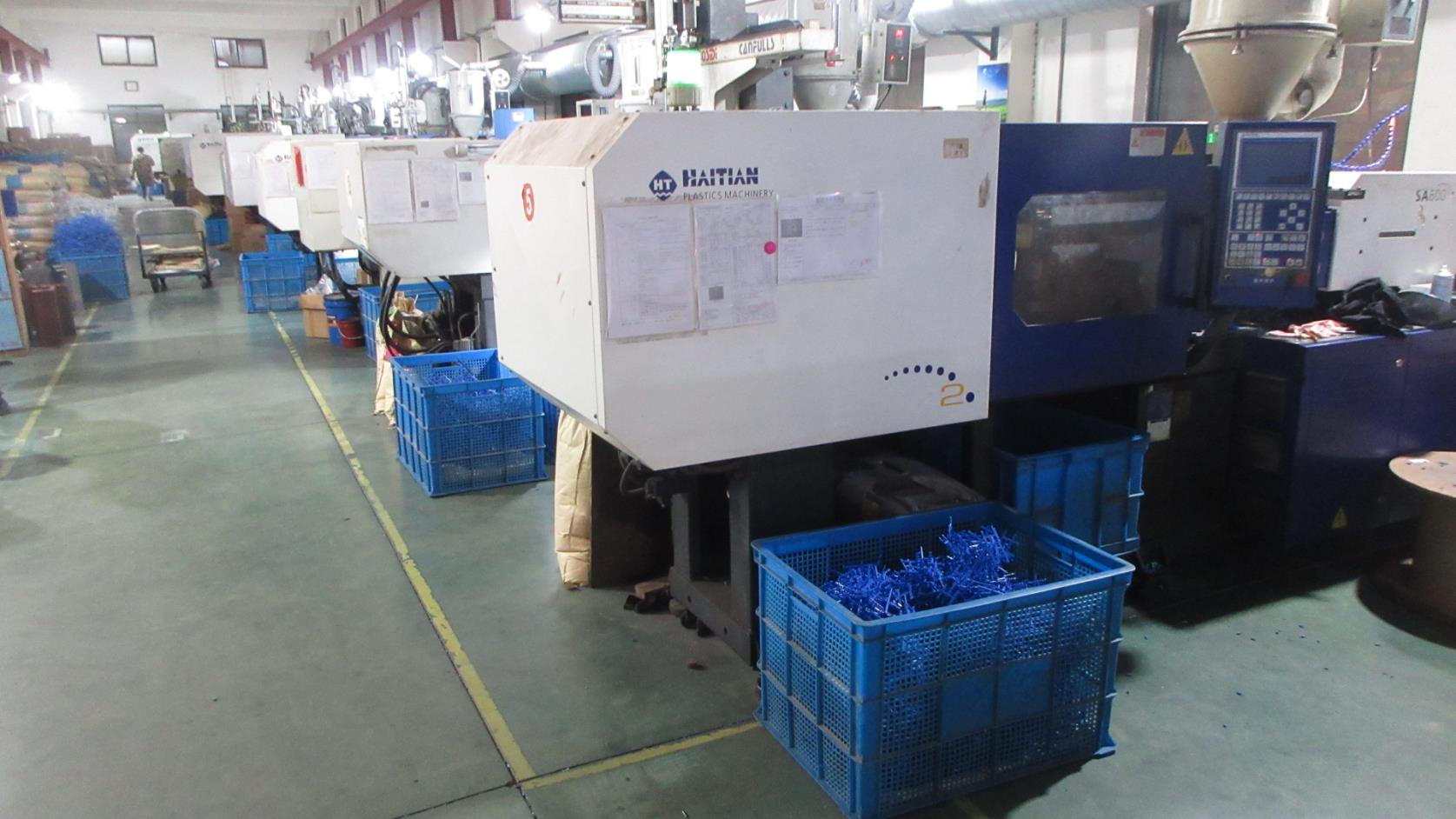
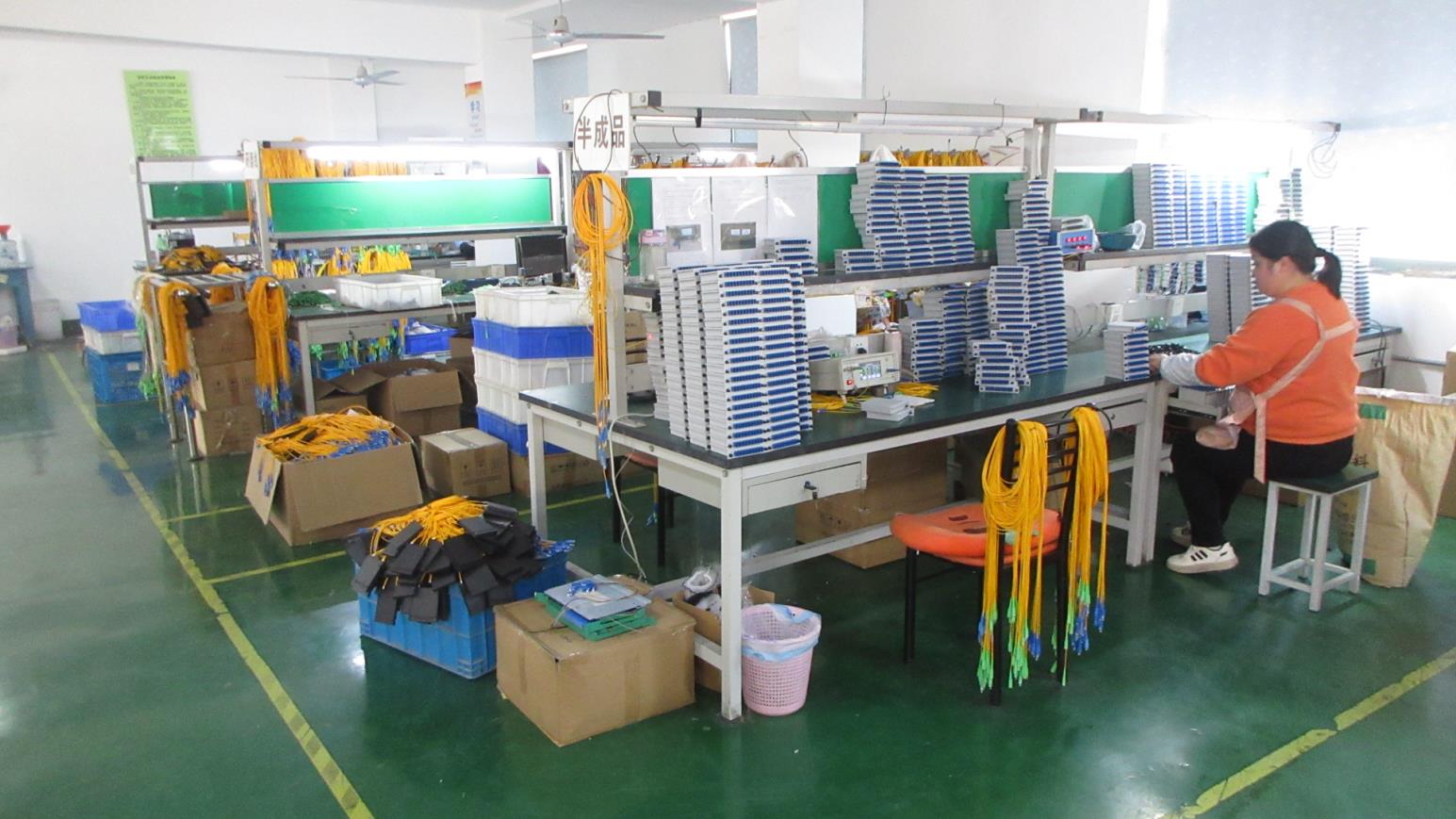
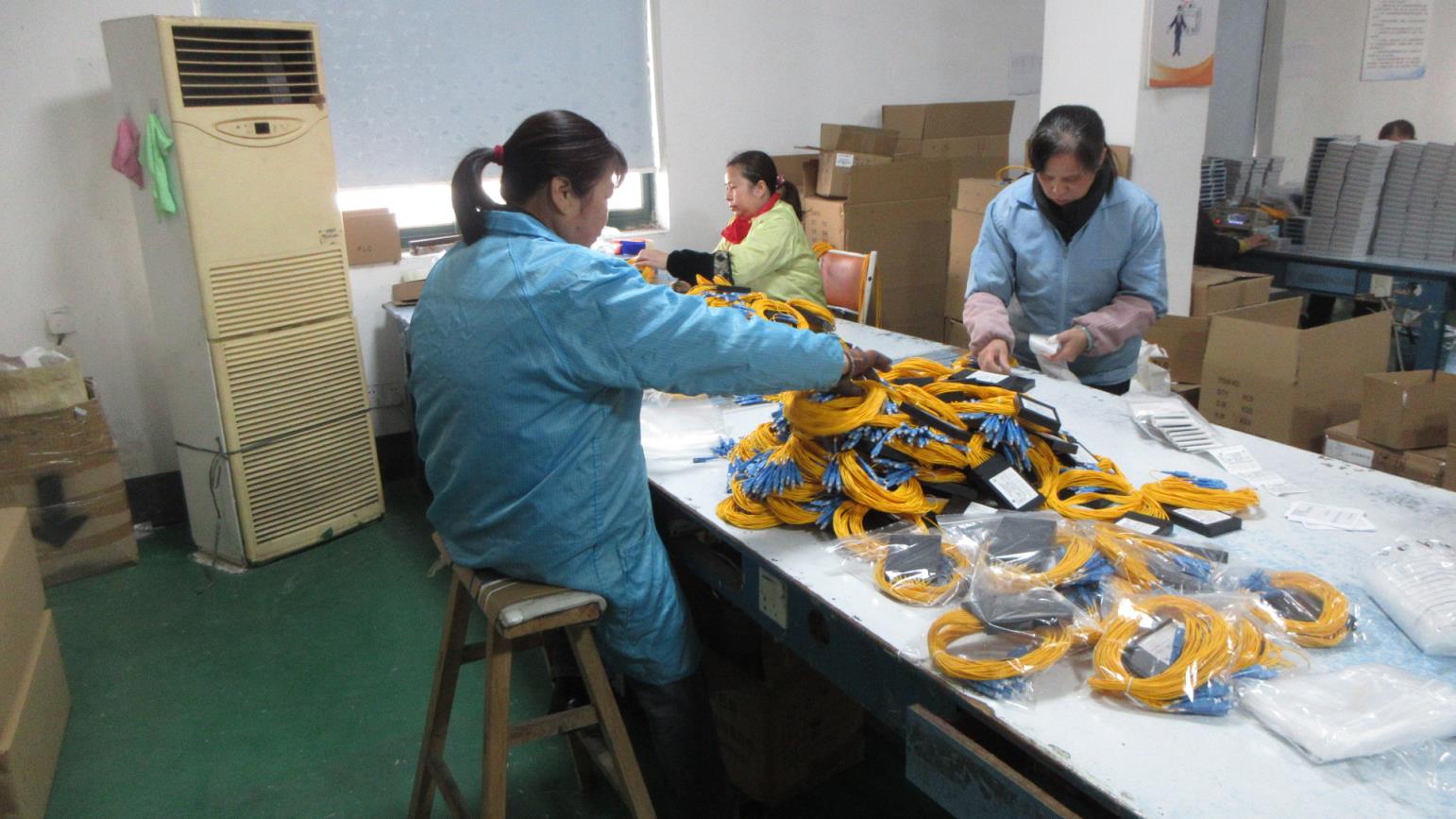
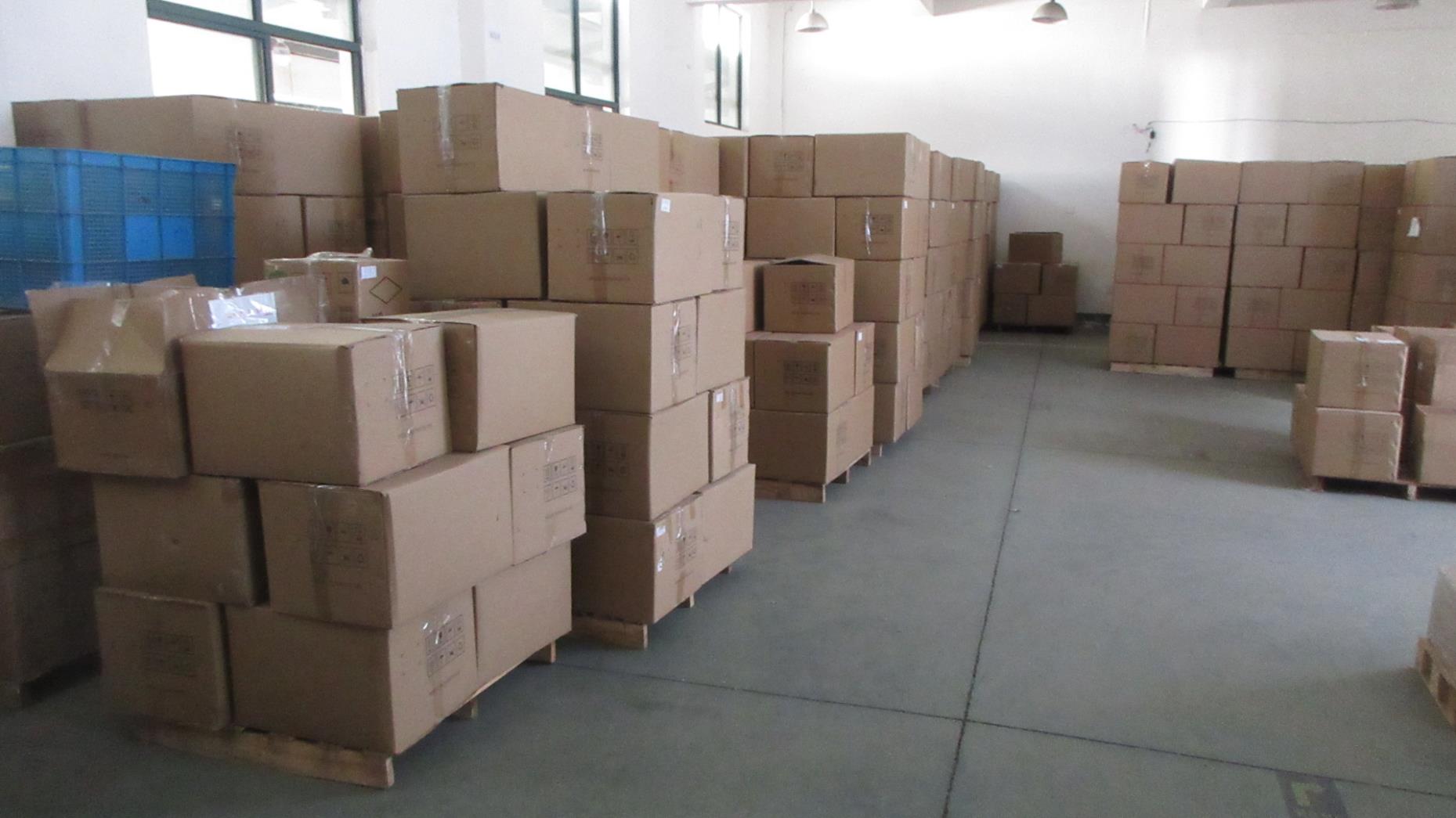
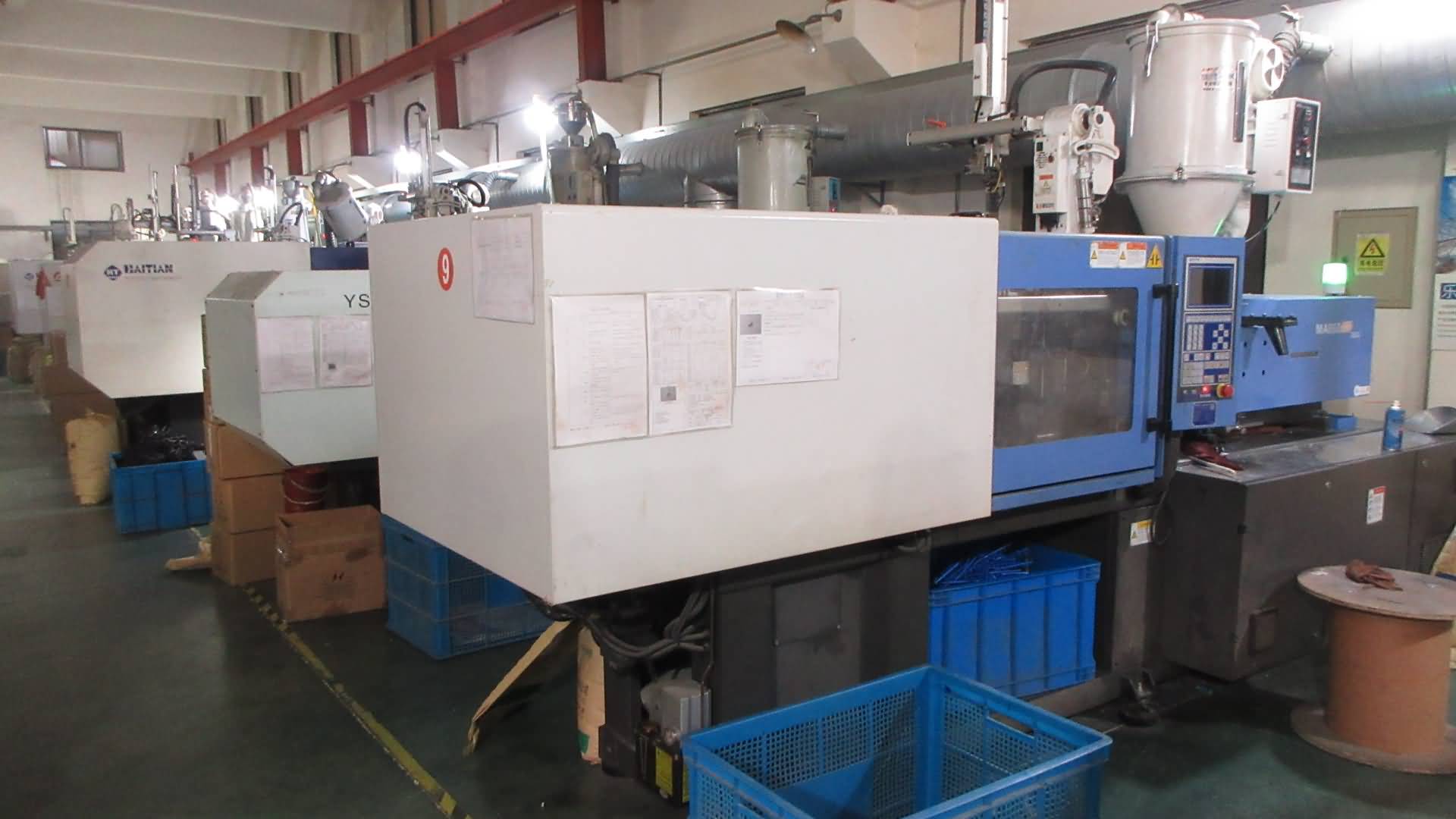
Our modern manufacturing facility covers an area of 380 square meters and is equipped with advanced production and testing equipment to ensure consistent quality and reliable performance. With an annual export revenue exceeding USD 18 million, Equip-Link has established long-term partnerships with customers in more than 50 countries and regions worldwide, including major Australian metropolitan areas like Sydney, Melbourne, and Brisbane.
With 9 years of export experience and 14 years of industry expertise, our team understands the evolving demands of global communication networks and delivers products that meet international standards for performance, compatibility, and reliability. Our major customer groups include telecommunication operators, data center providers, network equipment distributors, system integrators, cloud service providers, and OEM/ODM brands.
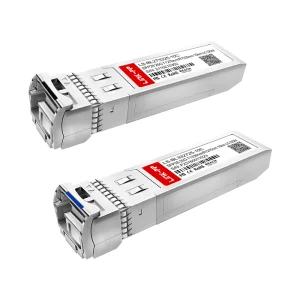
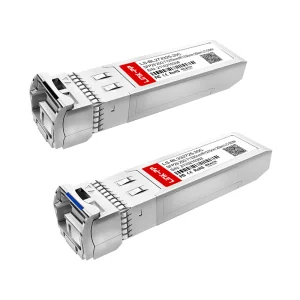
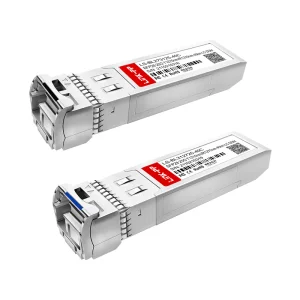
When architecting datacenter fabrics in Sydney, network engineers must differentiate between 25G Ethernet (used primarily for compute node clusters and leaf-spine switches) and 32G Fibre Channel (utilized specifically for high-throughput SAN storage zones). While both modules utilize the physical SFP28 form factor (with identical physical dimensions and electrical pinouts), their internal chipsets, encoding schemes, and optical standards differ:
| Technical Parameters | 25G SFP28 SR / LR | 32G SFP28 Fibre Channel | 10G/25G Dual-Rate SFP28 |
|---|---|---|---|
| Standard Line Rate | 25.78125 Gbps | 28.05 Gbps | 10.3125 / 25.78125 Gbps |
| Transmission Mode | IEEE 802.3by / 802.3cc | FC-PI-6 (32GFC) | IEEE 802.3ae / 802.3by |
| Wavelength Options | 850nm / 1310nm / CWDM / DWDM | 850nm (MMF) / 1310nm (SMF) | 850nm (Multi-mode MMF) |
| Forward Error Correction (FEC) | Supported (FC-FEC / RS-FEC) | Supported (Transmitter FEC) | Configurable depending on rate |
| Compatibility Modes | Cisco, Arista, Juniper, Mellanox | Brocade, Cisco MDS, HPE, Dell | Backward compatible to 10G SFP+ |
Quality is at the core of everything we do. We implement a comprehensive quality management system supported by incoming material inspection, in-process quality control, and final product testing. Every product undergoes rigorous testing using advanced optical and network performance analyzers before shipment. Our dedicated quality assurance team consists of 36 experienced inspectors who ensure that every product meets customer requirements and industry specifications.
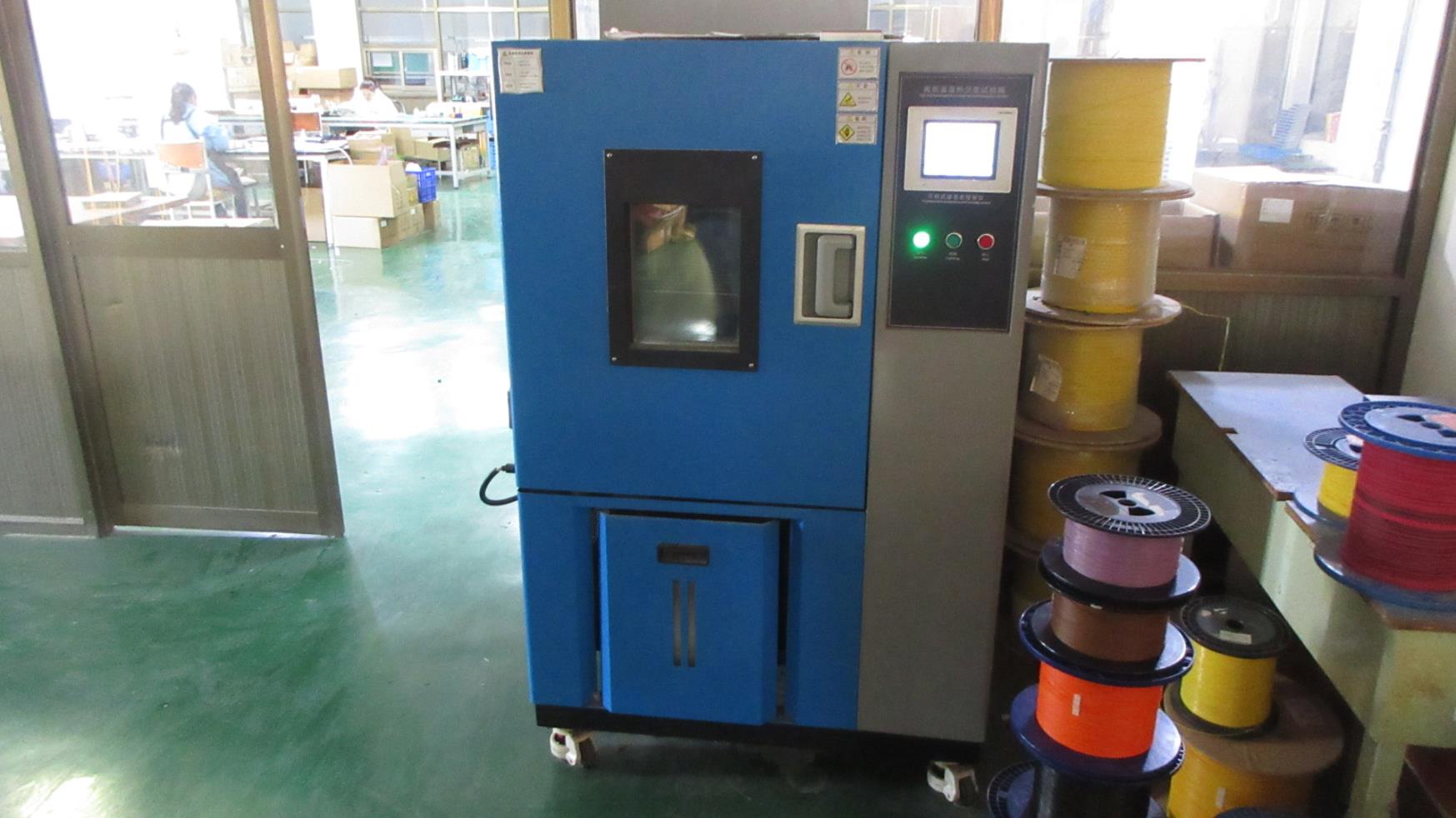
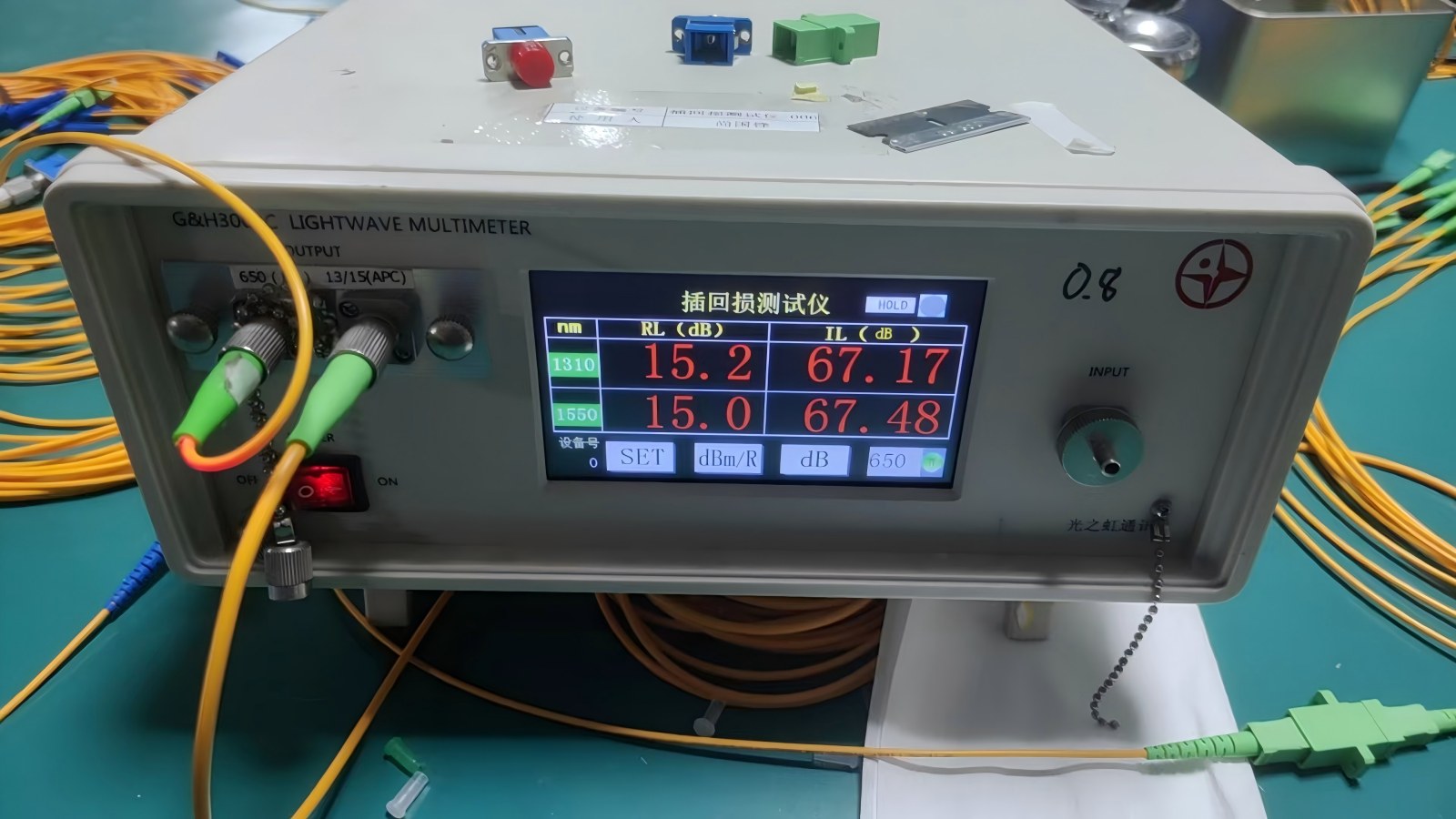
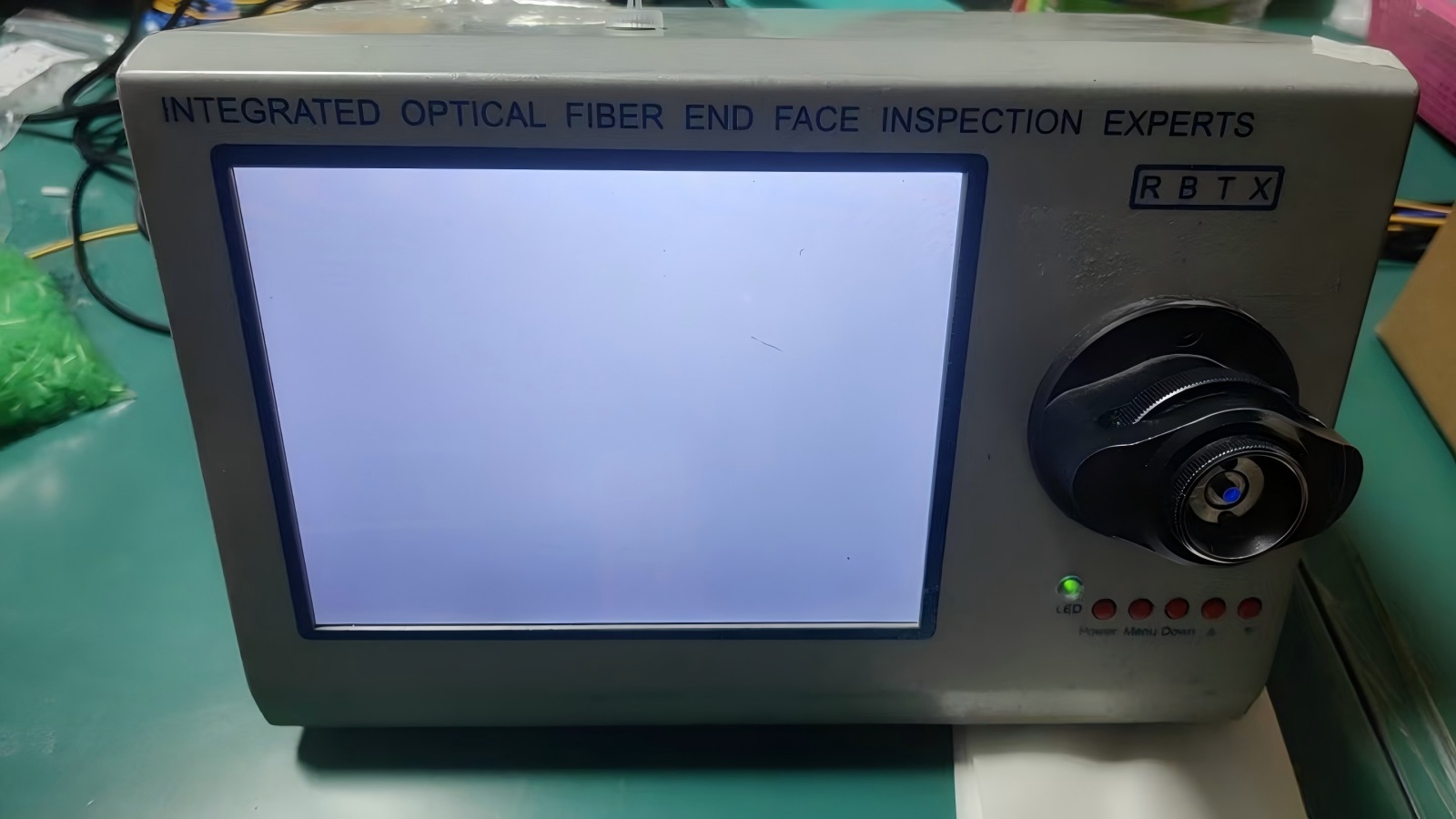
To meet the stringent standards of Australian network environments (including compliance requirements set by the Australian Communications and Media Authority - ACMA), all transceivers undergo a set of extreme environments simulated protocols:
The architectural layout of Sydney's enterprise datacenters commonly features a spine-leaf topology, where servers are populated with 25G SFP28 network interface cards (NICs) connected to Leaf switches. The uplink from Leaf to Spine switches is subsequently aggregated into 100G (4x25G) QSFP28 or 400G (8x50G PAM4) interconnect channels.
Investing in high-reliability 25G SFP28 modules guarantees a smooth migration path. Dual-rate 10G/25G SFP28 optical modules are particularly valuable, as they allow administrators to run servers at 10G rates legacy speed today, and remotely execute speed upgrades to 25G without physically replacing the optical transceivers or altering the multimode fiber (OM3/OM4) cabling.