Equip-Link
Equip-Link
Equip-Link
High-reliability modular jacks, Magjacks, and optical transceiver components engineered for maximum signal integrity.
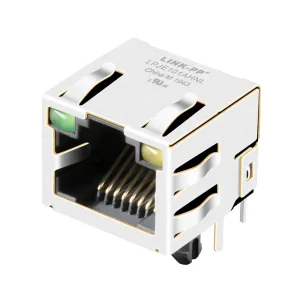
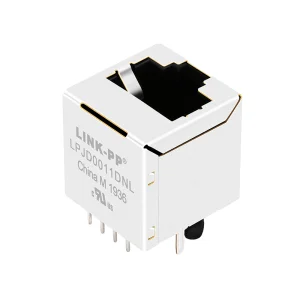
In an era dominated by cloud computing, multi-gigabit Ethernet deployments, and edge data networks, the physical layer infrastructure remains the bedrock of operational continuity. The RJ45 Keystone Jack is no longer viewed as a commodity connector; rather, it is a precision-engineered interface designed to mitigate high-frequency signal attenuation, near-end crosstalk (NEXT), and return loss.
As networks transition from Gigabit Ethernet to advanced 10GBASE-T (Cat6A) and 40GBASE-T (Cat8) architectures, structural parameters such as PCB compensation networks inside the connector body, gold-plating integrity on spring contacts, and electromagnetic shielding efficiency (EMI/RFI protection) define the overall channel reliability. Equip-Link stands at the intersection of high-precision electronic manufacturing and advanced fiber-optic system engineering, delivering robust hardware that meets and exceeds ANSI/TIA-568.2-D and ISO/IEC 11801 transmission performance criteria.
The global demand for high-speed Ethernet connectivity components is expanding rapidly, fueled by several overarching macroeconomic drivers. The rapid penetration of Internet of Things (IoT) technologies in smart commercial offices, automation networks across manufacturing floors, and the deployment of 5G small cells has driven the requirement for resilient, high-power PoE (Power over Ethernet) systems.
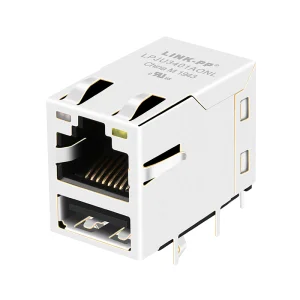
Modern RJ45 components must endure high-current operations. Standard PoE++ applications (IEEE 802.3bt Type 4) supply up to 90W–100W of DC power over four copper pairs. When connectors are mated or unmated under load, electrical arcing occurs, which can damage the delicate gold plating on contact pins. Specialized, factory-certified keystone designs implement offset contact geometry to ensure that any arcing damage occurs far from the critical transmission contact point, maintaining channel resistance and integrity over thousands of cycles.
Our lean manufacturing process implements strict quality gates from high-grade raw polymer formulation to final optical & network performance validation.

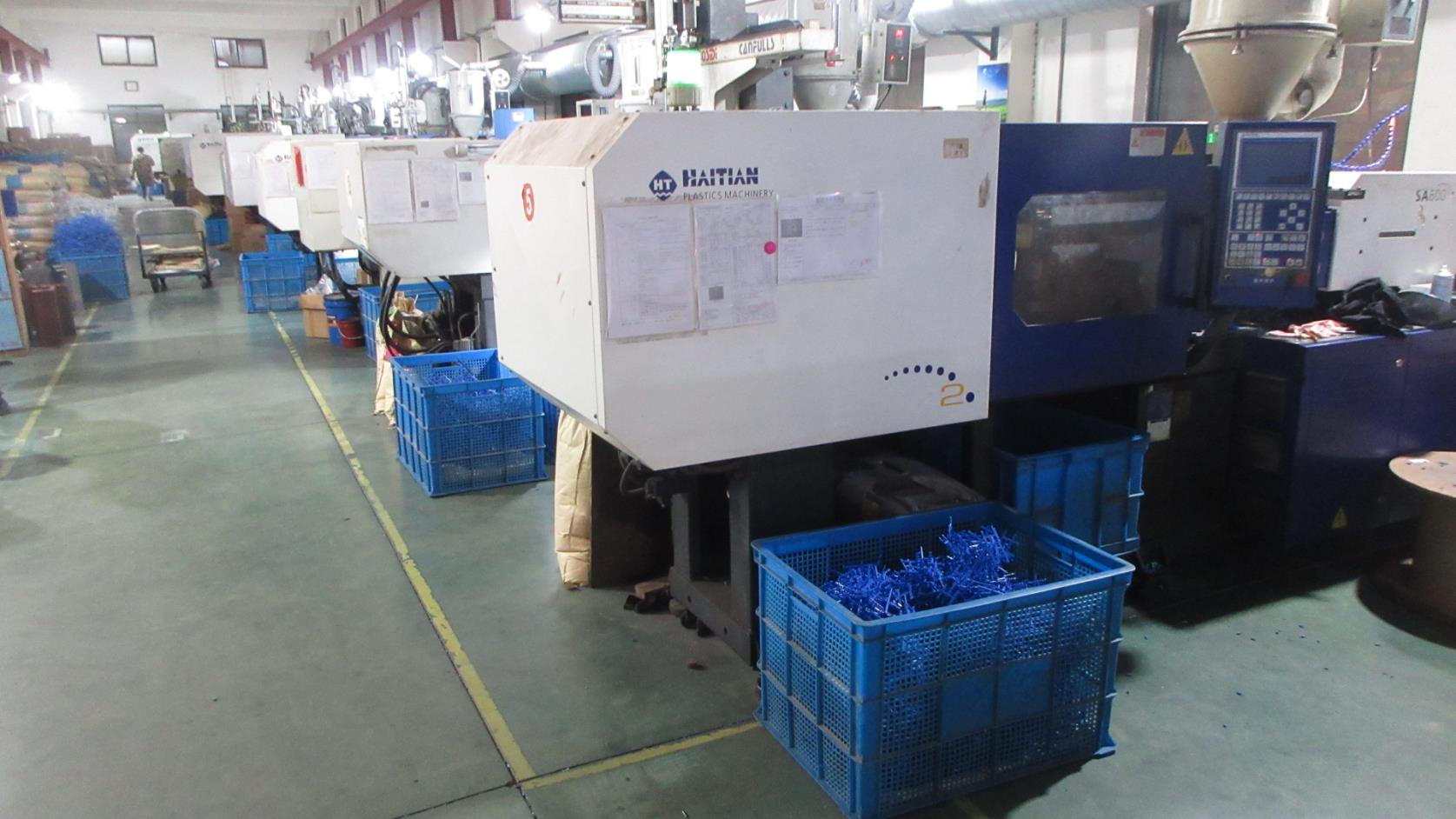
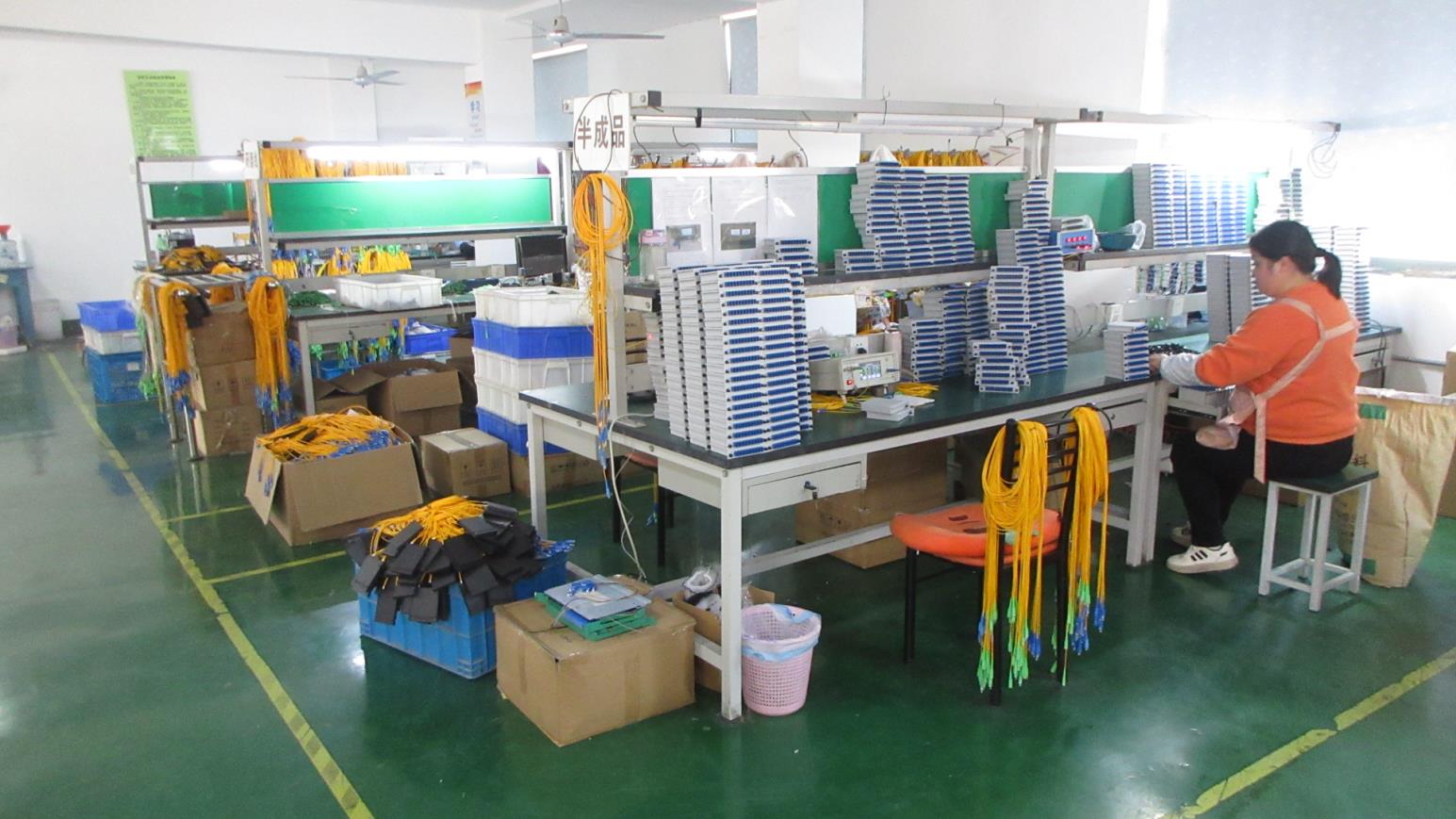
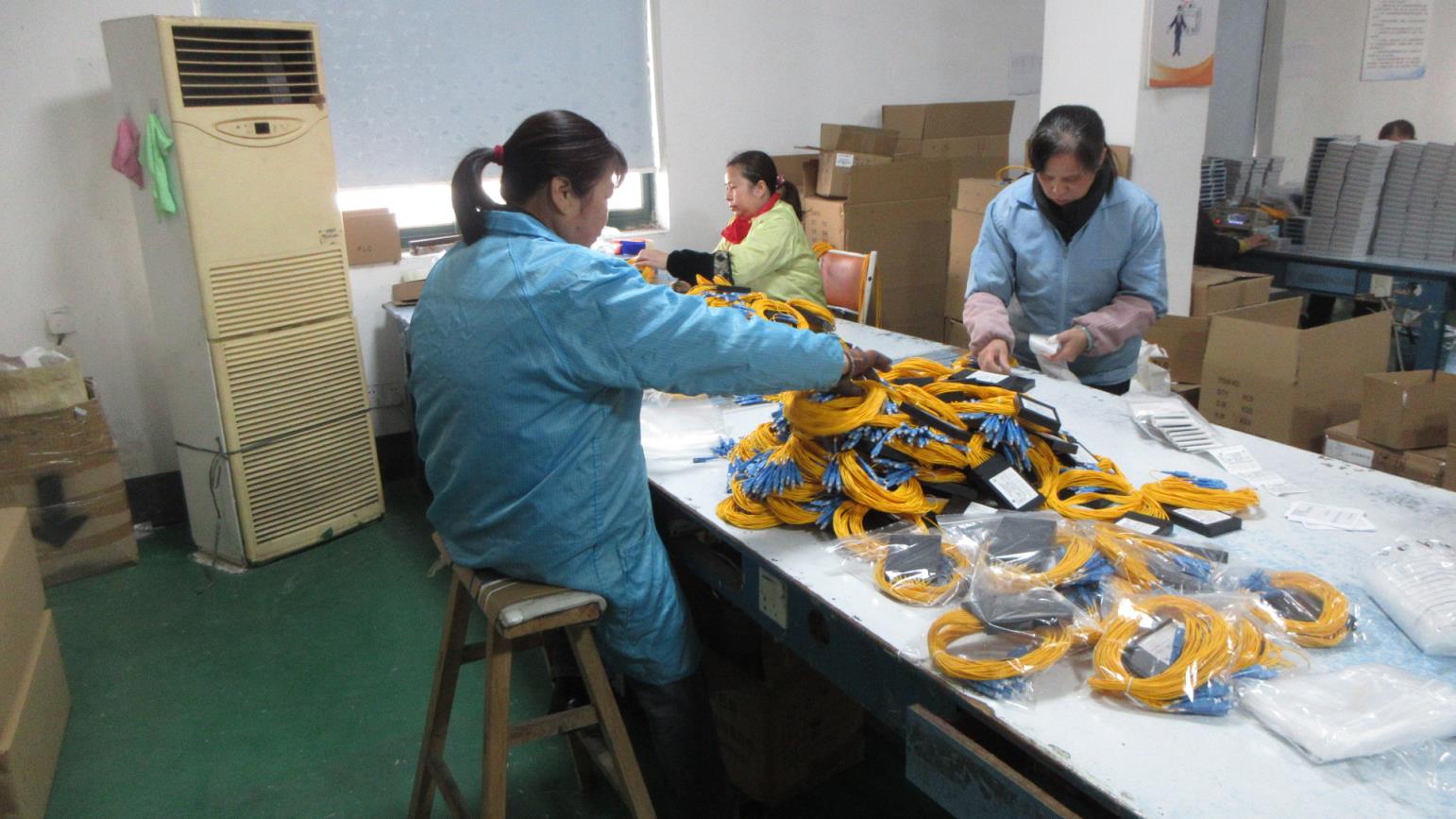

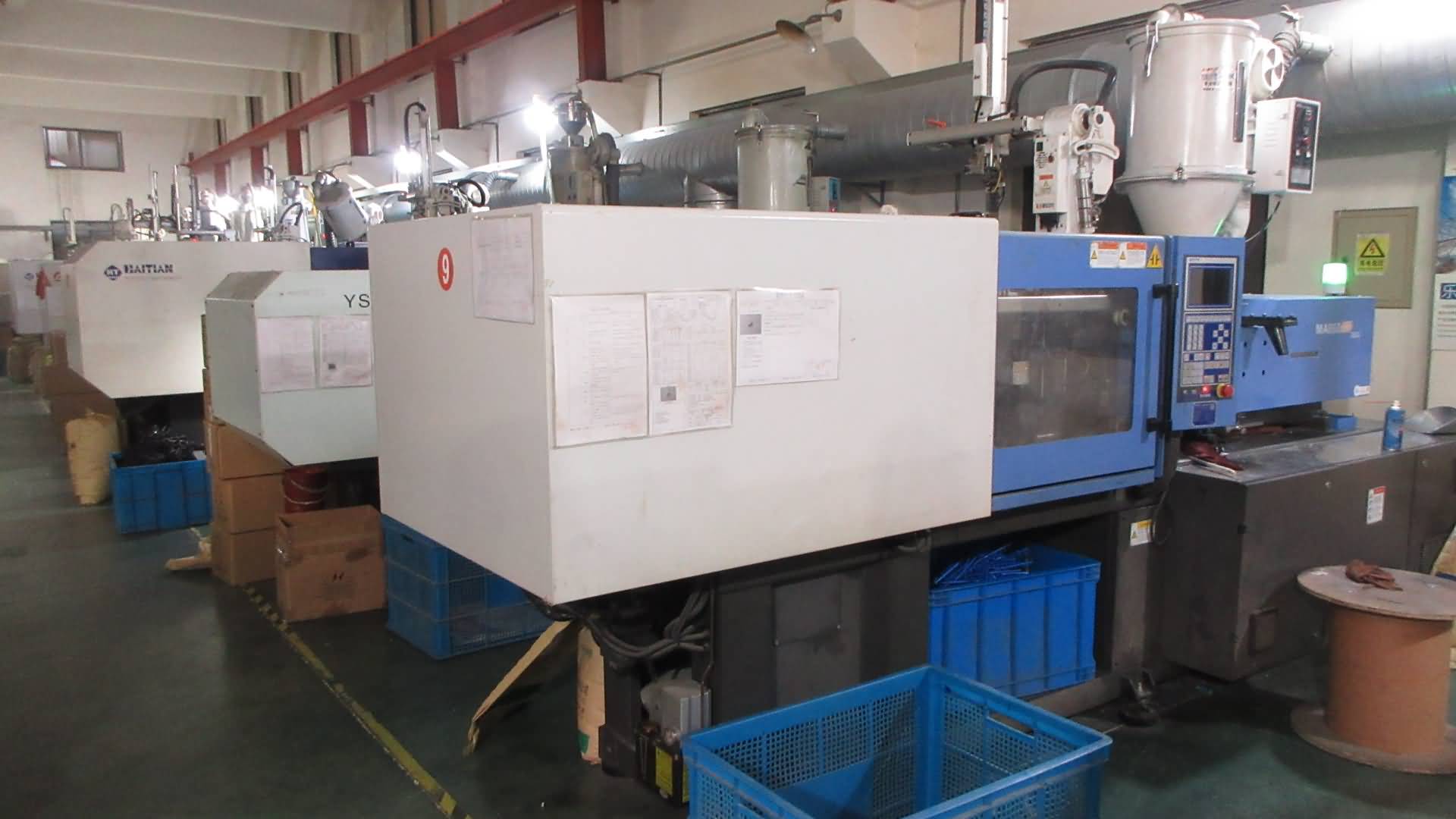
Founded in 2017, Equip-Link Intelligent Equipment (Shenzhen) Co., Ltd. has established itself as an authoritative leader in high-performance optical transceivers, copper structured cabling modules, and fiber optic communication systems. Centered in the global electronics manufacturing capital of Shenzhen, China, we operate an advanced facility dedicated to high-precision design, production, and quality control. Our facility utilizes precision injection molding machines, automated pin-insertion stations, and custom assembly tooling to produce high-durability networking components.
Equip-Link serves a diverse global client base, boasting 9 years of export experience and 14 years of industry expertise. Our global supply network yields an annual export revenue exceeding USD 18 million, shipping high-specification networking components to over 50 countries across North America, Europe, Southeast Asia, the Middle East, and South America. Backed by an extensive logistics network and more than 1,280 qualified suppliers, we ensure stable production lead times even during global component shortages.
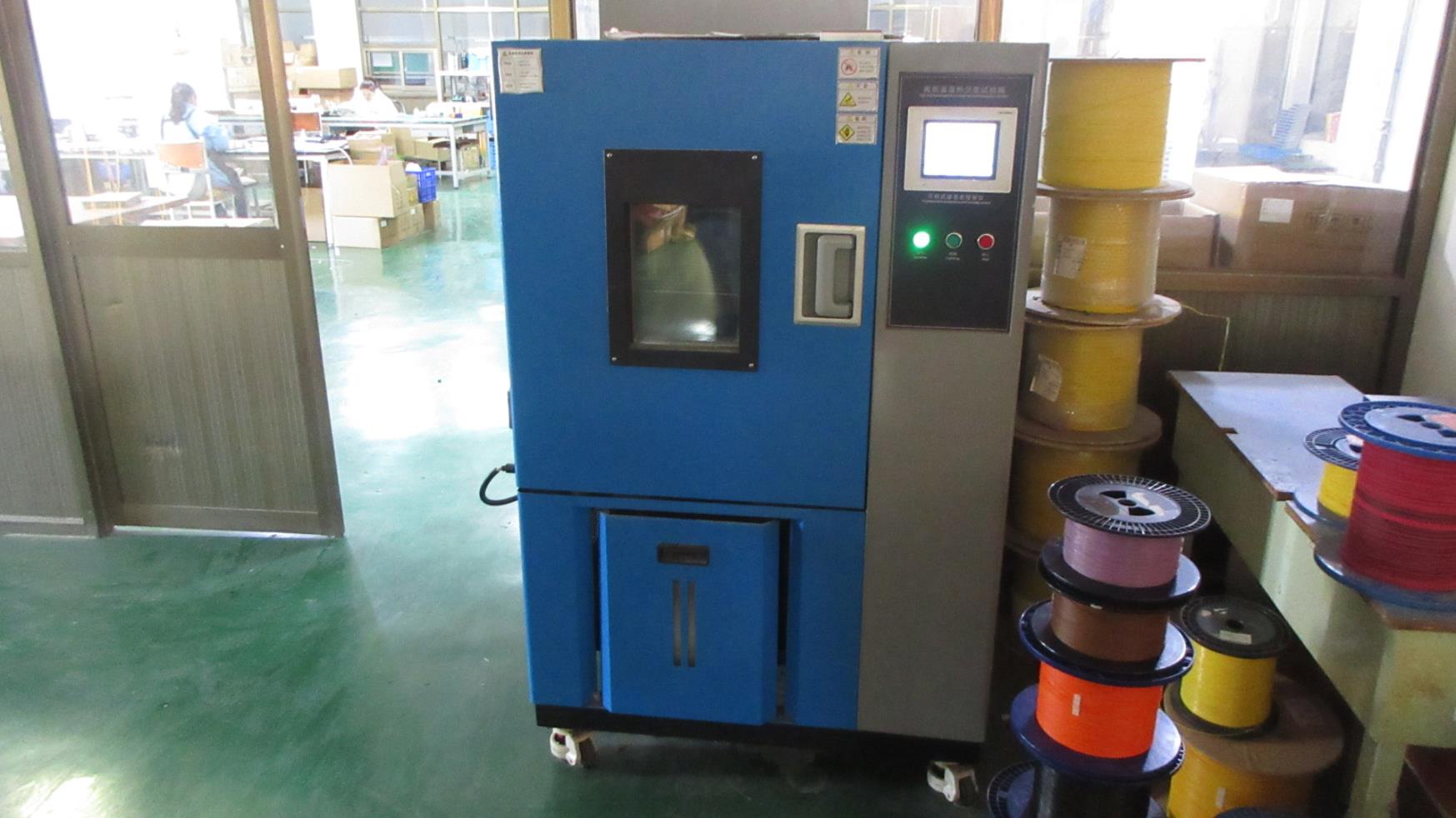
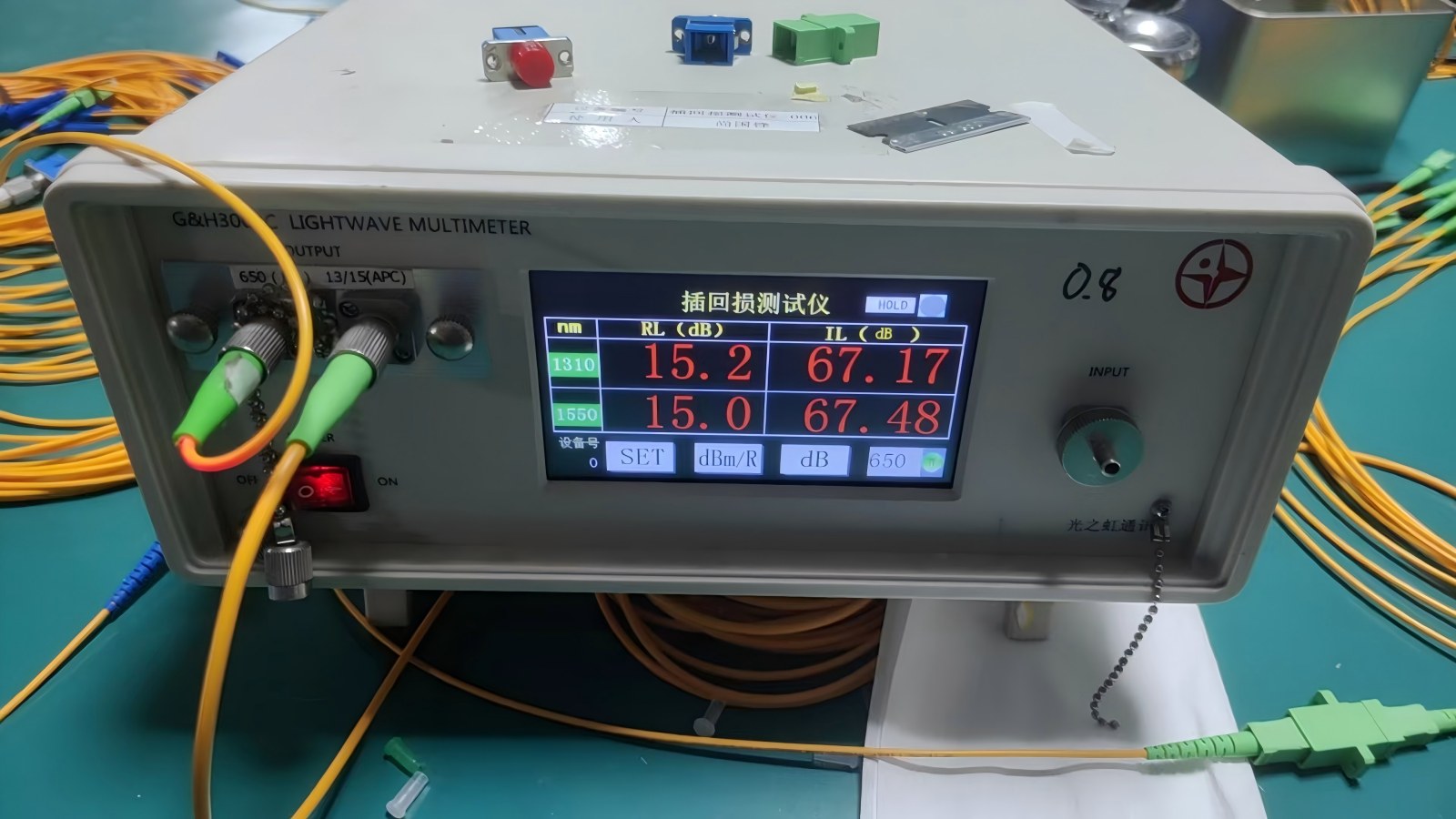
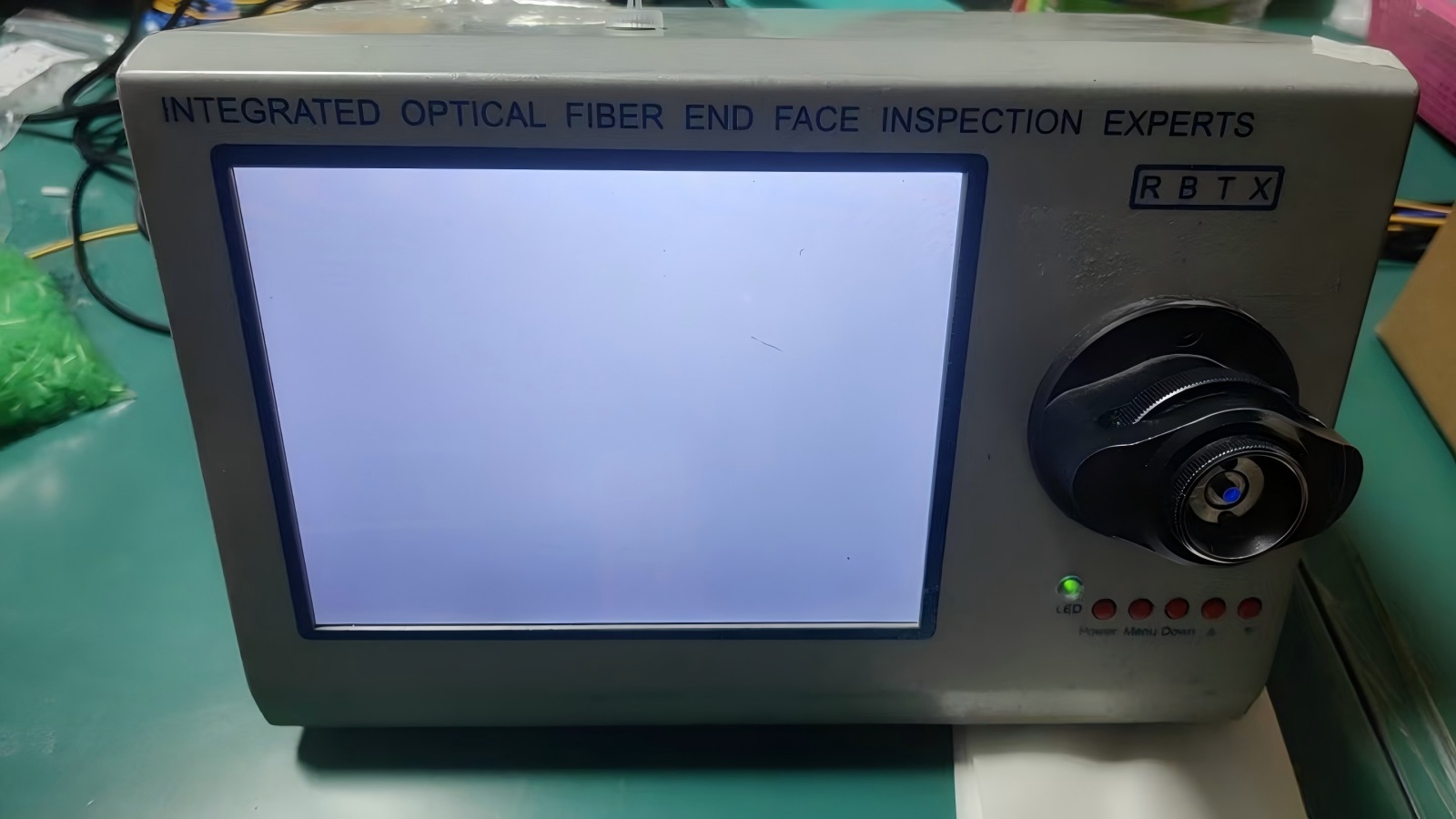
Quality assurance at Equip-Link is an integrated, systematic discipline. Our dedicated Quality Assurance team consists of 36 experienced inspectors who enforce rigorous quality controls, including incoming material inspection (IQC), in-process quality control (IPQC), and 100% final testing before shipping.
Every batch of RJ45 Keystone Jacks and optical transceivers undergoes rigorous testing. This includes structural dimension validation, contact resistance verification, insertion force measurements, and electrical performance tests using advanced vector network analyzers (VNAs). Environmental resistance is verified through cycle tests in our High and Low Temperature Damp Heat Alternating Test Chamber. This ensures our jacks retain their structural stability and electrical properties in environments ranging from freezing conditions to high-temperature data center hot aisles.
The copper networking industry continues to advance, pushing the limits of Category 6A, Category 7, and Category 8 standards. Modern keystone jacks must be engineered to minimize internal crosstalk. At high frequencies—such as the 500 MHz required for Cat6A or the 2000 MHz required for Cat8—the copper contact pins inside the jack behave like tiny transmitters and antennas, generating electromagnetic noise.
Equip-Link address this challenge by incorporating high-performance, multilayer PCBs (Printed Circuit Boards) directly inside the connector housing. These internal PCBs feature compensation capacitance networks that counteract crosstalk. They also ensure clean signal transition from the twisted pairs of the horizontal cable to the RJ45 contact pins.
| Category Specification | Bandwidth (MHz) | Maximum Data Rate | Standard Shielding Requirement | Common Industrial Applications |
|---|---|---|---|---|
| Category 5e | 100 MHz | 1 Gbps | UTP (Unshielded) | Legacy networks, home networking, and basic analog PoE surveillance. |
| Category 6 | 250 MHz | 1 Gbps (10 Gbps up to 37-55m) | UTP or FTP (Foil Shielded) | Standard enterprise offices and corporate networks. |
| Category 6A | 500 MHz | 10 Gbps (up to 100m) | UTP or STP (Shielded) | Modern data center backbones, server rooms, and medical imaging systems. |
| Category 8 | 2000 MHz | 25 Gbps / 40 Gbps (up to 30m) | STP (Fully Shielded) | Top-of-Rack data center switch-to-server interconnect paths. |
Looking forward, the industry is moving toward toolless termination designs. Traditional punch-down jacks require an installer to use a 110 or Krone tool to force each conductor into the insulation displacement contact (IDC) slot. This process can be physically demanding and prone to human error. Toolless RJ45 keystone jacks integrate a hinged butterfly wings design that uses manual compression to terminate all eight conductors simultaneously. This ensures uniform contact pressure, reduces termination time by up to 50%, and guarantees consistent electrical contact resistance.
Additionally, single-pair Ethernet (SPE) is emerging as a major trend in building automation. By transmitting data and power (PoDL - Power over Data Line) over a single pair of twisted copper wire, SPE reduces installation costs and weight for sensor-level applications. This technology bridges the gap between legacy RJ45 installations and lightweight fieldbus networks.
Engineered connectivity architectures configured for specific commercial and environmental conditions.
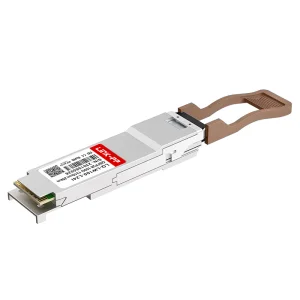
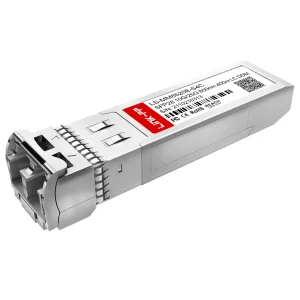
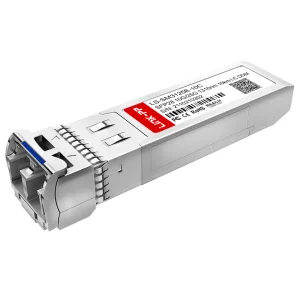
Featuring ultra-high-density Cat6A patch panel arrays and low insertion loss SFP28/QSFP28 transceiver modules. Optimized for high thermal dissipation and minimum cabinet footprint.
Designed for heavy industrial machinery installations. Uses die-cast zinc alloy keystone housings with 360-degree shielding to protect networks from heavy motor EMI/RFI noise.
Ensures clean signal paths for high-definition diagnostic imaging data transfer. Meets all stringent electromagnetic emissions standards required in hospital environments.
Answers to common structural cabling design, engineering, and manufacturing questions.
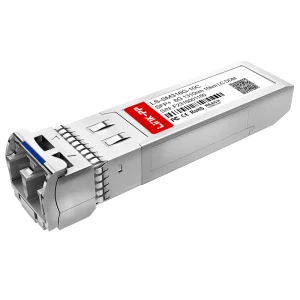
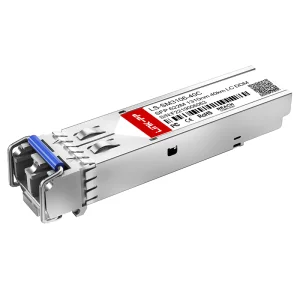
High-speed active transceivers and modular connectors built to meet strict telecom and data center specifications.