Equip-Link
Equip-Link
Equip-Link
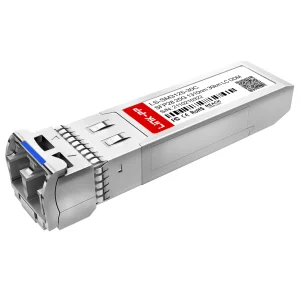
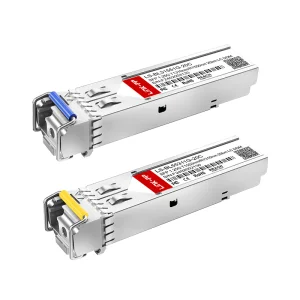
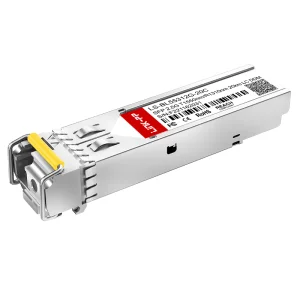
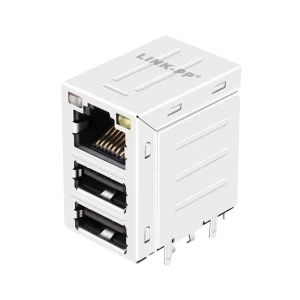
Founded in 2017, Equip-Link Intelligent Equipment (Shenzhen) Co., Ltd. is a leading manufacturer and supplier of high-performance optical transceivers and fiber optic communication solutions. We specialize in the design, development, production, and global distribution of optical modules for data centers, telecommunications networks, enterprise networking, cloud computing, and AI infrastructure applications.
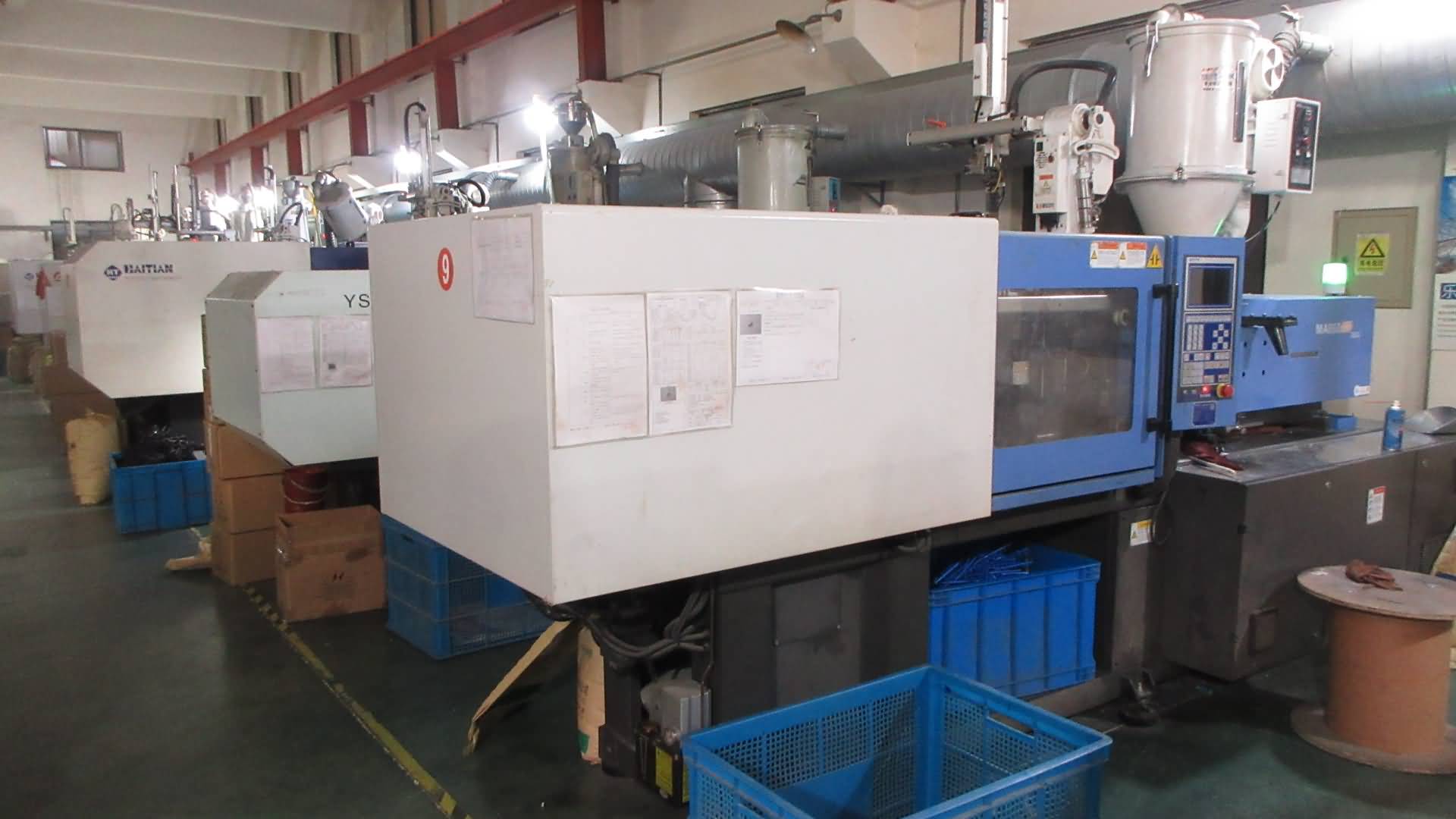
Our modern manufacturing facility covers an area of 380 square meters and is equipped with advanced production and testing equipment to ensure consistent quality and reliable performance. With an annual export revenue exceeding USD 18 million, Equip-Link has established long-term partnerships with customers in more than 50 countries and regions worldwide.

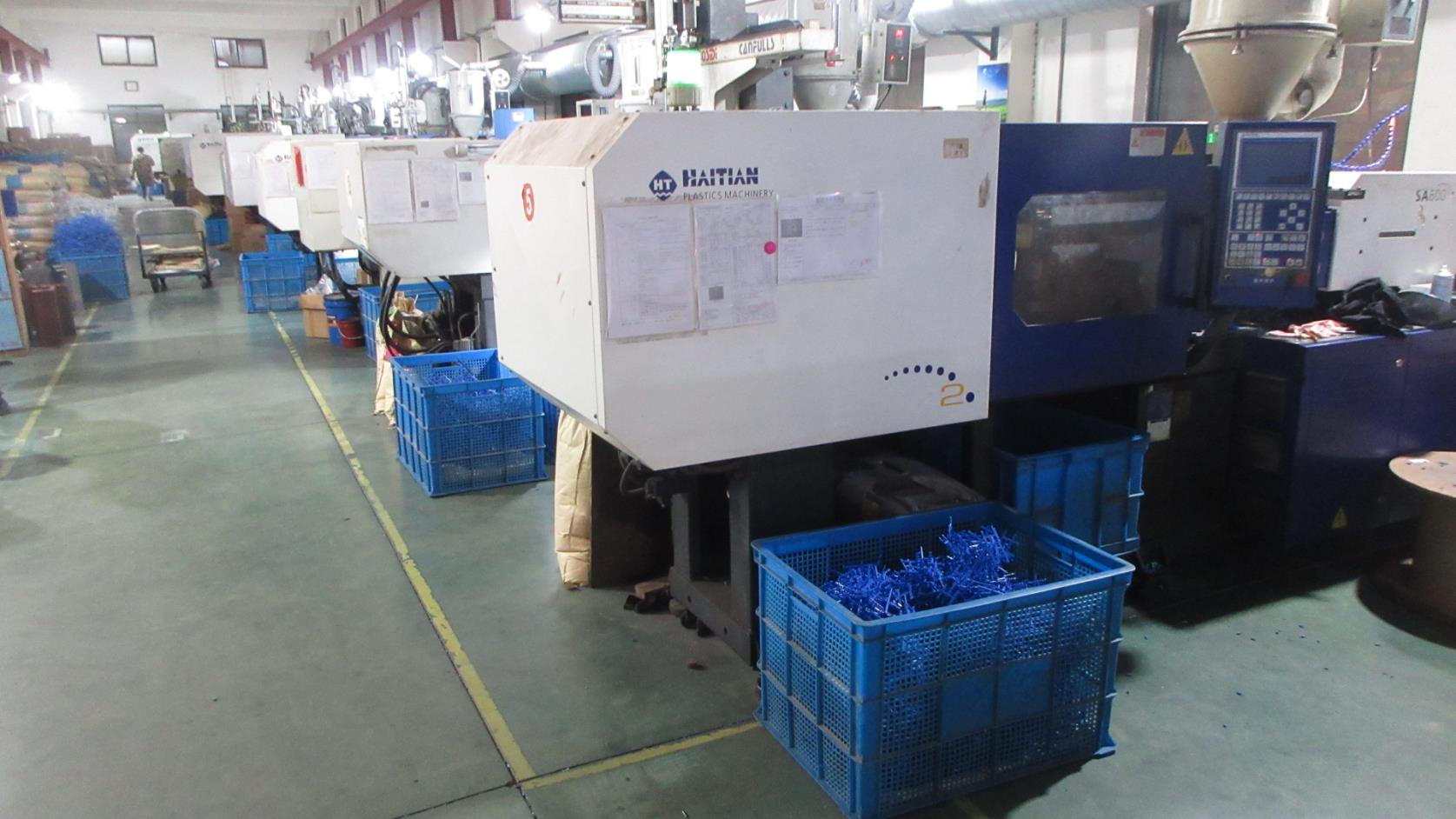
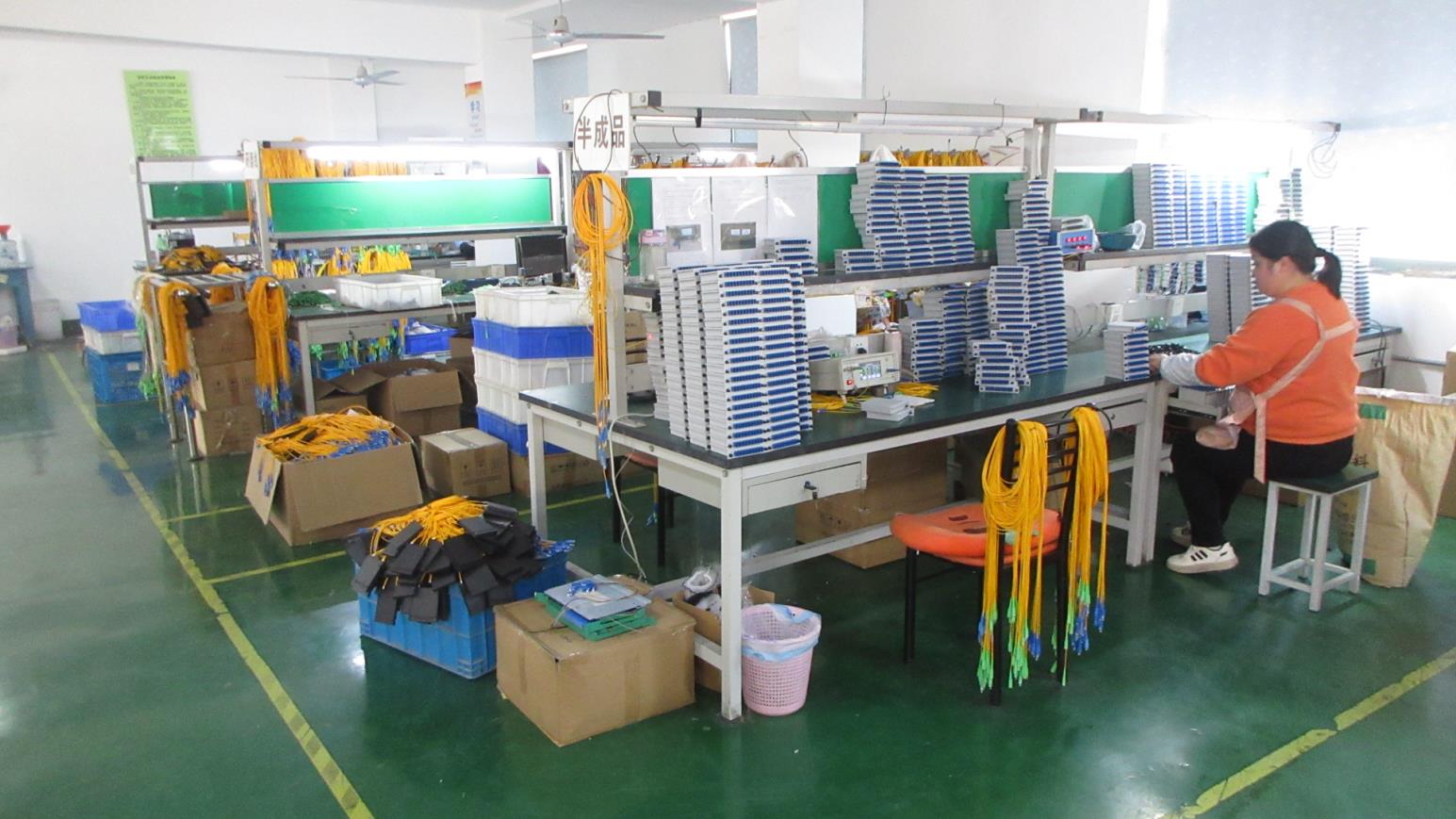
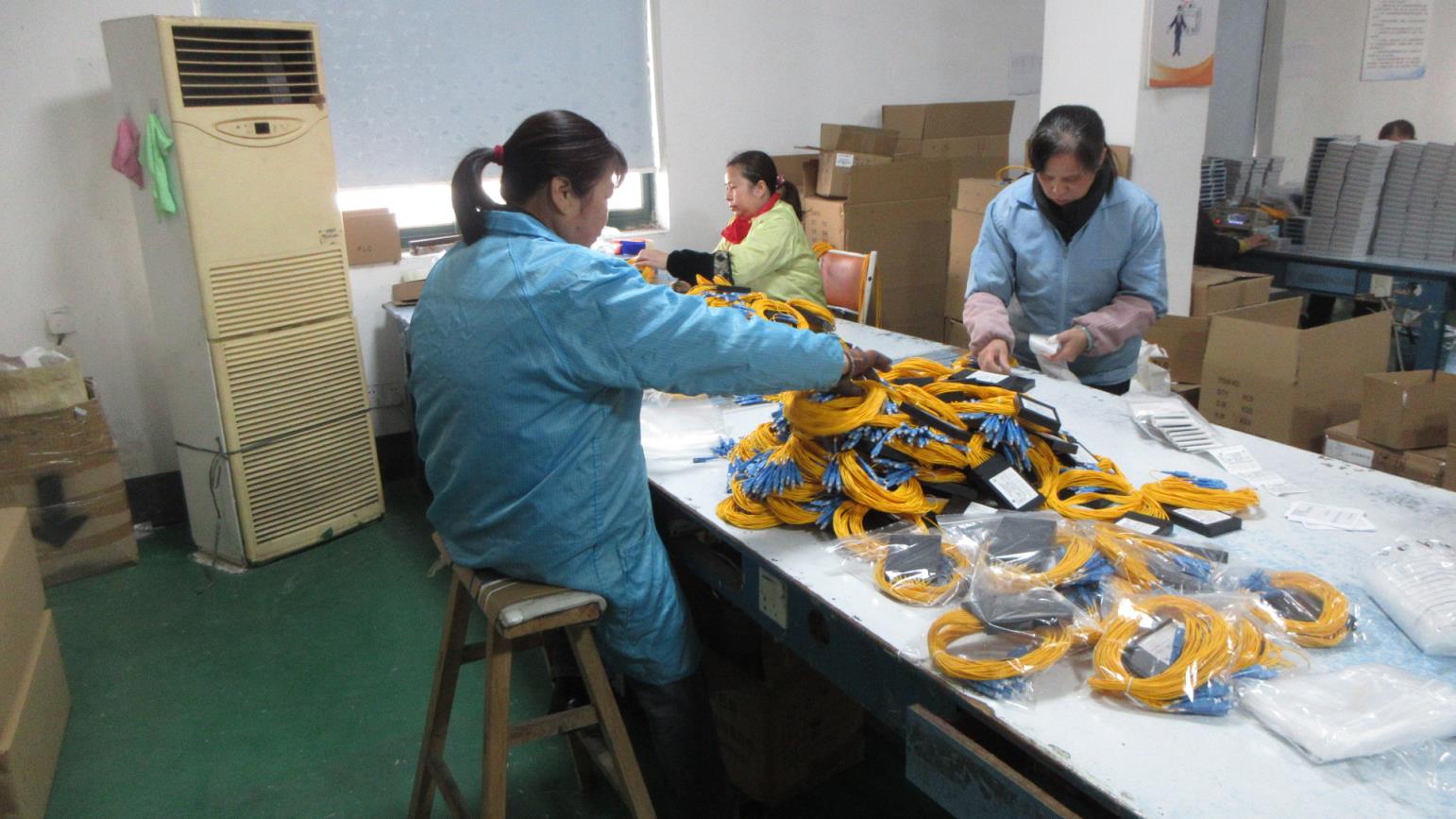
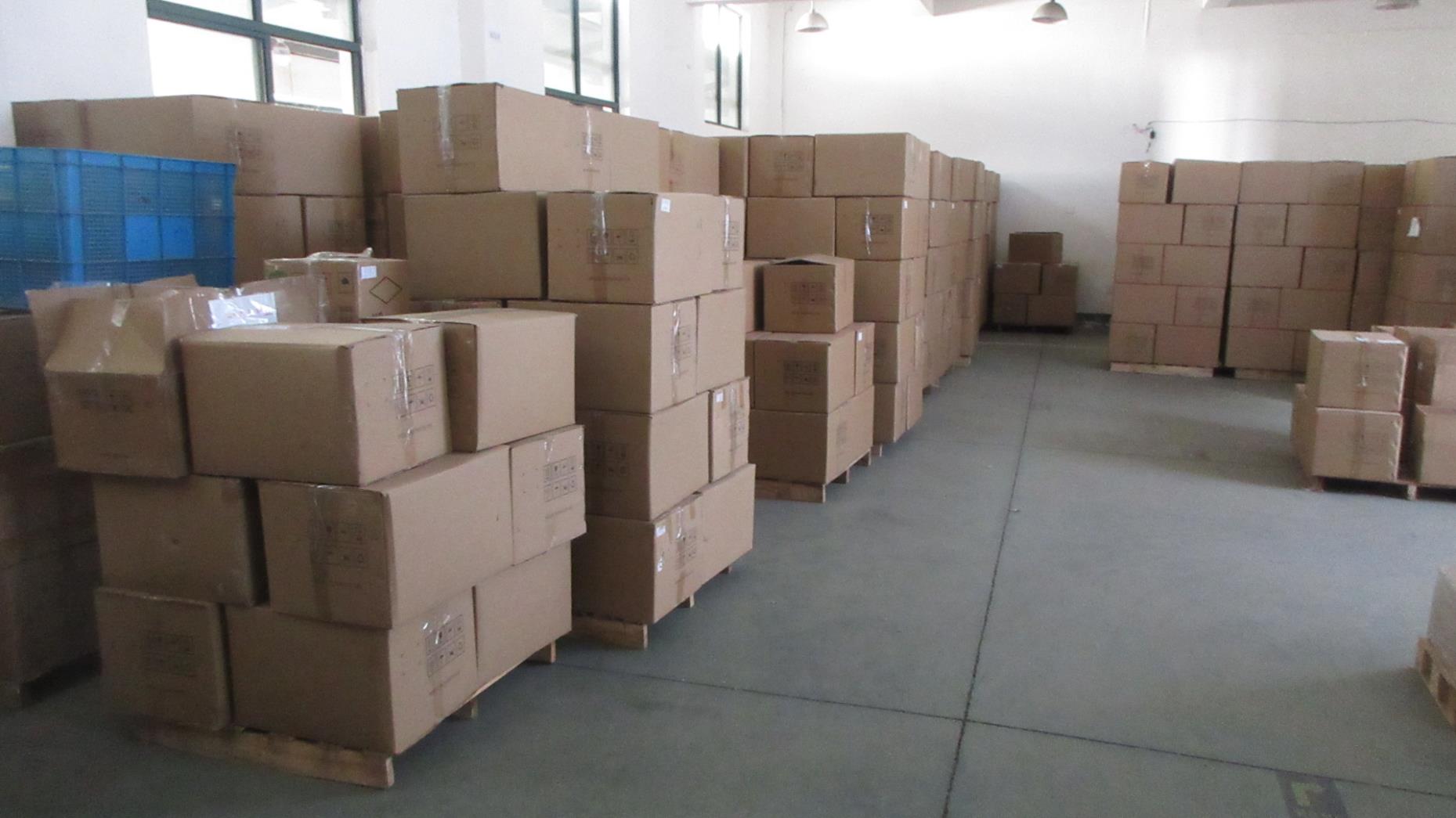
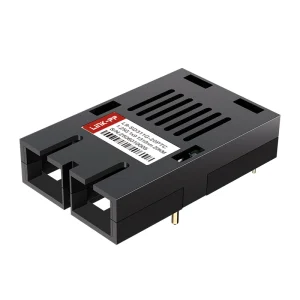
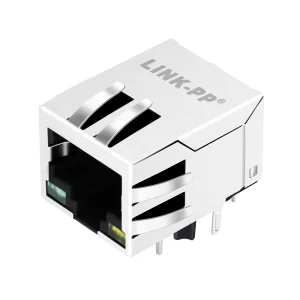
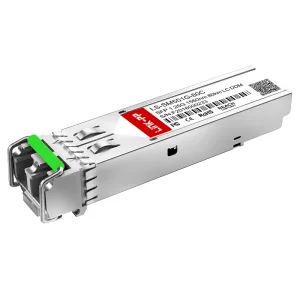
Industrial networking demands components capable of minimizing signal loss over multi-kilometer runs. Equip-Link provides optimized optical transceivers and modular magnetic RJ45 connectors designed to withstand voltage spikes and limit insertion losses below standard thresholds.
Our exports strictly adhere to international certifications including CE, FCC, RoHS, and REACH. We deliver localized engineering support to adapt module compatibility settings for Tier-1 network fabrics, including Cisco, Juniper, Huawei, and Arista ecosystems.
Located in Shenzhen, the global hardware manufacturing capital, we utilize structural cluster advantages. This grants access to rapid prototyping, raw material injection, and customized component tuning, lowering production cycles by 30% compared to Western competitors.
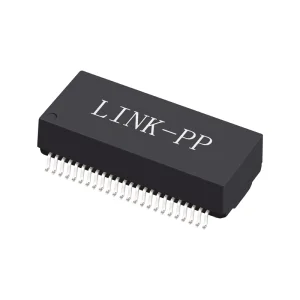
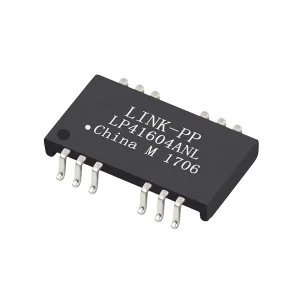
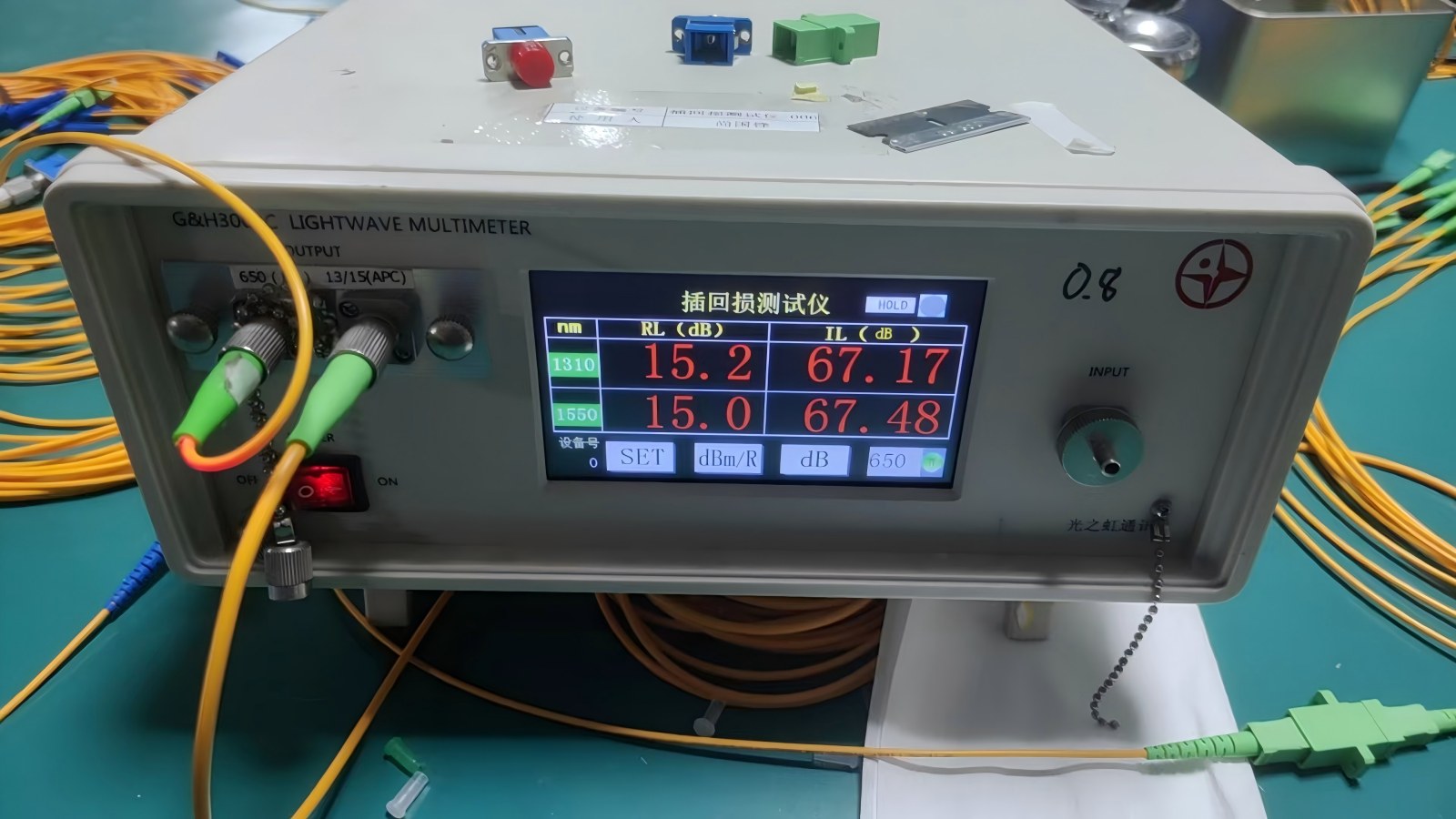
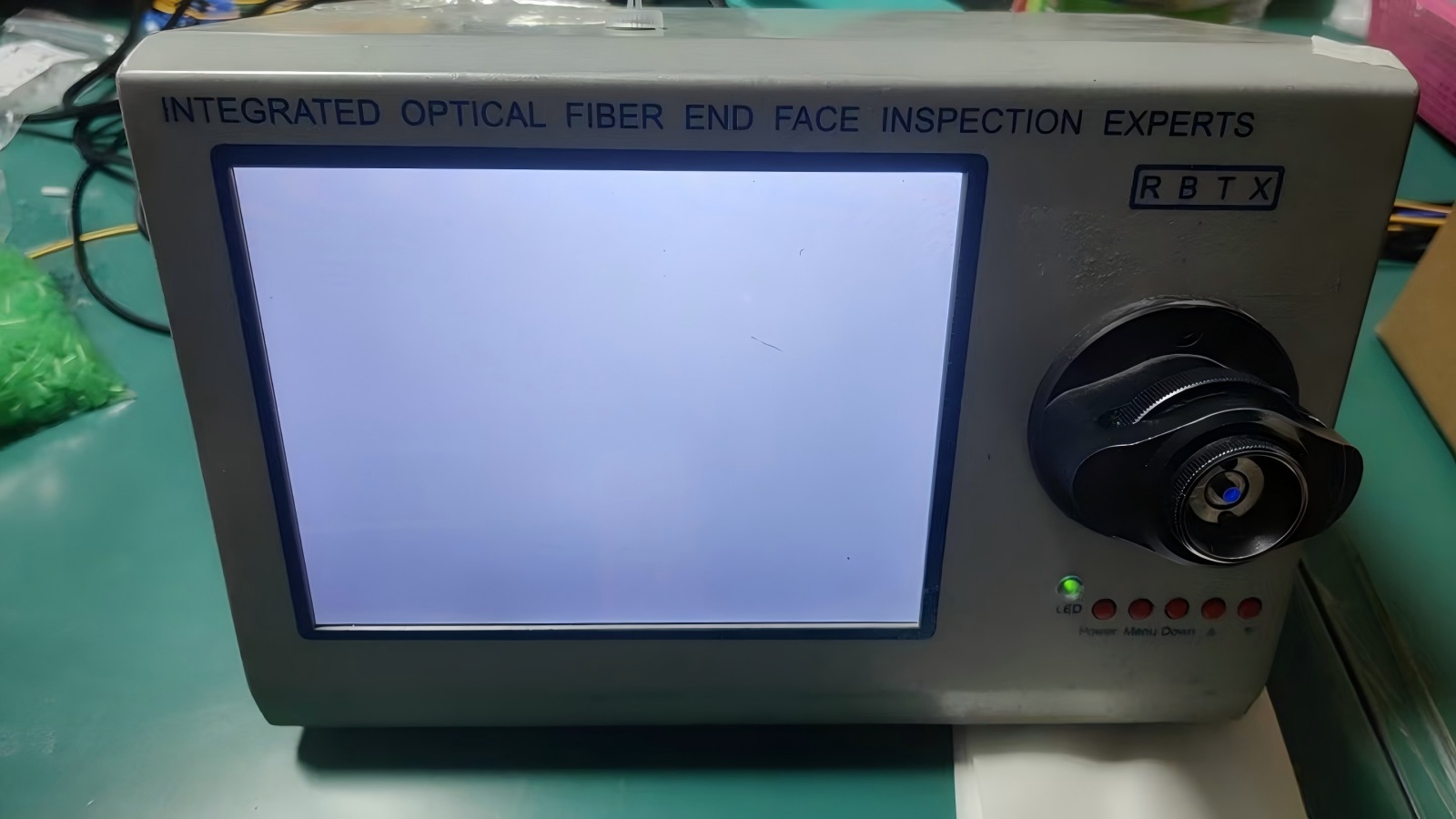
Equip-Link runs a highly optimized production pipeline supervised by 36 dedicated quality inspectors. With an extensive range of testing equipment, we assess every batch of optical modules, LAN filters, and RJ45 magnetic sockets to guarantee structural and signal integrity under diverse operations.
Every module undergoes cross-impedance measurements and crosstalk isolation to sustain stable gigabit transmission rates.
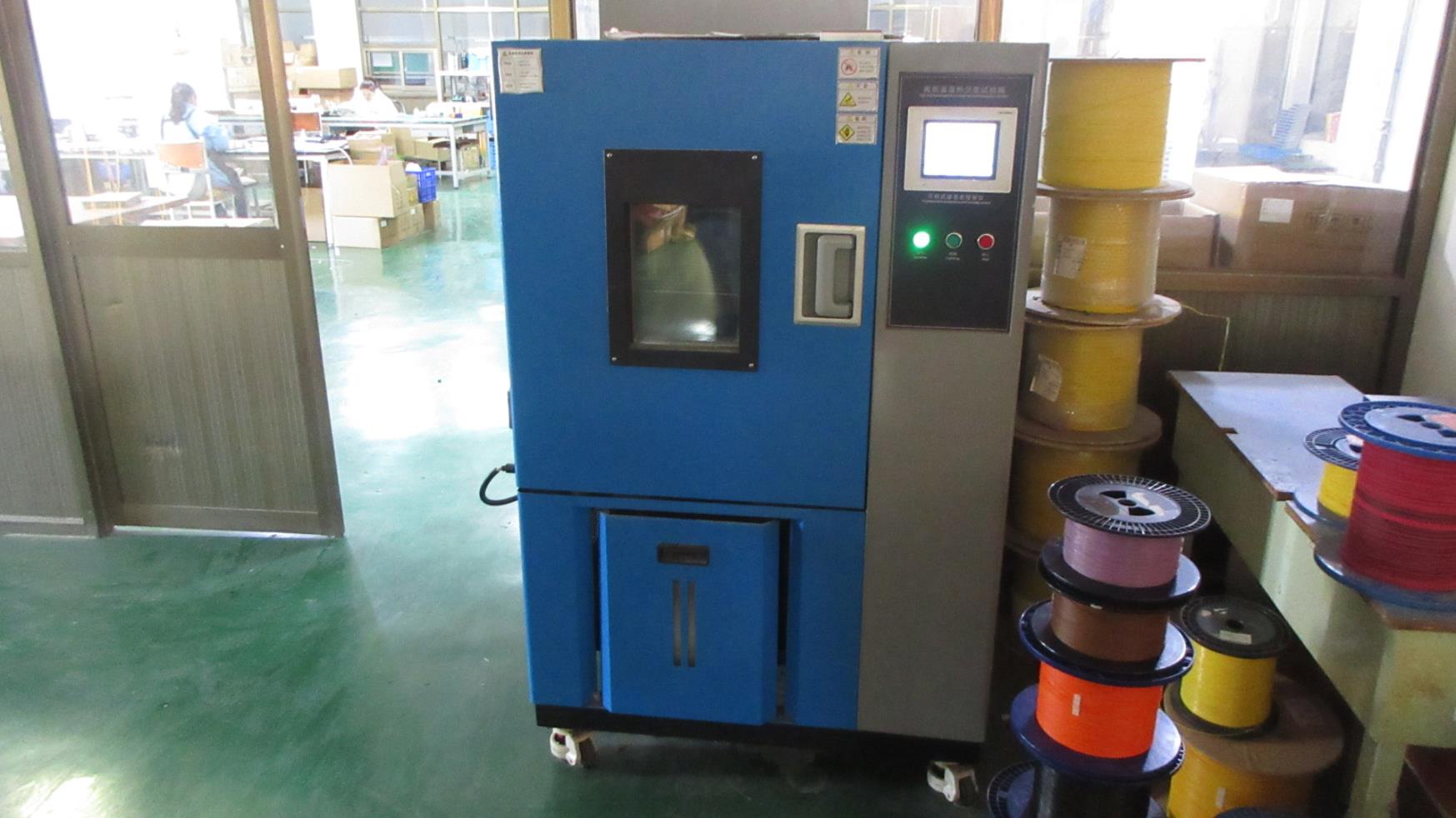
Ensures consistent data transmission in harsh conditions ranging from sub-zero temperatures to high relative humidity.
In modern communications technology, the physical and link layer performance of Ethernet networks determines the bandwidth, latency, and reliability of complex cloud computing infrastructures. The transition from legacy fast Ethernet to Multi-Gigabit (2.5G, 5G, 10G) and higher rates (25G, 100G, and 400G) has transformed the design of connectors, jacks, and transceiver interfaces. High-density server deployments require ruggedized interconnect solutions that offer both physical reliability and electrical integrity.
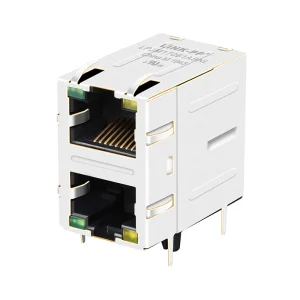
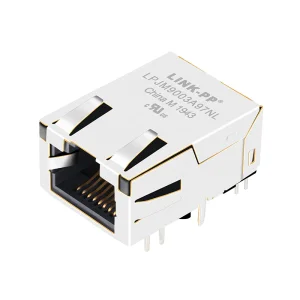
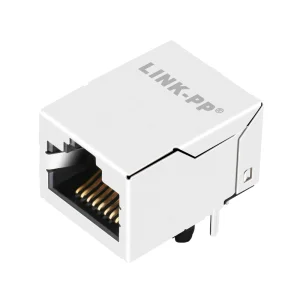
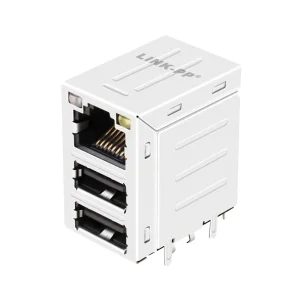
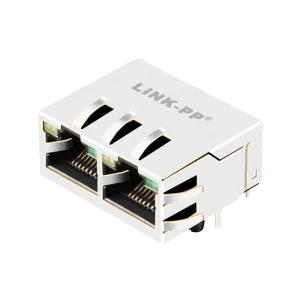
Gigabit copper networks rely heavily on the RJ45 interface, but standard mechanical sockets cannot handle high frequencies without integrated magnetics. Magnetic RJ45 connectors (or Magjacks) contain tiny toroidal transformers and common-mode chokes. These components are vital for:
Equip-Link's range of magnetic RJ45 connectors, including multi-port options, are optimized to support Power over Ethernet (PoE, PoE+, and PoE++), delivering DC currents up to 90W alongside high-speed data without thermal degradation.
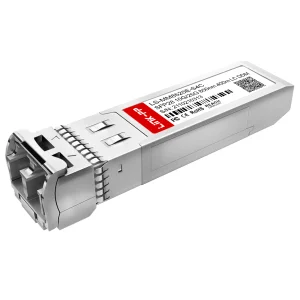
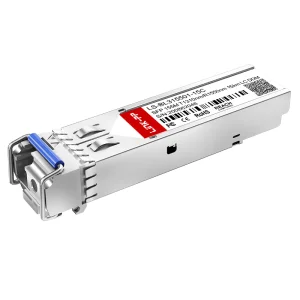
As transmission distances exceed the 100-meter limit of copper twisted-pair cables, optical transceivers become necessary. From 1.25G SFP up to 25G SFP28 and 100G QSFP28 modules, optical transceivers must match strict physical-medium-dependent (PMD) sublayer requirements. Multi-mode transceivers utilizing 850nm VCSEL lasers provide cost-effective short-reach links within data center rows, whereas single-mode transceivers utilizing 1310nm or 1550nm lasers span distances up to 80km.
A critical factor for procurement teams is EEPROM coding compatibility. Equip-Link addresses this via customized firmware programming, allowing our transceivers to operate seamlessly across systems from major networking brands. This prevents system lockout and reduces total cost of ownership by eliminating proprietary vendor lock-in.
Operating out of Shenzhen, Equip-Link coordinates an extensive, robust ecosystem of over 1,280 qualified partners. This integration enables raw materials, specialized high-temperature plastics, precision alloy stampings, and optoelectronic sub-assemblies to be sourced and tested locally.
To support high-volume global distribution, our factory implements structured inline testing. Using optical power meters, error-rate analyzers, and alternating damp-heat environmental chambers, we simulate years of continuous field operations. This testing process ensures that every batch shipped to North America, Europe, and South America meets international standards for quality and long-term durability.
The rise of high-performance AI clusters and edge computing requires low-latency interconnects. Transitioning to 2.5G and 10G copper connections, alongside 25G and 100G optical lines, helps minimize bottlenecks in processing pipelines. Investing in high-performance connectors and transceiver components ensures that physical layer infrastructure can support subsequent bandwidth upgrades without requiring costly replacements.