Equip-Link
Equip-Link
Equip-Link
High-performance optoelectronic interfaces engineered to meet stringent transmission tolerances inside high-density network environments.
Navigating global bandwidth spikes driven by Artificial Intelligence (AI), Machine Learning (ML), and extreme cloud workloads.
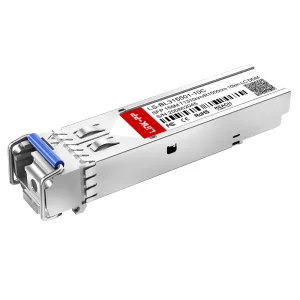
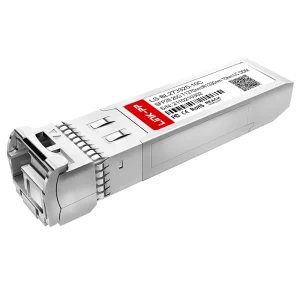
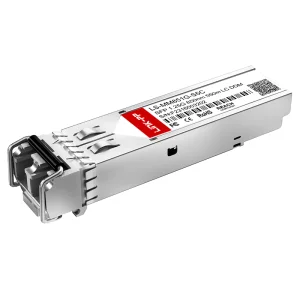
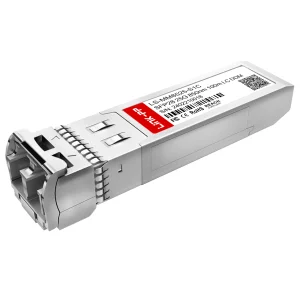
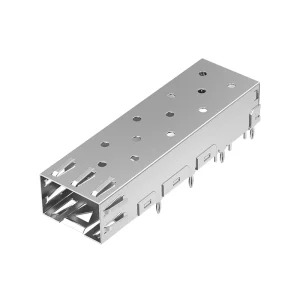
Modern hyperscale architectures operate on massive East-West traffic models. Deploying dense wavelength-division multiplexing (DWDM) over high-fiber-count single-mode structures is imperative. High-performance optical modules and cages, like the press-fit EMI shielded SFP housings, minimize ambient electromagnetic emissions and enable zero-loss transmission up to 100km and beyond.
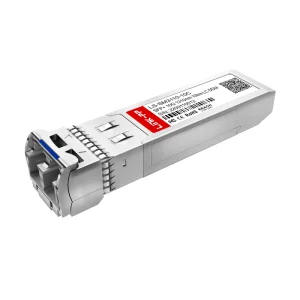
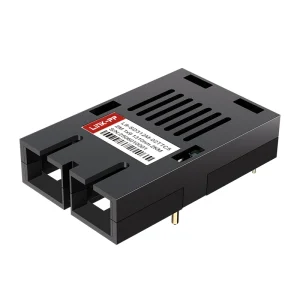
Ultra-reliable low-latency communication (URLLC) requires deep fiber penetration closer to end-users. FTTX deployments demand weatherproof, mechanically robust single-mode fibers coupled with bidirectional (BiDi) transceivers that double system capacity by sending and receiving optical pulses on a single strand, reducing cable material costs by up to 50% across metropolitan rings.
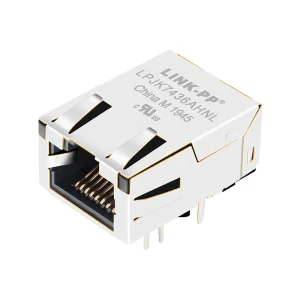
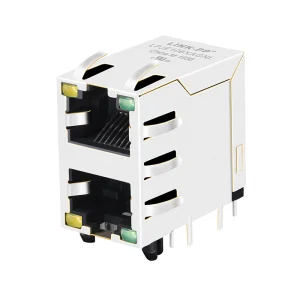
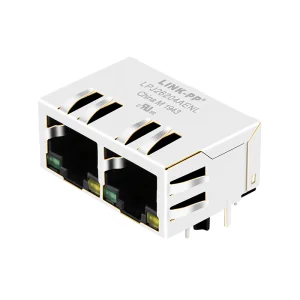
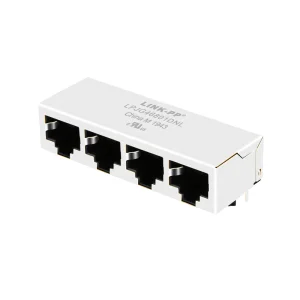
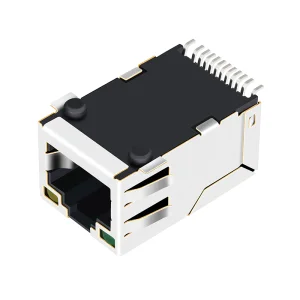
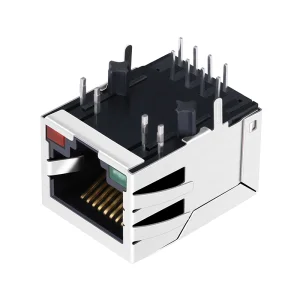
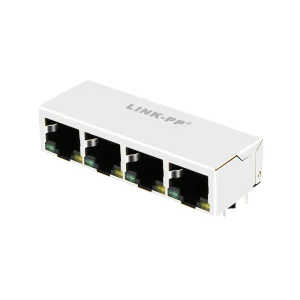
Factory environments present severe electromagnetic interference (EMI) risks to copper-based media. Utilizing specialized optical isolation interfaces, customized PCB RJ45 jacks with integrated magnetic components, and shielded SFP cages helps modern assembly lines protect critical telemetry data against high-voltage surges and machinery noise.
Analyzing geopolitical trends, factory concentration, and raw material sourcing parameters defining the current optical supply chain.
The global fiber optic cable market is expected to surpass USD 20 billion by 2030, driven by the expansion of cloud service providers (CSPs) and the construction of deep-sea oceanic fiber corridors. Asia-Pacific—headquartered around regional high-capacity manufacturing centers like Shenzhen, Dongguan, and Wuhan—accounts for over 50% of the world's production capacity. As supply chains adapt to global demands, regional operations are combining low-cost raw materials with advanced inspection methods to deliver high-quality products worldwide.
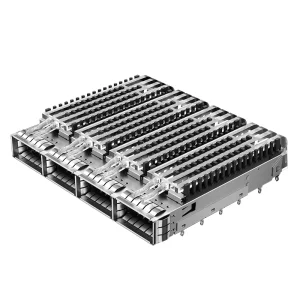
A key challenge for network architects is balancing high density with effective heat management. As switch ports transition from 10G/25G to 400G and 800G, the heat generated inside transceiver cages increases exponentially. This makes the selection of proper heat sinks, thermal interface materials, and high-frequency connectors a critical design choice rather than an afterthought.
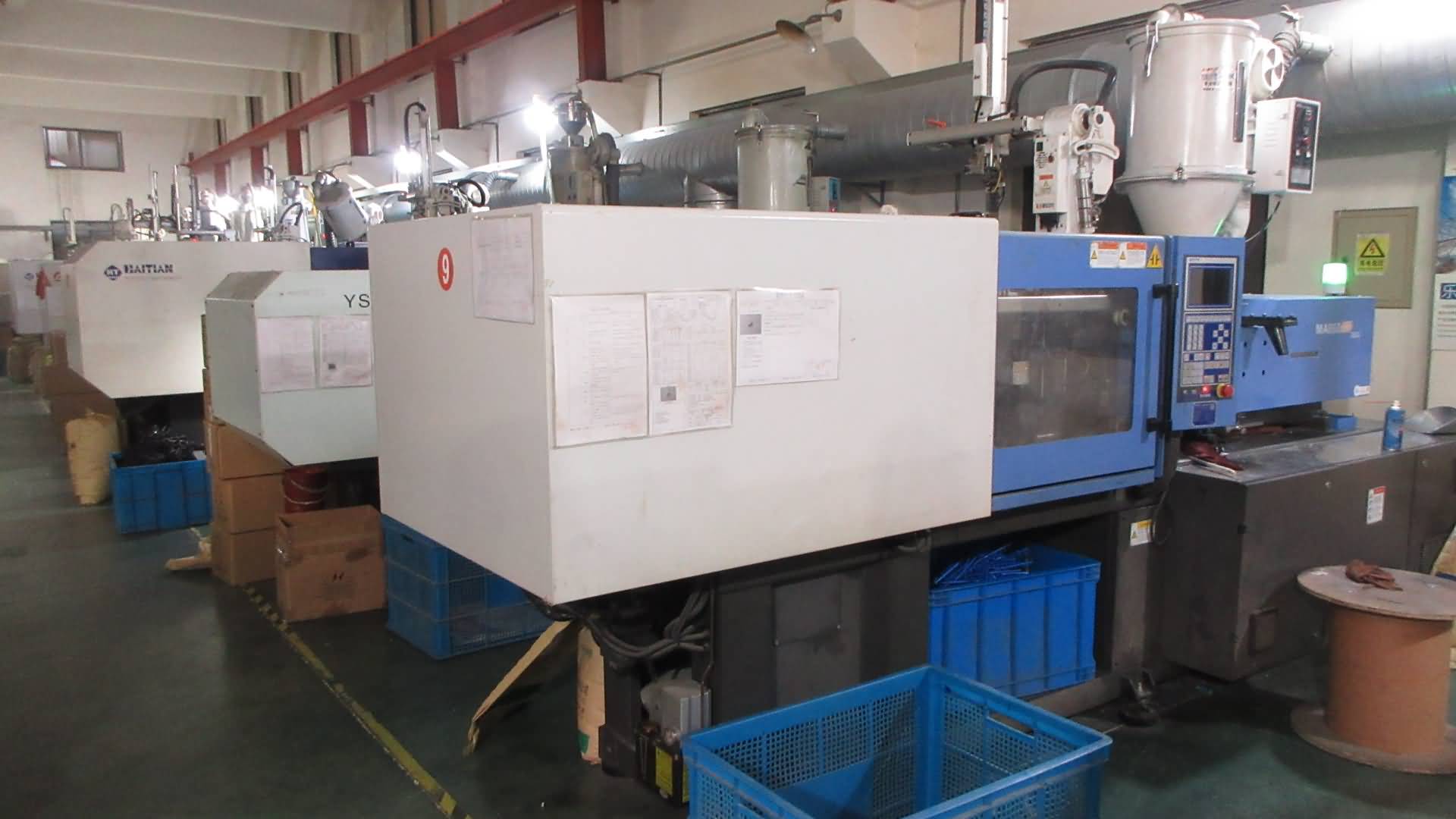
Quality begins with raw materials. High-purity silica glass forms the core of optical communication, minimizing signal loss over long distances. For outer jackets, factories choose between LSZH (Low Smoke Zero Halogen) or plenum-rated PVC materials based on regional fire codes. High-precision injection molding ensures connectors align perfectly, preventing insertion loss issues at connection points.
Inside a professional optical transceiver and connection interface production facility.
Founded in 2017, Equip-Link Intelligent Equipment (Shenzhen) Co., Ltd. is a specialized manufacturer and supplier of optical transceivers and fiber optic communication solutions. We design, build, and distribute optical modules for data centers, telecommunications networks, enterprise networking, cloud computing, and AI infrastructure globally.
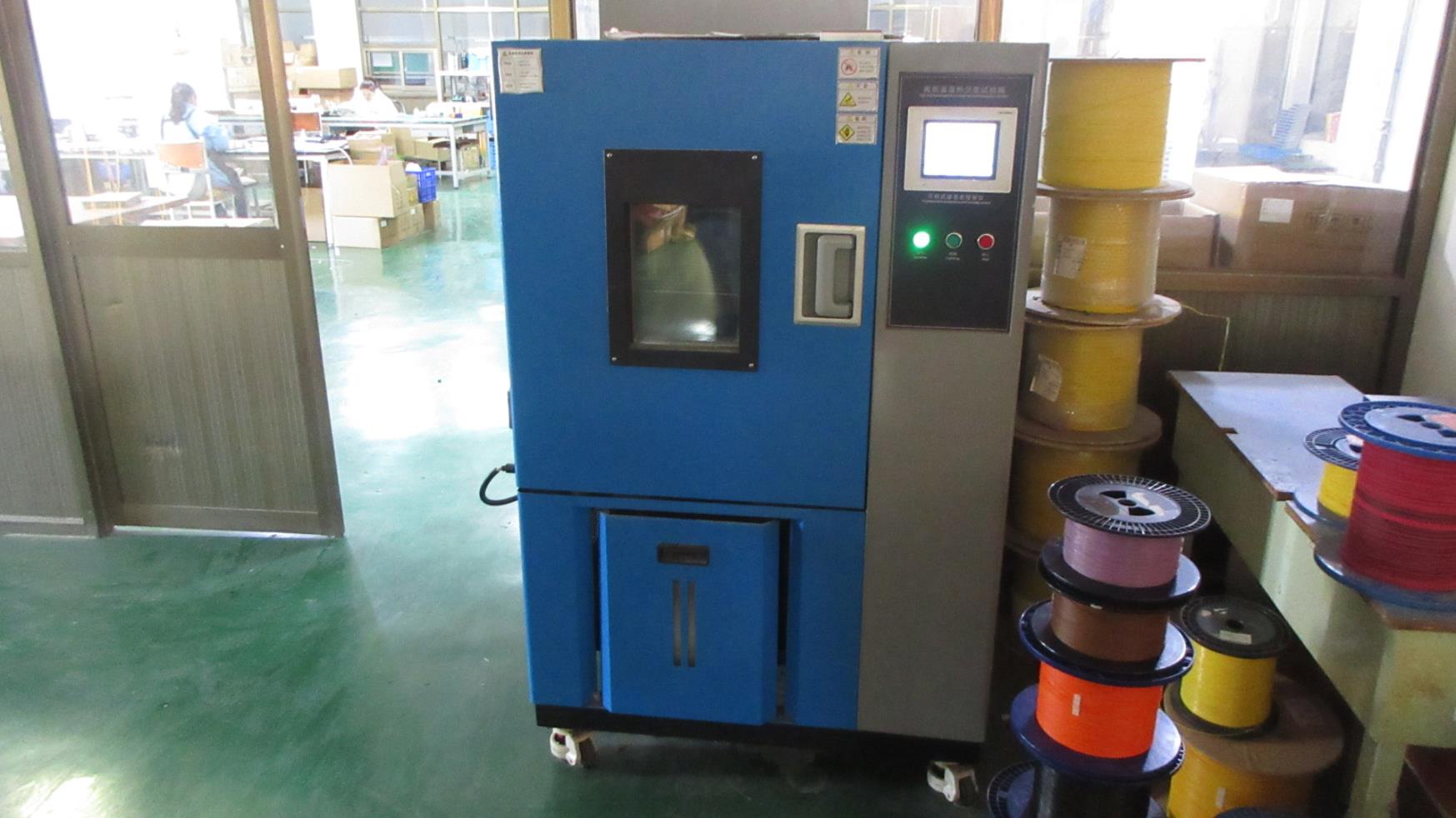
Our facility covers 380 square meters and features advanced production and testing equipment to maintain consistent quality. With annual export revenues exceeding USD 18 million, Equip-Link has built long-term relationships with customers in more than 50 countries and regions.
Supported by 9 years of export experience and 14 years of industry expertise, our engineering team monitors the changing requirements of global networks to deliver products that meet international standards for performance, compatibility, and durability.
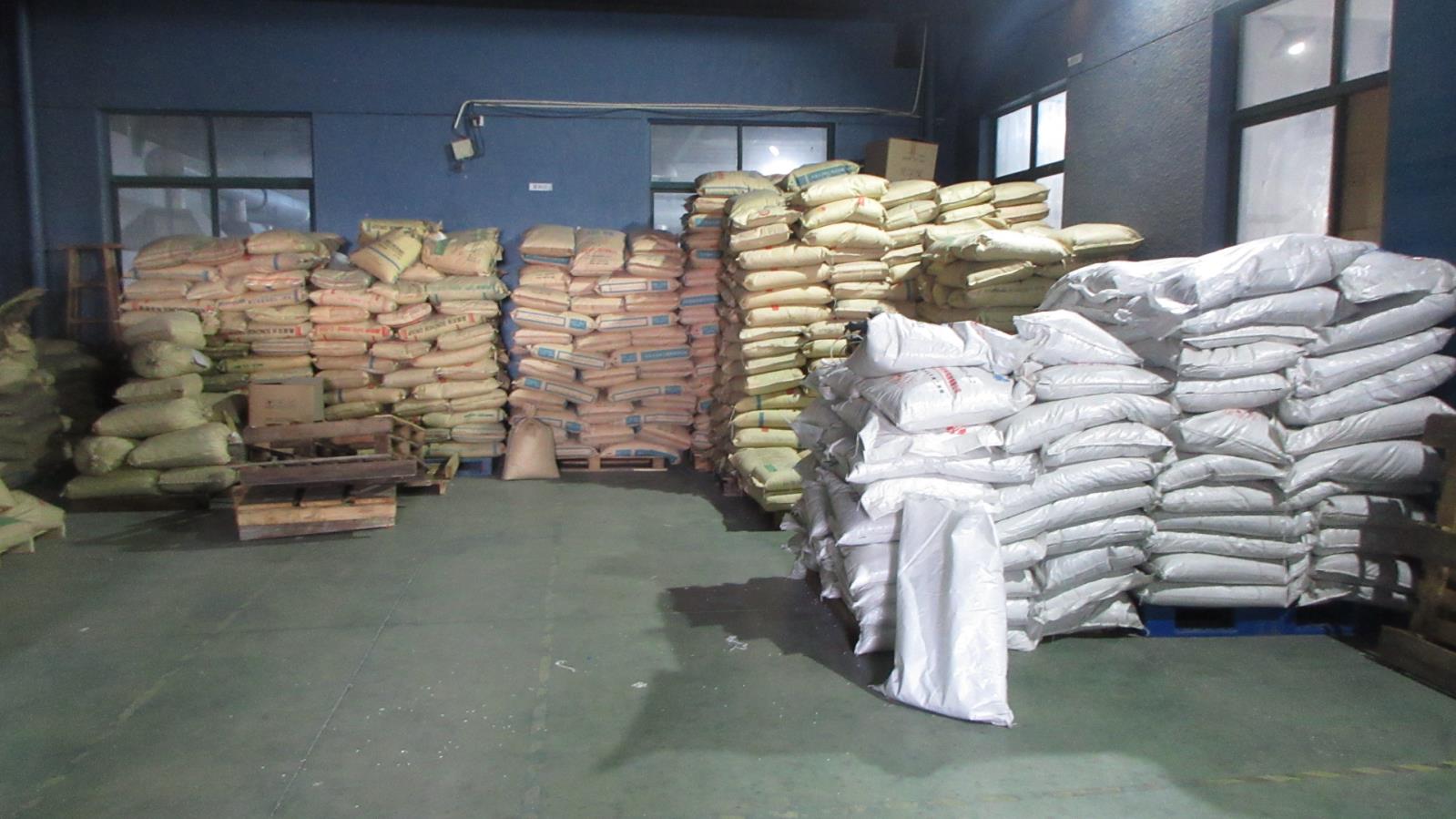
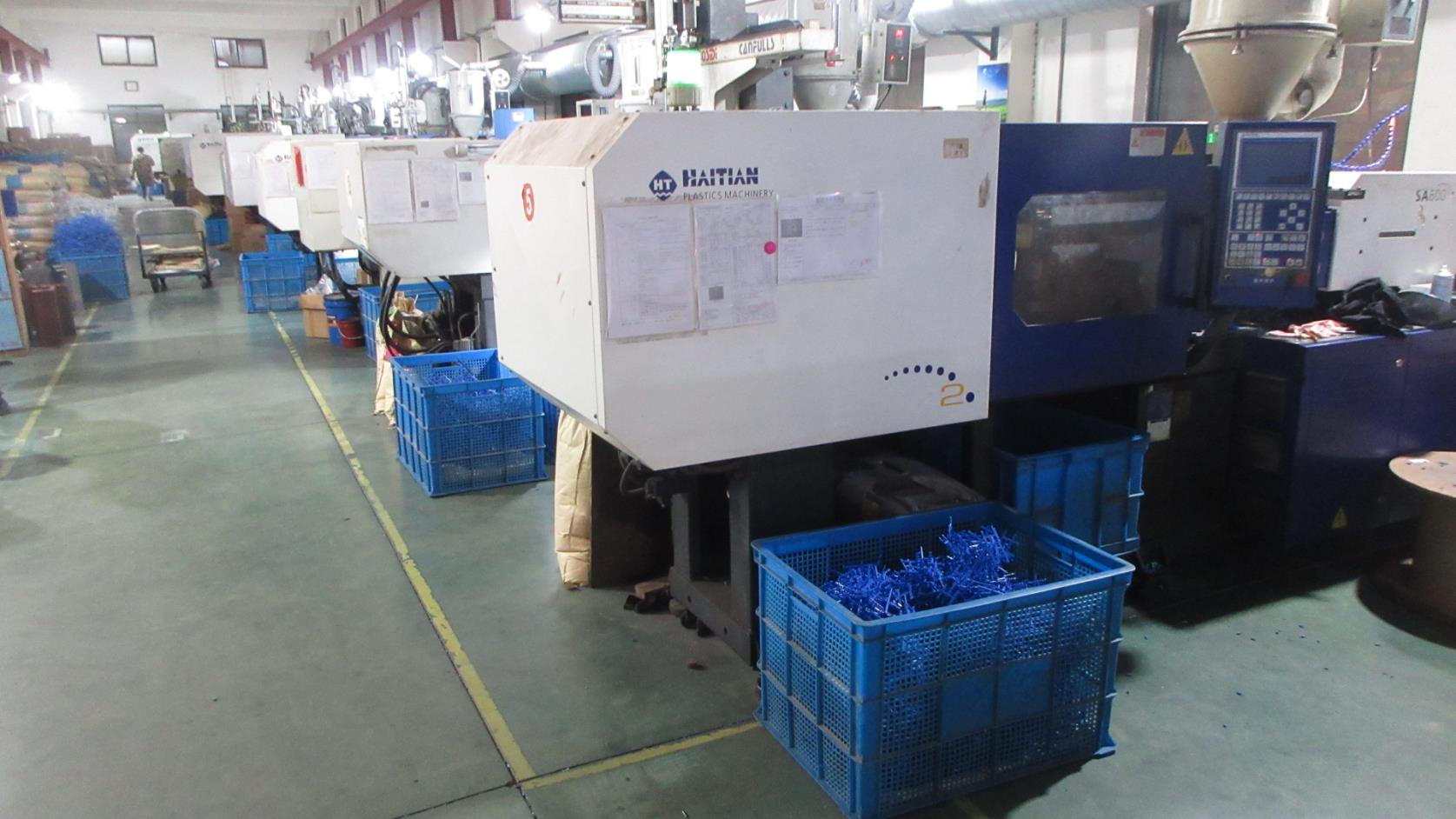
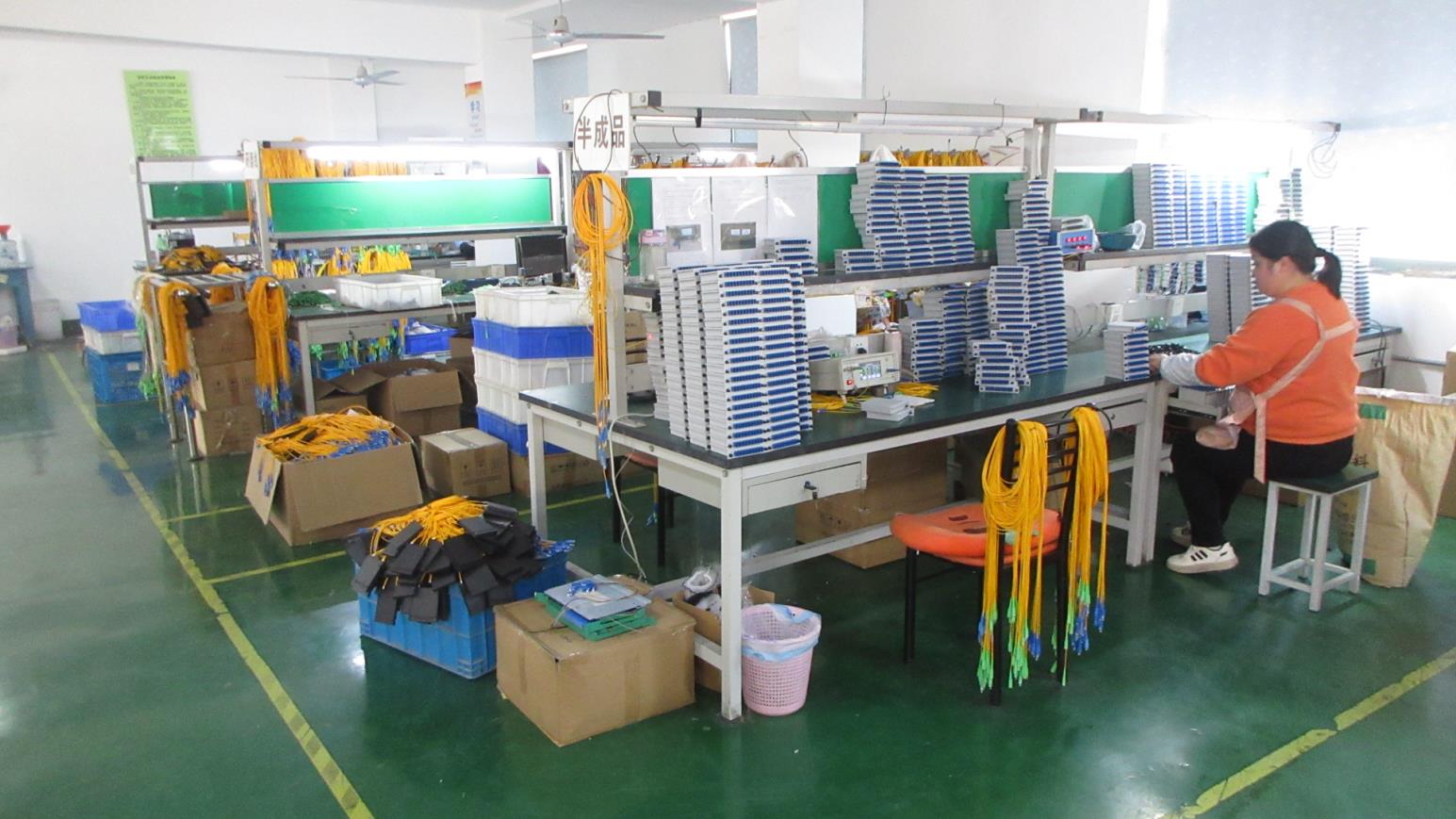
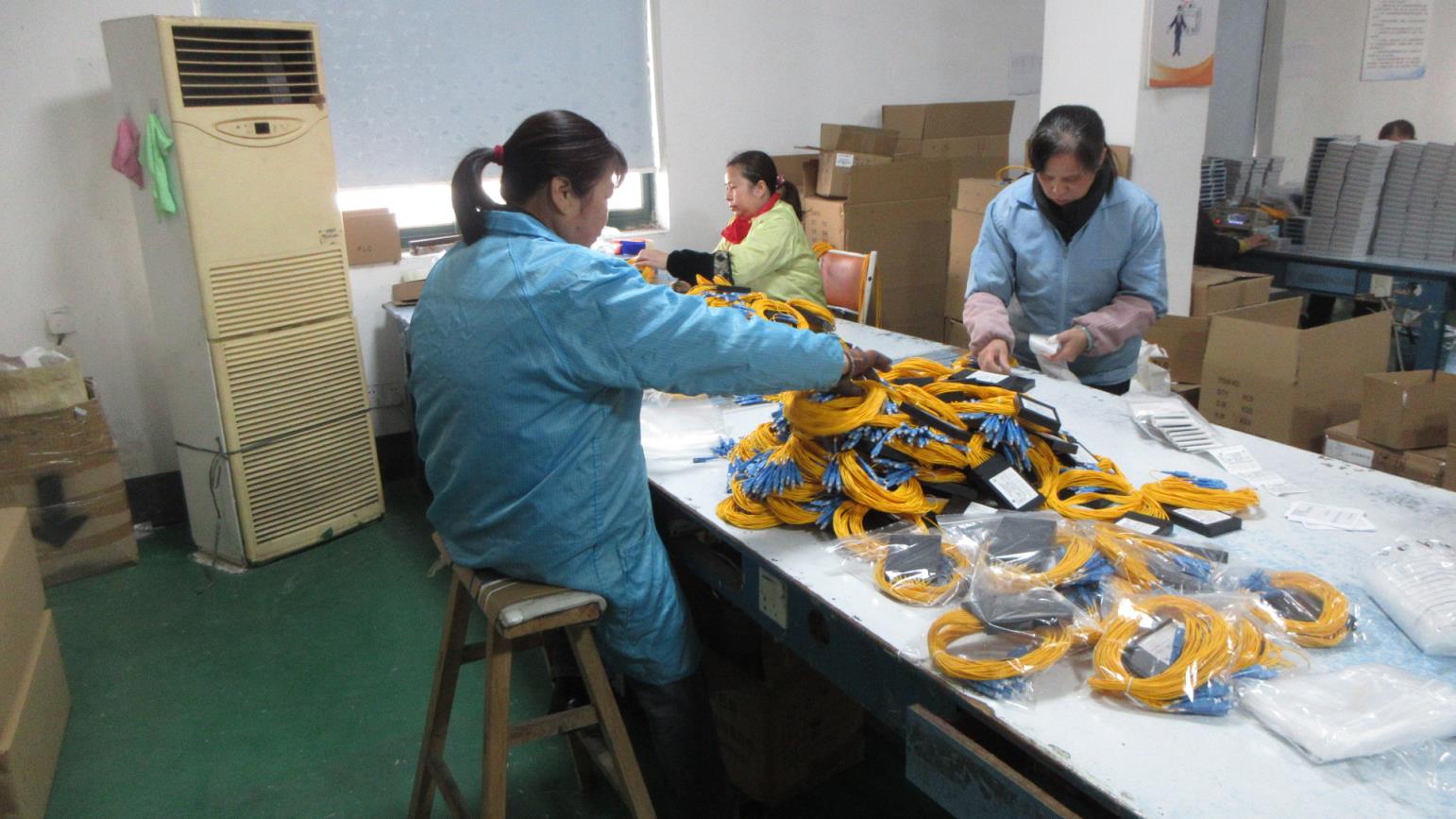
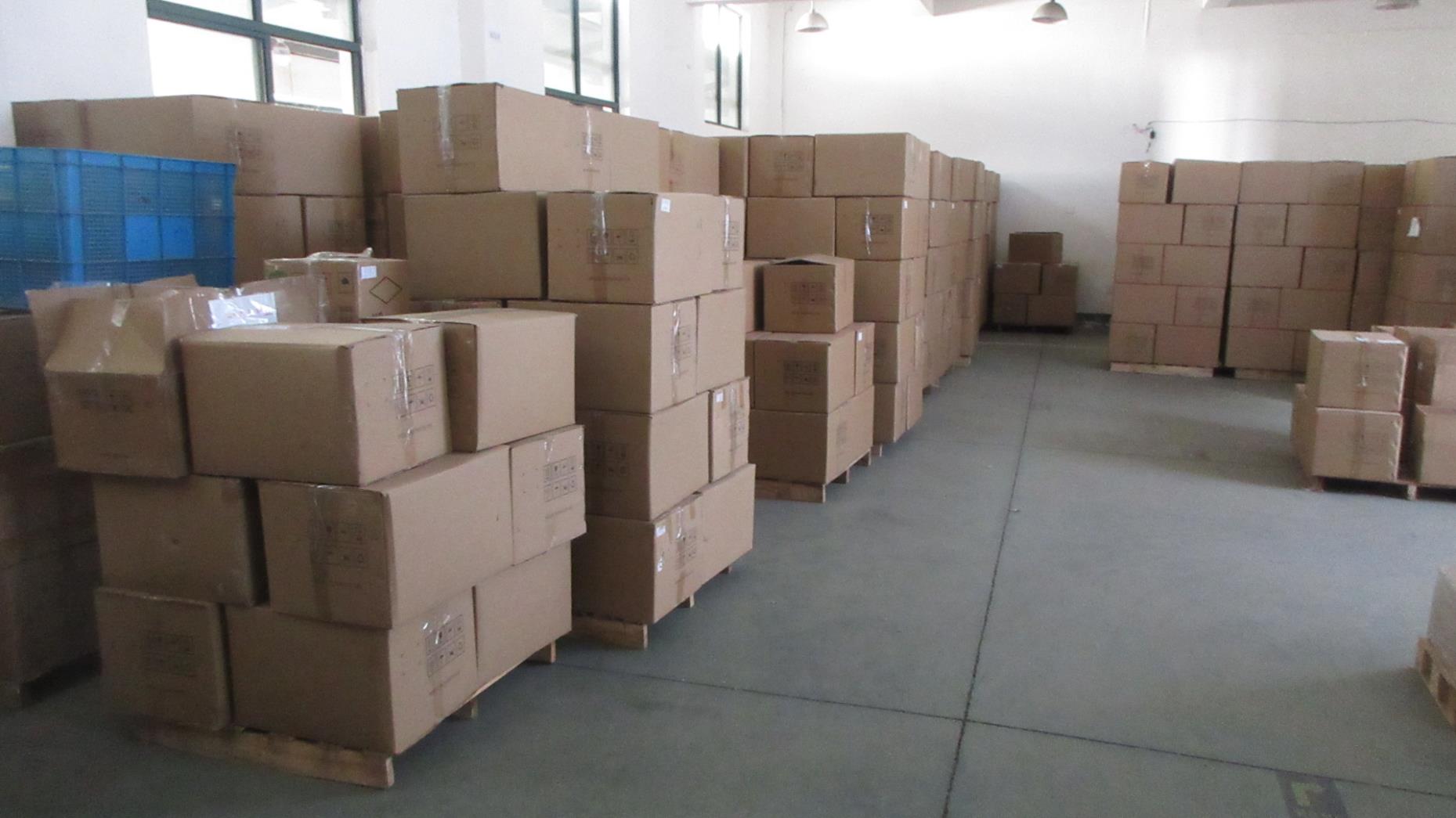
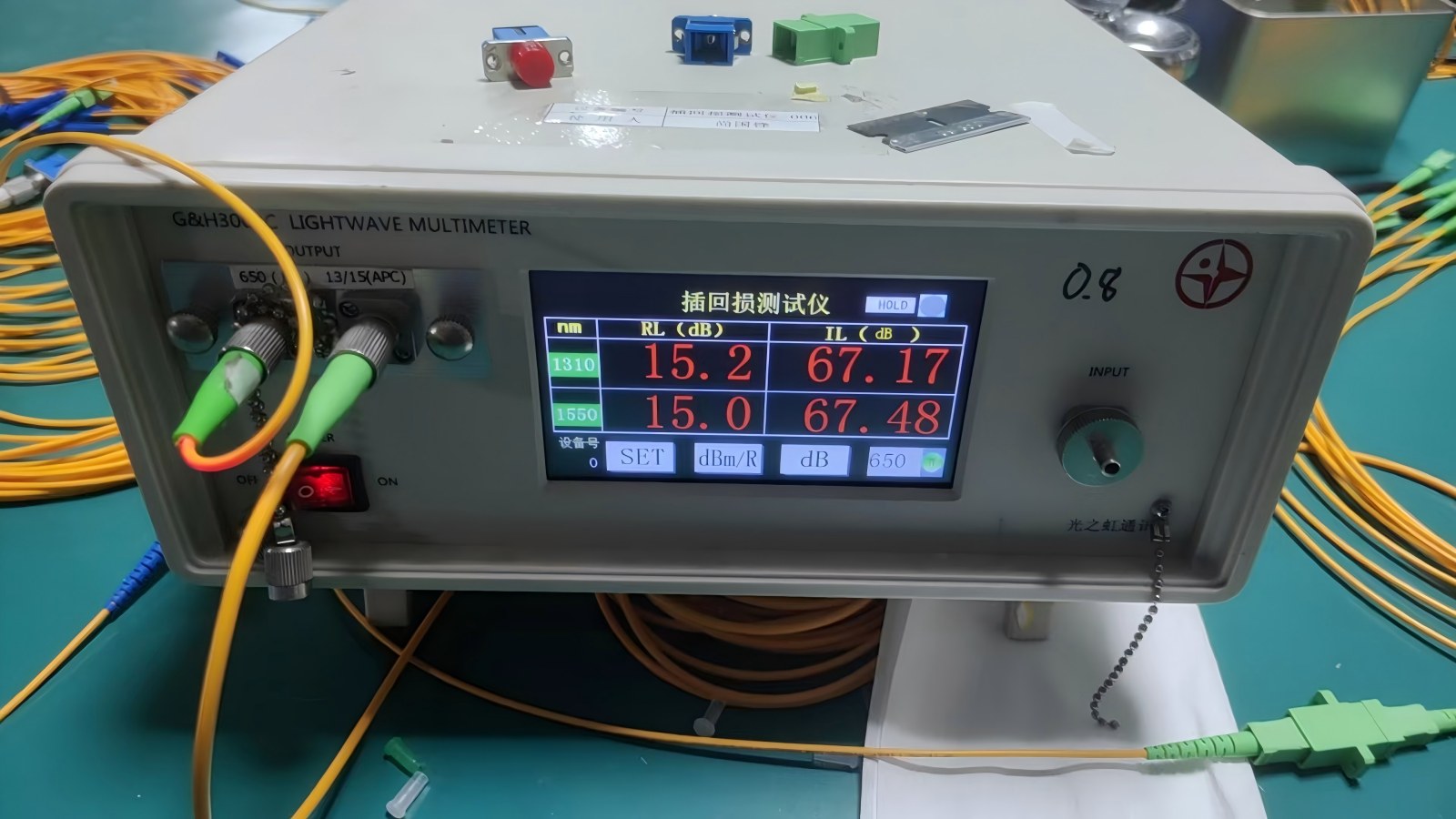
Quality is core to our operations. We maintain a quality management system supported by incoming material inspection, in-process quality control, and final product testing. Every product undergoes evaluation using optical and network performance analyzers before shipment. Our dedicated quality assurance team features 36 inspectors who work to ensure all products meet customer requirements and industry specifications.
We serve customers across North America, Europe, Southeast Asia, the Middle East, and South America. Our supply chain includes more than 1,280 partners, helping us maintain stable production and delivery schedules.
Our customers include telecommunication operators, data center providers, network equipment distributors, system integrators, cloud service providers, and OEM/ODM brands. To support diverse market requirements, Equip-Link offers customization options, including private labeling, custom firmware programming, compatibility coding, packaging customization, and OEM/ODM manufacturing.
Our R&D department features 68 engineers focused on developing optical communication technologies. In the past year, we introduced 126 new products, expanding our selection of high-speed optical transceivers, including 10G, 25G, 40G, 100G, 200G, 400G, and 800G solutions.
Verified performance metrics driving global fiber optic networks and hardware distribution channels.
Ensuring deployment continuity through compliance and dedicated engineering support.
Navigating global regulatory landscapes requires strict compliance. Our manufacturing plants maintain CE, FCC, RoHS, and REACH certifications. Our products are designed to meet MSA (Multi-Source Agreement) requirements, ensuring cross-platform compatibility with systems from major networking vendors.
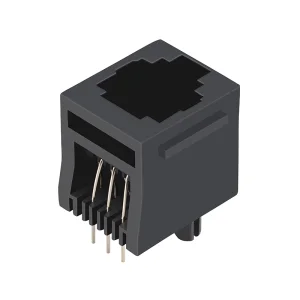
We provide compatibility coding to match specific vendor EEPROMs, private label packaging, and custom PCB layout engineering. Our SFP cages and RJ45 jacks can be modified with various LED colors, heat sink designs, and mounting options to fit your system design parameters.
We provide 24/7 technical assistance to our distribution and telecom partners worldwide. We offer design support for system integrators, pre-shipment compatibility verification, and replacement services to minimize system downtime during critical deployments.
Prepared for future network demands: From 800G transmission to Silicon Photonics Integration.
The transition from 100G/400G architectures to 800G and 1.6T systems requires changes in signal modulation and connector design. Conventional NRZ transmission has transitioned to PAM4 (Pulse Amplitude Modulation 4-level), and coherent optics are moving closer to the network edge. This development demands higher precision during optical alignment processes inside cleanrooms.
Furthermore, Co-Packaged Optics (CPO) technology is expected to redefine switch designs by bringing the optical engine onto the same substrate as the switching silicon. This design shortens copper traces, decreases power consumption, and reduces signal degradation. As these changes emerge, we adapt our connectors, shielded cages, and optical transceivers to support these high-speed architectures.
Addressing technical questions regarding MSA compliance, EMI shielding, and customized packaging.
MSA (Multi-Source Agreement) compliance defines the physical dimension, electrical interface, and management register map (e.g., SFF-8472) of optical transceivers. True compatibility relies on writing vendor-specific firmware codes onto the internal EEPROM, allowing host switches (e.g., Cisco, HP, Juniper) to recognize and initialize the transceiver without generating warnings.
High-density boards generate significant electromagnetic interference. EMI-shielded SFP cages utilize metal gaskets, grounding tabs, and press-fit pins to seal optical-to-electrical interface openings. This containment design stops high-frequency emissions from interfering with adjacent signal lines, helping to maintain signal integrity at data rates of 28Gbps per channel and above.
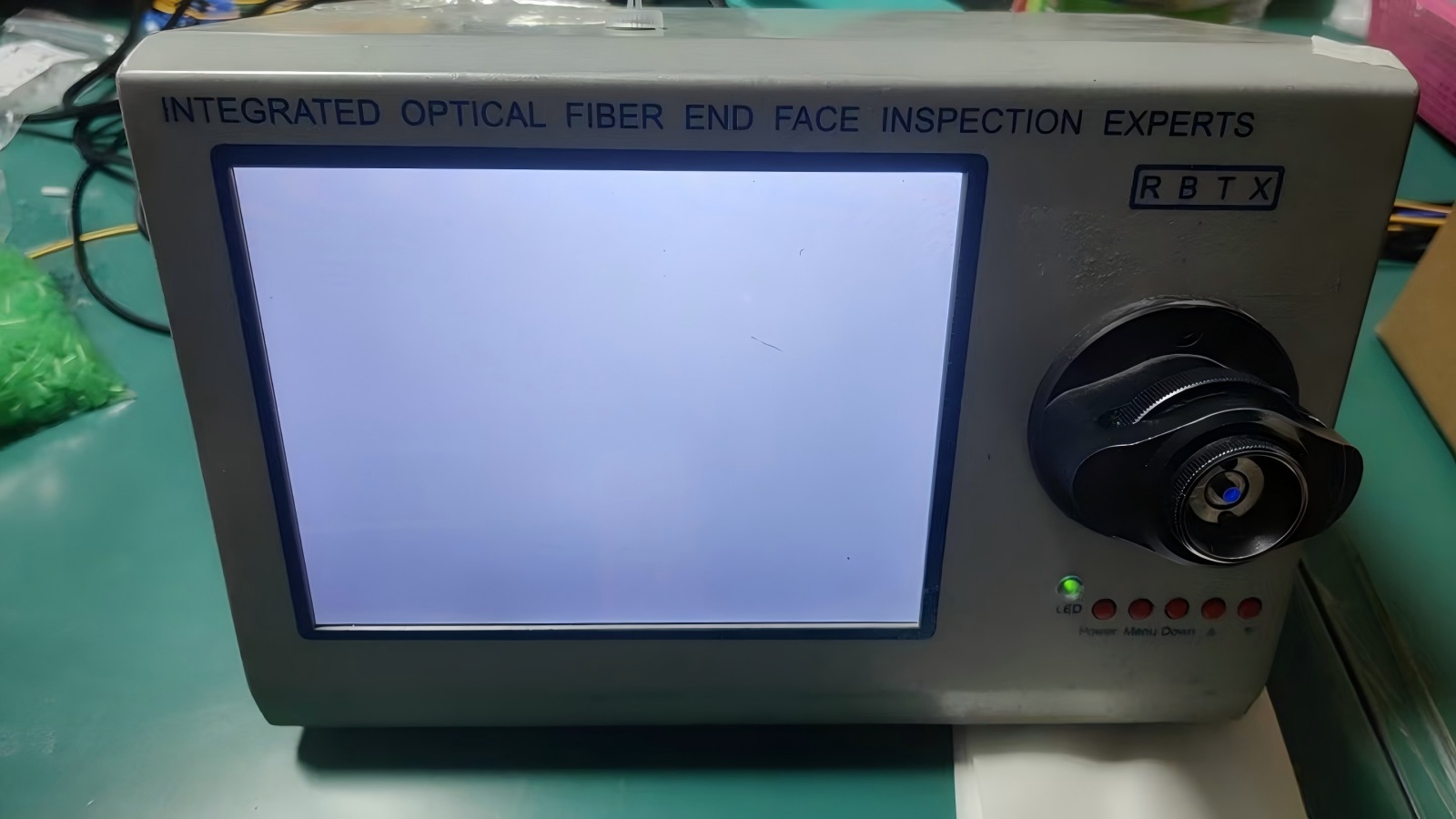
Even small dust particles or microscopic scratches on the connector's ferrule end-face can block light signals, causing back-reflections that degrade performance. Using integrated inspection systems to check end-faces ensures that ferrules are free of defects before shipping, maintaining insertion loss below 0.2dB.
Generally, firmware compatibility coding and testing are completed within 3 to 5 working days. For custom injection molding or modified metal structural enclosures (such as custom SFP cages or RJ45 jacks with special footprints), the initial tooling and verification phase takes approximately 2 to 4 weeks, depending on design complexity.
Engineered to support high-density connectivity and signal transmission demands across enterprise systems.