Equip-Link
Equip-Link
Equip-Link
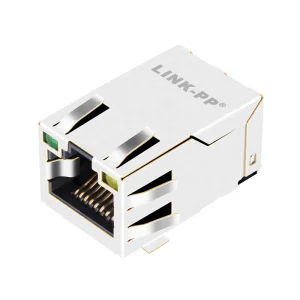
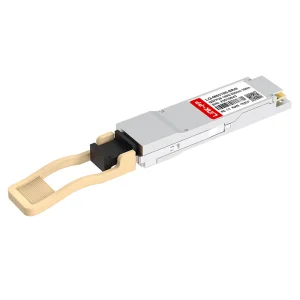
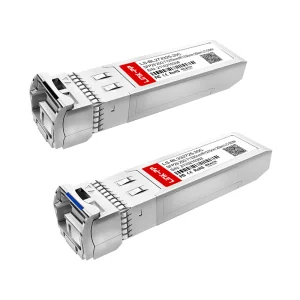
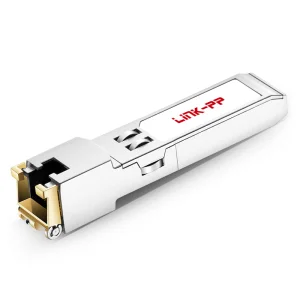
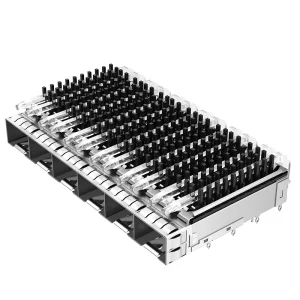
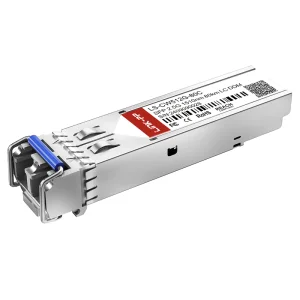
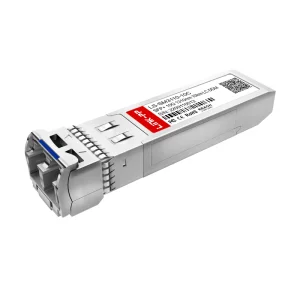
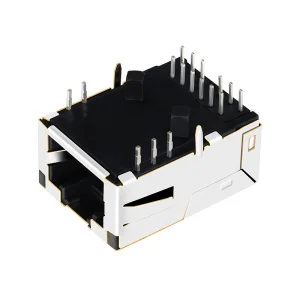
High-performance optical transceivers, SFP cages, and advanced RJ45 modular jacks designed for high-density network architectures.
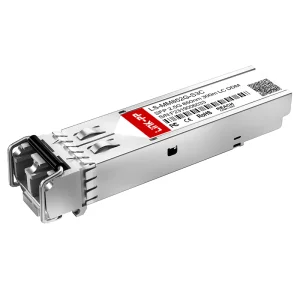
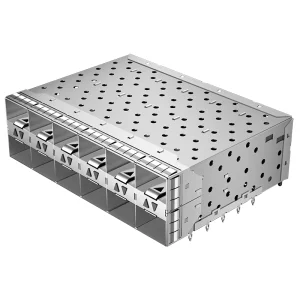
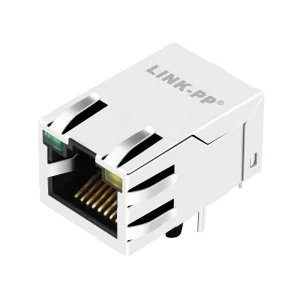
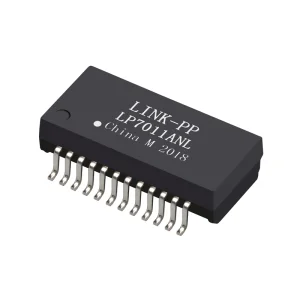
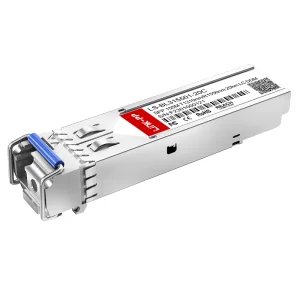
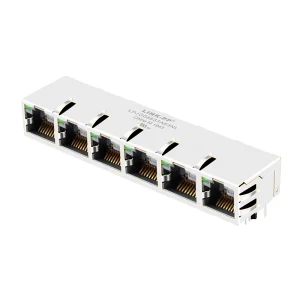
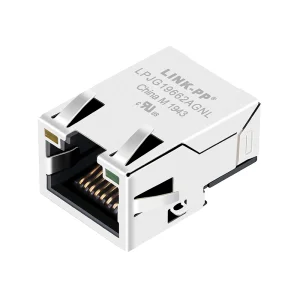
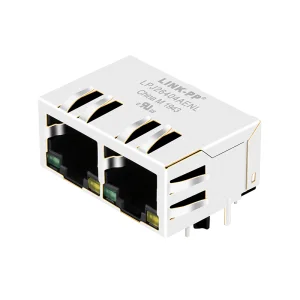
In modern telecommunications, data centers, and advanced automation platforms, the demands on physical network layers have dramatically shifted. The classic RJ45 connector, traditionally designed to carry weak electrical communication signals, has undergone a radical transformation. Today, standard networks frequently rely on high-power architectures, predominantly driven by the adoption of Power-over-Ethernet (PoE) technologies under the IEEE 802.3bt (PoE++ or Type 3 and Type 4) standards. Under these parameters, RJ45 interfaces must reliably deliver up to 90W–100W of electrical power alongside high-speed data transmission reaching 10G Base-T and beyond.
This evolution has created new structural parameters for global hardware procurement. System architects and engineering procurement groups no longer evaluate RJ45 suppliers simply based on pricing per unit. Real-world parameters—such as contact resistance stability under continuous electrical load, high-frequency signal integrity, thermal dissipation, mechanical endurance under structural vibration, and compliance with strict electrical standards—dictate project success. As global networks transition to Edge AI architectures, industrial IoT networks, and smart city microgrids, identifying high-power-rated RJ45 connector factories with validated design and manufacturing capabilities is critical to long-term network survival and reliability.
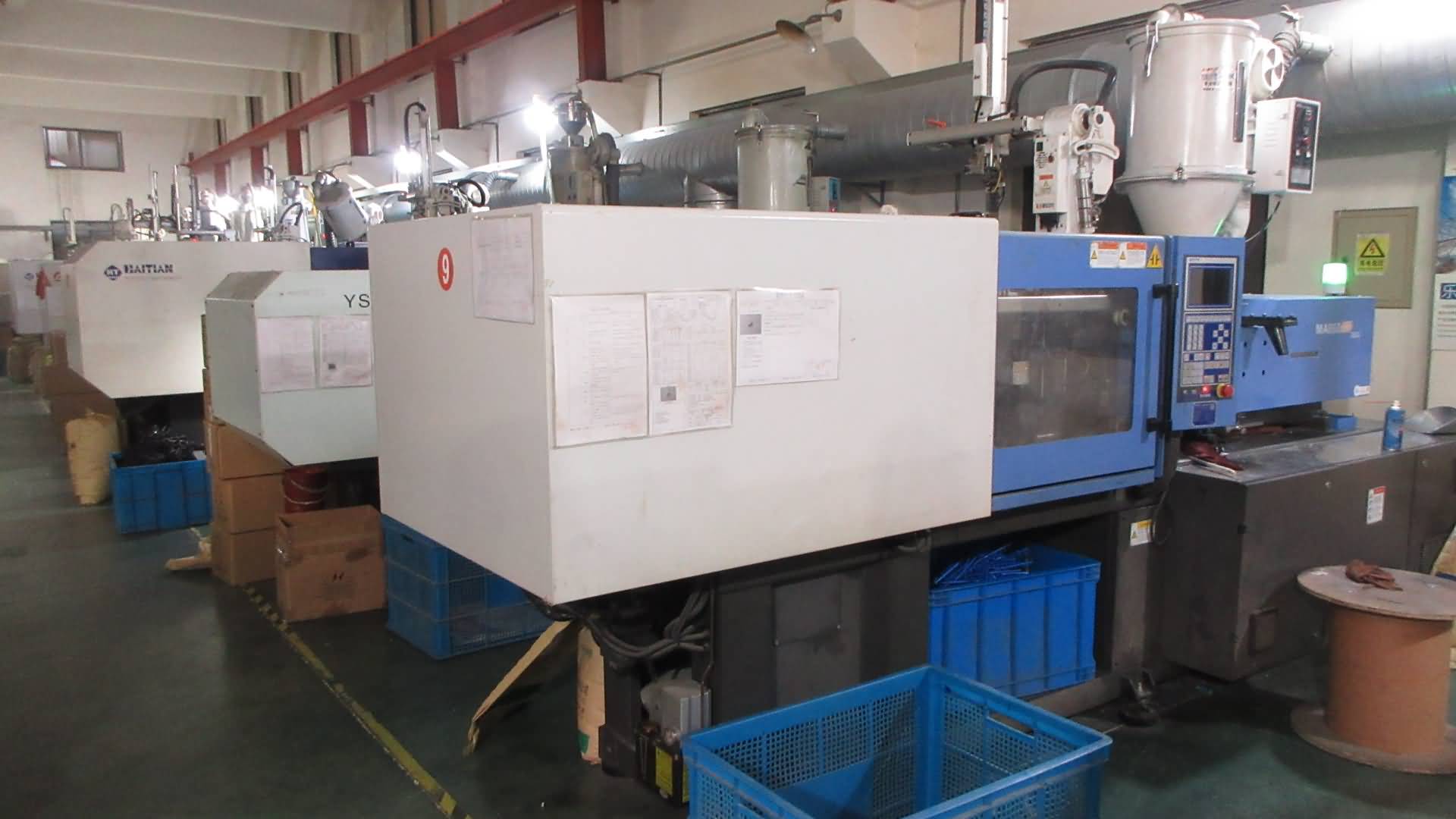
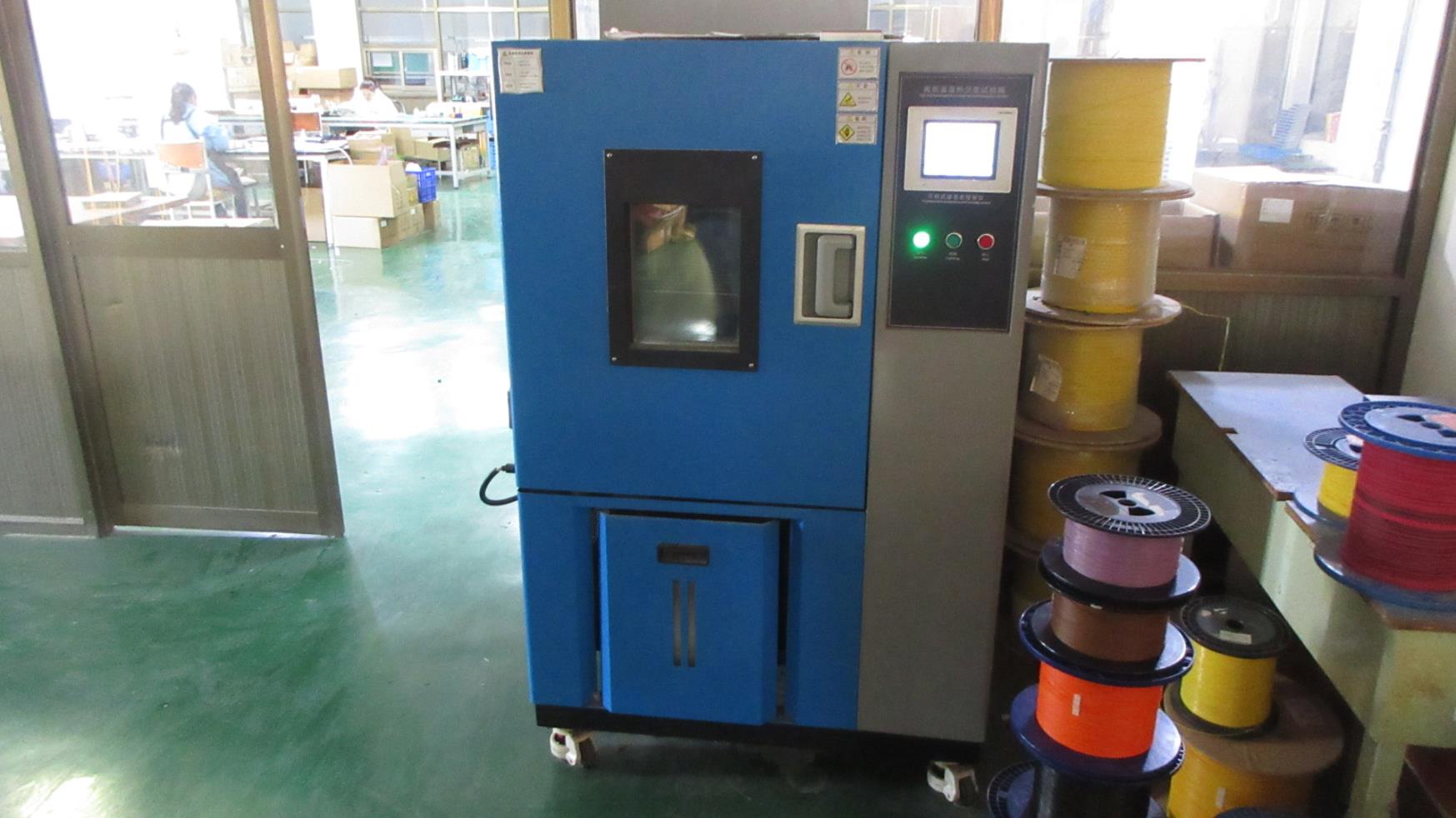
Industrial users encounter severe environments where low-quality connectors face premature failure due to thermal degradation, plating wear, and contact mating arcing. To mitigate these risks, procurement strategies are turning toward Tier 1 factories equipped with automated production machinery, precision stamping capabilities, and rigorous environmental stress testing labs. China's industrial manufacturing ecosystem—especially in regions like Shenzhen and Dongguan—has evolved to address these demanding parameters, implementing Industry 4.0 automation, automated visual inspection (AOI), and precise material supply chains to ensure high quality and lower costs.
A deep understanding of the structural changes in RJ45 components is essential for selecting appropriate factories. Modern high-power connectors leverage several core innovations to maintain high data rates while transmitting substantial current.
Modern procurement strategies for network connectivity products have shifted from transactional sourcing to long-term risk management. Buyers representing tier-one telecom operators, hyper-scale cloud providers, and global system integrators assess connector factories on specific supply chain criteria:
1. Material Traceability & Environmental Compliance: With strict global regulations such as RoHS (Restriction of Hazardous Substances) and REACH (Registration, Evaluation, Authorization and Restriction of Chemicals), factories must verify that all raw plastics, metals, and solder materials are free of restricted compounds. In addition, certifications like UL94-V0 for flame retardance of plastic housings are non-negotiable.
2. Engineering Customization & Agile Prototyping: Standard off-the-shelf connectors frequently fail to meet specialized mechanical envelope dimensions or custom PCB footprints. Purchasing groups choose factories that offer in-house tool development, rapid prototyping, and firmware modifications (for smart optical components) to fast-track product integration.
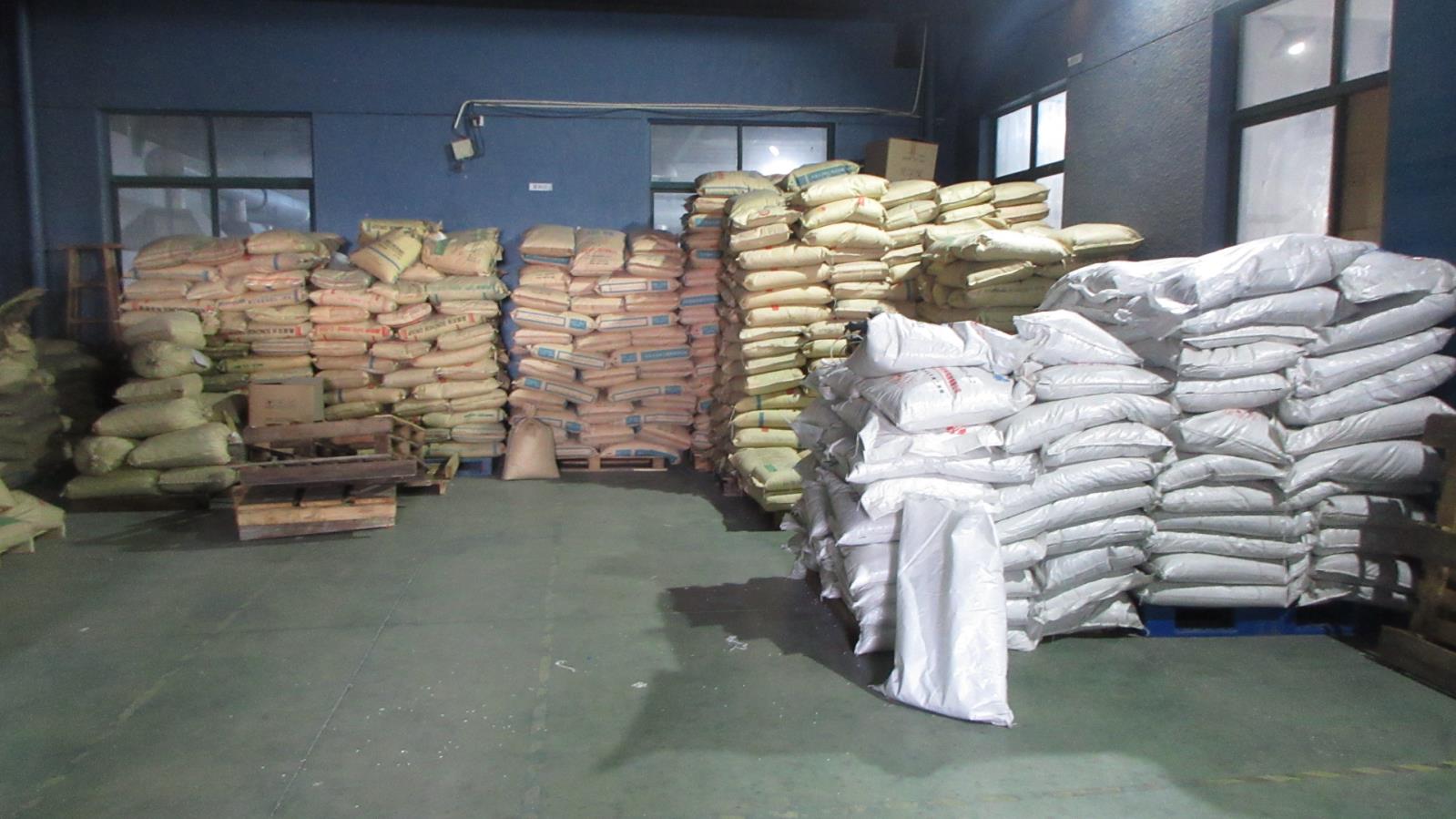
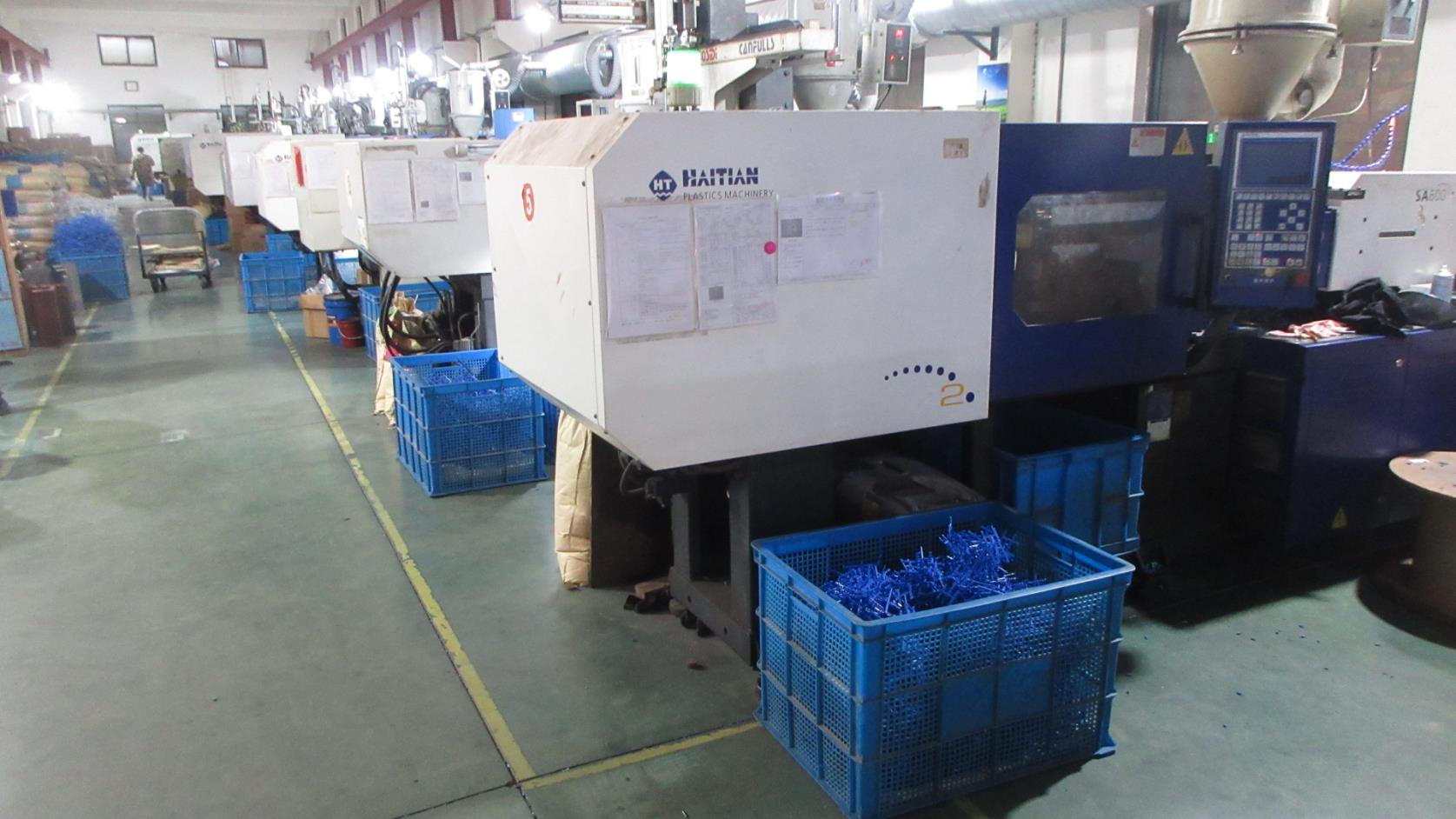
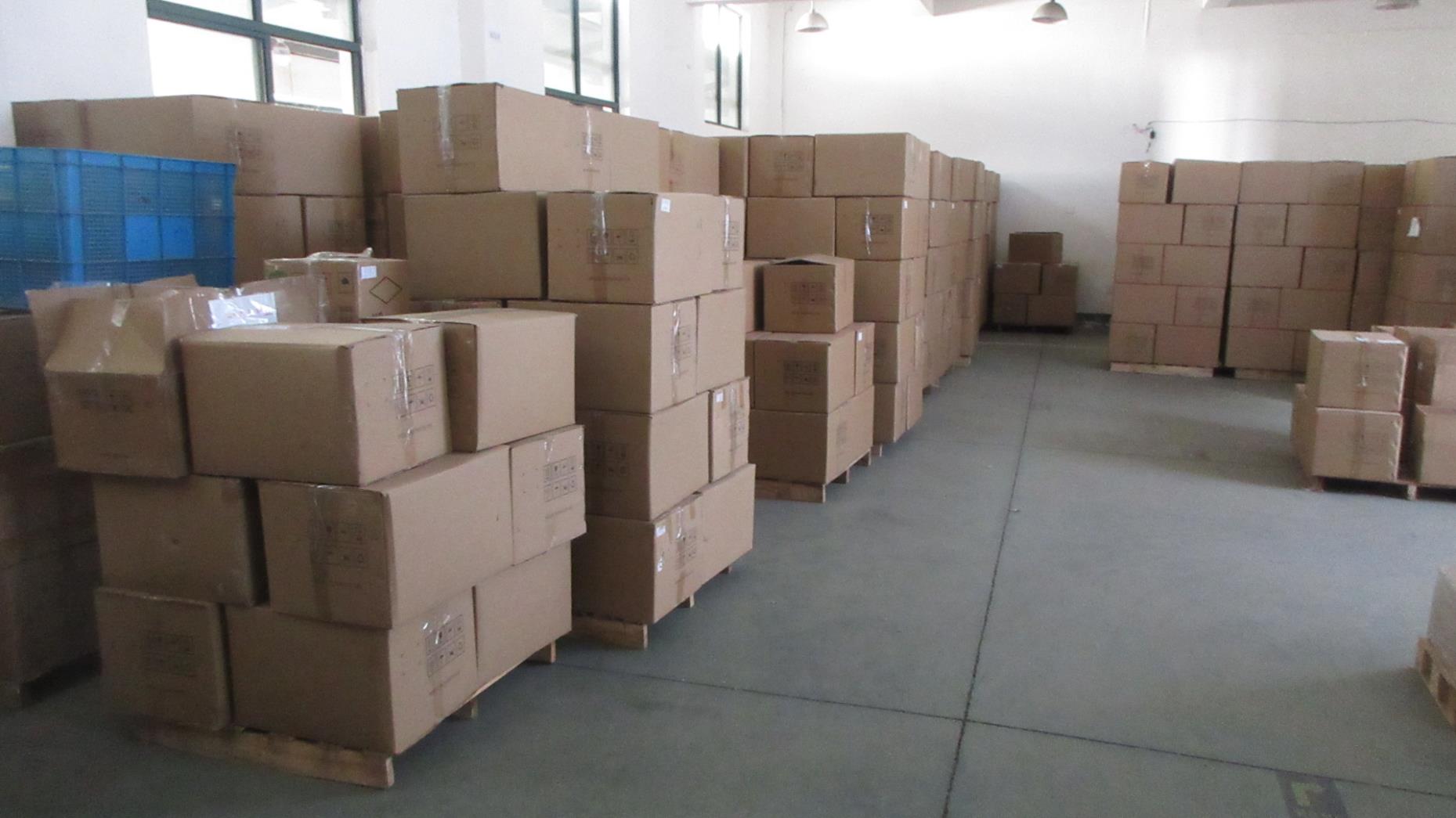
3. Supply Chain Security and Geographic Diversification: Geopolitical risks have highlighted the value of manufacturing hubs with resilient, local component ecosystems. Factories that manage all key manufacturing stages under one roof—from raw material storage and injection molding to assembly and packaging—deliver more predictable lead times and lower transportation overheads.
China's manufacturing sector has moved far beyond low-cost labor. The modern Chinese connector factory is a digitized, automated node that leverages local raw materials, highly trained mechanical engineers, and sophisticated logistics networks to optimize production.
Through the application of automated assembly machines, advanced multi-cavity injection molds, and computerized testing setups, Chinese factories achieve rapid scaling and reliable consistency. By sourcing raw components, refining base alloys, and plating contacts within a single localized hub, these facilities mitigate external supply chain disruptions. This proximity of component vendors, testing laboratories, and shipping ports creates an agile manufacturing environment that meets the urgent schedules of global infrastructure buildouts.
When selecting a manufacturing partner, leading network component procurement teams assess factories across several core disciplines:
Combining custom engineering expertise with robust supply chain integration to deliver high-reliability connectivity solutions.
Founded in 2017, Equip-Link Intelligent Equipment (Shenzhen) Co., Ltd. is an established developer and manufacturer of optical transceivers, high-speed SFP cages, and advanced RJ45 interconnect configurations. Focused on high-performance network infrastructures, Equip-Link designs, manufactures, and exports products for enterprise data centers, telecommunications systems, cloud storage nodes, and high-density computing platforms.
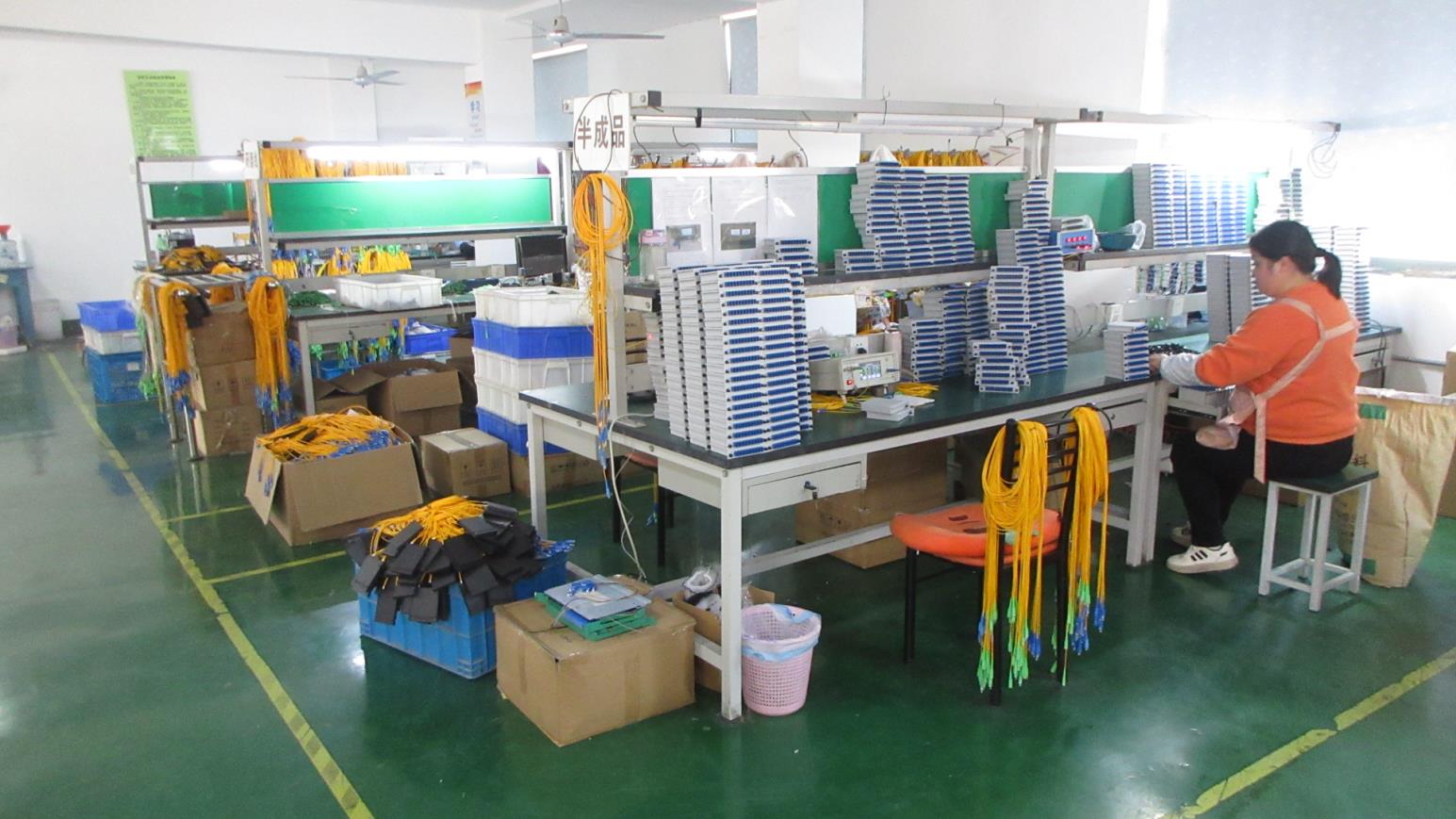
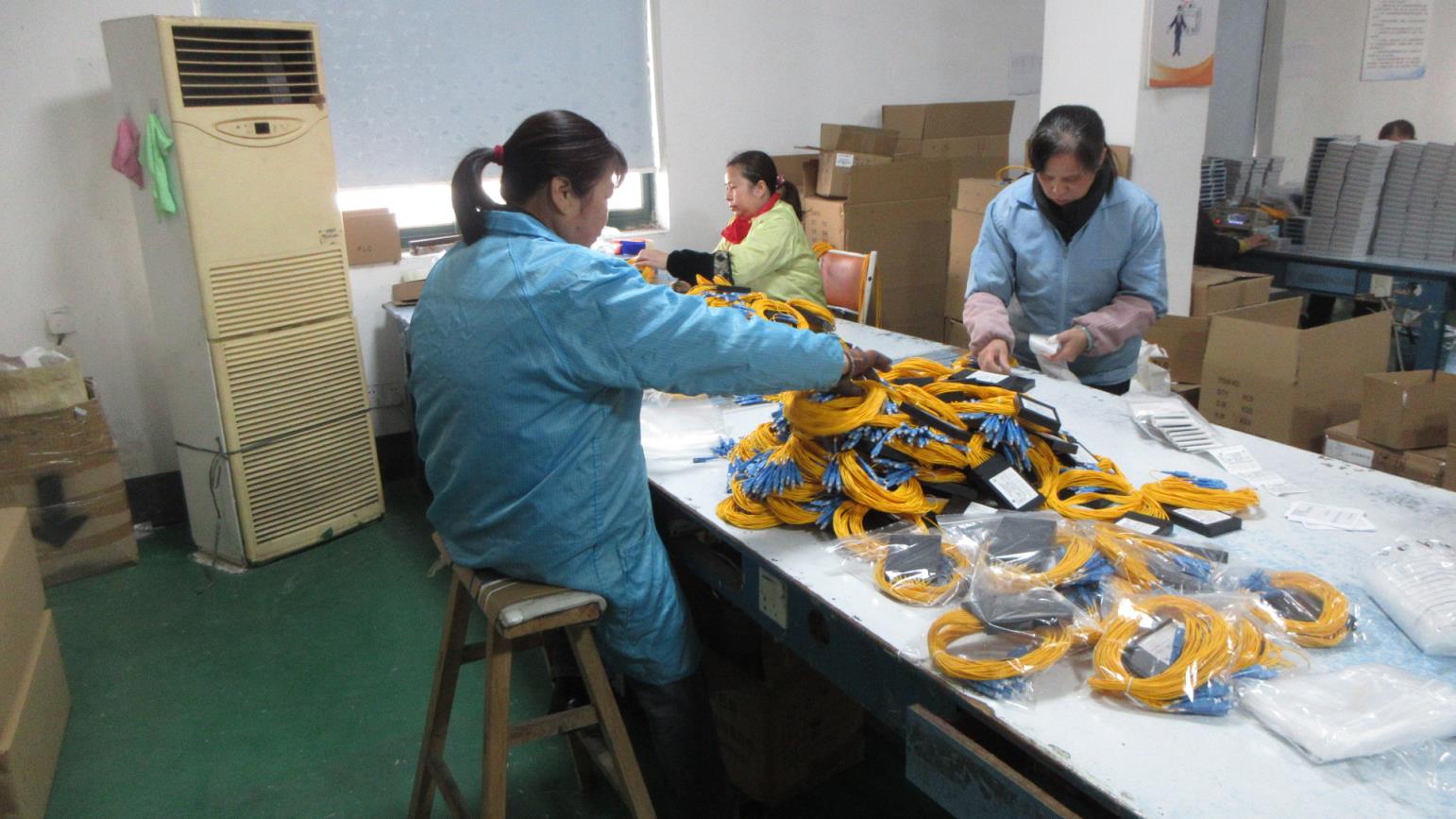
The company operates a modern assembly and administrative facility covering 380 square meters in Shenzhen's technology manufacturing district. By partnering with more than 1,280 qualified suppliers and manufacturing partners, Equip-Link scales its production capacity effectively, generating an annual export revenue that exceeds USD 18 million across more than 50 countries.
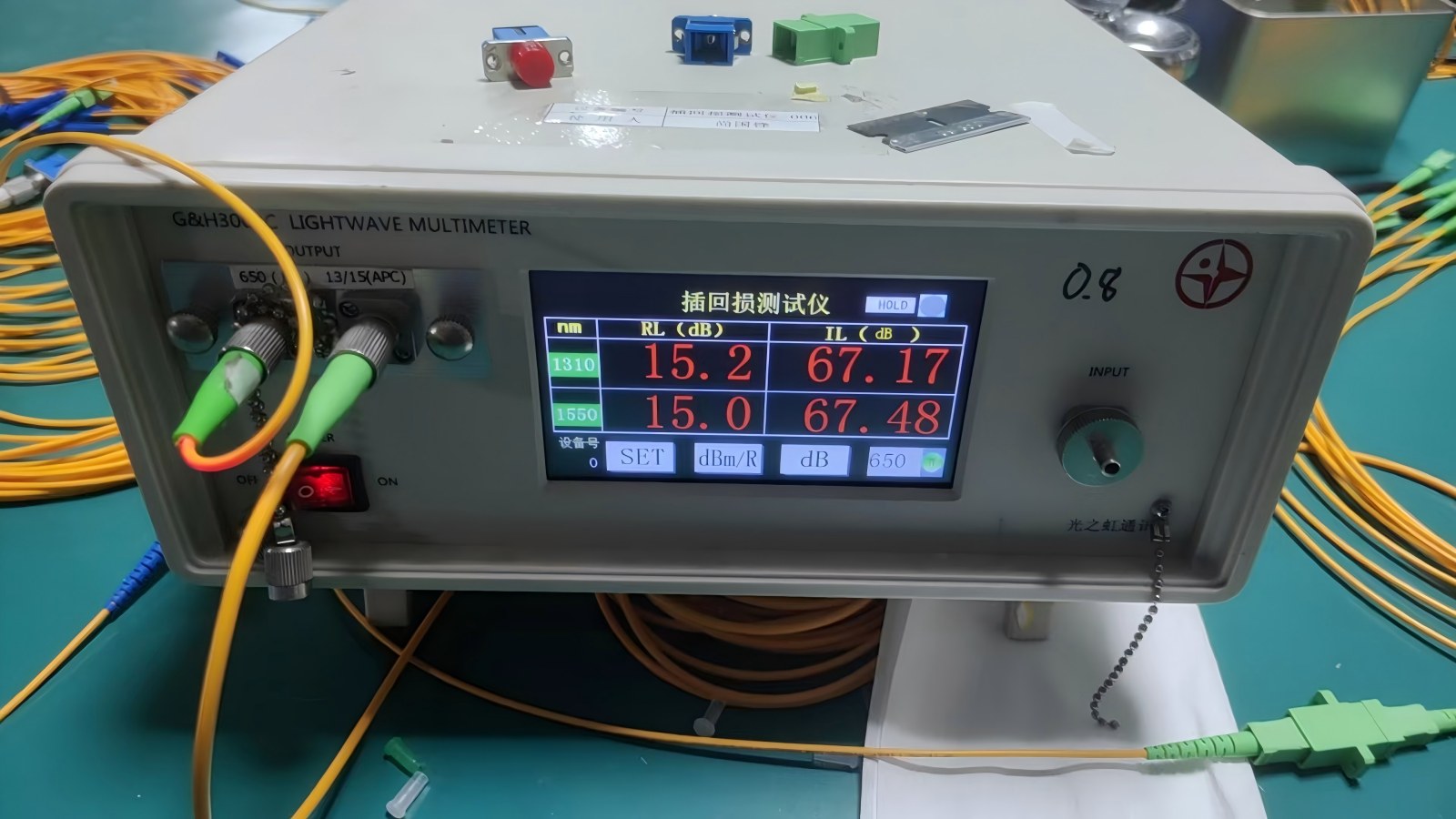
With 9 years of export experience and 14 years of industry expertise, Equip-Link designs and tests its products to meet demanding international standards. The company's quality assurance framework is supported by comprehensive raw material checks, in-process inspections, and final performance verifications. Each component undergoes testing on high-frequency network and optical analyzers, overseen by a dedicated quality assurance team of 36 inspectors.
Equip-Link serves a diverse client portfolio, including telecom operators, cloud service providers, network hardware distributors, and system integrators across North America, Europe, South America, and the Asia-Pacific region. To meet varied project requirements, they offer extensive OEM and ODM customization services, including custom firmware coding, private labeling, specific pinout configurations, and packaging design. Supported by 68 design engineers, the R&D team introduced 126 new products last year, expanding their catalog of high-speed optical transceivers and modular interconnects.
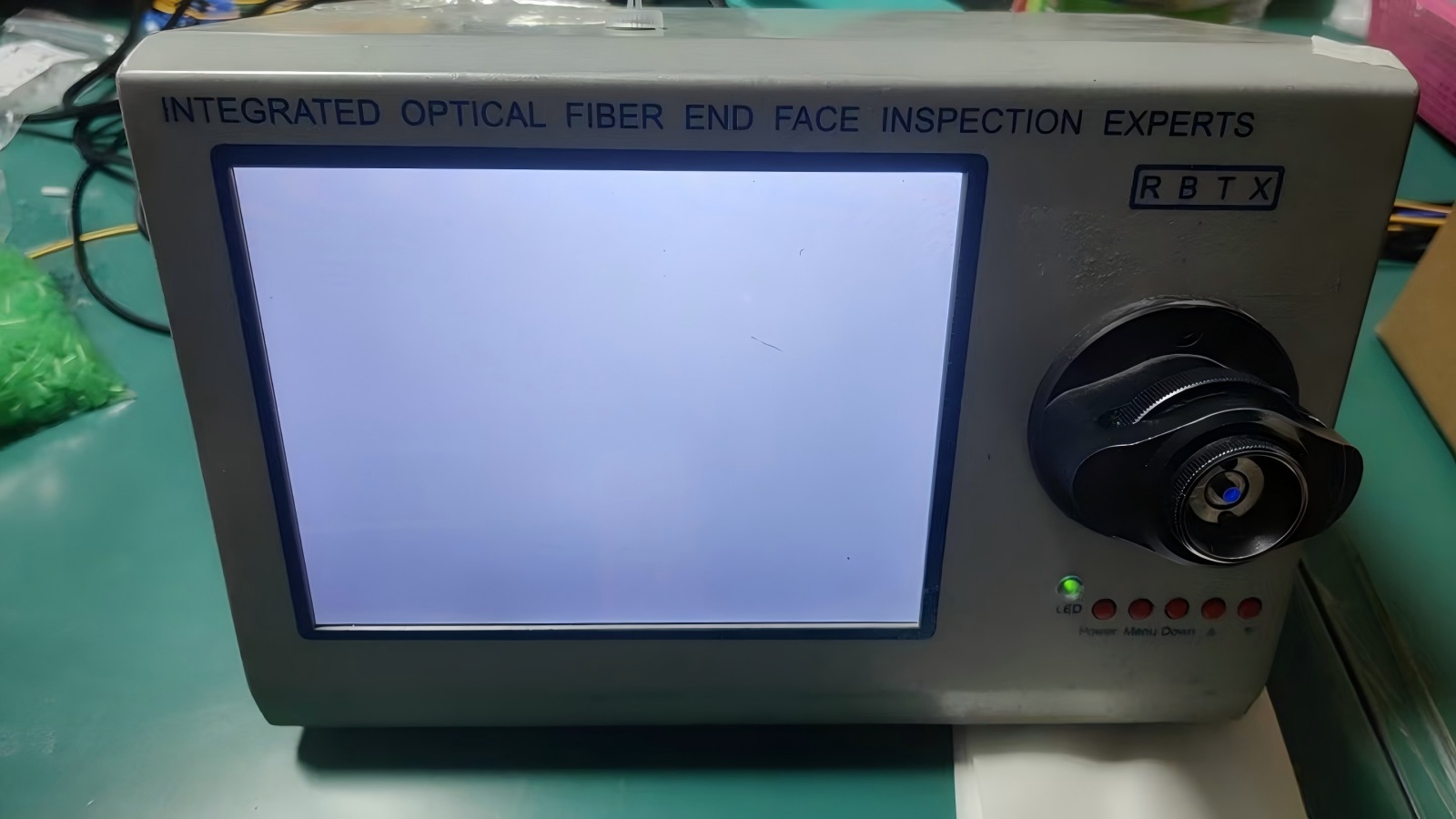
High-power RJ45 and high-speed fiber transceivers are critical in several major technology sectors:
Industrial Automation and Industry 4.0: Modern assembly lines rely on real-time Ethernet protocols to coordinate robotic actions. In these settings, high-power RJ45 interfaces supply power and transfer command data directly to edge sensors, actuator controllers, and inspection cameras, eliminating duplicate cable runs.
Smart Buildings & IoT Infrastructures: Building automation platforms run on PoE networks to manage smart LED lighting, access control panels, and PTZ security cameras. These applications require continuous, stable power delivery and EMI shielding to handle long cable runs through structural walls and utility shafts.
Telecommunication Edge Cells: Outdoor 5G small cells and wireless access points are frequently installed in areas without direct power lines. High-power, weatherized RJ45 connectors route power and high-speed data down a single Ethernet cable, surviving wide temperature variations and heavy wind loads.
Common questions from interconnect designers and sourcing managers regarding high-power RJ45 and networking components.
Explore our full line of surface-mount connectors, optical transceivers, and SFP cages designed for modern network deployments.