Equip-Link
Equip-Link
Equip-Link
Premium optical interconnect and copper modular interfaces engineered for low insertion loss, robust EMI performance, and reliable multi-vendor compatibility.
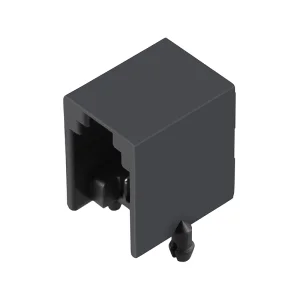
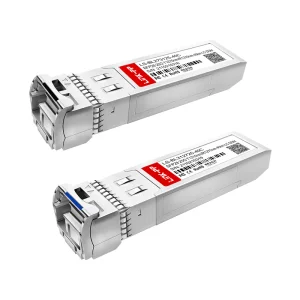
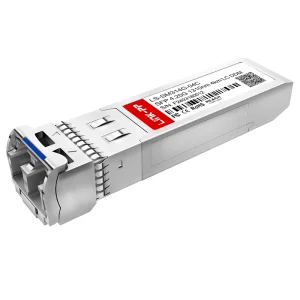
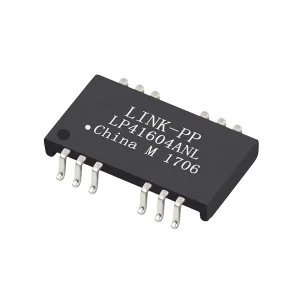
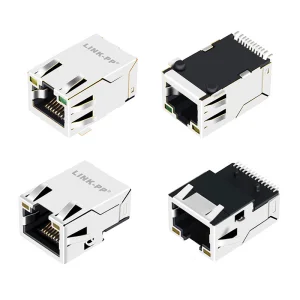
Understanding the engineering demand, physical layer requirements, and multi-source agreements driving the global market for Small Form-factor Pluggable cages, connectors, and optical transceivers.
In the modern data communications landscape, the Small Form-factor Pluggable (SFP) connector interface remains the absolute bedrock of network adaptability. Originally standardized under the Multi-Source Agreement (MSA), SFP and its higher-speed evolutionary descendants—SFP+, SFP28, SFP56, and the latest SFP112—provide the modular physical connection between enterprise switches, routers, firewalls, and network interface cards (NICs) and the optical or copper cabling systems that bridge them. As data centers scale to support high-performance computing (HPC), artificial intelligence (AI) model training, and massive hybrid cloud workloads, the demand for stable, low-latency, and thermally efficient SFP cages and connectors has skyrocketed.
From a technical standpoint, SFP interfaces do not merely serve as simple electrical conduits; they are sophisticated mechanical systems. Each interface must be precision-engineered to manage extreme electromagnetic interference (EMI), mitigate thermal loads from high-powered optical engines, and guarantee physical interface integrity over hundreds of mating cycles. System architects must navigate variables such as insertion loss budget, return loss, and board-level crosstalk. This requires sourcing from manufacturers that control every step of the tooling, injection molding, press-fit assembly, and testing processes.
Selecting an interconnect supplier requires deep inspection of their component-level capabilities, electrical performance certifications, and mechanical tolerance controls.
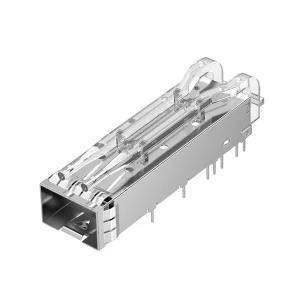
High-speed data signals radiate high-frequency noise. Premium manufacturers utilize advanced copper alloys, stainless steel cages, and integrated metal spring fingers or elastomeric gaskets to secure absolute contact with the bezel, containing EMI leakages within the host enclosure.
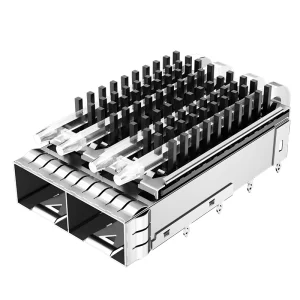
With optical transceivers drawing upwards of 2.5W to 5W per port (especially in high-density DWDM and coherent applications), SFP cages must feature integrated heatsink interfaces, customized fin designs, and optimized airflow bypasses to ensure thermal equilibrium.
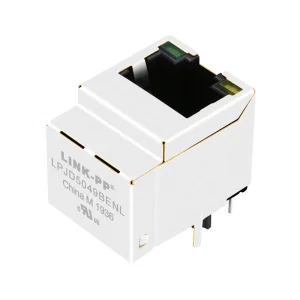
The electrical connector interface inside the cage features 20 golden fingers. Variations in plating thickness (minimum 30u" gold plating standard) or contact geometry cause impedence discontinuities, leading to high Bit Error Rates (BER) at speeds above 10Gbps.
An authoritative analysis of the world's leading suppliers for SFP, SFP+, SFP28 and high-density pluggable cage assemblies.
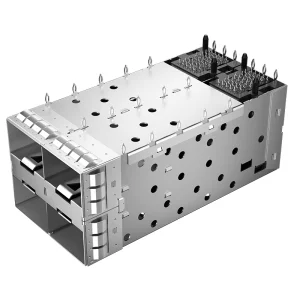
TE Connectivity is the global benchmark for high-speed pluggable I/O interfaces. Their extensive portfolio of single, ganged, and stacked SFP cages sets the baseline for industry multi-source agreements (MSA). TE's proprietary press-fit pin design guarantees excellent board retention and high-frequency performance, with thermal and EMI accessories designed specifically for hyperscale networking environments.
Amphenol is a pioneer in backplane and high-speed input/output systems. Their SFP series boasts industry-leading EMI suppression through advanced elastomeric gasket systems and metal spring fingers. Their designs are optimized for data rates up to 56 Gbps per channel and are extensively utilized in major telecom carrier switching nodes and ruggedized outdoor applications.
Molex delivers exceptional integrated solutions, combining SFP cages with advanced thermal management structures such as lightpipes and integrated heatsinks. Known for their high-density packaging designs, Molex is a key supplier to cloud hyperscalers, offering custom-designed SFP structures that optimize thermal airflow inside server chassis.
FIT is a major force in high-volume, cost-efficient precision electronic components. Leveraging Foxconn's massive manufacturing footprint and vertical integration, FIT supplies massive volumes of standard SFP, SFP+, and SFP28 cages and connectors to global OEMs. Their factories are optimized for high-volume automated assembly and strict compliance checks.
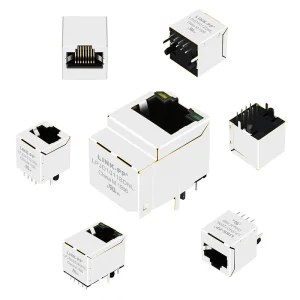
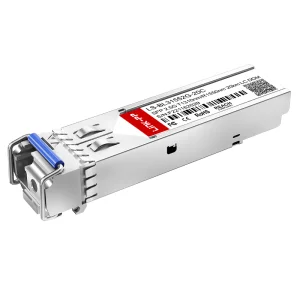
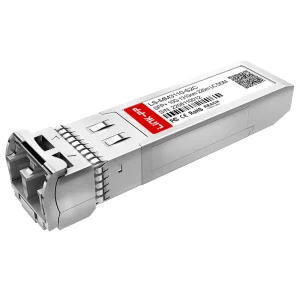
Equip-Link has risen as a highly specialized, fast-growth manufacturer and exporter of optical transceivers and robust interconnect interfaces. Founded in 2017, Equip-Link has combined 14 years of industry expertise with a modern, agile manufacturing facility. They excel in providing direct alternative solutions for Tier-1 brands (like Amphenol and TE replacements) along with comprehensive firmware and compatibility coding configurations. Their design focus is heavily tilted toward multi-vendor compatibility, custom-engineered PCB interfaces, and high-performance optical module integration for data centers and private enterprise networks.
Samtec focuses on specialized high-performance interconnect solutions. Their SFP solutions are designed with proprietary high-speed contact systems that provide superior signal integrity margins. They offer highly customizable stacking configurations and custom micro-pitch systems that are highly favored by research labs and defense applications.
Yamaichi is renown for high-precision components and testing sockets. Their SFP connector line features heavy gold-plating and extreme mechanical durability, making them the default choice for reliability testing systems, burn-in environments, and telecommunication infrastructure in harsh operating climates.
Hirose is celebrated for high-density, low-profile designs. Hirose’s SFP and pluggable systems utilize compact form factors optimized for edge switches, customer-premises equipment (CPE), and small cell wireless towers where every millimeter of PCB real estate is valuable.
Lotes is a powerhouse in the manufacturing of CPU sockets, motherboard interfaces, and high-frequency SFP cages. Their products are deeply integrated into the manufacturing cycles of major Asian ODM servers, offering exceptional mechanical tolerances, high automated efficiency, and stable supply lines.
Harting is the definitive leader in industrial ethernet solutions. Their SFP interfaces are reinforced with heavy metal IP67 enclosures, allowing optical connections to survive in steel mills, automotive assembly floors, railway networks, and wind turbines.
An overview of Equip-Link's technical facility, material controls, assembly precision, and multi-tier quality assurance operations.
Founded in 2017, Equip-Link Intelligent Equipment (Shenzhen) Co., Ltd. is a leading manufacturer and supplier of high-performance optical transceivers and fiber optic communication solutions. We specialize in the design, development, production, and global distribution of optical modules for data centers, telecommunications networks, enterprise networking, cloud computing, and AI infrastructure applications.
Our modern manufacturing facility covers an area of 380 square meters and is equipped with advanced production and testing equipment to ensure consistent quality and reliable performance. With an annual export revenue exceeding USD 18 million, Equip-Link has established long-term partnerships with customers in more than 50 countries and regions worldwide.
With 9 years of export experience and 14 years of industry expertise, our team understands the evolving demands of global communication networks and delivers products that meet international standards for performance, compatibility, and reliability.
Quality is at the core of everything we do. We implement a comprehensive quality management system supported by incoming material inspection, in-process quality control, and final product testing. Every product undergoes rigorous testing using advanced optical and network performance analyzers before shipment. Our dedicated quality assurance team consists of 36 experienced inspectors who ensure that every product meets customer requirements and industry specifications. Our extensive supply chain network includes more than 1,280 qualified partners, enabling us to maintain stable production capacity and efficient delivery schedules.
Our major customer groups include telecommunication operators, data center providers, network equipment distributors, system integrators, cloud service providers, and OEM/ODM brands. To support diverse market needs, Equip-Link offers flexible customization services, including private labeling, custom firmware programming, compatibility coding, packaging customization, and OEM/ODM manufacturing.
Innovation drives our growth. Our R&D department is staffed by 68 professional engineers dedicated to developing next-generation optical communication technologies. In the past year alone, we successfully launched 126 new products, further expanding our portfolio of high-speed optical transceivers, including 10G, 25G, 40G, 100G, 200G, 400G, and 800G solutions.
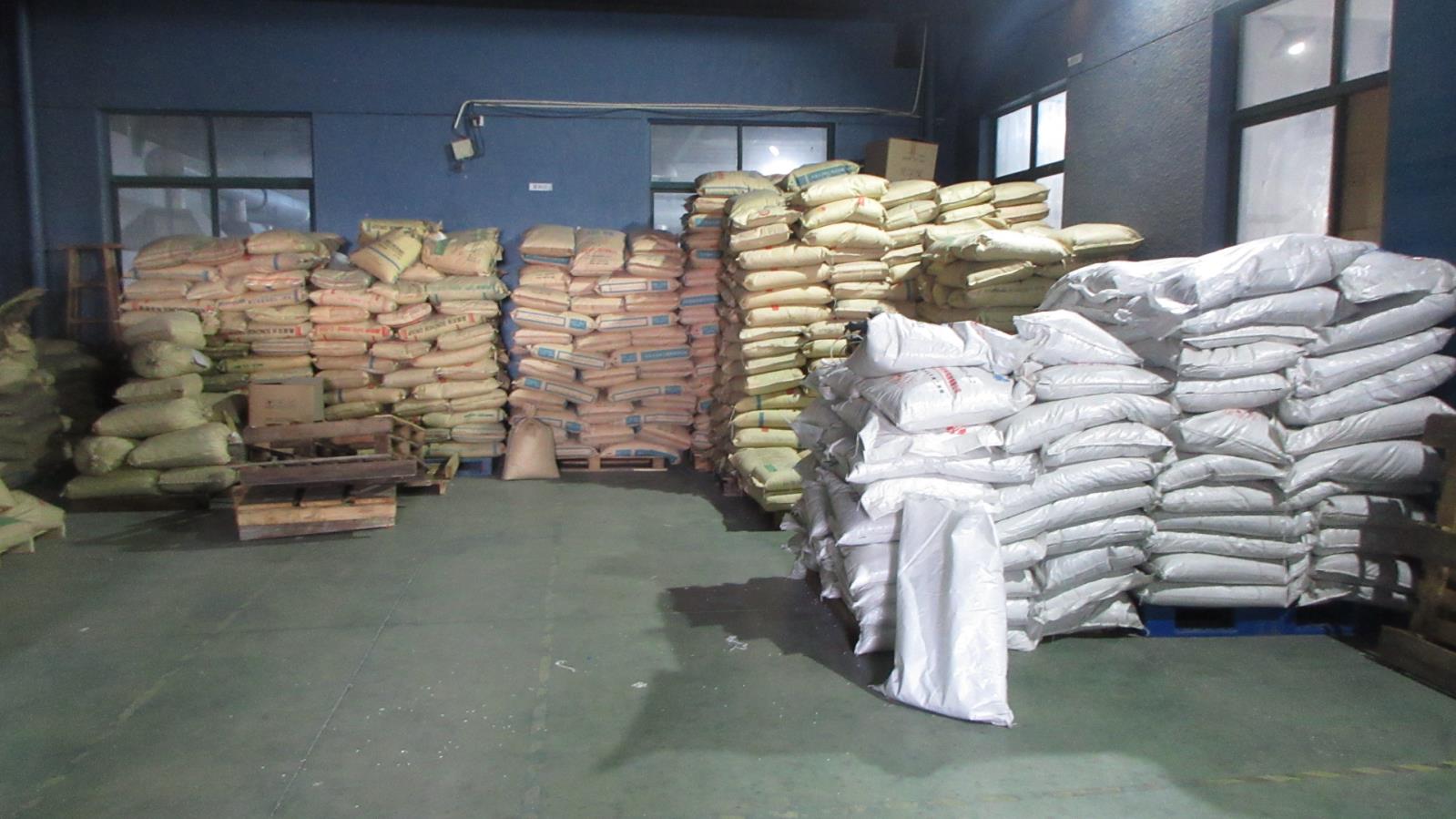
Raw Material
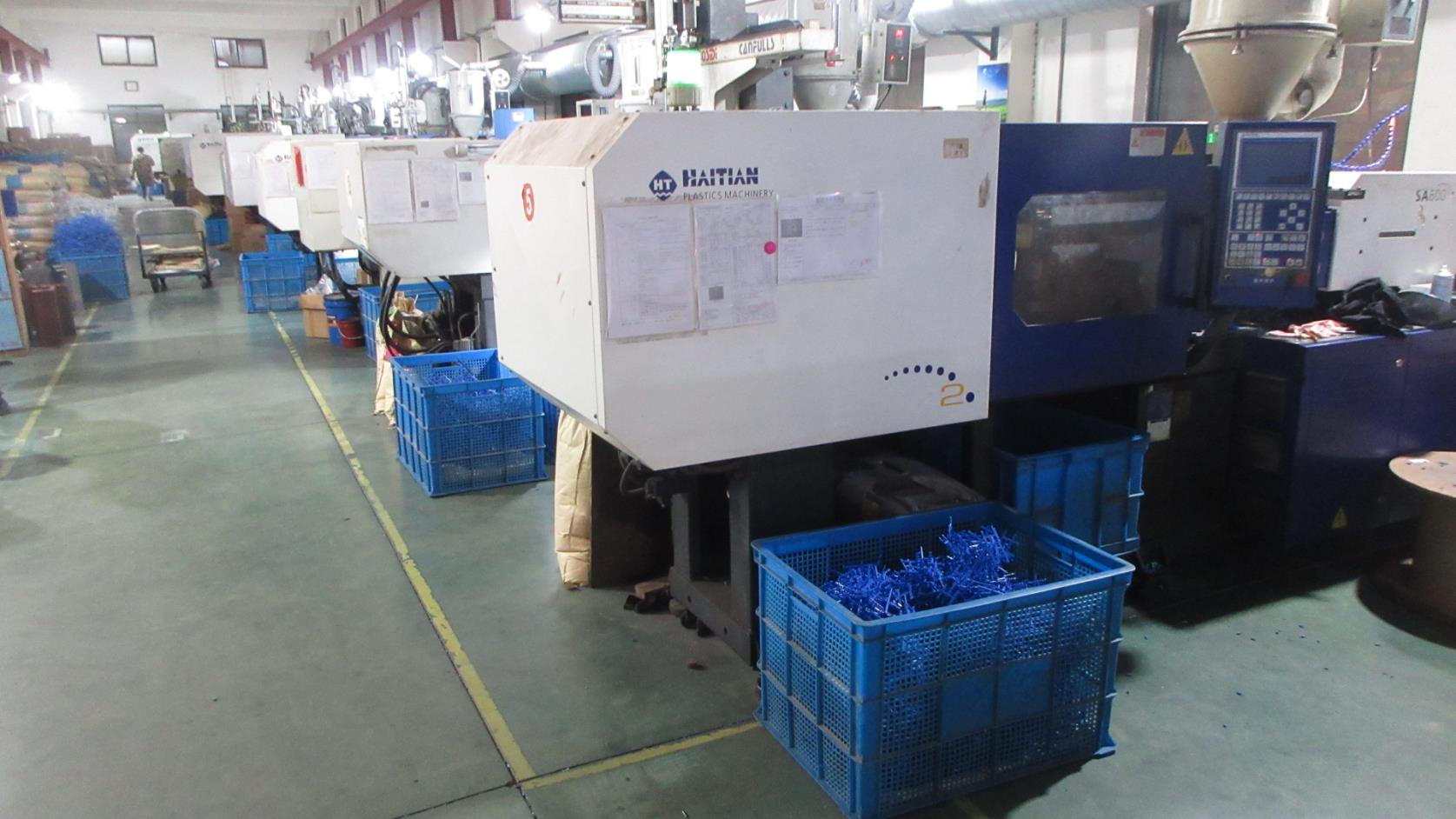
Injection Molding
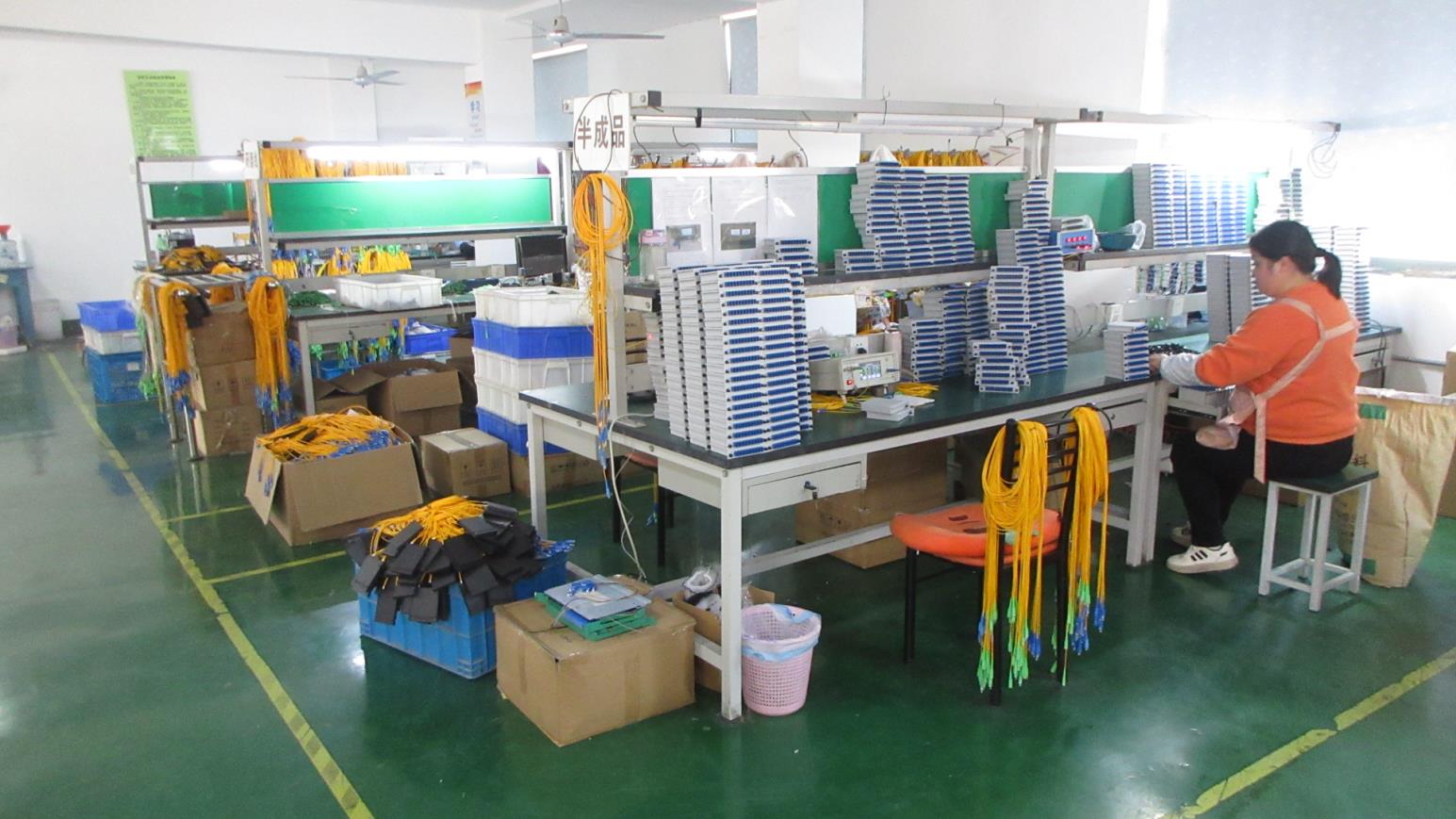
Assembly
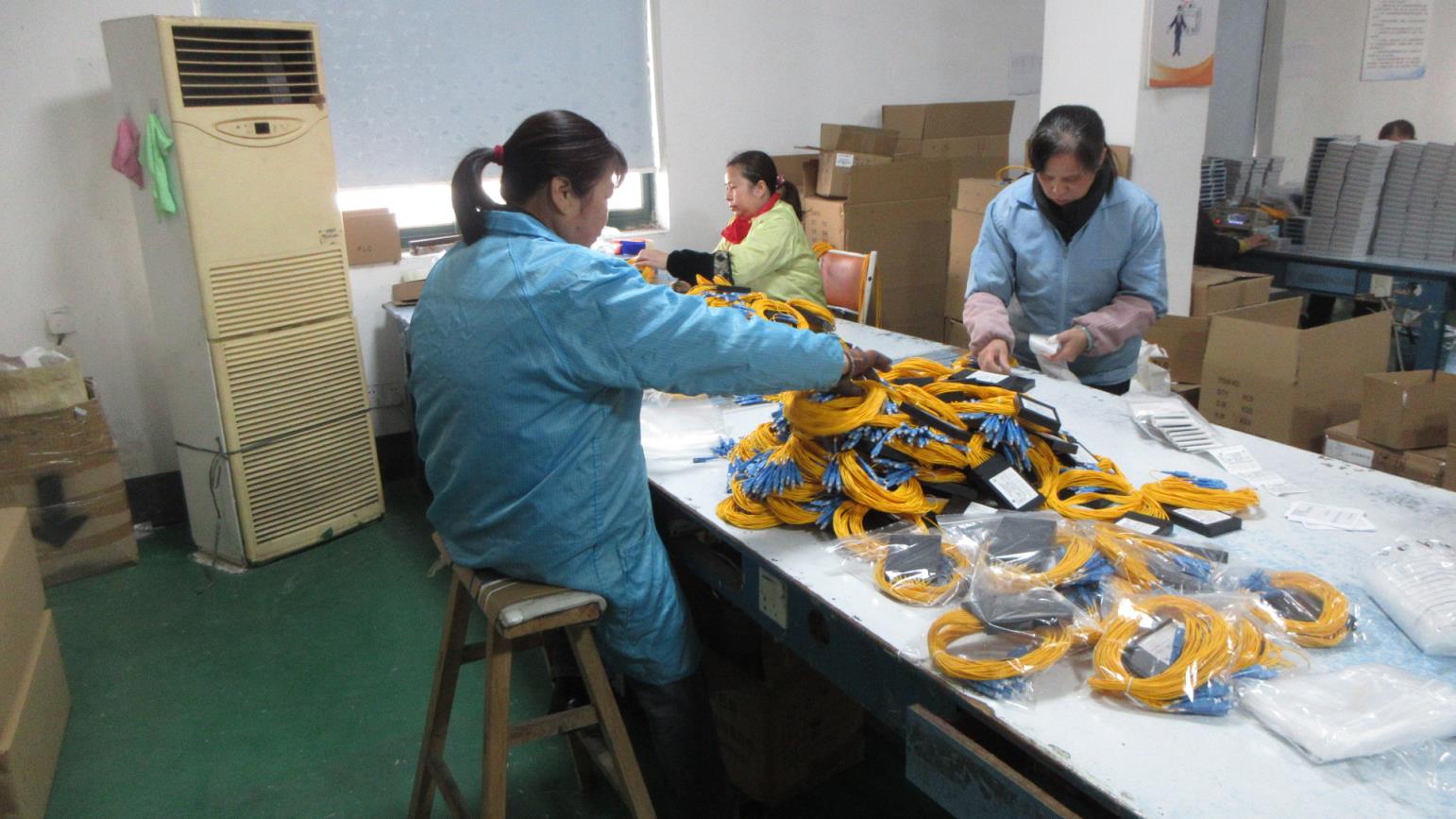
Packing
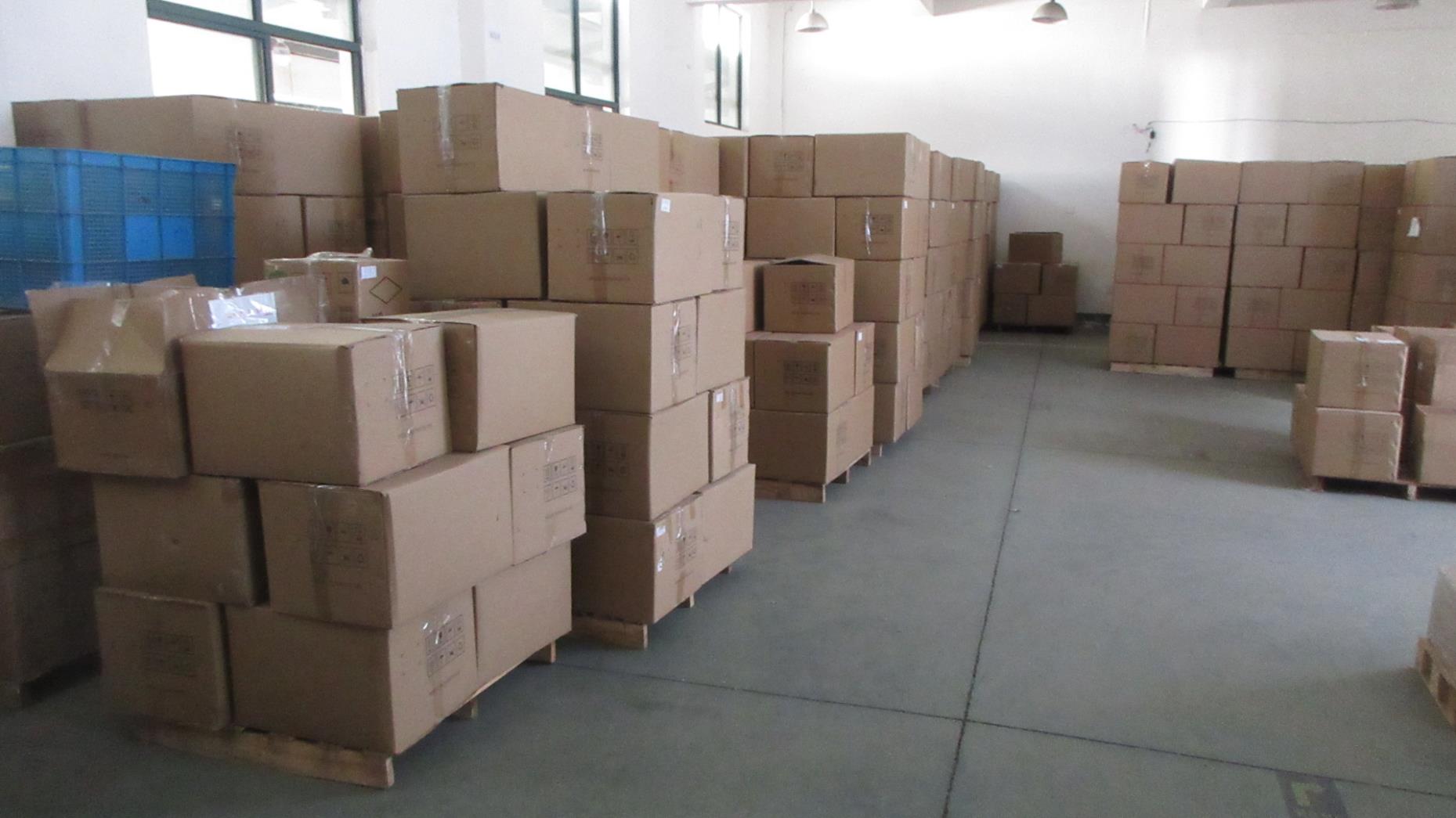
Warehouse
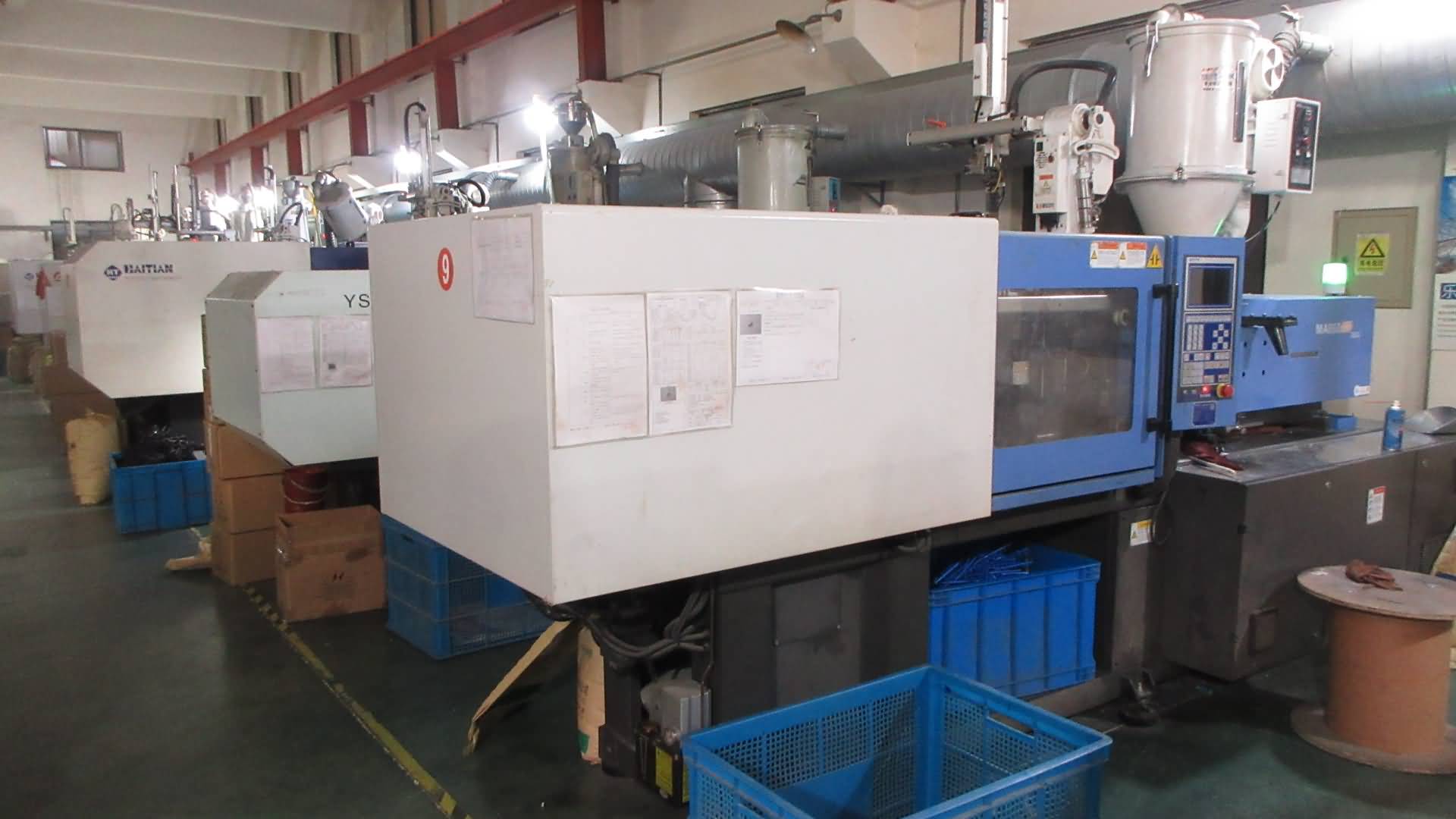
Our facility is equipped with automated injection machines designed to process specialized liquid crystal polymers (LCP) and polyphenylene sulfide (PPS). This guarantees micro-level precision when forming the connector slots and golden-finger retention components, ensuring reliable insertion forces and thermal stability.
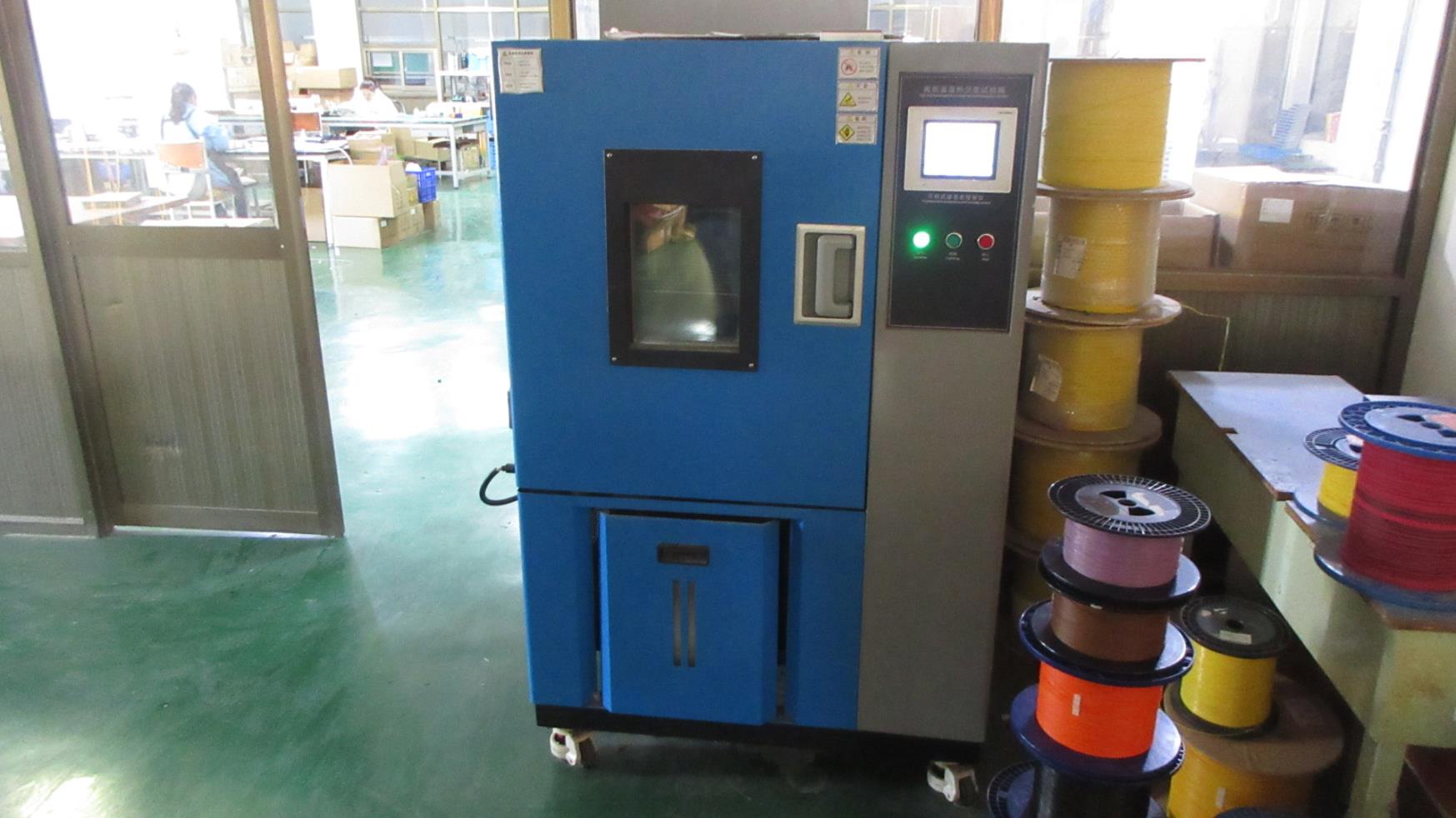
High And Low Temperature Damp Heat Alternating Test Chamber
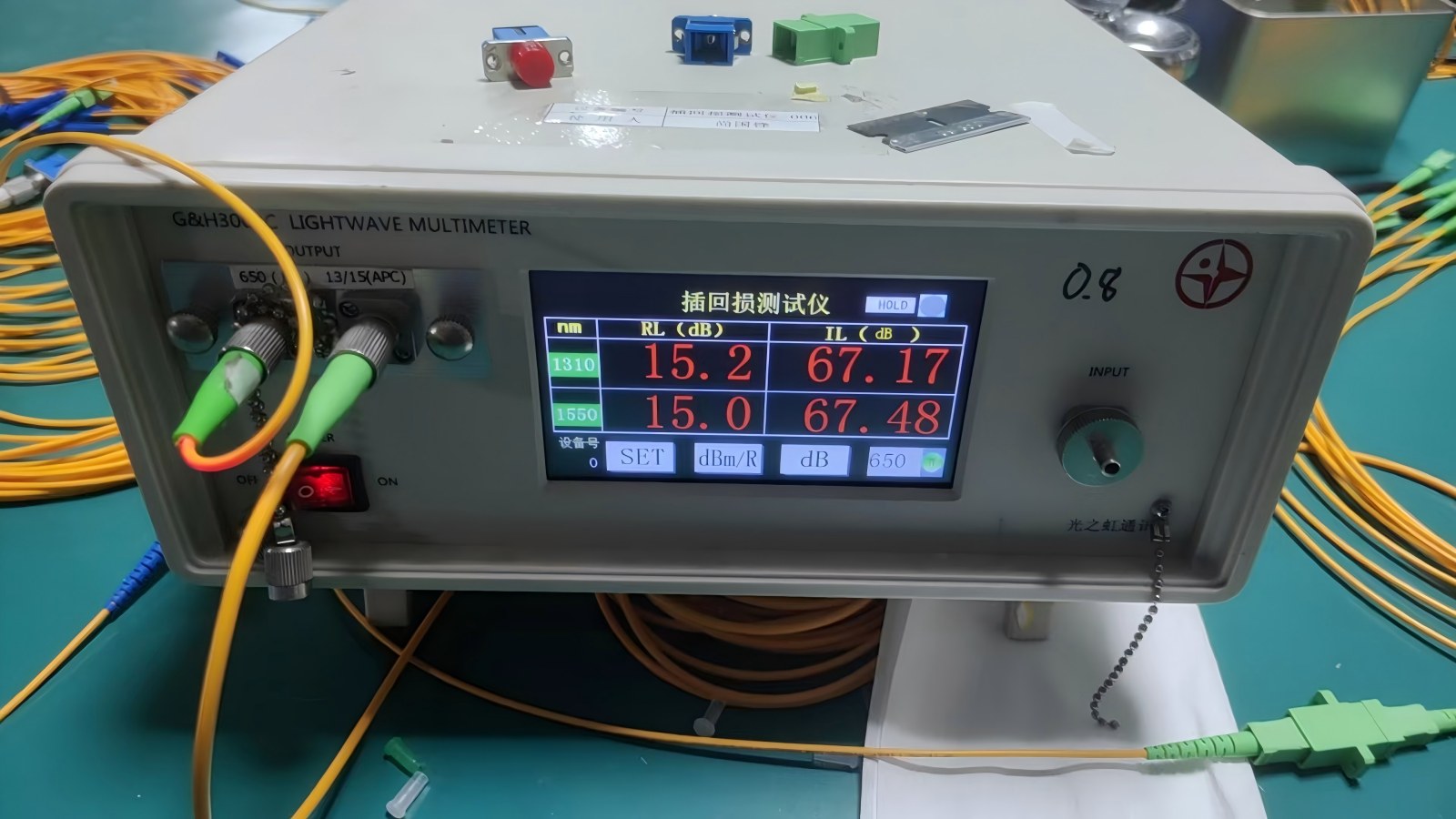
Optical Insertion Loss Tester
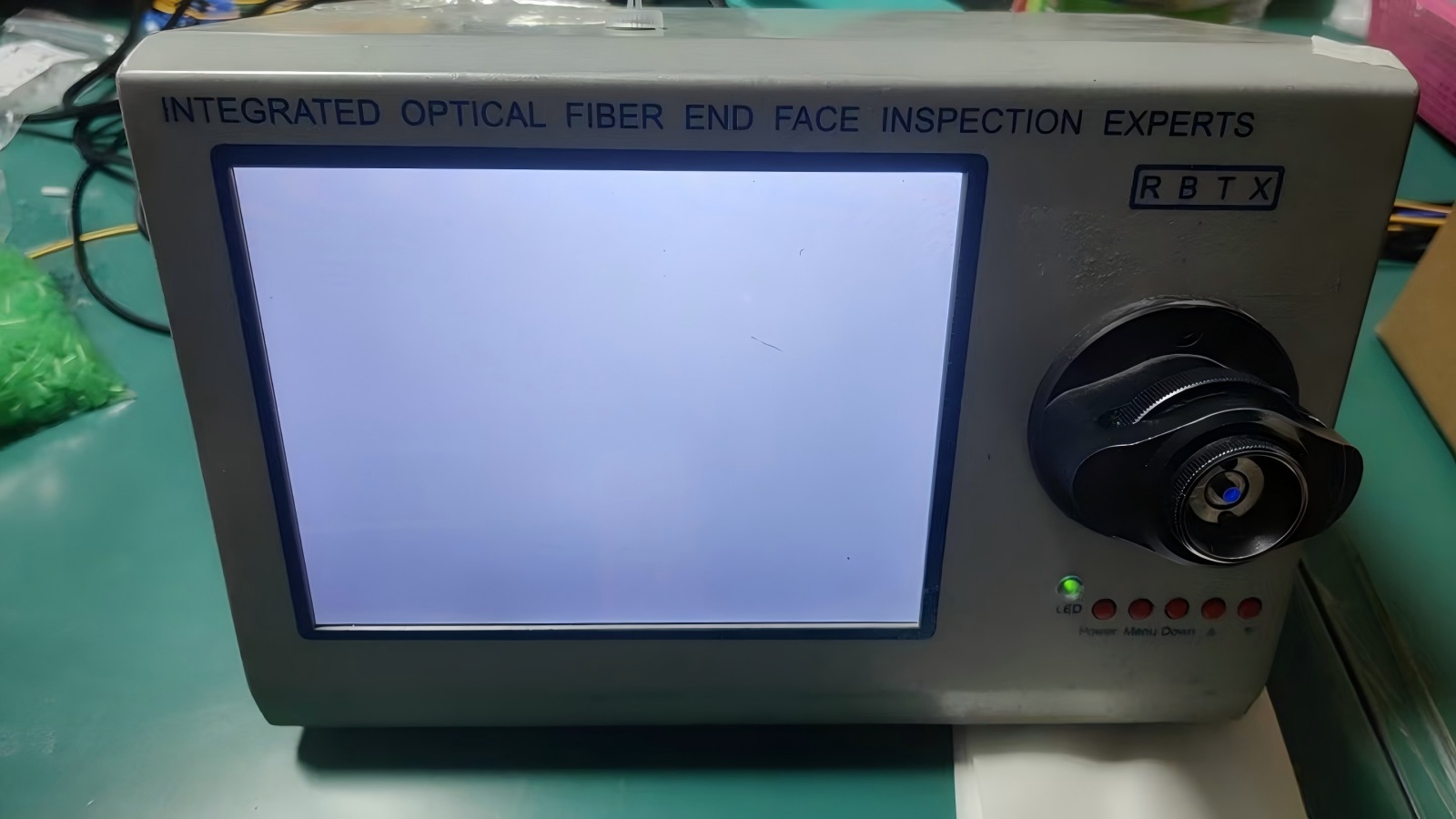
Integrated Optical Fiber End Face Inspection Experts
SFP connector cages and optical interfaces are utilized across various verticals that demand low-latency, scalable bandwidth, and high system reliability.
Inside the modern leaf-spine architecture, high-density SFP28/SFP56 interfaces connect thousands of compute nodes to Top-of-Rack (ToR) switches. Custom heat dissipation cages are critical in preventing port throttling under continuous network loads.
Fronthaul interfaces connect baseband units (BBU) to remote radio heads (RRH) via CPRI/eCPRI protocols. SFP interfaces designed for telecom must withstand outdoor operating temperatures (-40°C to 85°C) and protect against high humidity and dust.
Deploying SFP interconnects on factory floors requires resistance to heavy mechanical vibration, electromagnetic interference from high-voltage machinery, and compliance with specialized standards like Industrial Ethernet/IP and Profinet.
Navigating international regulatory approvals, RoHS compatibility, and vendor-specific coding profiles to ensure seamless systems integration.
In high-speed physical layers, standardized compatibility is paramount. SFP interfaces must align completely with Multi-Source Agreements (MSAs) to ensure physical dimensions, pin layouts, and mechanical tolerances match across all global hardware brands. SFP cages must also pass certification requirements for global trade and deployment, including RoHS (Restriction of Hazardous Substances), REACH, and flame retardancy classifications like UL 94 V-0.
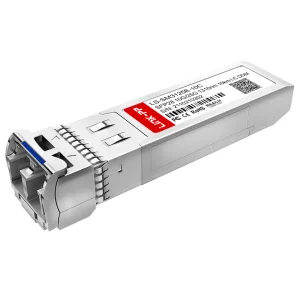
Furthermore, sourcing from an expert manufacturer like Equip-Link provides regional distributors and integrators with localized compatibility programming. Many major switch OEMs utilize proprietary encryption algorithms on their transceiver ports (EEPROM coding). Factory-level customization allows the custom-coding of modules to match Cisco, HP, Aruba, Juniper, and other Tier-1 equipment profiles, eliminating vendor lock-in and drastically reducing network expansion budgets.
How interconnect engineering is evolving to support higher PAM4 baud rates, silicon photonics integration, and thermal-efficient architectures.
As the telecommunication industry moves toward 800G and 1.6T networking speeds, traditional SFP architectures are pushing against the physical limits of copper conductors and thermal dissipation. SFP112 (112 Gbps per lane using PAM4 modulation) represents the peak of single-lane pluggable interfaces. For speeds above this, the industry is transitioning to two paths:
Regardless of the macro-system design, precision engineering of mechanical slots, press-fit alignment pegs, and EMI containment layers will remain highly critical, maintaining the demand for highly specialized connector factories worldwide.
Expert answers to common engineering, procurement, and integration questions regarding pluggable network interfaces.
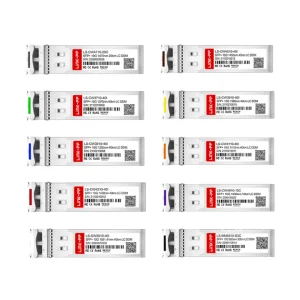
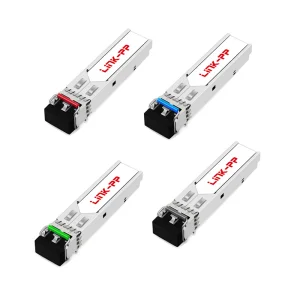
Explore our specialized range of waterproof connectors, CWDM/BiDi modules, and OEM-compatible cage replacements.