Equip-Link
Equip-Link
Equip-Link
An Executive Guide to Modern High-Speed Optical Transceiver Sourcing
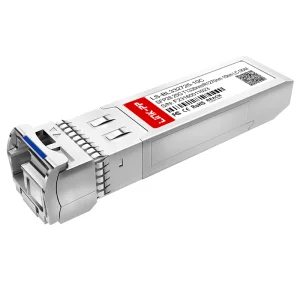
The rapid expansion of global hyper-scale data centers, 5G wireless rollouts, and enterprise networks supporting intense AI/ML training workloads has accelerated the demand for high-capacity, low-latency communication networks. At the core of this infrastructural boom is the Single Mode SFP (Small Form-factor Pluggable) module. Unlike multimode fiber (MMF), which uses LED or VCSEL light sources for short-range links, Single Mode Fiber (SMF) optical transceivers rely on high-precision lasers (FP, DFB, or EML) operating typically at 1310nm or 1550nm wavelengths. This allows signals to travel over tens of kilometers without severe signal attenuation or chromatic dispersion, positioning SMF modules as the backbone of modern global telecom infrastructure.
As networks migrate from standard gigabit connections to 10G SFP+, 25G SFP28, and up to 400G/800G form factors, procurement officers and network design engineers face critical choices regarding compatibility, thermal resilience, and manufacturing QA. Finding a reliable supplier who can provide high-density integration alongside certified compatibility is essential for minimizing network downtime. This technical whitepaper analyzes the market landscape, explains China's core manufacturing efficiency advantages, and profiles the top solutions designed to support seamless cross-brand operations.
Engineered for high compatibility, low insertion loss, and maximum structural integrity.
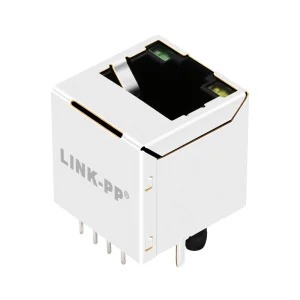
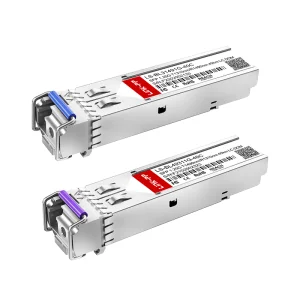
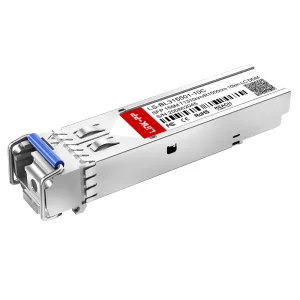
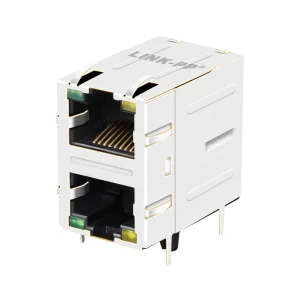
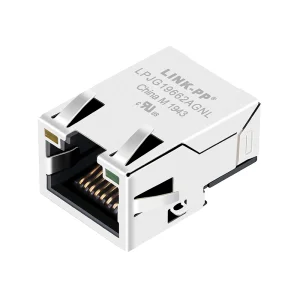
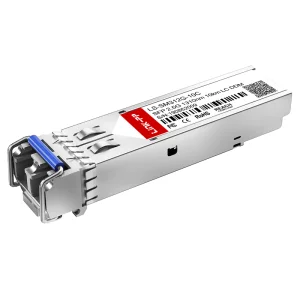
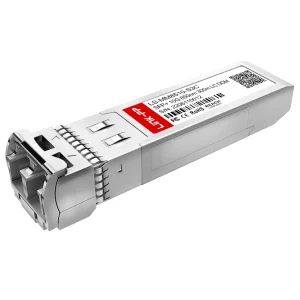
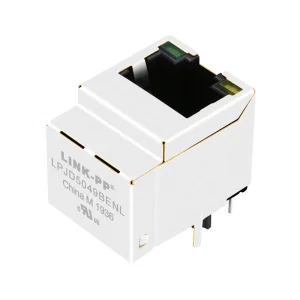
Rapid deployment of FTTH (Fiber-to-the-Home) networks across regions such as North America, Western Europe, and Southeast Asia drives massive adoption of single-mode connectivity. Operators rely on optical modules to bridge municipal backbones over extensive physical distances.
Modern data centers demand low latency, minimal footprint, and low power dissipation. Transitioning to single-mode fiber infrastructure allows 25G, 100G, and 400G networks to maintain optical power levels without thermal runaways in high-density racks.
Smart factories and remote oil, gas, or mining facilities utilize Single Mode SFPs to connect sensors and central processing units over distances spanning 10km to 40km. These robust systems require modules with wide operational temperature tolerances (-40°C to 85°C).
Combining technological innovation, specialized talent, and rigorous Quality Assurance protocols.
Established in 2017, Equip-Link Intelligent Equipment (Shenzhen) Co., Ltd. stands as a premium supplier and exporter of high-performance optical transceivers. Leveraging Shenzhen's specialized industrial ecosystem, we integrate raw material sourcing, optical component molding, high-precision chip attachment, and comprehensive environmental testing within an optimized workflow. Our facility coordinates local supply networks containing over 1,280 qualified component manufacturers. This enables Equip-Link to offer stable lead times and immediate scalability for multi-million-unit deployments.
At Equip-Link, quality control is integrated into every phase of manufacturing. Advanced machinery ensures that internal optical paths are aligned within sub-micron tolerances, maintaining minimal insertion loss. Additionally, our dedicated quality team of 36 experienced inspectors executes automated validation procedures. These procedures verify standard compatibility with hardware systems from major international brands such as Cisco, Aruba, and HPE.





Minimizing attenuation and maximizing lifecycle endurance under extreme network environments.

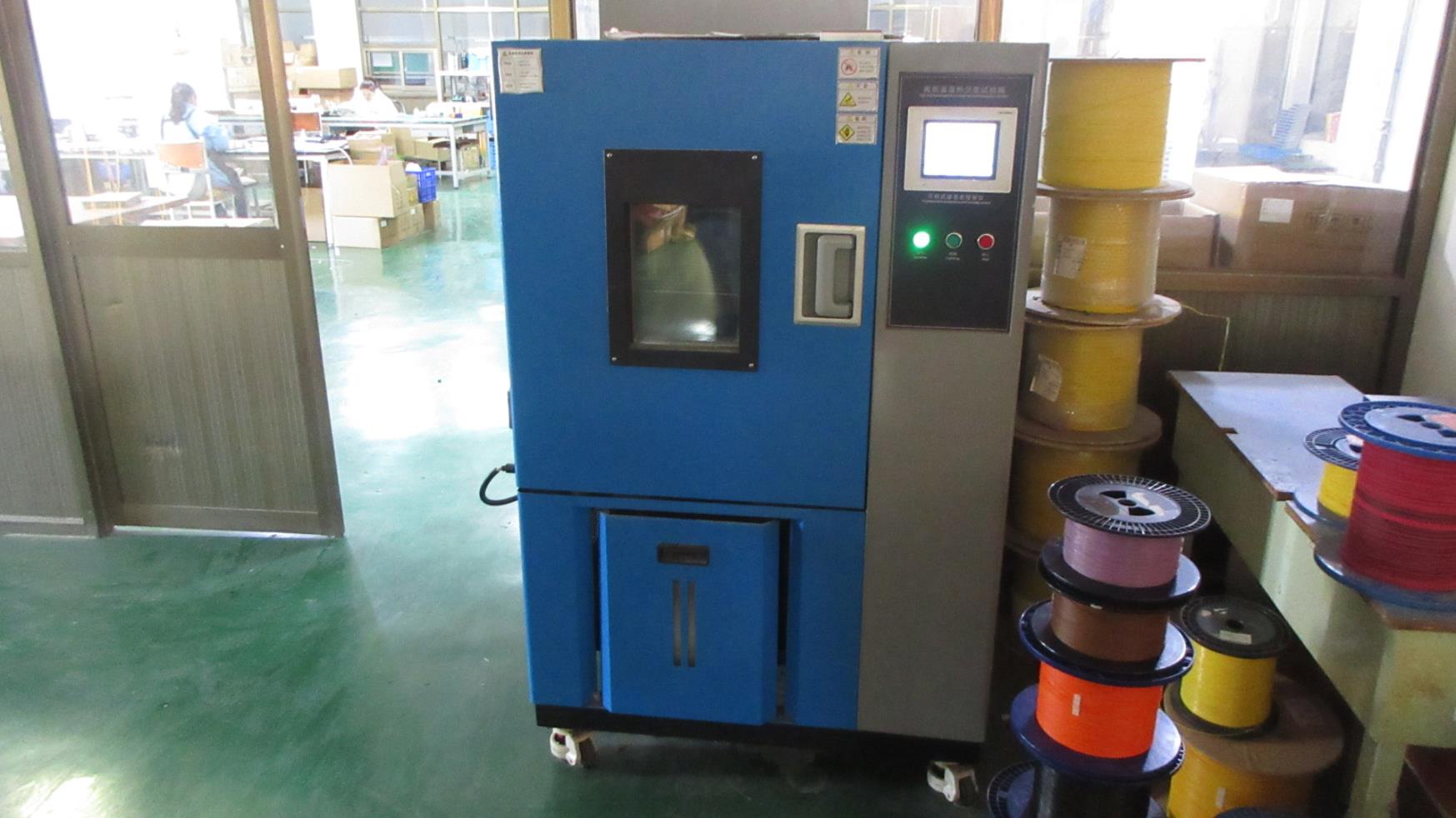
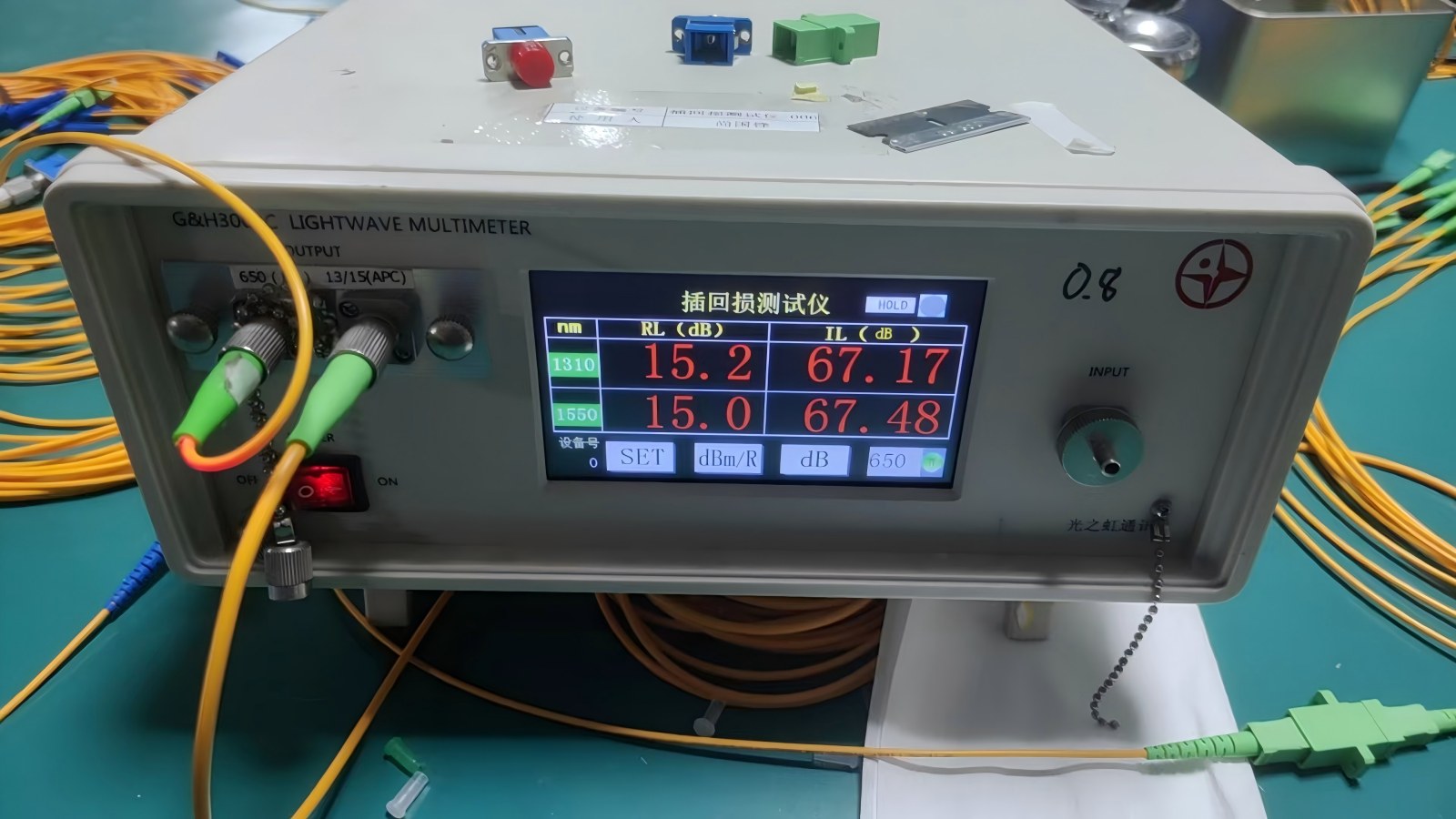
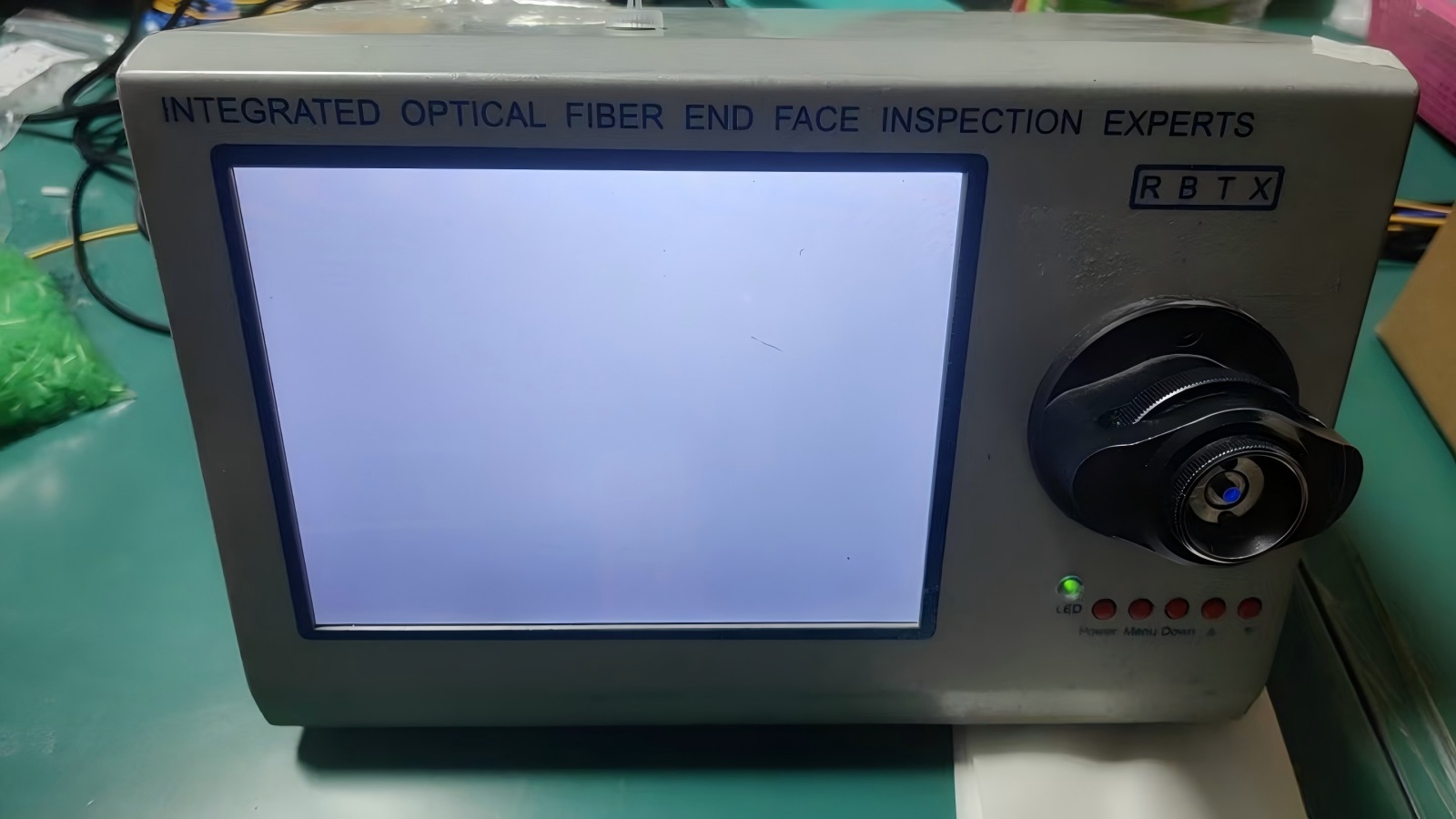
How technical specifications translate to real-world performance metrics.
By using 1310nm or 1550nm wavelengths, single-mode modules overcome physical signal attenuation over links extending from 10km up to 80km. They serve as key connectors for municipal networks and inter-facility links.
For high-density office complexes, universities, or industrial yards, single-mode fiber links core network frames to distribution nodes, ensuring zero-latency distribution across multiple facilities.
BiDi transceivers use Wavelength Division Multiplexing (WDM) to transmit and receive signals over a single strand of fiber (simplex). This configuration helps network operators double their fiber capacity without laying new cables.
Silicon Photonics, LPO technology, and the transition to high-speed digital networks.
The optical communication industry is on the verge of a technical shift driven by the need for increased bandwidth and reduced power consumption. Emerging technologies such as Silicon Photonics integrate optical waveguides and laser circuits directly onto silicon chips. This design helps lower power dissipation compared to traditional copper-wire systems. This advancement paves the way for 400G and 800G coherent transceivers to become standard in high-capacity networks.
At the same time, LPO (Linear Drive Pluggable Optics) is gaining attention. LPO simplifies modules by removing complex DSP chips, relying instead on high-performance linear drivers on the host ASIC. This approach reduces overall latency, component cost, and power usage. Suppliers like Equip-Link are continuously updating their product lines, introducing over 126 new items annually to help operators stay ahead of these evolving technical standards.
Technical answers for sourcing directors and network engineers.
The difference lies in core diameter, light source, and transmission distance. Single-mode SFP modules operate over a narrow glass core (typically 9/125 micrometers) using laser diodes, which limits signal dispersion and allows links to reach 10km to 80km. Multimode SFPs use wider cores (50 or 62.5 micrometers) and VCSEL/LED light sources, optimized for short-range networks up to 550 meters.
DDM provides real-time access to key module operating parameters, including laser transmitter power, receiver optical power, internal temperature, bias current, and supply voltage. Monitoring these metrics helps network engineers detect degradation in optical links before a complete connection failure occurs.
Equip-Link employs a dedicated software testing lab featuring physical switches from leading network brands. Each module is programmed with custom firmware matching MSA (Multi-Source Agreement) standards and tested on-switch to verify proper host system identification and performance.
BiDi (bidirectional) modules are specifically designed to transmit and receive data over a single simplex optical fiber strand. This is achieved by using two different wavelengths (e.g., 1310nm-TX and 1490nm-RX) for upstream and downstream traffic, allowing operators to maximize fiber capacity.
Engineered for high compatibility, low insertion loss, and maximum structural integrity.