Equip-Link Equip-Link

Top China SFP Module Manufacturer & Factory

Providing High-Speed Optical Transceivers, Cages, and Ethernet Jacks for Next-Gen Telecom, AI Infrastructure, and Hyperscale Data Centers

Featured Interconnect Solutions

High-Performance Hardware Portfolio

Explore our premium selection of optical modules, shielded cages, and RJ45 connectors engineered for low-latency transmission and robust thermal efficiency.
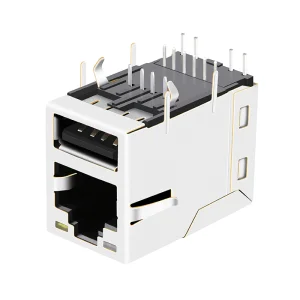
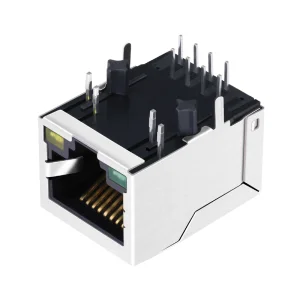
MIC24U16131W-LF3 Tab up 10/100 Base-t Ethernet Magnetic RJ45 USB Jack
MIC24U16131W-LF3 Tab up 10/100 Base-t Ethernet Magnetic Female RJ45 USB Jack With Leds
View Specifications
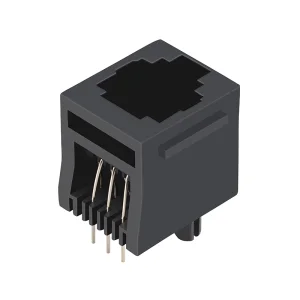
Top Entry Female Ethernet Socket RJ11 Jack 6P6C
Top Entry Female Ethernet Socket 1 Port Without Shield Vertical 6P6C RJ11 Jack
View Specifications
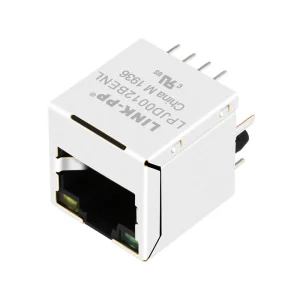
XRJV-01V-4-D12-380 Vertical Top Entry 10/100 Base-t Ethernet Magnetic RJ45 Jack
XRJV-01V-4-D12-380 Vertical Top Entry 10/100 Base-t Ethernet Magnetic RJ45 Jack With Leds
View Specifications
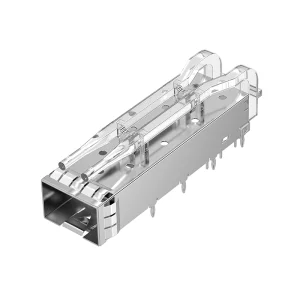
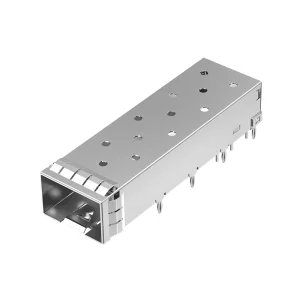
TE Replacement 2170193-1 EMI Shielded Press-Fit SFP Cage
2170193-1 TE Replacement Through Hole EMI Shielded Press-Fit SFP+ Cage With Light Pipe
View Specifications
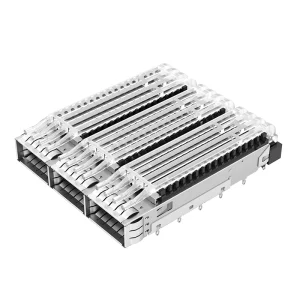
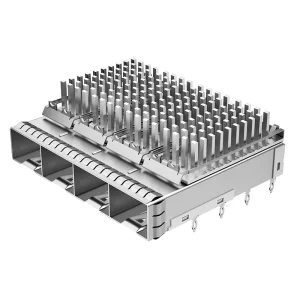
TE Replacement 2170769-1 Light Pipe SFP Cage
2170769-1 TE Replacement Through Hole Light Pipe 1x3 Ports Press-Fit SFP Cage With Heat Sink
View Specifications
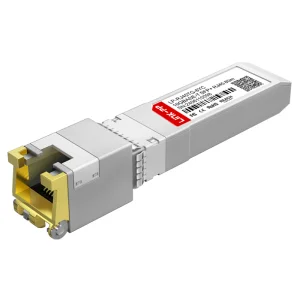
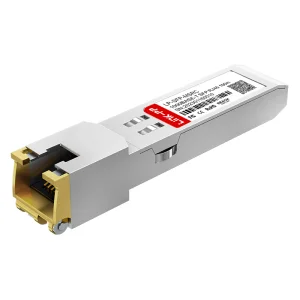
Juniper SFPP-10G-T Compatible 10G Copper Transceiver
Juniper SFPP-10G-T Compatible 10GBASE-T SFP+ 10G Copper Transceiver RJ45 80m
View Specifications
TE Compatible 2007251-1 SFP+ Cage Assembly
2007251-1 TE Compatible Through Hole EMI Shielded Press Fit SFP+ Cage Assembly
View Specifications
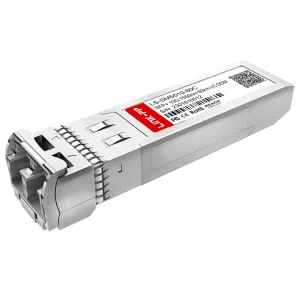
10GBASE-ZR SMF Fiber Optic Transceiver 1550nm SFP+
10GBASE-ZR SMF Fiber Optic Transceiver Duplex LC Single Mode 1550nm 10g SFP+ Module 80km
View Specifications
Industrial Insight & Global Trends

The Global Optical Transceiver Landscape: SFP Modules in Next-Gen Tech

An in-depth look at how Small Form-Factor Pluggable (SFP) modules have become the backbone of modern enterprise networking, telecommunications, and hyperscale data centers.

The global demand for optical interconnect infrastructure is growing at an unprecedented rate. Driven by computational workloads in Artificial Intelligence (AI), Machine Learning (ML) clusters, 5G wireless networks, and high-frequency cloud transactions, modern networks require higher bandwidth, lower latency, and superior thermal dissipation. At the heart of these hardware systems lies the pluggable optical transceiver, with the Small Form-Factor Pluggable (SFP, SFP+, SFP28, SFP56, and SFP-DD) format serving as the standard modular interface.

Information Gain: Why SFP Compatibility Matters
Modern high-density data switches operate with mixed-manufacturer networking equipment. Standardizing the interface protocols via MSA (Multi-Source Agreement) guidelines ensures optical transceivers are physically, mechanically, and electrically compatible across systems, mitigating hardware vendor lock-in.

AI Infrastructure and The Need for Bandwidth Scaling

As AI workloads transition from experimental clusters to mainstream production, traditional architectures struggle under data bottlenecks. Data centers require massive interconnect performance to prevent processing units from idling while waiting for data. Higher speeds, transitioning from 10G SFP+ and 25G SFP28 to 100G, 400G, and 800G optical architectures, require extremely stable SFP modules and high-integrity PCB connectors to minimize Bit Error Rates (BER) and optical insertion loss.

Mechanical Shielding and Electromagnetic Compatibility (EMC)

Optical systems are vulnerable to electromagnetic interference (EMI). The implementation of robust metal shielding cages, such as the 2170193-1 SFP+ cage or the 2007251-1 press-fit assembly, is crucial to prevent crosstalk in high-density port arrays. By engineering EMI springs and press-fit pins, manufacturers shield the high-speed data lanes, guaranteeing data integrity in hostile signal-noise environments.

Factory Efficiency & Supply Chain Control

Precision Optical Manufacturing: The Shenzhen Edge

How Equip-Link Intelligent Equipment leverages localized supply chain density and advanced manufacturing processes to deliver high-reliability connectivity systems globally.

Shenzhen represents the epicentre of the global electronics supply chain, housing an ecosystem of optical raw materials, precision injection molding, and component manufacturing partners. This cluster allows manufacturers like Equip-Link Intelligent Equipment (Shenzhen) Co., Ltd. to optimize lead times, source raw components dynamically, and perform rapid OEM customization.

Equip-Link's production system utilizes specialized facilities optimized for high-yield manufacturing. By maintaining a cleanroom environment, deploying advanced automated wire bonding machinery, and utilizing computerized testing benches, we eliminate human assembly errors. This helps achieve consistency in high-frequency products, including 10G copper transceivers, standard 1x2 port ethernet jacks, and SFP+ cages.

  • Localized Raw Material Supply: Close partnership with 1,280+ material vendors for quick sourcing.
  • Optimized Prototyping Cycles: Engineering prototypes delivered in less than 72 hours.
  • Advanced Molding: Precision-molded plastics and metal housings for exact fit and alignment.
  • Global Standards Compliance: Products certified to meet ISO 9001, RoHS, and CE guidelines.

Manufacturing Advantages at a Glance

By structuring production around lean manufacturing and advanced optical test suites, Equip-Link meets the requirements of global tier-1 telecom operators and high-volume component buyers.

Custom Firmware Compatibility:

Every optical transceiver features custom-coded EEPROM settings to ensure compatibility with major OEM brands, including Cisco, Juniper, HPE, and Arista.

Corporate Credentials

About Equip-Link

A premier global supplier of optical transceivers and high-density network connectivity solutions.

Founded in 2017, Equip-Link Intelligent Equipment (Shenzhen) Co., Ltd. is a leading manufacturer and supplier of high-performance optical transceivers and fiber optic communication solutions. We specialize in the design, development, production, and global distribution of optical modules for data centers, telecommunications networks, enterprise networking, cloud computing, and AI infrastructure applications.

Our modern manufacturing facility covers an area of 380 square meters and is equipped with advanced production and testing equipment to ensure consistent quality and reliable performance. With an annual export revenue exceeding USD 18 million, Equip-Link has established long-term partnerships with customers in more than 50 countries and regions worldwide.

With 9 years of export experience and 14 years of industry expertise, our team understands the evolving demands of global communication networks and delivers products that meet international standards for performance, compatibility, and reliability.

Quality is at the core of everything we do. We implement a comprehensive quality management system supported by incoming material inspection, in-process quality control, and final product testing. Every product undergoes rigorous testing using advanced optical and network performance analyzers before shipment. Our dedicated quality assurance team consists of 36 experienced inspectors who ensure that every product meets customer requirements and industry specifications.

As a company with a strong manufacturer and exporter background, we primarily serve customers across North America, Europe, Southeast Asia, the Middle East, and South America. Our extensive supply chain network includes more than 1,280 qualified partners, enabling us to maintain stable production capacity and efficient delivery schedules.

Our major customer groups include telecommunication operators, data center providers, network equipment distributors, system integrators, cloud service providers, and OEM/ODM brands. To support diverse market needs, Equip-Link offers flexible customization services, including private labeling, custom firmware programming, compatibility coding, packaging customization, and OEM/ODM manufacturing.

Innovation drives our growth. Our R&D department is staffed by 68 professional engineers dedicated to developing next-generation optical communication technologies. In the past year alone, we successfully launched 126 new products, further expanding our portfolio of high-speed optical transceivers, including 10G, 25G, 40G, 100G, 200G, 400G, and 800G solutions.

14+
Years Industry Experience
68
Professional Engineers
1,280+
Supply Chain Partners
126
New Products Annually
Factory Tour

Our Manufacturing & Quality Control Facilities

A comprehensive view of Equip-Link's production workflow, specialized testing machinery, and quality management facilities.

Raw Material Inspection
Raw Material Sourcing & Inspection
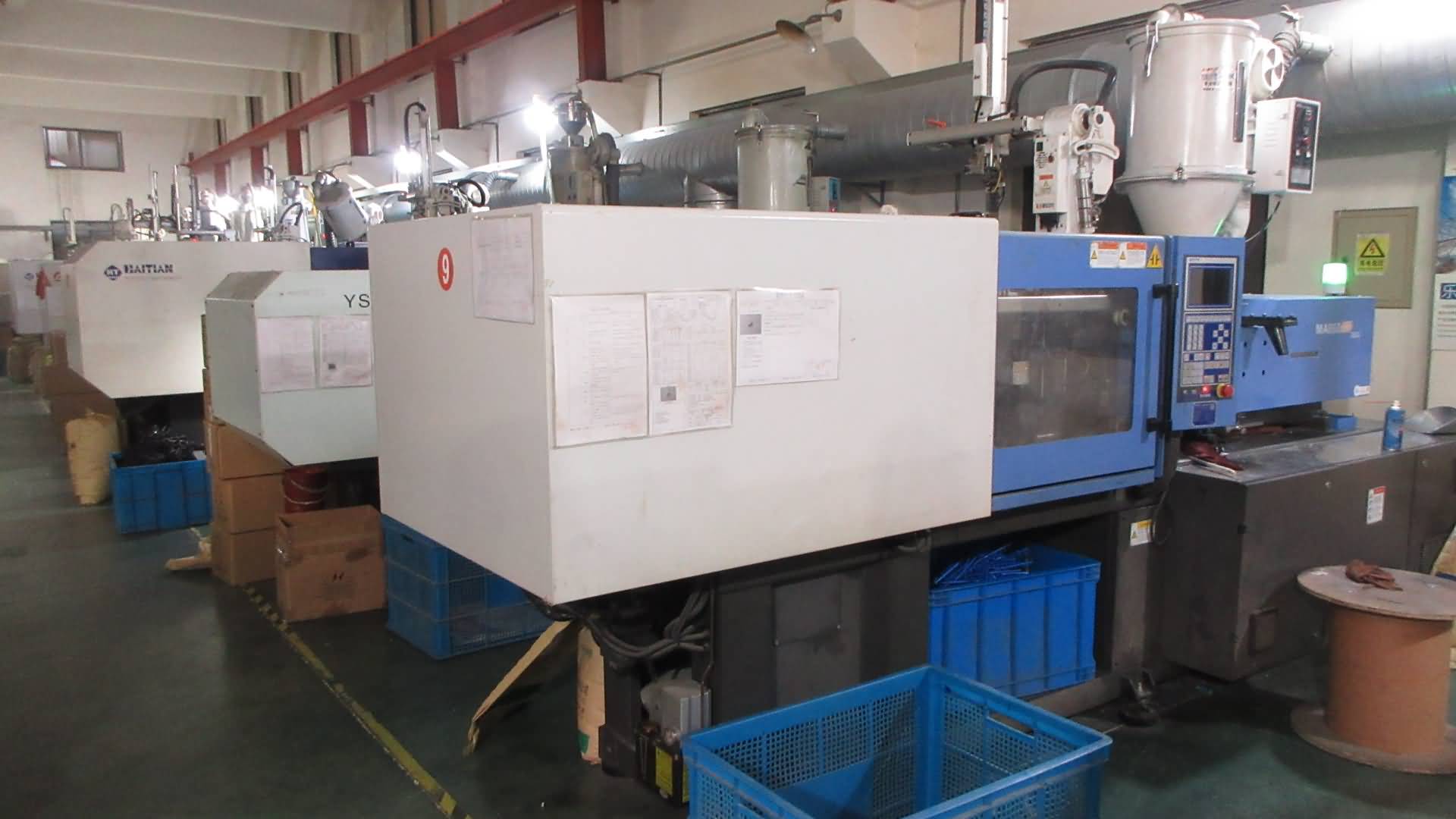
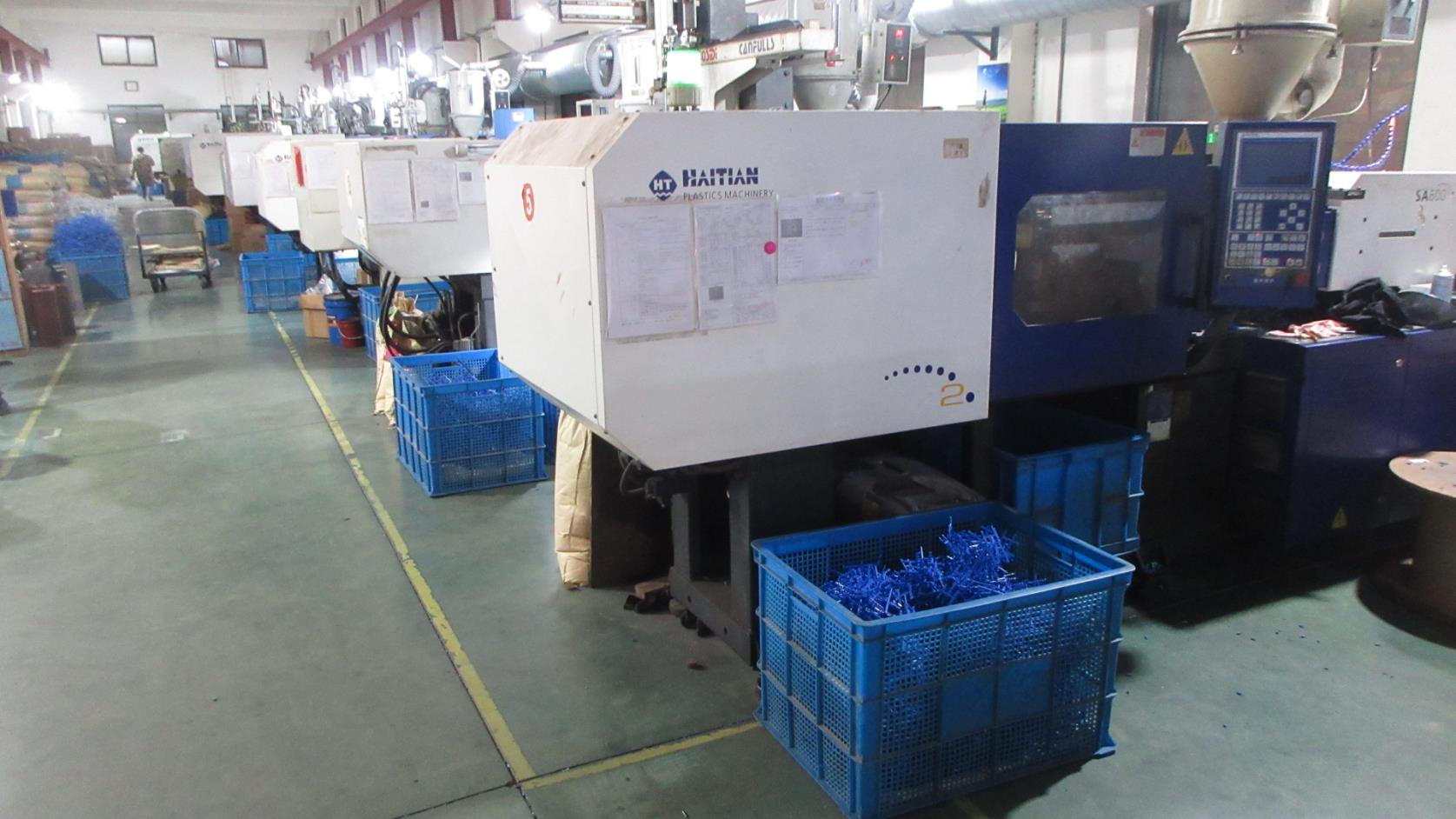
Injection Molding Machine
Precision Injection Molding
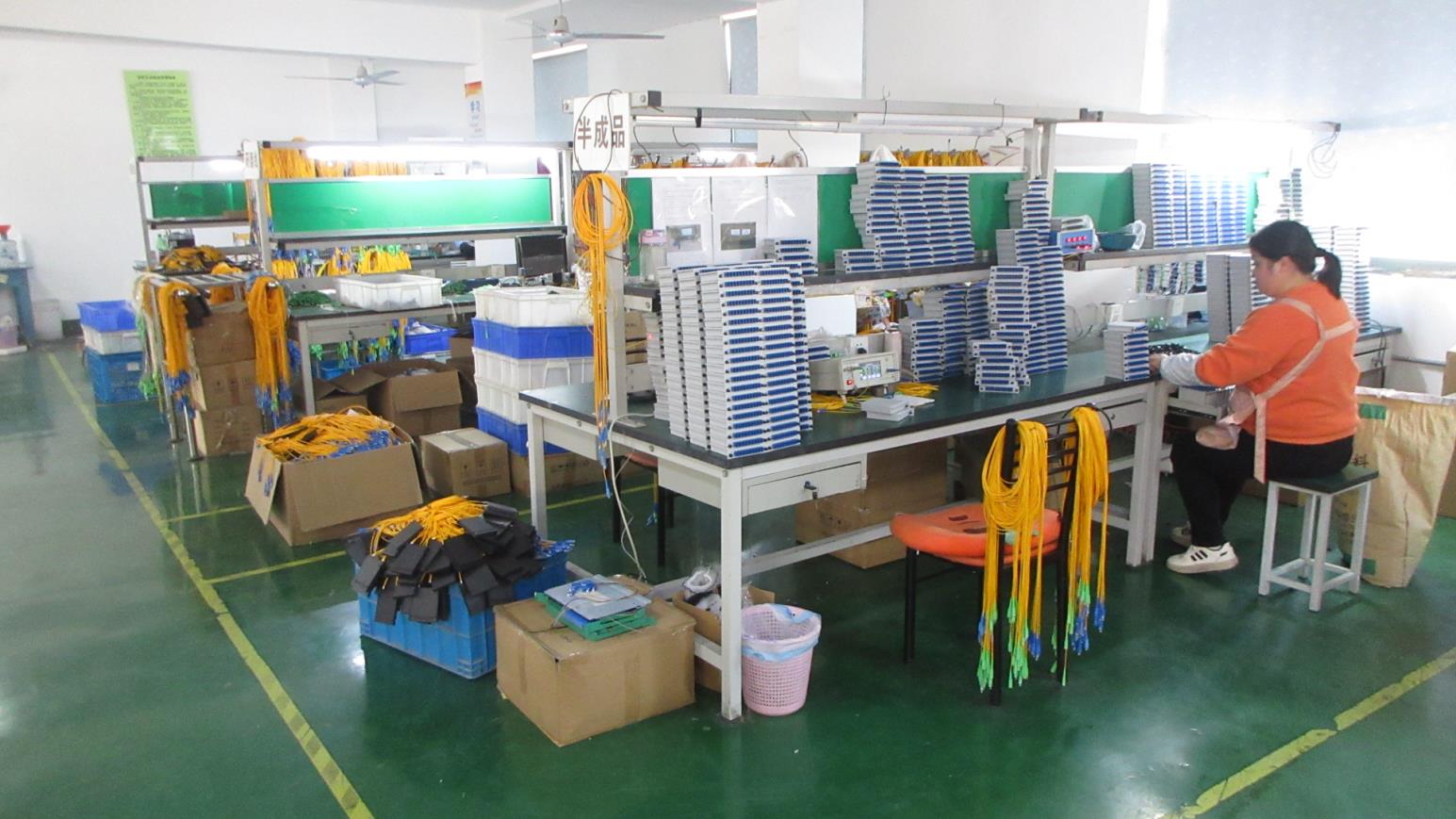
Optical Assembly Line
Semi-Automated Component Assembly
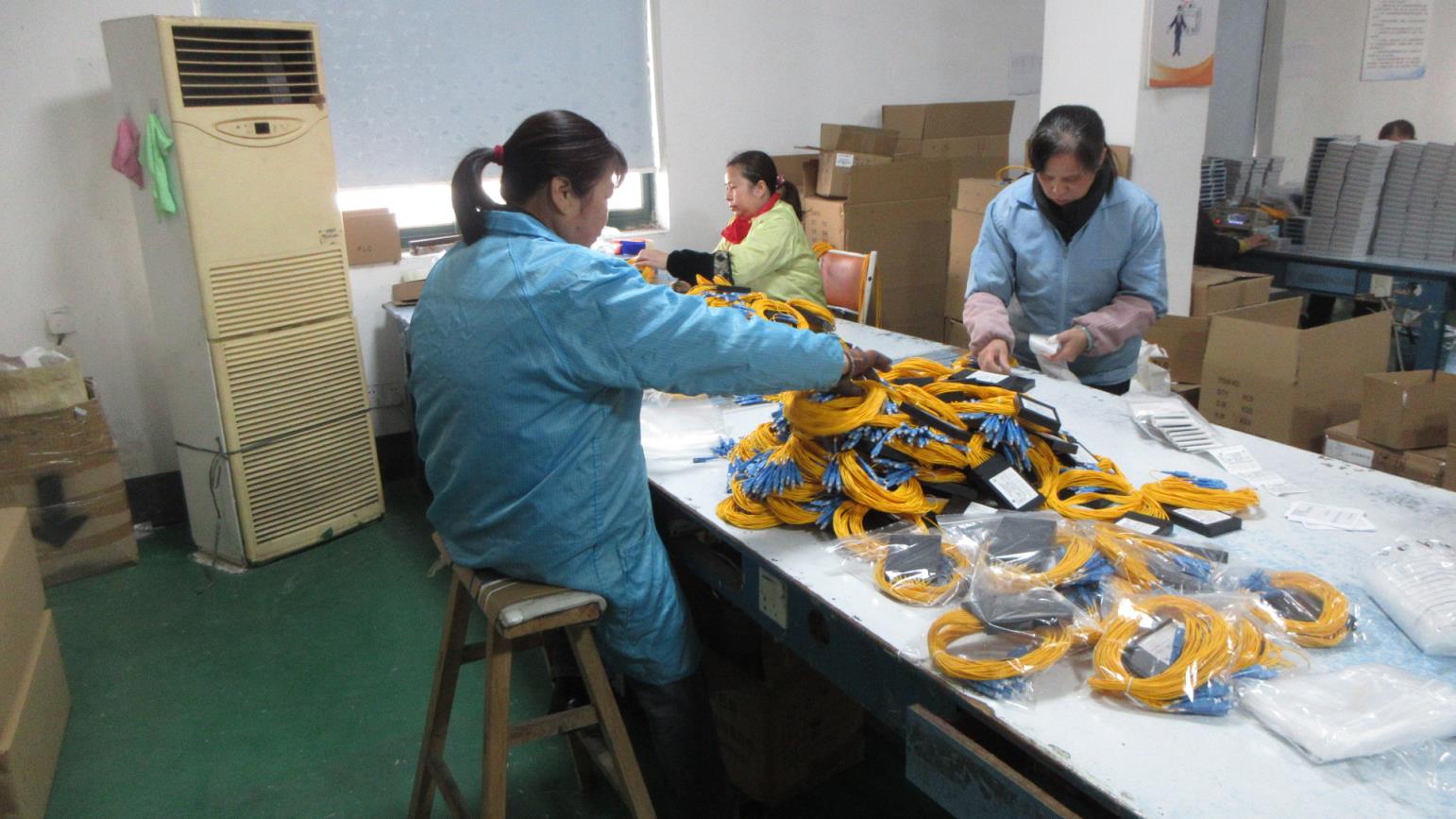
Packaging Operations
ESD Protective Packing & Labeling
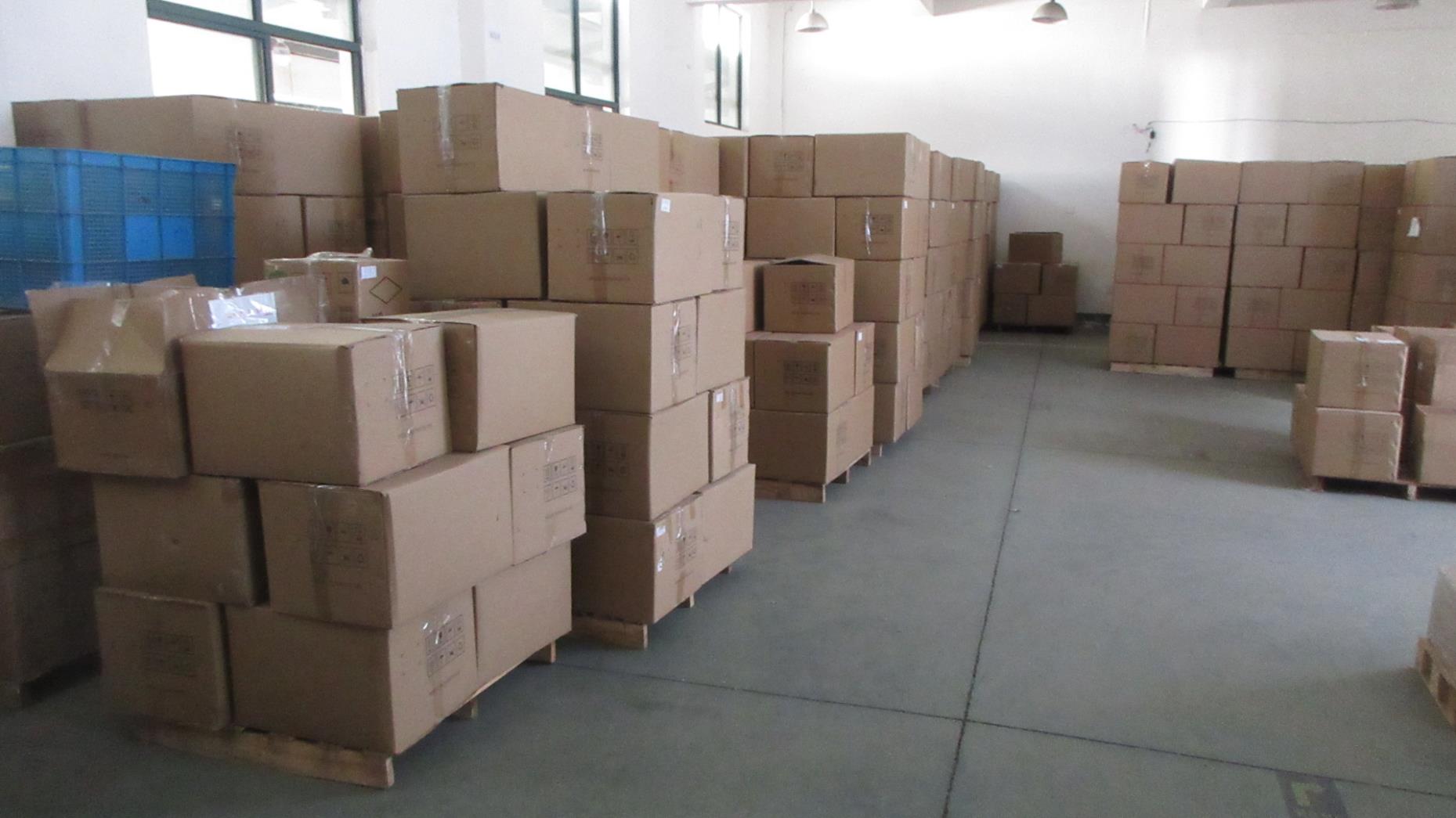
Storage and Logistics Warehouse
Managed Finished-Product Warehouse
High Precision Injection Machinery
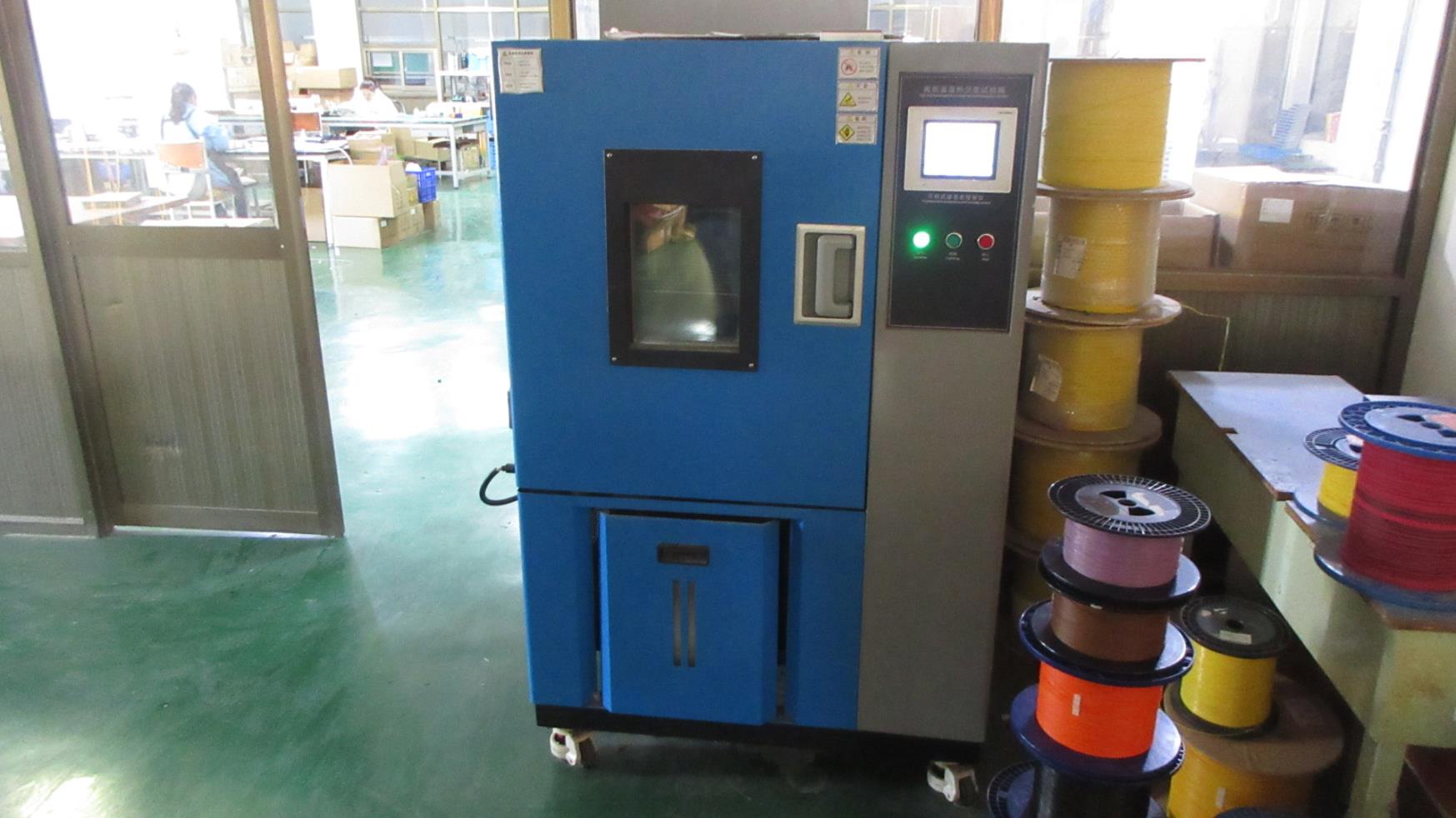
High and Low Temperature Damp Heat Alternating Test Chamber
High & Low Temp Damp Heat Chamber
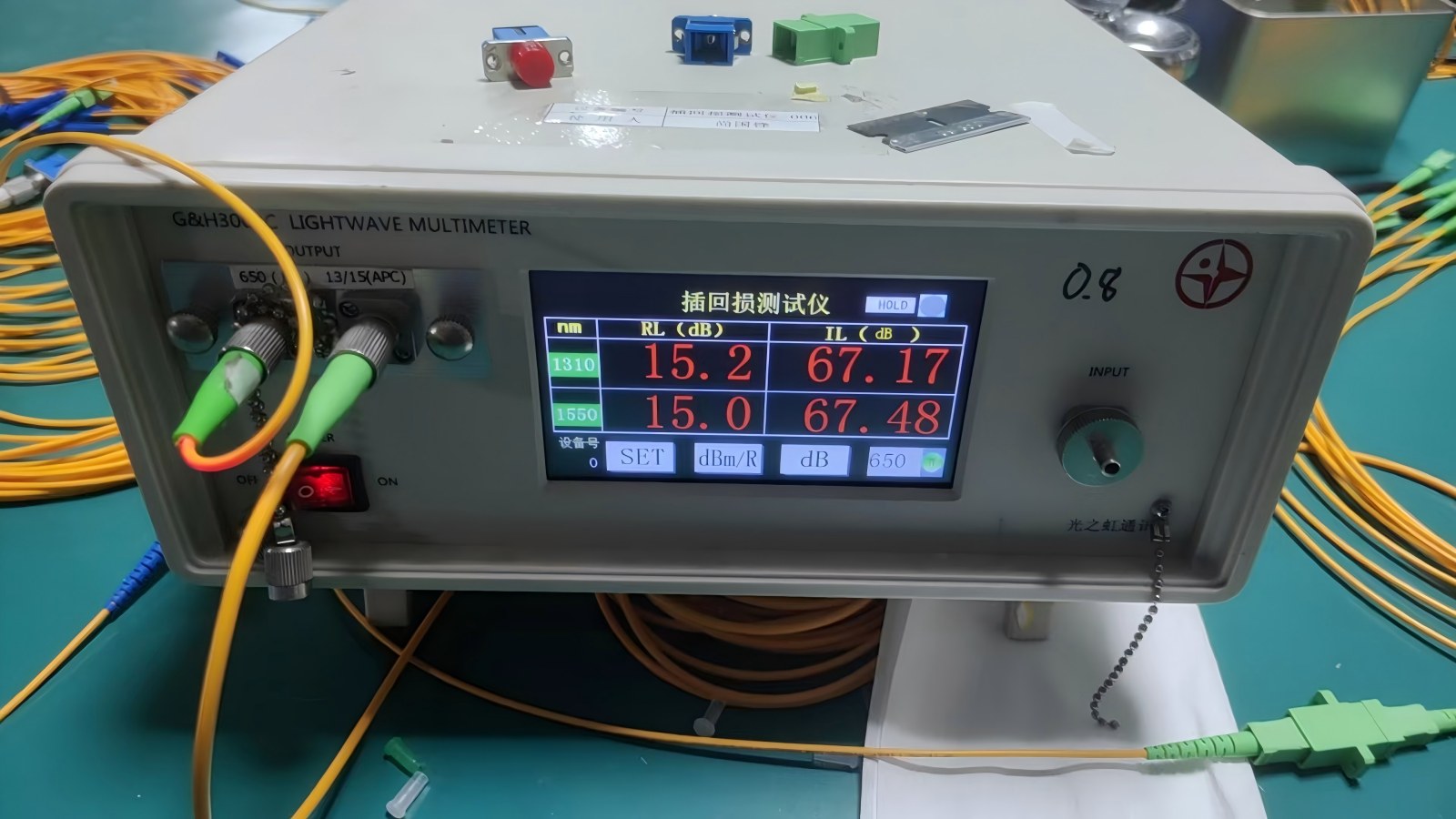
Optical Insertion Loss Tester
Optical Insertion Loss Test Station
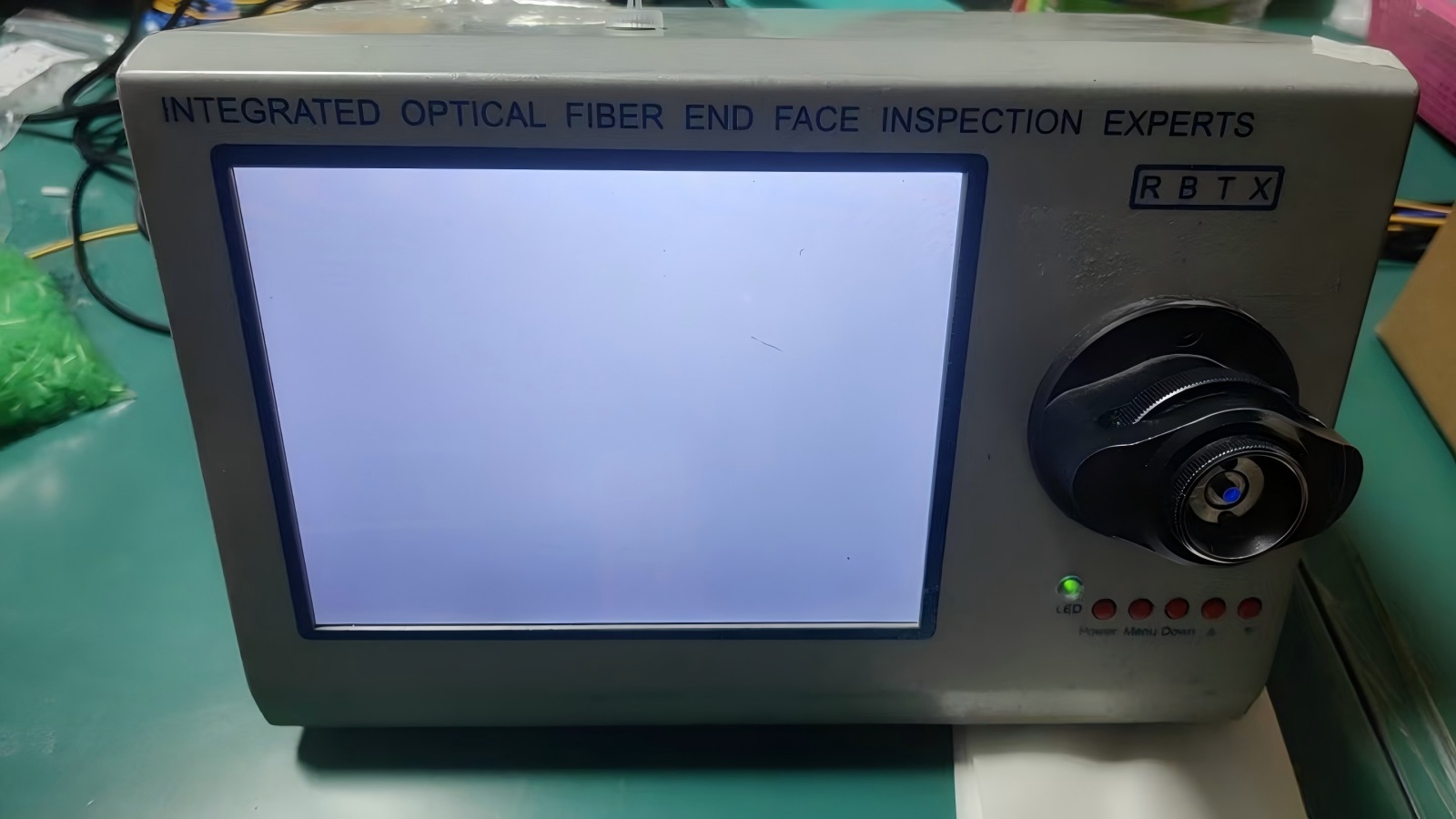
Integrated Optical Fiber End Face Inspection Experts
Fiber End Face Geometry Inspection
Application Profiles

Targeted Deployment & Procurement Optimization

Understanding environmental stress factors, hardware architectures, and procurement practices for optical transceivers.

Deployment Challenges: Thermal Management & Operating Temperature Range

Data centers are packing increasingly more hardware into server racks, generating massive amounts of heat. Selecting the right hardware components—such as optical modules with compatible heat sinks (e.g., the 2170769-1 cage with integrated heat sink)—is critical to prevent thermal runaway. Industrial networks deployed in outdoor environments (like cell tower base stations) require extended temperature-grade components that operate between -40°C and +85°C. Standard commercial modules will fail under these conditions, causing network downtime.

Optimizing procurement and total cost of ownership (TCO)

Purchasing components from original switch equipment manufacturers (OEMs) often incurs a heavy markup. Multi-source agreement (MSA) compliant alternative SFP transceivers, such as the HPE 453156-001 Compatible 1000BASE-T SFP or Juniper SFPP-10G-T Compatible 10G Copper module, provide the exact same technical performance, signal-to-noise ratio, and link distance at a fraction of the cost. Procurement teams can manage system budgets by utilizing direct manufacturer supply lines from Equip-Link, while ensuring that the physical cages, connectors, and magnetics match original specifications.

Knowledge Base

Frequently Asked Technical Questions

In-depth responses detailing optical compatibility, standards compliance, and hardware durability testing.

1. What is the difference between active and passive SFP transceivers, and how does it affect pricing?
Passive SFP assemblies (such as Direct Attach Copper cables or pure optical interfaces) do not perform signal equalization or amplification, relying entirely on the host system ASIC. Active transceivers integrate circuitry to rebuild signals, allowing for longer transmission distances (such as the 80km range on the 10GBASE-ZR module) at the expense of higher energy consumption and module cost.
2. How does Equip-Link guarantee absolute compatibility across third-party OEM hardware?
We maintain an extensive, updated compatibility database and testing lab. When an order is placed, our engineers flash custom firmware onto the module's EEPROM. This code mimics the precise vendor-specific handshakes required by systems from Cisco, Juniper, HPE, and Arista, ensuring error-free initialization without generating port-blocking messages.
3. Why is EMI shielding critical for SFP cages like the 2170193-1 or 2007251-1 models?
As frequency rates increase (from 1.25Gbps to 10Gbps and 28Gbps), electromagnetic emission rises. High-speed lanes are susceptible to external electromagnetic interference (EMI), which degrades the Signal-to-Noise Ratio (SNR) and increases Bit Error Rate (BER). Press-fit cages with EMI metal fingers block these high-frequency fields, keeping the signal isolated within the PCB interconnect.
4. What is the purpose of testing modules inside a Damp Heat Alternating Chamber?
Optical components undergo environmental aging testing to replicate years of operational stress. Alternating temperature and humidity levels inside the chamber tests the hermetic sealing of laser diodes and the durability of PCB solder connections. This process ensures the components will not fail under severe humidity variations or thermal shocks.
5. Can copper SFP modules (like 10GBASE-T) reach the same link distances as optical modules?
No. 10G copper transceivers operating over Category 6A/7 twisted-pair copper cables are generally limited to 30 meters to 80 meters due to rapid attenuation and thermal limits. For longer links, optical modules using single-mode fiber (SMF), such as the 10GBASE-ZR running at 1550nm, are required to reach distances of up to 80km without intermediate repeaters.
6. What role does insertion loss testing play in high-density ethernet jacks?
Insertion loss testing checks how much signal power is lost as a signal travels through a connector. For RJ45 connectors with integrated magnetics (like the 5G/2.5G low-profile jacks), low insertion loss guarantees that high-speed Ethernet packets are successfully transmitted without requiring retransmission, which helps keep network latency to a minimum.
7. How does a press-fit connector design compare with through-hole soldering?
Press-fit connectors feature compliant pins that establish a solderless, gas-tight mechanical connection inside the plated through-holes of a PCB. This design eliminates the thermal stress of soldering, speeds up assembly, makes repairs simpler, and delivers superior signal integrity in high-frequency applications.
8. How can global buyers request OEM/ODM modifications from Equip-Link?
Buyers can provide custom parameters to our R&D team, including cage heights, port counts (such as 1x3, 1x4, or 2x8 port arrays), custom heat sink designs, custom-programmed EEPROM tables, and customized retail branding. With 68 professional engineers on site, we can handle complex product customizations and coordinate rapid, high-volume production.
Integrated Connectors & Transceivers

High-Speed Ports, Cages & Transceiver Assemblies

Explore our selection of multi-port cages, telecom transformers, and compatible transceivers designed for high-density networking panels.
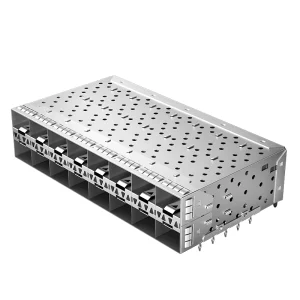
TE Replacement 2169788-1 SFP+ Cage 2x8 Ports
2169788-1 TE Replacement Through Hole 320P 2x8 Ports Press-Fit SFP+ Cage With Light Pipe
View Specifications
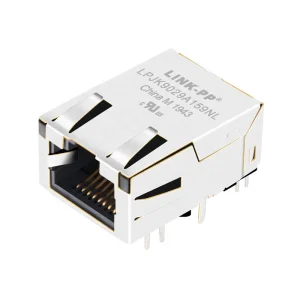
PCB Mounting Shielded RJ45 Connector J00-0045NL
J00-0045NL PCB Mounting Shielded Modular Jack Ethernet RJ45 Connector
View Specifications
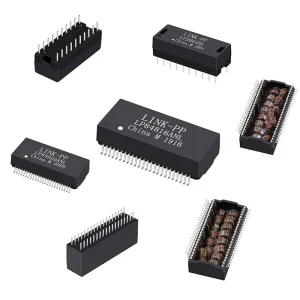
1000Base-T Telecom Network Transformer
1000Base-T Telecom Network Transformer HST-48006SR / HST-48029SCR / HST-48030SCR
View Specifications
HPE 453156-001 Compatible SFP RJ45 Copper Transceiver
HPE 453156-001 Compatible 1000BASE-T 1.25G SFP RJ45 Copper Transceiver 100m
View Specifications
TE Compatible 2149730-4 SFP+ Cage 1x4 Ports
TE Compatible 2149730-4 Through Hole Ganged 1x4 Ports Press Fit SFP+ Cage With Heat Sink
View Specifications
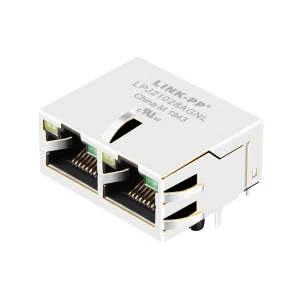
Standard 1x2 Port RJ45 Modular Jack with Magnetics
Standard 1x2 Port Ethernet RJ45 Modular Jack with Magnetics
View Specifications
5G Low Profile Ethernet RJ45 Jack Connector
5G/2.5G Base-T Single Port Low-Profile Ethernet RJ45 Jack Connector
View Specifications
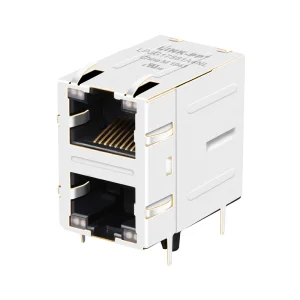
Multi-Port Stacked RJ45 Connector
Multi-Port 2X1 Side Entry Through Hole Stacked RJ45 Connector 0845-2D1T-AU 2250174-1 SC861-G8-28 0879-2X1R-Y6
View Specifications