Equip-Link
Equip-Link
Equip-Link
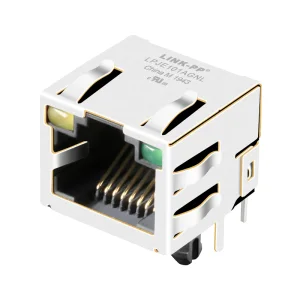
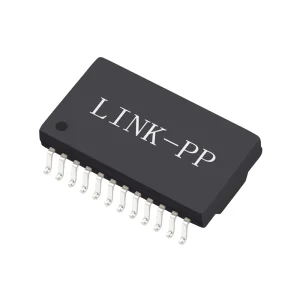
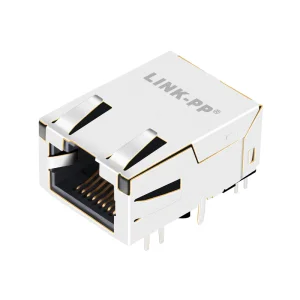
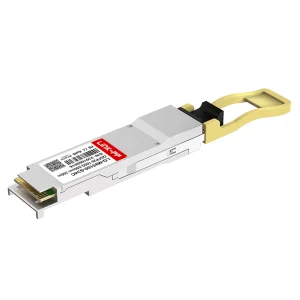
Browse our selection of industry-grade copper and optical modules, RJ45 stacked connectors, EMI shielded cages, and custom magnetic jacks engineered to support rates up to 400Gb/s.
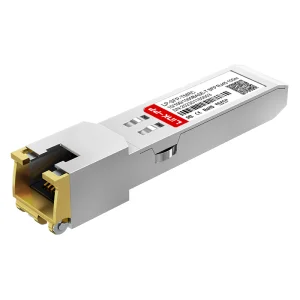
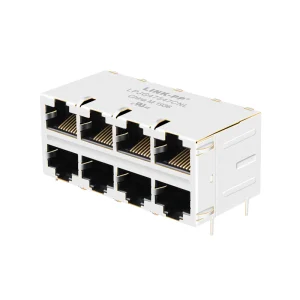
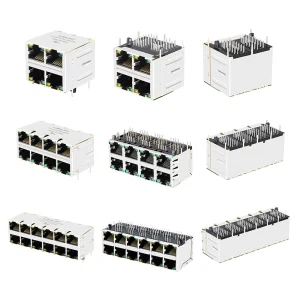
As corporate infrastructures scale and machine-learning compute workloads accelerate, modern data centers and telecommunications networks are facing unprecedented spatial constraints. High-density edge computing and metropolitan transit networks require more optical interfaces squeezed into identical rack-unit form factors. The Compact Small Form-Factor Pluggable (CSFP) connector and transceiver architecture directly addresses this bottleneck by doubling the channel density within standard SFP mechanical footprints.
By utilizing a multi-channel configuration (typically 2-channel or 4-channel options in a standard housing), CSFP interfaces allow systems integrators to double aggregate networking throughput without redesigning legacy line cards or hardware backplanes. In practical configurations, this doubles 10Gbps or 25Gbps ports to 20Gbps or 50Gbps within the space of a single legacy SFP cage assembly.
Compact SFP connectors comply strictly with the CSFP Multi-Source Agreement (MSA), which guarantees mechanical and electrical compatibility across diverse routing and switching platforms. This includes specific registers in EEPROM systems to facilitate real-time Digital Diagnostic Monitoring (DDM).
In high-speed transceivers operating at 10G, 25G, and 100G per channel, maintaining signal integrity while preventing Electromagnetic Interference (EMI) presents significant mechanical challenges. Elevating data density within compact modules demands micro-engineered shielding solutions. Cages must feature optimized EMI spring fingers or elastomeric gaskets to prevent signal leakage at high frequencies.
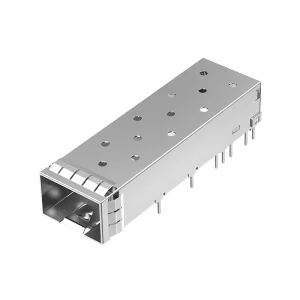
Equip-Link's range of SFP and CSFP cage assemblies incorporates robust press-fit (compliant pin) technologies that securely anchor to the host printed circuit board (PCB). Integrated light pipes allow for status indicators to route directly to the front bezel without introducing RF leaks. Furthermore, we leverage advanced thermal management structures, employing customized integrated heat sinks directly attached to the cage bodies to dissipate heat in high-power dissipation environments.
How tier-1 telecom operators and hyperscale infrastructure teams leverage CSFP technology globally.
In major European metropolitan centers, physical space in underground utility vaults is extremely limited. Utilizing CSFP modules allows operators to deliver dual-channel fiber to the home (FTTH) and fiber to the building (FTTB) connections from existing cabinet footprints without digging new fiber trenches or deploying additional distribution frames.
Modern AI clusters in North American hyperscale facilities require massive interconnect densities for GPUDirect RDMA. Low-latency, ultra-dense CSFP cages and transceivers reduce path distances and port numbers, cutting switch complexity by half and maintaining strict optical budgets for high-frequency algorithmic processing.
For industrial networks in regions like South America and Australia, electromagnetic interference from high-voltage switchgear is a constant threat. CSFP optical interconnects provide complete galvanic isolation and high-density, reliable transmission systems capable of surviving harsh EMI environments.
Located in the heart of the world's most advanced electronics hardware ecosystem—Shenzhen, China—Equip-Link utilizes a highly integrated local supply chain. This strategic proximity permits immediate raw material sourcing, rapid prototyping, and efficient manufacturing scale-up. In optical communications, where tolerances are measured in micrometers, our production workflow is strictly optimized.
With an annual export revenue of over USD 18 million and a network of 1,280 qualified vendors, we ensure that supply bottlenecks are minimized. Our factory controls every step from raw material inspection and injection molding to precision optoelectronic assembly and testing. Even during global supply shocks, our dual-sourcing framework for laser diodes, optical sub-assemblies (TOSA/ROSA), and advanced PCB fabrication keeps production timelines predictable.
As networks scale toward 800G and 1.6T, the engineering requirements for Compact SFP connector housings are evolving. Equip-Link is actively investing in next-generation silicon photonics integration to mitigate the thermal output associated with conventional lasers. Our R&D division, featuring 68 professional engineers, is developing advanced packaging solutions to support higher thermal envelopes (up to 3.5W per slot) and integrated DSPs inside the transceiver housing.
In addition, our future roadmap includes the deployment of micro-optic structures that support DWDM (Dense Wavelength Division Multiplexing) directly within dual-channel CSFP configurations, allowing up to 100G transmission rates per sub-channel over single-mode fiber interfaces.
With 36 dedicated QA inspectors and rigorous testing equipment, we guarantee zero-defect shipments that adhere to all international standards.
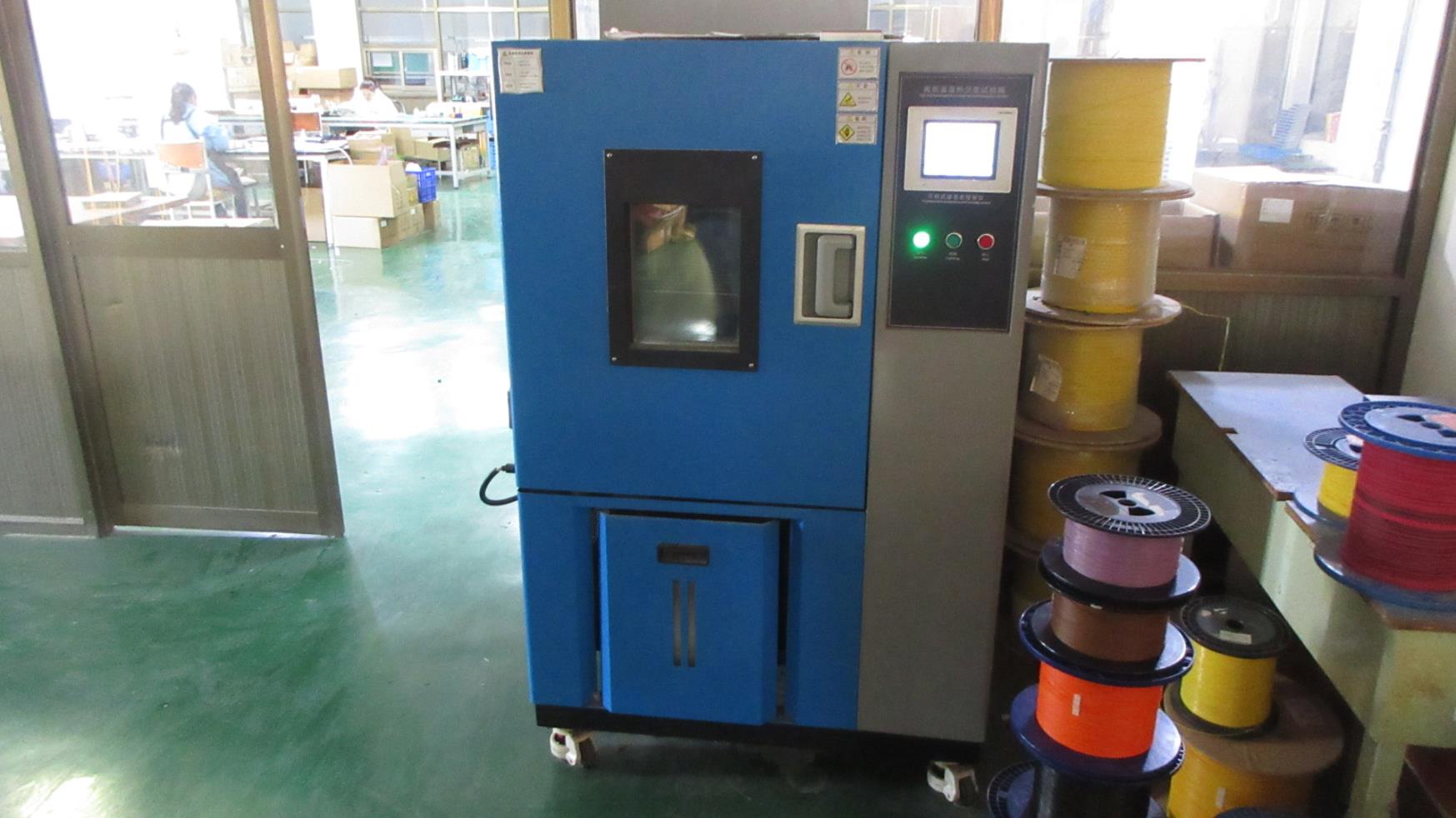
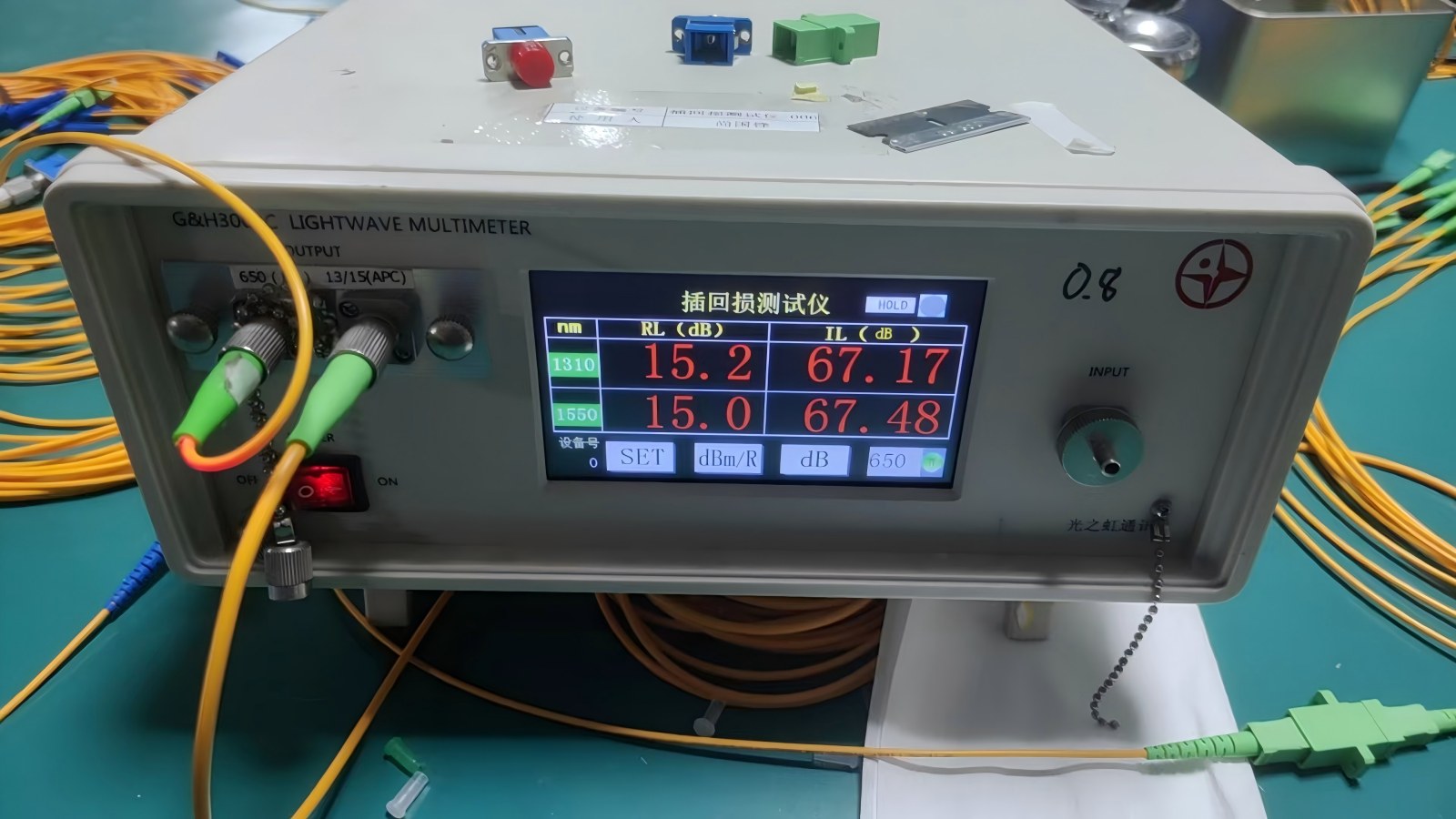
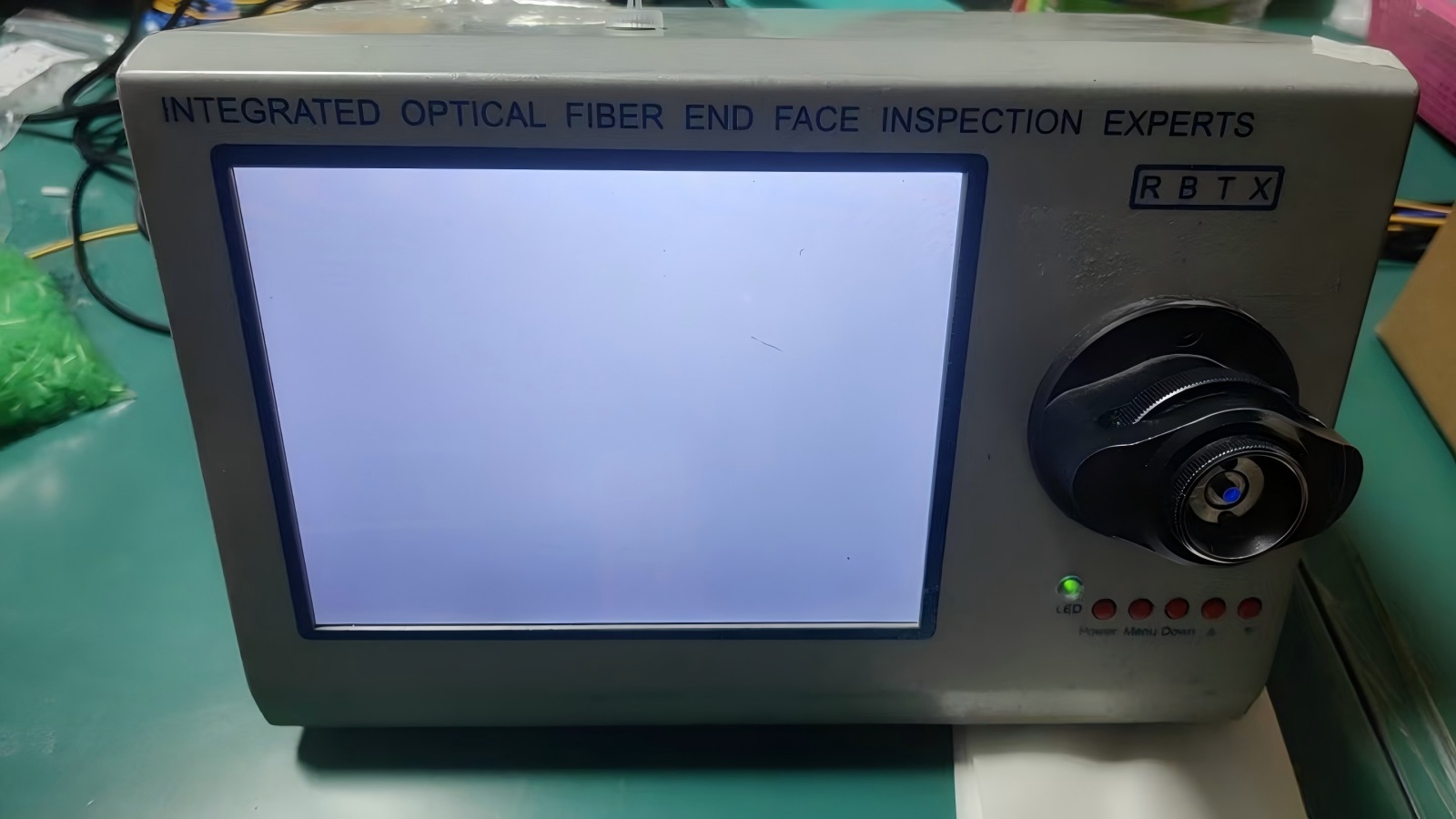
Equip-Link implements a rigorous, three-stage quality management workflow: Incoming Material Inspection (IQC), In-Process Quality Control (IPQC), and Final Product Testing (OQC). Every single optical transceiver module and interconnect system is subjected to extensive hardware testing on state-of-the-art optical and network performance analyzers. Our physical testing chambers simulate real-world thermal conditions to ensure system longevity.
Find authoritative answers to common engineering, compatibility, and procurement questions regarding Compact SFP technologies.
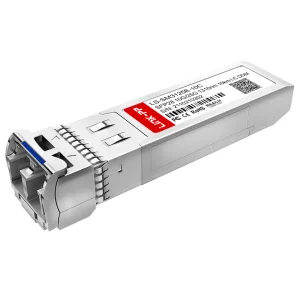
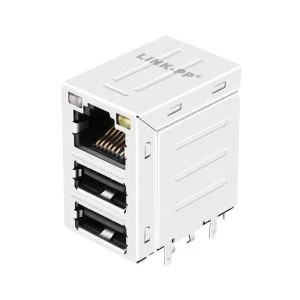
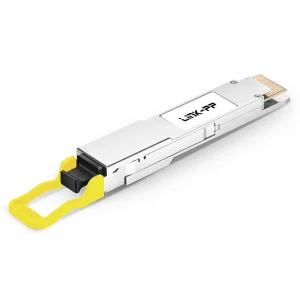
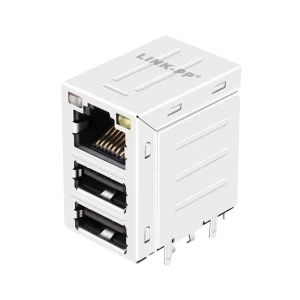
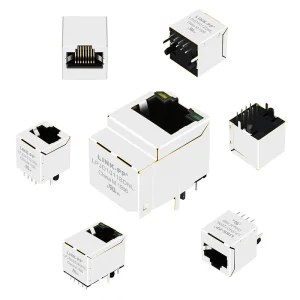
Explore our specialized optical transceivers, replacement cages with heat sinks, waterproof modular connectors, and dual USB modular jacks.
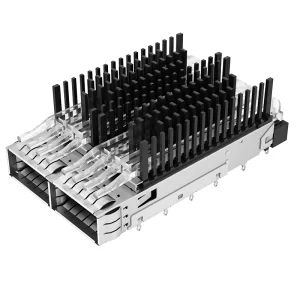
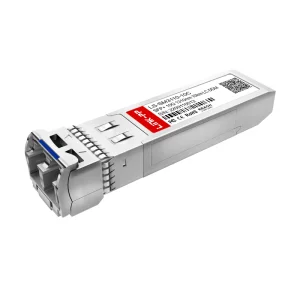
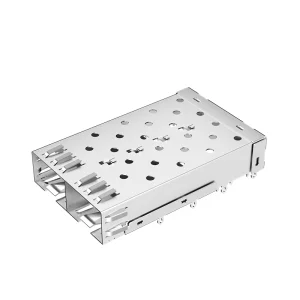
Take a look inside our 380 square meter facility located in Shenzhen, China.

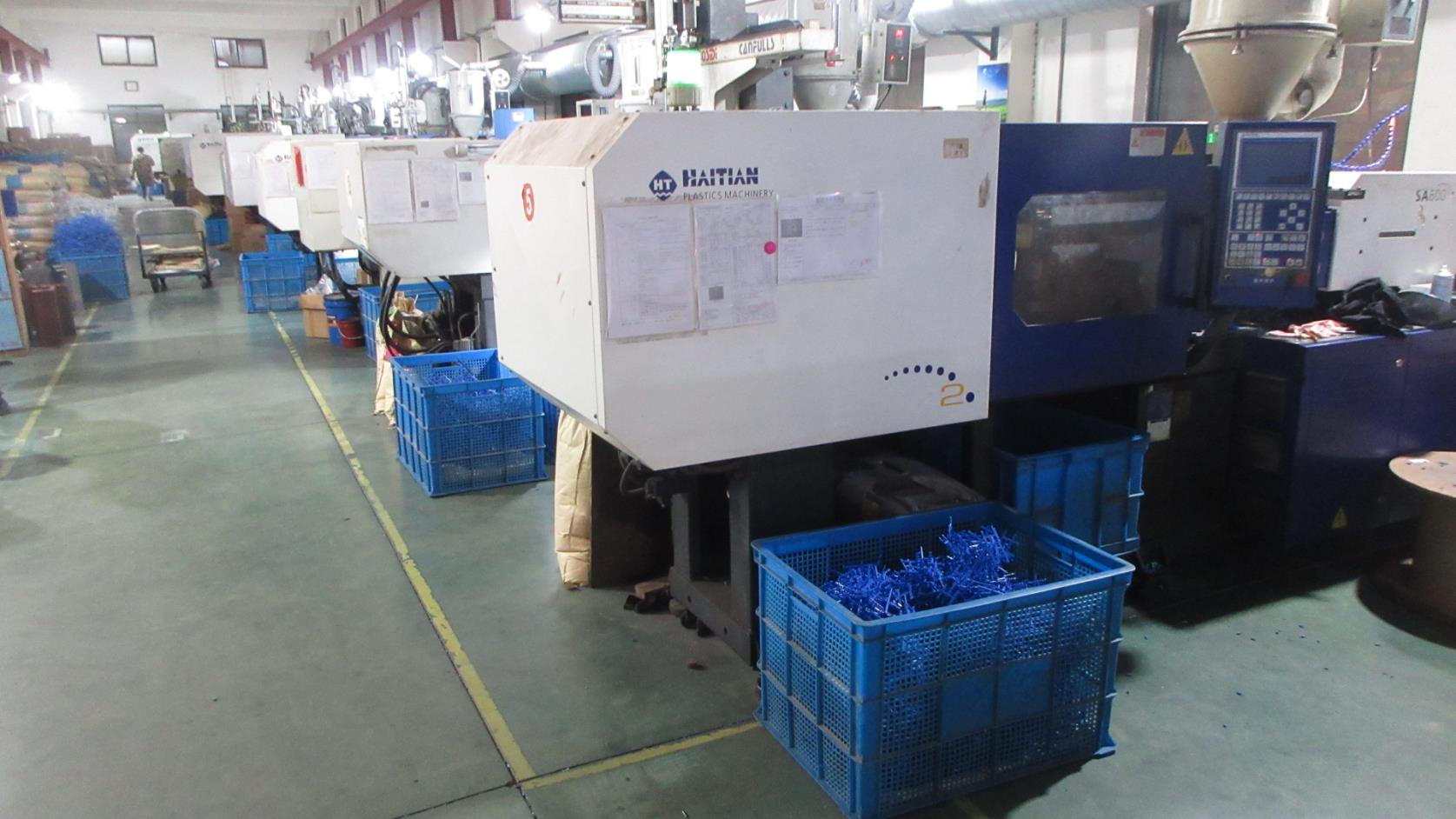
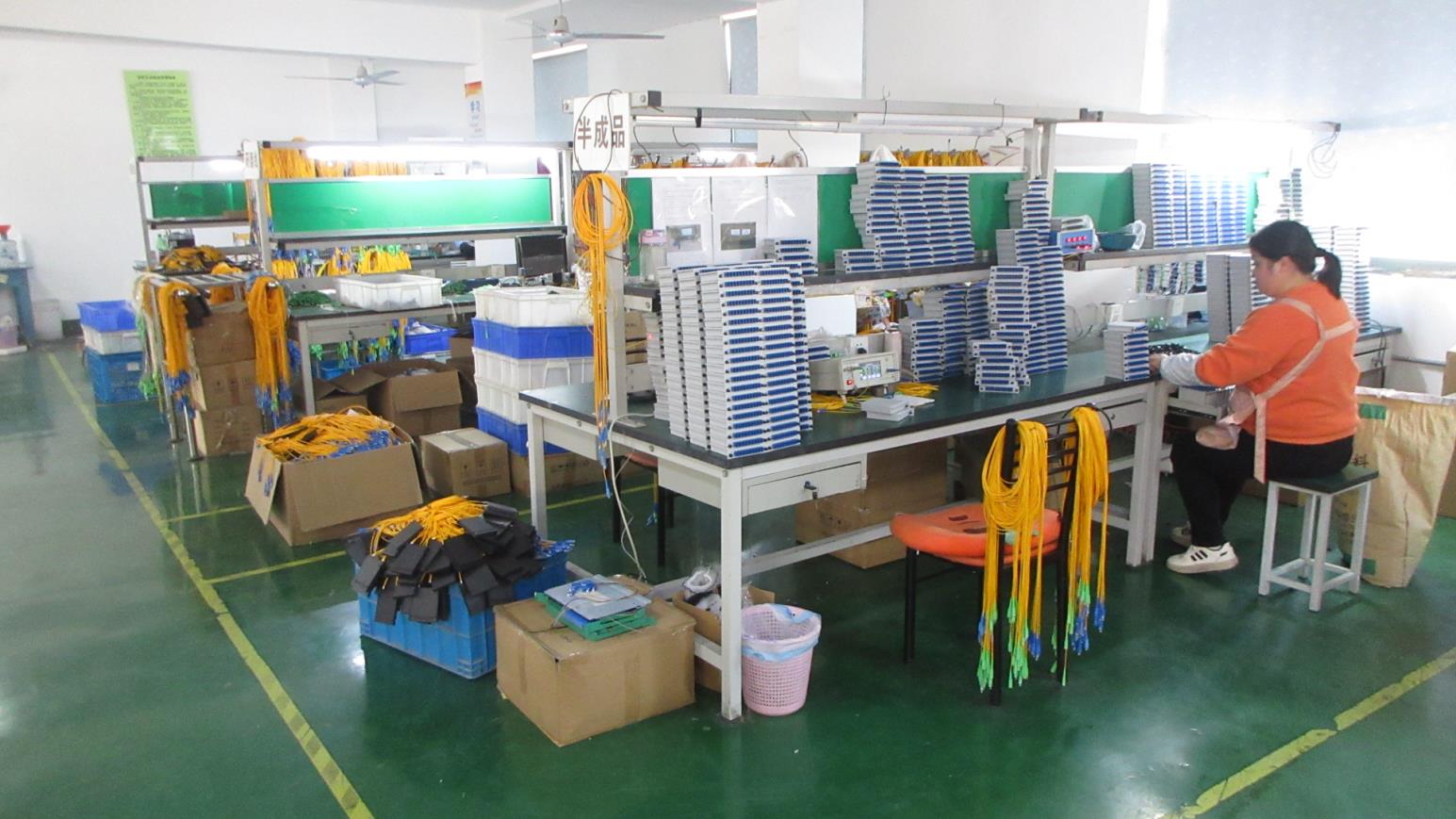
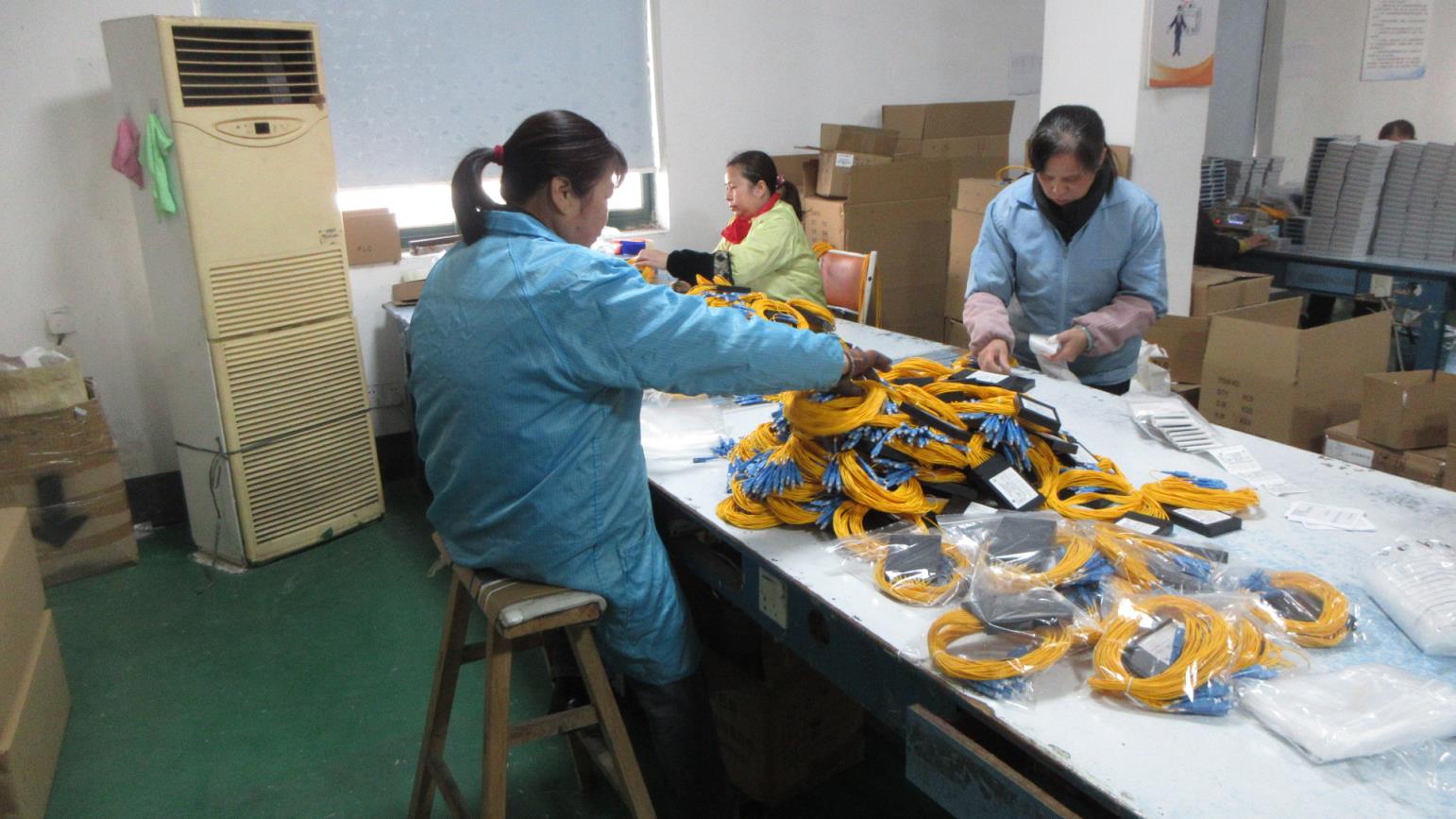
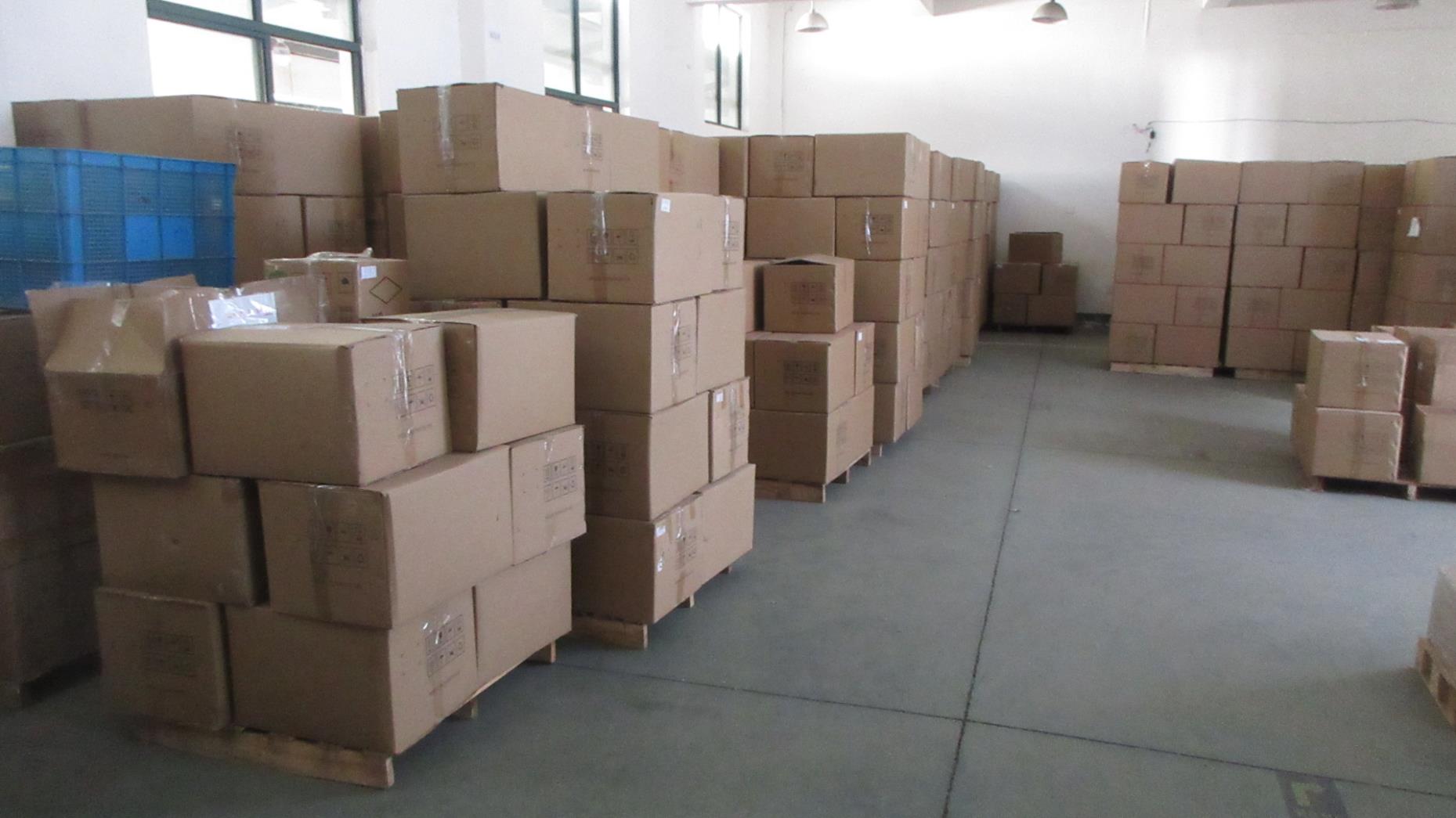
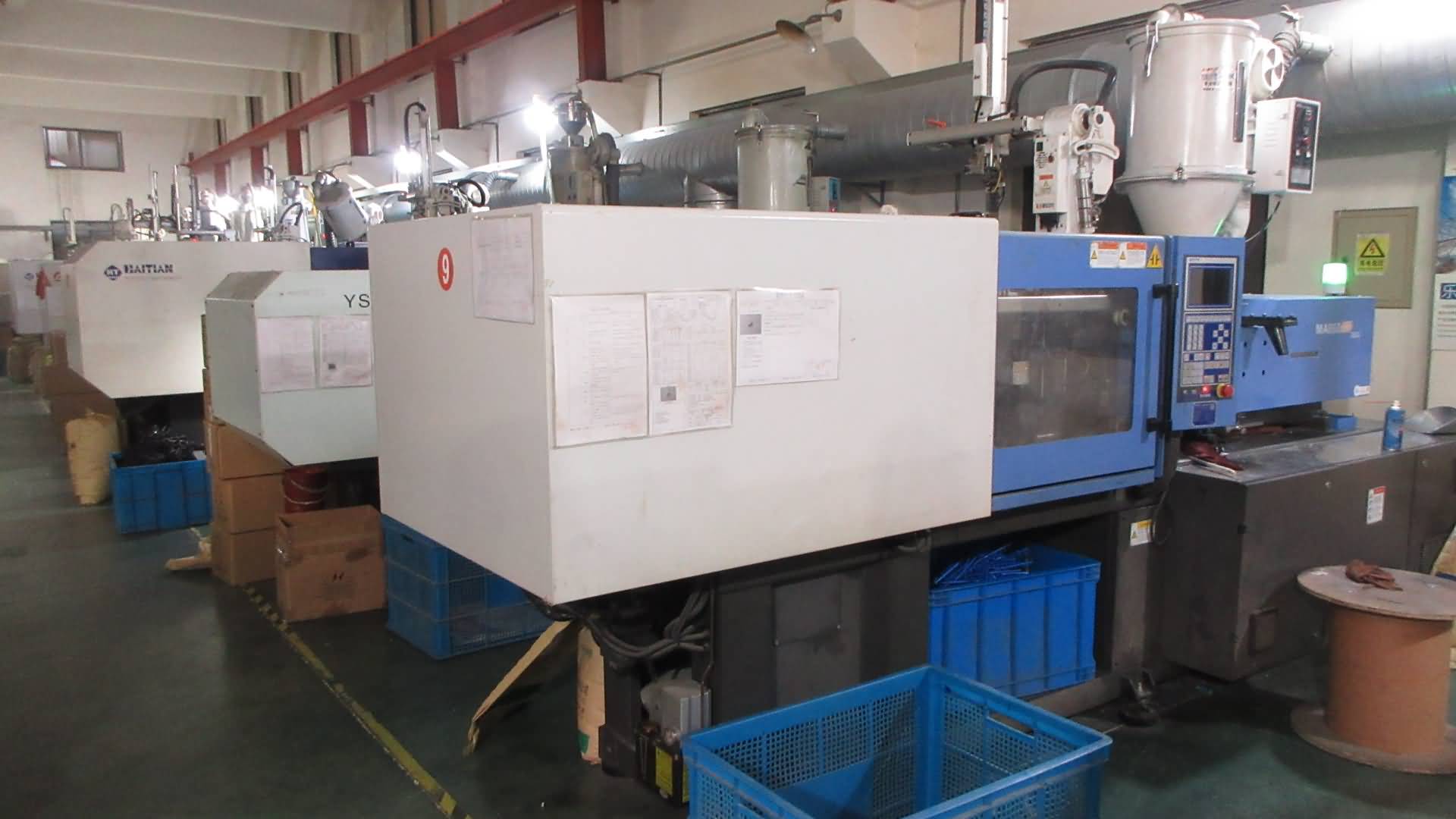
Our facility utilizes state-of-the-art injection molding machines to fabricate high-precision polymer bodies for our RJ45 modules, SFP brackets, and dust covers. This ensures exact mechanical alignment matching the rigorous dimensional tolerances specified in multi-source agreements.
Founded in 2017, Equip-Link Intelligent Equipment (Shenzhen) Co., Ltd. is a leading manufacturer and supplier of high-performance optical transceivers and fiber optic communication solutions. We specialize in the design, development, production, and global distribution of optical modules for data centers, telecommunications networks, enterprise networking, cloud computing, and AI infrastructure applications.
Our modern manufacturing facility covers an area of 380 square meters and is equipped with advanced production and testing equipment to ensure consistent quality and reliable performance. With an annual export revenue exceeding USD 18 million, Equip-Link has established long-term partnerships with customers in more than 50 countries and regions worldwide.
With 9 years of export experience and 14 years of industry expertise, our team understands the evolving demands of global communication networks and delivers products that meet international standards for performance, compatibility, and reliability.
Quality is at the core of everything we do. We implement a comprehensive quality management system supported by incoming material inspection, in-process quality control, and final product testing. Every product undergoes rigorous testing using advanced optical and network performance analyzers before shipment. Our dedicated quality assurance team consists of 36 experienced inspectors who ensure that every product meets customer requirements and industry specifications.
We primarily serve customers across North America, Europe, Southeast Asia, the Middle East, and South America. Our extensive supply chain network includes more than 1,280 qualified partners, enabling us to maintain stable production capacity and efficient delivery schedules.
We support private labeling, custom firmware programming, compatibility coding, packaging customization, and OEM/ODM manufacturing.