Equip-Link
Equip-Link
Equip-Link
Engineered for rapid deployment within One Wilshire and regional colocation centers. Certified high-compatibility, fully customizable firmware, and low-power operations.
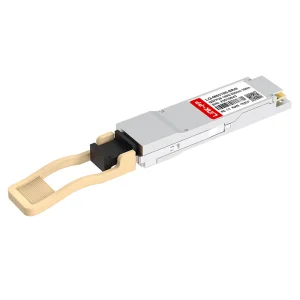
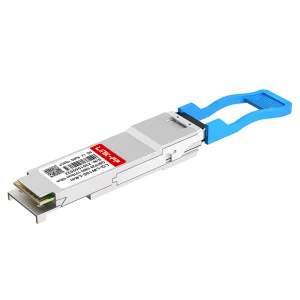
The Los Angeles metropolitan area represents a critical global telecom gateway. Anchored by world-renowned facility complexes like One Wilshire—often called the single most essential communications hub for the Pacific Rim—the region handles a significant portion of all traffic between North America, Asia, and Latin America. As data demands rise, regional telecommunication operators, data centers, and enterprise networks require stable and high-volume deployment of 100G, 200G, and 400G optical transceivers.
This digital surge in Southern California is fueled by several regional developments:
Los Angeles colocation environments are among the most expensive in terms of power utilization and cooling. Transceiver thermal design directly impacts local Operating Expenses (OpEx). Our 100G, 200G, and 400G models leverage advanced Silicon Photonics architectures and specialized cooling pathways, significantly reducing heat output and keeping power usage under industry averages.
Moreover, multi-vendor interoperability is crucial. Enterprises in LA mix legacy and new hardware, such as Cisco, Arista, Juniper, and Mellanox switches. Equip-Link provides customized EEPROM/custom coding to ensure seamless integration and plug-and-play operation.
As a premier global manufacturing base, Shenzhen provides a mature components ecosystem. By leveraging local raw materials, optical assembly, and packaging networks, Equip-Link delivers high-reliability transceiver technology with significant cost savings to our clients in Southern California.
Direct access to raw materials and simplified domestic production cycles reduce overall costs, helping buyers lower their total cost of ownership (TCO) on high-density networks.
With 68 professional R&D engineers, we swiftly translate optical networking developments, such as PAM4 and Co-Packaged Optics, into reliable solutions.
Strong partnerships with international logistics providers ensure fast delivery to Los Angeles International Airport (LAX) and direct transport to local facilities.
These high-speed units are specifically engineered for next-generation core switches, routers, and high-performance server clusters, optimizing bandwidth and latency.
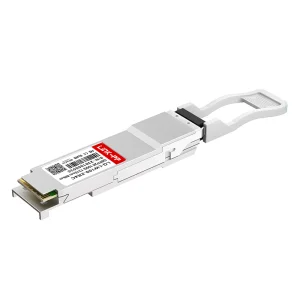
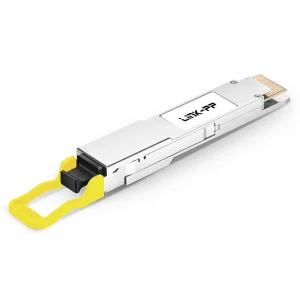
Modern networks are transitioning rapidly toward higher data rates to support real-time workloads. In Los Angeles colocation sites, deployment is shifting from 100G NRZ (Non-Return-to-Zero) modules to 400G PAM4 (Pulse Amplitude Modulation 4-Level) technologies. Our transceivers utilize these advanced modulation techniques to deliver high data capacity without requiring changes to the fiber cabling infrastructure.
Traditional optical modules rely on discrete lasers and components, which increases failure points and assembly costs. By integrating these components onto a single silicon chip, Silicon Photonics improves thermal performance, enhances reliability, and significantly reduces module power consumption.
Transitioning to 400G and 800G requires advanced modulation. By transmitting 2 bits per clock cycle, PAM4 doubles the data capacity of standard NRZ links. Backed by high-performance Digital Signal Processors (DSP), our 400G transceivers maintain clean signals over fiber runs.
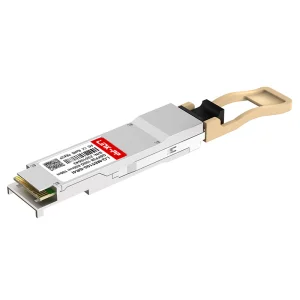
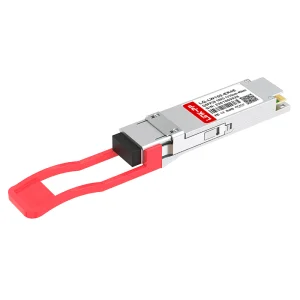
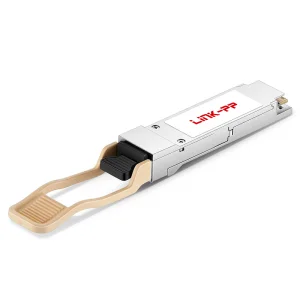
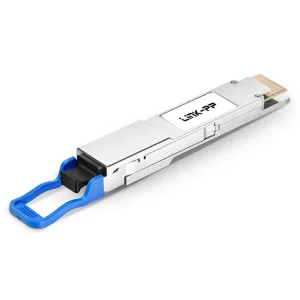
Through years of R&D development, Equip-Link has built a complete optical transceiver platform covering a full range of formats, including QSFP28, QSFP56, and QSFP-DD, designed for compatibility with global networking standards.
Founded in 2017, Equip-Link Intelligent Equipment (Shenzhen) Co., Ltd. is a leading manufacturer and supplier of high-performance optical transceivers and fiber optic communication solutions. We specialize in the design, development, production, and global distribution of optical modules for data centers, telecommunications networks, enterprise networking, cloud computing, and AI infrastructure applications.
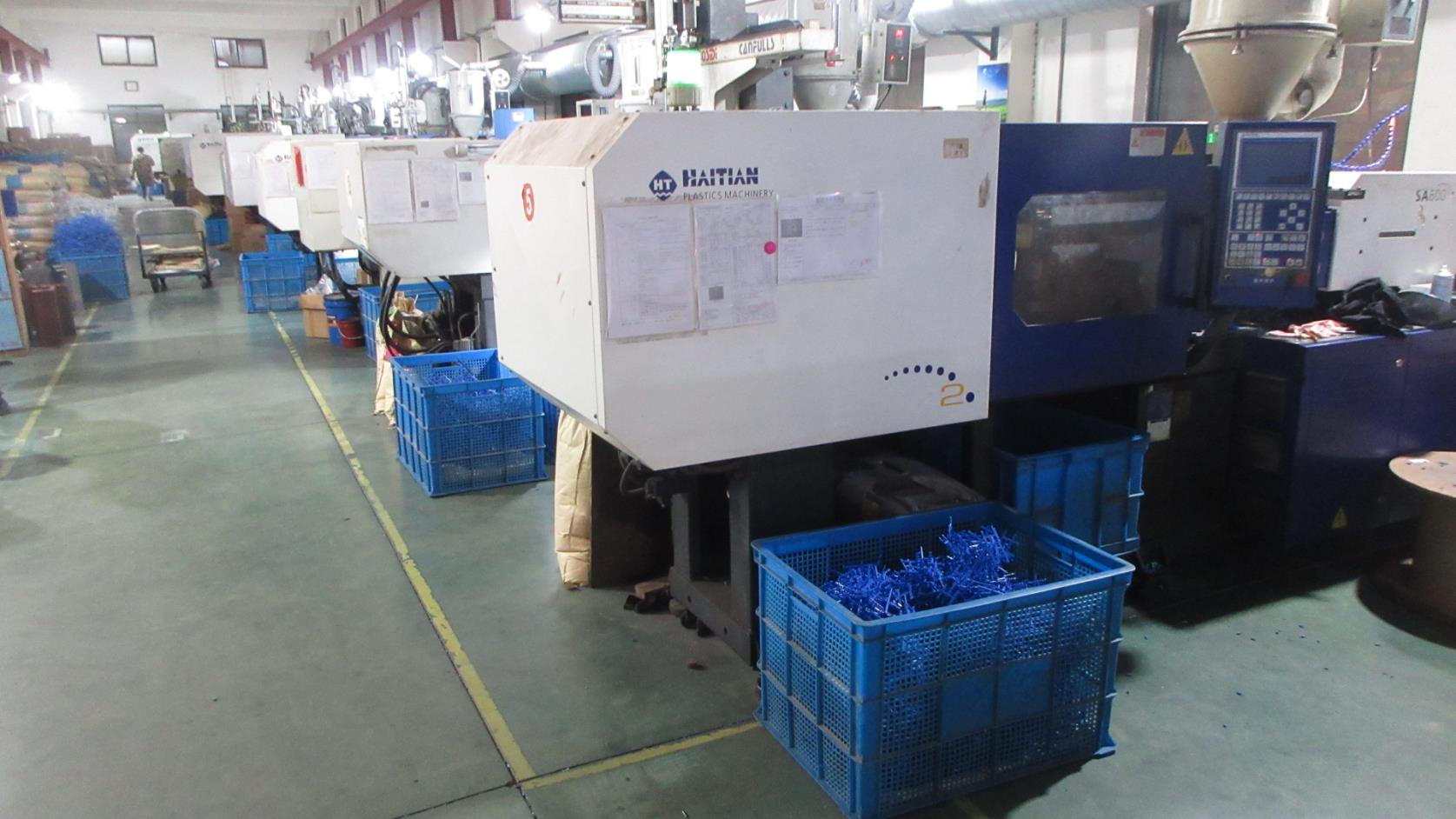
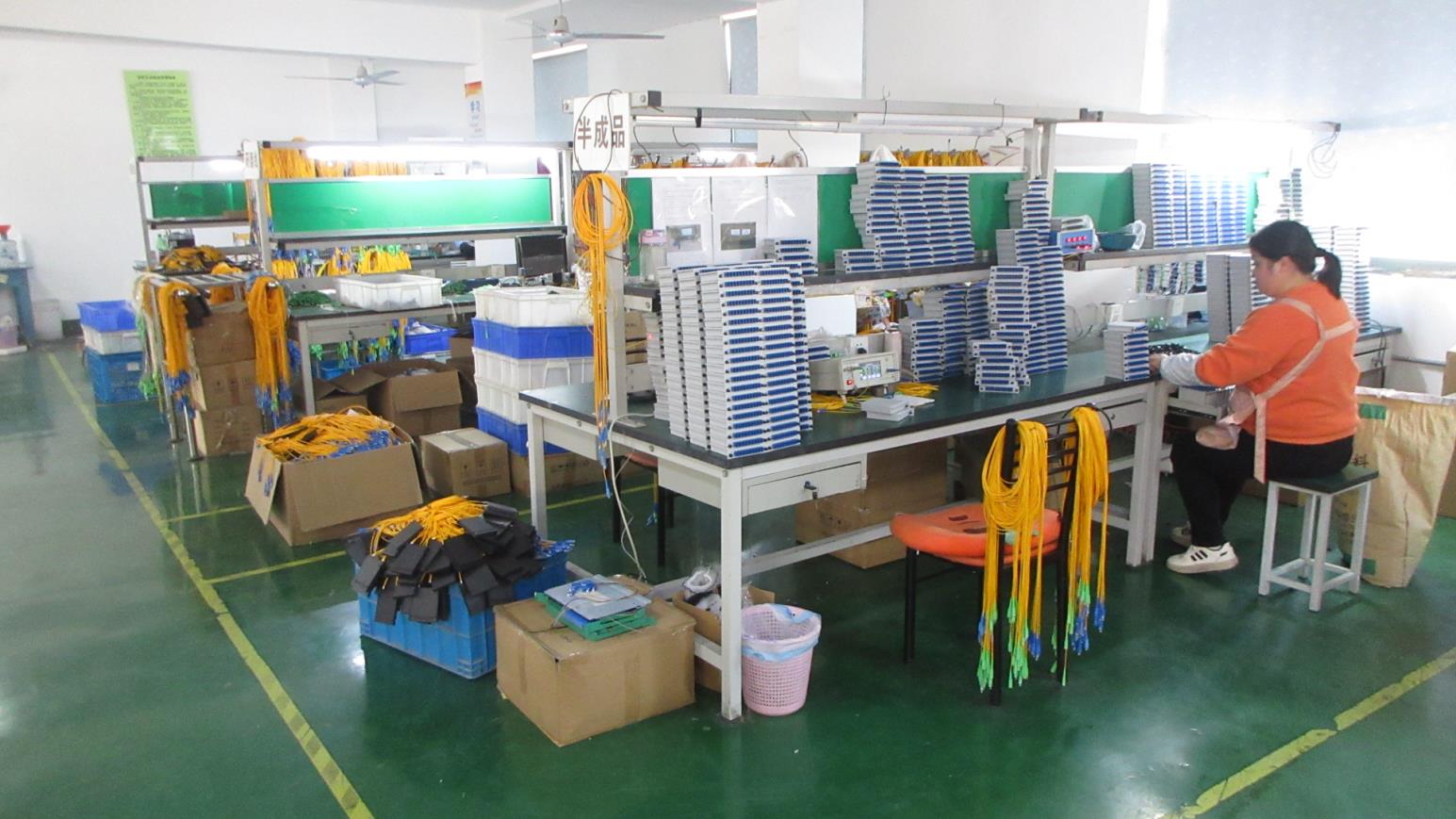
Our modern manufacturing facility covers an area of 380 square meters and is equipped with advanced production and testing equipment to ensure consistent quality and reliable performance. With an annual export revenue exceeding USD 18 million, Equip-Link has established long-term partnerships with customers in more than 50 countries and regions worldwide.
With 9 years of export experience and 14 years of industry expertise, our team understands the evolving demands of global communication networks and delivers products that meet international standards for performance, compatibility, and reliability.
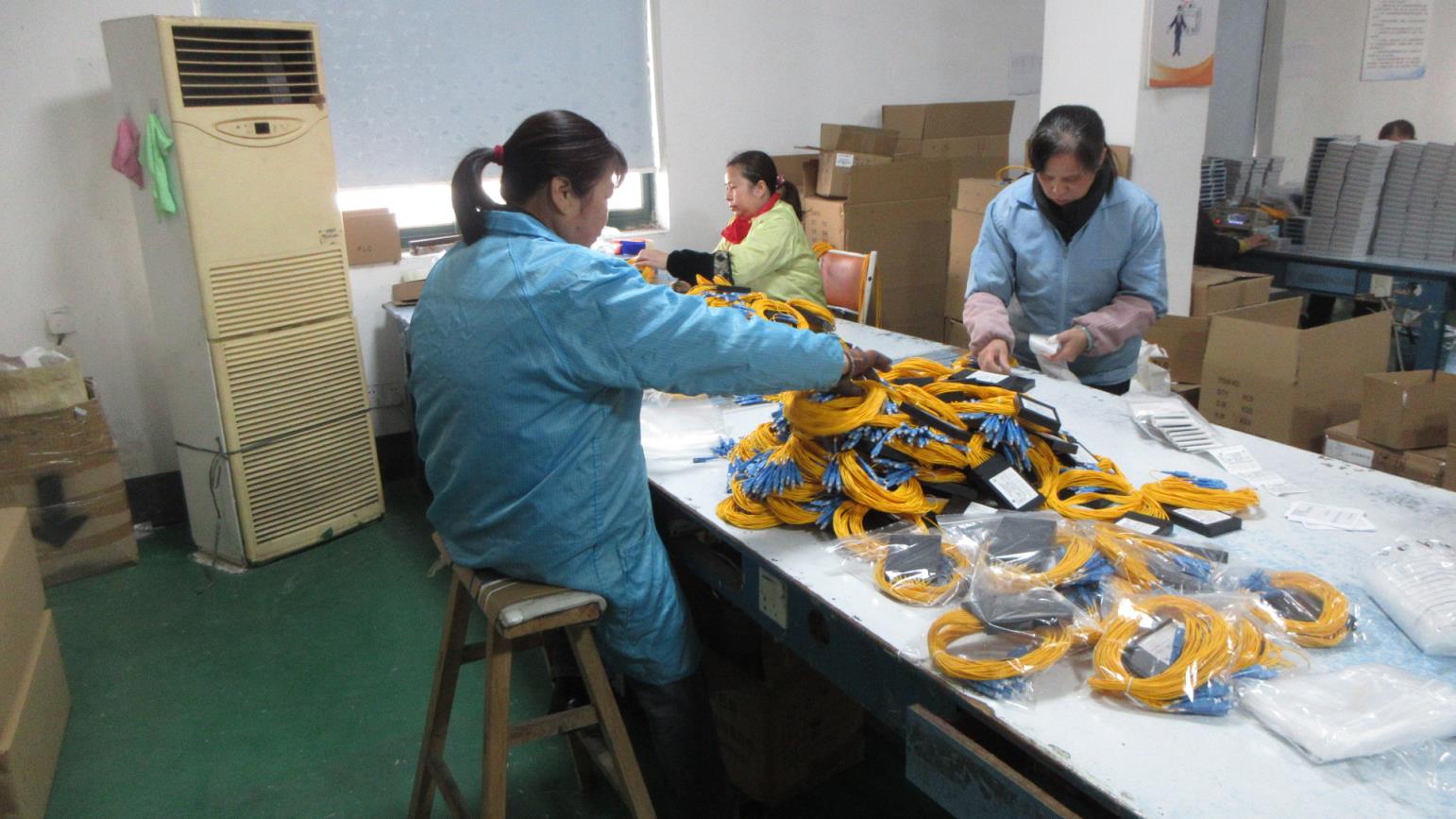
Quality is at the core of everything we do. We implement a comprehensive quality management system supported by incoming material inspection, in-process quality control, and final product testing. Every product undergoes rigorous testing using advanced optical and network performance analyzers before shipment. Our dedicated quality assurance team consists of 36 experienced inspectors who ensure that every product meets customer requirements and industry specifications.
As a company with a strong manufacturer and exporter background, we primarily serve customers across North America, Europe, Southeast Asia, the Middle East, and South America. Our extensive supply chain network includes more than 1,280 qualified partners, enabling us to maintain stable production capacity and efficient delivery schedules.
Our major customer groups include telecommunication operators, data center providers, network equipment distributors, system integrators, cloud service providers, and OEM/ODM brands. To support diverse market needs, Equip-Link offers flexible customization services, including private labeling, custom firmware programming, compatibility coding, packaging customization, and OEM/ODM manufacturing.
Innovation drives our growth. Our R&D department is staffed by 68 professional engineers dedicated to developing next-generation optical communication technologies. In the past year alone, we successfully launched 126 new products, further expanding our portfolio of high-speed optical transceivers, including 10G, 25G, 40G, 100G, 200G, 400G, and 800G solutions.
Today, Equip-Link continues to invest in research, manufacturing excellence, and customer support, helping global customers build faster, more reliable, and more efficient communication networks. Our mission is to deliver high-quality optical connectivity solutions that power the future of digital communication.
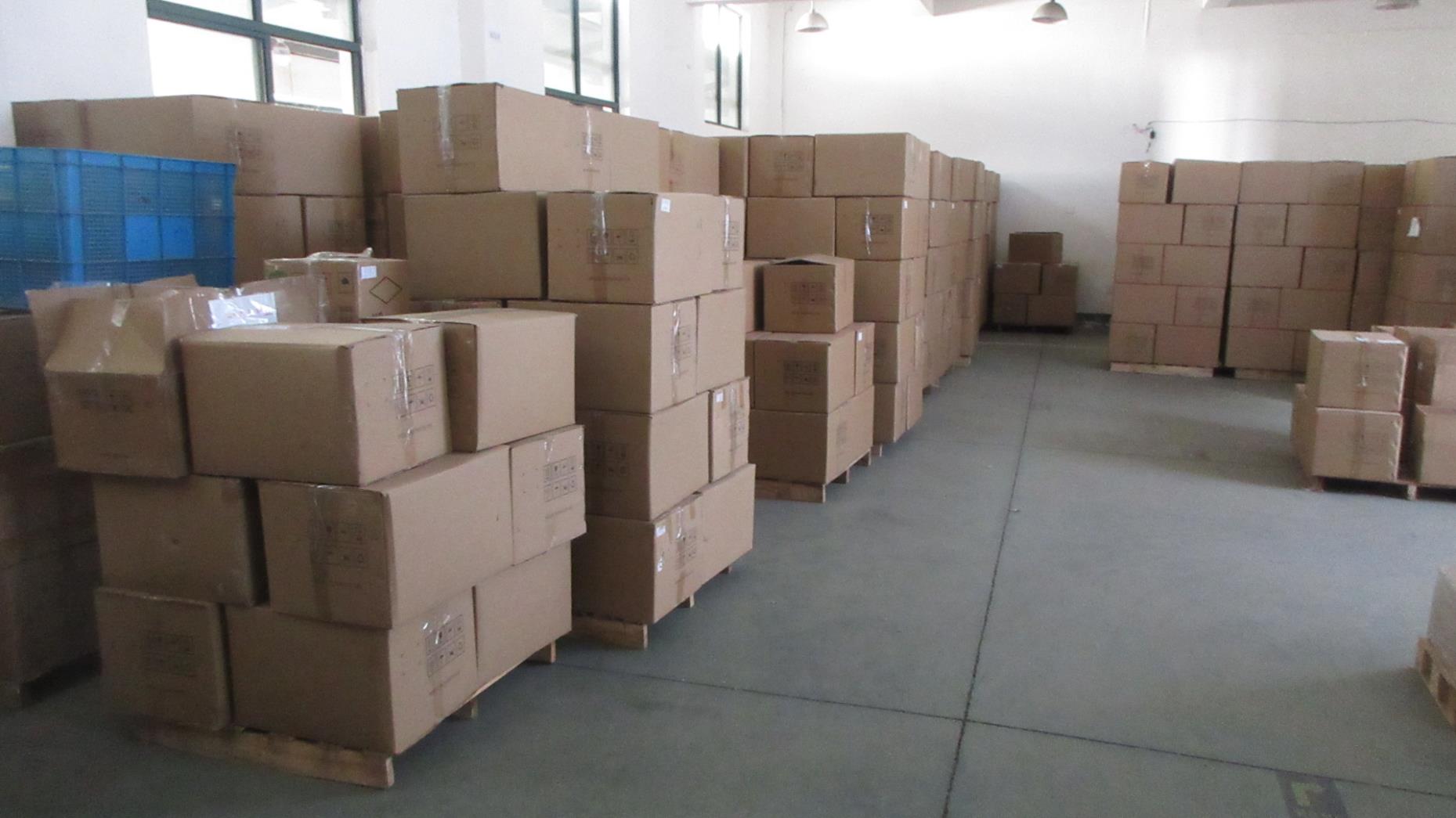
An inside look at our advanced production facilities and strict quality control processes.

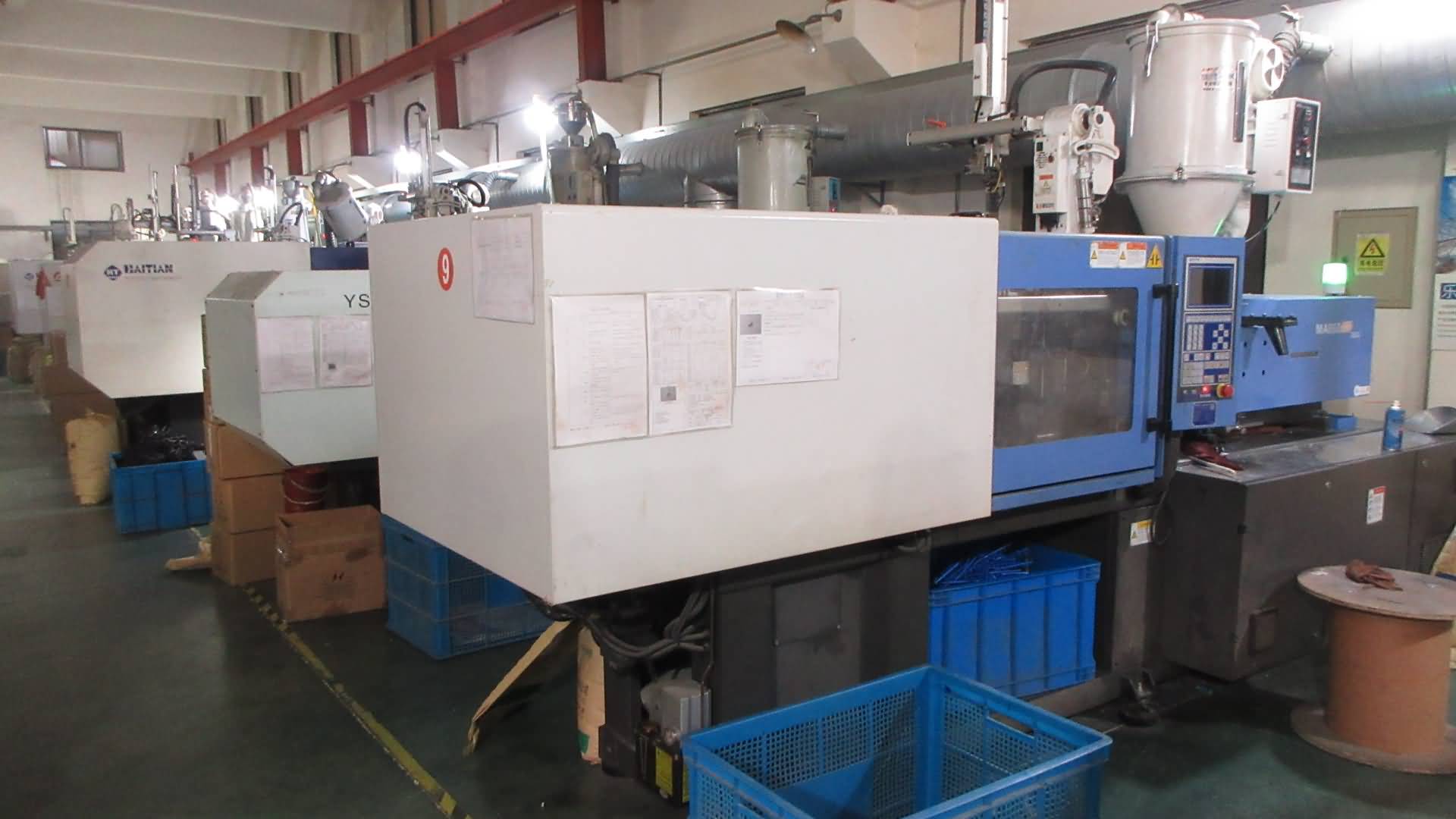
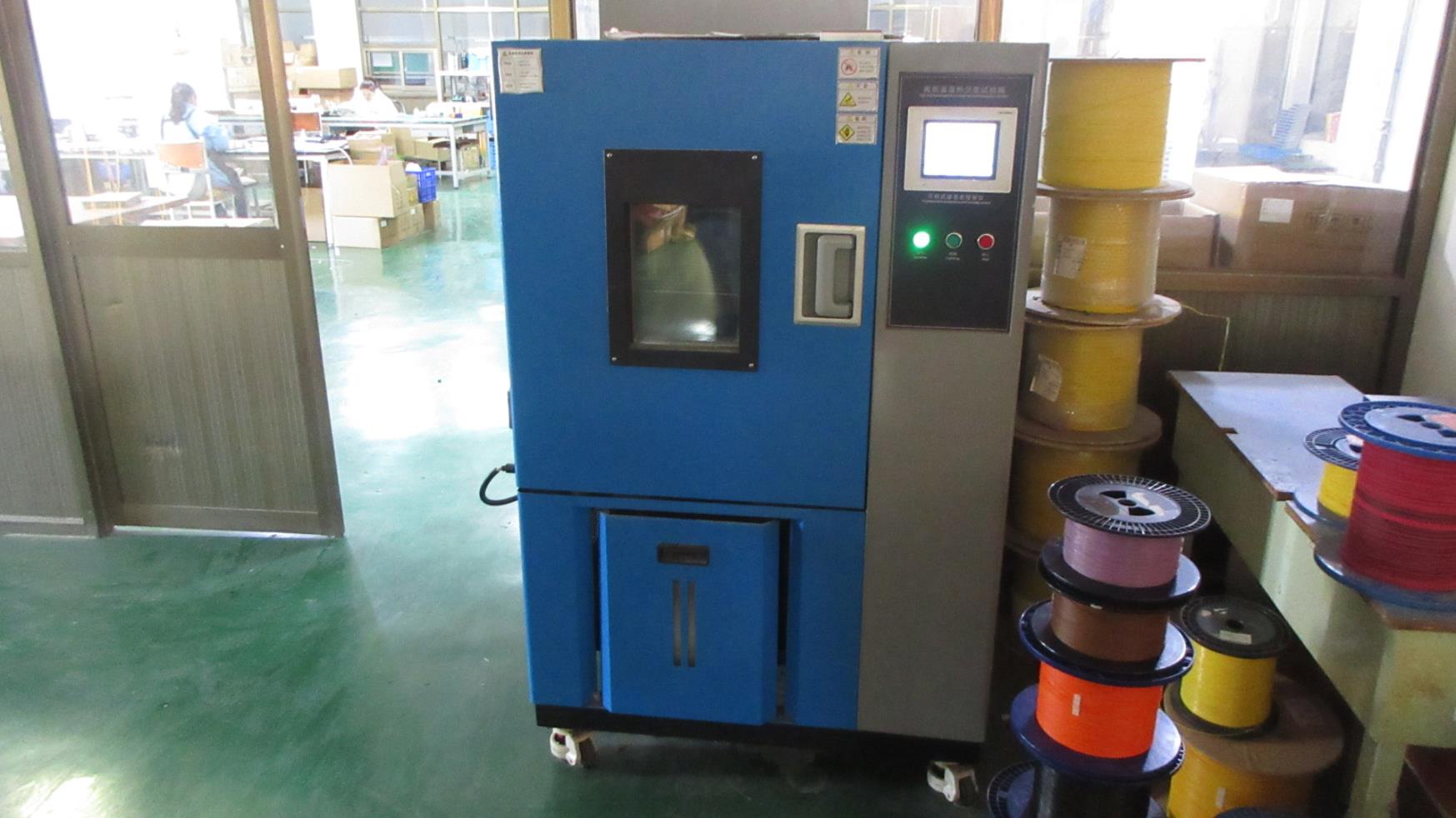
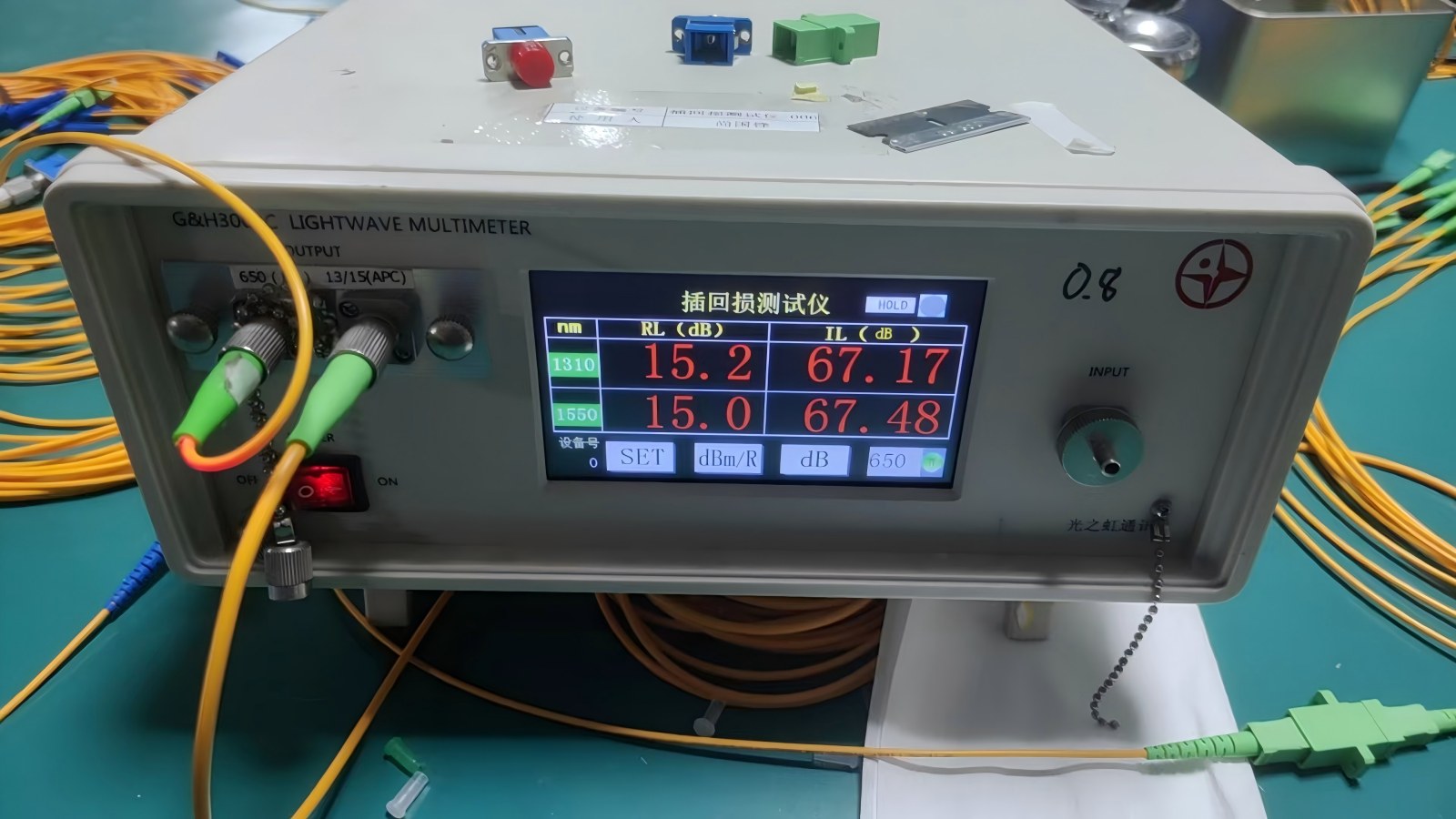
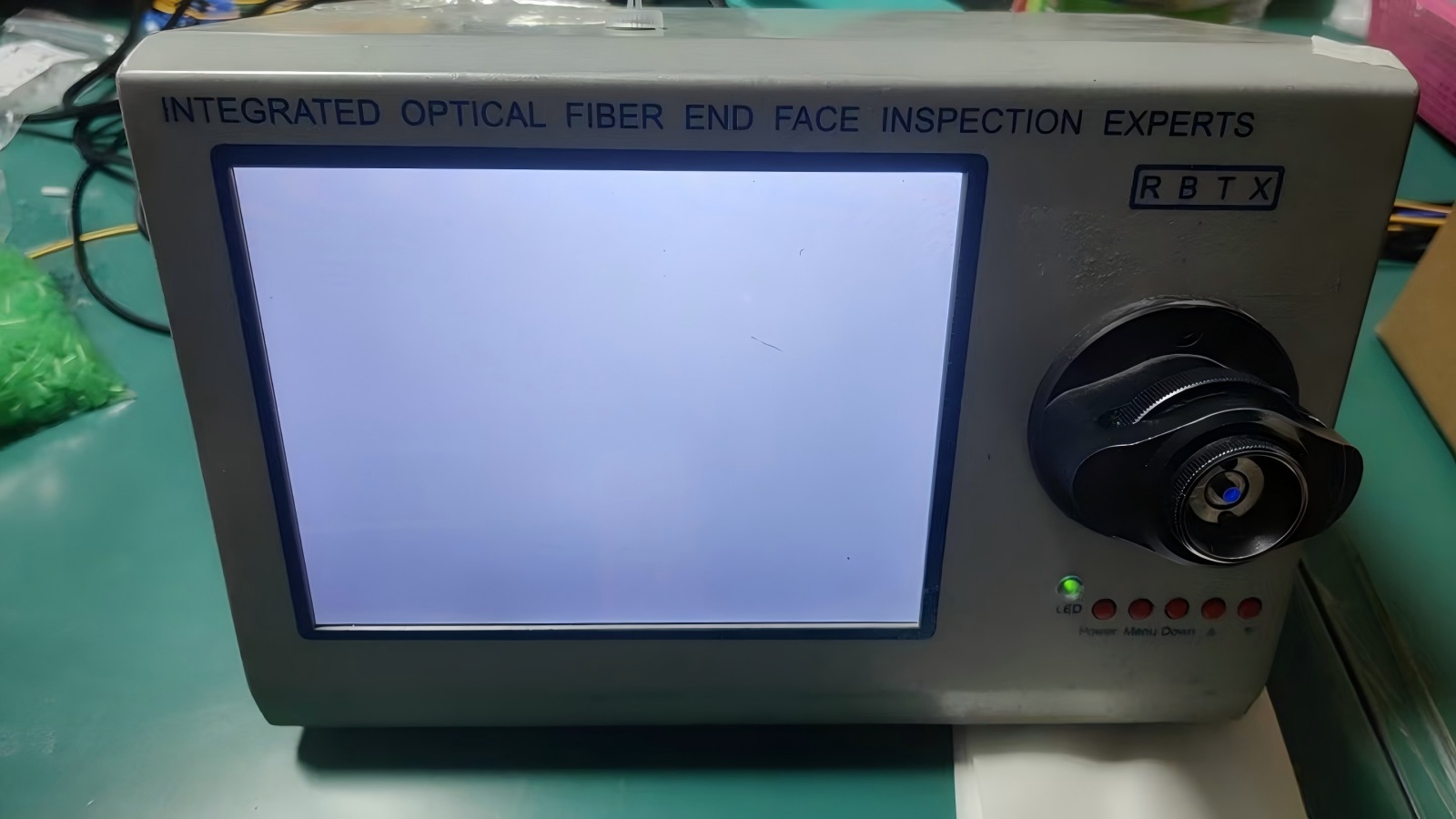
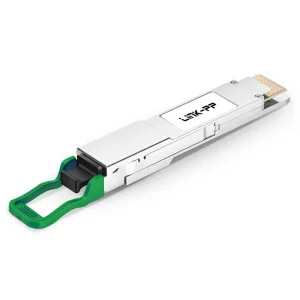
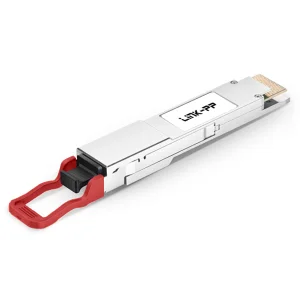
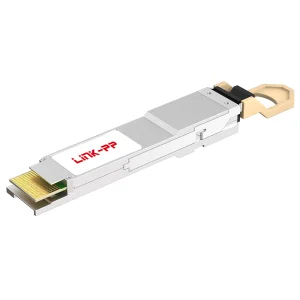
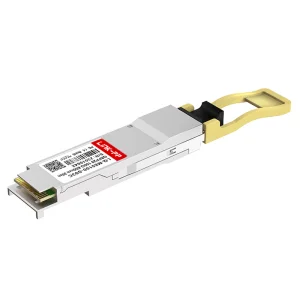
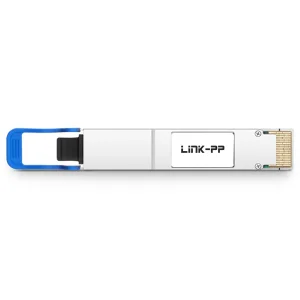
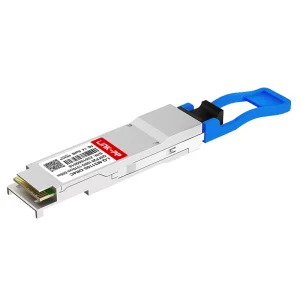
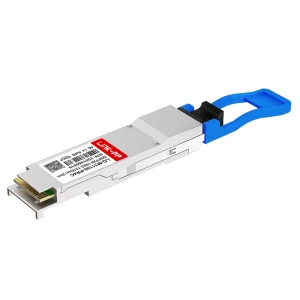
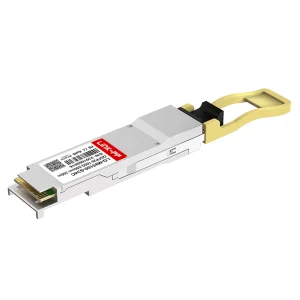
Our full portfolio of 100G and 400G transceivers is designed to fit a wide range of connection distances, fiber options, and network configurations.
Expert answers to help local network architects and procurement leads design and source optical transceivers.