 Equip-Link
Equip-Link
Equip-Link
Designed to meet international compliance frameworks and engineered for superior thermal dissipation and signal integrity across critical networking applications.
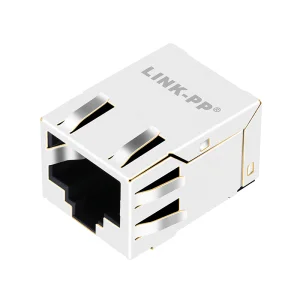
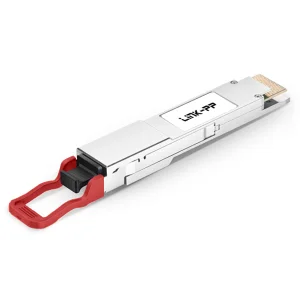
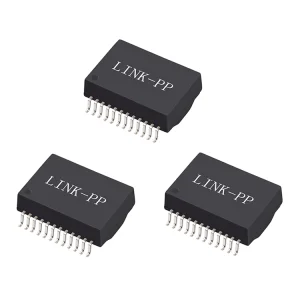
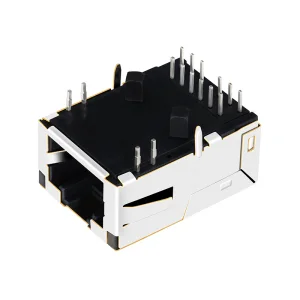
Ireland has established itself as the undisputed premier datacenter capital of Europe. Driven by a highly favorable corporate environment, strategic transatlantic fiber connectivity, and proximity to major technology headquarters (the "Silicon Docks" in Dublin), the demand for high-density, low-latency, and energy-efficient digital infrastructure has escalated. Hyperscalers like Amazon Web Services (AWS), Microsoft Azure, Google Cloud, and Meta operate massive facilities in industrial nodes such as Grange Castle, Clonshaugh, and Clonee. However, this growth brings challenges. Irish operators are under mounting pressure to maximize server density and enhance power-usage effectiveness (PUE) amidst stringent grid regulations.
At the physical layer of these complex operations sit SFP (Small Form-factor Pluggable) cages. These components are vital for shielding and grounding optical transceivers. As datacenters transition from legacy 10G and 25G channels to 100G, 400G, and even next-generation 800G optical networking pipelines, the physical connectors and cages must withstand elevated thermal loads and minimize electromagnetic interference (EMI). Without robust engineering, skin-effect attenuation, signal distortion, and localized thermal choking can compromise network stability.
Industrial networking requirements are shifting. Modern systems demand more than simple mechanical enclosures. Our R&D teams have observed several clear technical developments shaping global procurement:
OEMs, ODMs, and system integrators in Ireland and across continental Europe face a volatile global logistics market. Traditional relying on just-in-time delivery models is being replaced by strategic, multi-tiered supplier integration. Procuring high-quality SFP cages requires partnering with manufacturers that can balance high-volume precision output with agile, customized production schedules. The focus is no longer just on unit cost; total cost of ownership (TCO), material compliance (such as RoHS and REACH), and long-term mechanical reliability are now key procurement drivers.
A global optical transceiver and fiber communication hardware pioneer, delivering enterprise-grade connectivity solutions from our advanced manufacturing facilities.
Founded in 2017, Equip-Link Intelligent Equipment (Shenzhen) Co., Ltd. is a leading manufacturer and supplier of high-performance optical transceivers and fiber optic communication solutions. We specialize in the design, development, production, and global distribution of optical modules for data centers, telecommunications networks, enterprise networking, cloud computing, and AI infrastructure applications.
Our modern manufacturing facility covers an area of 380 square meters and is equipped with advanced production and testing equipment to ensure consistent quality and reliable performance. With an annual export revenue exceeding USD 18 million, Equip-Link has established long-term partnerships with customers in more than 50 countries and regions worldwide.
With 9 years of export experience and 14 years of industry expertise, our team understands the evolving demands of global communication networks and delivers products that meet international standards for performance, compatibility, and reliability.
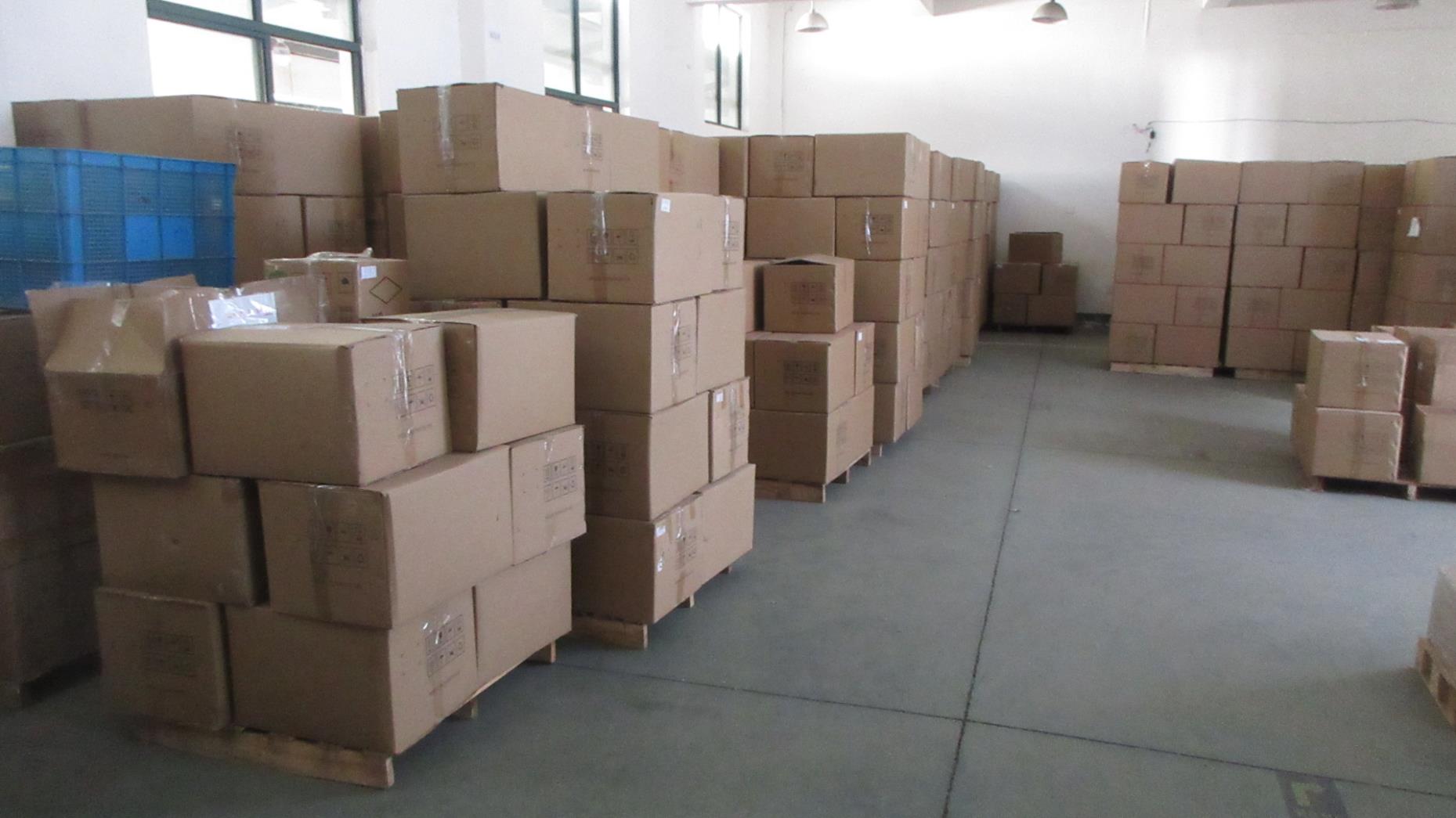
Quality is at the core of everything we do. We implement a comprehensive quality management system supported by incoming material inspection, in-process quality control, and final product testing. Every product undergoes rigorous testing using advanced optical and network performance analyzers before shipment. Our dedicated quality assurance team consists of 36 experienced inspectors who ensure that every product meets customer requirements and industry specifications.
As a company with a strong manufacturer and exporter background, we primarily serve customers across North America, Europe, Southeast Asia, the Middle East, and South America. Our extensive supply chain network includes more than 1,280 qualified partners, enabling us to maintain stable production capacity and efficient delivery schedules.
Deploying automated precision injection, high-speed progressive metal stamping, and end-to-end testing cycles to ensure zero-defect physical-layer components.
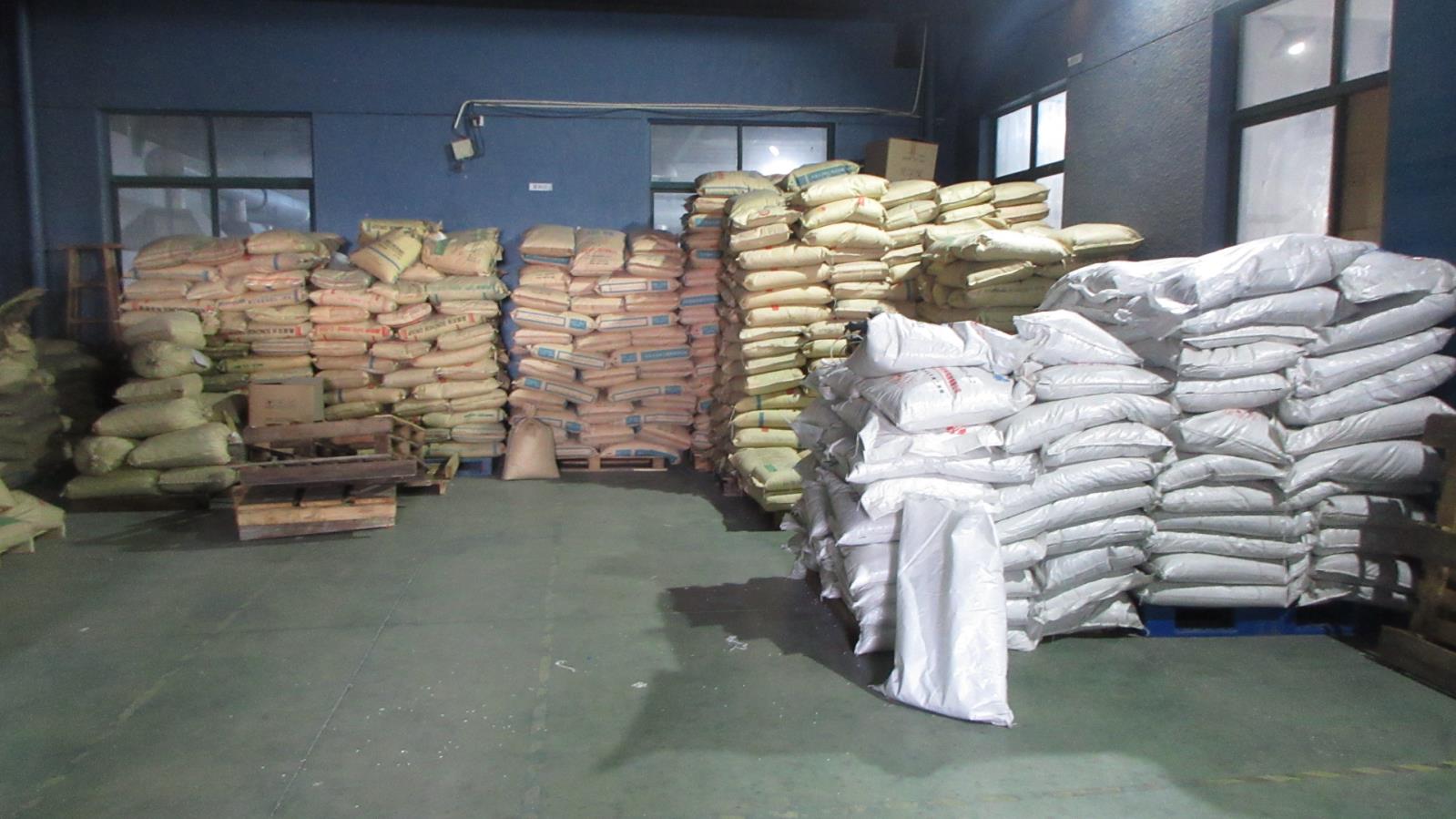
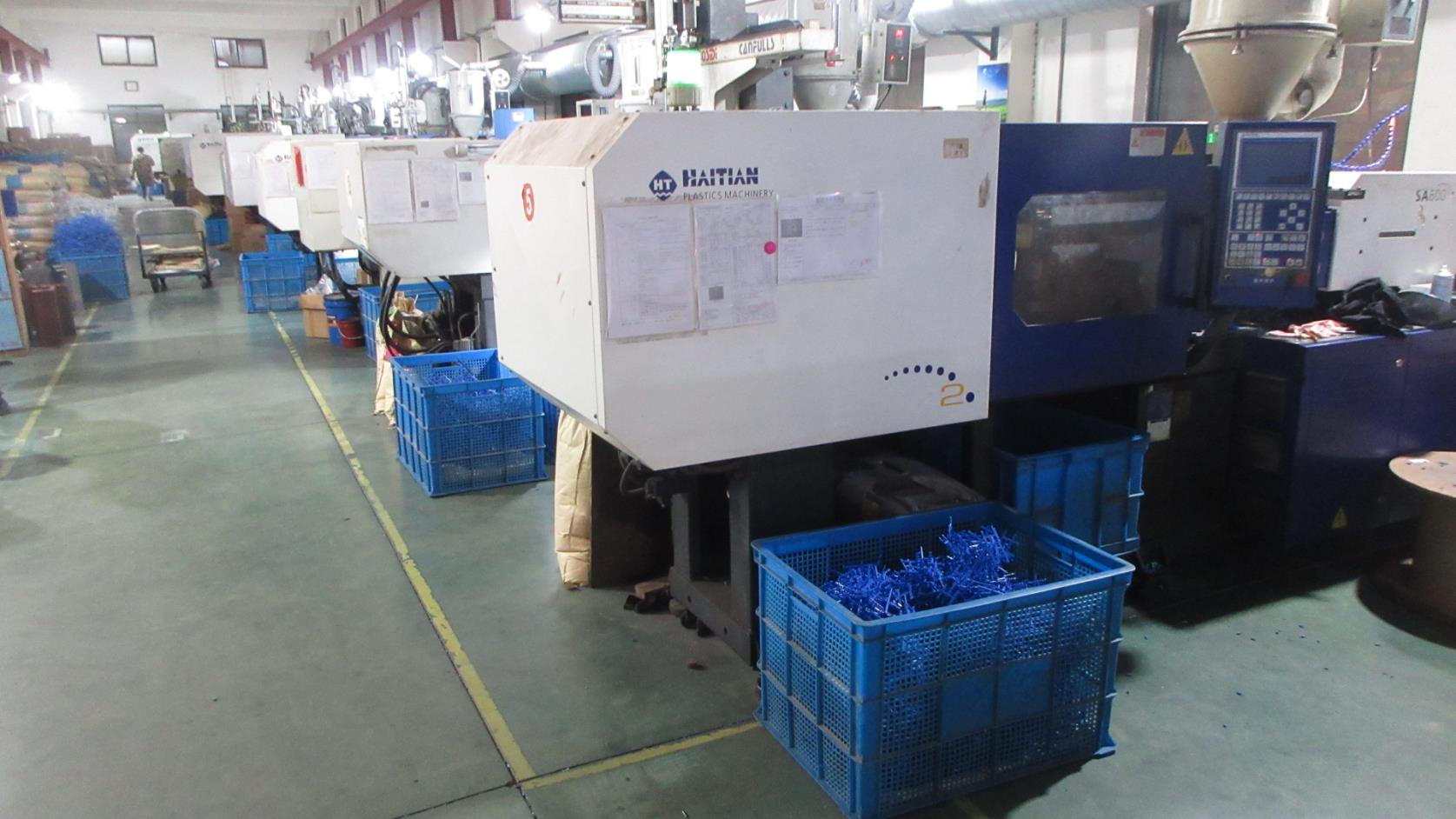
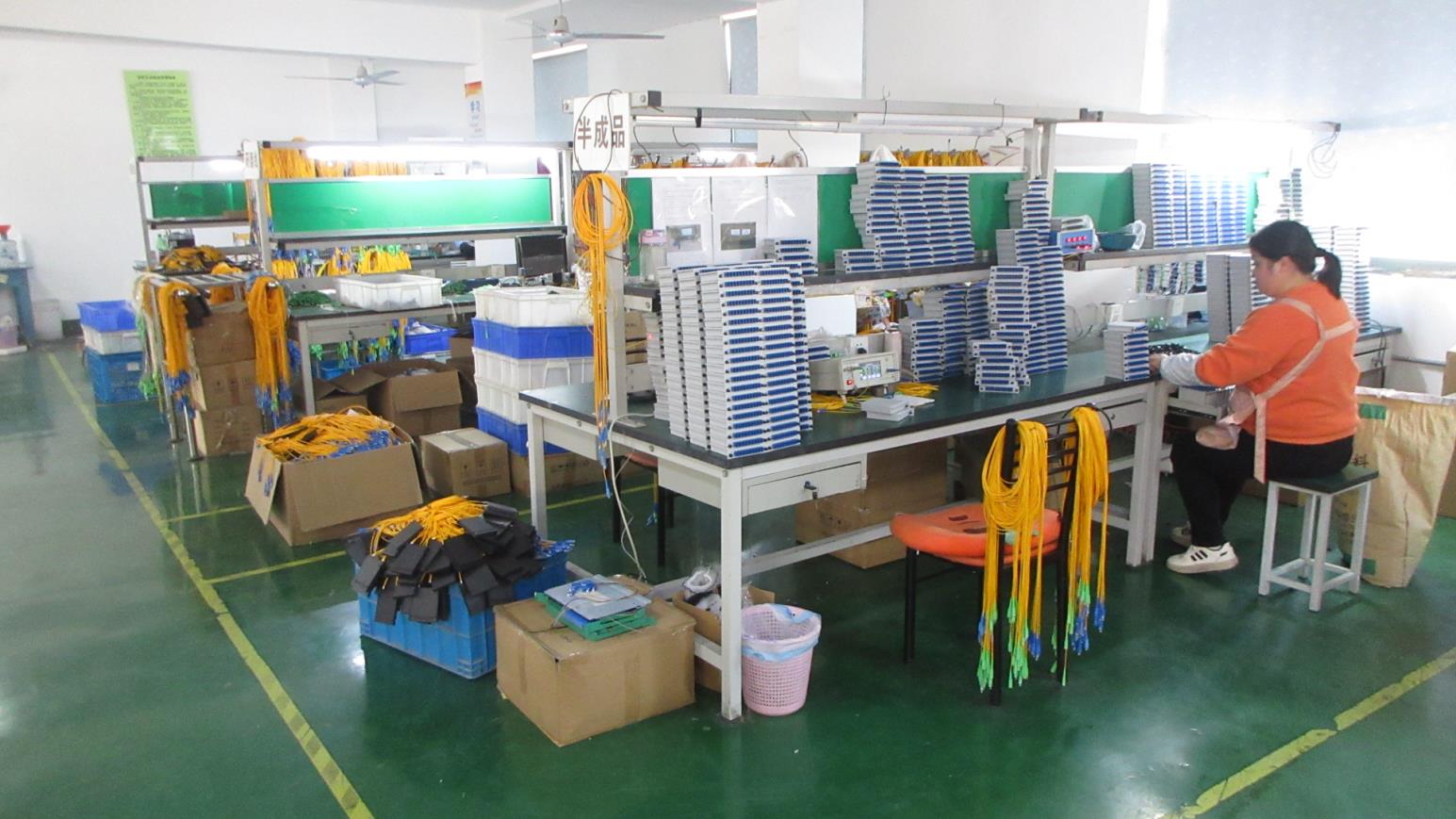
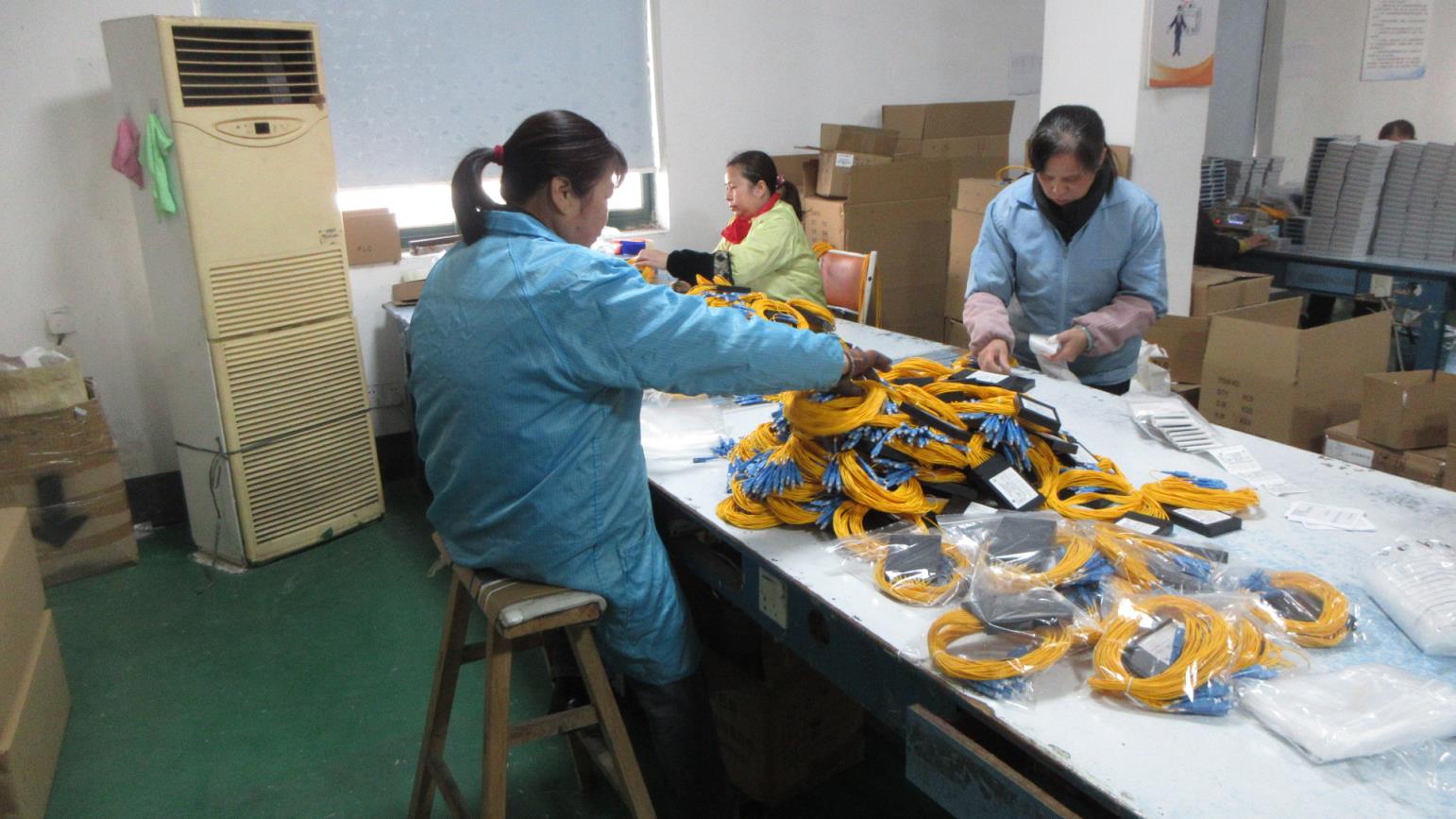
By integrating automated visual detection systems directly into our progressive stamping and plastic injection lines, we ensure high repeatability. For SFP cage housings, our dies operate within a tolerance field of ±0.02mm. This precision ensures that any MSA-compliant transceiver inserts and extracts smoothly without damaging the internal connector pin layouts. In-line automated optical inspection (AOI) identifies micro-fissures or misalignment in spring fingers before final housing integration.
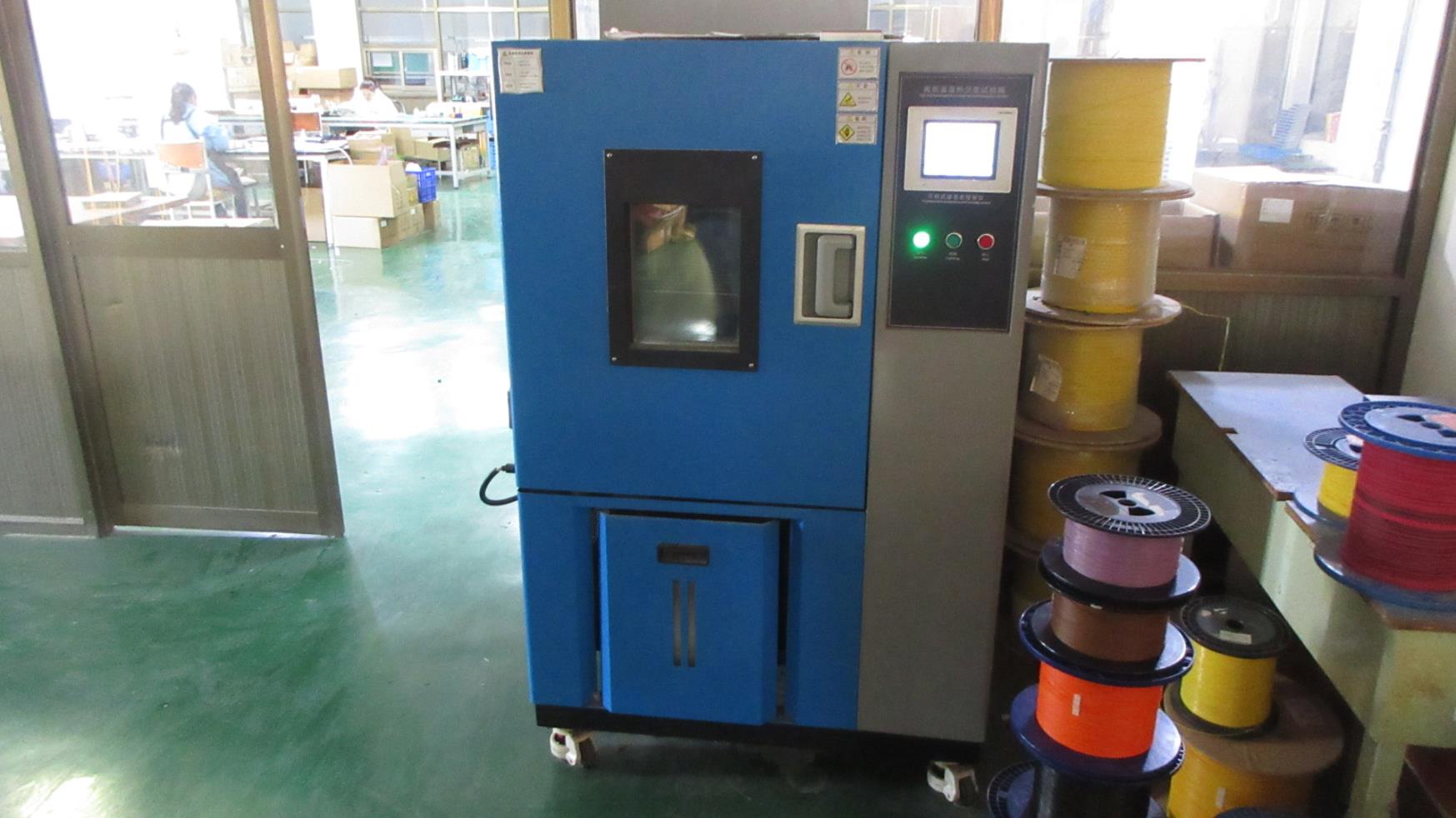 High And Low Temperature Damp Heat Alternating Test Chamber
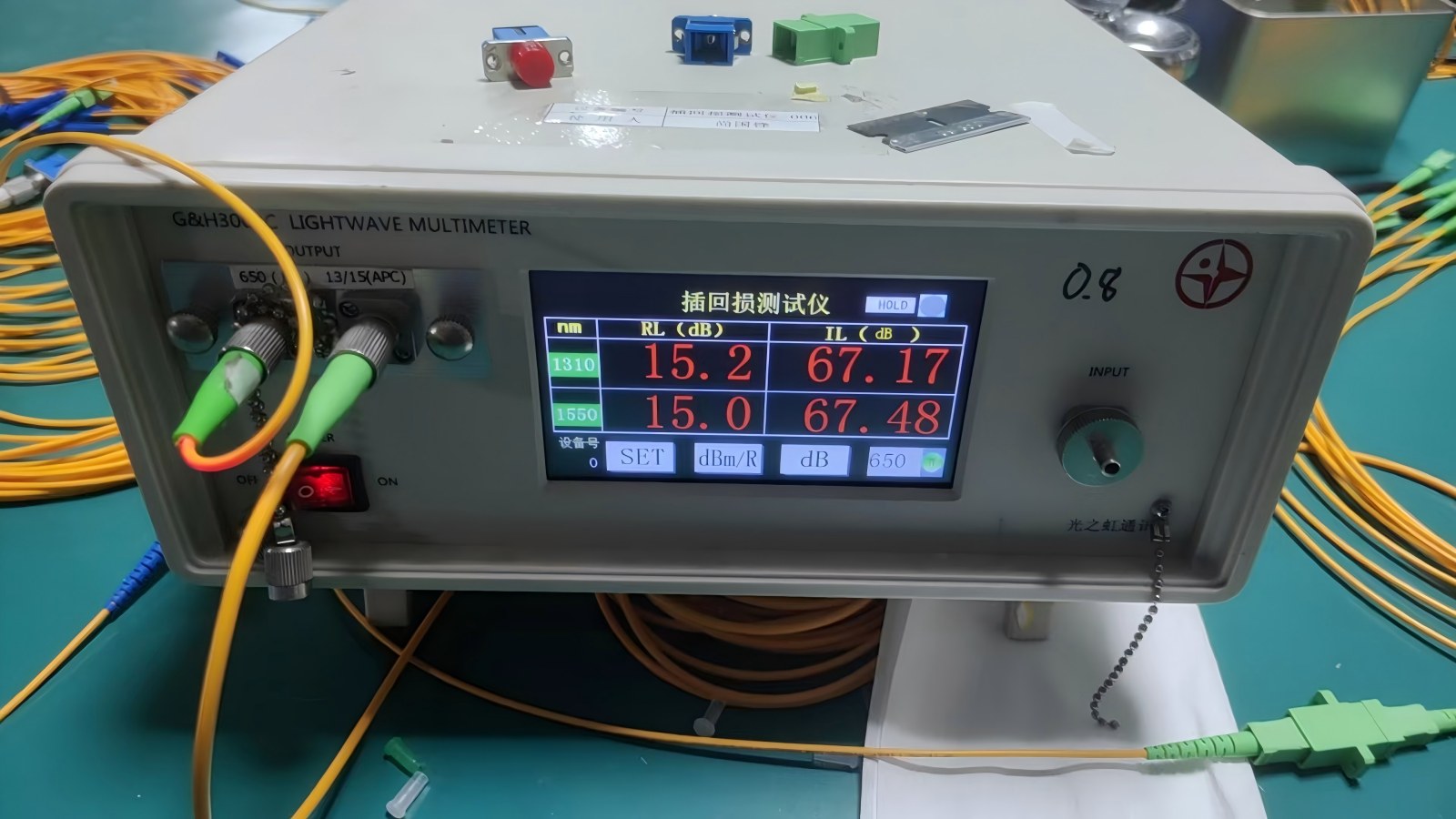 Optical Insertion Loss Tester
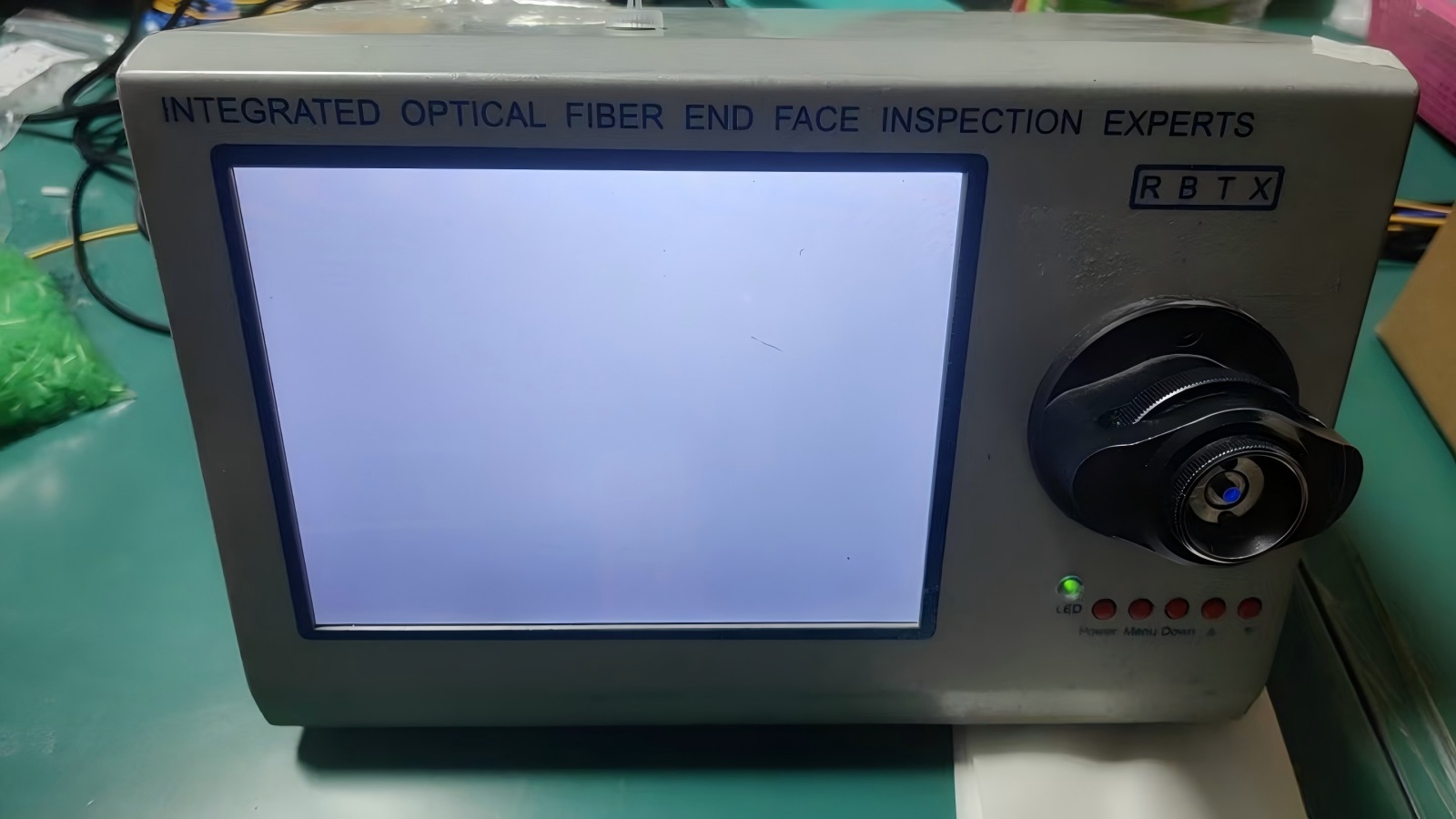 Integrated Optical Fiber End Face Inspection Experts
How our products are deployed across Irish communications networks and industrial computing nodes.
Deployment of stacked 2xN SFP28/QSFP-DD shielded cages in top-of-rack (ToR) fiber switches, maximizing airflow efficiency in cold-aisle containment systems.
Implementing press-fit single-port cages inside industrial automation gateways along coastal marine monitoring arrays and smart factory nodes.
Integrating optical fiber transceiver components and RJ45 modules in local central office distributions to deliver consistent broadband to rural locations.
Standard engineering parameters optimized for low insertion loss and high thermal conductivity.
| Cage Parameter | Technical Specification Details | Compliance Standards |
|---|---|---|
| Material Option | Copper Alloy (Phosphor Bronze, Brass), Nickel/Tin Plated | RoHS, REACH, UL 94V-0 |
| EMI Shielding Options | Metal Outer Spring Fingers / Elastomeric Gaskets | FCC Class B, CISPR 22 |
| PCB Mounting Style | Through-Hole Press-Fit / SMT (Surface Mount) | SFF-8432, SFF-8431 MSA |
| Port Configurations | 1x1, 1x2, 1x4, 1x6, 2x1, 2x2, 2x4, 2x6, 2x8 Stacked | Multi-Source Agreement |
| Light Pipe Integration | Polymethyl Methacrylate (PMMA) Outer Core, Multi-channel | Custom LED Alignment |
| Mating Durability | Minimum 100 mating cycles (typically 250+ cycles) | EIA-364 Standard |
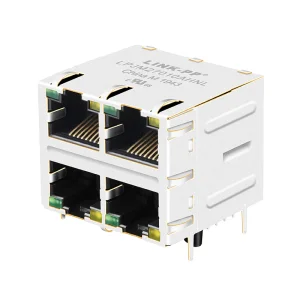
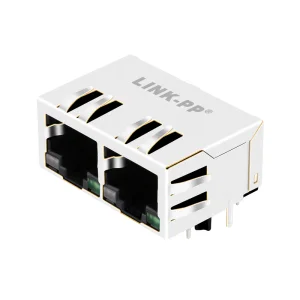
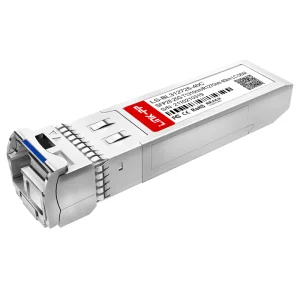
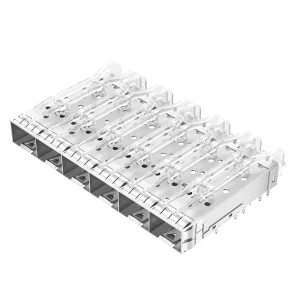
Explore our full line of network interfaces, SFP cages, and magnetic jacks, built to strict standards for telecom and enterprise distribution.
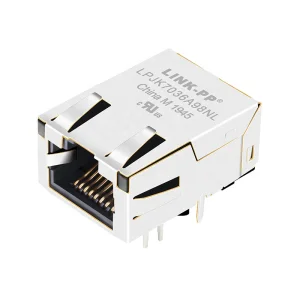
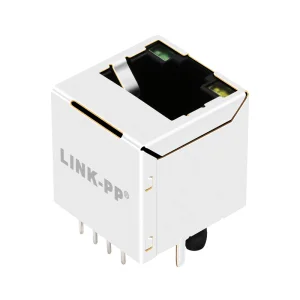
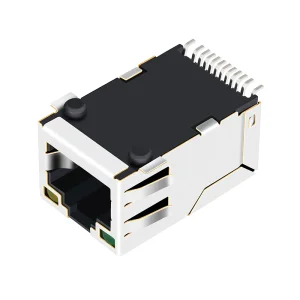
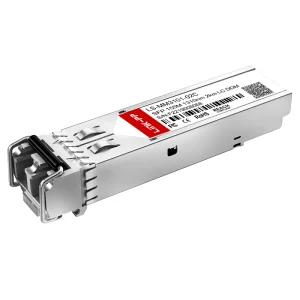
Clear, engineer-level answers addressing technical parameters, system assembly, and compliance.
A: Press-fit (through-hole compliant pin) termination relies on mechanical pressure to establish an airtight gas-tight connection with the PCB vias, avoiding wave-soldering thermal stresses. Solder tails require typical paste-in-hole reflow or wave soldering, which are suitable for lighter PCBs but can induce localized PCB expansion and solder bridging on thick, multi-layered high-frequency boards.
A: The primary path for EMI containment is through grounding contacts at the bezel interface. Cages use metal spring fingers or elastomeric conductive gaskets. These components ensure continuous electrical contact between the cage and the metal faceplate/chassis, creating a Faraday shield that prevents signal leakage at high data rates.
A: For humid marine or industrial environments, we offer high-durability nickel base plating (typically 50-100 micro-inches) topped with matte tin or gold flash on critical contact points. This design helps prevent oxidation, contact resistance buildup, and potential galvanic corrosion.
A: Yes, all Equip-Link SFP, SFP+, SFP28, QSFP28, and QSFP-DD cages are designed to comply with SFF Committee Multi-Source Agreements (MSA). This ensures mechanical compatibility with transceiver modules from major manufacturers worldwide.
A: We configure riding heat sinks directly onto the top of the cage bodies, using custom thermal interface materials (TIMs) with high thermal conductivity. The heatsinks feature variable fin heights and directions that align with system fan airflows to minimize heat buildup.
A: Absolutely. We design and manufacture cages with custom light pipes made of high-transmittance optical PMMA. The light pipes route light from board-mounted LEDs to the front panel, supporting single, dual, or quad-color status indicators.