Equip-Link Equip-Link

155M/622M SFP Module Factories & Exporters serving the Peru Market

High-reliability, industrial-grade optical transceivers engineered for legacy utility grids, rural telecommunication rings, and automated mining architectures across Peru.

Send Inquiry Now

Premium 155M SFP Transceivers for Peru Networks

Optimized optical modules engineered to meet the stringent compatibility and thermal demands of Peruvian telecommunication systems and smart industrial nodes.
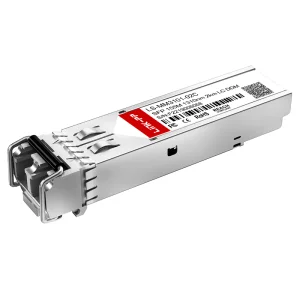
Peru Lima Metro Line Compatible 155M SFP
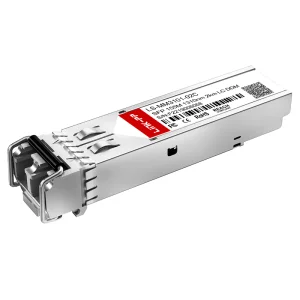
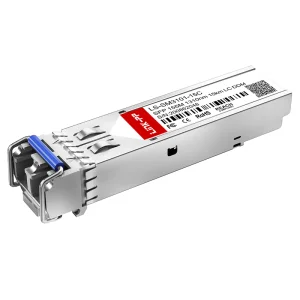
Peru Lima Metro Line & Industrial Automation Compatible Hirschmann SFP-FAST-MM/LC-EEC 155M SFP Module 2km Multimode LC Optical Transceiver
View Product Details
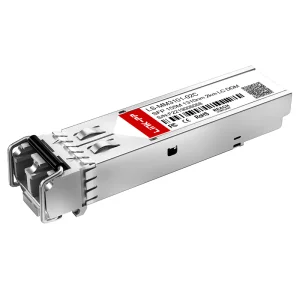
Peru Southern Copper SCADA Compatible SFP
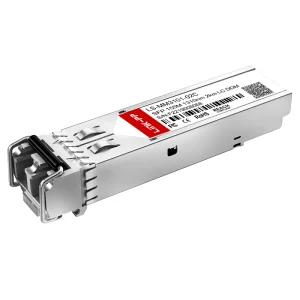
Peru Southern Copper Mining SCADA Compatible SFP-FE-SX-MM1310 MMF LC Optical Module Multimode 1310nm 155M SFP Transceiver 2km
View Product Details
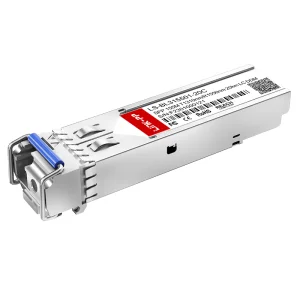
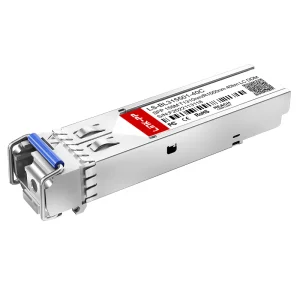
Peru PRONATEL Broadband Project BiDi SFP
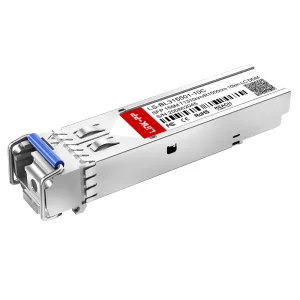
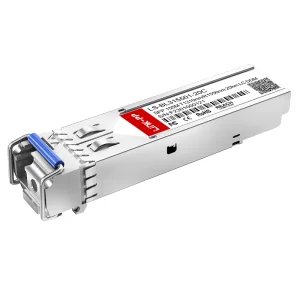
Peru PRONATEL Broadband Network Compatible MFB-FA20 Bidirectional 1310nm-TX/1550nm-RX 155M BiDi SFP 20km Single Mode Optical Transceiver
View Product Details
Peru Arequipa Power Grid Hirschmann SFP
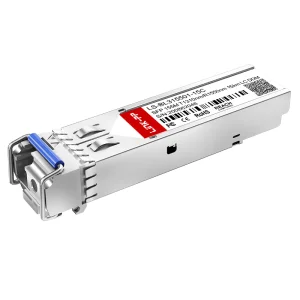
Peru Arequipa Power Transmission Grid Compatible Hirschmann M-FAST SFP-MM/LC MMF 155M SFP 1310nm 2km Multimode Optical Transceiver Module
View Product Details

Peru's Telecommunication & Industrial Connectivity Landscape

Peru's digital infrastructure is undergoing a massive transformation. Led by national initiatives such as the Red Dorsal Nacional de Fibra Óptica (RDNFO) and various regional projects managed by PRONATEL (Programa Nacional de Telecomunicaciones), fiber optic connectivity is penetrating deep into the Andes and the Amazonian regions. While hyper-scale data centers and metro backbones in Lima are transitioning to 100G, 400G, and 800G optical routes, the industrial reality of Peru relies heavily on highly reliable legacy data links operating at 155M and 622M bandwidths.

These legacy and industrial rates (Fast Ethernet and STM-1/OC-3) are the operational backbones for critical industrial sectors. Peru's booming mining sector—including massive operations like Cerro Verde, Las Bambas, and Antamina—utilizes fiber optic networks for remote telemetry, environmental monitoring, and Programmable Logic Controller (PLC) communications. These environments demand ultra-reliable, ruggedized SFP modules that can interface with industrial switches (such as Moxa and Hirschmann) and withstand high vibration, dust, and electrical interference.

Furthermore, municipal monitoring systems (CCTV), railway signaling networks, and electrical substations managed by COES (Comité de Operación Económica del Sistema Interconectado Nacional) require highly stable 155M/622M optical links. These systems are designed for 15-to-20-year lifespans, meaning that sourcing high-quality, long-term compatible optical transceivers from trusted global manufacturers is vital for Peruvian network engineers and systems integrators.

15M+
Peruvian Rural Residents Connected via PRONATEL Fiber Projects
4,000m+
Average Altitude of Andean Mining Networks Demanding Ruggedized Optics
100%
Compliance with Peruvian MTC Telecommunication Import Standards
STM-1
Standard SDH Protocol Widely Deployed in Peru's Utility Backbones

Technical Roadmap: 155M/622M SFP Evolution & Multi-Rate Architectures

In optical communication, 155 Mbps (Fast Ethernet / STM-1) and 622 Mbps (STM-4 / OC-12) transceivers represent highly stabilized, reliable platforms. While modern networks utilize WDM and high-speed modulation, the 155M and 622M optical layers remain irreplaceable for deterministic, real-time communications where latency jitter must be strictly controlled, such as in electrical power grids and railway transit.

The technical roadmap for these legacy modules is focused on compatibility, thermal resilience, and optical power budget expansion:

BiDi (Single-Fiber Bidirectional) Engineering

Utilizing Wavelength Division Multiplexing (WDM) at 1310nm/1550nm or 1310nm/1490nm, BiDi transceivers allow dual-channel communication over a single fiber strand. This effectively halves the fiber lease costs for ISPs operating in remote Peruvian municipalities where fiber laying is costly.

Digital Diagnostics Monitoring (DDM / DOM)

DDM provides real-time telemetry of vital transceiver metrics, including optical output power, receiver sensitivity, temperature, and laser bias current. This allows Peruvian network administrators to proactively predict fiber degradation before service outages occur.

Extended Temperature Optimization (-40°C to 85°C)

Standard enterprise modules operate from 0°C to 70°C. In high-altitude Andean mines or hot coastal deserts of Peru, ambient temperatures swing drastically. Industrial-grade modules feature hardened lasers and advanced thermal dissipation to operate in extreme environments.

Macro Industry Solutions & Use Cases in Peru

Deploying dependable 155M and 622M optical systems across Peru's critical infrastructure nodes.

1. Power Utility Automation (IEC 61850 Substations)

Peru's transmission lines cross the Andes, facing lightning strikes, magnetic interference, and extreme weather. Communication networks within substations use IEC 61850 Ethernet switches. For these systems, 155M SFP transceivers (both multimode for local links up to 2km and single-mode for inter-station communication up to 40km or 80km) provide the EMI-immune, deterministic physical layer required to transmit real-time control commands, preventing widespread blackouts.

2. Andean Mining Telemetry & Heavy Machinery Automation

Mining operations in locations such as Arequipa, Cajamarca, and Ancash use fiber optic rings to connect surface control stations with deep underground tunnels. These rings run Ethernet SCADA protocols to manage ventilation, drainage pumps, and automated drill rigs. By utilizing industrial-grade Moxa-compatible and Hirschmann-compatible 155M SFPs, mine operators ensure consistent data flow despite vibration and temperature changes.

3. Rural Broadband Backhaul (Fitel/PRONATEL Regional Projects)

Bringing connectivity to Peru's rural populations requires robust long-distance networks. Long-reach 100BASE-ZX (80km) and custom 120km 155M/622M SFP transceivers are deployed in edge routers to establish backhaul links for wireless towers and local schools. This setup enables cost-effective broadband deployment over rugged topography without expensive intermediate repeaters.

Compliance, Environmental Tolerance, and MTC Peru Approvals

Importing and deploying telecommunication hardware in Peru requires strict adherence to national and international standards. The Ministerio de Transportes y Comunicaciones (MTC) regulates all equipment connecting to public networks. As a leading exporter, Equip-Link designs transceivers that comply with international certifications including CE, FCC, RoHS, and FDA Laser Safety Standards, ensuring trouble-free customs clearance and deployment in Peru.

The Altitude Challenge: A significant portion of Peru’s industrial infrastructure is located in high-altitude zones (3,000 to 4,800 meters above sea level). At these elevations, the thinner air reduces convective cooling efficiency. Commercial-grade transceivers can overheat, leading to laser degradation, high bit error rates (BER), or sudden link dropouts. Equip-Link addresses this challenge by utilizing:

  • Premium Distributed Feedback (DFB) Lasers: Offering superior wavelength stability and lower power consumption than standard FP lasers under high thermal load.
  • High-Sensitivity Avalanche Photodiodes (APD): Essential for long-distance 80km to 120km links, maintaining sensitivity in thin-air environments.
  • Custom EEPROM Compatibility Coding: Our modules are coded with firmware compatible with major systems deployed in Peru, such as Cisco, Huawei, Juniper, Mikrotik, Moxa, and Allied Telesis.

China Industry 4.0: Equip-Link's Manufacturing & Supply Chain Resilience

Founded in 2017, Equip-Link Intelligent Equipment (Shenzhen) Co., Ltd. is a specialized manufacturer and exporter of optical modules. Over the last 9 years of export operations and 14 years of optical engineering expertise, we have developed a resilient manufacturing ecosystem. With an annual export volume generating over USD 18 million, our products connect networks across North America, Europe, and Latin America.

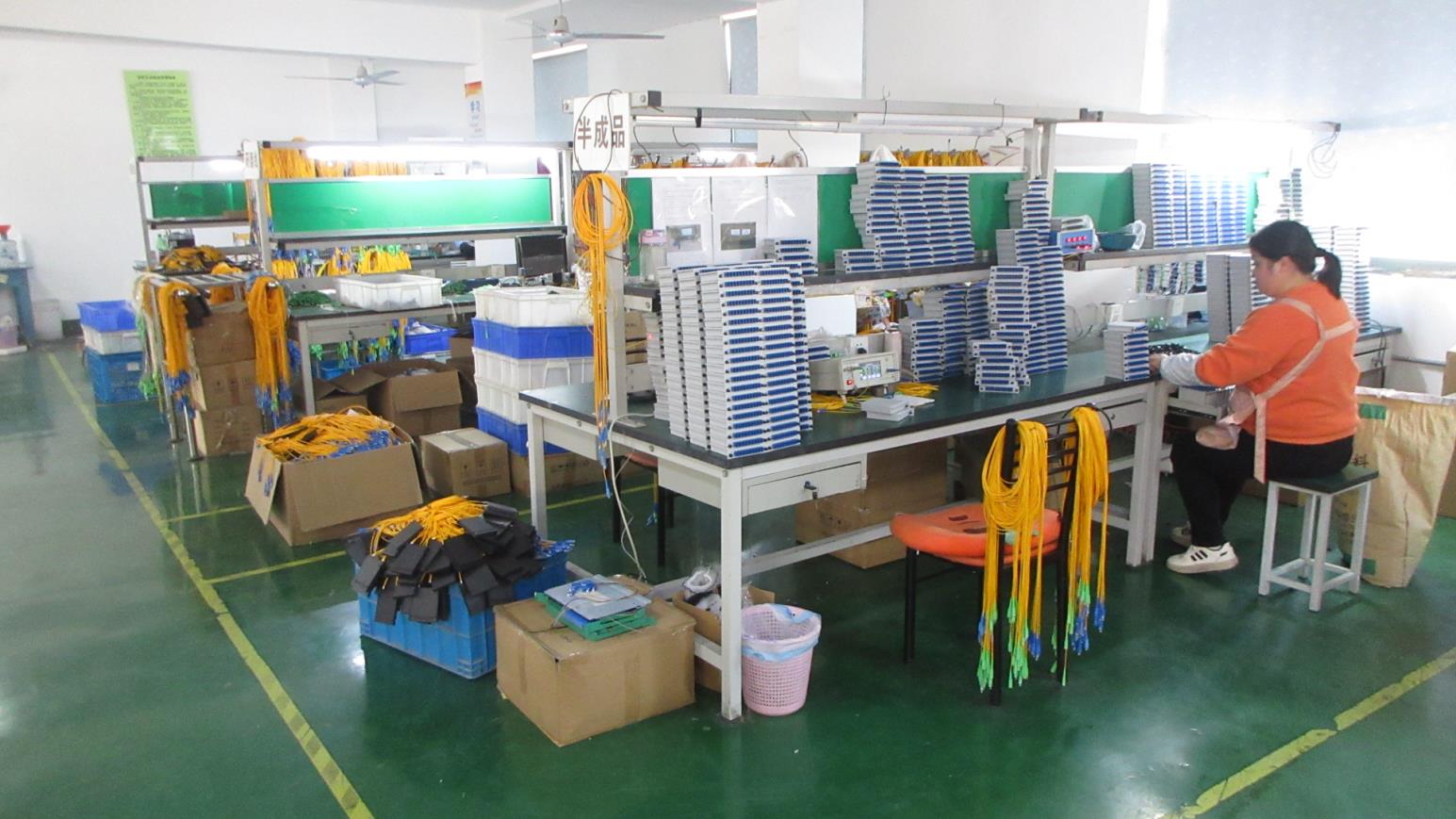
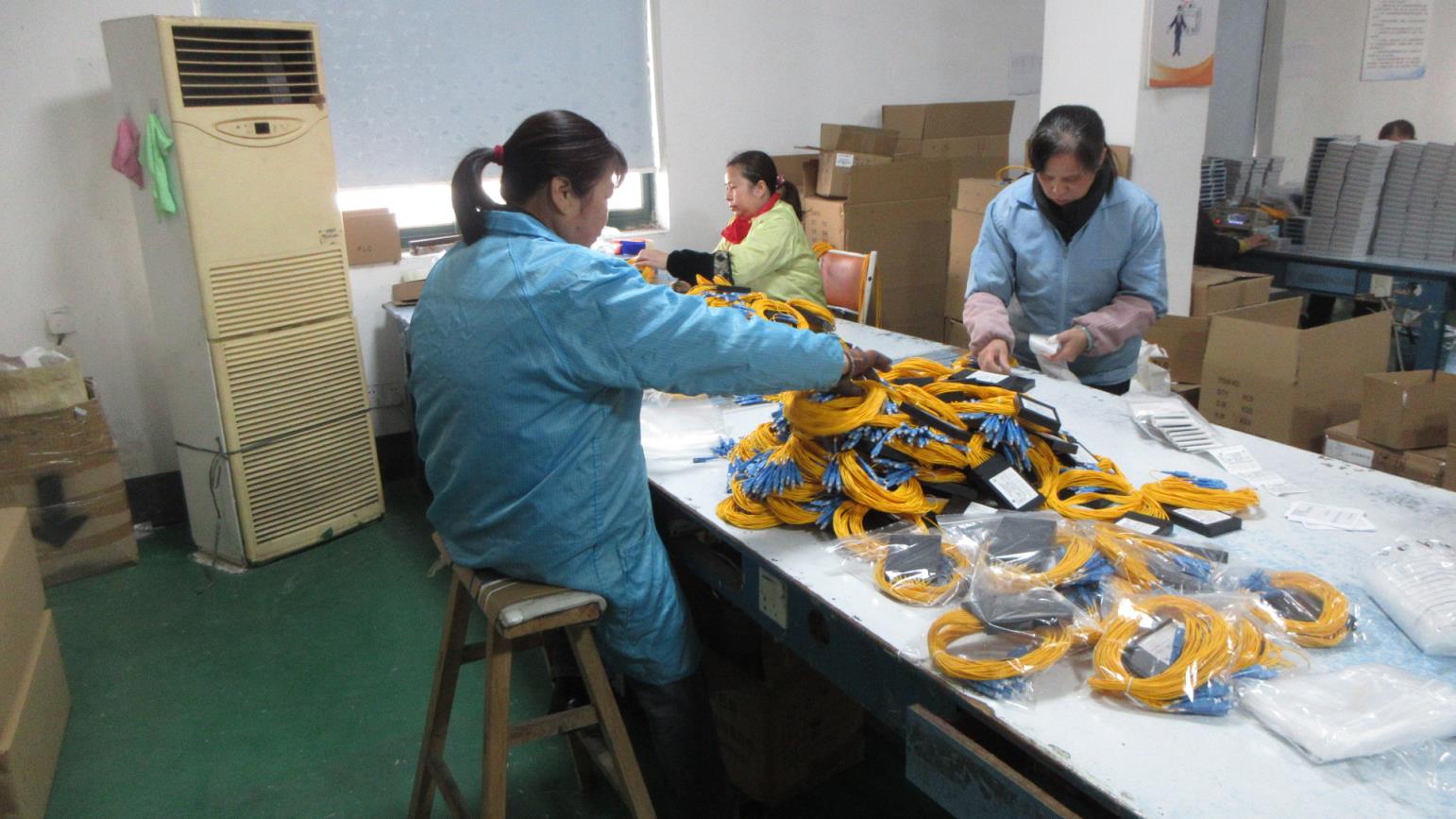
Our manufacturing facility operates high-density cleanroom lines. Our automated production processes utilize Industry 4.0 standards, ensuring high precision in optical sub-assembly alignment and consistent electrical performance. Supported by a robust network of over 1,280 qualified materials partners, we maintain stable production capacity even during global semiconductor shortages, ensuring reliable lead times for infrastructure tenders in Peru.
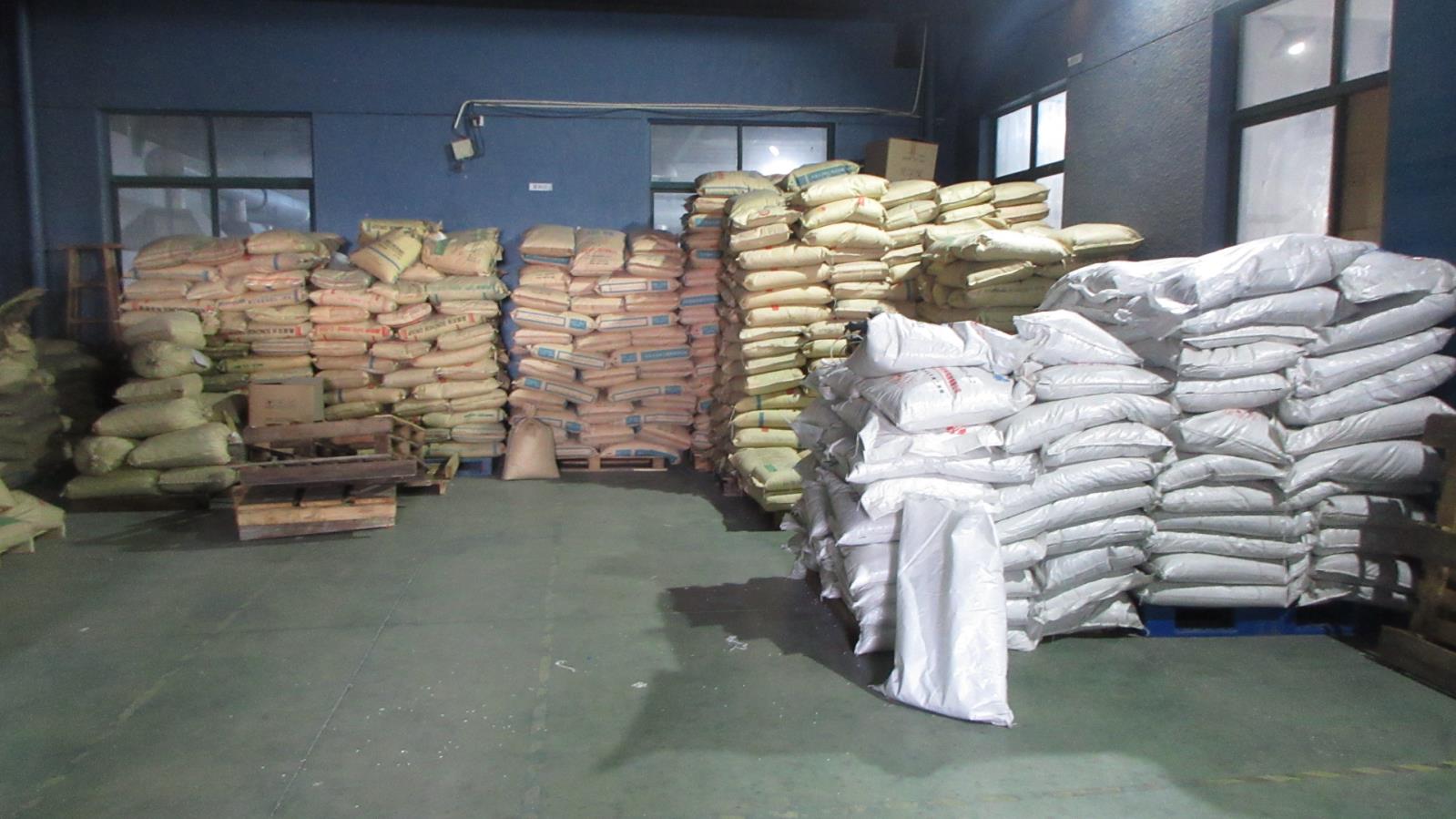
Equip-Link Production Journey

Raw Material Inspection
Raw Material
Injection Molding
Injection Molding
Opto-Electronic Assembly
Assembly
Final Packaging
Packing
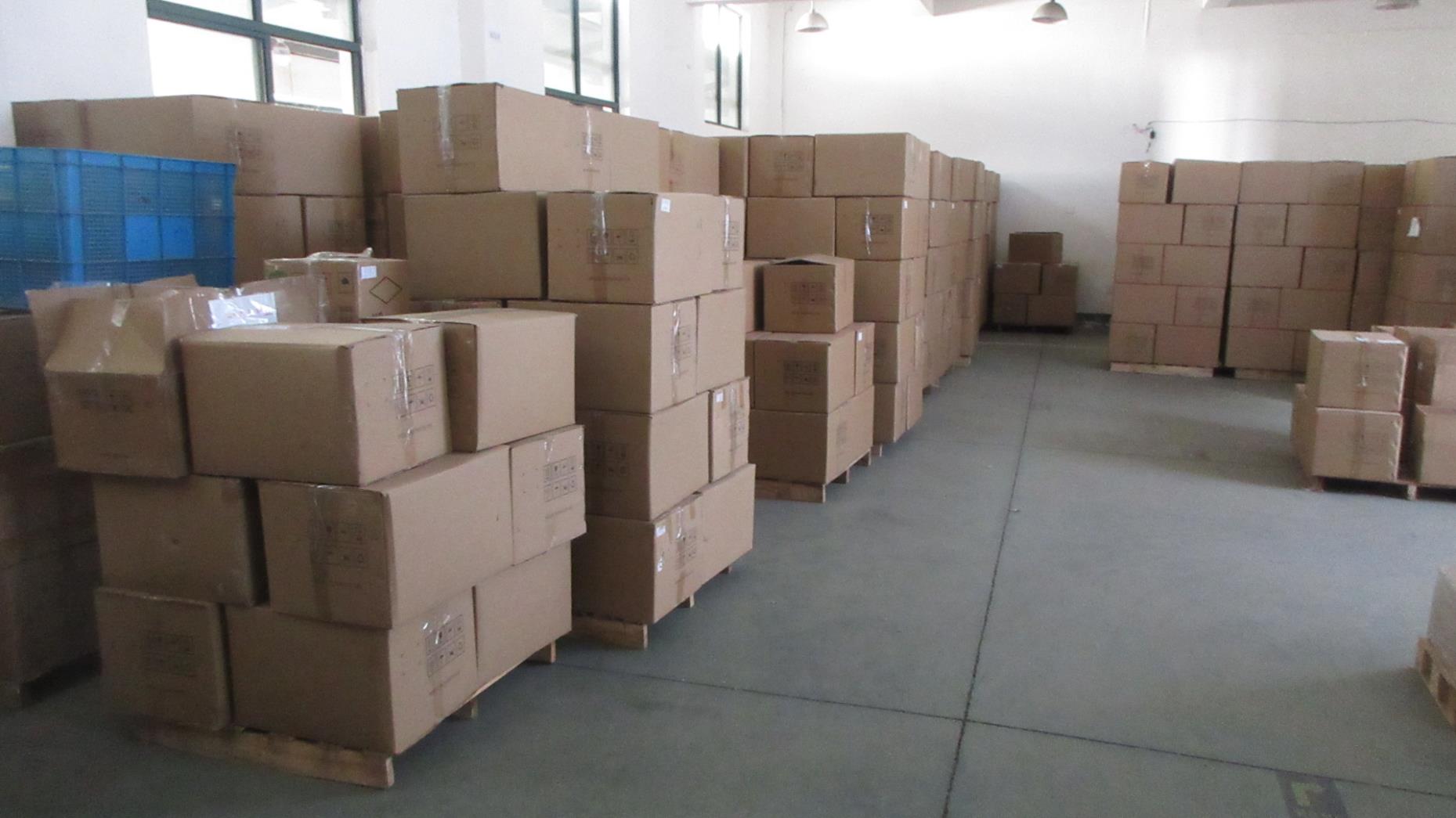
Safe Warehousing
Warehouse

Quality Testing and Equipment Showcase

Every batch of transceivers undergoes testing for optical insertion loss, Bit Error Rate (BER), and high/low temperature cycle simulations. Our quality team consists of 36 experienced quality assurance inspectors, ensuring that all shipped components meet our performance standards.
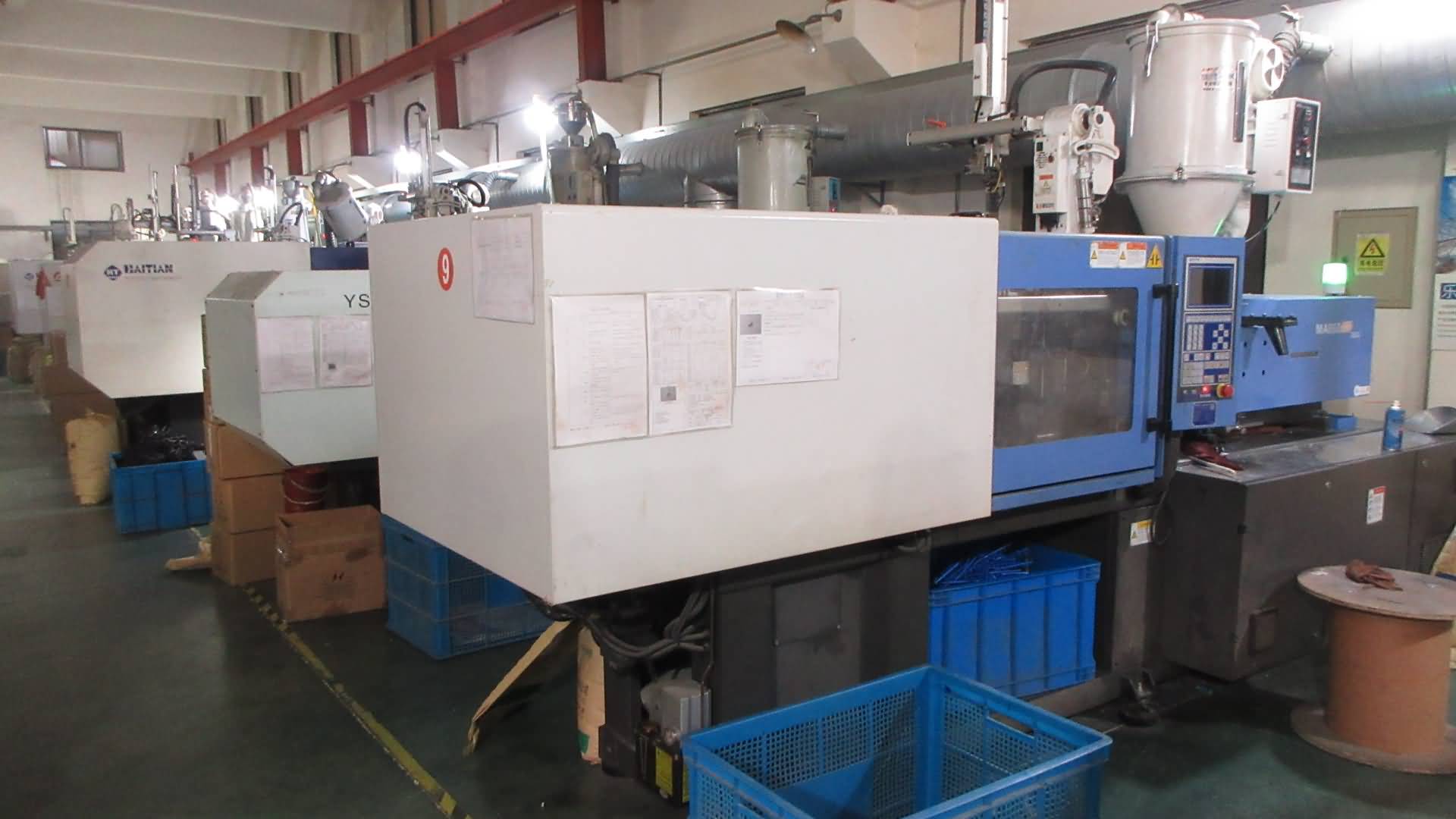
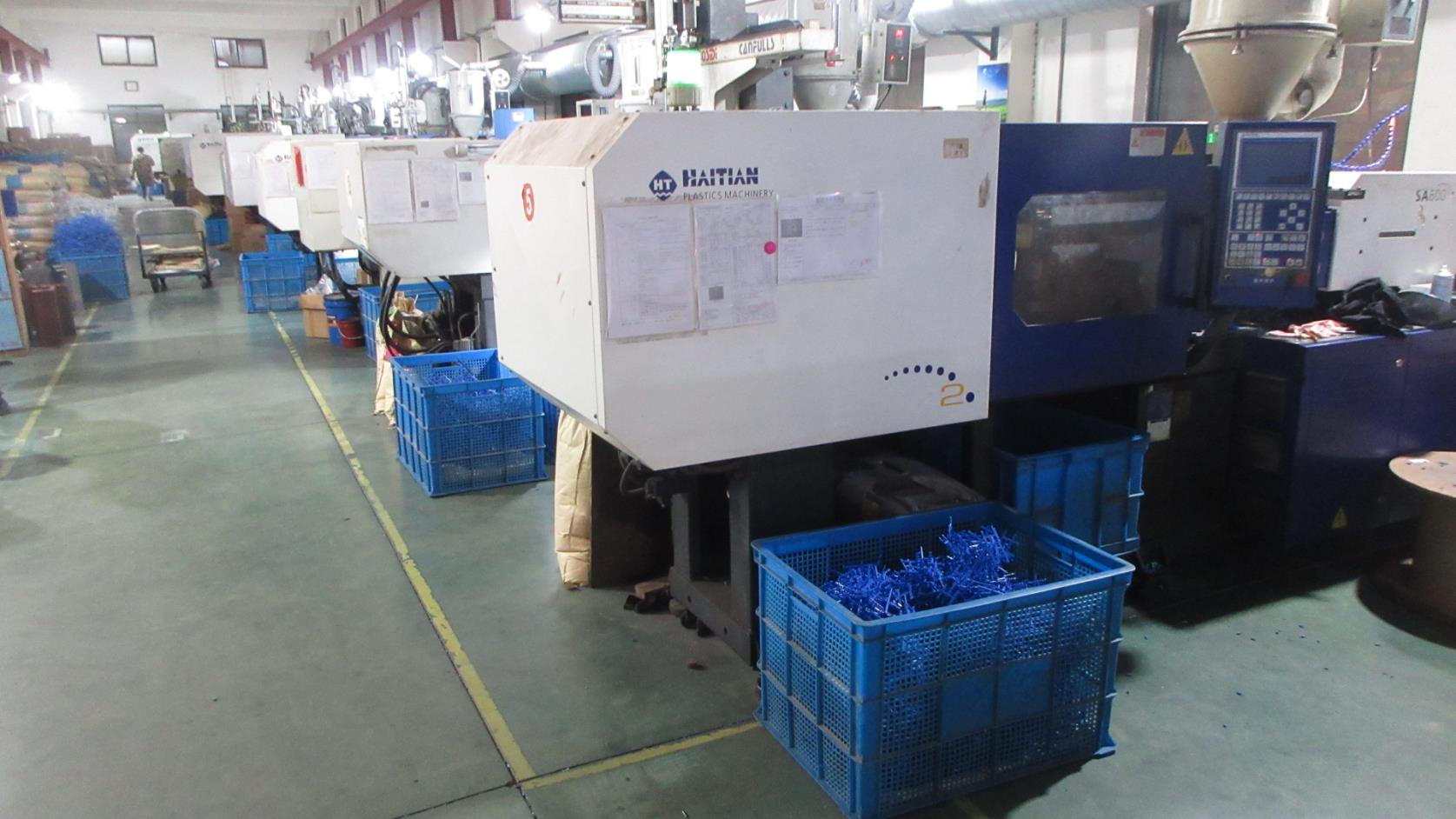
Injection Machine
Precision Injection Machine
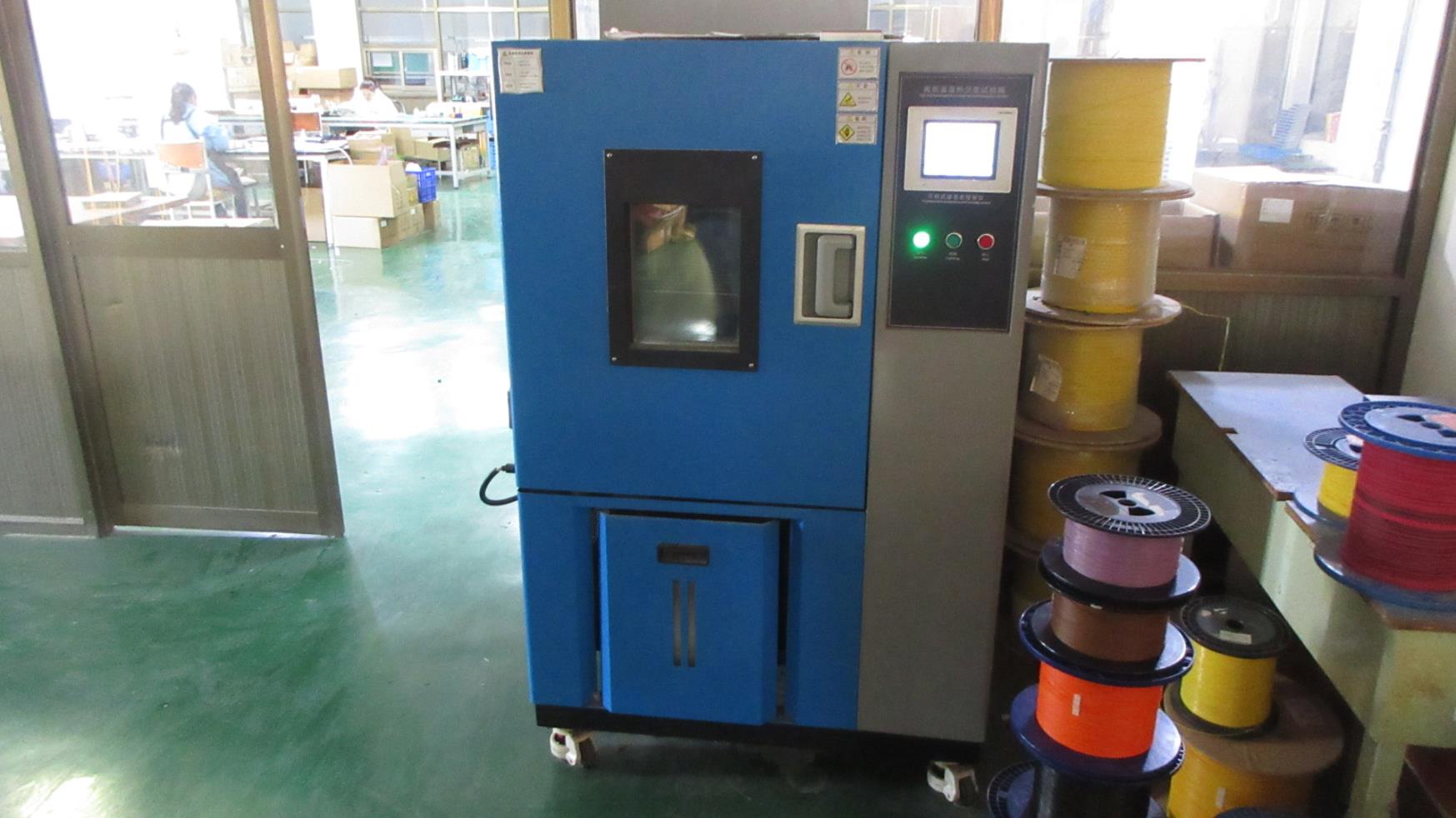
High And Low Temperature Damp Heat Alternating Test Chamber
Damp Heat Alternating Test Chamber
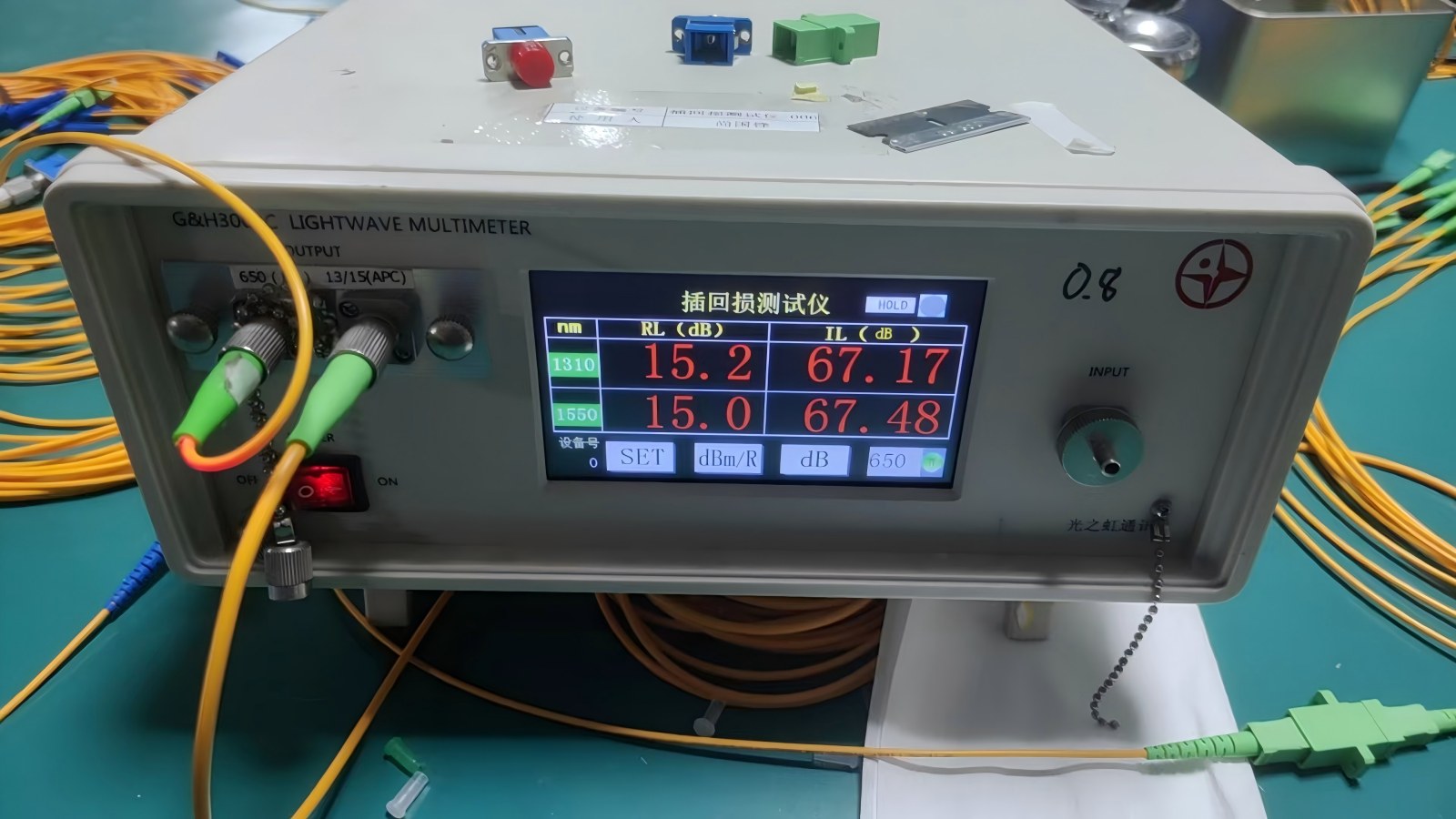
Optical Insertion Loss Tester
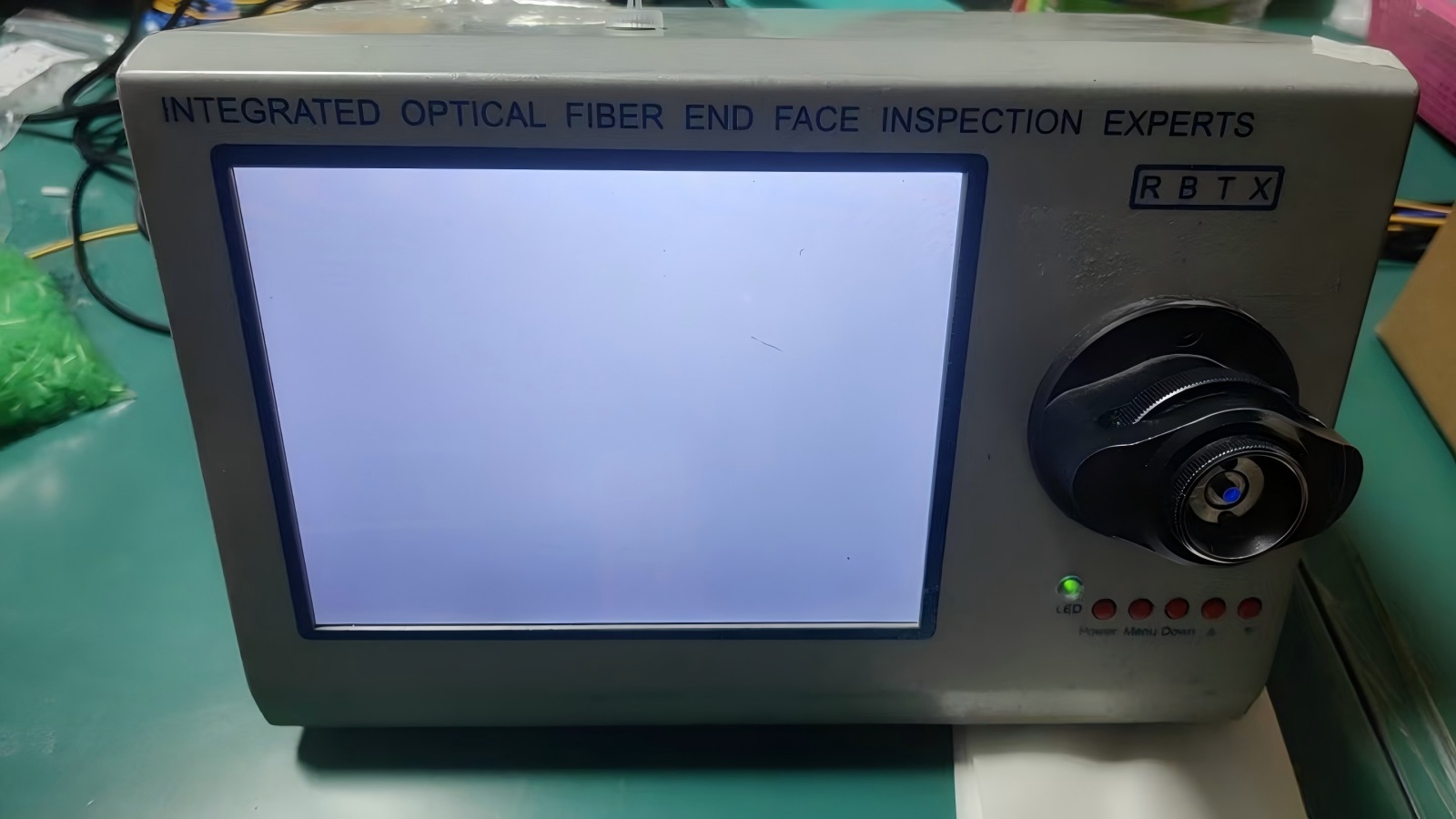
Integrated Optical Fiber End Face Inspection Experts
Fiber End Face Inspection Experts

Optimizing TCO for Peruvian Optical Procurement

For system integrators, telecommunication buyers, and mining project procurement managers in Peru, the direct factory procurement model offers significant Total Cost of Ownership (TCO) benefits.

1. Lower Capital Expenditures (CAPEX)

Buying directly from a Chinese optical transceiver manufacturer eliminates middleman markups, reducing unit costs compared to buying branded original parts. Our transceivers are functionally identical to original parts, ensuring seamless network integration.

2. Custom Technical Customization

We offer customization services including custom firmware programming, compatibility coding for multi-vendor environments, custom labelling, and packaging design. Our engineering team provides direct technical support to resolve local deployment challenges.

3. Long-term Lifecycle Support

While major vendors phase out legacy 155M/622M modules, Equip-Link continues to manufacture and support these form factors. This allows operators to maintain existing networks without undergoing expensive hardware replacements.

Technical FAQ: 155M/622M SFP Deployment in Peru

Answers to common technical, environmental, and compatibility questions regarding regional fiber deployments.

Q1: How do altitude and temperature variations in Peru affect 155M/622M SFP transceivers?
Peru's diverse geography—from sea-level deserts to high-altitude Andean zones (over 4,000m)—presents challenges for electronic cooling. The thinner air at high altitudes reduces heat dissipation. Commercial-grade transceivers (0°C to 70°C) can overheat, leading to laser drift and link failure. For these environments, we recommend industrial-grade transceivers (-40°C to 85°C) built with specialized laser chips and heat-tolerant sub-assemblies.
Q2: Are Equip-Link SFP modules compatible with networks using mixed brands like Mikrotik and Cisco?
Yes. Our R&D center has analyzed the security and EEPROM structures of major hardware vendors including Mikrotik, Cisco, Huawei, Juniper, HP, and Moxa. We program and test each transceiver to ensure compatibility with your specified host devices, eliminating "unsupported transceiver" errors.
Q3: What are the benefits of using Single-Fiber BiDi (Bidirectional) SFP modules in Peruvian networks?
BiDi modules use WDM technology to transmit and receive data on different wavelengths (e.g., 1310nm-TX/1550nm-RX and vice versa) over a single fiber strand. In rugged terrains like the Andes or rural jungle rings, installing new fiber cables is expensive. BiDi modules allow operators to double their capacity using existing single-core fibers.
Q4: Do these 155M modules support Digital Diagnostics Monitoring (DDM/DOM)?
Most of our 155M/622M SFP transceivers can be ordered with DDM/DOM functionality. DDM allows real-time monitoring of temperature, optical output power, receiver sensitivity, and supply voltage. This telemetry is useful for remote sites in Peru where on-site maintenance is difficult.
Q5: What certifications are provided to comply with Peru's MTC regulations?
Equip-Link transceivers are certified under CE, FCC, and RoHS standards. We provide certificate documentation, detailed test reports, and compliance statements to support the MTC (Ministerio de Transportes y Comunicaciones) homologation process for Peruvian importers.
Q6: What is the lead time for shipping to major Peruvian ports?
Standard order production takes 3 to 7 working days. Shipping via air freight (to Jorge Chávez International Airport, Lima) takes 5 to 9 days, while ocean freight (to Callao Port) takes 30 to 45 days. We work with leading logistics partners to ensure safe transit and complete customs documentation.
Q7: How do 155M SFPs compare to newer GPON technologies in rural setups?
GPON is optimized for point-to-multipoint residential access. For dedicated, point-to-point industrial links, municipal backhaul, and utility control rings, 155M and 622M SFP transceivers offer lower latency and simpler troubleshooting, making them a preferred choice for utility networks.
Q8: What is the warranty policy for Equip-Link optical transceivers?
We provide a 3-year warranty on all industrial-grade transceivers and a 2-year warranty on commercial-grade transceivers. We offer replacement or repair support for any quality-related issues, managed by our technical support team.

Complete 155M/622M SFP Product Selection

Explore our full line of fiber optic transceivers designed for long-distance transmission, single-mode and multi-mode systems, and multi-vendor networks.
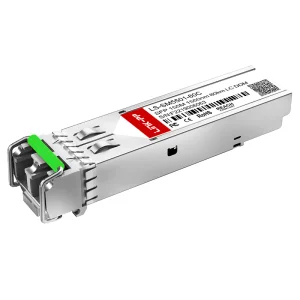
Peru Toromocho Mine Moxa Compatible SFP
Peru Chinalco Toromocho Mine Compatible Moxa SFP-1FEMLC-T Compatible MMF Optical Module 100M Multimode 1310nm SFP Transceiver 2km
View Product Details
Peru Rural Backbone SFP 80km
Peru Rural Telephony Backbone 100BASE-ZX Single Mode SFP 1550nm 80km Duplex LC SMF Optical Transceiver Module
View Product Details
Peru Metro Ethernet 10km SFP
Peru WANs & Metro Ethernet 100BASE-LX Duplex LC SMF Optical Transceiver Single Mode SFP Module 1310nm 10km
View Product Details
Peru MTC Telecom Ring SFP 15km
Peru MTC Telecom Ring 100BASE-LX Dual LC Single Mode SFP 1310nm 15km SMF Optical Transceiver Module
View Product Details
Peru Callao Port Terminal Control SFP
Peru Callao Port Terminal Control 100BASE-FX Optical Transceiver Module Duplex LC MMF Multimode 1310nm SFP Module 2km
View Product Details
Peru FTTH Simplex 10km SFP
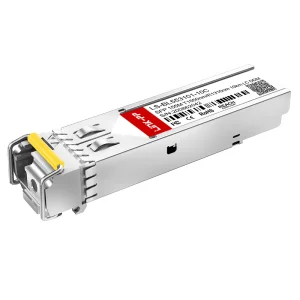
Peru FTTH Network 1310nm-TX/1550nm-RX Single Mode Simplex LC SFP 155M Bidi 10km Optical Transceiver Module
View Product Details
Peru CCTV Monitoring BiDi SFP 15km
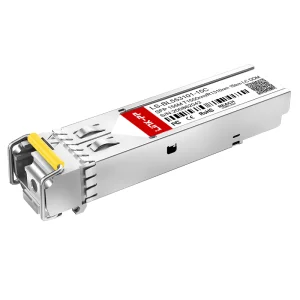
Peru Municipal CCTV Monitoring 1310nm-TX/1550nm-RX Bidirectional Single Mode SFP 155M Bidi 15km Optical Transceiver Module
View Product Details
Peru Andes Pipeline SCADA SFP 20km
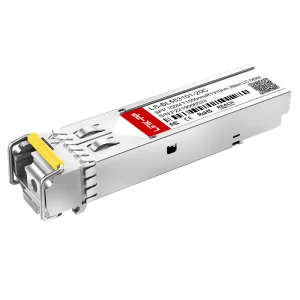
Peru Andes Pipeline SCADA 1310nm-TX/1550nm-RX Bidirectional Single Mode SFP 155M Bidi 20km LC Optical Transceiver Module
View Product Details
Peru Carrier Level BiDi 10km SFP
Peru Carrier Level 1550nm-TX/1310nm-RX Bidirectional SMF SFP 155M Bidi 10km LC Optic Transceiver Module
View Product Details
Peru Substation Automation DDM SFP 15km
Peru Substation Automation 1550nm-TX/1310nm-RX Simplex LC SMF SFP 155M Bidi 15km DDM Optic Transceiver Module
View Product Details
Peru Smart Grid Monitoring SFP 20km
Peru Smart Grid Monitoring 1550nm-TX/1310nm-RX Simplex LC 155M Bidi SFP 20km Single Mode Optic Transceiver Module
View Product Details
Peru Inter-city Network SFP 40km
Peru Rural Inter-city Network 1310nm-TX/1550nm-RX Single Mode SFP 155M Bidi 40km DDM LC Optical Transceiver Module
View Product Details