Equip-Link
Equip-Link
Equip-Link
Premium compatible optical transceivers delivering high reliability for localized industrial networks in Singapore.
As the primary digital gateway of Southeast Asia, Singapore drives global trade, shipping, and automated industrial processing. While data centers transition to 400G and 800G optical links, legacy fiber architectures operating at 155 Mbps (Fast Ethernet / STM-1) and 622 Mbps (STM-4) remain the backbone of the nation's critical industrial and utility systems.
In municipal transport networks like the LTA's Mass Rapid Transit (MRT), power grids managed by SP Group, and the petrochemical processing hubs of Jurong Island, the primary metric is not raw bandwidth, but deterministic latency, system resilience, and high electromagnetic immunity over decades of continuous operation. Industrial switches manufactured by brands such as Moxa and Hirschmann rely heavily on robust SFP transceivers to transmit telemetry, sensor feedback, and signaling information safely.
Understanding why system integrators in Geylang, Jurong East, and Changi Business Park continue to procure 155M/622M transceivers in large volumes:
Providing deep information gain: Standard multi-vendor compatibility matrix, laser dynamics, and quality verification standards.
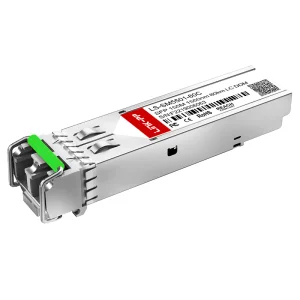
Our 155M and 622M SFP modules leverage high-stability Fabry-Perot (FP) lasers for shorter runs (up to 2km/10km) and Distributed Feedback (DFB) lasers for long-reach paths (up to 80km). These transceivers are configured with ultra-sensitive PIN or APD receivers to maintain low Bit Error Rates (BER < 10-12) over aged fiber lines.
Equipped with DDM/DOM under the SFF-8472 MSA standard, our modules allow Singapore telecom operators to remotely monitor real-time operating parameters, including laser temperature, TX optical power, RX optical power, supply voltage, and transceiver bias current.
Every unit is coded with target manufacturer EEPROM files. We offer 100% verified compatibility with major industrial switch brands, including Hirschmann, Moxa, Cisco, Juniper, Alcatel-Lucent, and Huawei, eliminating vendor lock-in and reducing TCO by up to 60%.
Equip-Link Intelligent Equipment (Shenzhen) Co., Ltd. operates a state-of-the-art 380 square meter facility located in Shenzhen, the heart of the global electronics supply chain. Our operations incorporate Factory 4.0 practices, leveraging high-precision automated manufacturing processes and rigorous testing standards.
Each 155M/622M SFP transceiver goes through a multi-stage quality control process. We manage incoming components meticulously and run automated optical coupling, laser calibration, and final compatibility coding on real-world switch hardware. With 36 dedicated quality assurance inspectors and 68 professional R&D engineers, we ensure that every transceiver meets international performance, reliability, and regulatory compliance standards.
Our advanced quality verification procedures include placing modules in High and Low Temperature Damp Heat Alternating Test Chambers. This ensures that the transceivers maintain structural and optical integrity when exposed to high temperature and humidity, standard in Singapore's tropical environment.
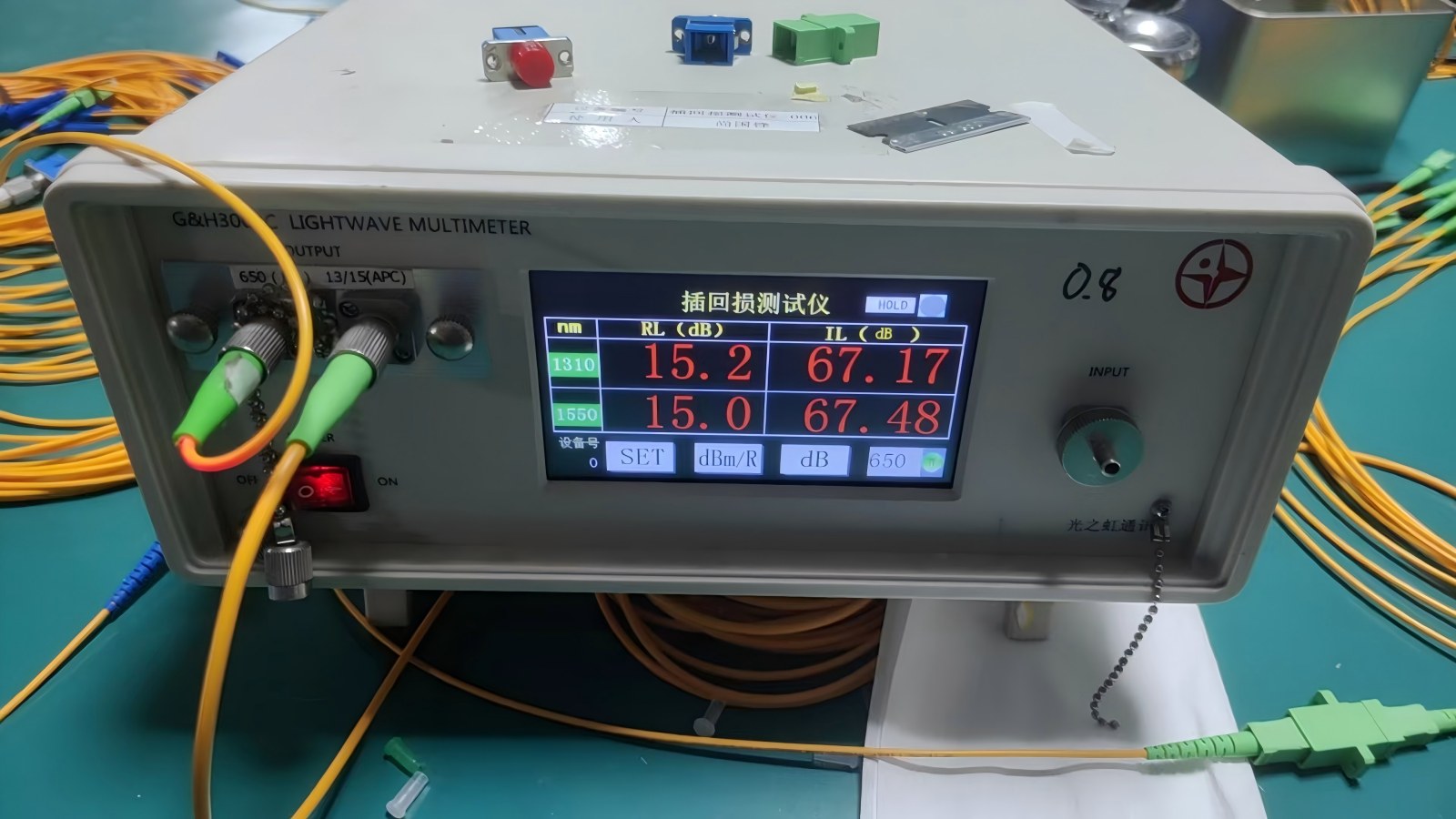
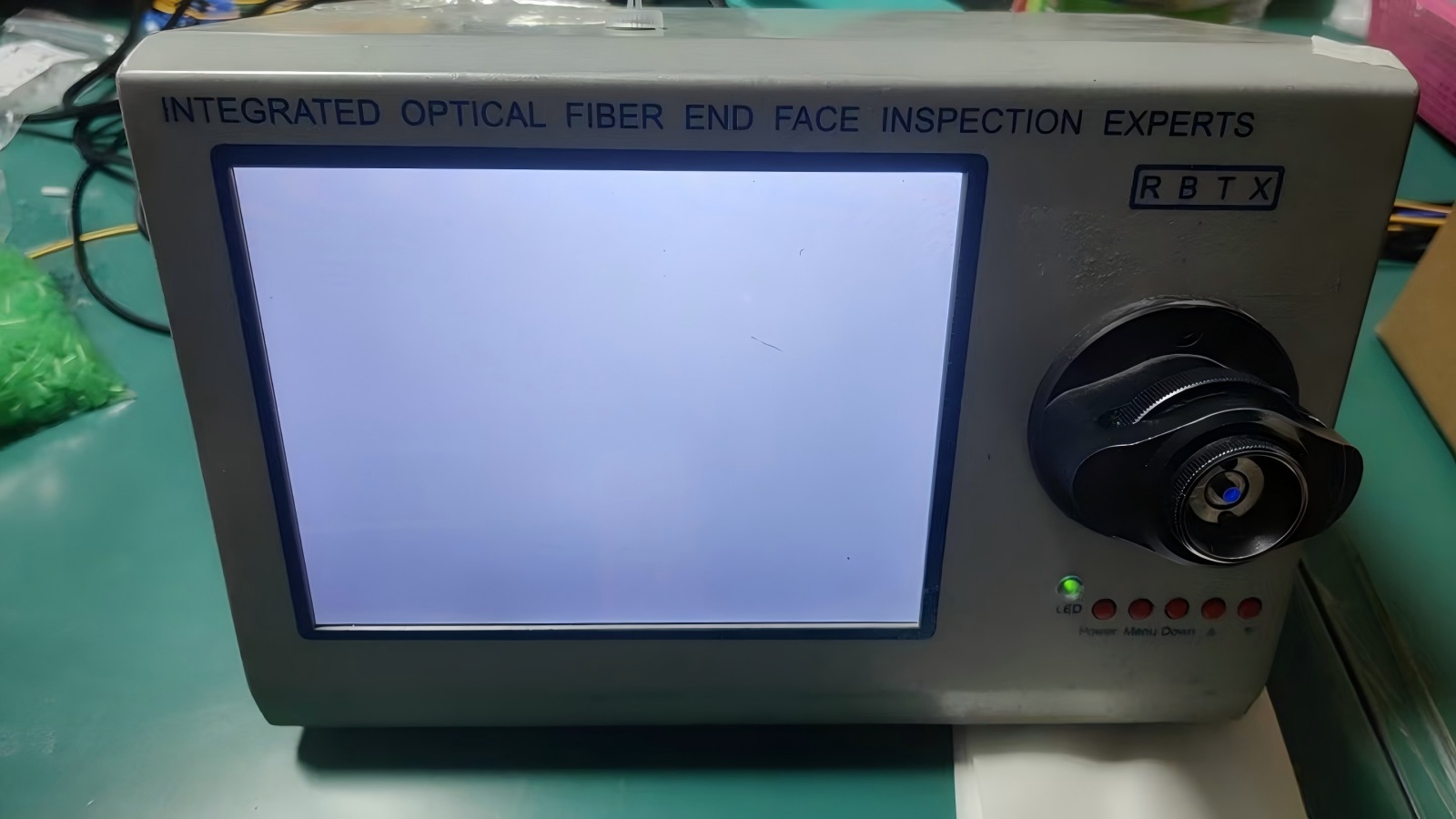
Furthermore, our Optical Insertion Loss Testers and Integrated Optical Fiber End Face Inspection Experts verify that connectors are free of defects and function with minimal signal degradation. This attention to detail reduces fiber network failure rates during field installation.


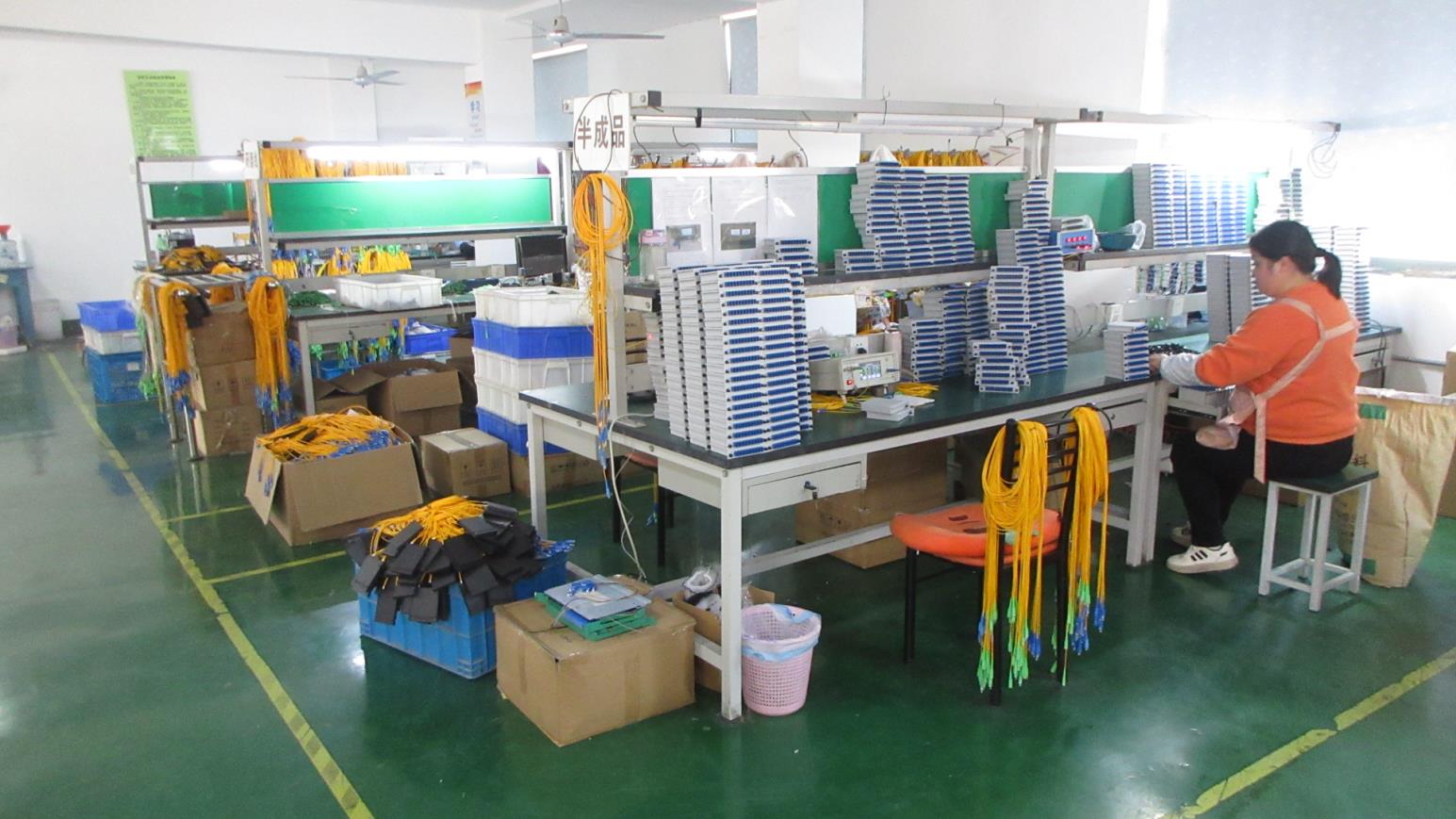
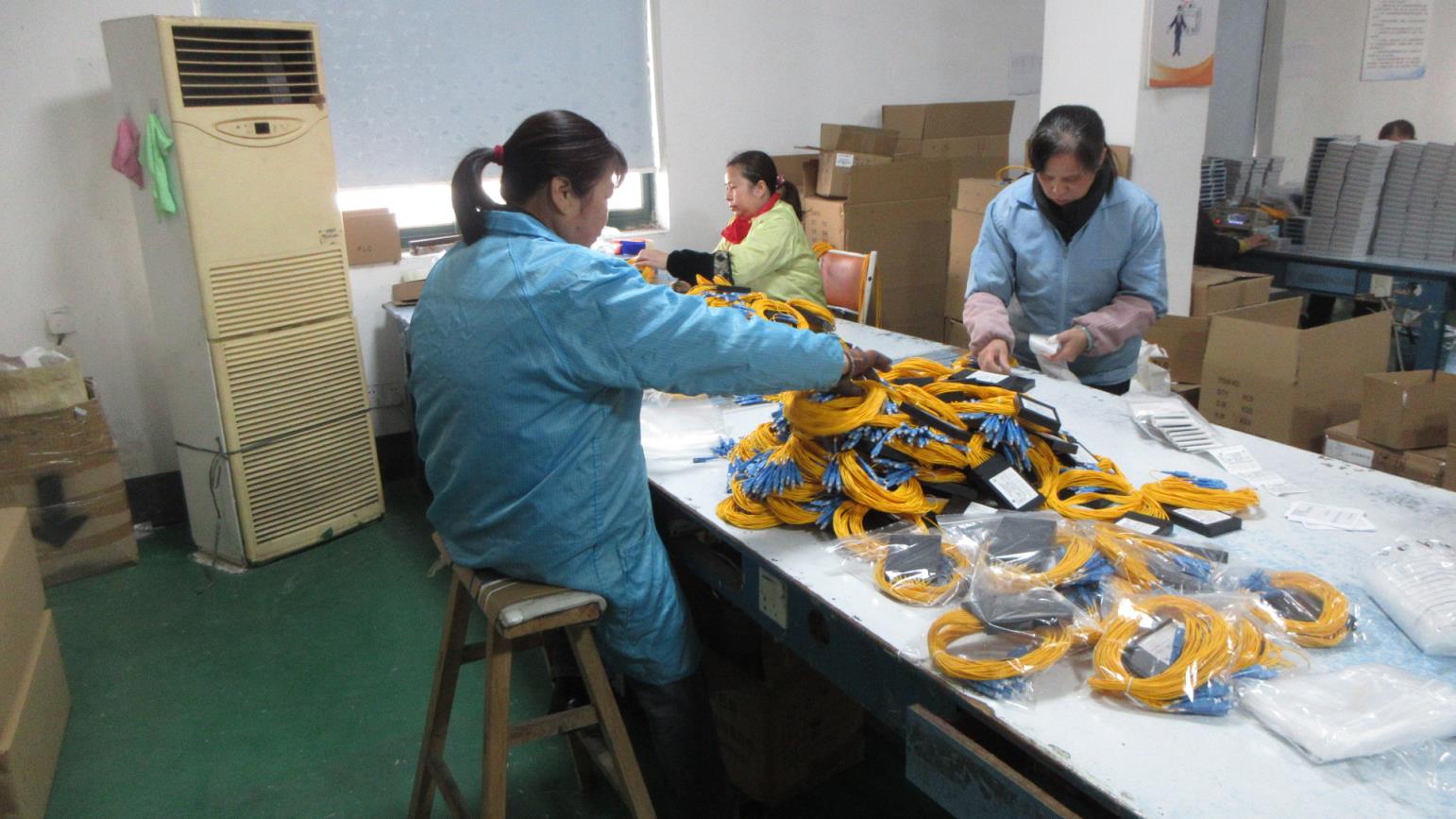
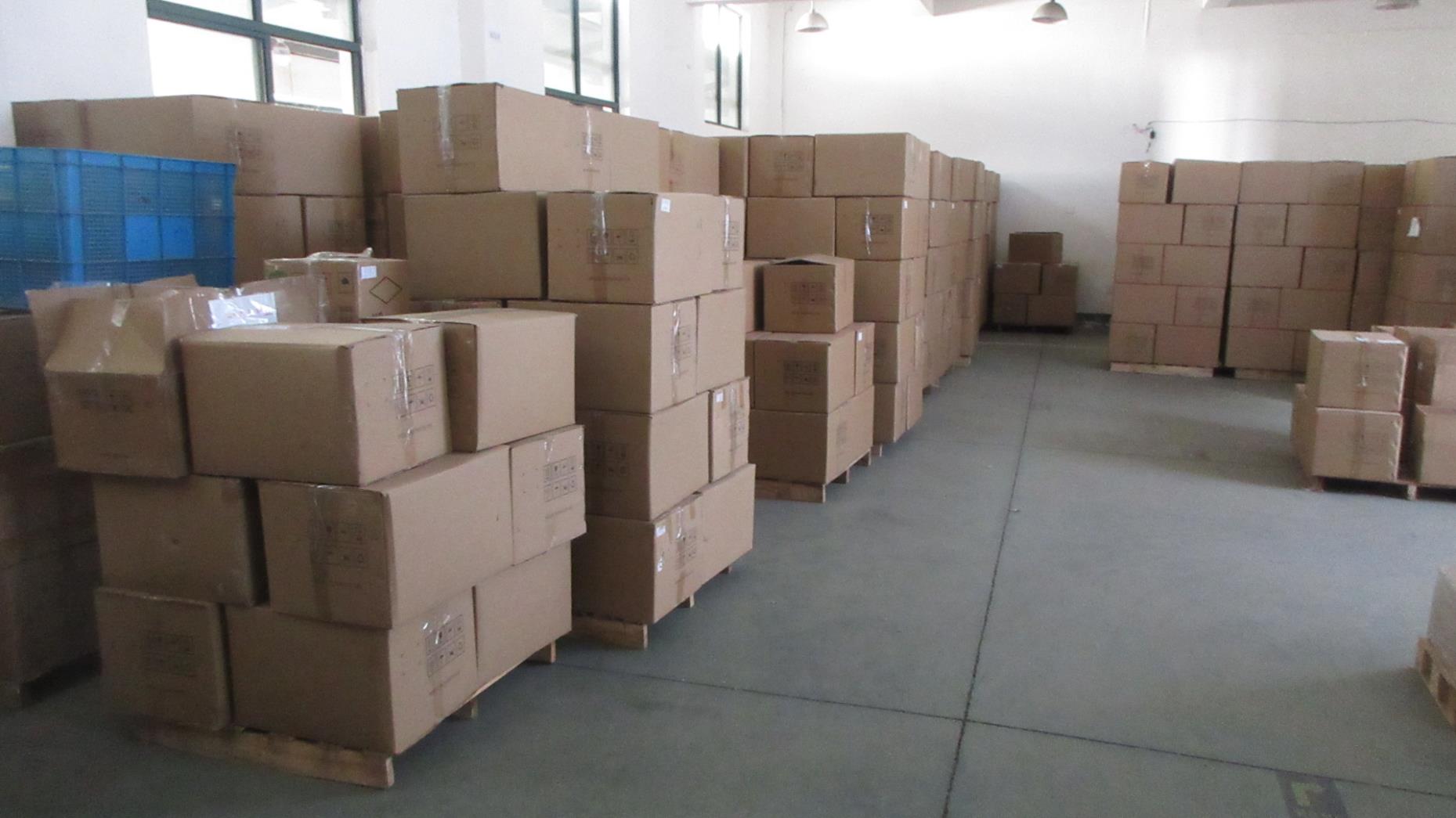

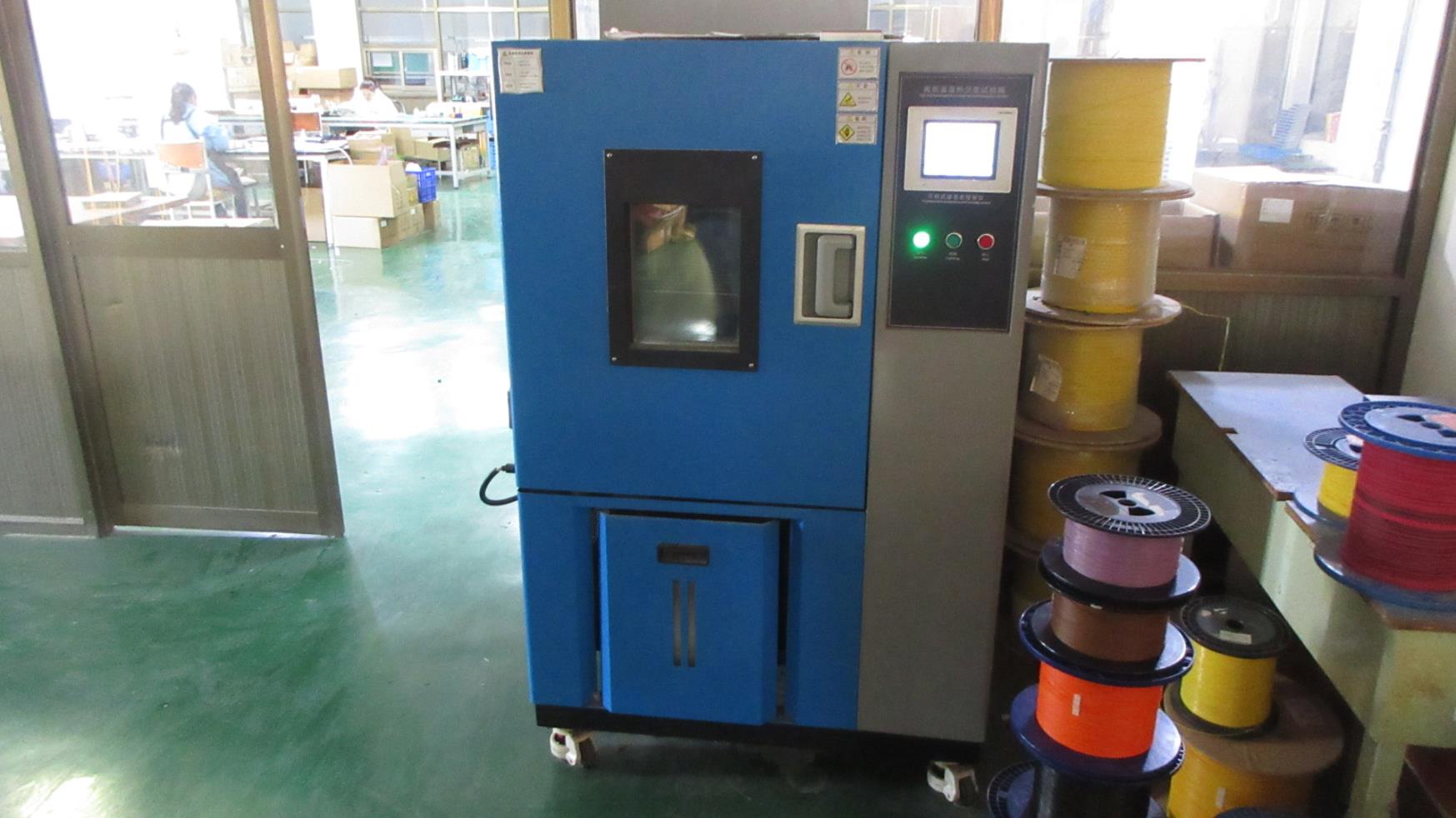
How system integrators and engineers deploy our SFP modules across various local infrastructure networks.
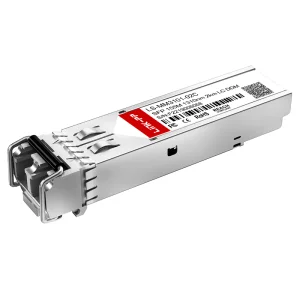
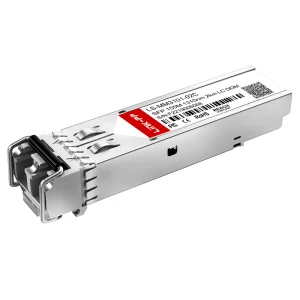
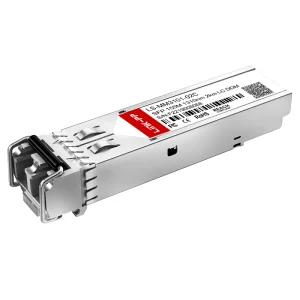
In Singapore's underground transit signaling networks (CBTC), ruggedized transceivers are critical. Using the Hirschmann SFP-FAST-MM/LC-EEC Compatible SFP Module ensures communication links between passing trains and stations remain active and reliable in high-vibration railway environments.
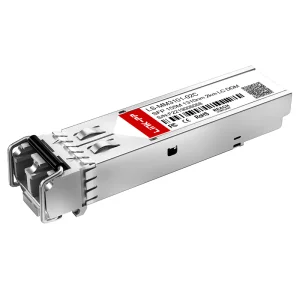
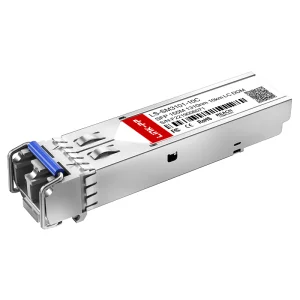
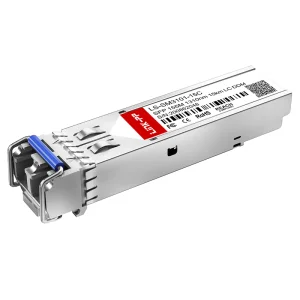
Industrial petrochemical automation relies on Moxa switches. By deploying Moxa SFP-1FEMLC-T Compatible SFP Transceivers, engineers achieve continuous, reliable connectivity for remote terminal units (RTUs), ensuring telemetry is updated without signal drops.
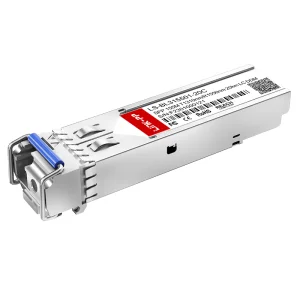
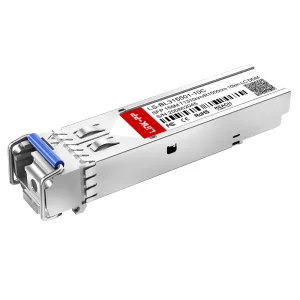
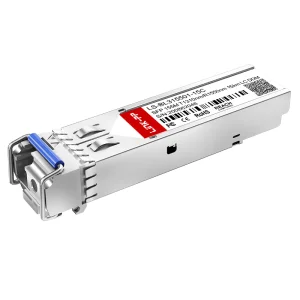
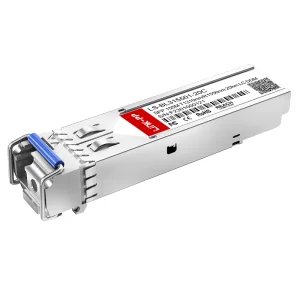
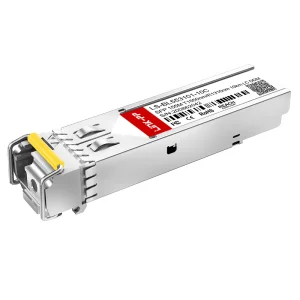
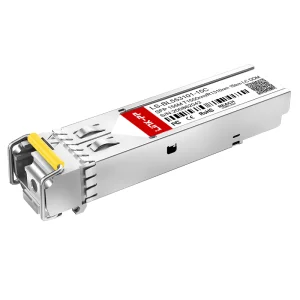
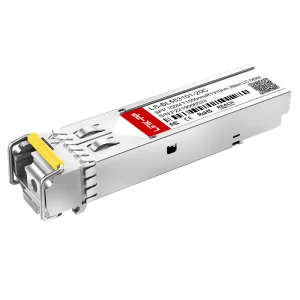
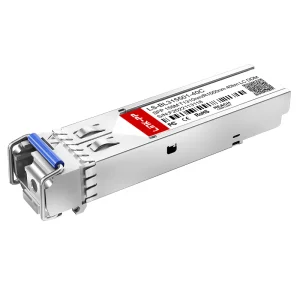
Offshore terminal communications have limited physical fiber strands. Utilizing BiDi (Bidirectional) SFP Modules like the MFB-FA20 155M BiDi SFP allows port operators to double fiber capacity by transmitting and receiving signals on a single fiber line.
Explore our complete catalog of optical transceivers, including multi-mode, single-mode, long-reach, and BiDi solutions.
Key technical answers regarding compatibility, local standards, and procurement processes for the Singapore market.
Partner with a trusted optical transceiver manufacturer. Get access to factory-direct pricing, custom coding compatibility, and stable supply chains for your Singapore operations.
Send Inquiry Now