Equip-Link
Equip-Link
Equip-Link
High-efficiency, 2.5G SFP transceivers engineered to support immediate FTTH upgrades, industrial ring topologies, and high-performance transport layers.
An authoritative analysis of industrial automation, smart forestry, and telecom deployments in sub-zero environments.
Finland sits at the global vanguard of telecommunications innovation. As the birthplace of crucial cellular developments and home to pioneers like Nokia, the country requires network infrastructures that operate at peak efficiency. The modern Finnish digital ecosystem demands reliable transmission rates ranging from 2.5G to 6G SFP modules to act as intermediate optical links in transport networks, base stations, and industrial automation control loops.
Whether bridging connections in Lapland's sub-zero logging sectors, linking marine sensor clusters across the Baltic Sea, or sustaining municipal FTTB (Fiber to the Building) expansions in urban centers like Helsinki and Espoo, transceivers must withstand severe thermal fluctuations. Commercial-grade modules fail under these extreme conditions, making industrial-grade components (operating at -40°C to 85°C) a non-negotiable standard for Finnish telecommunication networks.
Globally, optical communications are shifting rapidly from legacy 1G interfaces toward higher-throughput channels. While 10G, 25G, and 100G modules dominate hyperscale data centers, 2.5G, 5G, and 6G modules occupy a critical sweet spot for mid-haul transport, edge access networks, and specialized industrial ethernet nodes. They offer the optimal balance of lower power budgets, minimized heat generation, and substantial capacity expansion without necessitating expensive upgrades to existing optical distribution frames (ODF).
In the transition toward 5G-Advanced and preparatory 6G research, cellular base stations rely heavily on CPRI (Common Public Radio Interface) options 3 through 6. These configurations leverage optical transceivers running at 2.457 Gbps, 3.072 Gbps, 4.915 Gbps, and 6.144 Gbps. Our SFP portfolios are specifically tailored to align with these protocols, ensuring seamless synchronization and zero-jitter operation between Baseband Units (BBUs) and Remote Radio Heads (RRHs).
Maximizing bandwidth capacity over single-core optical fibers for critical municipal and regional subnetworks in Finland.
Why Equip-Link serves as the premier strategic bridge between Shenzhen's production capacity and Finland's high-spec integration projects.
Equip-Link Intelligent Equipment (Shenzhen) Co., Ltd., established in 2017, combines 14 years of deep-seated industrial expertise with 9 years of direct export experience. Operating from our specialized high-precision manufacturing lab in Shenzhen, we utilize state-of-the-art automated optical coupling systems and assembly processes. By sourcing high-reliability laser components directly from localized wafer manufacturers and pairing them with robust optical sub-assemblies (TOSA/ROSA), we dramatically reduce standard lead times and mitigate the global supply constraints that disrupt projects in Europe.
Our agile manufacturing system allows us to implement stringent, multi-layer quality controls (IQC, IPQC, OQC) and execute real-time modifications. Unlike larger, less responsive suppliers, Equip-Link has specialized production cells designed for custom compatibility programming. This ensures that every transceiver arriving at your installation site in Finland has been pre-coded and fully validated for seamless cross-brand operability.
Our commitment to rigorous engineering standards translates directly to the field. Each batch of optical transceivers undergoes comprehensive environmental stress tests—such as damp heat alternating tests—simulating the thermal stress of Finnish winters. Furthermore, we leverage advanced optical insertion loss testers and integrated optical fiber end-face inspection experts to guarantee that return loss values remain well within IEEE and ITU-T thresholds.
By streamlining our supply network of over 1,280 qualified partners, we achieve raw material cost optimizations. These savings are passed directly to our clients in Northern Europe, allowing system integrators and telecommunications operators to secure network rollouts under strict budget constraints without compromising on reliability, link budget margins, or operational life cycles.
Inside Equip-Link's production ecosystem, where strict component-level inspections guarantee high-reliability transceivers.
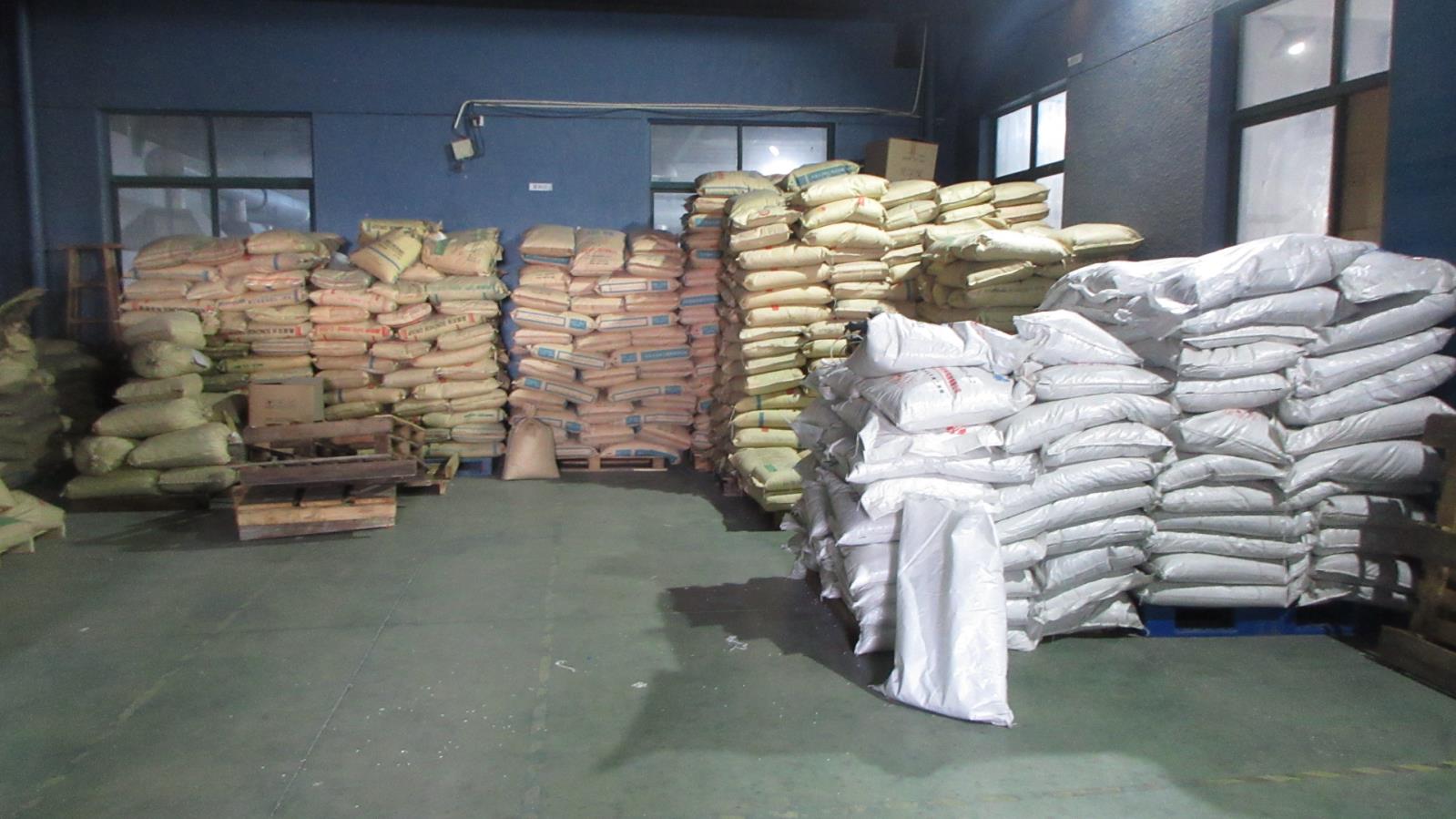
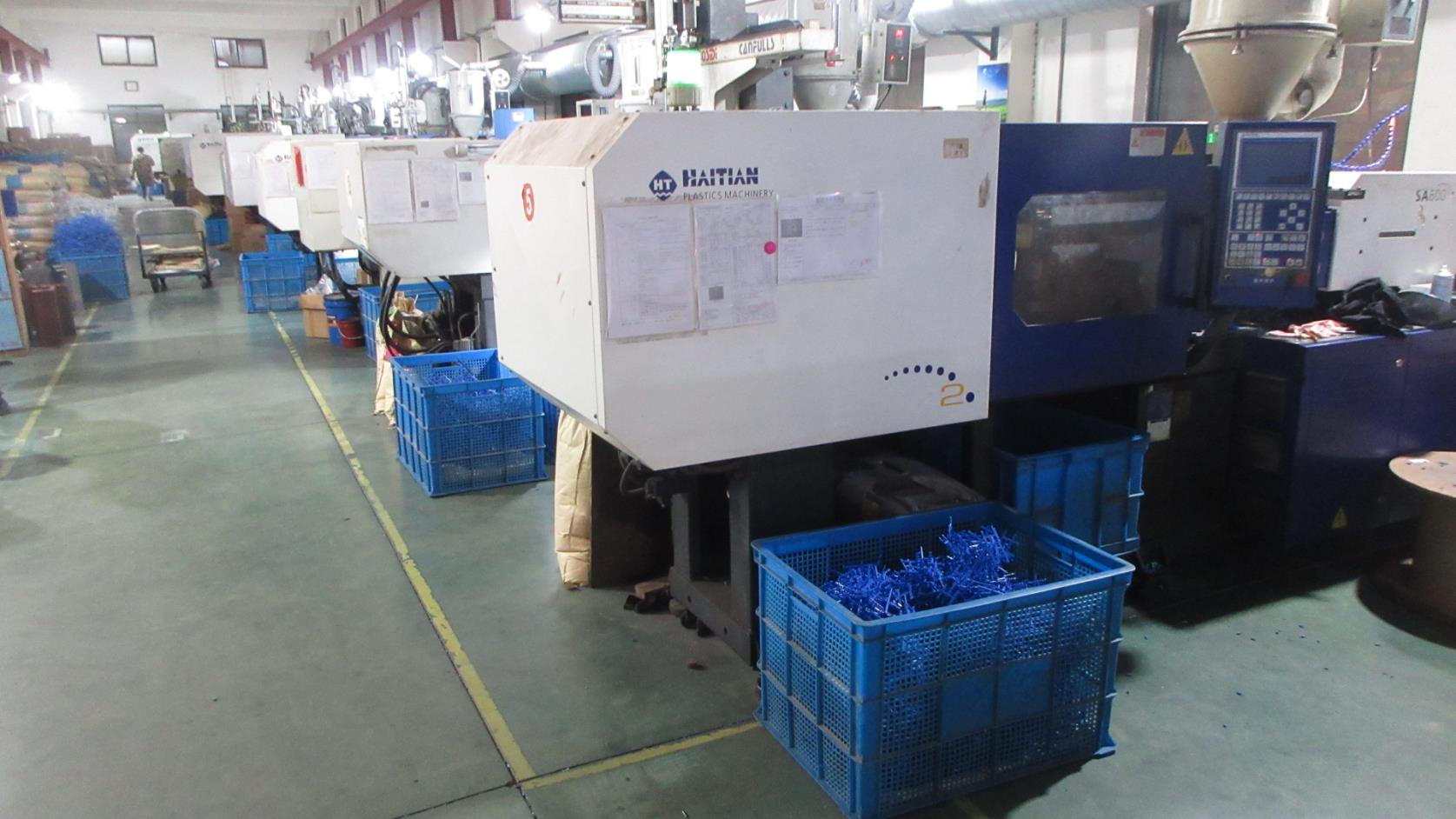
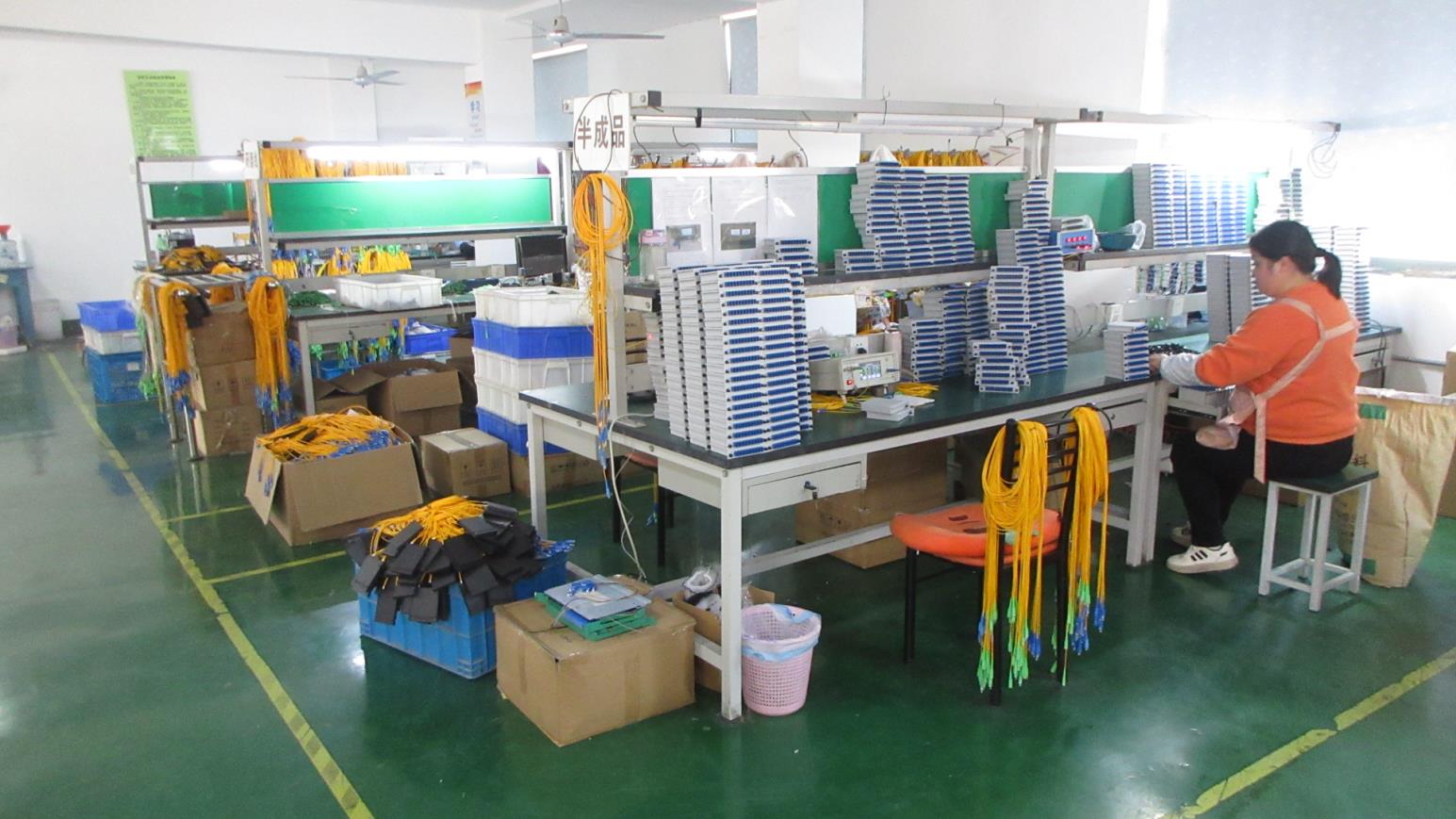
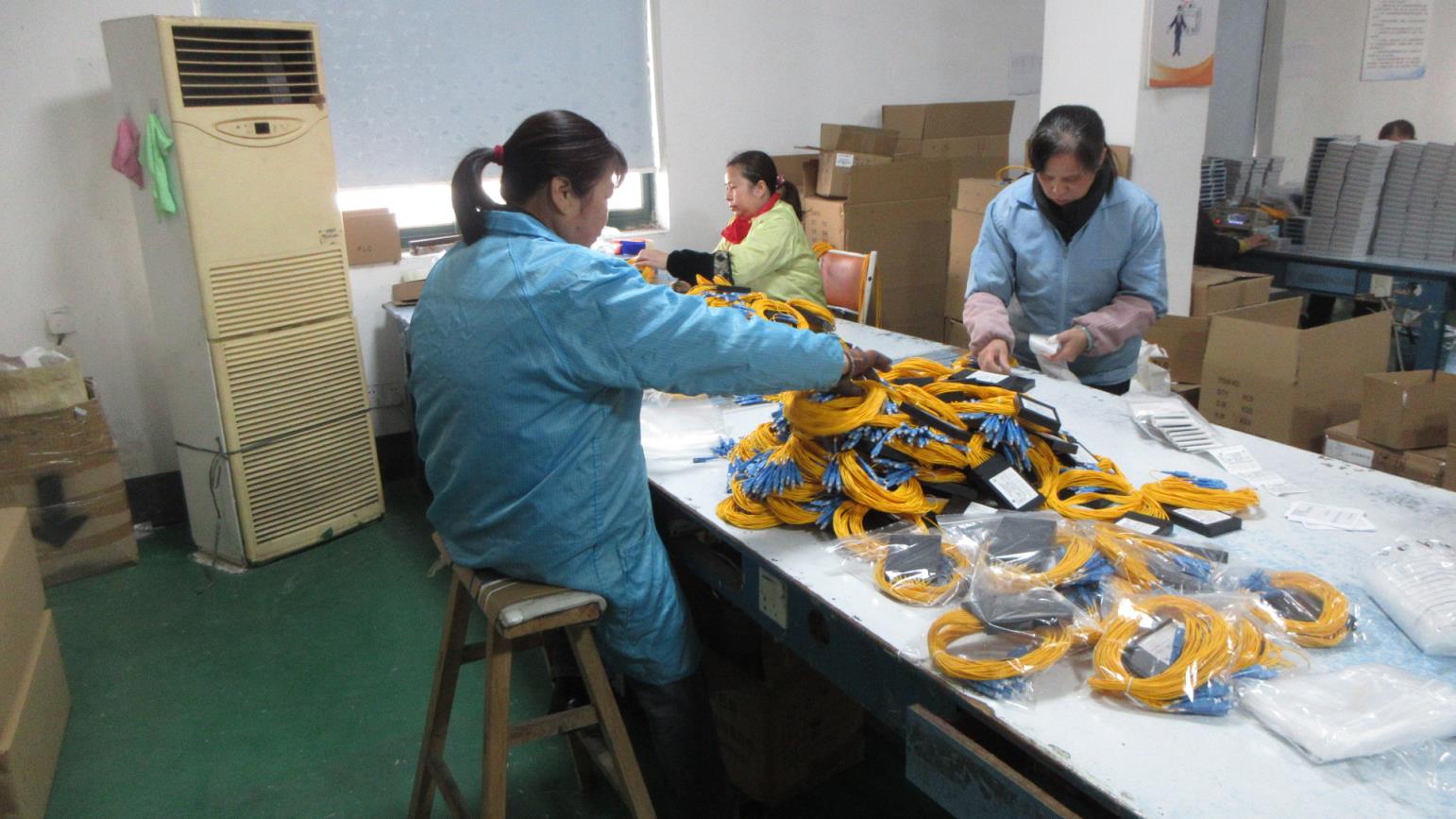
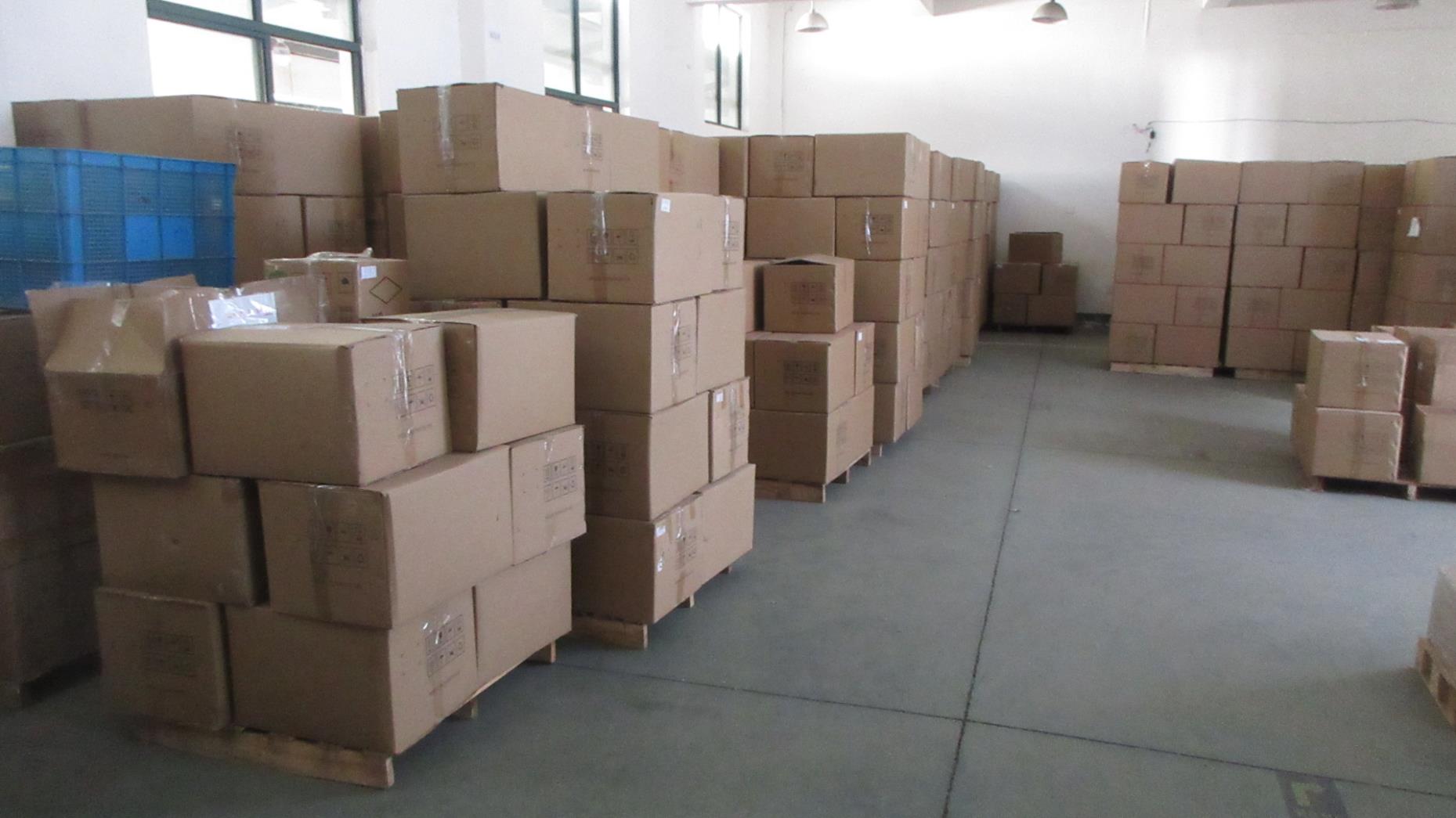
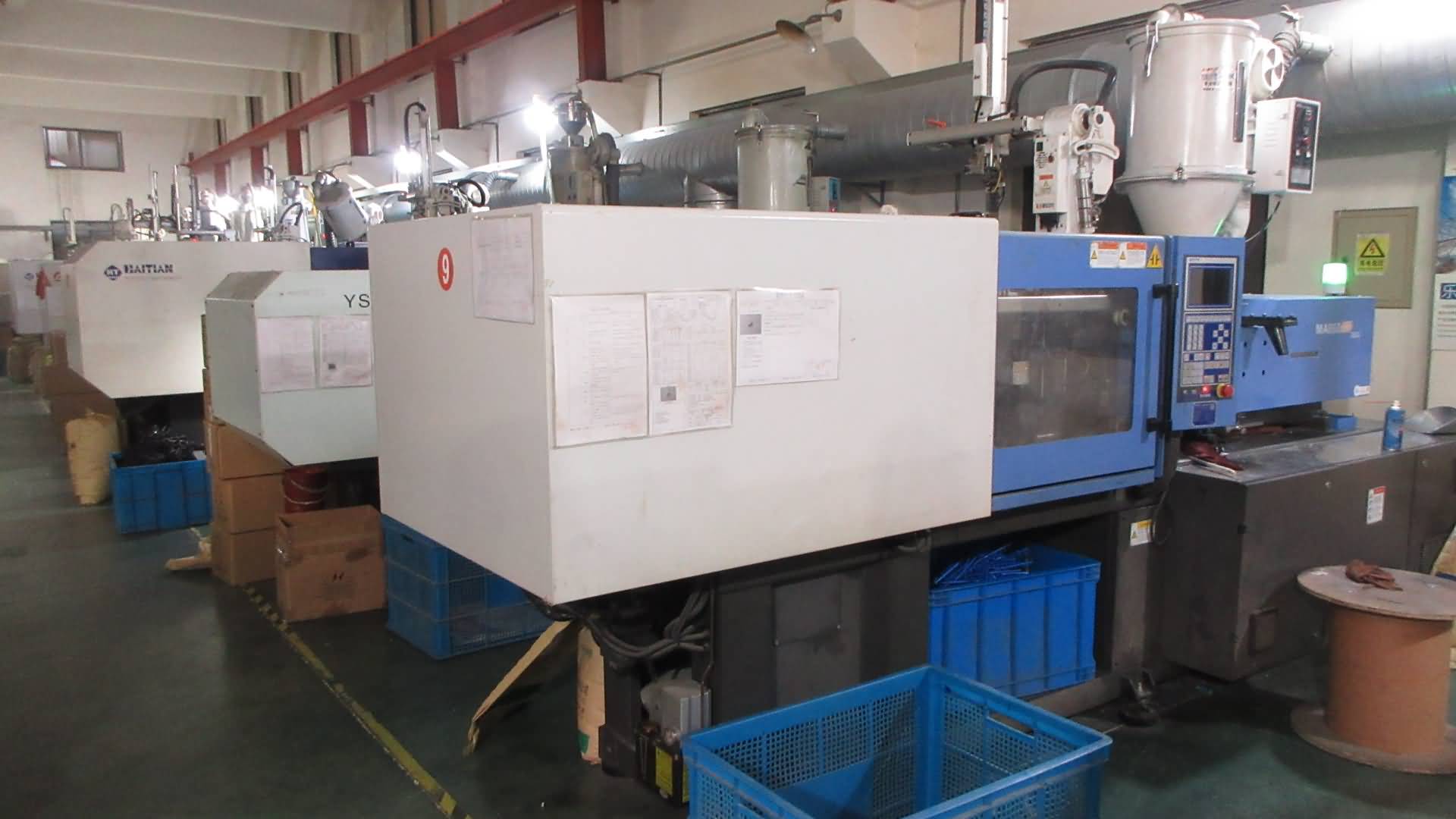
Precision housing molding for exact physical SFP dimensions and MSA compliance.
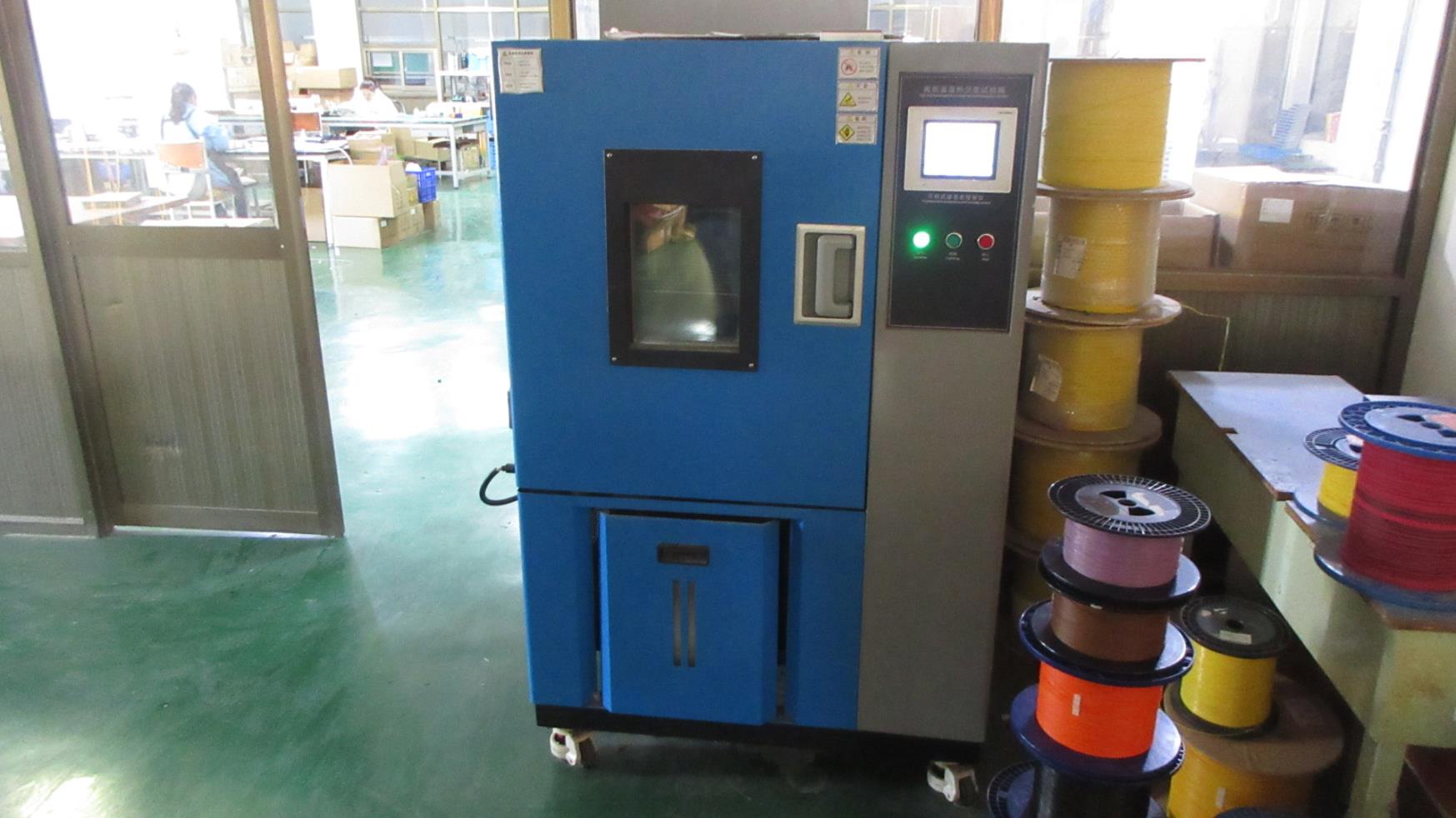
Thermal stress testing to ensure reliable operation down to -40°C in Finnish environments.
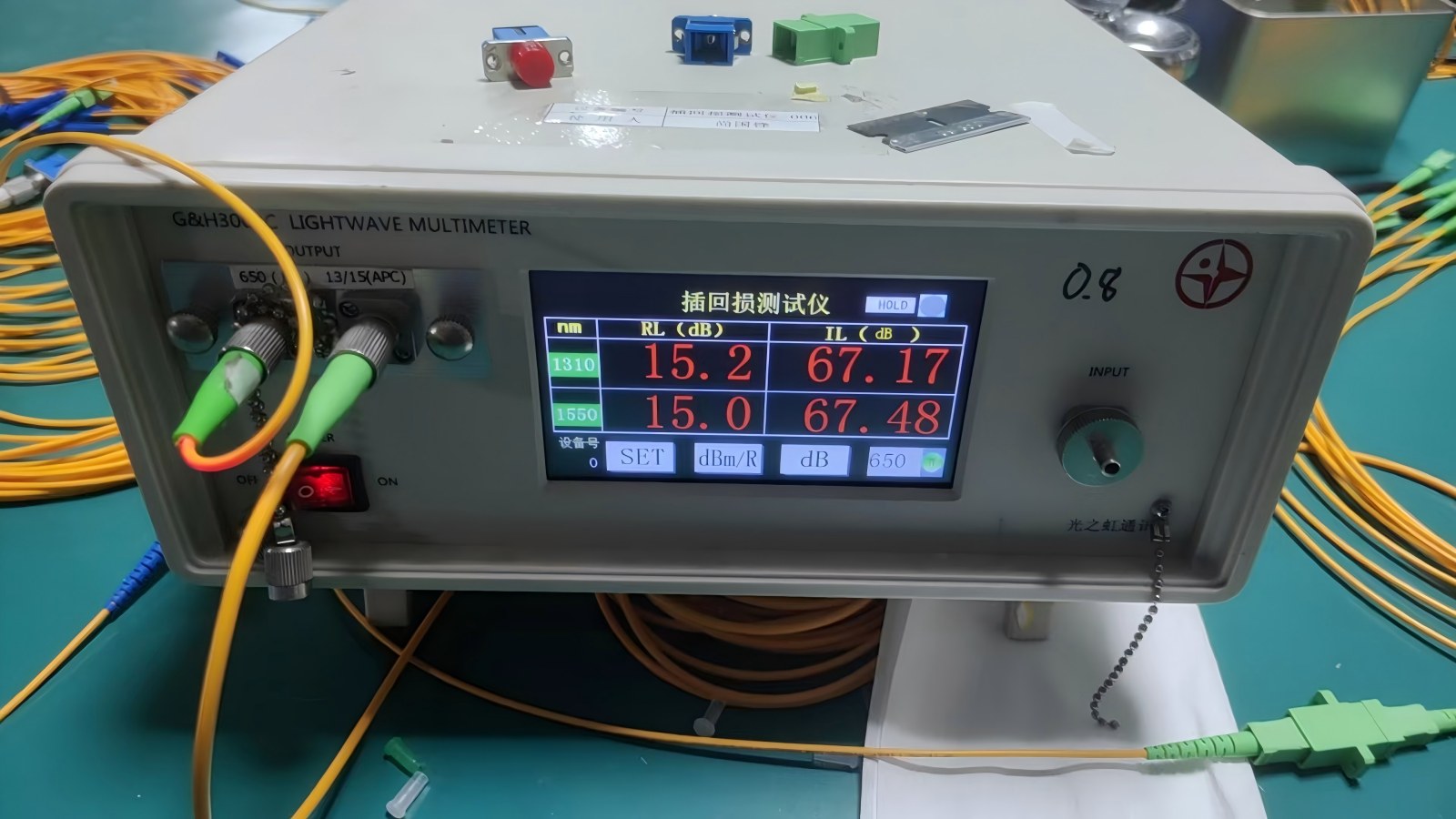
Verifying laser coupling efficiency and attenuation margins to guarantee link stability.
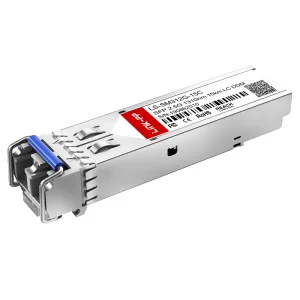
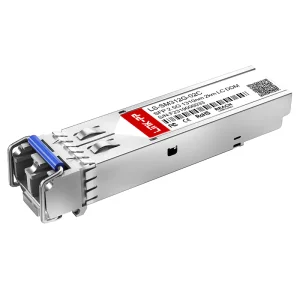
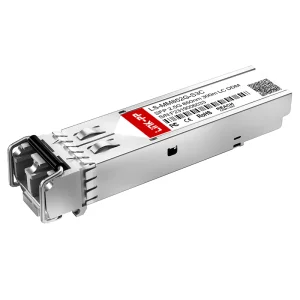
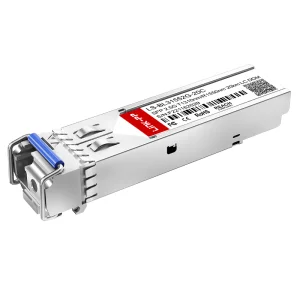
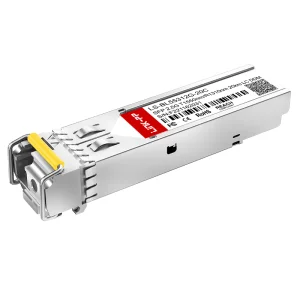
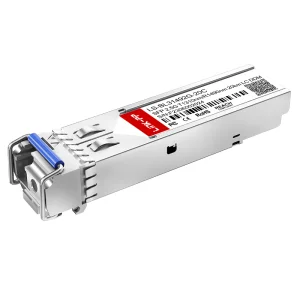
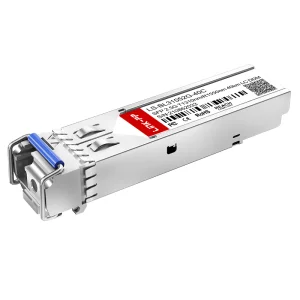
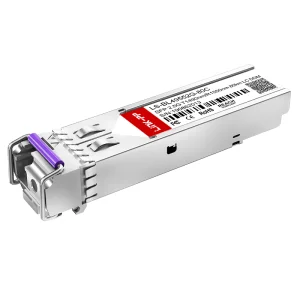
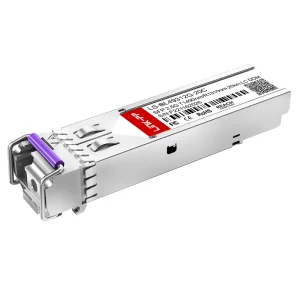
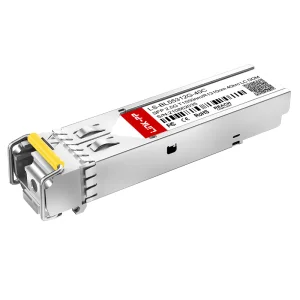
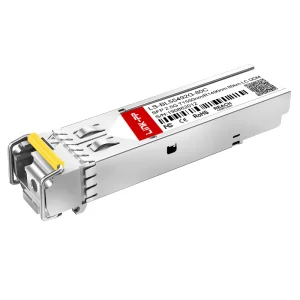
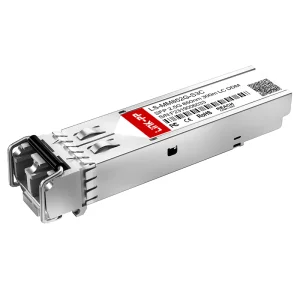
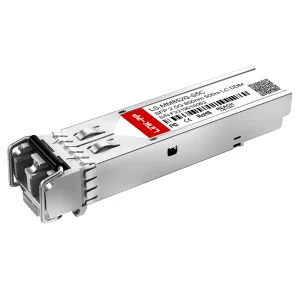
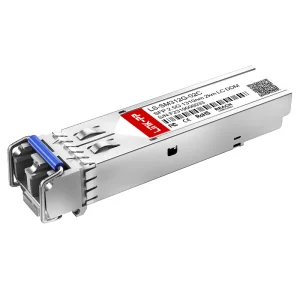
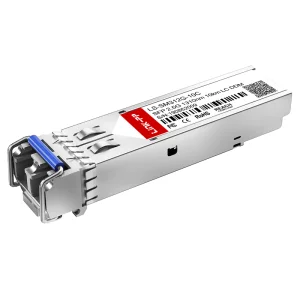
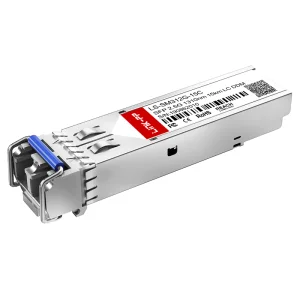
The complete range of 2.5G optical transceivers utilizing highly reliable FP/DFB lasers and photodetectors for long-range communication links.
Deep engineering insights into optical parameters, DDM integration, and regional adaptation.
Modern telecommunication networks require strict compliance with Multi-Source Agreements (MSA). This ensures that optical modules are hot-pluggable and physically compatible with standardized SFP slots across diverse manufacturer platforms. In alignment with SFF-8472 specifications, our transceivers feature integrated Digital Diagnostic Monitoring (DDM), also known as Digital Optical Monitoring (DOM).
This capability provides real-time access to key operational parameters, including laser bias current, optical output power, optical input power (RSSI), transceiver temperature, and supply voltage. Through DDM telemetry, network operators in remote Finnish municipal networks can continuously track transceiver health and run preemptive fault isolation protocols before link degradation results in packet loss.
| Module Type | Wavelength (nm) | Fiber Type | Max Distance | Connector Type | Typical Applications |
|---|---|---|---|---|---|
| 2.5GBASE-SX | 850nm | MMF (OM3/OM4) | 300m - 550m | Duplex LC | Data center interconnects, Local enterprise networks |
| 2.5GBASE-LX | 1310nm | SMF (G.652) | 2km - 15km | Duplex LC | Municipal fiber rings, FTTH central office to cabinet |
| 2.5G BiDi | 1310nm-TX / 1550nm-RX | SMF (G.652) | 20km - 40km | Simplex LC | Single-fiber access nodes, base station fronthaul |
| 2.5G Long-Reach BiDi | 1490nm-TX / 1550nm-RX | SMF (G.652) | 80km | Simplex LC | Regional backhaul, remote wind farm networks |
When engineering high-density regional networks, sourcing professionals face a constant trade-off between deployment costs (CapEx) and operational maintenance (OpEx). Standard transceivers provided directly by major switch and router manufacturers are marked up significantly. Our Shenzhen factory eliminates these artificial margins by selling directly to network system integrators and telecommunications operators.
By providing direct factory access, Equip-Link allows procurement teams to reduce CapEx by up to 60% compared to OEM equivalents, freeing up critical capital for broader physical infrastructure rollouts. Furthermore, our focus on component longevity, utilizing robust semiconductor lasers (DFB/FP/VCSEL) and high-quality photodetectors (PIN/APD), minimizes long-term replacement rates, lowering overall OpEx.
Expert technical answers to assist sourcing and network engineers deploying transceivers in Northern European networks.
Partner with a reliable manufacturer to get high-performance, compatible optical transceivers delivered directly from our facility. Contact our engineering team for custom configurations, technical support, and wholesale pricing.
Whether you require industrial-grade 2.5G SFP transceivers, specialized 5G/6G fronthaul components, or custom compatibility profiles for Finnish networks, our team is ready to assist.
Send Inquiry Now