Equip-Link
Equip-Link
Equip-Link
Engineered to deliver high isolation and low signal loss in rugged network environments. Fully compliant with international IEEE ethernet standards.
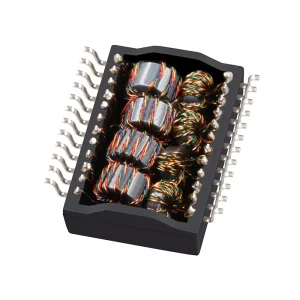
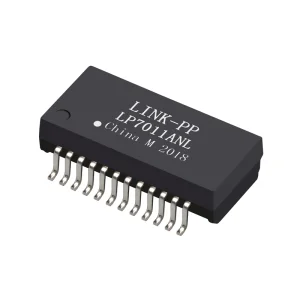
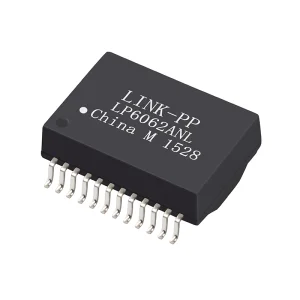
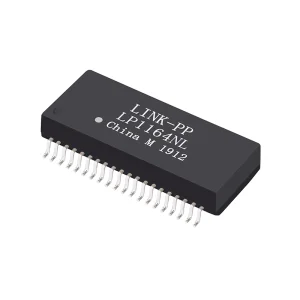
Analyzing the unique technological mandates, environmental pressures, and industrial requirements driving high-grade magnetic integration across Oceania.
Australia’s networking ecosystem is currently undergoing a massive evolution. Driven by the continued deployment of the National Broadband Network (NBN), the rollout of regional 5G small cells, and heavy automation in the mining and agricultural sectors, the demand for highly reliable, isolated physical layer (PHY) components has surged. LAN Transformers, acting as the critical link for signal conditioning and 1.5kV/3kV galvanic isolation, are essential to safeguard expensive communication nodes against lightning surges and voltage spikes common in rural and Outback deployments.
In metropolitan hubs like Sydney, Melbourne, and Brisbane, the densification of edge data centers and smart commercial buildings requires multi-gigabit (2.5G/5G/10G) ethernet layouts with Power over Ethernet (PoE/PoE+/PoE++). These networks require magnetic modules that maintain strict electromagnetic interference (EMI) compliance under high thermal loads, ensuring error-free data transmission in complex ambient noise environments.
For electronic components imported into Australia, compliance with local and international frameworks is critical. Our manufacturing standards align with:
Across the globe, the shift toward Industry 4.0, autonomous transport, and high-performance computing (HPC) has altered the requirements of electromagnetic components. Traditional 10/100 Mbps discrete magnetics are increasingly limited to legacy terminals. Modern deployments favor high-integration designs, such as Integrated Connector Modules (ICM / RJ45 Jacks with built-in magnetics) and high-density, low-profile SMT packaging that optimize PCB real estate.
Furthermore, the rapid rise of Single Pair Ethernet (SPE) under IEEE 802.3cg/ch standards is paving the way for long-reach industrial Ethernet. By reducing cable weight and termination complexity, SPE is becoming the standard for automotive and smart building networks. At Equip-Link, our R&D initiatives focus on designing sub-miniature magnetic components capable of tolerating extreme temperature limits (-40°C to +85°C for industrial grade, and up to +125°C for automotive application fields) while guaranteeing outstanding common-mode rejection ratio (CMRR) performance.
How Equip-Link’s advanced LAN transformers resolve severe environmental and operational challenges on the ground.
Equipped with high-dielectric insulation, our units deliver up to 3,000 Vrms isolation. This ensures absolute protection for expensive backend controllers against high-voltage faults, ground loops, and lightning surges common in remote mining areas.
Our manufacturing uses advanced CNC automated winding machines. This guarantees precise magnetic coupling, uniform turn ratios, and minimal leakage inductance, delivering excellent signal integrity and minimum return loss.
Designed with integrated common-mode chokes (CMC), our LAN transformers suppress high-frequency electromagnetic noise. This allows equipment designers to easily clear strict CISPR 32 / EN 55032 Class B emission tests.
Learn how we enforce rigorous quality management across our modern production line to guarantee exceptional component dependability.
Founded in 2017, Equip-Link Intelligent Equipment (Shenzhen) Co., Ltd. is a leading manufacturer and supplier of high-performance optical transceivers and high-reliability magnetic communication components. We specialize in the design, development, production, and global distribution of optical modules and LAN transformers for data centers, telecommunications networks, enterprise networking, industrial automation, and AI infrastructure applications.
Our modern manufacturing facility covers an area of 380 square meters and is equipped with advanced production and testing machinery to ensure consistent quality and reliable performance. With an annual export revenue exceeding USD 18 million, Equip-Link has established long-term partnerships with customers in more than 50 countries and regions worldwide, including major networking hubs across Oceania.
Quality is at the core of everything we do. We implement a comprehensive quality management system supported by incoming material inspection (IQC), in-process quality control (IPQC), and final product testing (OQA). Every single product undergoes rigorous testing using advanced optical and network performance analyzers before shipment. Our dedicated quality assurance team consists of 36 experienced inspectors who ensure that every batch matches customer requirements and strict international standards.
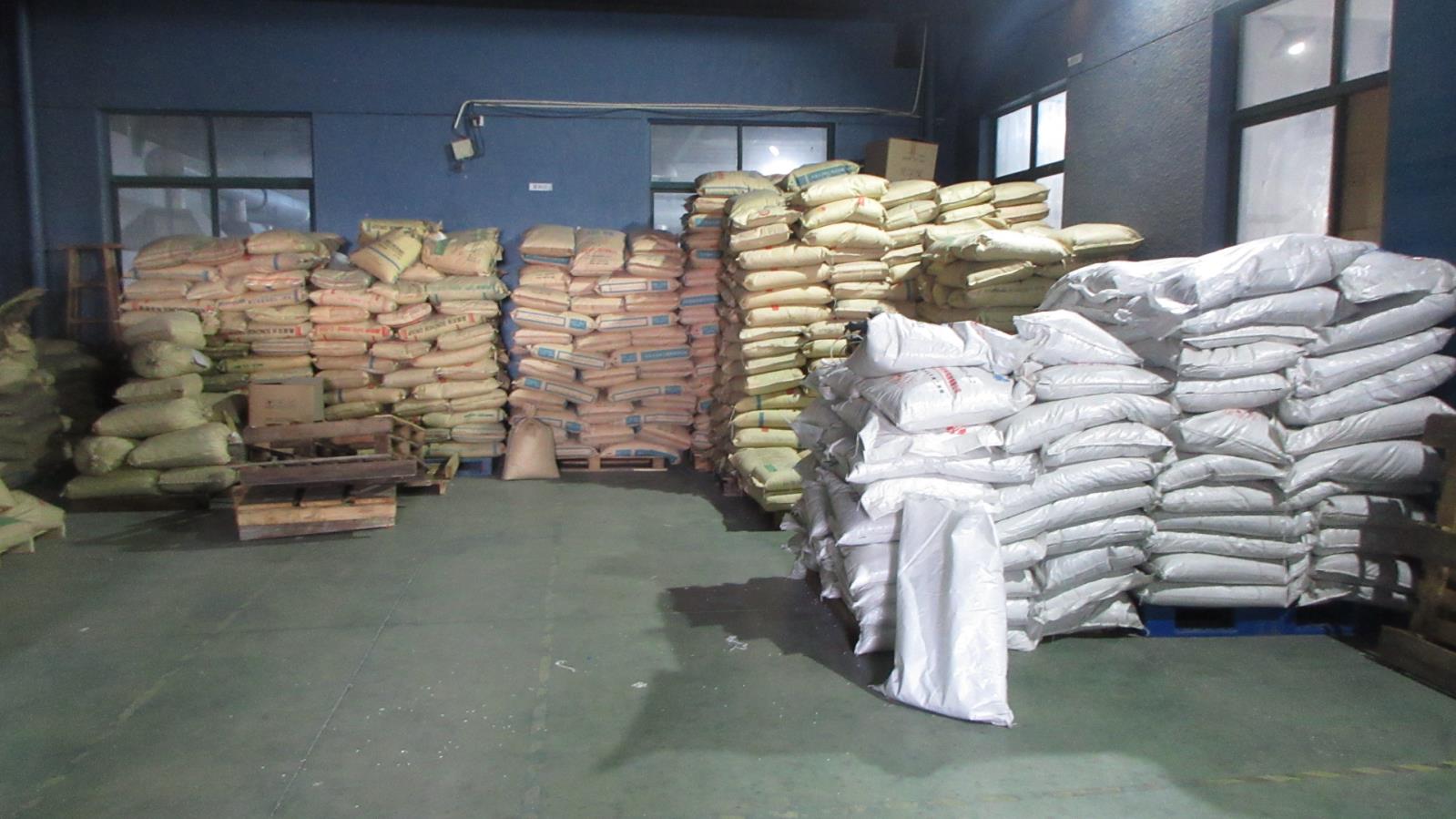
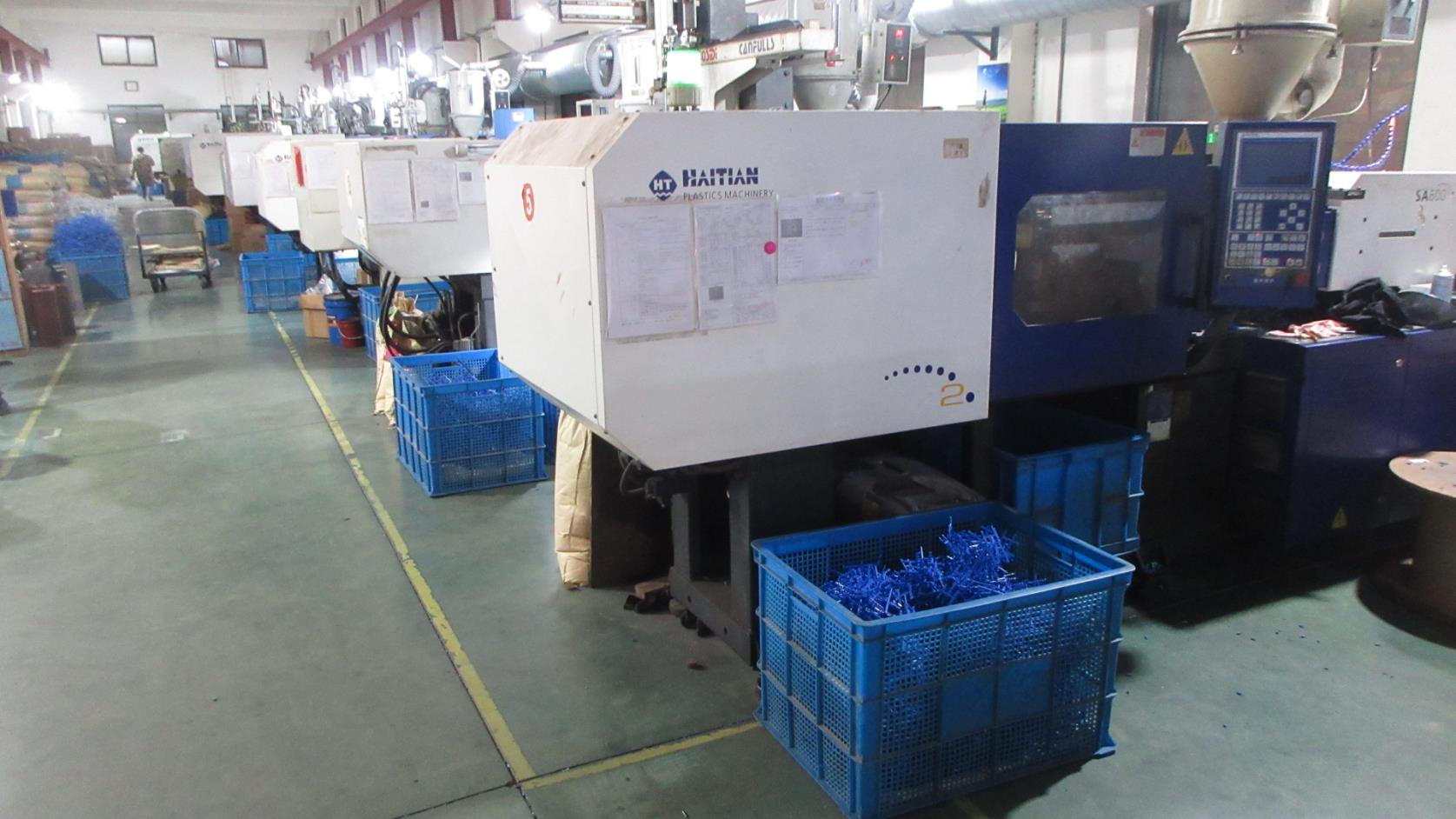
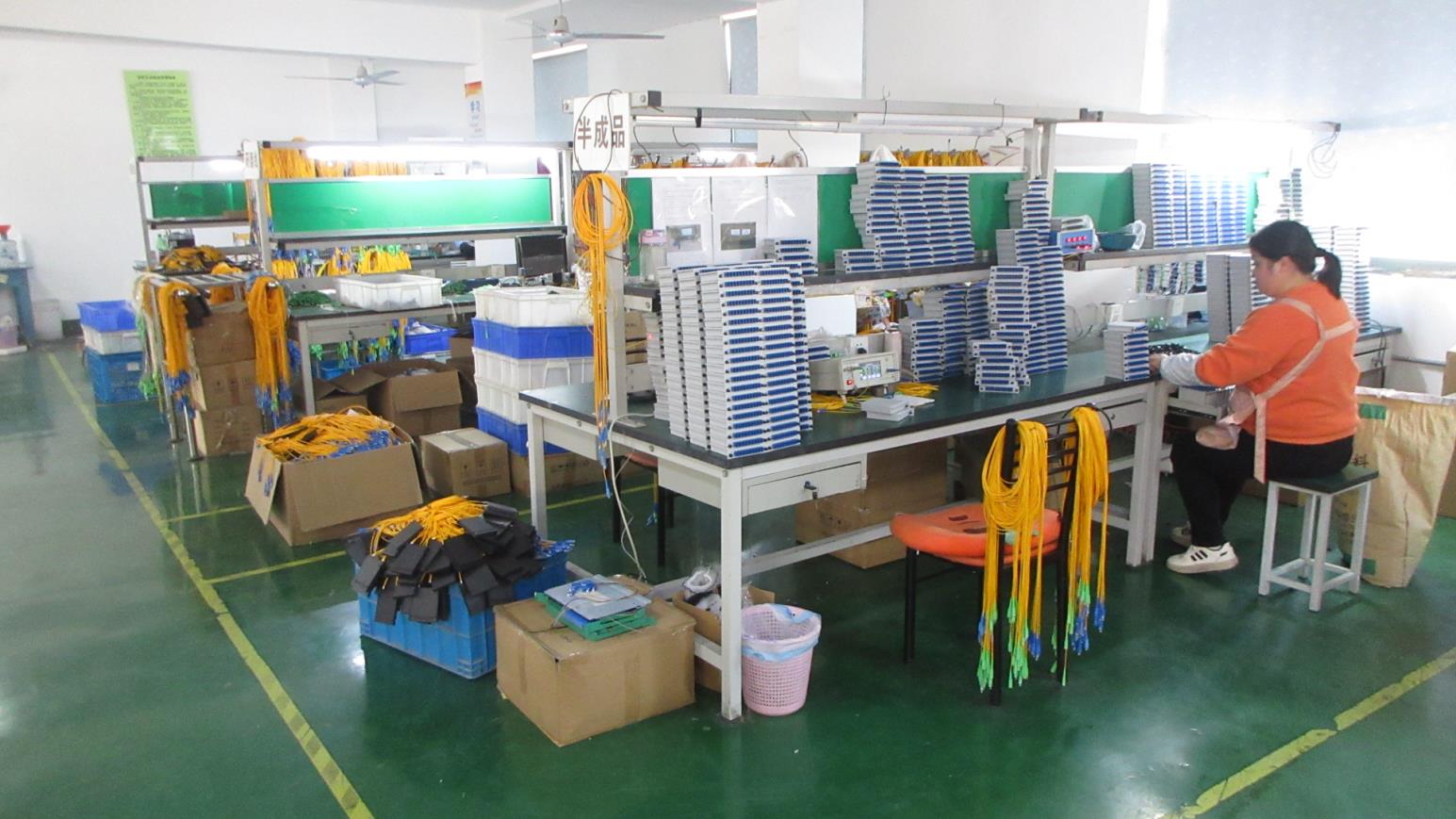
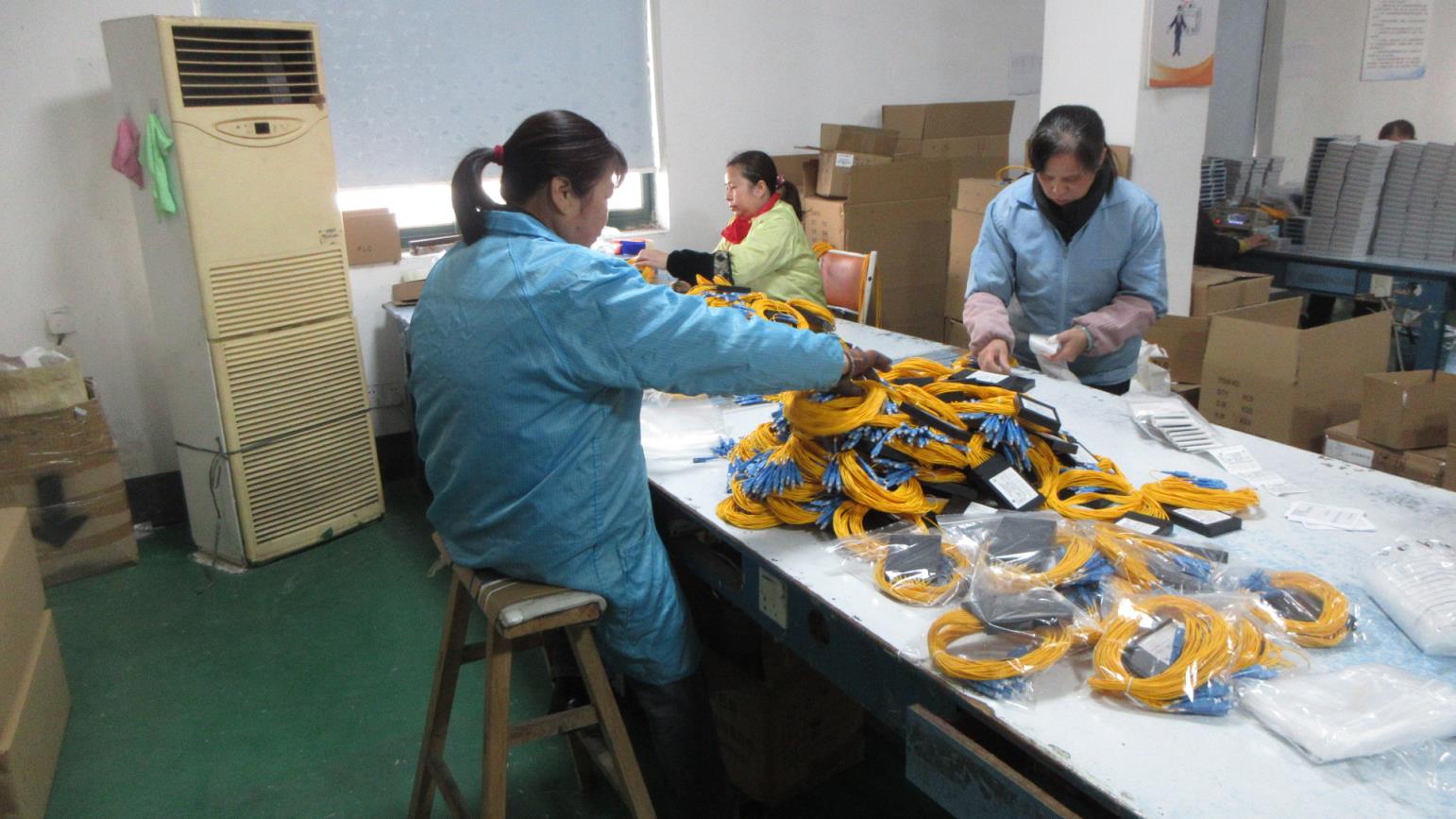
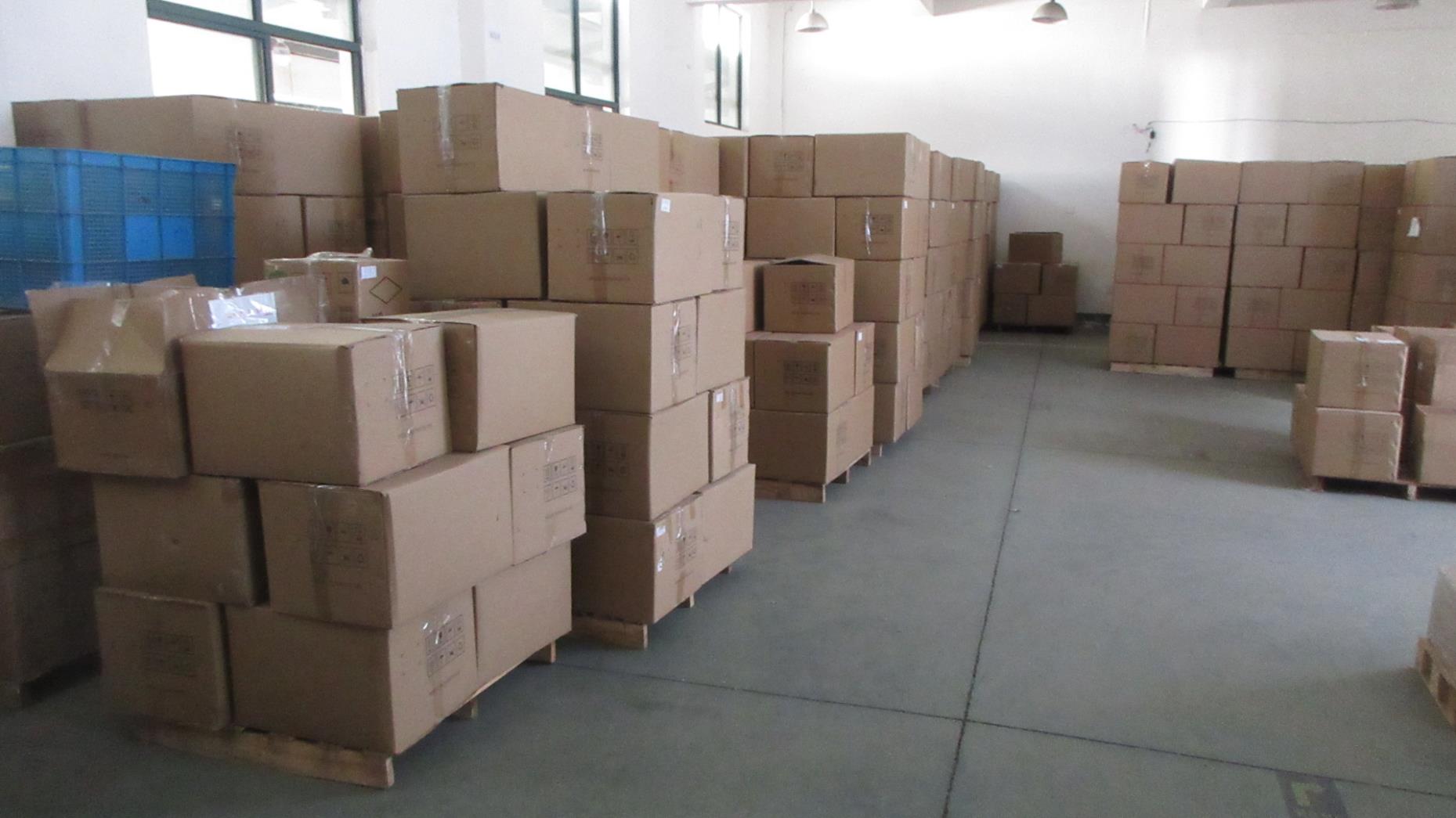
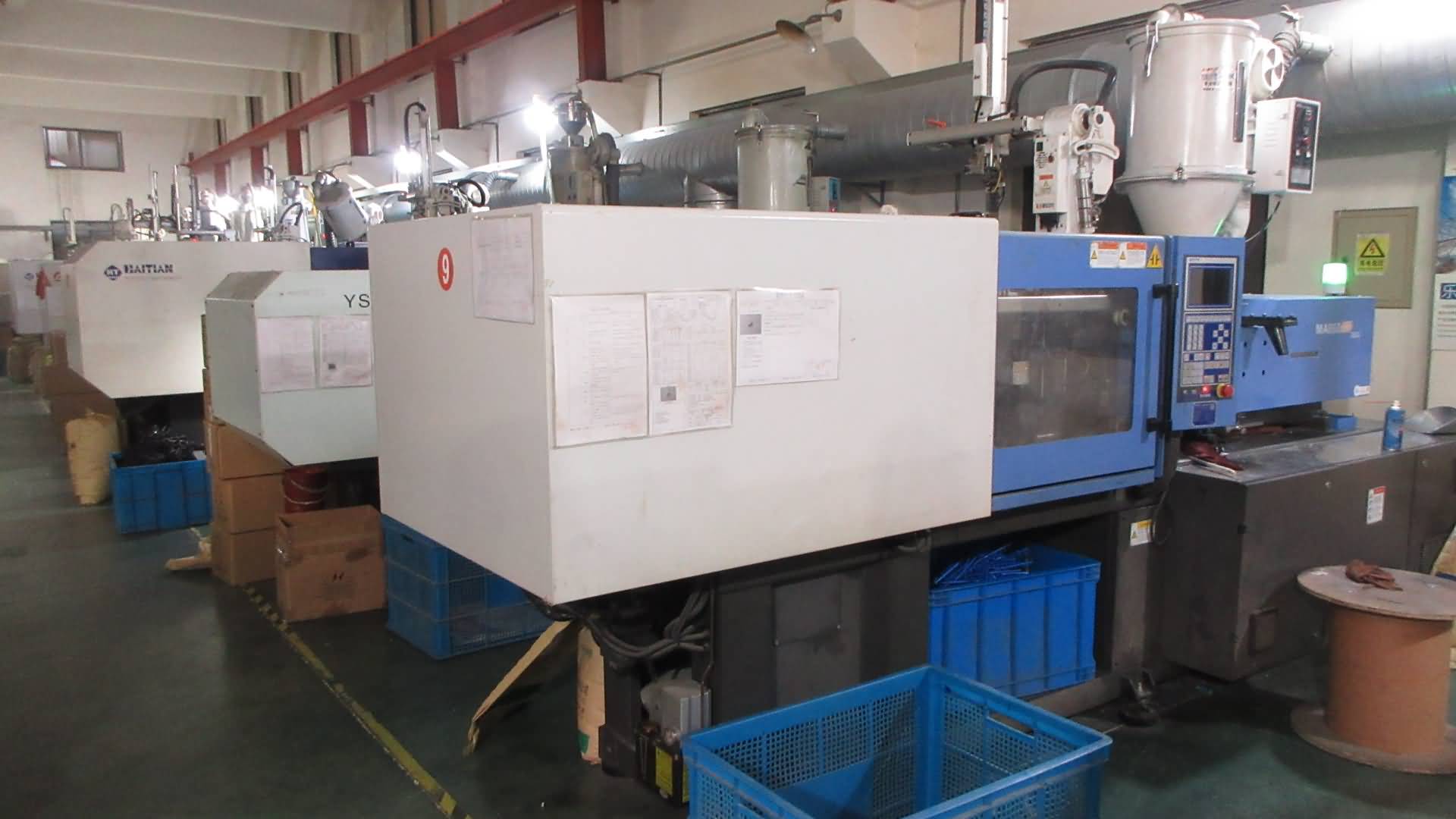
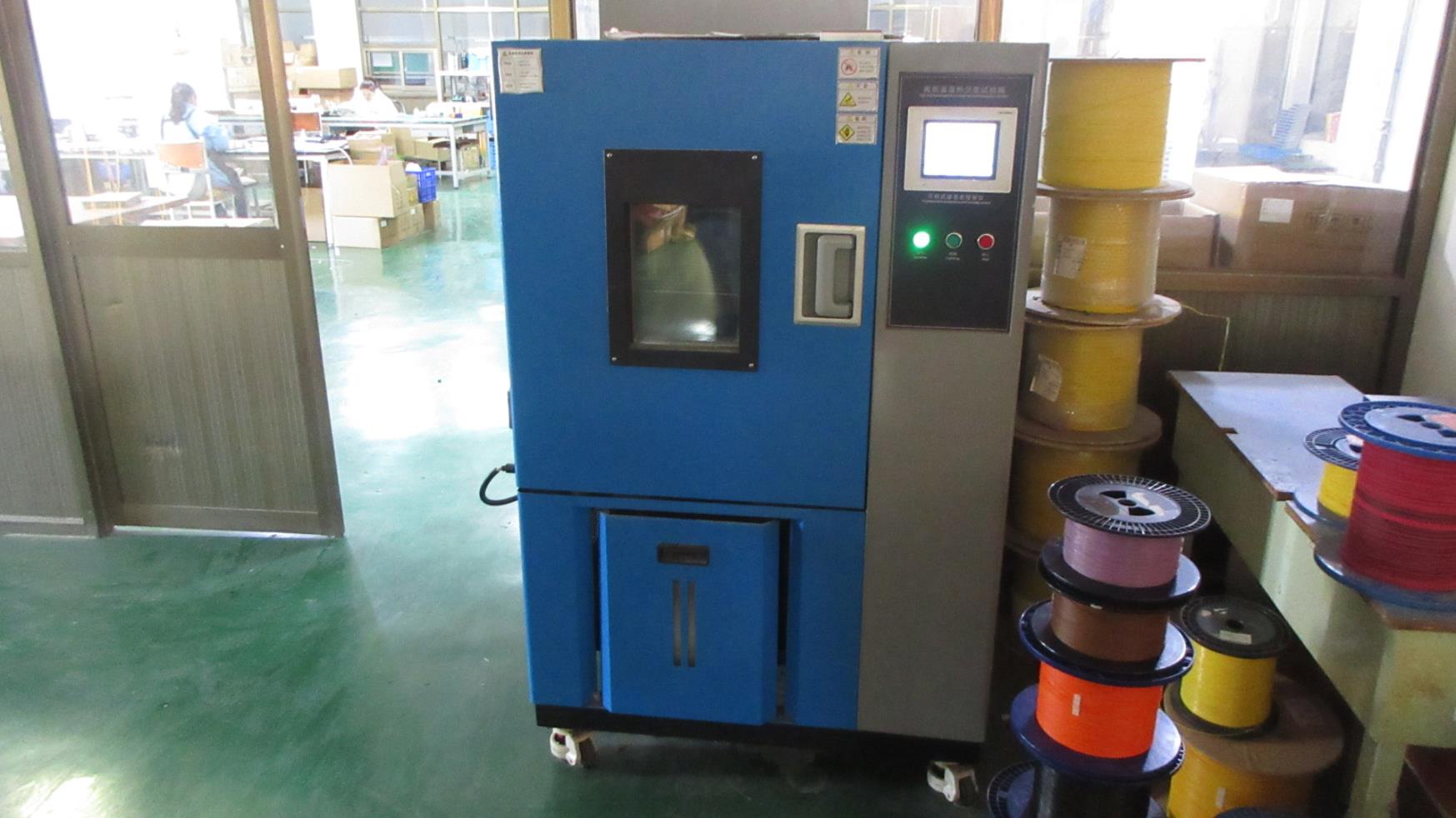
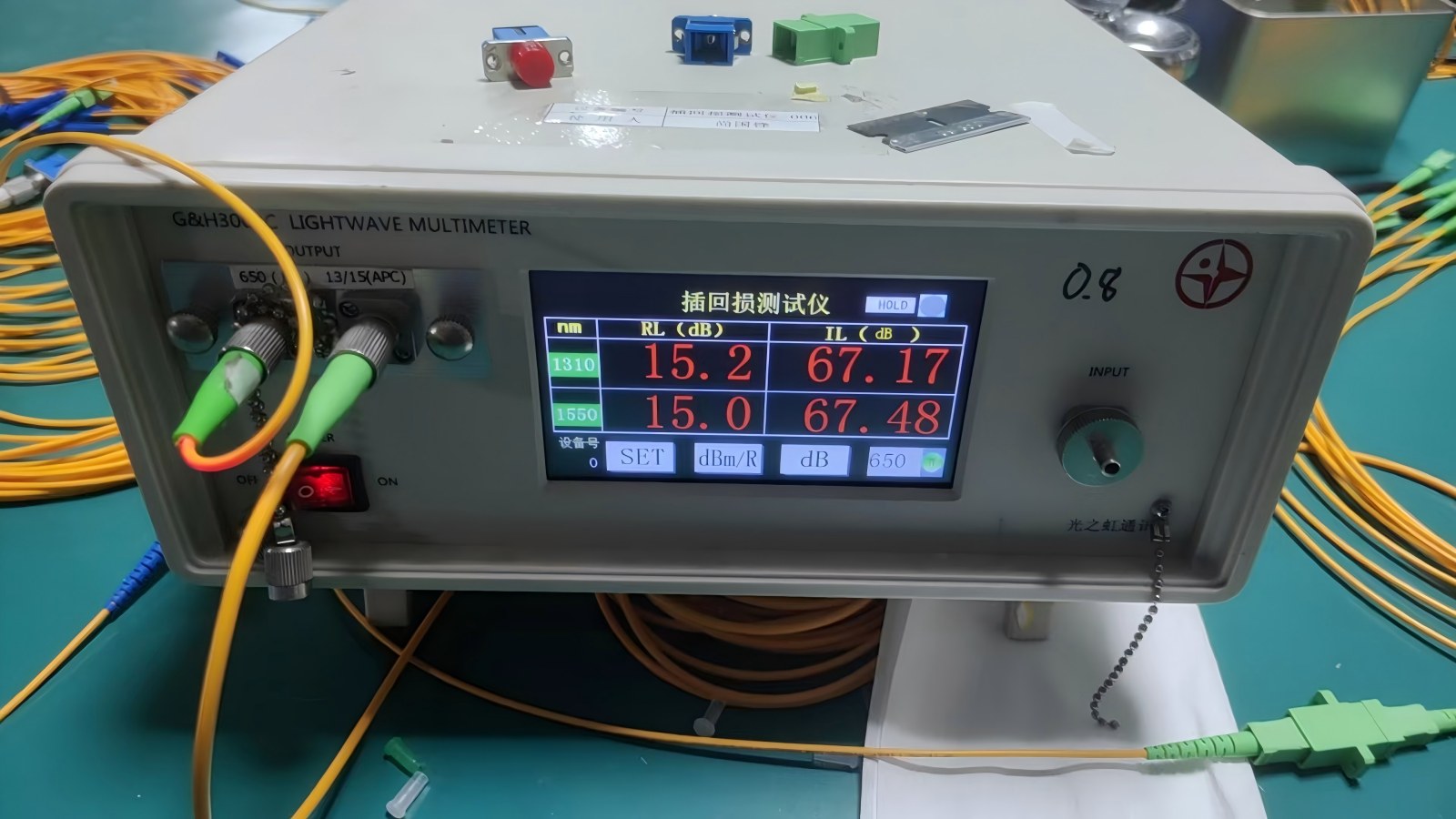
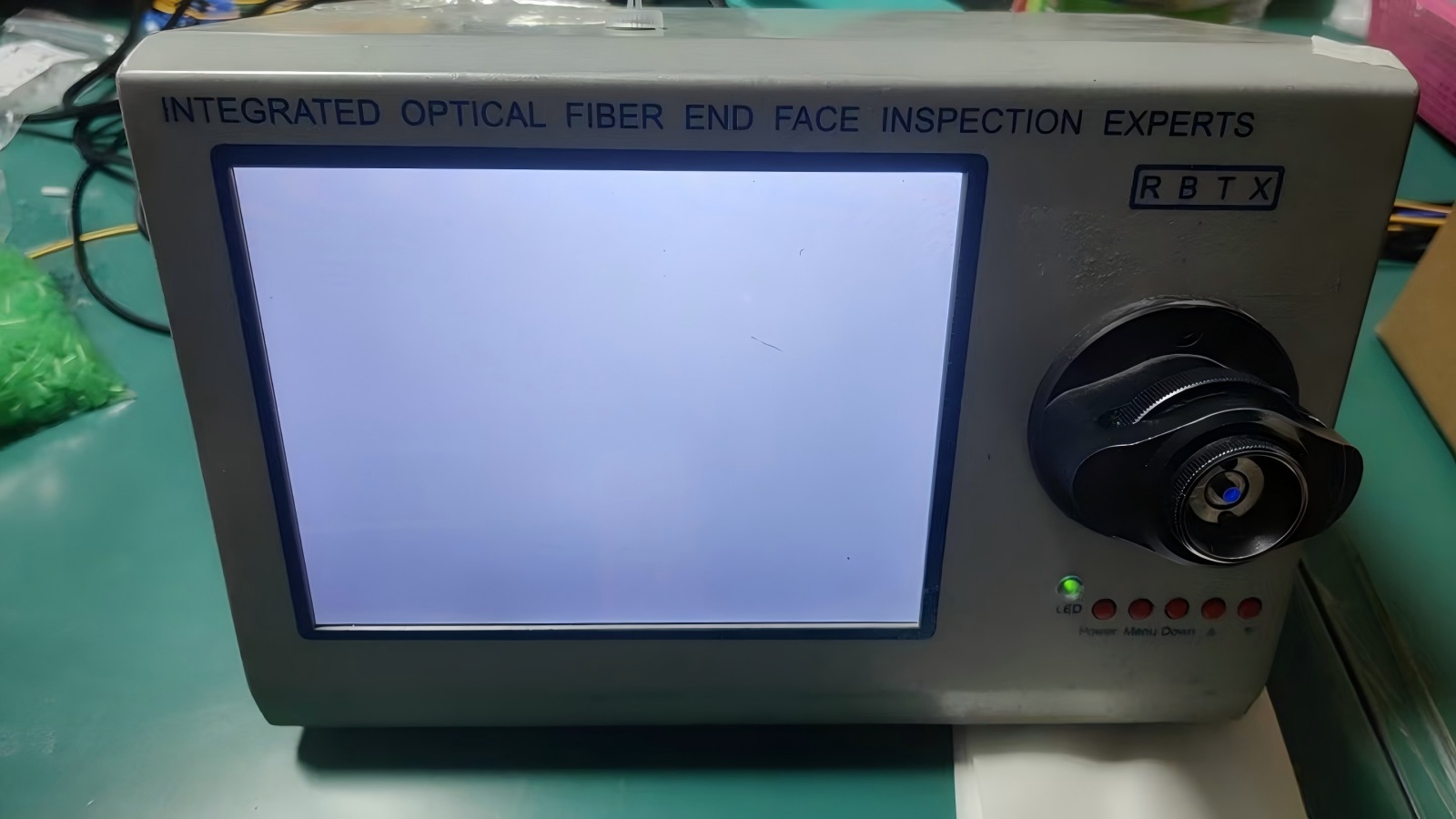
Equip-Link employs state-of-the-art testing systems. Our high and low-temperature alternating damp heat test chambers run stress simulations from -50°C to +150°C to guarantee reliability for high-exposure environments like remote Queensland sites.
Explore our full selection of dual-port, quad-port, through-hole, and surface-mount LAN filters for commercial and industrial communications.
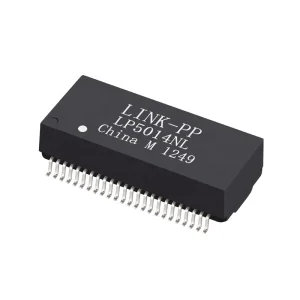
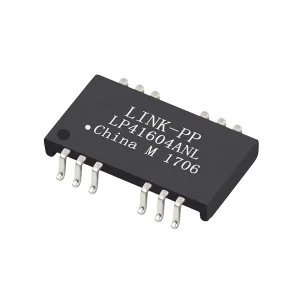
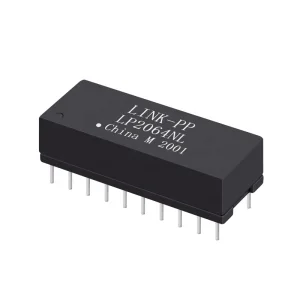
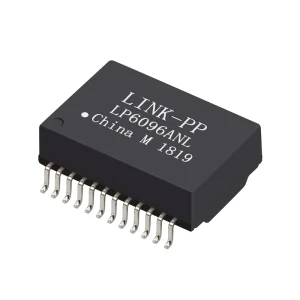
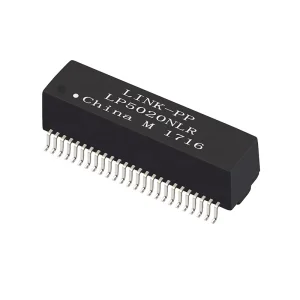
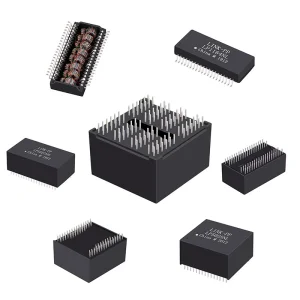
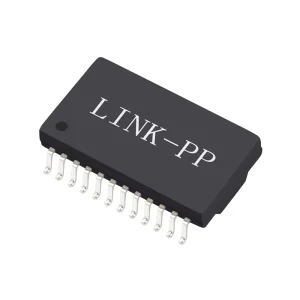
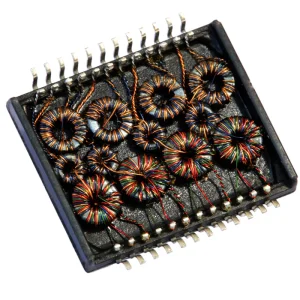
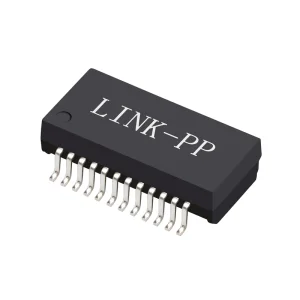
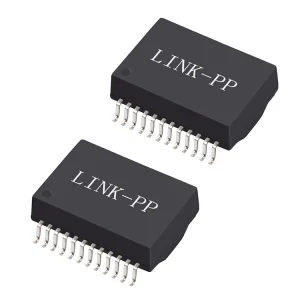
Get answers to critical design and technical questions regarding LAN magnetic selections in industrial applications.
A: Industrial zones in Australia (particularly in Western Australia, the Northern Territory, and Queensland) often experience electrical grid transients and severe weather conditions. Galvanic isolation prevents hazardous ground loop currents and protects delicate PHY transceiver ICs by providing a barrier of 1,500 Vrms to 3,000 Vrms, maintaining safe operational states in harsh environments.
A: Our PoE+ (IEEE 802.3at) and PoE++ (IEEE 802.3bt) transformers are designed with specialized center taps and wire gauges. These allow DC bias currents up to 1A per pair to pass without saturating the magnetic core, preventing signal degradation and keeping insertion loss low under heavy load profiles.
A: Yes. We offer direct, pin-to-pin compatible equivalent designs for industry-standard part numbers from major manufacturers (including Pulse Electronics, Halo Electronics, Wurth Elektronik, and Bourns). This helps shorten component lead times and optimize cost structures.
A: Commercial components operate within 0°C to +70°C. For industrial networks, energy grids, and outdoor remote IoT setups, we supply extended temperature components rated for -40°C to +85°C. These parts use specialized high-permeability cores that prevent inductance collapse at low temperatures and excessive leakage current at high temperatures.
A: We use integrated common-mode chokes and custom winding patterns (such as inter-winding isolation tapes and bifilar winding setups). This suppresses high-frequency noise and helps designs meet FCC Part 15 and EN 55032 EMC limits without needing extra external filters.
A: Standard stock parts can ship within 3–5 working days from our Shenzhen facility. Custom production runs normally require 3–4 weeks. We offer fast shipping to Australia via DHL, FedEx, or air freight to major hubs including Sydney (SYD), Melbourne (MEL), and Brisbane (BNE).
Get in touch with our engineering team today to review your PCB designs, receive free samples, or request a custom quotation.