Equip-Link
Equip-Link
Equip-Link
High-Performance Voice-over-IP & Telecommunication Bridging Systems. Engineered for Enterprise Integration and Global Supply Chain Resilience.
Pioneering edge-to-edge optical transceivers, magnetics, and adaptive hardware engineered to sustain heavy duty enterprise workloads.
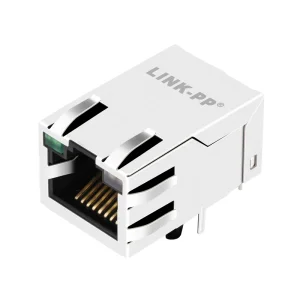
In modern infrastructure, bridging legacy telecommunication interfaces with high-density Ethernet components requires absolute precision. An RJ45 to RJ11 adapter acts as more than a physical interface modifier; it acts as a critical signal route mediator. As global telecom providers phase out pure analog networks, the necessity for robust, low-loss adapters has scaled exponentially.
Adapting 8P8C (Eight Position, Eight Contact) RJ45 systems down to 6P4C or 6P2C (Six Position, Four/Two Contact) RJ11 channels requires deep knowledge of impedance balancing, dielectric optimization, and contact geometry. If not handled at the manufacturing level, this transition leads to high return loss, structural echo, and significant signal attenuation.
Standard commodity adapters fail when integrated into demanding telecom setups. Global entities require specialized pinning configurations (e.g., USOC, 568A, 568B variations) and dynamic flame retardant thresholds (UL94-V0 compliance). As an established manufacturer, Equip-Link customizes gold plating thickness (from 3u" to 50u") to matching operational expectations of enterprise-grade legacy hardware, guaranteeing service stability over decades.
Founded in Shenzhen in 2017, Equip-Link Intelligent Equipment Co., Ltd. has established an authoritative presence in the global optical network and telecommunications industry, leveraging vast technical capability to provide custom connectivity answers.
Understanding the macroeconomic and technical drivers behind large-scale infrastructure purchases.
Modern Internet Service Providers (ISPs) deploying Fiber-to-the-Home (FTTH) need to bridge modern optical network terminals (ONTs) with existing home telephone networks. Bulk integration of specialized RJ45 to RJ11 interconnects facilitates seamless transition cycles.
Automation setups, smart grids, and utility metering hubs use modular DIN rail controllers where standard copper RJ45 outlets must feed downstream RJ11 serial channels. Demands on temperature range and structural resilience are extremely high.
Western markets (EU, North America) require strict adherence to RoHS, REACH, CE, and FCC Part 68 standards. Our components use traceable, eco-friendly plastic granules and certified brass terminals to pass strict compliance screening.
Equip-Link's production lines in Shenzhen combine automated assembly with physical inspection to achieve a near-zero failure rate.
At our manufacturing facility, we manage all production stages internally: raw material inspection, precise injection molding, mechanical pin installation, automated packaging, and storage control. Our team of 36 experienced quality assurance inspectors tests every production batch on optical testing gear and high-low temperature cabinets to ensure reliable performance under extreme conditions.
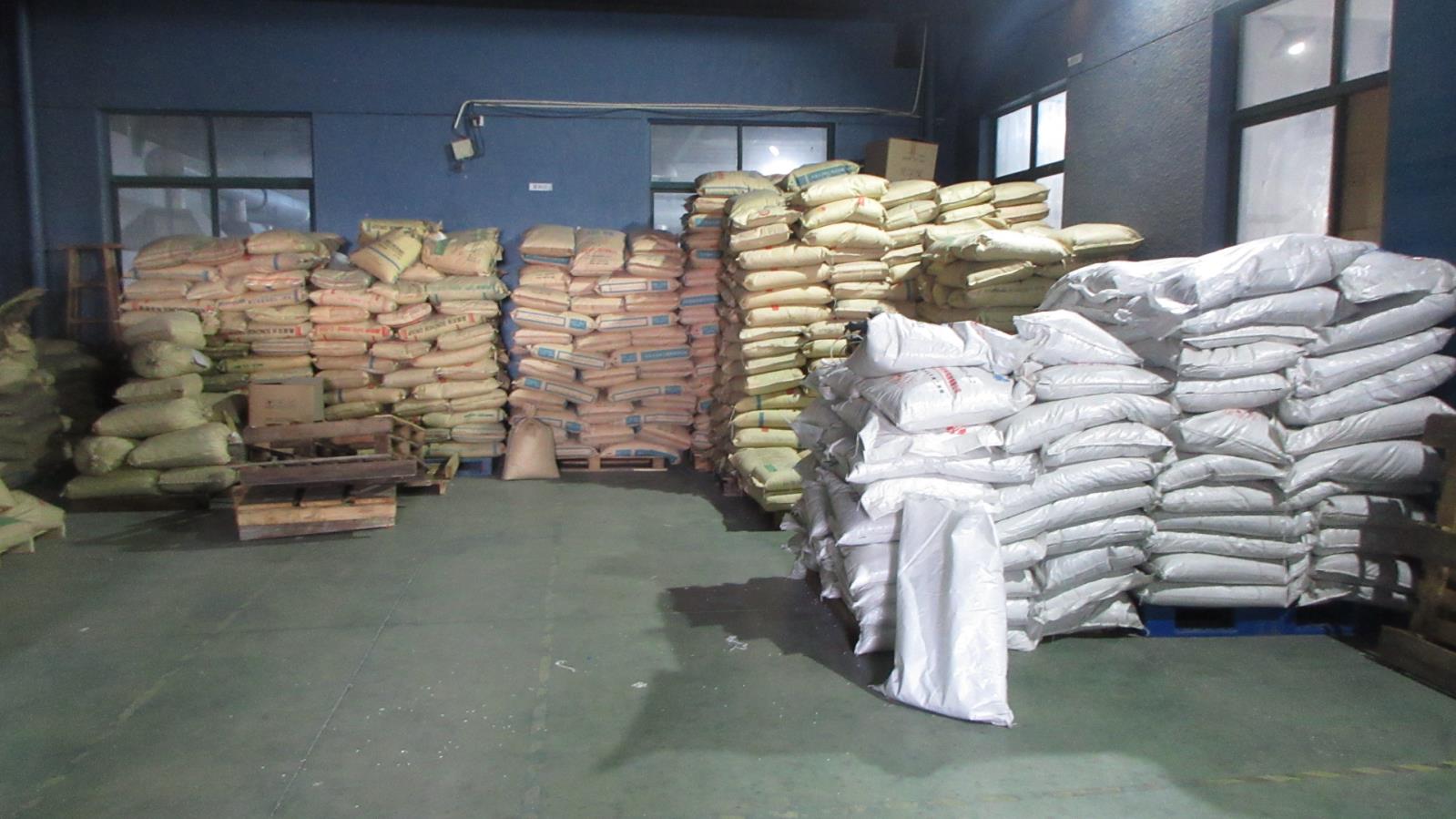
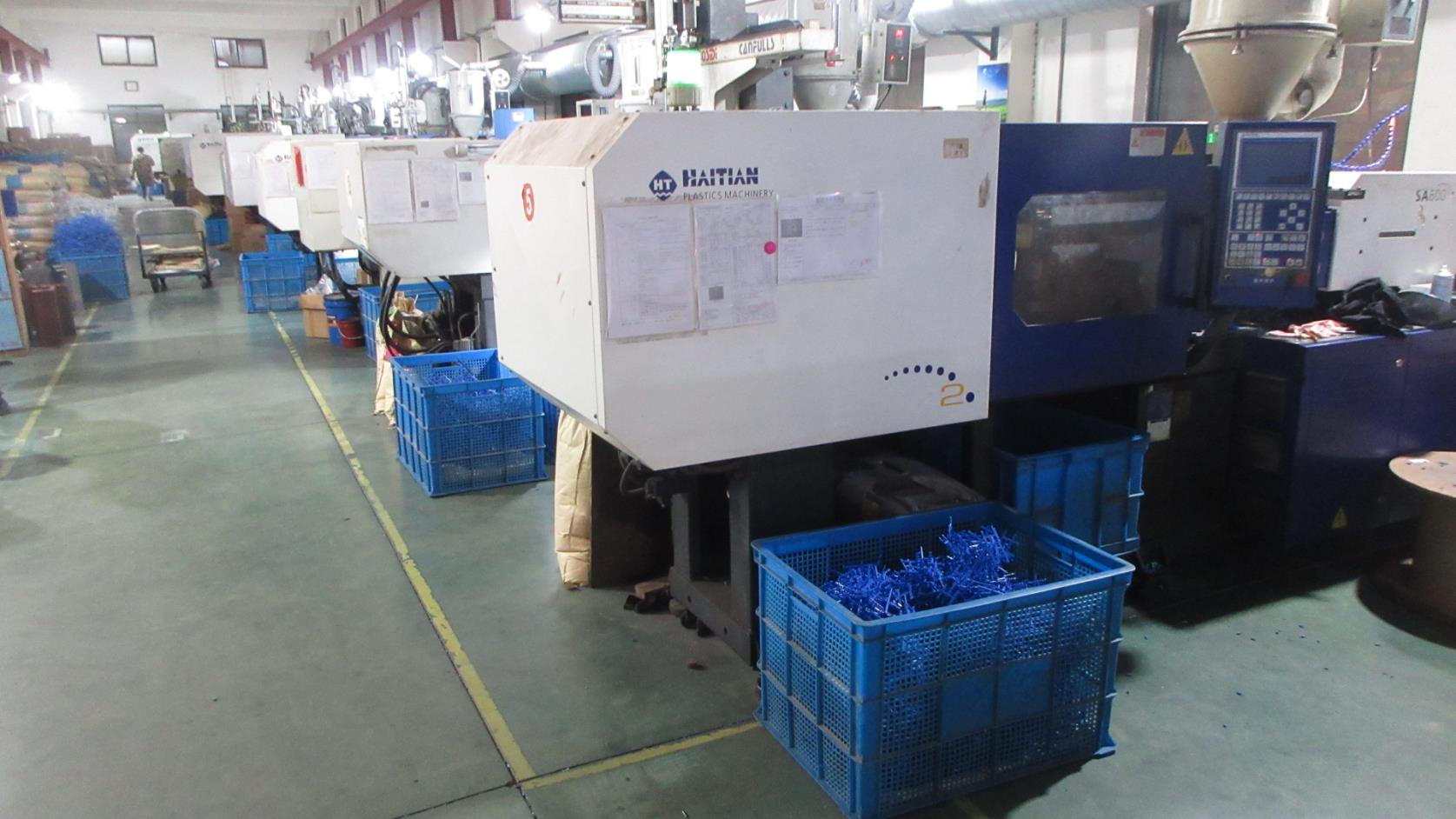
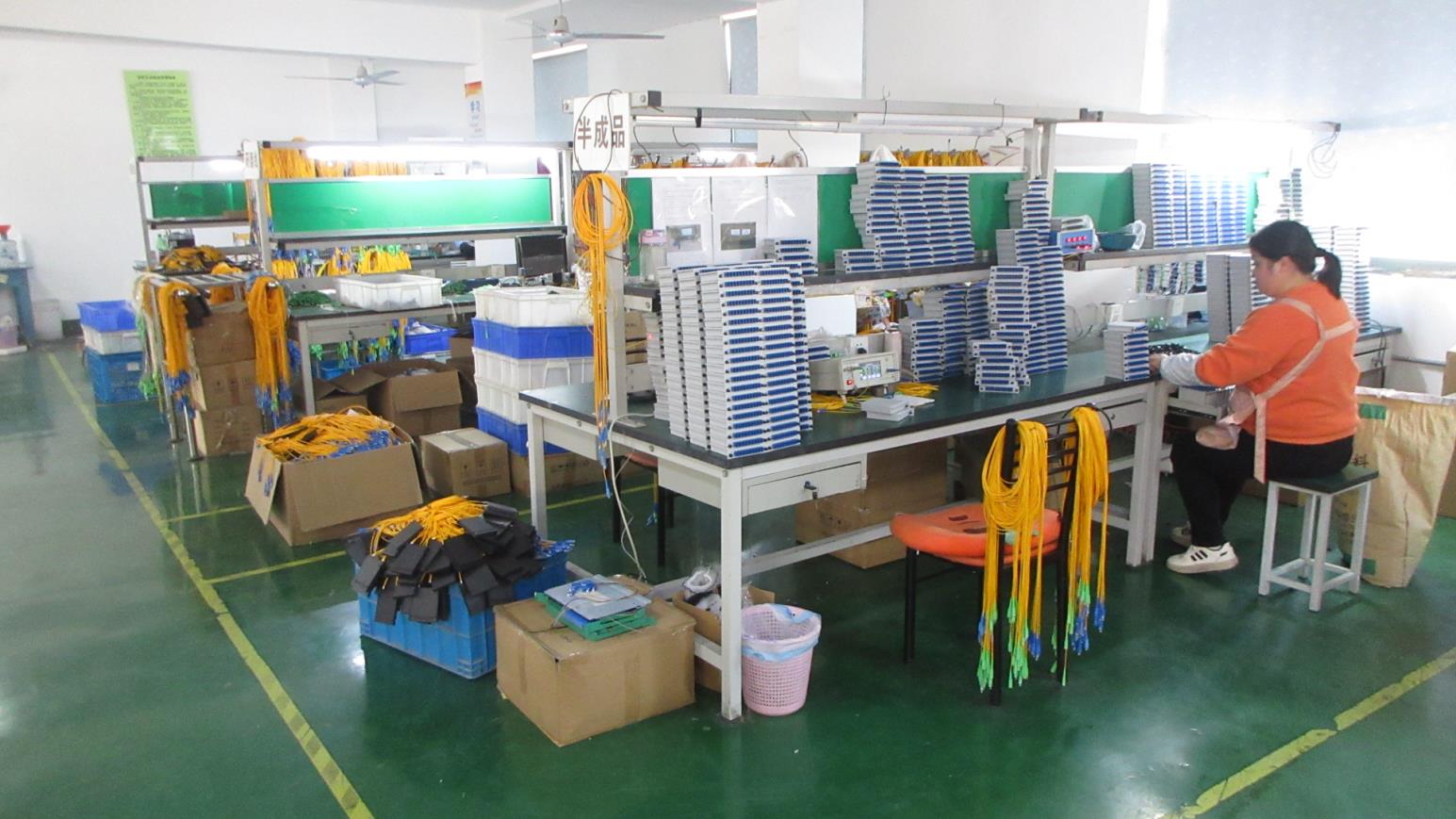
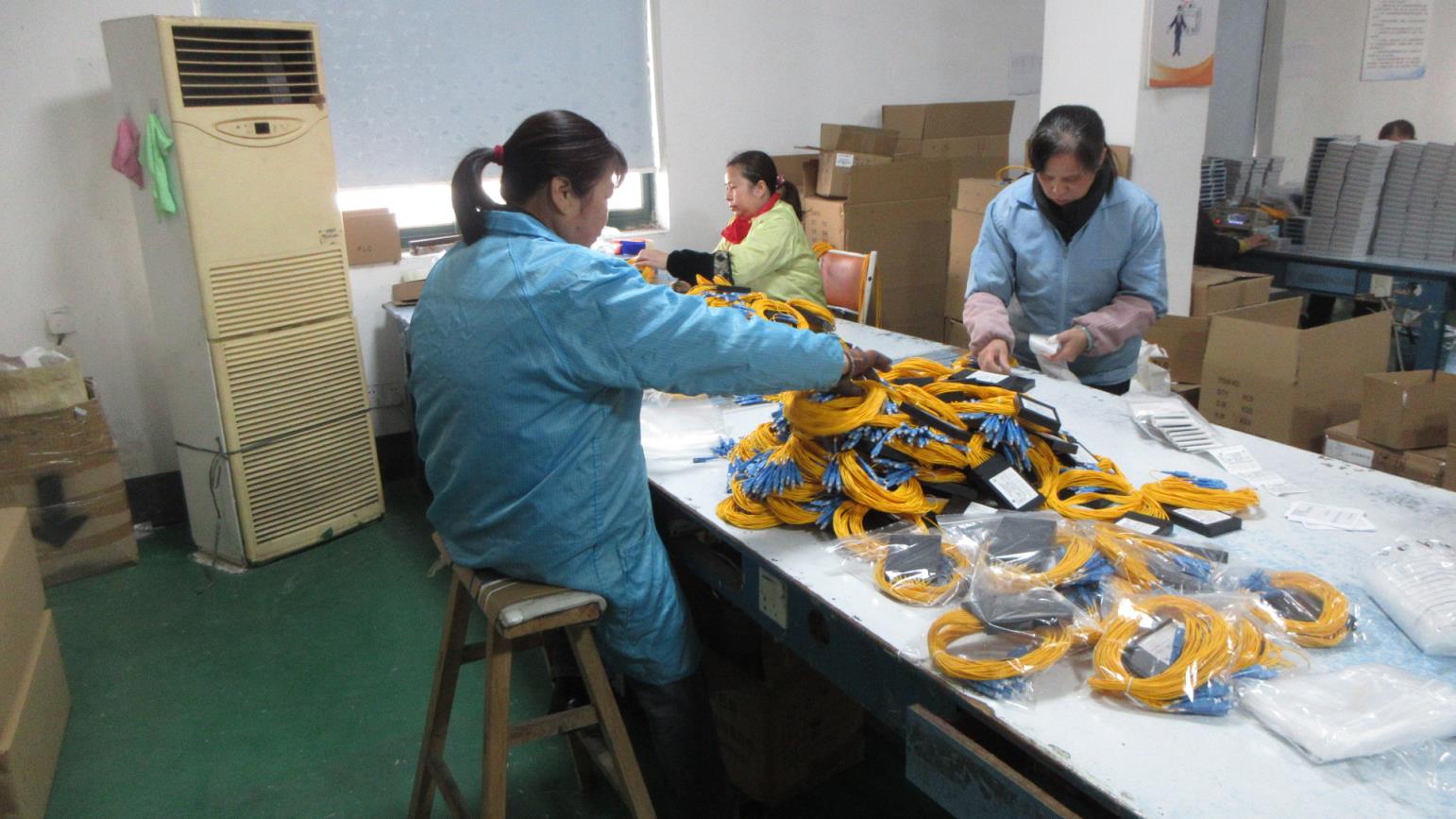
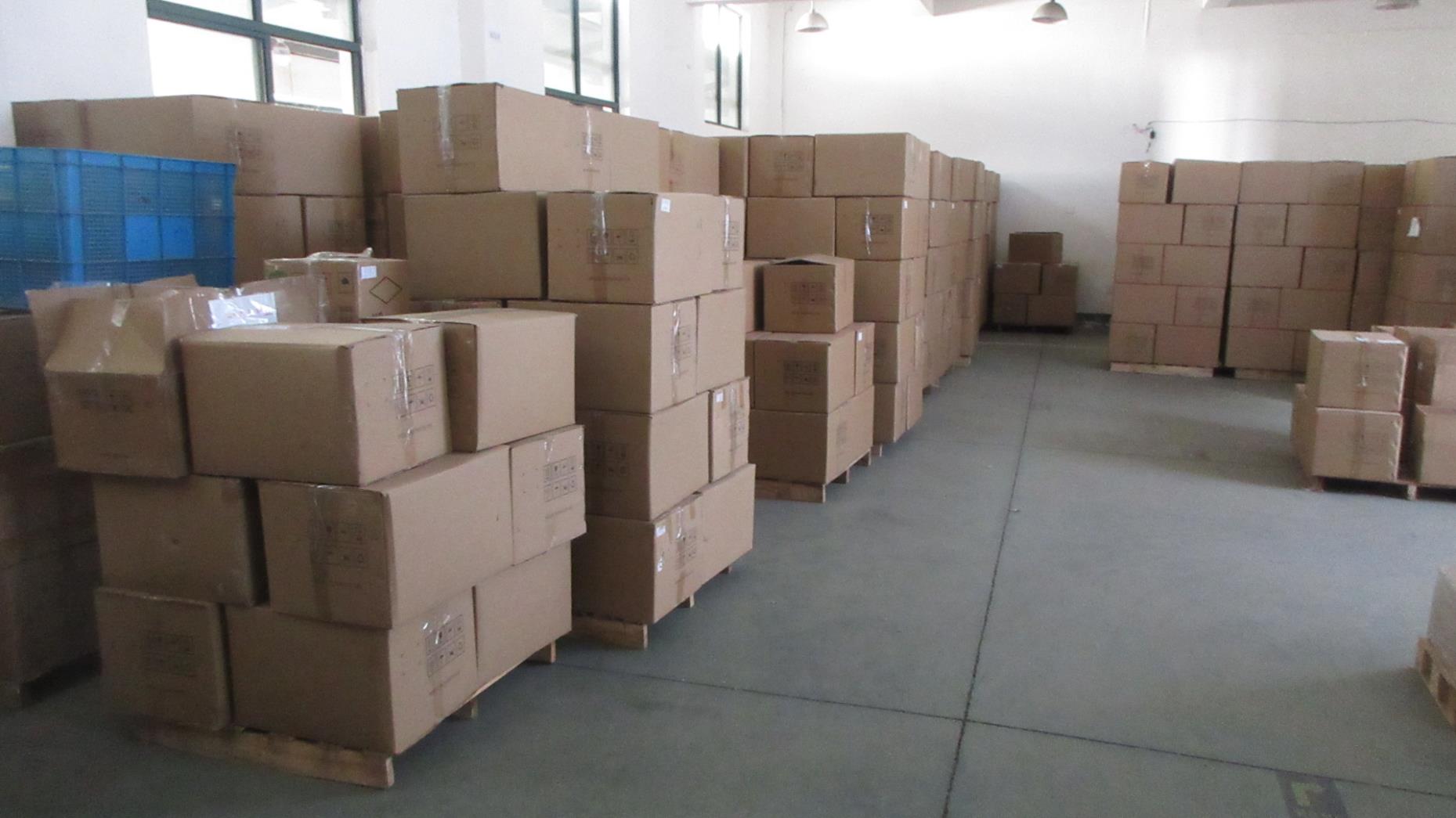
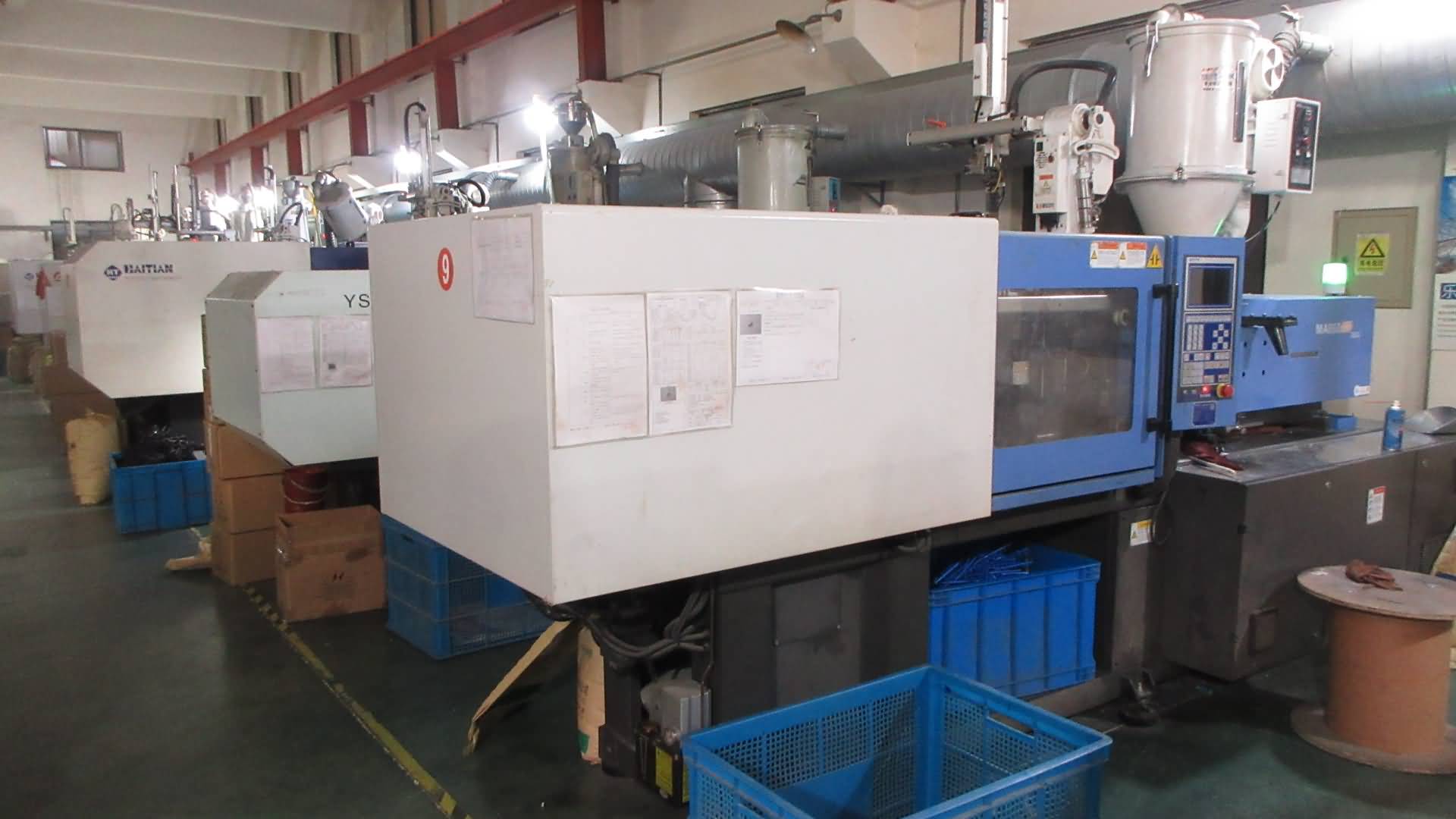
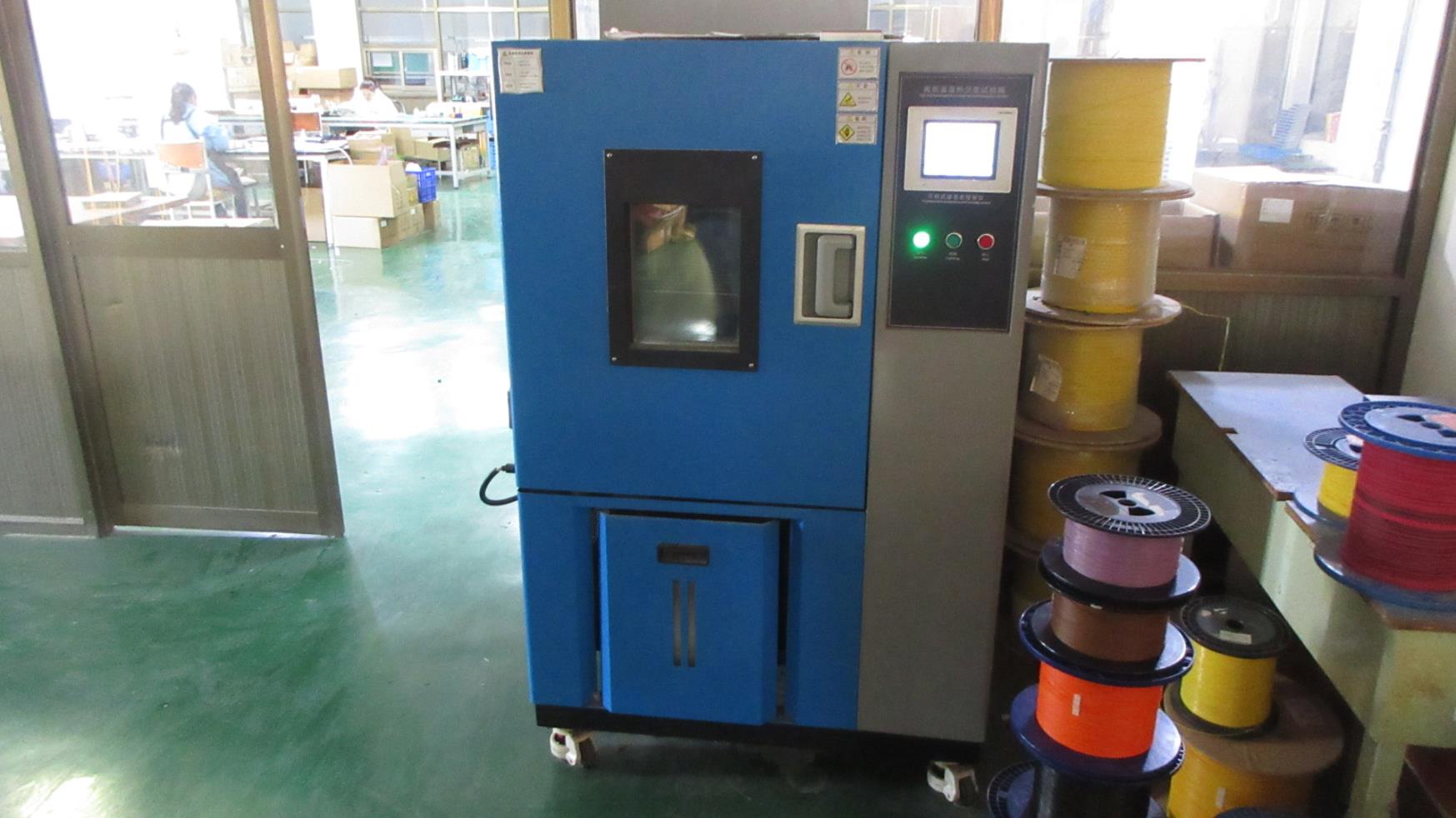
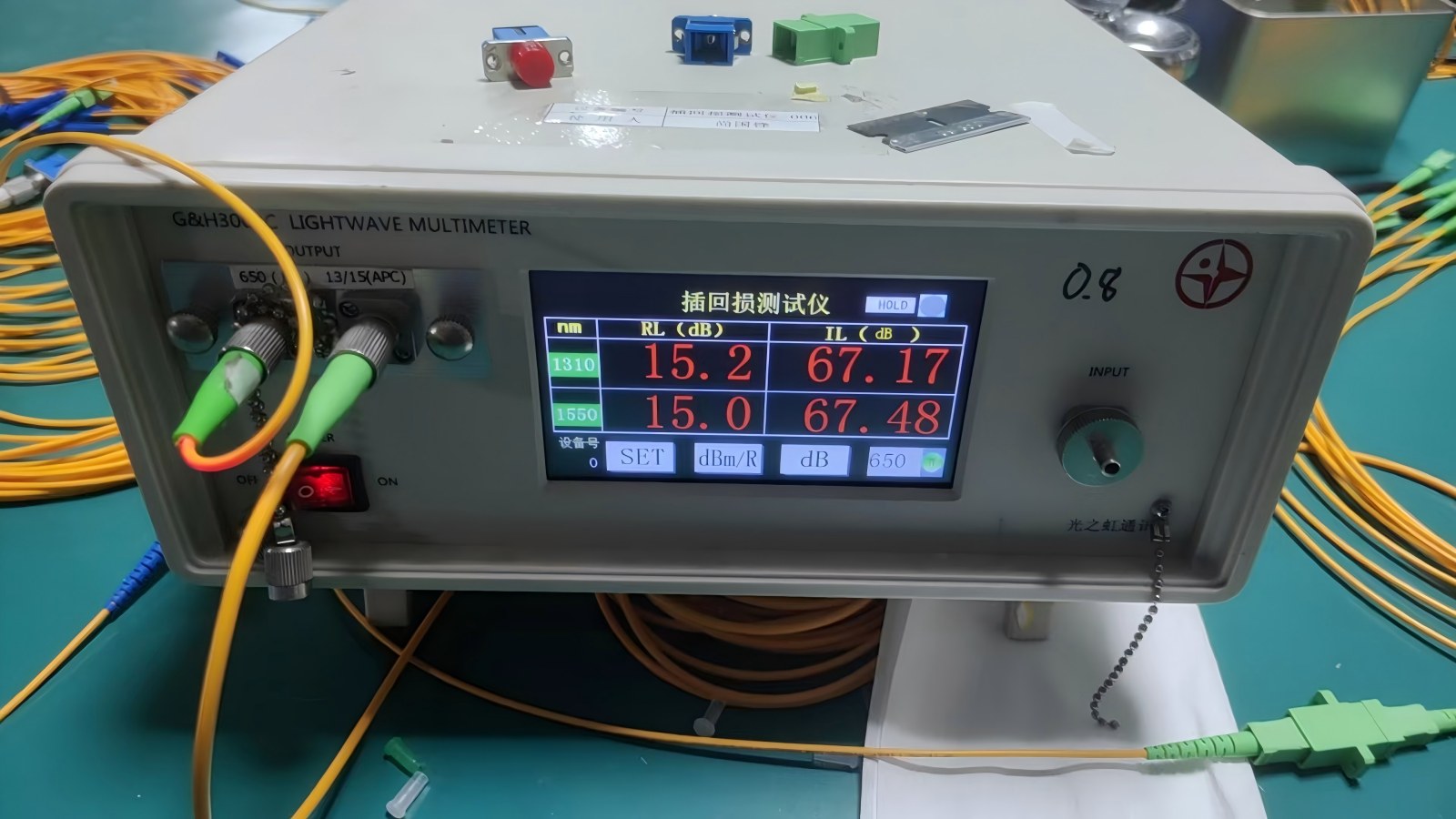
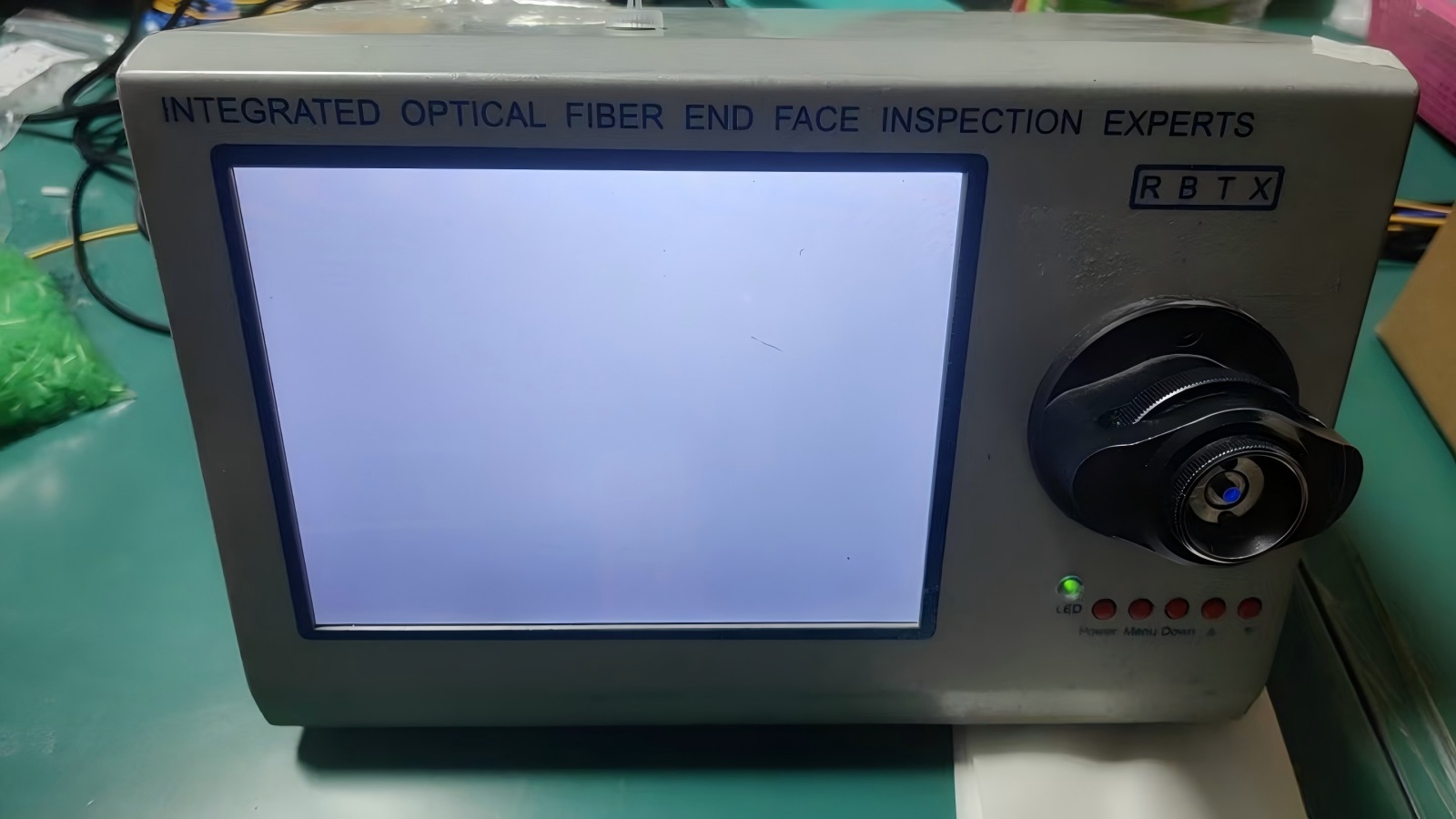 Integrated Optical Fiber End Face Inspection Process & Quality Control Systems
At Equip-Link, we leverage our comprehensive 68-person R&D engineering pool to support deep customization requests. We understand that localized telecommunication loops, digital carrier channels, and industrial interfaces demand unique electrical solutions. Over the past year, we developed and launched 126 new configurations to meet custom project requirements.
Whether your infrastructure relies on proprietary pinouts, specialized internal resistor arrays to damp signaling spikes, or specific latching configurations to resist operational vibration, our engineering division delivers components matching your requirements.
Our RJ45 to RJ11 products conform to the following baseline structural and electrical requirements, ensuring top performance:
| Parameter | Specification Value |
|---|---|
| Contact Resistance | < 20 mΩ (milliohms) max |
| Insulation Resistance | > 500 MΩ (megohms) at 500V DC |
| Dielectric Strength | 1000V AC RMS 60Hz, 1 min |
| Material Flame Rating | UL 94V-0 Compliant Polycarbonate |
| Gold Plating | 3u" to 50u" Gold over Nickel |
| Durability | > 1000 mating cycles minimum |
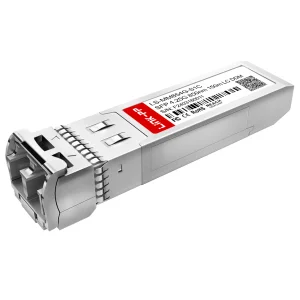
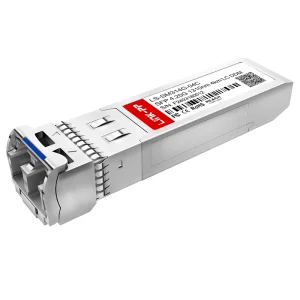
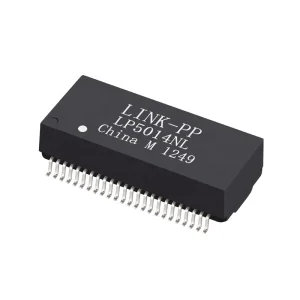
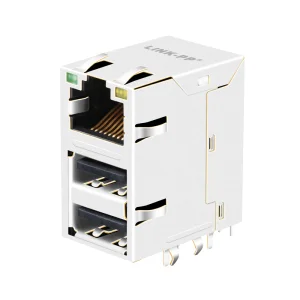
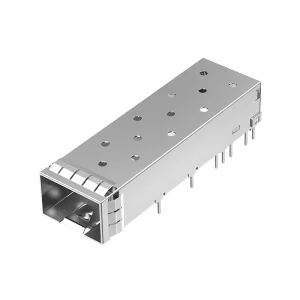
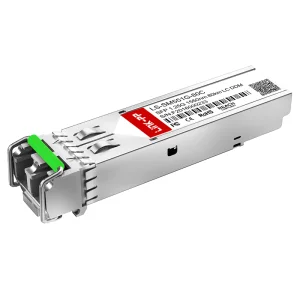
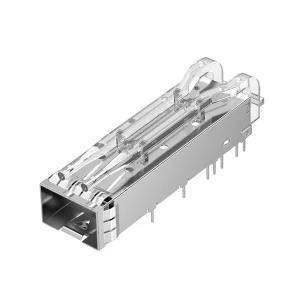
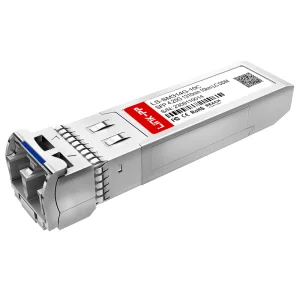
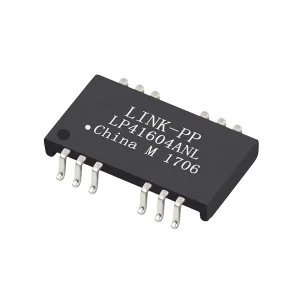
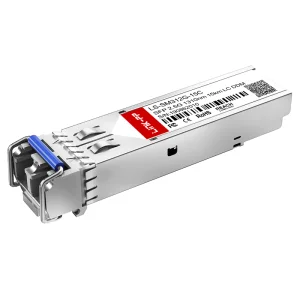
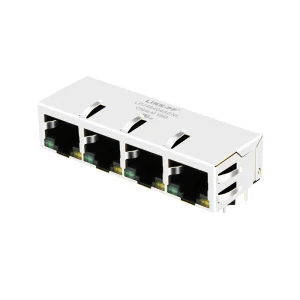
Explore our expanded network infrastructure lines including transceivers, filter modules, and replacement metal cages.
How diverse industrial networks implement RJ45 to RJ11 hardware to solve migration issues.
Operating companies throughout Canada and the US regularly maintain legacy DSL systems and PSTN elements alongside high-speed backhauls. Our adapters allow field technicians to connect standard testing equipment to RJ11-based cross-connect blocks without requiring costly, specialized toolkits.
Smart metering infrastructure in utility networks relies heavily on serial RS-485 / RS-232 pathways, often routed through RJ11 physical connections. Combining these channels into RJ45 switches in concentrated patch bays requires robust, noise-shielded adapter interfaces.
For businesses in Brazil and Mexico updating physical PBX systems to virtualized VoIP networks, matching existing RJ11 analogue telephone handsets with Cat5e/Cat6 RJ45 patch panels requires highly reliable modular adapters to prevent connection drops.
Clear answers to complex technical questions on signal conversion, pin-mapping, and interface standards.
The RJ45 connector is an 8P8C (8 position, 8 contact) interface primarily used in Ethernet networks to transmit high-speed data. The RJ11 connector is a smaller 6P4C or 6P2C (6 position, 4 or 2 contact) interface historically designed for analog telephone lines. The physical dimensions differ, meaning an RJ11 plug cannot fit securely in an RJ45 jack without a specialized adapter, and connecting them directly can damage the contact pins.
Yes, but with strict limitations. Standard PoE (802.3af/at) utilizes specific wire pairs in an 8-wire RJ45 configuration. Since an RJ11 connector only contains 2 or 4 active wires, you must ensure the adapter's pin mapping routes the PoE carrying pins to the active RJ11 contacts. Additionally, the wire gauge must be rated to handle the electrical current without causing heat buildup or signal loss.
Every physical connection point introduces minor insertion loss and impedance mismatch. High-quality adapters manufactured with gold-plated contacts and shielded internal housings minimize these losses. For analog voice or low-speed serial data applications, the degradation is negligible. However, for high-frequency data networks, proper testing using instruments like an Optical Insertion Loss Tester is essential to ensure compliance.
Equip-Link provides comprehensive customization services, including private labeling, custom firmware programming for optical compatibility, adjustable wire lengths, alternative pinning configurations (USOC vs. T568B/T568A bridging), and enhanced flame-retardant casing options (UL94-V0) designed for critical telecom infrastructure.