Equip-Link
Equip-Link
Equip-Link
Industrial-grade RJ45 magnetic modules, transceivers, and optical modules configured for performance prototyping boards.
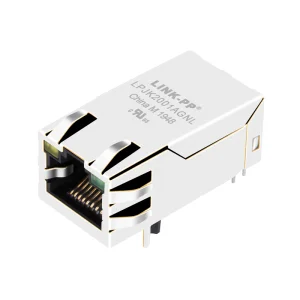
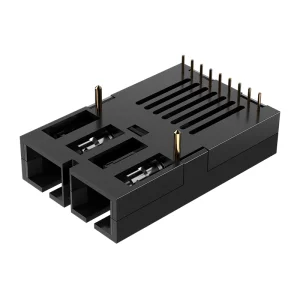
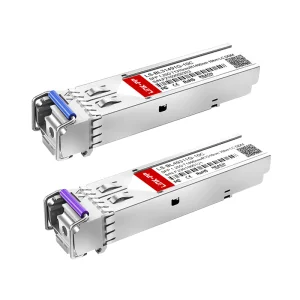
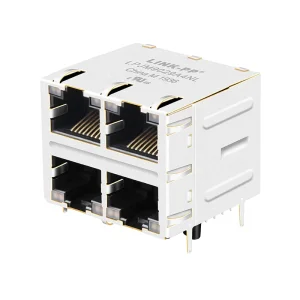
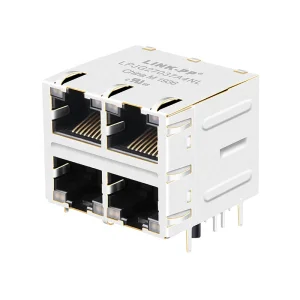
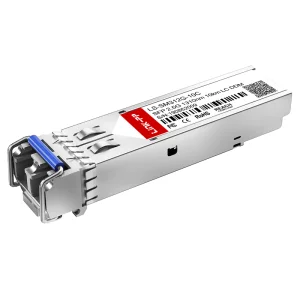
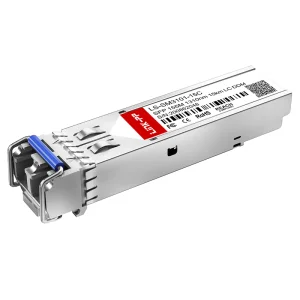
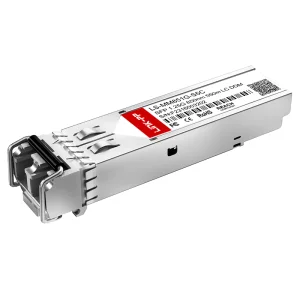
A Comprehensive Whitepaper on Signal Integrity, Hardware PHY Integration, and Sub-Nanosecond Latency Validation
Modern high-speed network prototyping requires deep hardware-level design precision. As Ethernet architectures progress from 1GbE towards Multi-Gigabit (10G/25G/100G) speeds, developing prototyping boards demands advanced layers of design expertise. Engineers must mitigate differential impedance mismatches, high-frequency signal attenuation, and electromagnetic interference (EMI).
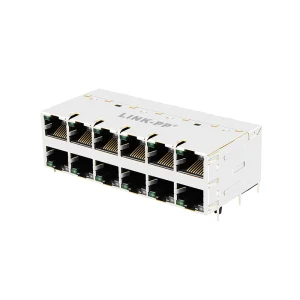
Prototyping boards serve as critical sandboxes where engineers integrate complex PHY (Physical Layer) silicon with high-speed interface connectors, magnetic components, and optical modules. Key elements, such as the RJ45 magnetic jack interface, must be isolated and shielded to prevent common-mode noise propagation, ensuring that clean, stable signals reach the processing core under harsh testing parameters.
Signal integrity is the ultimate limiting factor in modern physical layer systems. At transmission rates above 1 Gbps, traces act as transmission lines rather than simple conductors. Prototyping board routing must adhere strictly to 100-ohm differential impedance design parameters. Mismatches here will reflect energy back to the source, corrupting packets and elevating Bit Error Rates (BER).
Equip-Link addresses these design challenges through comprehensive simulation and hardware validation. Combining state-of-the-art optical and electrical performance analyzers with tight quality control measures allows us to supply components that reliably support high-speed prototyping without compromising signal integrity.
Explore our ISO-certified facilities dedicated to raw materials, injection molding, precise assembly, and rigorous testing.

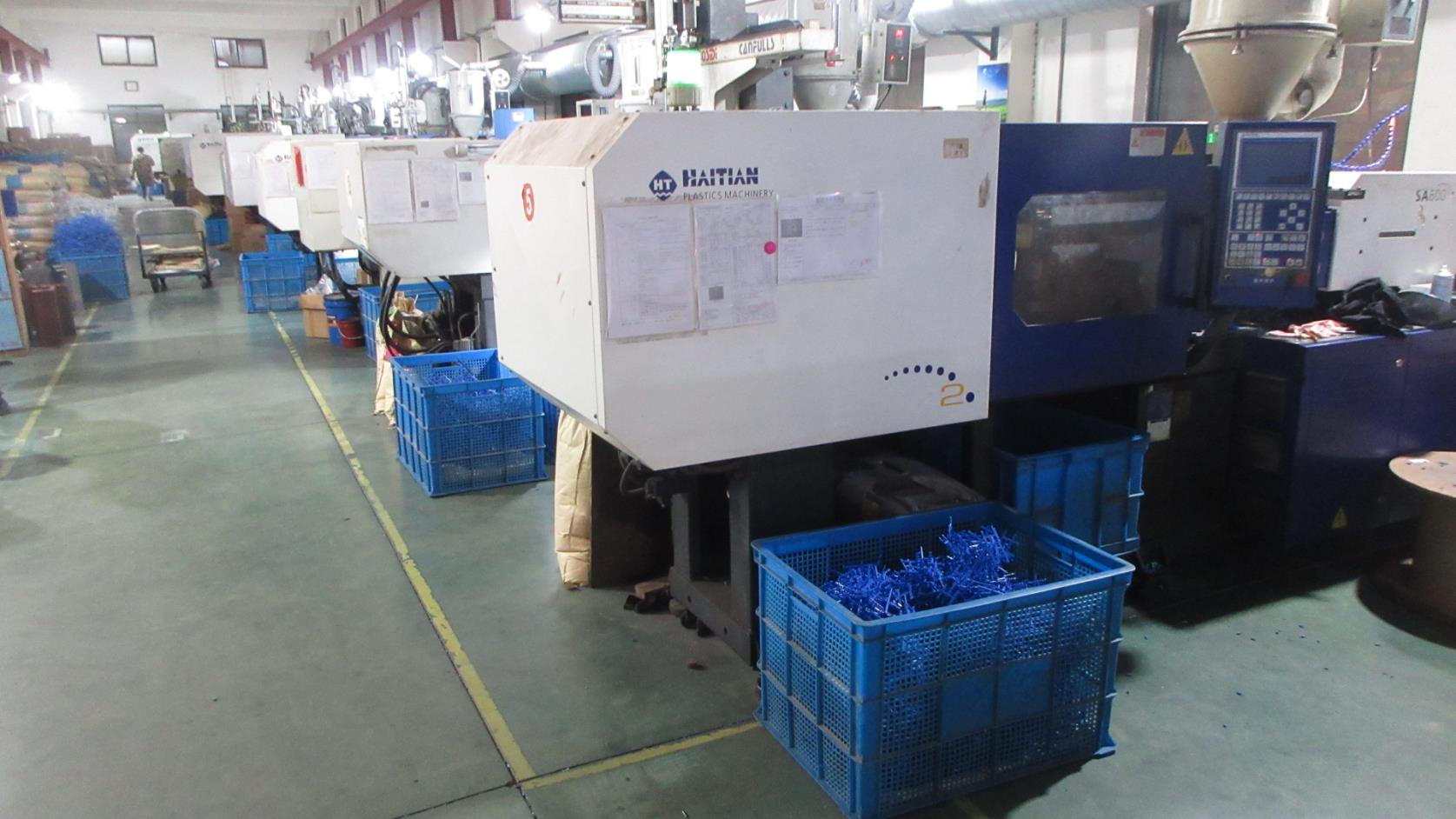
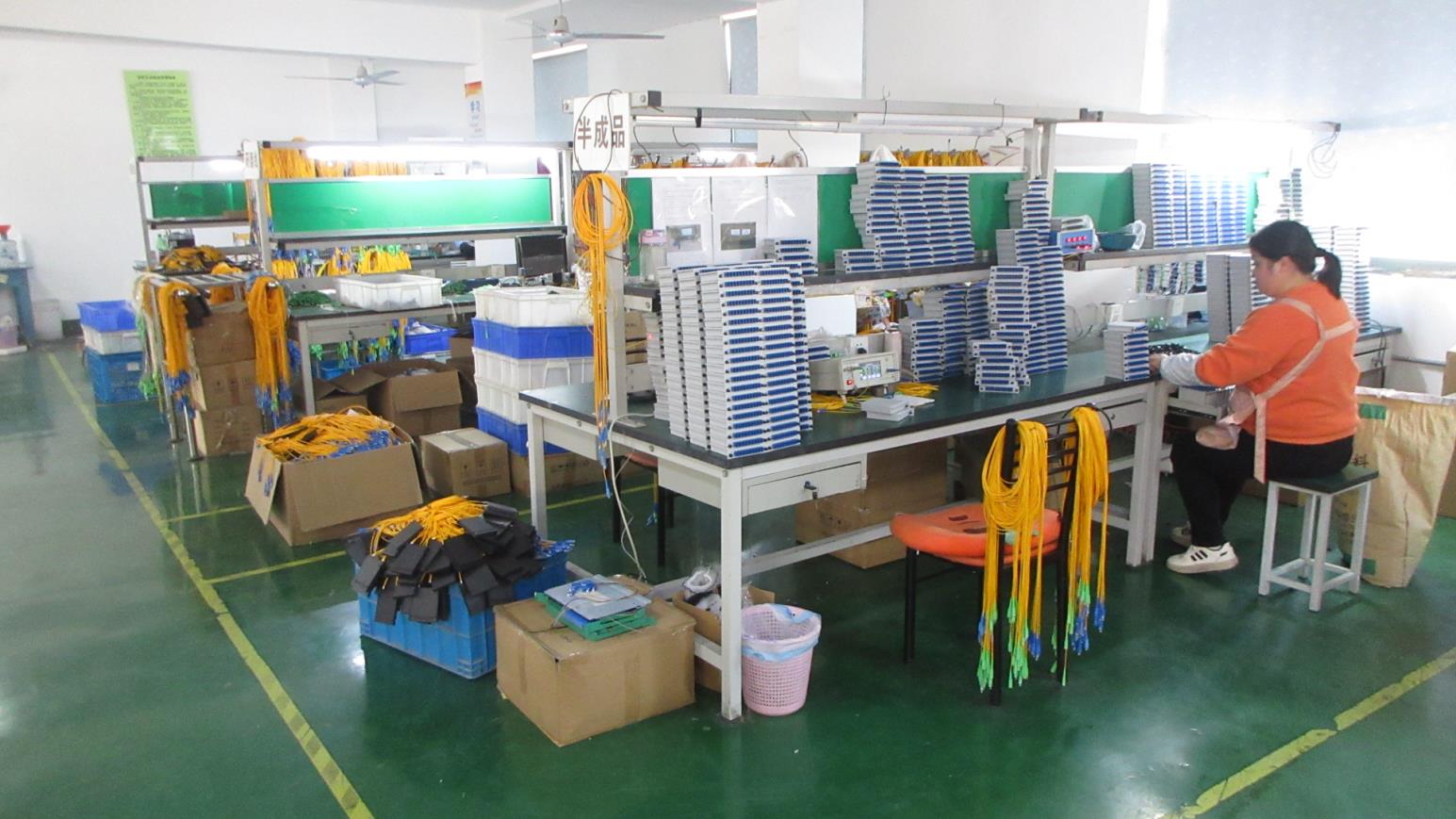
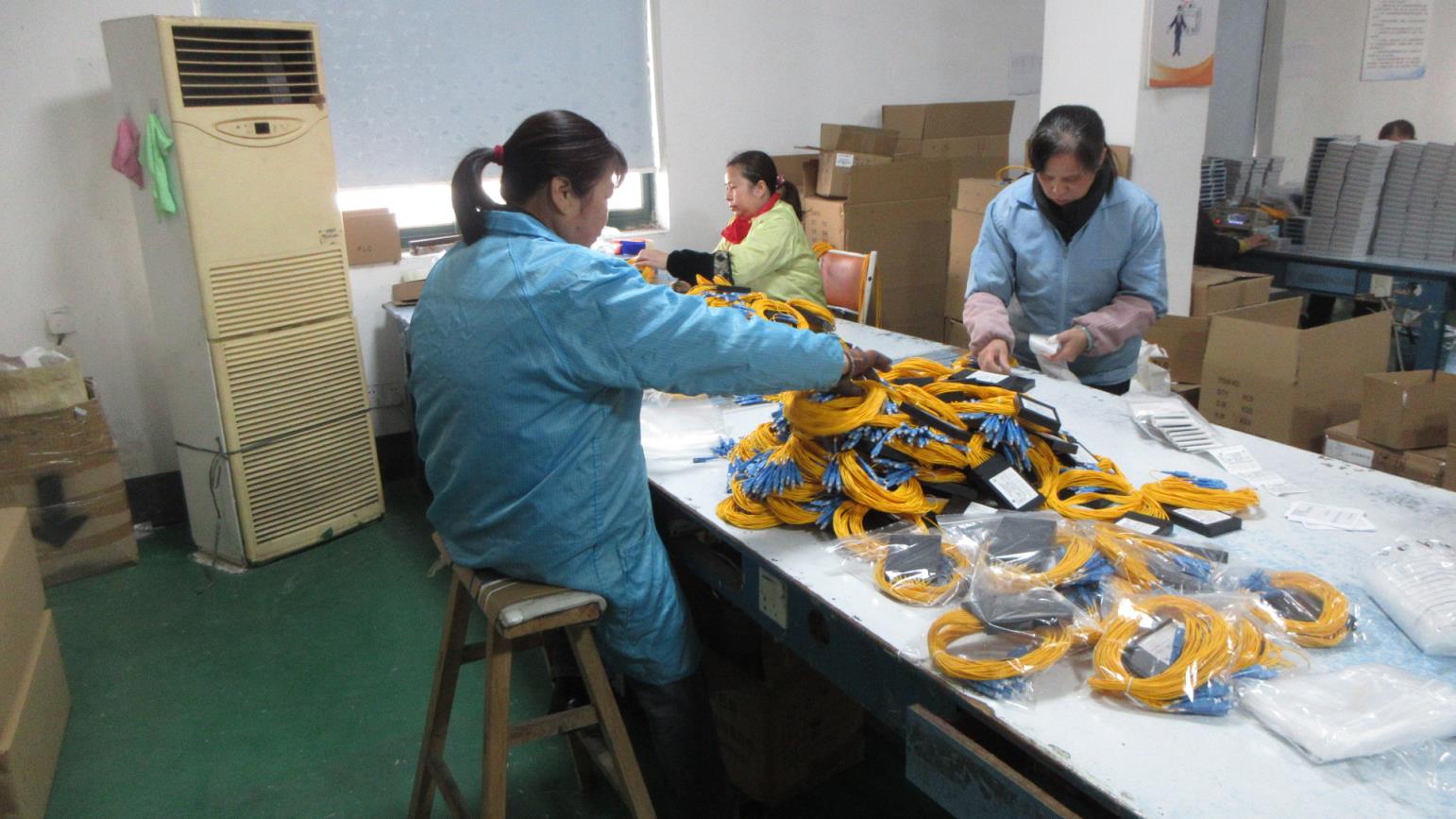

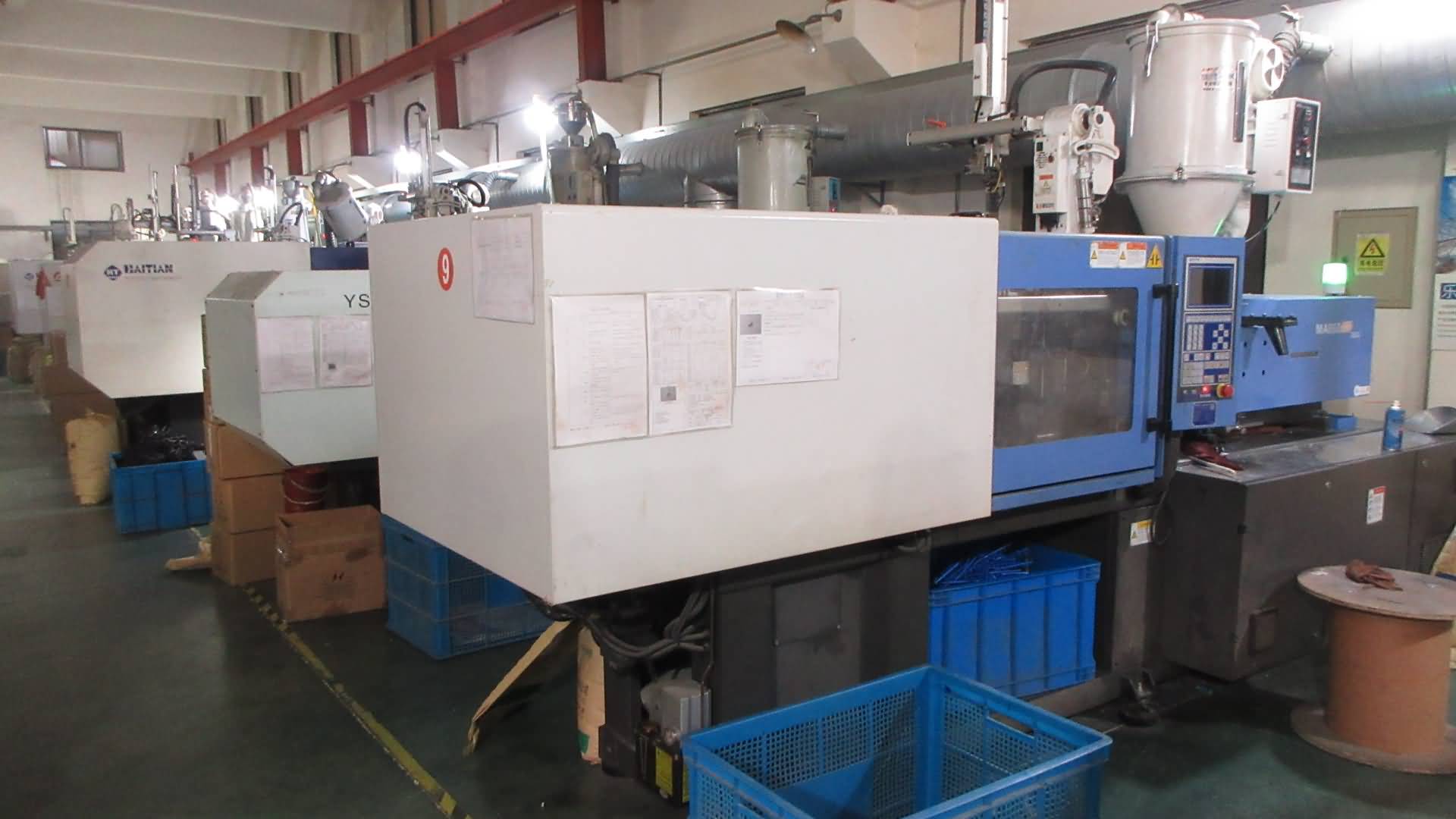
Ensuring compliance, reliability, and zero-defect deployments for global high-speed networking projects.
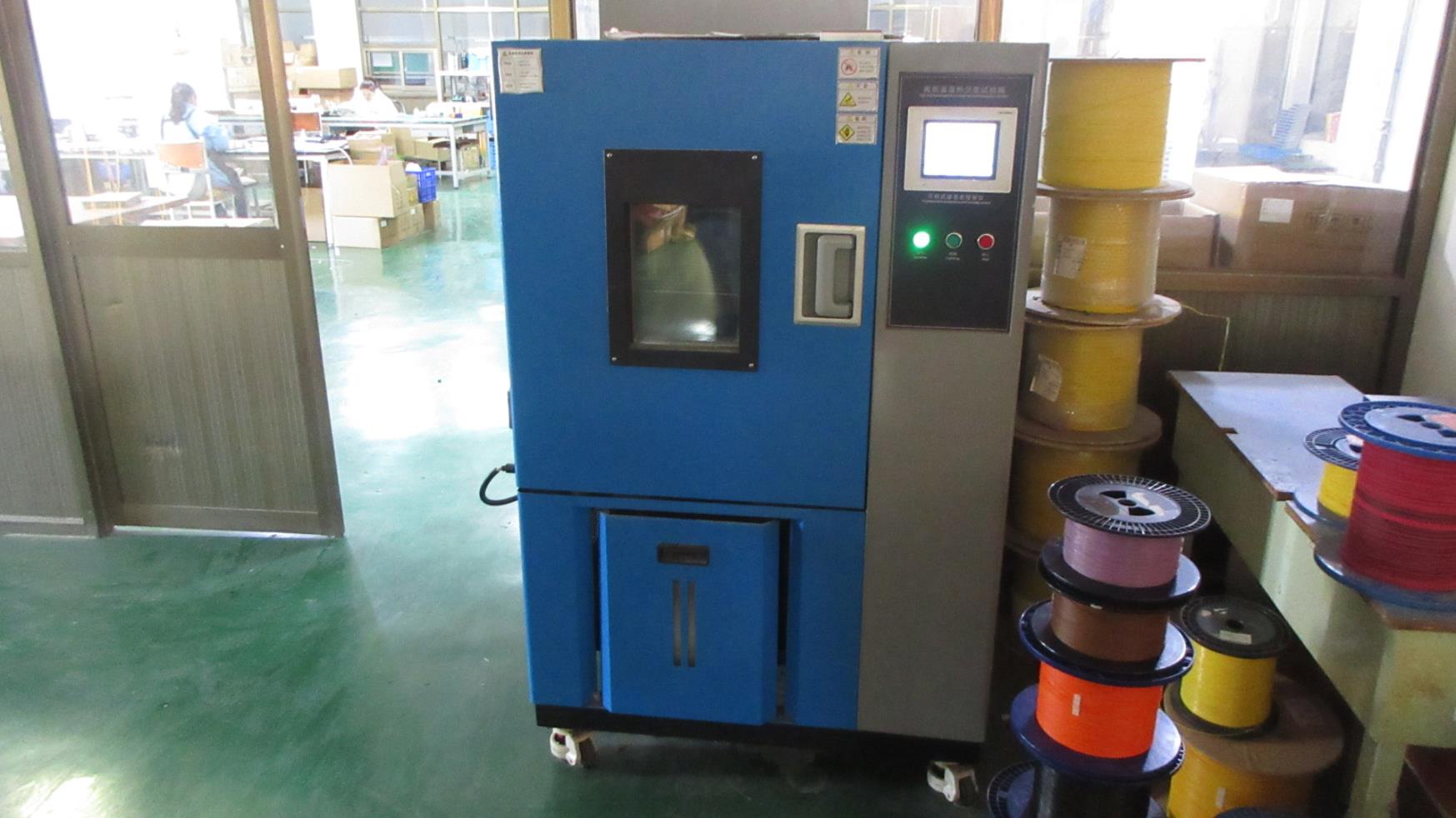
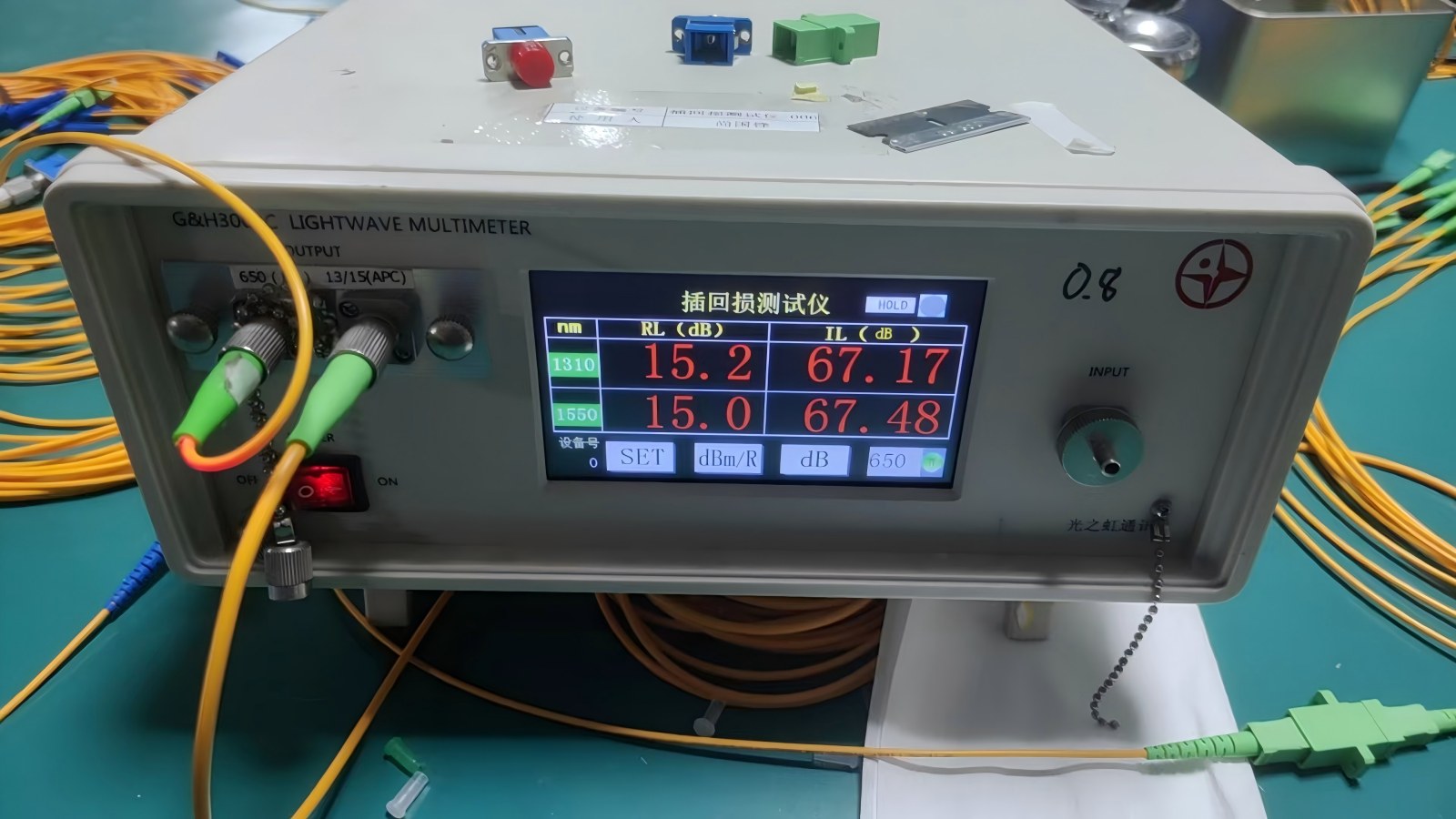
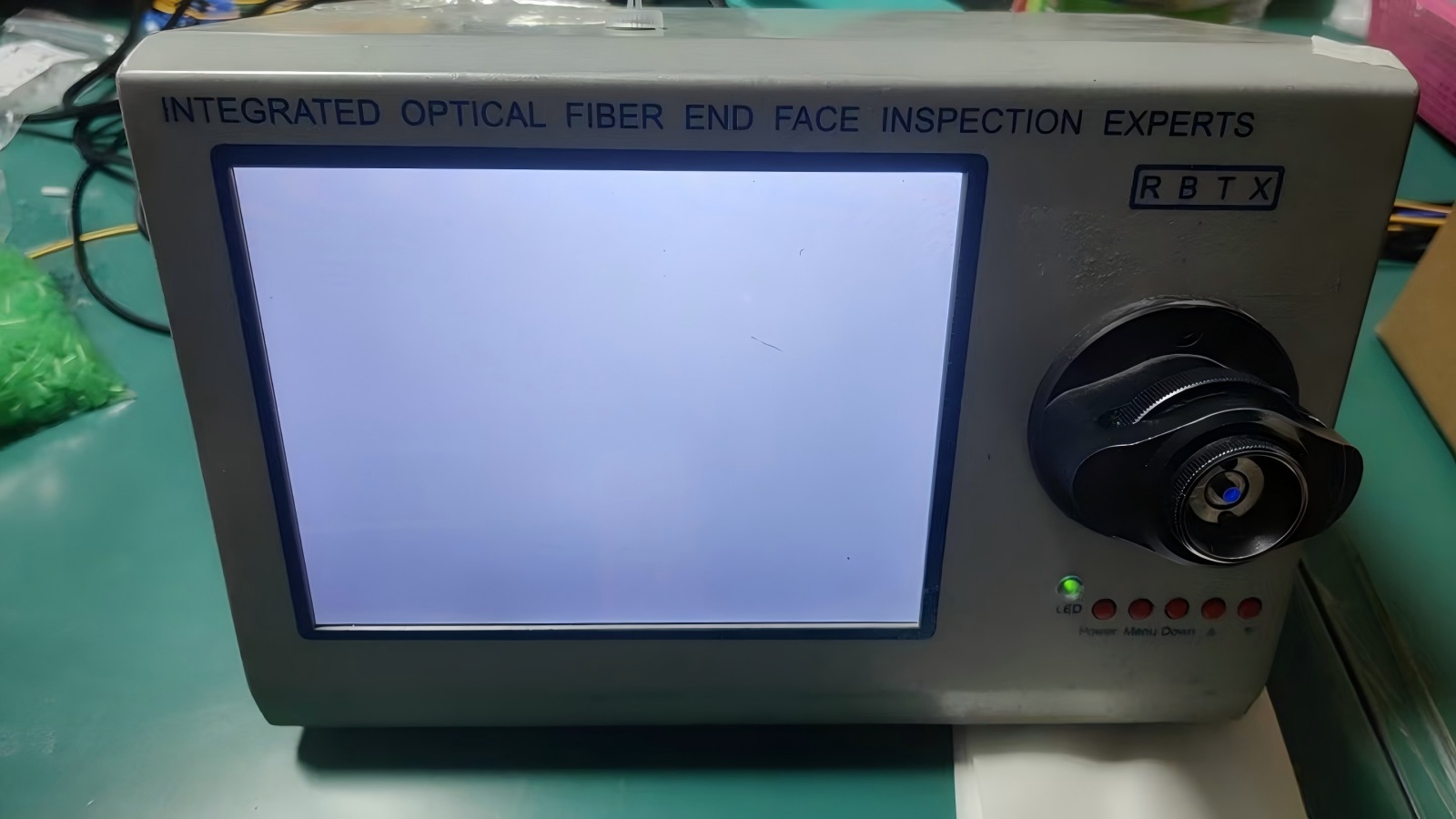
Founded in 2017, Equip-Link Intelligent Equipment (Shenzhen) Co., Ltd. is a leading manufacturer and supplier of high-performance optical transceivers and fiber optic communication solutions. We specialize in the design, development, production, and global distribution of optical modules for data centers, telecommunications networks, enterprise networking, cloud computing, and AI infrastructure applications.
Our modern manufacturing facility covers an area of 380 square meters and is equipped with advanced production and testing equipment to ensure consistent quality and reliable performance. With an annual export revenue exceeding USD 18 million, Equip-Link has established long-term partnerships with customers in more than 50 countries and regions worldwide.
With 9 years of export experience and 14 years of industry expertise, our team understands the evolving demands of global communication networks and delivers products that meet international standards for performance, compatibility, and reliability.
Quality is at the core of everything we do. We implement a comprehensive quality management system supported by incoming material inspection, in-process quality control, and final product testing. Every product undergoes rigorous testing using advanced optical and network performance analyzers before shipment. Our dedicated quality assurance team consists of 36 experienced inspectors who ensure that every product meets customer requirements and industry specifications.
As a company with a strong manufacturer and exporter background, we primarily serve customers across North America, Europe, Southeast Asia, the Middle East, and South America. Our extensive supply chain network includes more than 1,280 qualified partners, enabling us to maintain stable production capacity and efficient delivery schedules.
Our major customer groups include telecommunication operators, data center providers, network equipment distributors, system integrators, cloud service providers, and OEM/ODM brands. To support diverse market needs, Equip-Link offers flexible customization services, including private labeling, custom firmware programming, compatibility coding, packaging customization, and OEM/ODM manufacturing.
Innovation drives our growth. Our R&D department is staffed by 68 professional engineers dedicated to developing next-generation optical communication technologies. In the past year alone, we successfully launched 126 new products, further expanding our portfolio of high-speed optical transceivers, including 10G, 25G, 40G, 100G, 200G, 400G, and 800G solutions.
Why Tier-1 hardware designers choose Shenzhen and our integrated component ecosystem for their reference designs.
Shenzhen's hardware ecosystem offers unparalleled supply chain vertical integration. Components like magnetic RJ45 connectors, LAN transformers, and optoelectronic components are sourced, verified, and assembled within a minimal geographic radius. This allows for rapid turnaround on prototype design iterations.
Standard prototyping boards often fail to meet customized edge cases. Our facility specializes in custom firmware programming, compatibility coding, and flexible PCB stackup designs. Whether you need specific RJ45 LED pin configurations or specialized SFP transceiver compatibility, we tailor components to your platform.
Using modern testers like our Optical Insertion Loss Tester and High/Low Temperature damp chambers, we ensure that every board component functions across extreme limits. This translates into reliable hardware evaluations and shorter pathways to volume production.
Key technological transformations steering the design and mass production of Ethernet development ecosystems.
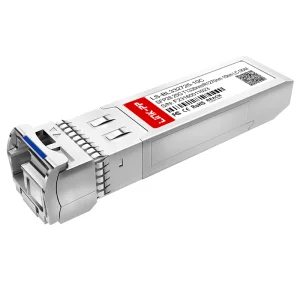
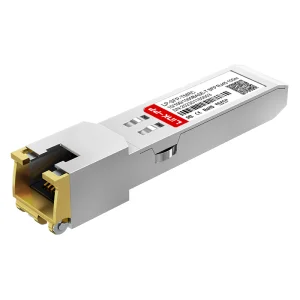
While traditional RJ45 copper interfaces remain essential for local control networks and Power over Ethernet (PoE), modern automation demands optical connectivity. Integrating high-speed 10G SFP+ or 25G SFP28 links directly into the prototype hardware enables low-latency links suitable for real-time edge processing and AI computing arrays.
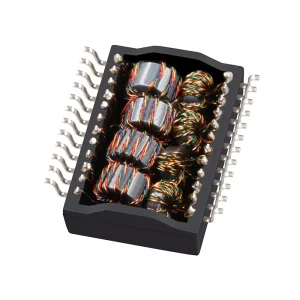
Integrating Power over Ethernet directly into industrial prototyping boards reduces cabling overhead. Modern boards demand PoE+ (802.3at) and PoE++ (802.3bt) configurations, which deliver up to 90W of power through the Ethernet cable. Achieving this requires specialized magnetic RJ45 connectors capable of handling high current loops without saturating the internal transformer cores.
Physical network layer security is a priority for critical industrial infrastructure. Contemporary prototyping platforms integrate hardware-based cryptography (MACsec - IEEE 802.1AE) directly at the PHY layer. Developing these platforms requires components that deliver predictable latency and low signal jitter to prevent timing variations during payload encryption and decryption.
Edge hardware is increasingly deployed in non-temperature-controlled environments. As a result, prototyping boards must use components rated for extended industrial temperatures (-40°C to +85°C). Utilizing environmental simulation chambers during development helps verify that optical modules and magnetic assemblies maintain optimal performance and structural integrity under thermal stress.
Providing robust connectivity components for cross-industry system implementations and infrastructure scaling.
In modern factories, deterministic communication is vital. Implementing Time-Sensitive Networking (TSN) on development boards requires highly reliable physical layer connections. Equip-Link's RJ45 connectors and magnetic modules provide the noise isolation needed to maintain low packet loss on industrial factory floors.
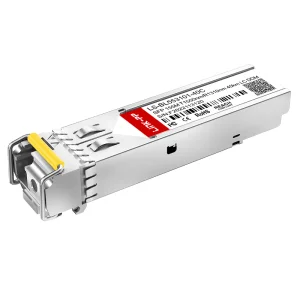
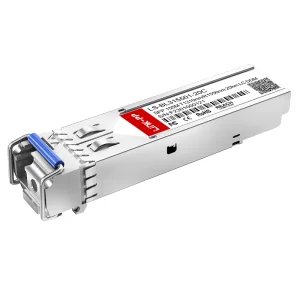
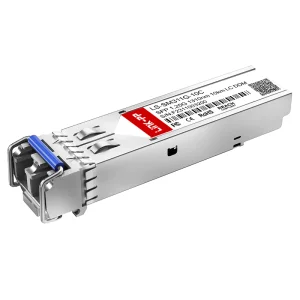
Hyperscale computing requires high-throughput interconnections. Prototyping data center network interfaces demands high-speed optical transceivers. We supply a range of fiber optic modules, from 1.25G to 25G BiDi configurations, providing data center developers with flexible options for high-density architectures.
Autonomous driving and advanced driver-assistance systems (ADAS) require high-bandwidth communication protocols. Designers use automotive-grade Ethernet components to prototype in-vehicle control networks, ensuring fast, deterministic data paths between central compute units and sensor arrays.
Addressing engineering and procurement inquiries regarding Ethernet physical layers, optical module selection, and hardware integration.
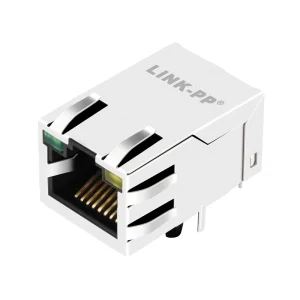
Integrate these components into your Ethernet hardware projects, including transceivers, inverted RJ45 modular jacks, and LAN transformers.