Equip-Link
Equip-Link
Equip-Link
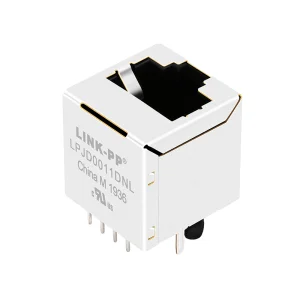
In the era of rapid digital transformation, cloud computing, and AI-driven infrastructures, physical layer connectivity remains the unsung hero of network integrity. The Cat5e RJ45 connector, structured on the Registered Jack 45 (8P8C) standard, acts as the primary hardware interface that links twisted-pair copper cabling to active networking equipment. Although newer cable categories like Cat6 and Cat6a have emerged, Category 5e (Cat5e) remains a global standard for cost-effective Gigabit Ethernet deployments (1000BASE-T) due to its high adaptability, proven stability, and bandwidth capability of up to 100 MHz.
"A network is only as strong as its weakest termination. Selecting the right Cat5e RJ45 plug manufacturer ensures that your signal attenuation, insertion loss, and Near-End Crosstalk (NEXT) remain well within the limits required by ANSI/TIA-568.2-D standards."
When sourcing modular plugs at an industrial scale, understanding the structural and material variations becomes crucial. Quality connectors are defined by the thickness of their gold plating, the durability of their polycarbonate shell, and the precision design of their internal contacts. Whether used in unshielded twisted pair (UTP) configurations for clean office environments or shielded (STP/FTP) designs to mitigate electromagnetic interference (EMI) in industrial processing units, selecting a qualified manufacturer is key to avoiding network drops and transmission failures.
Industrial-grade Cat5e RJ45 connectors feature several technical components designed for long-term network reliability:
Typically offered from flash gold up to 50 micro-inches (50u"). B2B procurements for telecom standards specify 50u" gold over nickel to prevent oxidation and ensure a minimum of 750 mating cycles.
3-prong contacts are versatile, penetrating both solid and stranded copper conductor wires to establish a gas-tight mechanical connection, maximizing electrical conductivity.
Engineered using high-grade UL 94V-2 or UL 94V-0 flame-retardant polycarbonate. This material provides high flexibility to prevent the retention latch from breaking off during routing.
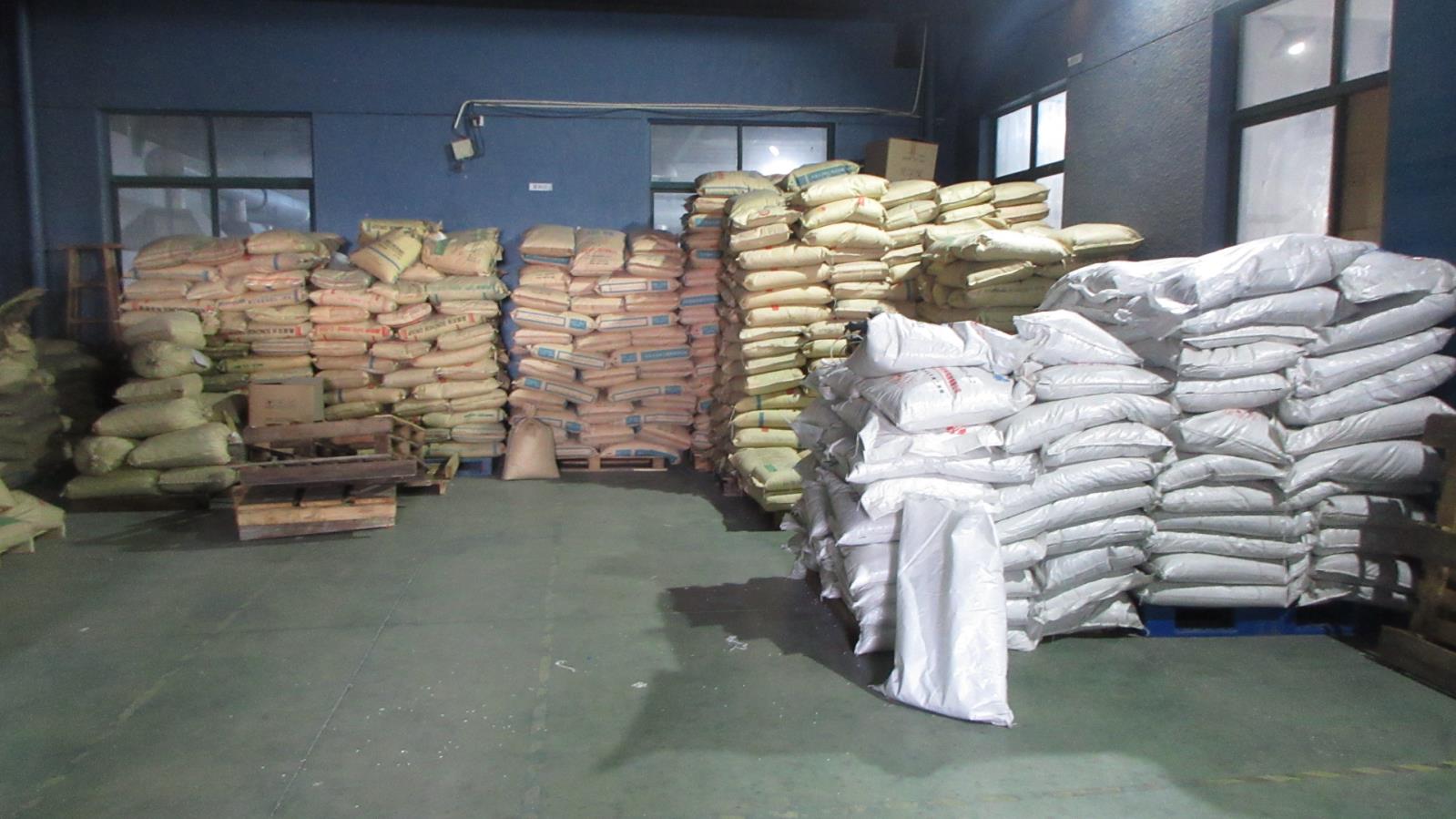
China has established itself as the global hub for raw material sourcing, precision injection molding, and assembly of network connectors. B2B buyers choose Chinese manufacturers not just for cost efficiency, but for advanced technical ecosystems, integrated supply chains, and extensive manufacturing capacity.
From copper refineries that produce high-purity phosphor bronze pins to specialized chemical plants manufacturing UL-certified polycarbonate, China's hardware manufacturing hubs concentrate raw material suppliers in close proximity. This localization allows companies like Equip-Link Intelligent Equipment (Shenzhen) Co., Ltd. to quickly source materials, cut lead times, and remain resilient against global supply chain shifts.
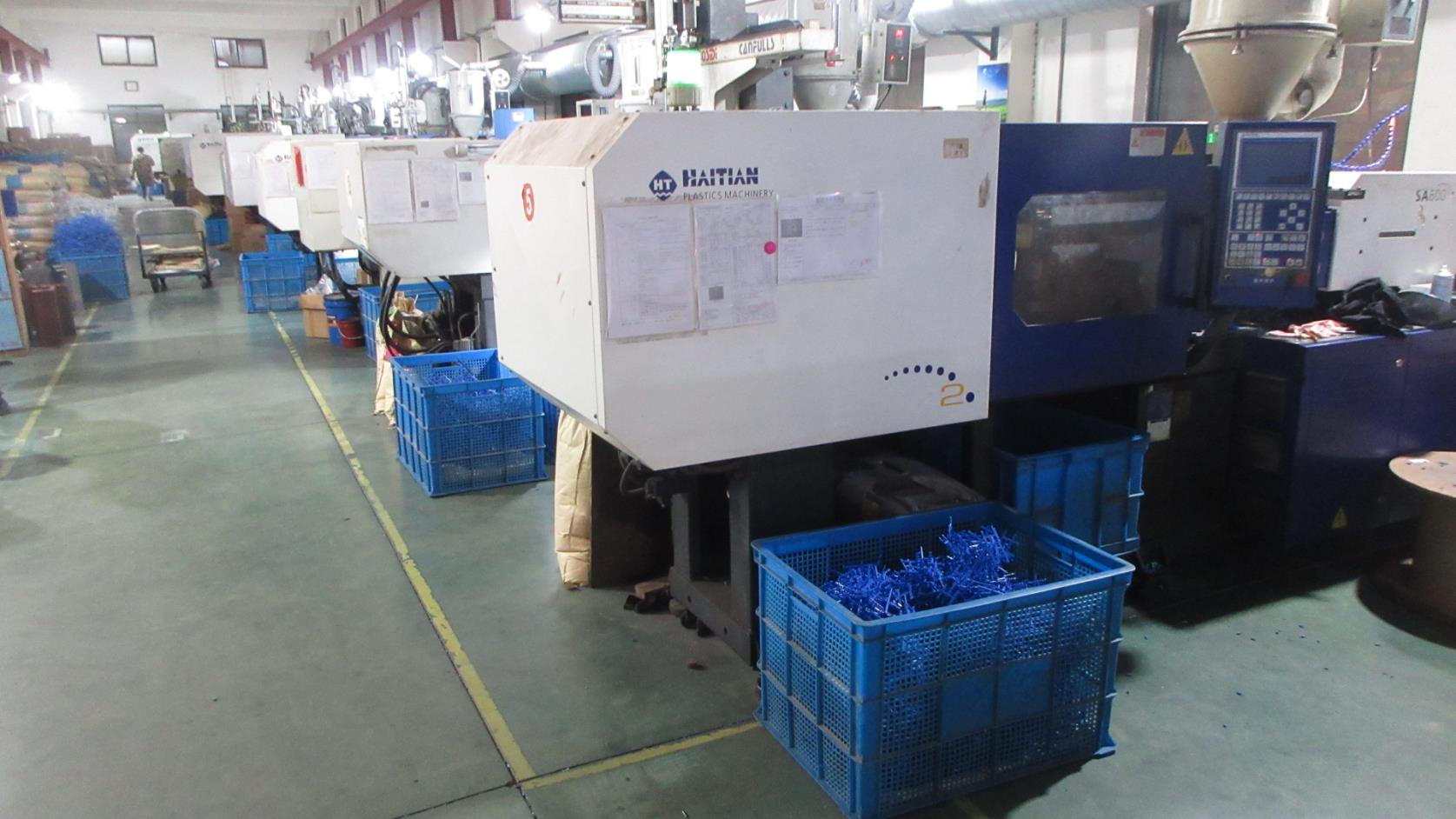
An RJ45 modular plug requires micro-molding precision down to the millimeter. Even minor deviations in contact pitch can cause high near-end crosstalk or physical alignment issues inside standard RJ45 ports. Chinese factories invest heavily in multi-cavity injection molding technology and automated insertion machinery. This automation guarantees that each contact prong is inserted at the precise angle and depth, delivering consistent performance across high-volume production runs.
Leading Chinese exporters design and manufacture components to align with international regulatory frameworks, including RoHS (Restriction of Hazardous Substances), REACH, and UL certifications. These compliance standards ensure that the plastic resins, plating metals, and internal solders contain no hazardous materials, facilitating smooth custom clearances and installation in environmentally regulated markets like Western Europe and North America.
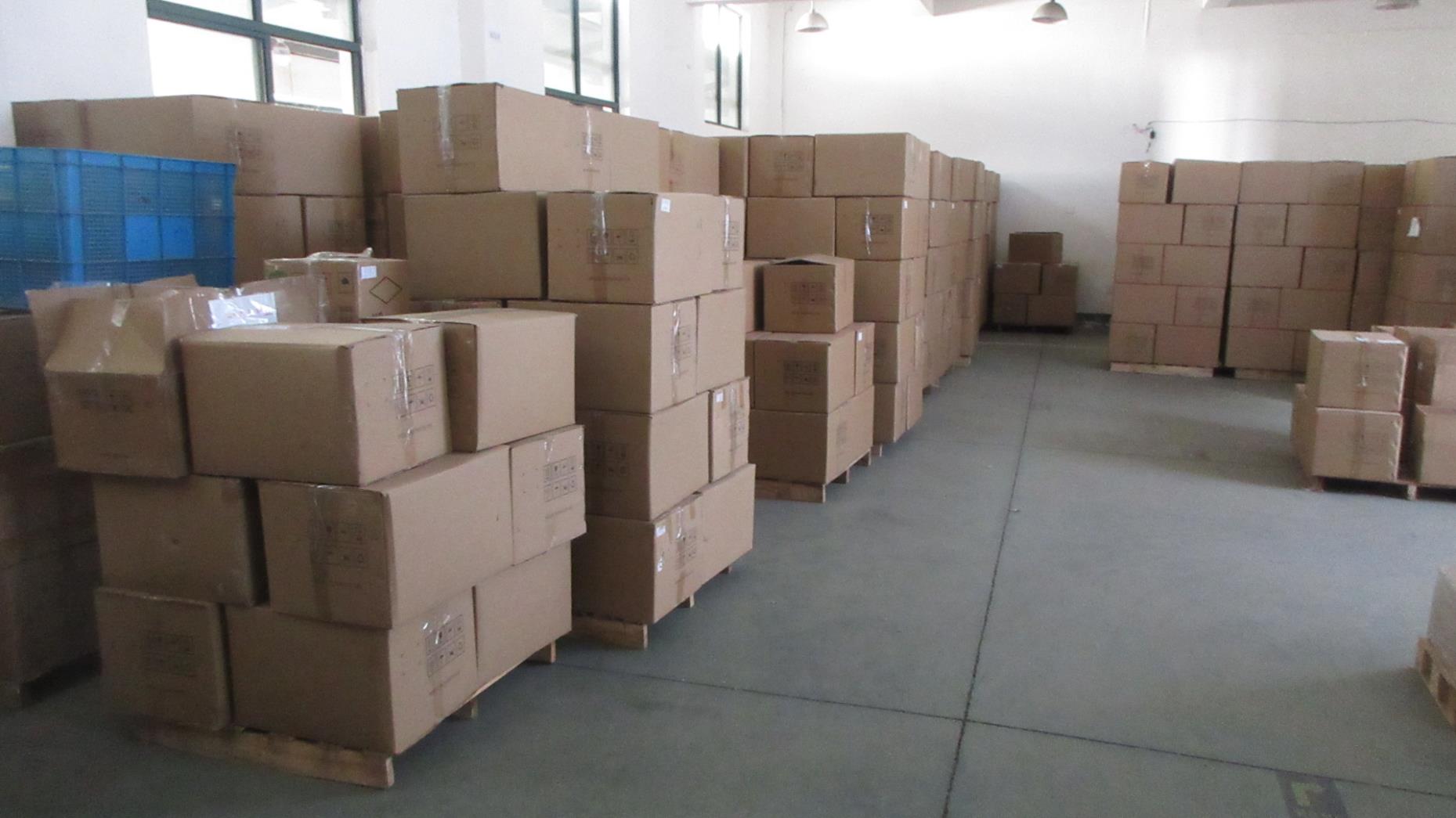
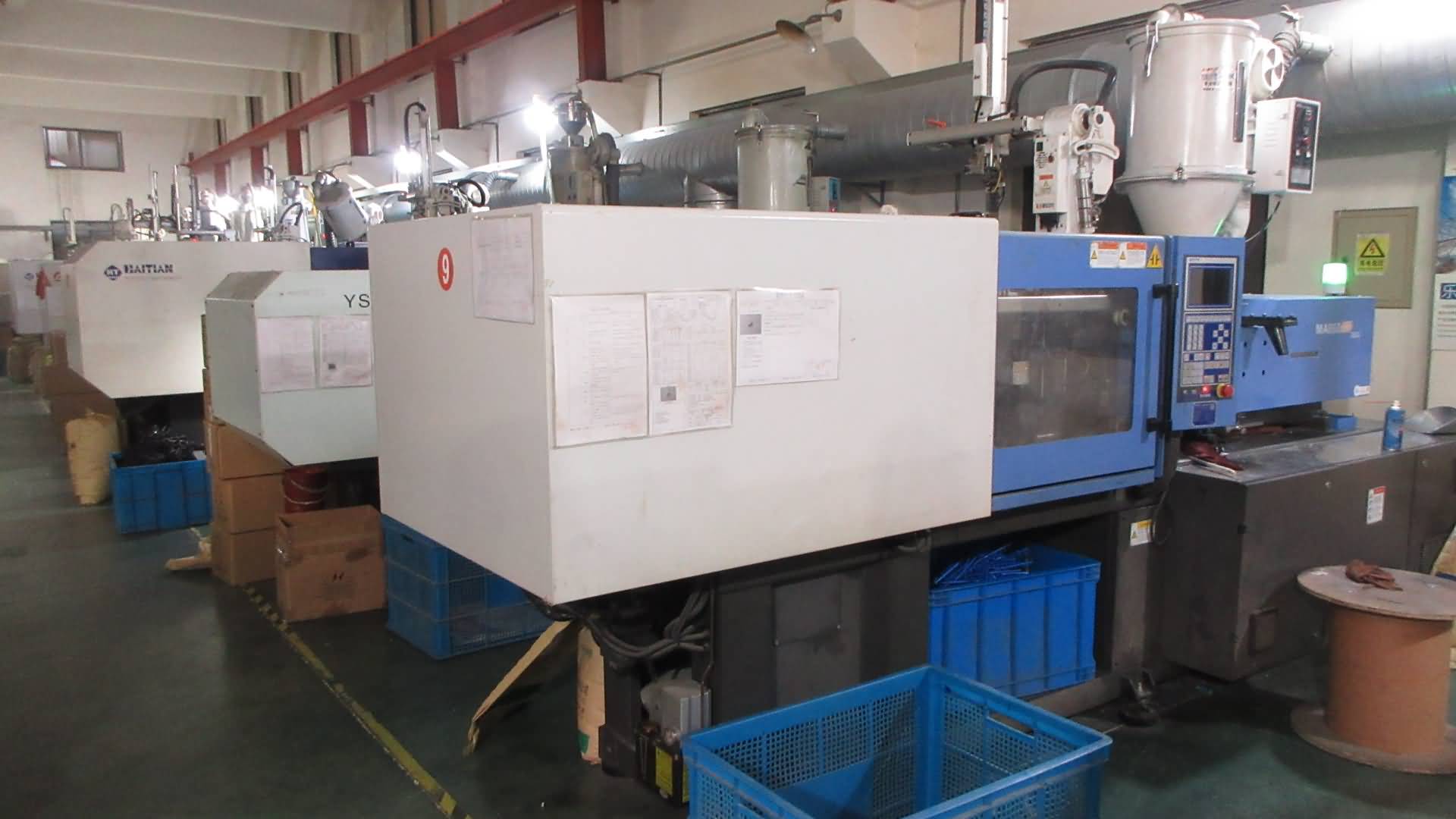
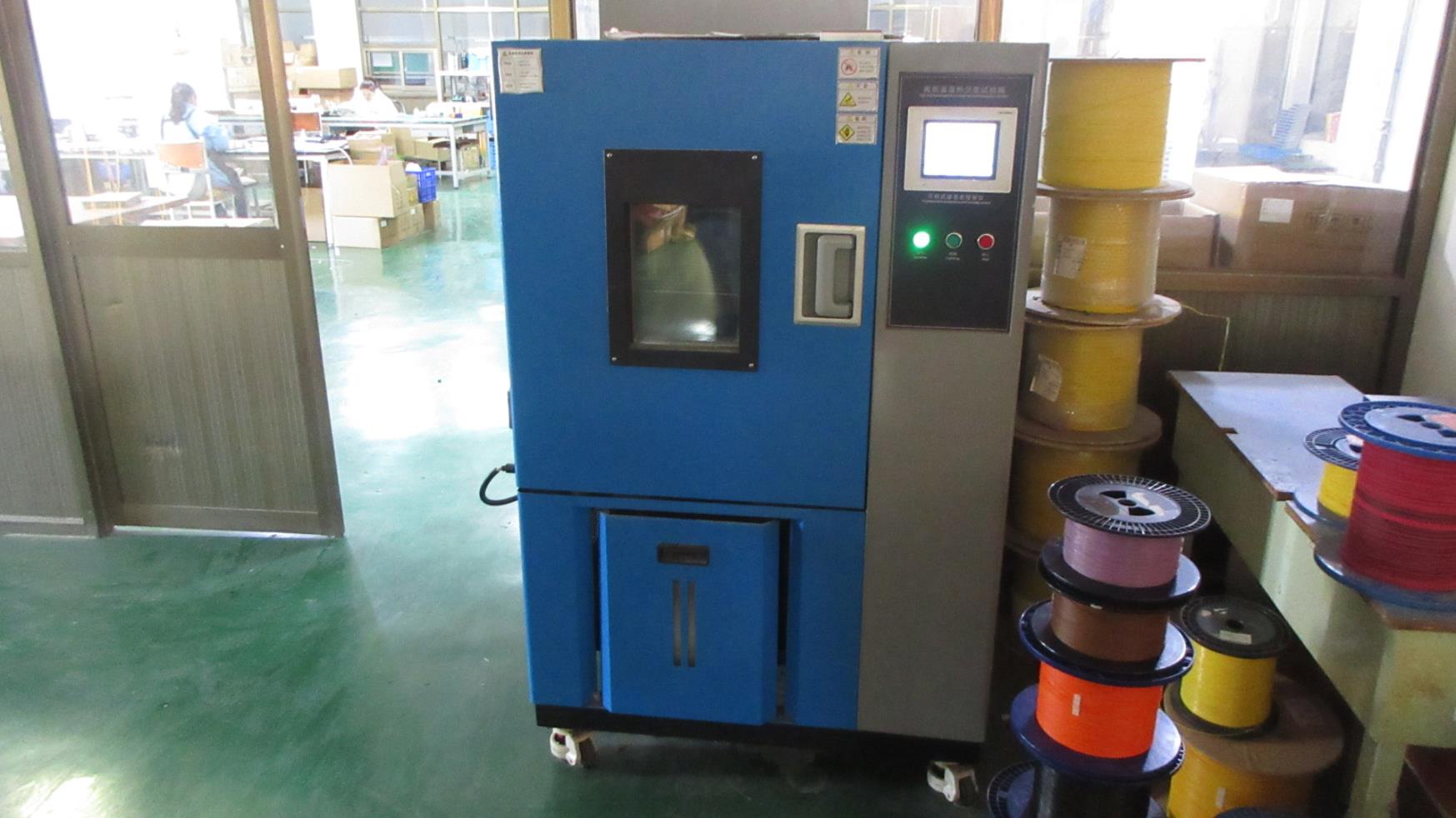
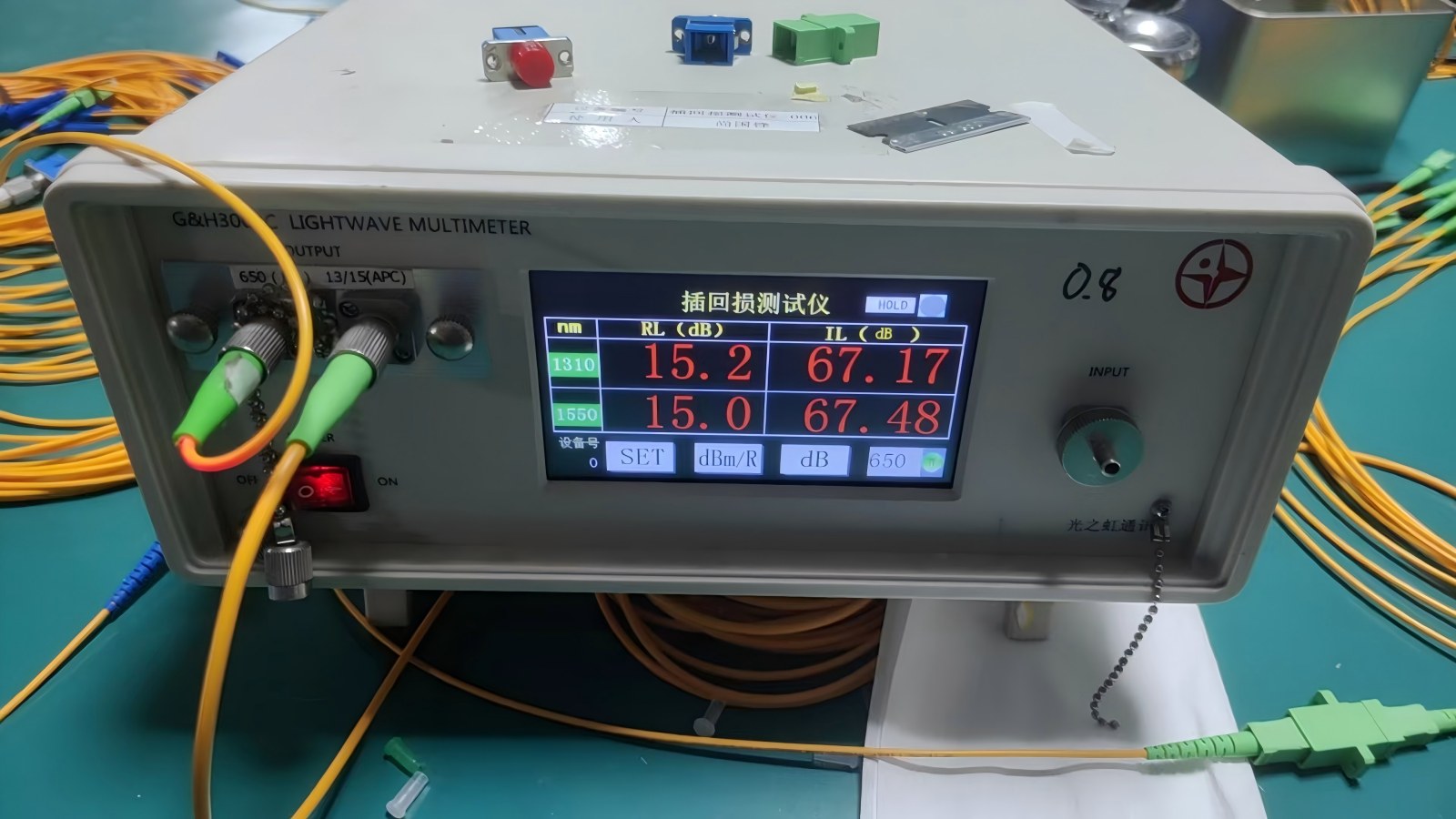
The deployment of Cat5e RJ45 plugs is not limited to typical office patch cords. They are integrated into several key industry sectors, each demanding specific mechanical and electrical configurations:
In modern enterprise office environments, structured cabling runs through walls, under floors, and within server cabinets. Standardizing on Cat5e modular connectors simplifies field terminations, enabling IT technicians to terminate custom patch cords quickly. This reliability helps minimize signal skew and reduces the time required for testing and commissioning.
With the rise of smart offices and IoT, RJ45 connectors do more than transmit data—they carry electrical current via PoE standards (IEEE 802.3af/at). High-quality Cat5e connectors feature precise prong contact with the cable conductors. This reliable mating interface prevents resistance build-up, which can lead to heat generation and potential termination failures. This level of safety is essential for IP security cameras, digital signage, and wireless access points.
Industrial settings expose network cables and connectors to physical vibrations, fluctuating temperatures, chemical vapors, and electromagnetic interference (EMI). For these applications, shielded Cat5e RJ45 plugs (with metal external shells) are used alongside shielded cabling. This configuration creates a continuous path to ground, safeguarding data transmissions from motor drives and heavy factory machinery.
| Feature | Unshielded (UTP) Connector | Shielded (STP/FTP) Connector |
|---|---|---|
| Housing Material | Clear Polycarbonate (UL 94V-2 / UL 94V-0) | Polycarbonate enclosed in a Brass/Nickel-plated shield |
| EMI Protection | None (Relies on cable wire twisting) | Excellent (Blocks high-frequency interference) |
| Primary Application | Standard offices, indoor residential routing | Industrial environments, data centers, outdoor runs |
| Installation Complexity | Low (Fast crimp, no drain wire termination) | Medium (Requires shield crimping & grounding) |
For international sourcing directors and procurement managers, evaluating an OEM/ODM supplier involves checking more than just unit pricing. A low-cost connector that experiences latch breakage or poor contact performance can lead to expensive network diagnostics and repair costs for clients.
When vetting a Chinese exporter or manufacturer, incorporate the following criteria into your Request for Proposal (RFP):
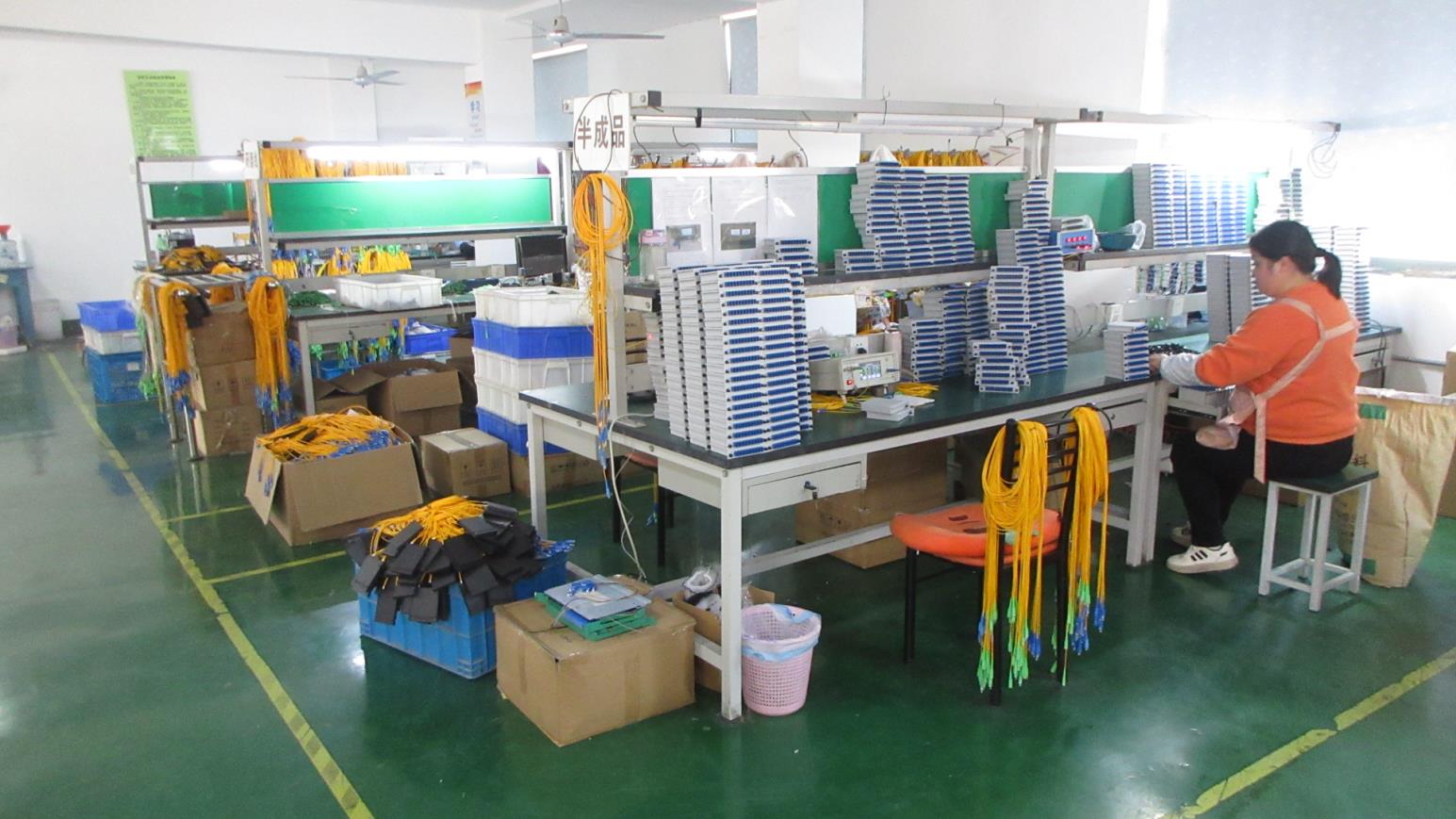
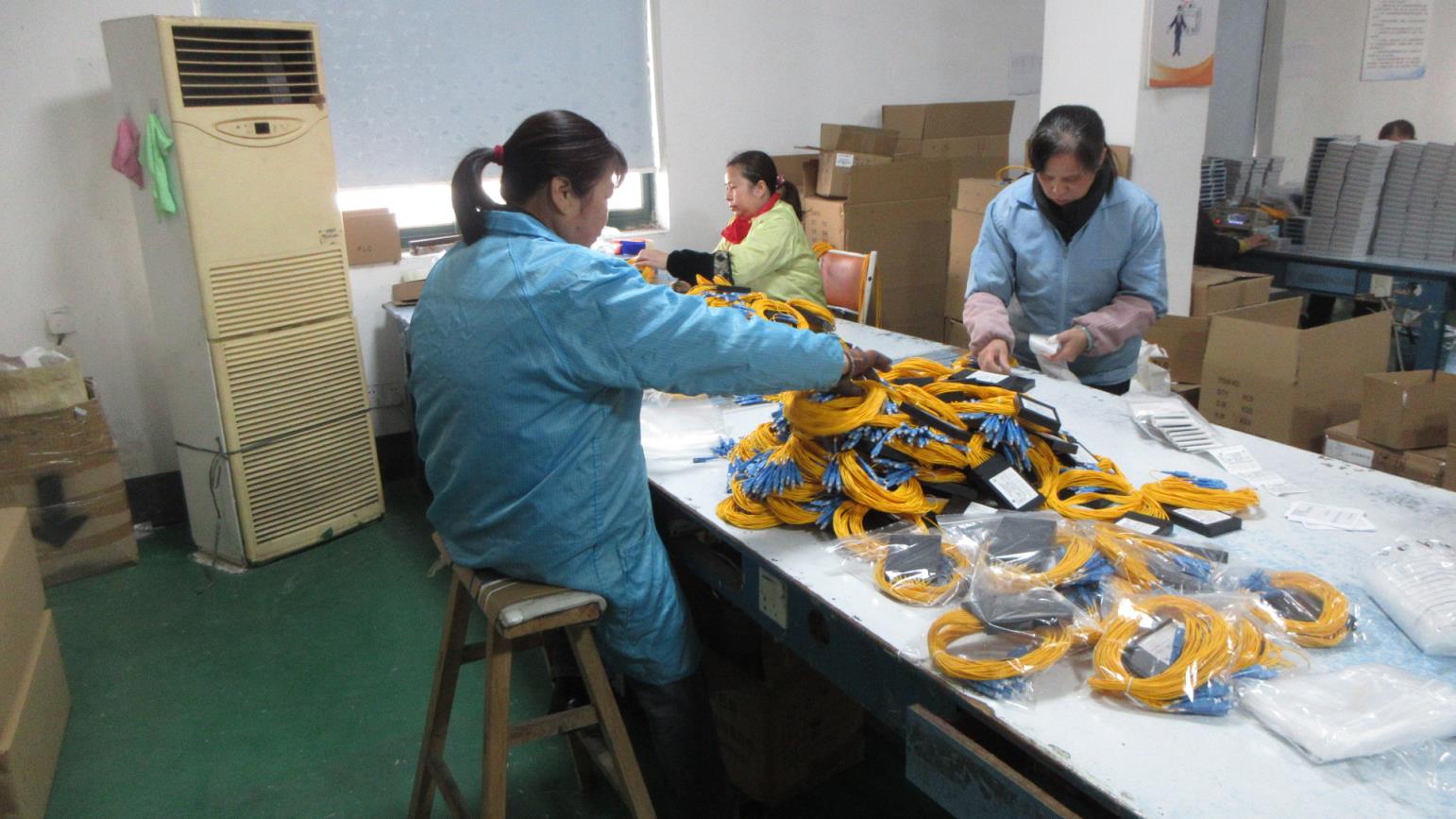
"By implementing a multi-stage testing process—encompassing raw material inspection, inline optical checks, and final assembly testing—Equip-Link helps global partners maintain low defect rates (measured in PPM) and ensure high-integrity network terminations."