Equip-Link
Equip-Link
Equip-Link
Highly specified RJ11 and RJ45 jacks engineered to support Telecommunication Infrastructures, Smart Grid networks, and legacy data links across Buenos Aires, Córdoba, and Rosario.
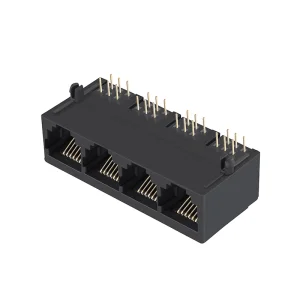
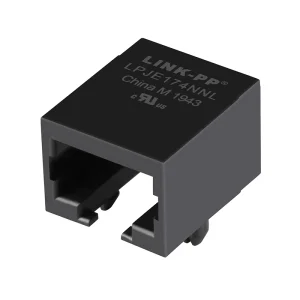
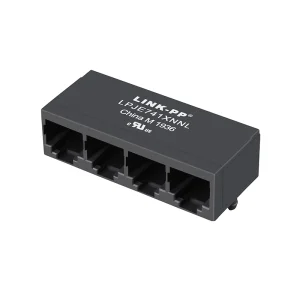
The Argentine Republic's telecommunications sector is currently undergoing a structural transformation. Guided by national digital initiatives, regional operators and industrial system integrators are actively modernizing critical communication networks. While high-speed Fiber-to-the-Home (FTTH) and 5G rollouts dominate metropolitan centers like Buenos Aires and Córdoba, the reliance on copper-based and hybrid networks remains substantial. In particular, RJ11 and RJ12 modular interfaces serve as the backbone for legacy telephony, digital subscriber lines (DSL/VDSL), and critical smart grid telemetry systems across the vast geography of Argentina.
From the cold, remote zones of Patagonia to the subtropical agricultural plains of the Pampas, environmental adaptability is paramount. Industrial systems in Argentina demand components that withstand extreme temperature variations, dust infiltration, and potential vibration from transport infrastructure. Standard commercial-grade RJ11 connectors often fail under these harsh circumstances due to poor plating or low-grade housing materials. As a result, Argentine procurement teams are shifting away from cheap, unrated connectors to high-specification, industrial-grade alternatives that offer gold plating thickness up to 50u", UL94V-0 flame-retardant housings, and strict mechanical durability.
In typical commercial documentation, the distinction between RJ11 and RJ12 is frequently blurred. Understanding these nuances is critical for Argentine electrical engineers and network architects during the procurement cycle:
By maintaining high inventory levels of both 6P4C and 6P6C configurations, Equip-Link satisfies the immediate demands of regional Argentine telecom operators (such as Telecom Argentina and Telefónica de Argentina) as well as independent industrial automation companies.
Importing electronics to Argentina requires navigating stringent regulatory pathways (such as ENACOM approvals and local safety certifications). Dealing with unsystematic manufacturers increases risk. Equip-Link Intelligent Equipment (Shenzhen) Co., Ltd. alleviates this risk by offering state-of-the-art Chinese manufacturing precision (Factory 4.0 standard) combined with highly structured export capabilities.
Our manufacturing paradigm is built on efficiency and quality control. At our Shenzhen facility, advanced high-speed automated injection molding machines produce polycarbonate plug housings with micron-level tolerances. Pin insertion is fully automated, preventing contact misalignment—a primary cause of packet loss and high contact resistance in RJ11 configurations. Furthermore, each production run undergoes strict environmental stress tests, guaranteeing operational resilience within a temperature range of -40°C to +85°C.
For Argentine procurement managers, this translates to predictable delivery schedules, uniform dimensions matching TE Connectivity or Molex footprints, and absolute compliance with international telecom standards.
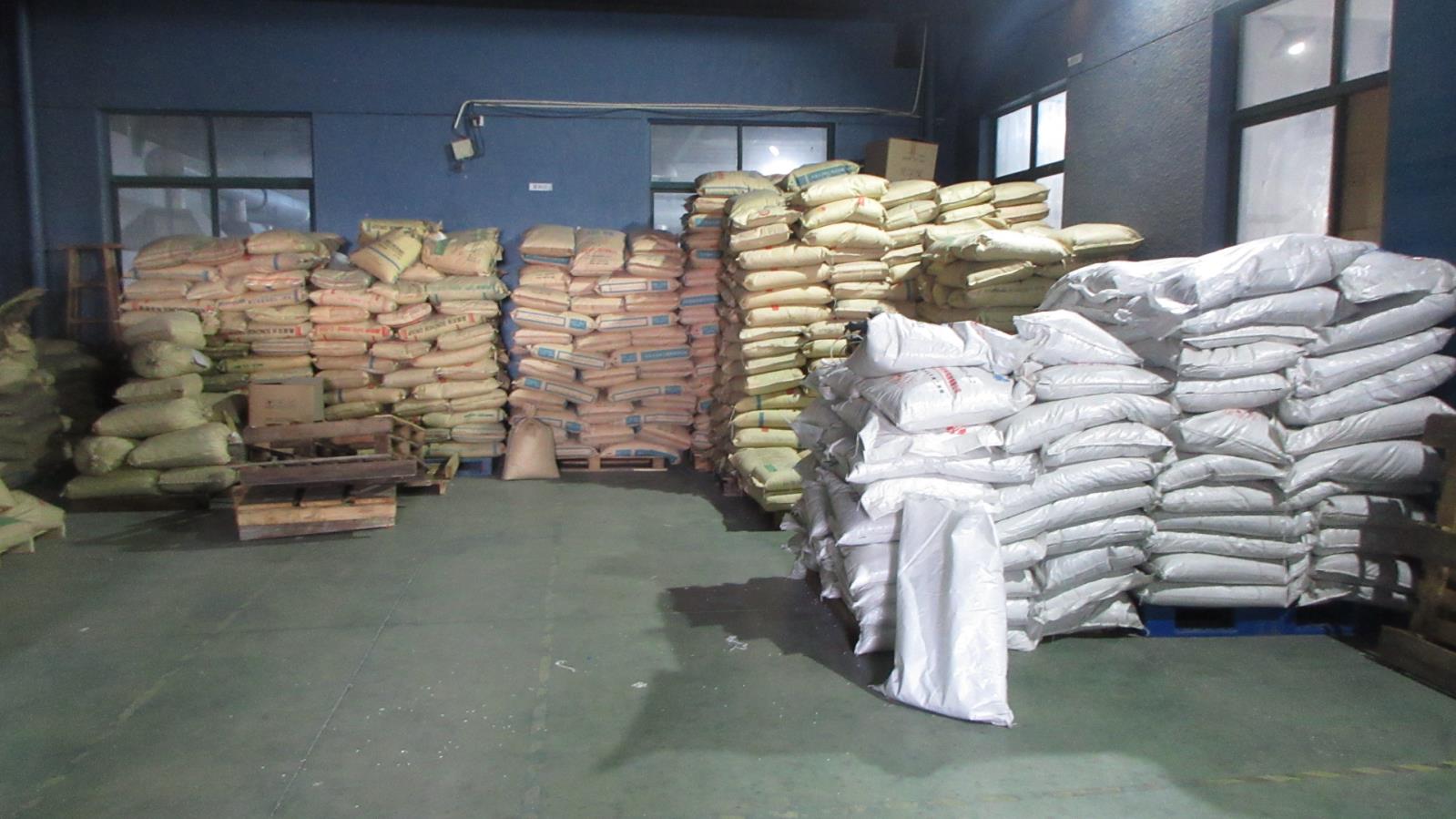
Founded in 2017 in Shenzhen, Equip-Link has grown into a premier supplier of high-speed transceiver modules and modular RJ11/RJ45 connection solutions. View our production and quality control facility below.
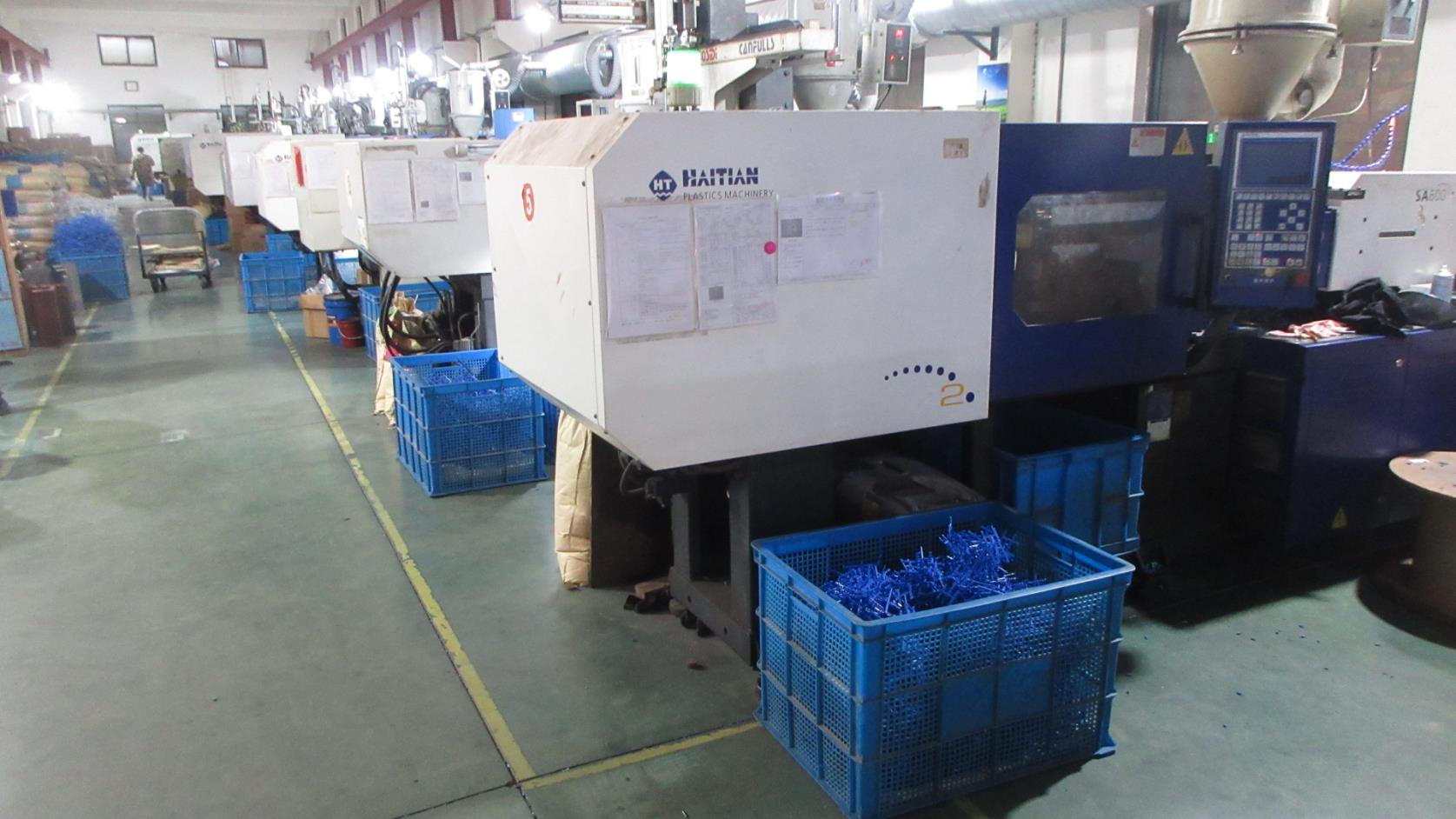
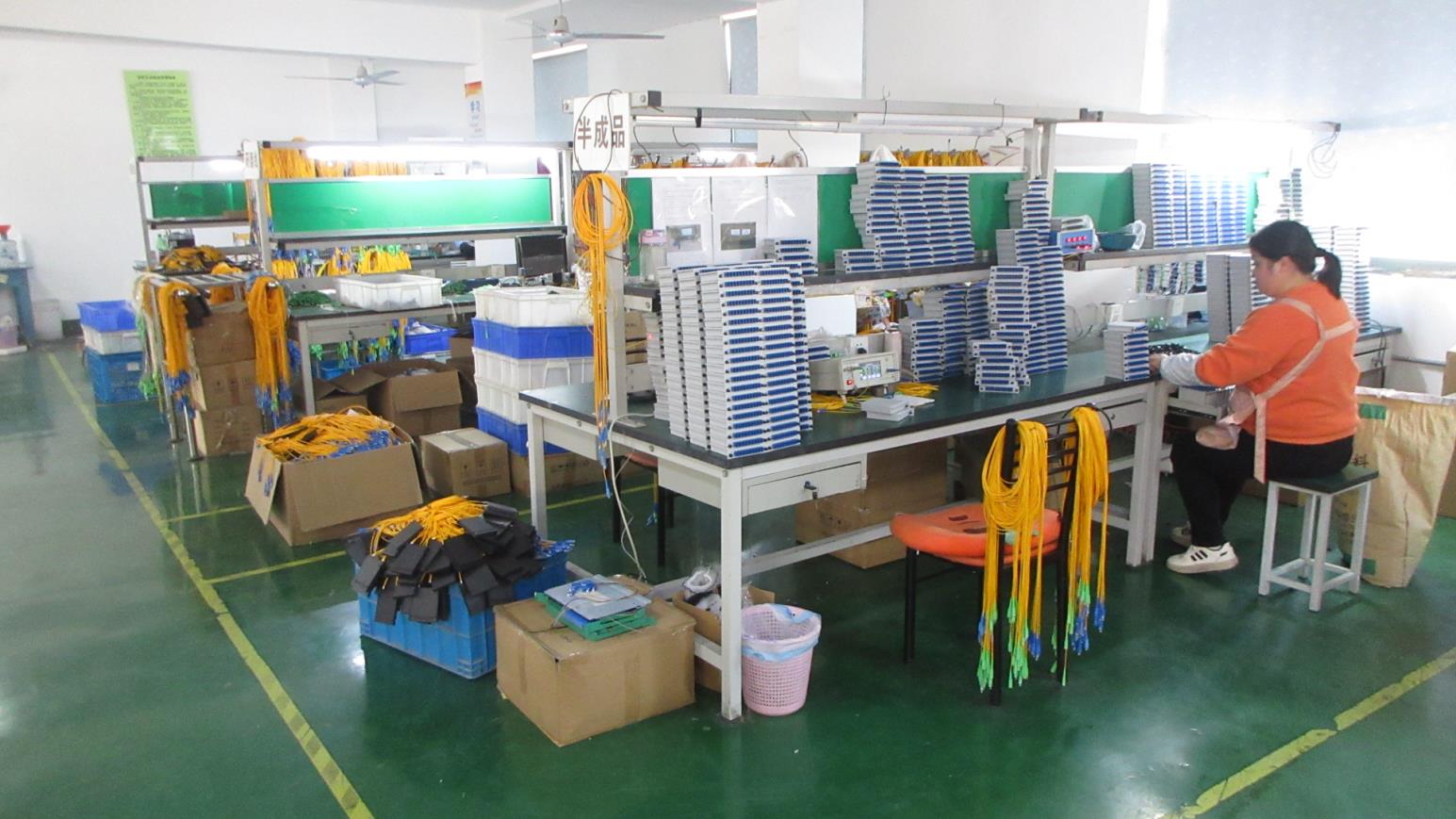
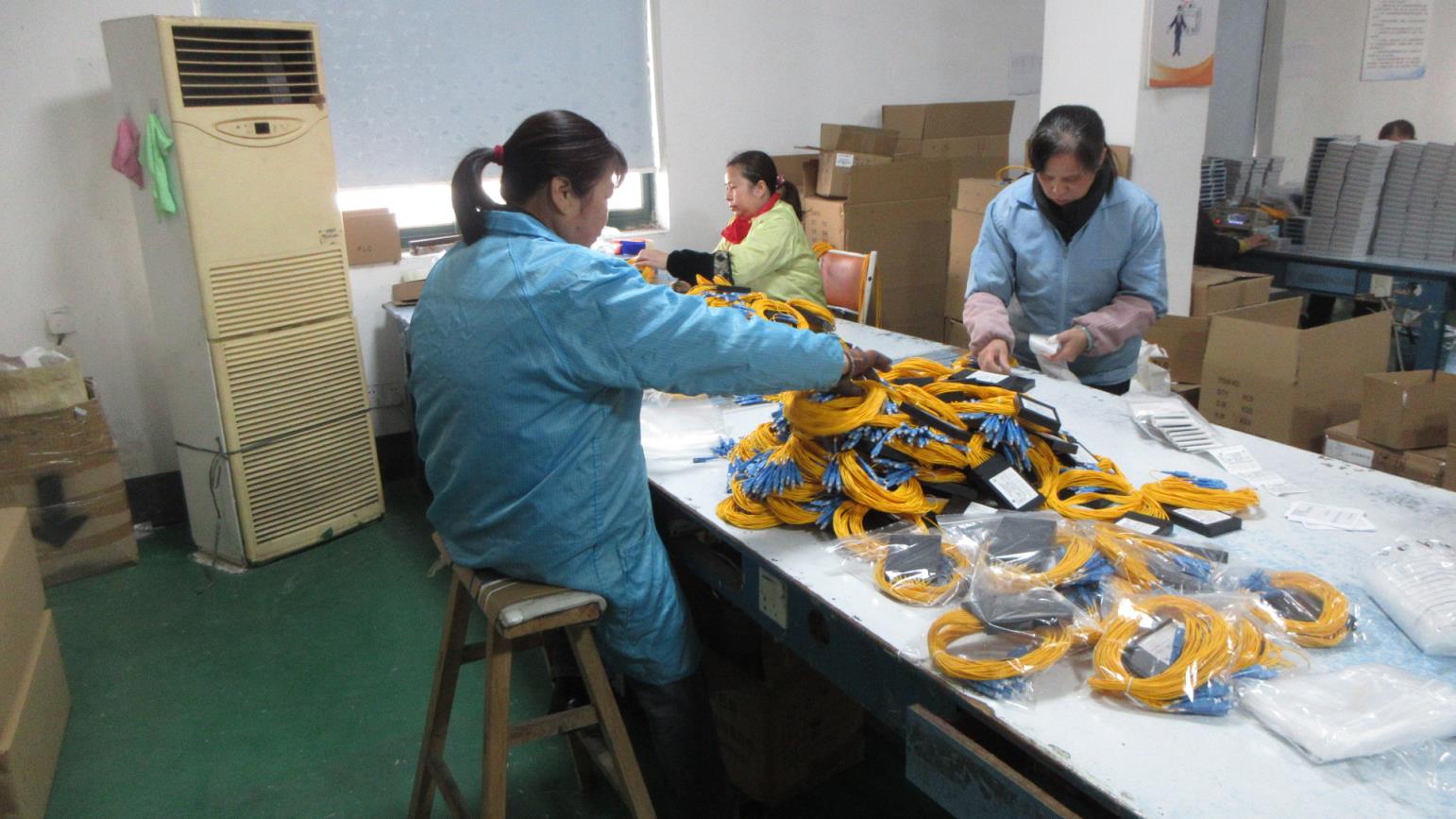
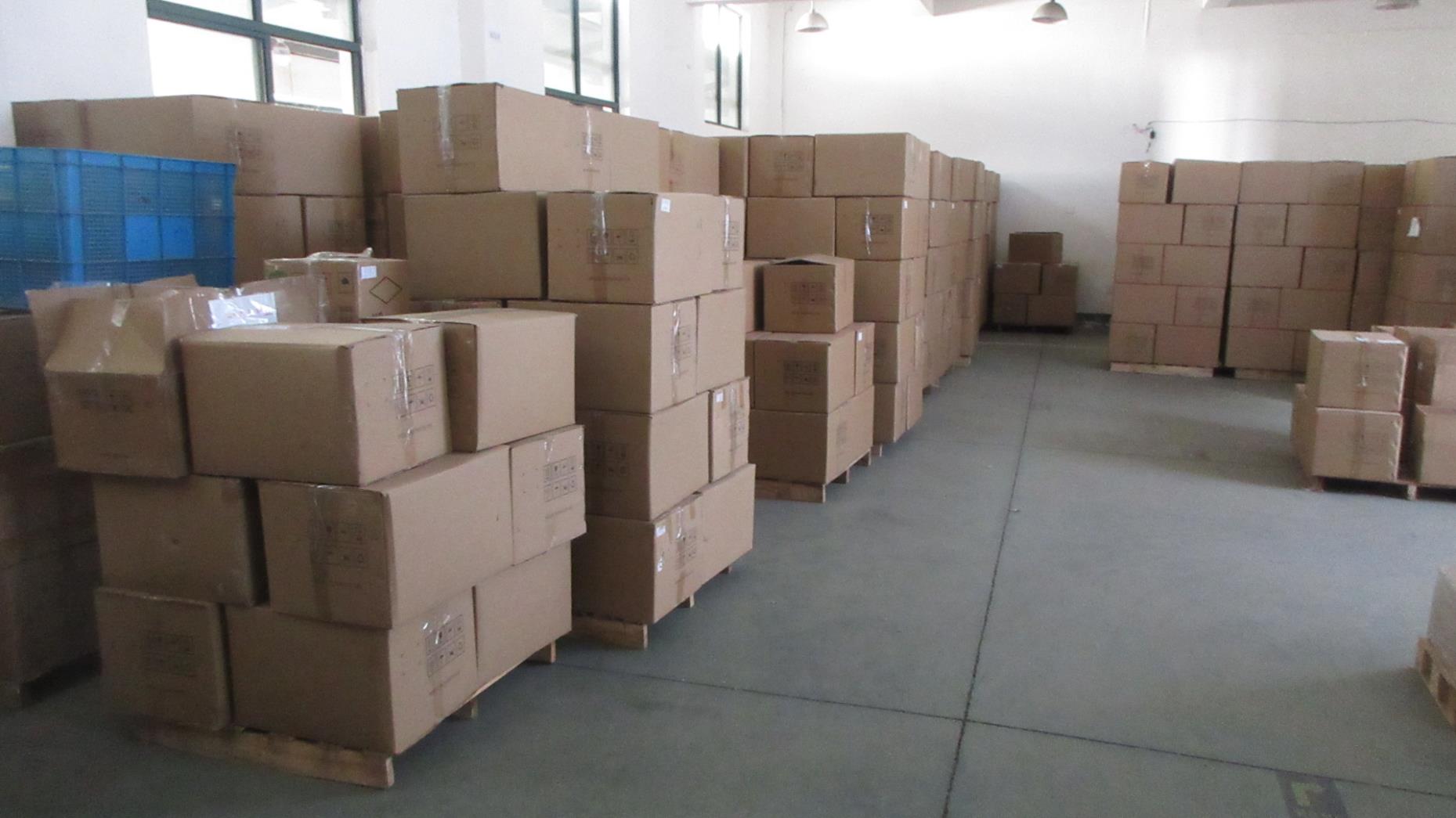
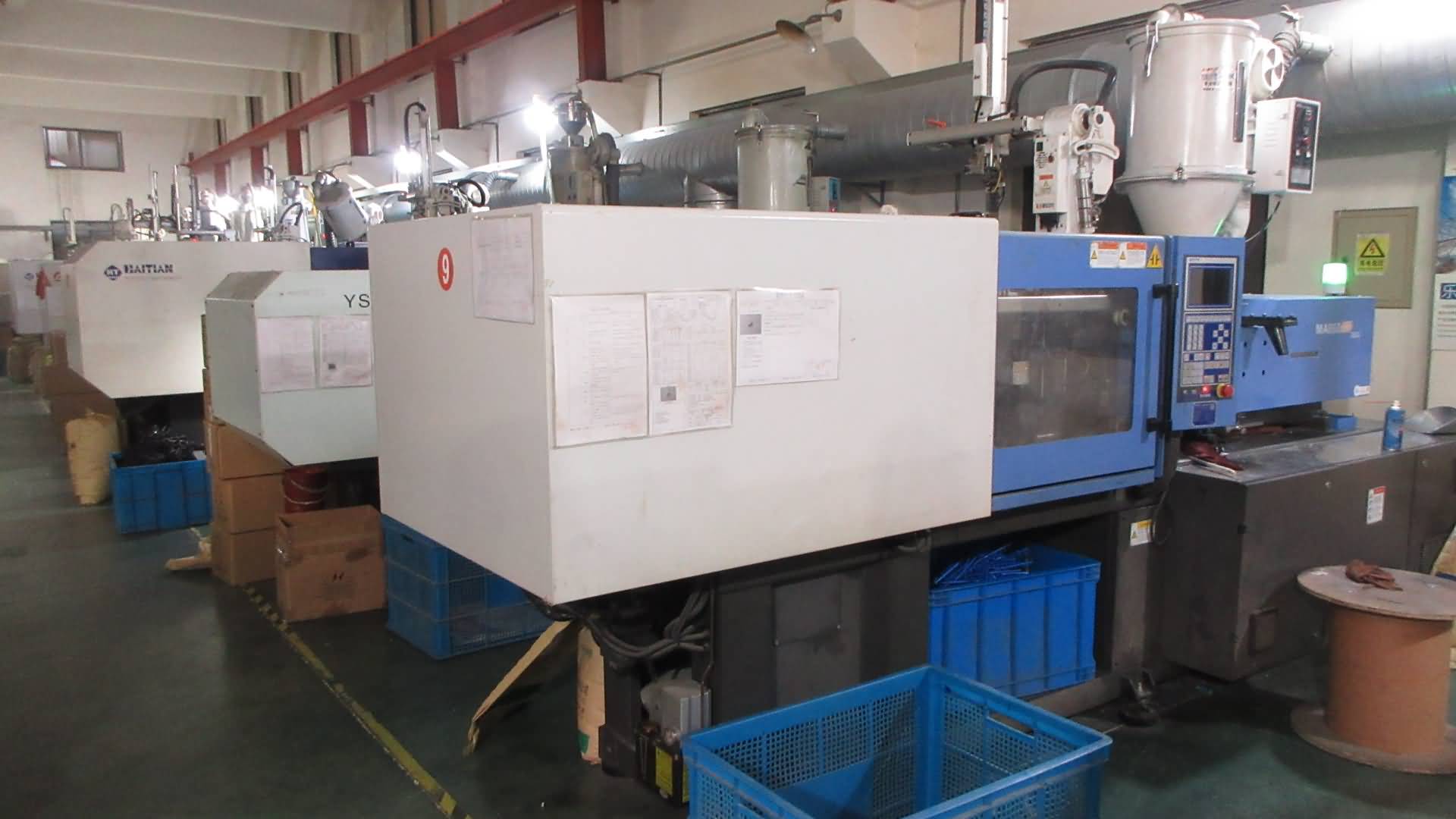
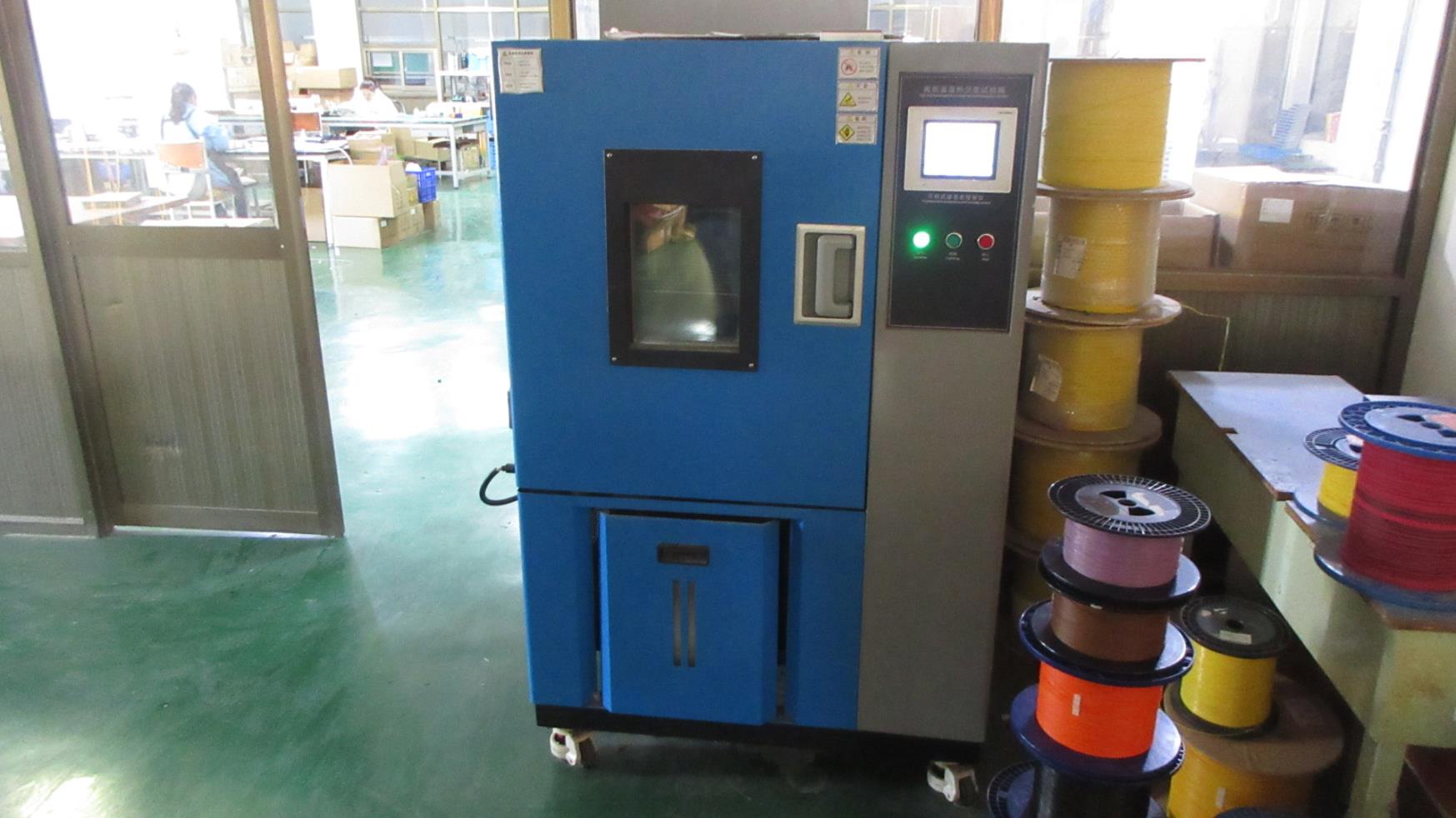
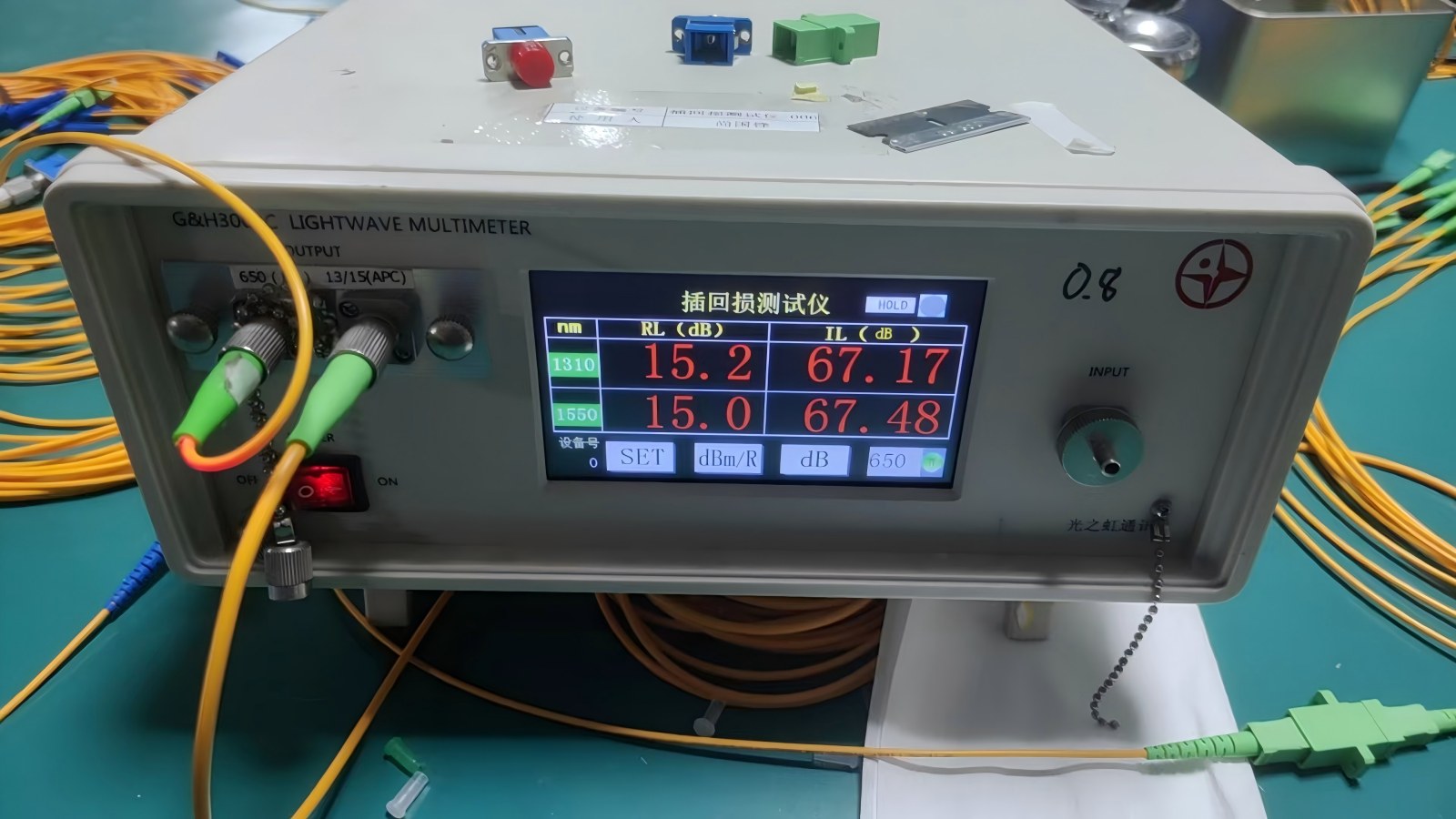
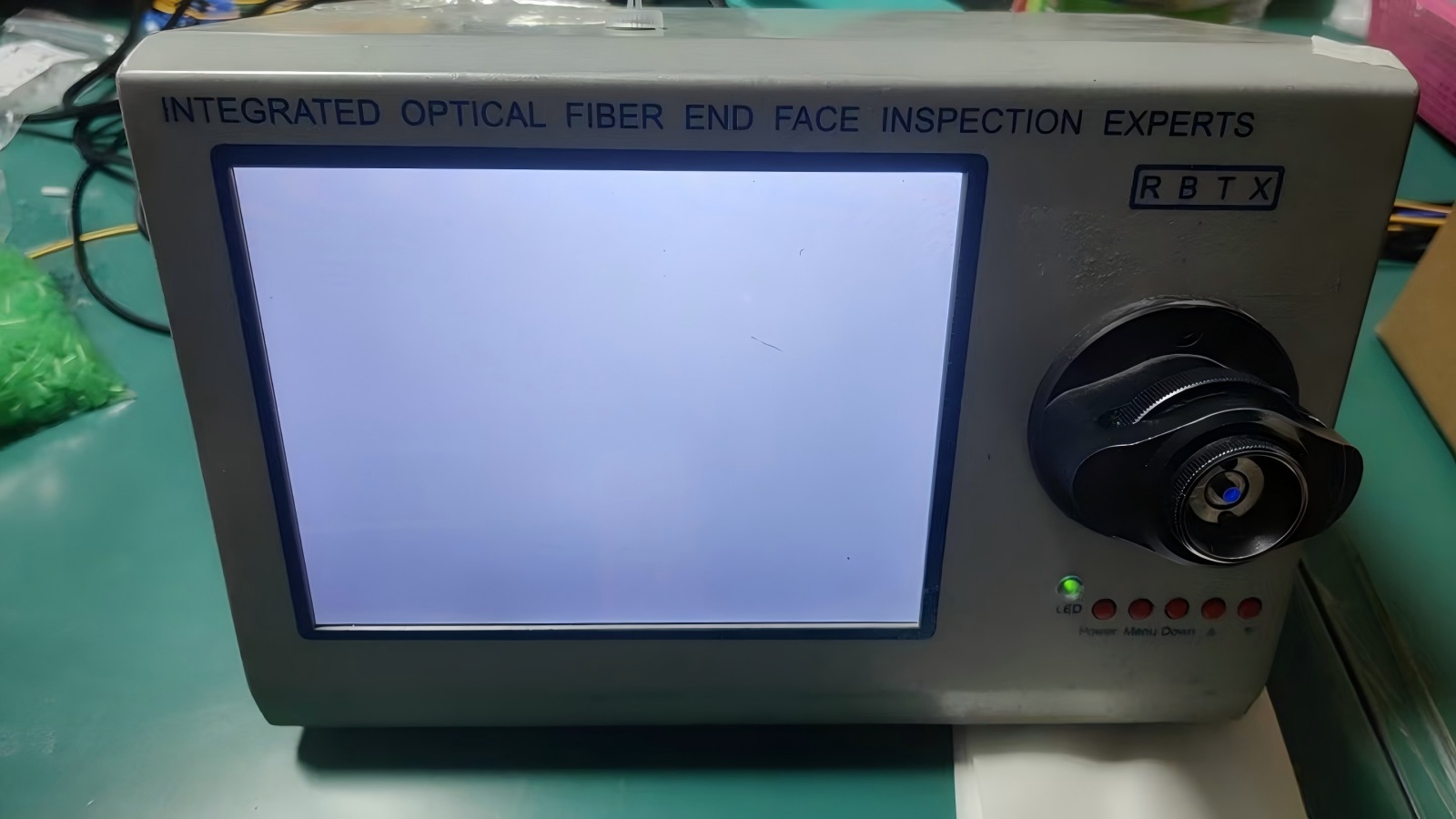
Major power distributors in Buenos Aires (such as Edenor and Edesur) deploy thousands of smart meters that communicate via serial RS-485 interfaces. Our multi-port unshielded RJ11 connectors (6P4C and 6P6C) are directly integrated onto these smart meter control boards to ensure continuous communication and easy field-service maintenance.
In Argentina's massive agricultural belt, smart farming relies on distributed sensory networks for weather monitoring and soil composition. These devices utilize modular RJ11/RJ12 jacks to link peripheral analog sensors back to regional LoRaWAN or 4G LTE agricultural gateway panels, demanding absolute resistance to dust and moisture oxidation.
Mining installations in the Andes mountains rely on fiber-to-the-node configurations, which are converted down to copper for localized instrumentation. Our combination of SFP modules and rugged RJ11 and RJ45 jacks provides the high physical tolerance and EMI insulation required in mineral-rich, high-interference environments.
As dynamic global markets force enterprises to optimize costs and minimize delays, standard OEM-ready connectivity is no longer enough. B2B buyers require suppliers who can adapt modular products to strict regulatory requirements and localized standards.
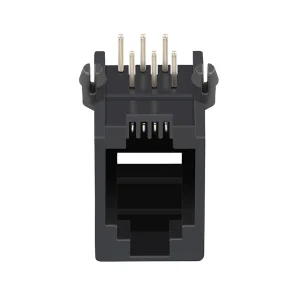
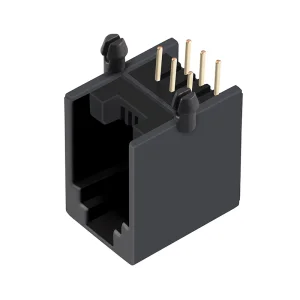
Our comprehensive selection of PCB-mounted modular jacks, vertical entry sockets, and unshielded configurations, certified for reliable deployment in South American telecom projects.
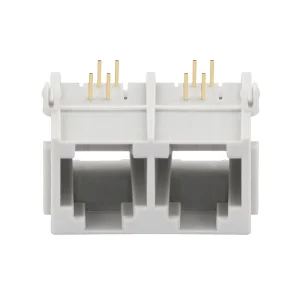
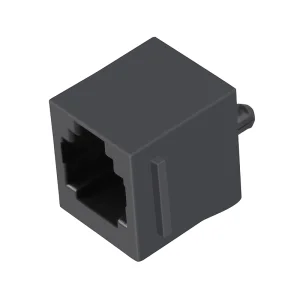
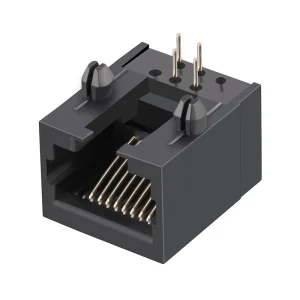
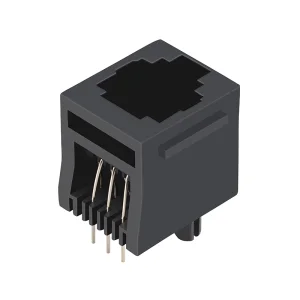
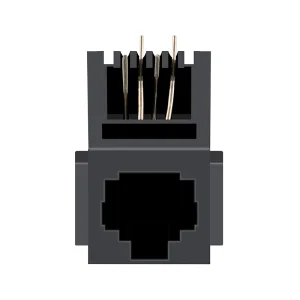
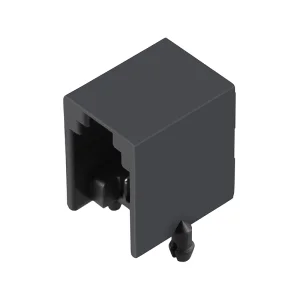
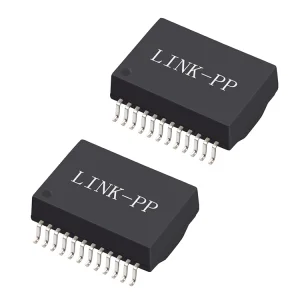
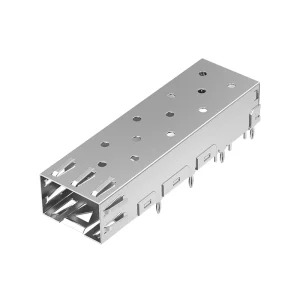
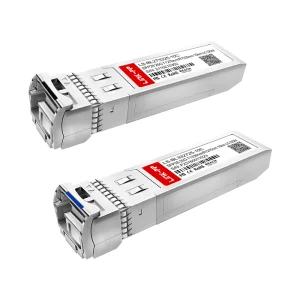
For telecom operators implementing FTTH upgrades or server hardware installations in Buenos Aires data centers. Fully compatible with major OEM hardware protocols.
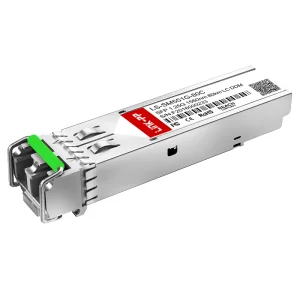
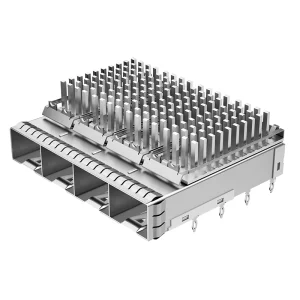
Key technical and commercial inquiries commonly raised by procurement managers and engineers when sourcing telecommunication components from China to Argentina.